
Slate Roofing Lifespan UK: What Really Lasts?
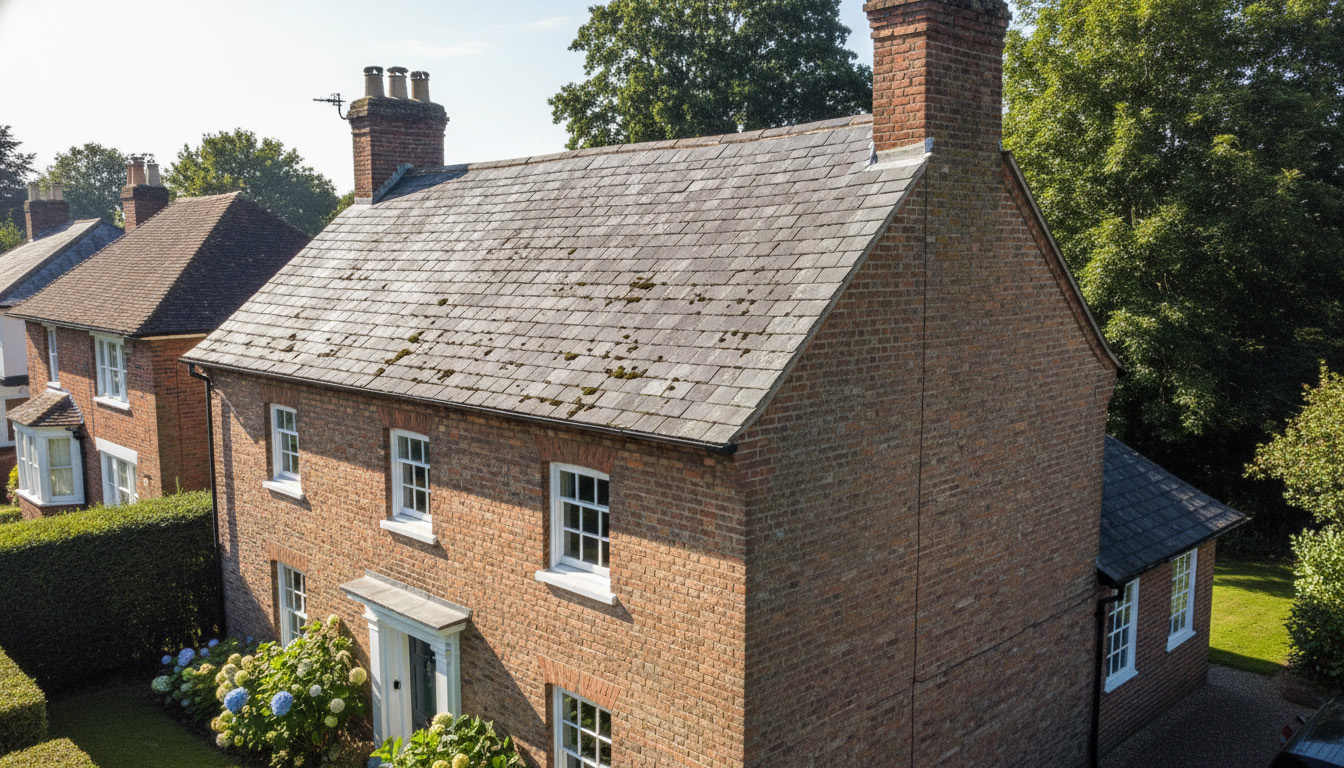
Slate Roofing Lifespan UK: Typical Longevity
A slate roofing lifespan in the UK depends first on whether the covering is high-quality natural slate or a manufactured alternative. Installation, fixings, exposure and maintenance then determine whether the complete roof system reaches that material’s potential.
Typical UK Slate Lifespan Ranges
Slate type | Typical research range | What usually limits service life |
High-quality Welsh natural slate | 100+ years | Fixings, battens, structural defects or physical damage |
Spanish, Brazilian or Canadian natural slate | Around 75–100 years | Material quality, exposure, detailing and fixings |
Fibre-cement or man-made slate | Around 20–50 years | Material ageing, weather exposure and system condition |
Existing historic natural slate | Condition-dependent | Often the supporting roof system rather than slate age alone |
These ranges are useful for planning, but they are not an expiry date. A 90-year-old natural slate roof can be in better practical condition than a much younger roof installed with unsuitable materials or poor detailing.
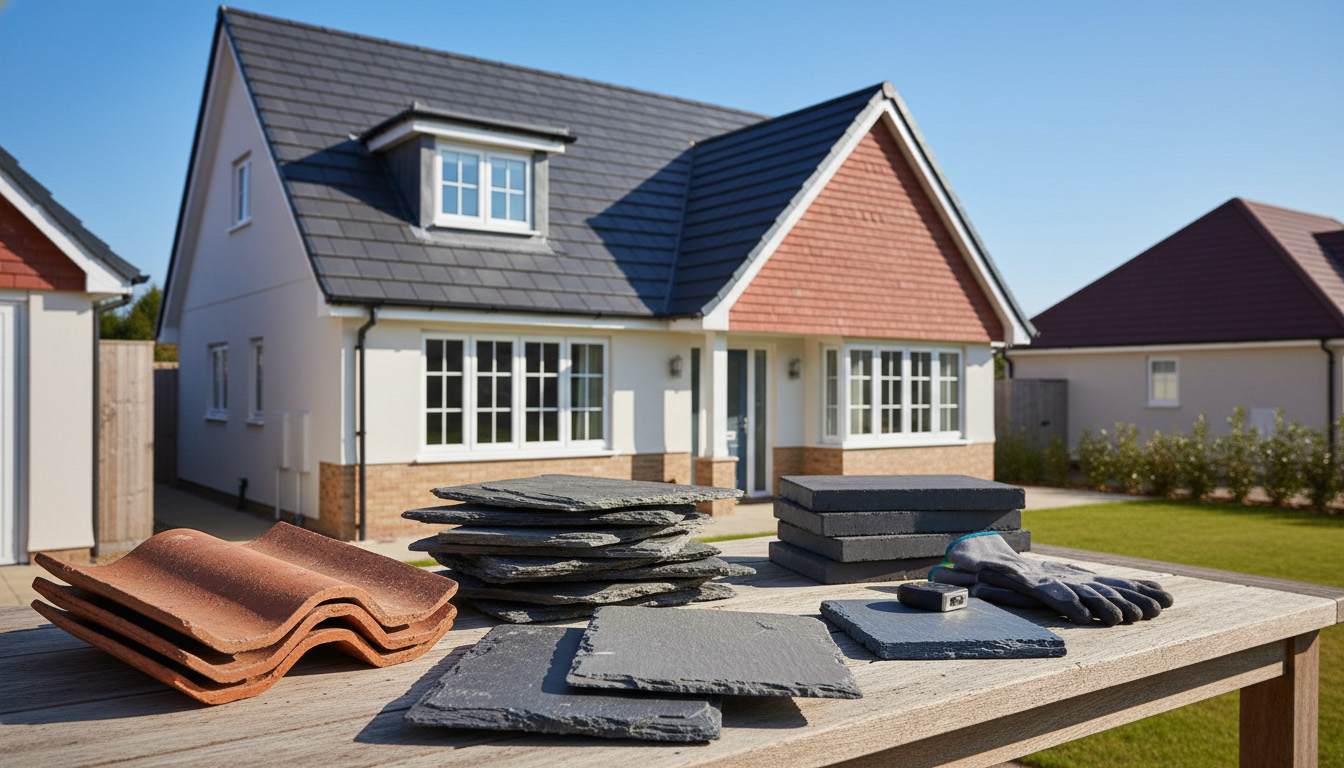
When owners compare UK roof tile material categories, the biggest distinction is often not appearance but expected service life, weight, fixing method and long-term maintenance. Slate may remain usable for decades after a shorter-lived covering would normally be renewed.
When an ageing roof contains damaged or incompatible pieces, replacing roof tiles should take account of the existing material, pitch, fixing arrangement and surrounding roof condition rather than relying on age alone.
For a broader perspective, comparing the expected service life by roofing material helps separate the potential durability of the covering from the working life of the complete roof system.
Why Natural Slate Can Outlast the Roof Below
Natural slate is stone. It does not depend on a coating or surface layer to provide all of its durability, which is one reason sound slate can remain reusable when other roof elements need renewal.
The roof beneath it is different. Nails are exposed to decades of moisture and movement. Timber battens support thousands of individual fixings. Flashings move as temperatures change, and structural timber can suffer if leaks remain unnoticed.
This explains a problem that appears repeatedly in real homeowner discussions: the slate can look perfectly good while the roof itself is beginning to fail.
Long-term performance therefore depends on more than one lifespan figure. Material durability, supporting structure, installation quality, exposure and future repairability all contribute to how long a roof remains serviceable.
Slate Roofing Lifespan UK: What Fails First
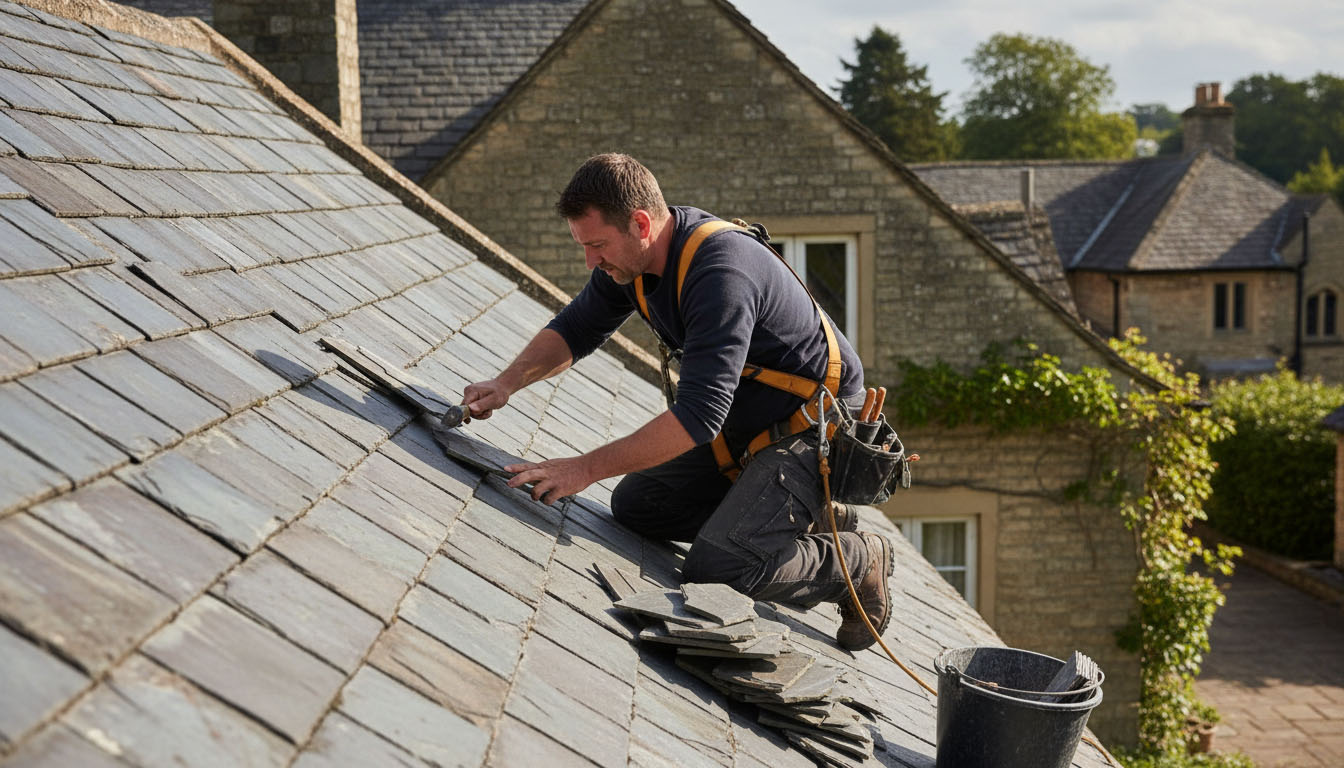
The biggest threat to a long slate roofing lifespan in the UK is often not worn-out stone. Corroded fixings, weakened battens, moisture-damaged timber and repeated local failures can force substantial work while many original slates remain sound.
Nail Sickness Can Look Like Slate Failure
One of the clearest warning signs on an older slate roof is repeated slipping.
A single slate can move after local damage or severe weather. Several slates slipping across different sections of an older roof may indicate something more systematic: the nails holding them have begun to corrode or fail.
This condition is commonly called nail sickness.
The important distinction is that the slate itself may still be usable. If the fixing no longer holds it securely, the slate moves even though the stone has not reached the end of its natural life.
Understanding the root causes of UK slate deterioration helps separate material failure from problems involving fixings, moisture, poor workmanship or damaged supporting components.
Owners sometimes respond to repeated slipping by paying for one small patch after another. That can work when the problem is genuinely isolated. It becomes less sensible when failures are appearing across a wide area because the underlying fixing system may be deteriorating at the same time.
Battens and Timbers Can Become the Weak Point
Slate is only the outer layer of a pitched roof.
Underneath it are battens, membranes or older underlays, rafters, purlins and other structural components. Long-term water ingress can damage these elements even while the slate above remains visually convincing from ground level.
This is why slate age and roof-system age should never be treated as the same thing.
Timber problems deserve particular attention where there are visible structural warning patterns behind roof sagging. A distorted roofline is a different problem from one broken slate and should not be treated as a cosmetic covering defect.
The condition of pitched roofing london properties should therefore be judged across the structure, junctions, drainage and visible covering rather than from the slates alone.
Leak Location Can Be Misleading
Water marks on a bedroom ceiling do not necessarily sit directly below the point where rain entered.
Water can travel along rafters, battens, membranes or other surfaces before becoming visible inside. A slipped slate may be responsible, but so can damaged flashing, a chimney junction, valley or another local defect.
This is why a loft inspection can be so useful.
Look for damp timber, staining, daylight through unexpected gaps, wet insulation and evidence that water has travelled along structural members. External inspection should then be matched to what is visible inside.
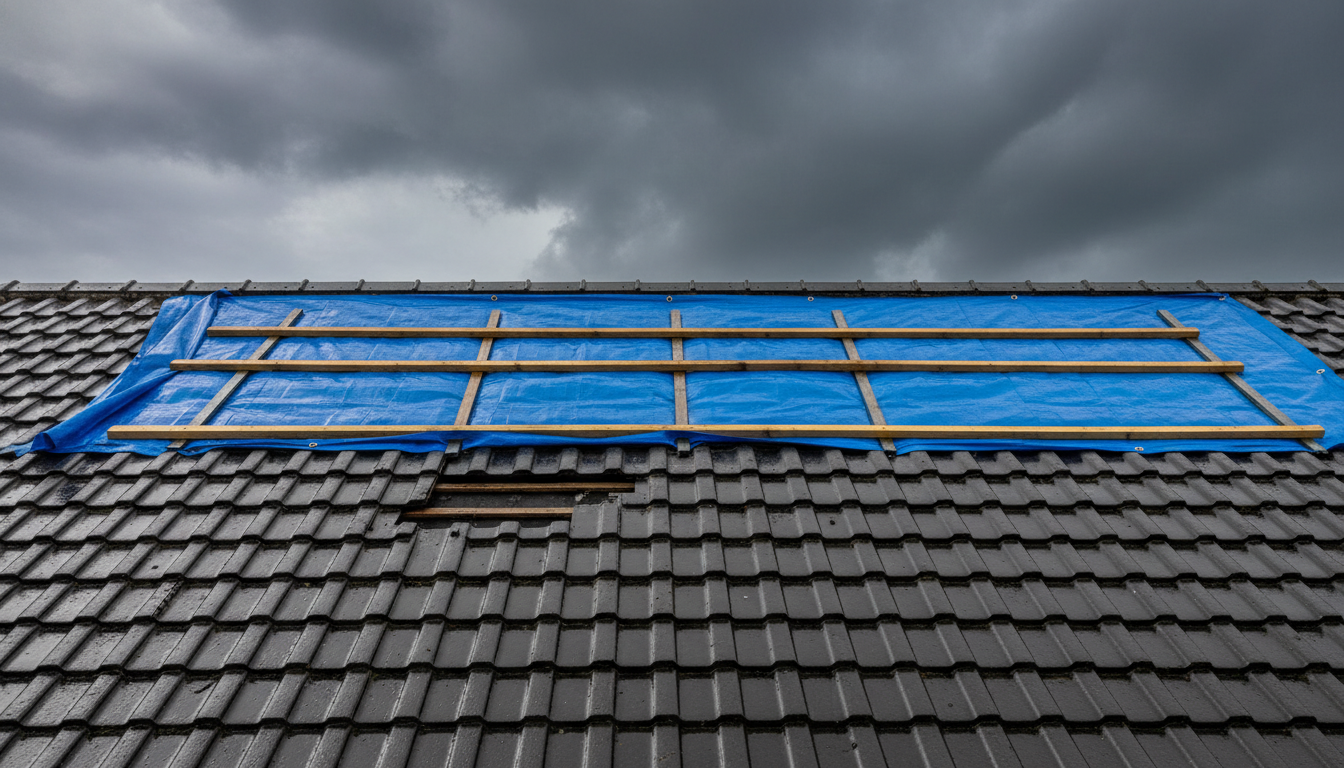
After severe weather, a storm-related roof damage assessment can help identify displaced slates, newly exposed areas and weaknesses that high winds or heavy rain have revealed.
Repair or Replacement Decision Table
What you find | More likely situation | Sensible next step |
One or two isolated broken/slipped slates | Localised damage | Replace or refix affected slates and inspect nearby fixings |
Repeated slipped slates in several areas | Possible widespread fixing failure | Assess nails, battens and overall roof condition |
Sound slate with failing fixings | Roof system ageing before slate | Consider stripping and re-laying reusable slate where suitable |
Damp plus damaged battens/timber | Longer-term water ingress | Trace leak source and repair affected supporting components |
Widespread cracked or delaminating slate | Material deterioration | Assess whether enough sound slate remains for practical reuse |
Sagging or distorted roofline | Potential structural problem | Investigate supporting timber before covering repairs |
Frequent patches with new failures appearing | Progressive system failure | Compare continued repair against more comprehensive renewal |
The purpose of this table is not to diagnose a roof from the ground. It is to prevent the common mistake of treating every slate defect as either trivial or proof that the entire roof needs replacing.
A roof with a handful of isolated defects may have many years left. A roof receiving constant patch repairs because the fixing system is failing throughout may need a different approach.
When deterioration becomes broader than isolated local repairs, a roof restoration process can involve assessing which slate remains usable, which supporting components have failed and whether wider renewal is justified.
Slate Roofing Lifespan UK: Signs to Inspect

Protecting a long slate roofing lifespan in the UK means spotting changes before they become widespread. The most useful checks involve slippage, cracking, repeated repairs, damp, roofline movement, drainage and changes after storms or prolonged wet weather.
Check for Patterns, Not Just One Defect
Stand back from the property and look across the roof slope rather than focusing on one slate.
A single replacement slate is not automatically concerning. Numerous replacements, visible clips, repeated slippage or irregular patches can indicate that previous owners have been managing an ongoing problem.
Look for:
- slipped, cracked or missing slates
- repeated repairs across different roof areas
- uneven or lifting courses
- damaged ridge or hip details
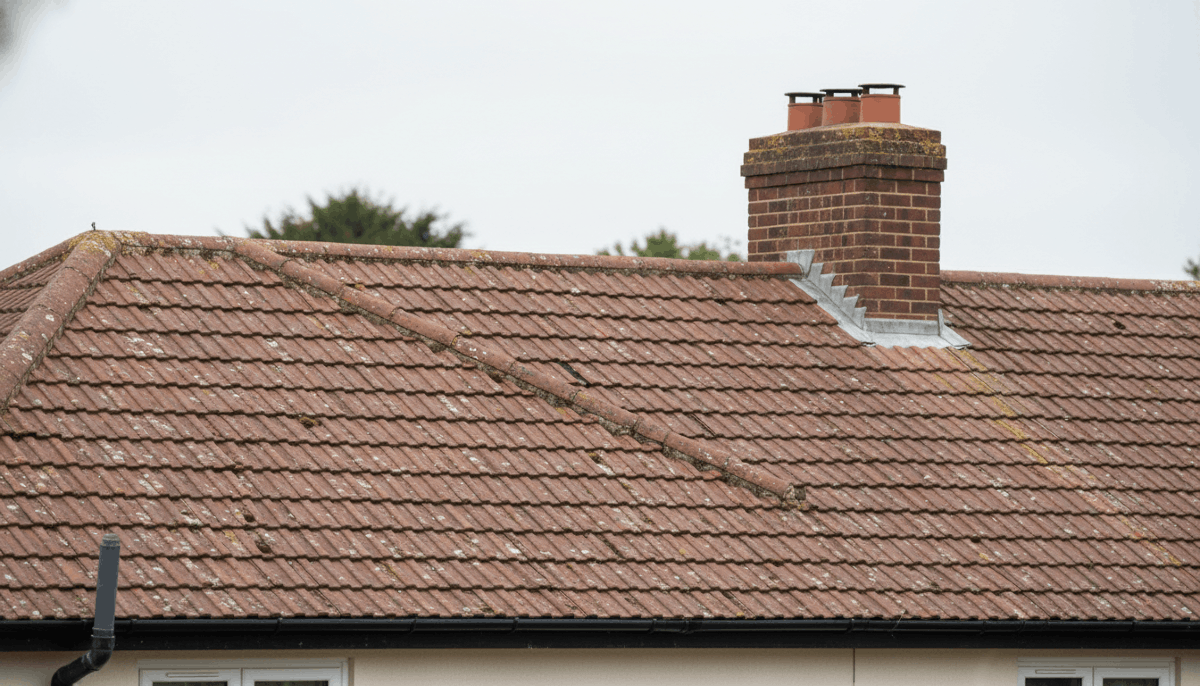
- deteriorated chimney or abutment flashings
- sagging sections
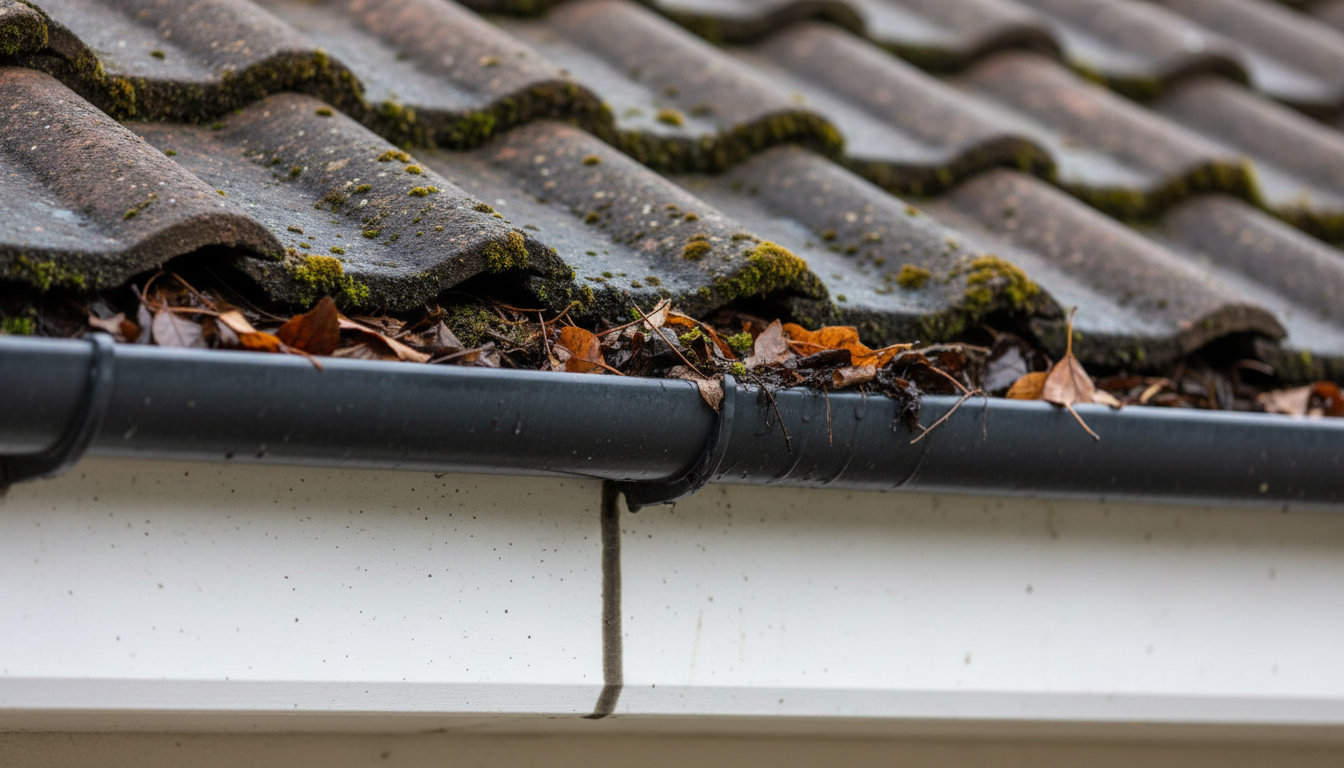
- blocked drainage
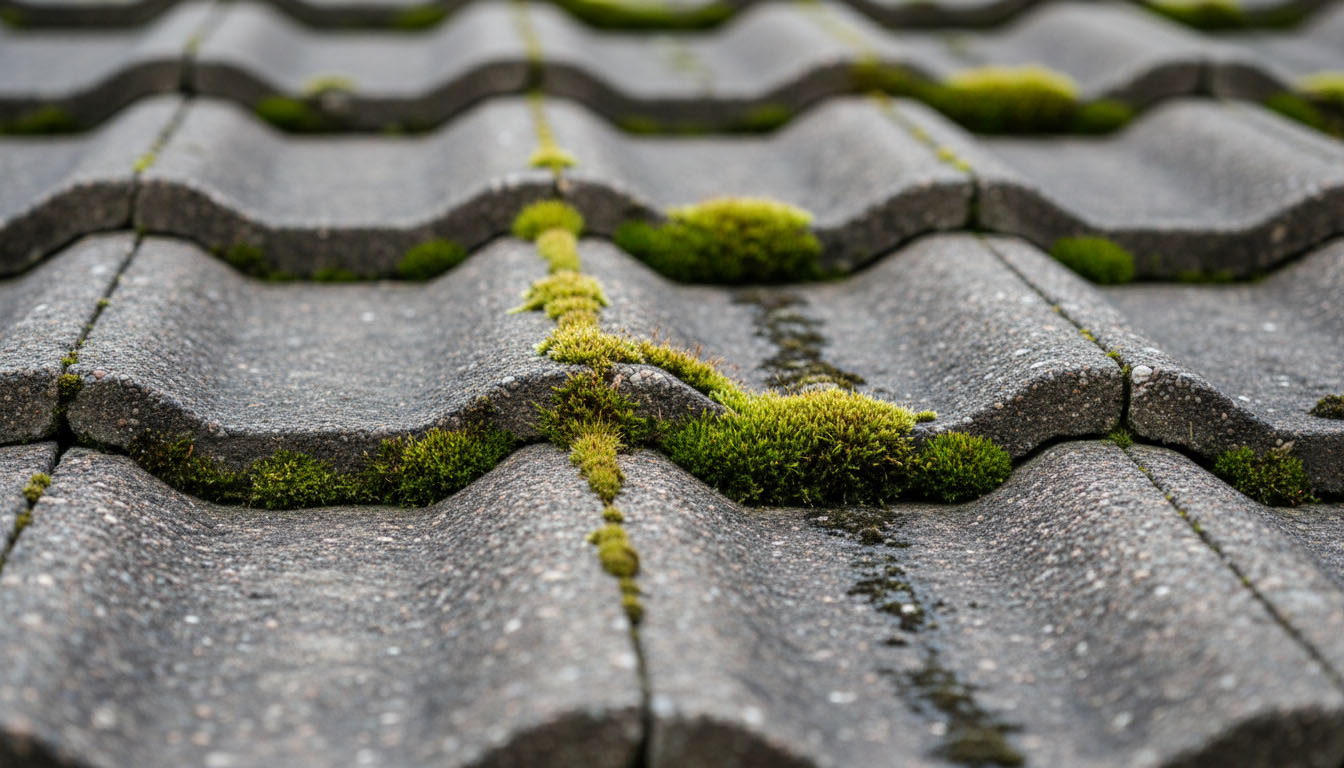
- heavy moss or vegetation
- slate fragments on the ground after storms
Regular annual roof maintenance can help establish whether these defects are isolated events or part of a pattern that is becoming progressively more widespread.
UK Weather Tests Weak Points
Good natural slate is highly durable, but a roof is repeatedly exposed to wind, rain and changing temperatures.
Weather often reveals existing weaknesses rather than creating a completely new problem. A fixing already near failure may release during high winds. A slate with an internal weakness may crack after impact. Water can enter where flashing or detailing has deteriorated.
Understanding UK weather resistance by roofing material helps explain why exposure, roof orientation and material characteristics all matter when judging expected longevity.
The important question is not whether British weather can somehow “wear out” every slate on a fixed schedule. It is whether the specific slate, fixing method, detailing and supporting structure are coping with their exposure.
Where replacement material is required, roof tile selection for long-term durability should consider exposure, roof design, material compatibility and expected performance rather than appearance alone.
Moss Needs Proportionate Attention
Moss is common on older roofs, especially where sections remain shaded or damp.
It should not be presented as proof that a slate roof is failing. Heavy growth can, however, hold debris and moisture, interfere with drainage and make inspection more difficult.
Understanding roof moss development and prevention factors can help identify why biological growth is recurring without assuming aggressive removal is automatically required.
Slate can also be damaged by careless access or unsuitable cleaning techniques. Appropriate slate roof cleaning and material preservation should focus on protecting the covering while controlling problematic growth and debris.
Compare the Whole Roof Before Choosing Work
An old property may contain several different roof types or previous extensions.
The main pitched roof might be natural slate while a rear extension is flat. Another section may have been re-covered in tile. Each system has different failure patterns and maintenance expectations.
Where another section requires flat roof installation london work, its material lifespan and maintenance requirements should be judged separately from those of the natural slate covering.
Reviewing the maintenance profiles of tile slate and flat roofs also helps explain why the correct maintenance or renewal decision depends on the specific system, structure and material rather than one universal lifespan figure.
A Practical Inspection Sequence
Use a simple sequence rather than waiting for a visible leak.
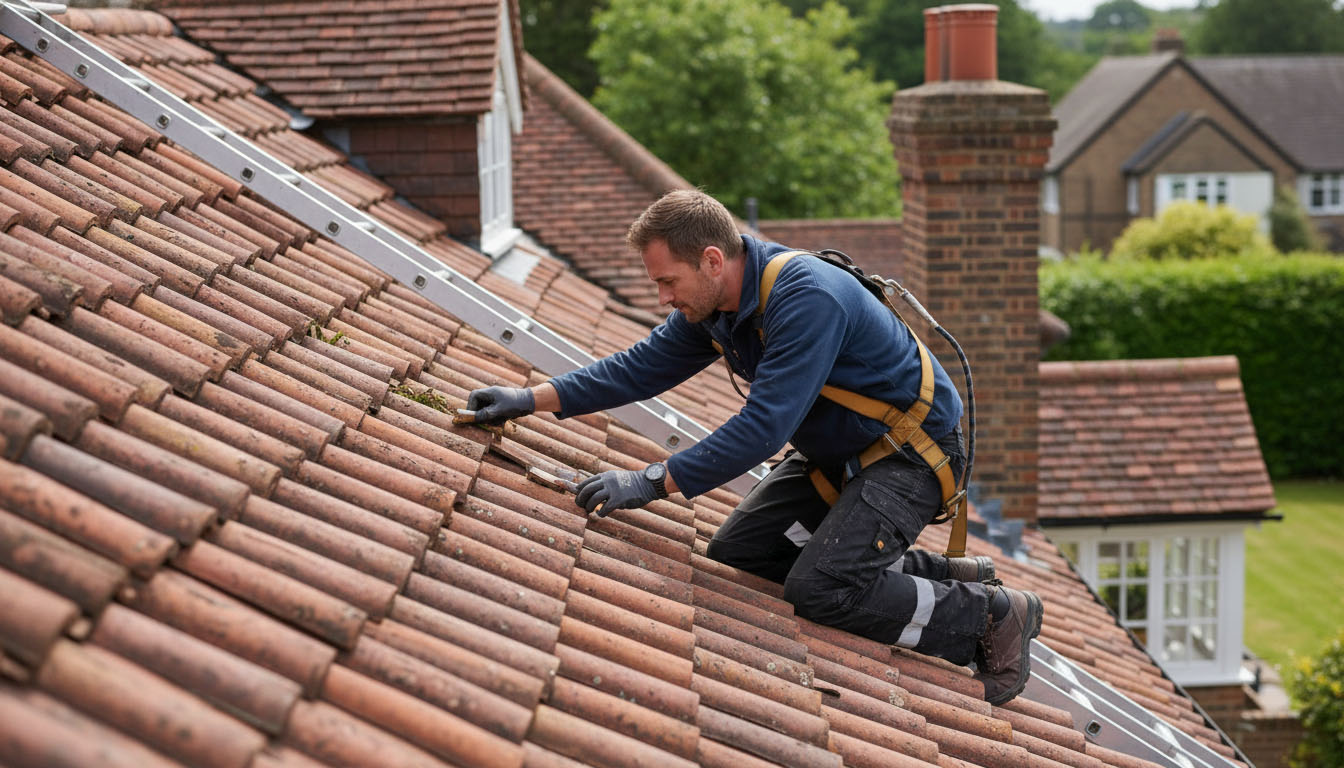
From ground level: look for slipped or missing slates, distortion, patching and damaged ridge details.
After storms: check the ground and gutters for fragments and look for newly displaced slate.
Inside the loft: check for damp staining, wet timber, musty areas or evidence water has travelled along the structure.
Around junctions: pay attention to chimneys, valleys, dormers and flashings.
Across the whole roof: decide whether problems are isolated or appearing repeatedly in unrelated areas.
This approach helps separate a maintainable old slate roof from one where supporting components are starting to fail widely.
It also prevents unnecessary replacement simply because a roof has reached a certain age.
Check the Roof Before Age Decides the Answer
A slate roof that has already served for many decades deserves a condition-based assessment rather than an automatic replacement date. Sound slate may continue performing even when individual fixings or surrounding components need attention.
The right next step may be a small repair, targeted maintenance, re-laying reusable slate or more comprehensive renewal. Condition should decide the work, not age alone.
Frequently Asked Questions
Can walking affect slate roofing lifespan UK?
Yes. Slate roofing lifespan UK performance can be affected by unnecessary foot traffic because slate is durable in service but individual pieces can crack when loaded incorrectly. Older slate may also be harder to access safely because fixings and surrounding pieces can already be weakened. Roof inspections should therefore avoid casual walking across the covering, particularly when there are existing cracks, slippage or fragile historic details.
Can solar panels affect slate roofing lifespan UK?
Solar panels do not automatically reduce slate roofing lifespan UK, but the installation method matters. Fixings for equipment should be designed so the roof remains weather-tight and individual slates are not unnecessarily drilled or cracked. On an older roof, it also makes sense to assess the existing slate, battens and structure before adding equipment so known defects are dealt with first rather than becoming hidden below the installation.
Do conservation rules affect slate roofing lifespan UK repairs?
They can affect how work is carried out. For a historic or protected property, maintaining slate roofing lifespan UK may involve repairing and reusing original material rather than changing the roof covering without consideration for the building’s character. Listed buildings and some conservation areas can have additional requirements for materials, detailing or consent, so owners should check local restrictions before replacing significant areas of original slate.
Can old and new slate be mixed on a UK roof?
Yes, where appropriate. Protecting slate roofing lifespan UK does not always require discarding all original material during major work. Sound old slate can sometimes be reused and matching replacement slate introduced where existing pieces are no longer serviceable. The important factors are compatibility in size, thickness, colour, texture and laying detail so the repaired covering performs consistently and does not create obvious weak sections.
Do copper nails help slate roofing lifespan UK?
Suitable fixings are an important part of slate roofing lifespan UK because the slate can remain usable after inferior or heavily corroded nails start failing. Broad-shanked copper nails are commonly associated with traditional slate fixing because of their resistance to corrosion. Fixing choice still needs to suit the roof construction, slate and local detailing; a durable nail cannot compensate for poor installation or failing battens.
Does ventilation matter to slate roofing lifespan UK?
Ventilation can matter to the condition of the roof system supporting slate roofing lifespan UK. The slate itself is only one layer. Moisture conditions beneath the covering can affect timber, battens and other components over time. Older roofs need particular care because introducing modern membranes or ventilation details without understanding the existing construction can change how moisture moves through the roof.
Does roof pitch change slate roofing lifespan UK?
Roof pitch is one factor in correct slate detailing, so it can indirectly influence slate roofing lifespan UK performance. The roof needs an appropriate slate size, overlap and fixing arrangement for its geometry and exposure. A durable slate installed with unsuitable detailing can still experience water penetration or weather-related problems. Material quality therefore needs to be matched by correct design and workmanship.


Comments (4)
[…] condition matters more than a spotless finish. Understanding the expected slate roofing lifespan in the UK provides better context for deciding whether an older roof needs routine care, individual repairs, […]
[…] expected factors affecting natural slate longevity therefore depend on more than the slate. Fixings, battens, workmanship, exposure, and maintenance […]
[…] the service-life factors for natural slate roofing also shows why the slate itself should not be considered separately from fixings, battens, […]
[…] is why remaining service potential of historic natural slate matters when judging old […]
Comments are closed.