Types of Roof Tiles in the UK: A Complete Guide to Materials and Styles
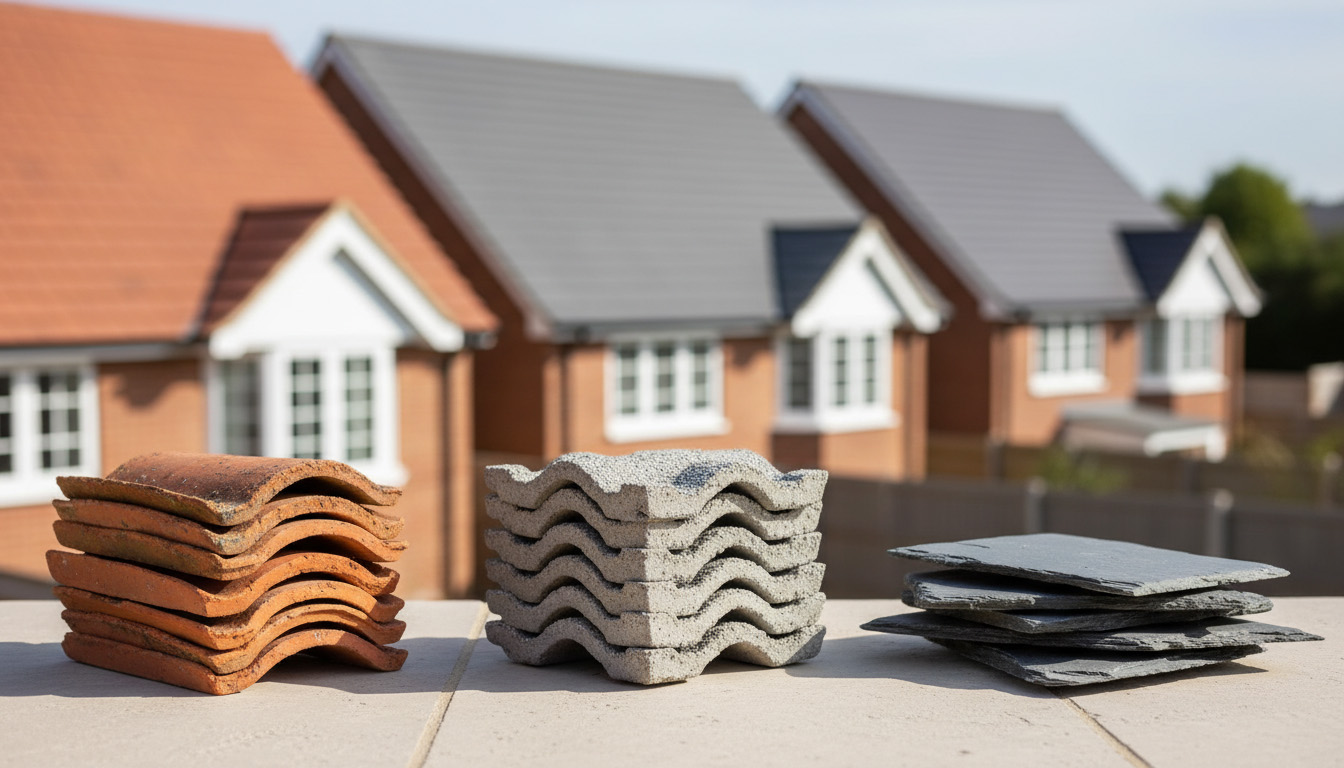
Many UK homeowners choose roof tiles after seeing a colour, price, or neighbour’s roof, then face leaks, loose ridge tiles, poor fixing, or unexpected structural limits. A serious choice needs expert checks on pitch, weight, weather exposure, ventilation, ridge fixing, building control, and long-term maintenance before any tile is ordered. The safest route is to match the roof tile to the building first, then use experienced professional roofing solutions in London for proper inspection, specification, and installation.
Types of Roof Tiles UK

This section gives the fast answer before the deeper checks. Key Types of Roof Tiles in the UK include concrete, clay, slate, fibre cement, composite, and metal-style tiles. The right option depends on Key Considerations such as pitch, roof structure, budget, local style, and expected lifespan.
Roof Tile Type | Best Use | Key Considerations | Main Risk If Chosen Wrong |
Concrete tiles | Modern homes, budget-conscious reroofs | Weight, colour fade, pitch, fixing method | Extra load or poor visual match |
Clay tiles | Period homes, heritage style, premium finish | Cost, pitch, handmade or machine-made type | Wrong profile in conservation areas |
Natural slate | Premium pitched roofs, classic London homes | Higher cost, skilled fitting, weight | Breakage or poor slate grading |
Fibre cement slates | Slate look with lower weight and cost | Lifespan, detailing, brand quality | Less authentic appearance |
Composite tiles | Retrofit roofs, lighter structures | Fire rating, warranty, fixing system | Poor product choice or cheap imitation |
Metal tiles | Lightweight roofing and extensions | Noise control, insulation, finish quality | Unsuitable appearance for older homes |
Solar roof tiles | New builds and premium upgrades | Orientation, pitch, and electrical planning | High cost without enough output |
Step 1: Read the Roof Before Tile Choice
A roof tile cannot be chosen properly from a sample alone. The roof shape, pitch, rafter condition, exposure level, and existing roof covering all affect the final choice. This is where many costly tile roofing mistakes begin.
The first check is roof pitch, because some tiles need a steeper slope to shed water safely. Plain clay tiles often need a higher pitch than many modern interlocking concrete tiles. Low-pitch extensions need tile systems made for that purpose, not just a tile that looks suitable.
The second check is roof structure, because clay, concrete, slate, and stone can place different loads on the building. A lightweight existing roof should not be upgraded to heavier tiles without proper assessment. This matters even more for conservatory conversions, garages, and older London homes.
The third check is weather exposure, because open sites, coastal conditions, tall buildings, and wind-driven rain need stronger detailing. Ridge tiles, verges, valleys, battens, underlay, and fixings must match the roof’s risk level. A nice-looking tile will still fail if the roof system is badly specified.
Step 2: Match Material to the Building

Each tile material has a different purpose. The best choice is rarely the most expensive one, and it is not always the most fashionable one. It is the one that suits the building, the roof design, and the homeowner’s long-term plan.
Concrete Tiles for Practical Value
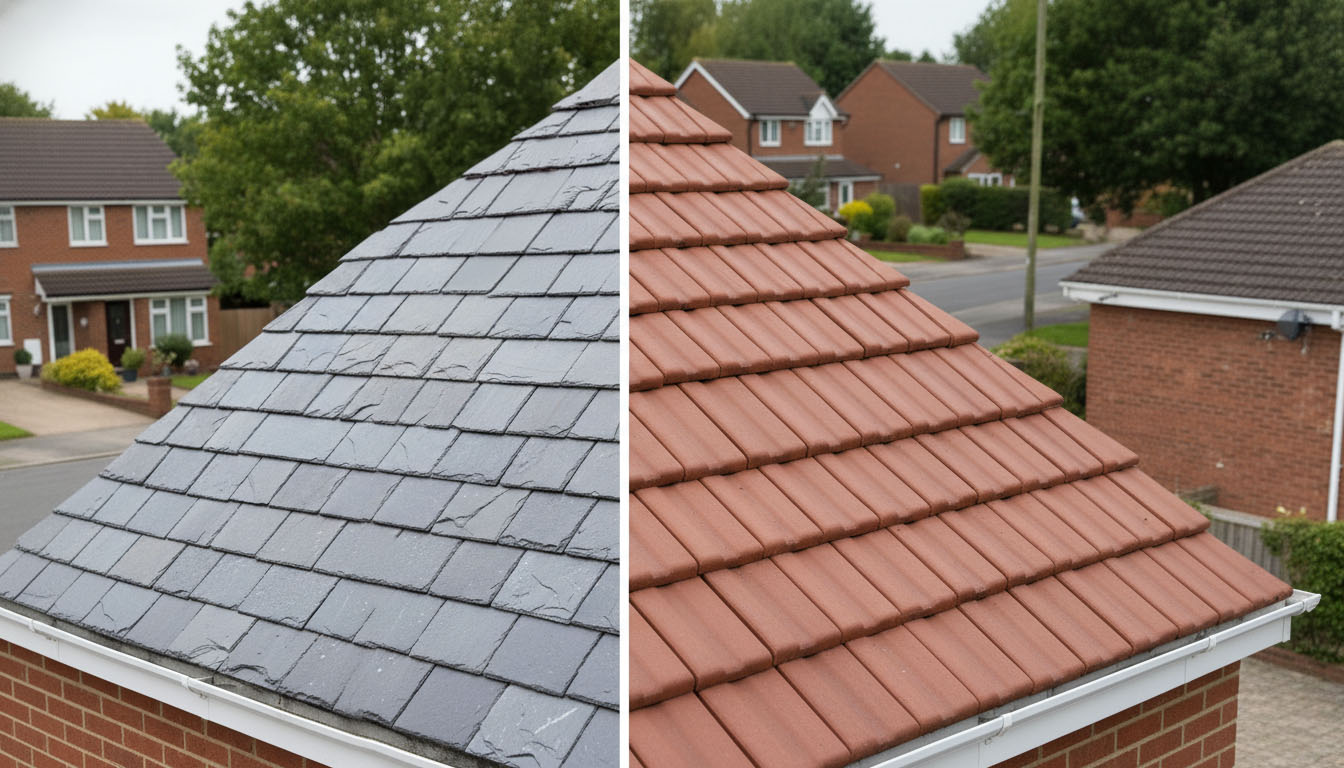
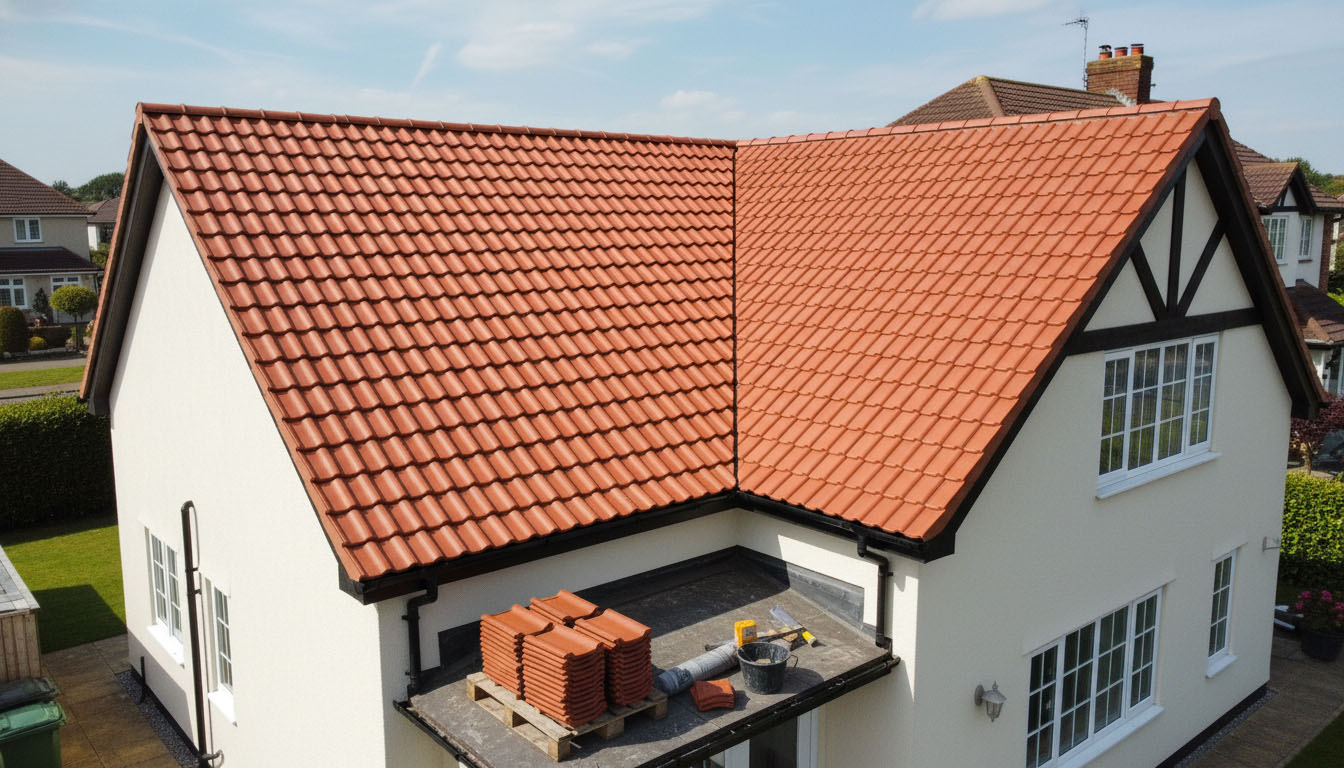
Concrete tiles are one of the most common choices for UK pitched roofs. They are widely available, cost-effective, and suitable for many modern homes. They work well when the roof structure can handle the weight and the style suits the property.
Concrete also gives predictable sizing, which helps installation on straightforward roof shapes. Interlocking concrete tiles can reduce labour time because they cover the roof more efficiently. They are often a sensible option for larger reroofing projects where budget control matters.
The main issue is appearance over time. Some concrete tiles may weather or fade more visibly than clay or natural slate. A homeowner should compare colour, profile, weight, and warranty before choosing concrete tiles.
For homeowners planning a tiled roof upgrade, tile roof installation in london should focus on proper tile selection, accurate fixing, and roof-specific detailing.
Clay Tiles for Character and Heritage
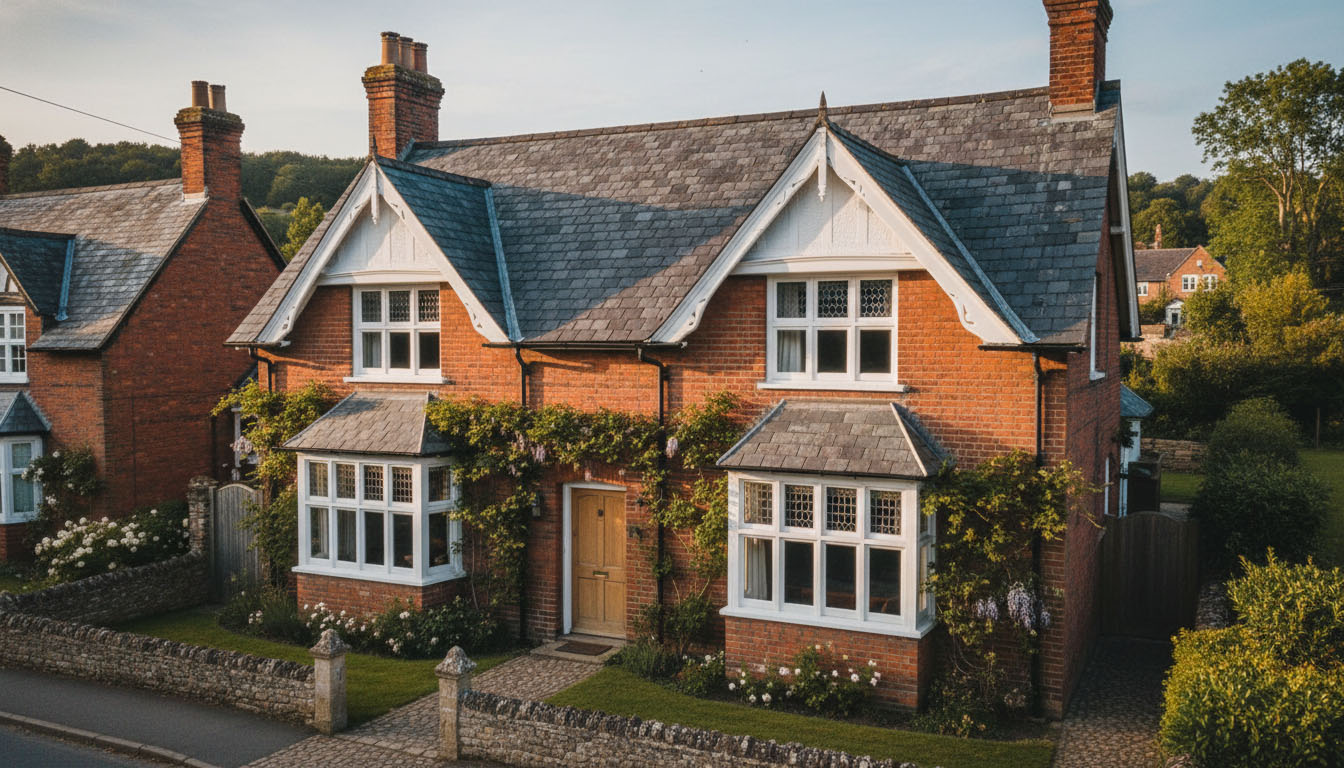
Clay tiles remain one of the strongest choices for traditional UK homes. They suit cottages, period terraces, conservation areas, and properties where roof character matters. Their natural colour and texture often give a warmer finish than standard concrete.
Clay can be machine-made for consistency or handmade for a more historic look. Plain clay tiles, pantiles, and decorative clay profiles can help a roof blend with local architecture. This matters in streets where the roofline strongly affects kerb appeal.
The main concern is pitch and cost. Many clay tile systems need careful pitch checks and skilled installation. A poor match can create drainage problems or make the roof look out of place.
Slate Tiles for Premium Rooflines
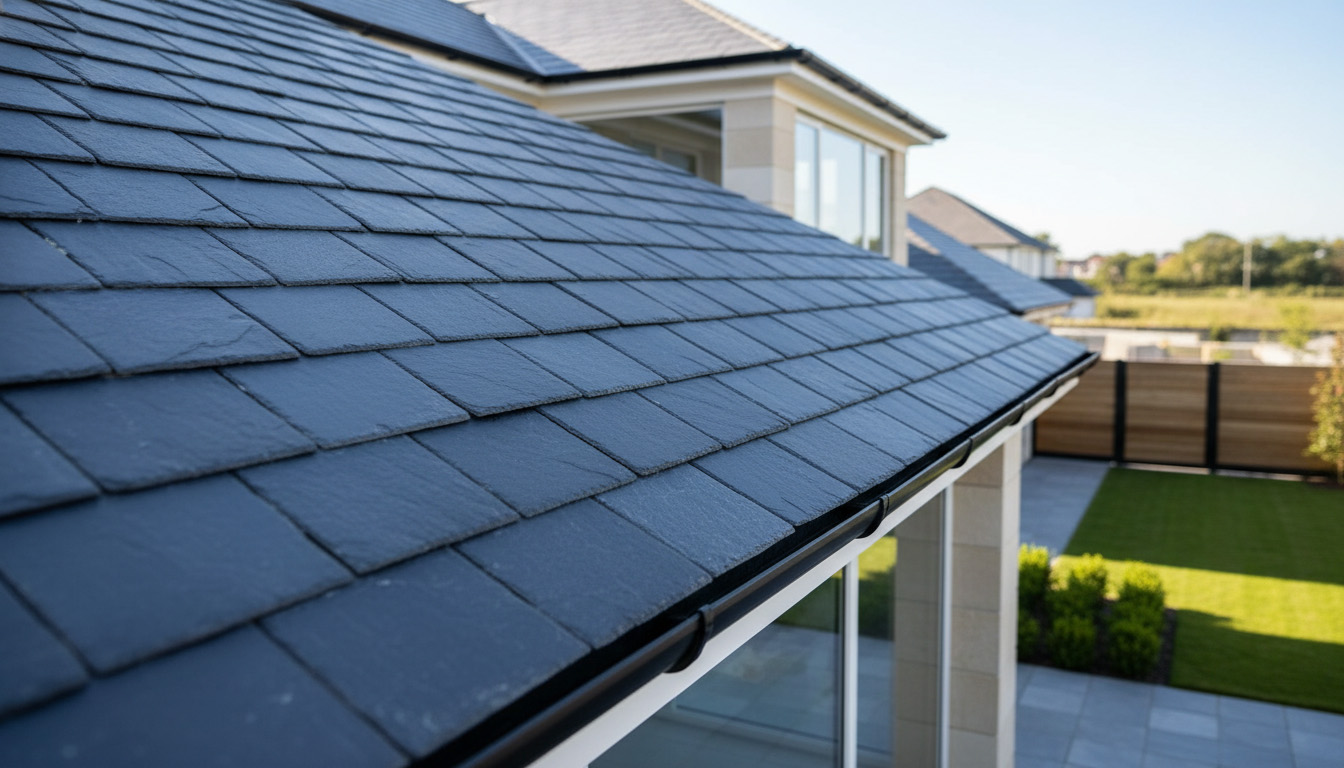
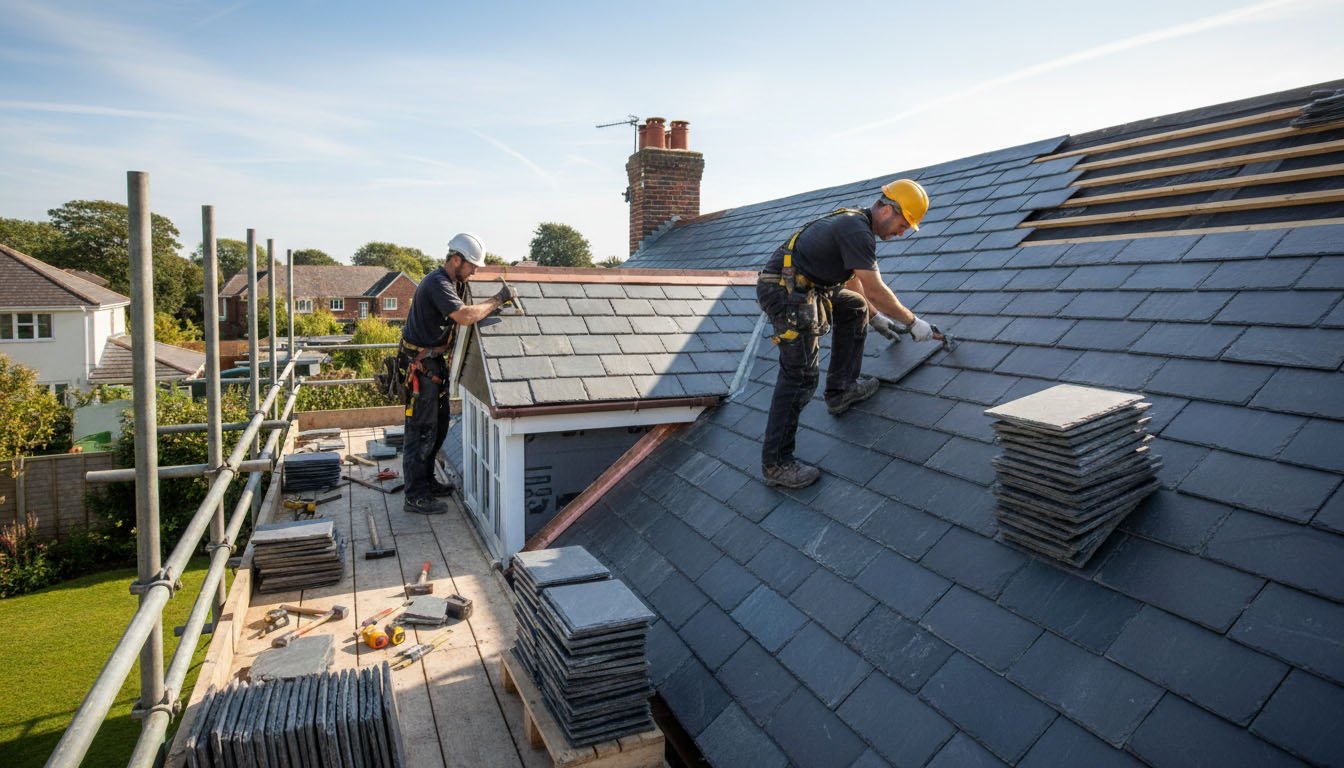
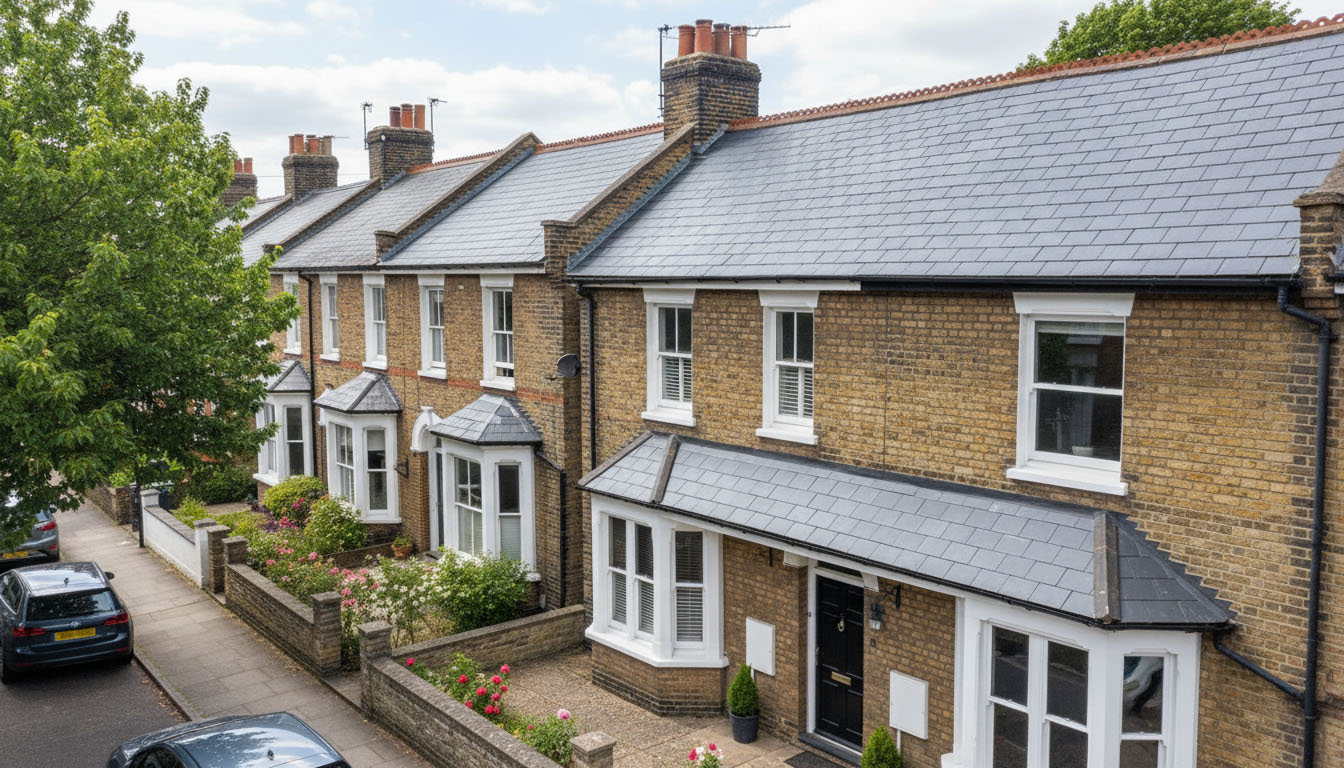
Slate gives a sharp, elegant, and long-lasting finish. It is often chosen for classic London properties, Victorian homes, and premium pitched roof projects. Natural slate can look refined because every slate has subtle texture and colour variation.
Slate is not a casual budget choice. It needs skilled fitting, correct grading, good fixing, and proper support. Poor slate work can cause slipped slates, broken edges, and uneven roof lines.
A slate roof also needs the right roof structure and detailing. Flashings, valleys, ridges, and ventilation must work as a full system. For this type of premium finish, a slate roofing service in london is more suitable than a general low-cost repair approach.
Fibre Cement and Composite Tiles
Fibre cement slates and composite tiles can offer a lighter alternative to natural slate. They are often considered where cost, weight, or installation speed matters. They can be useful for extensions, garages, and homes that need a slate-style finish without slate-level cost.
The main strength is practical flexibility. Many products are easier to handle than natural slate and may suit lower weight requirements. Some systems also support modern roof designs where traditional materials would be too heavy or expensive.
The weakness is authenticity. Fibre cement or composite products may not satisfy heritage expectations in sensitive areas. Homeowners should check appearance, product warranty, fire rating, and installer experience before committing.
Metal and Solar Tile Options
Metal tile systems are used where lightweight roofing is a priority. Some products imitate slate or tile profiles while reducing load on the structure. They may suit certain retrofits, but appearance and noise control must be considered carefully.
Solar roof tiles are a growing choice for energy-focused projects. They offer a cleaner appearance than standard bolt-on panels. They work best when roof orientation, pitch, electrical access, and budget are planned early.
These options should not be sold as a simple trend. They need roof-specific design and realistic output expectations. The wrong roof shape or shaded area can reduce the value of solar investment.
Step 3: Check Pitch, Weight and Exposure
Roof tile failure often starts with a mismatch between the tile and the roof conditions. A low-pitch roof needs different thinking from a steep Victorian roof. Heavy tiles also need a structure that can safely support them.
Factor | Why It Matters | What to Ask Before Work |
Pitch | Controls how fast rain drains away | Is this tile rated for my exact pitch? |
Weight | Affects rafters, battens, and structure | Can the roof support this material? |
Exposure | Wind and rain affect fixing needs | Is the site sheltered or exposed? |
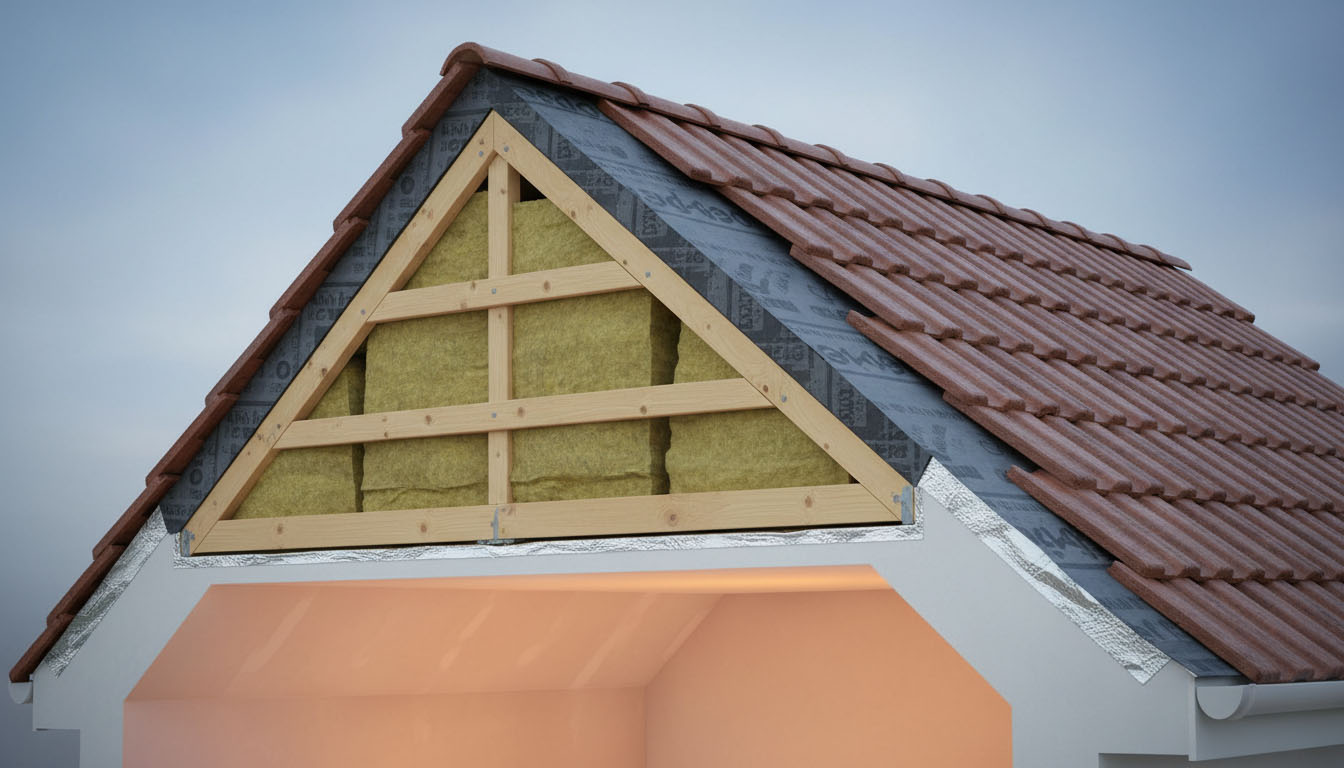
Underlay | Adds weather protection below tiles | Is the underlay suitable for the roof type? |
Ventilation | Reduces trapped moisture | Is airflow protected after insulation work? |
Headlap | Helps prevent water ingress | Has the correct overlap been specified? |
Low-pitch roofs are common on rear extensions and modern home improvements. These roofs need tiles designed for lower slopes, with correct headlap and underlay. A standard tile used on the wrong pitch can invite leaks even if it looks neat.
Weight is just as important. Concrete, clay, slate, and stone all behave differently on the roof structure. A change from a lightweight covering to a heavier tiled system should be checked before installation.
Exposure affects fixing, especially at ridges, hips, verges, and roof edges. Open areas and taller properties need more secure fixing plans. This is why a written specification matters more than a verbal quote.
Step 4: Fix Ridge, Hip and Verge Correctly
The most serious homeowner complaints often involve ridge tiles. People pay for visible mortar work, then later realise the old material was not removed, the ridge tiles were not lifted, or loose gaps were simply covered. That kind of work may look finished for a short time, but it can fail quickly.
A proper ridge discussion should separate repointing, re-bedding, and dry ridge systems. Repointing only deals with outer mortar joints when the bedding below is sound. Re-bedding removes and resets ridge tiles, while dry ridge systems use mechanical fixing without relying on exposed mortar alone.
Modern tile roofing should give serious attention to mechanical fixing. Ridge and hip tiles should not depend on a smear of mortar placed over old moss or cracked bedding. Proper work should include clean surfaces, secure fixing, correct alignment, and weather-resistant detailing.
Homeowners should ask for close-up photos before and after roof tile repair. They should also ask what will be removed, what will be reused, and what fixing system will be installed. Reliable professional roofing solutions in London should make this clear before work starts.
Step 5: Cost and Lifespan Summary
Cost should never be judged by tile price alone. Labour, access, scaffolding, roof shape, structural work, disposal, insulation, underlay, battens, and detailing all affect the total cost. This Cost and Lifespan Summary helps compare the main roof tile options clearly.
Tile Type | Typical Position | Lifespan Expectation | Cost Level | Best Fit |
Concrete | Practical and common | Medium to long | Lower to medium | Modern homes and large reroofs |
Clay | Traditional and premium | Long to very long | Medium to high | Period homes and character roofs |
Natural slate | Premium and durable | Very long | High | Classic pitched roofs |
Fibre cement | Slate-style alternative | Medium | Lower to medium | Budget slate appearance |
Composite | Lightweight modern option | Product-dependent | Medium | Retrofits and lighter structures |
Metal tile | Lightweight engineered system | Product-dependent | Medium to high | Selected extensions and conversions |
Solar tile | Energy-generating roof finish | System-dependent | High | New builds and premium upgrades |
A cheap roof tile can become expensive if it is wrong for the roof. A premium tile can also fail if the installer ignores pitch, fixing, ventilation, or structure. The real value comes from the full system, not the tile alone.
Homeowners should compare quotes by scope, not headline price. A proper quote should separate tiles, battens, underlay, ridge work, verge details, waste removal, access, and any structural adjustments. Without that breakdown, it is hard to know whether the price is fair.
Step 6: Avoid Quote Traps and Wrong Scope
The biggest quote trap is paying for cosmetic work that does not solve the real problem. A roof can look cleaner after mortar is added, but still have weak bedding, poor fixing, blocked gutters, or hidden water paths. This is why the scope must be written clearly.
A good roof tile quote should explain the exact tile type and profile. It should state whether ridge tiles are repointed, re-bedded, or converted to a dry ridge system. It should also mention underlay, battens, flashings, waste removal, access, and expected completion stages.
Homeowners should be cautious with doorstep roofers and pressure sales. A serious roofer will not rely on fear, vague warnings, or instant payment pressure. They should be able to show previous work, provide company details, and explain the repair in plain language.
If a roof has already had poor patching or failed mortar repairs, Roof Restoration London may be a better route than another small surface repair. Restoration can deal with the wider roof condition instead of only replacing visible broken tiles. This is useful when age, moss, weathering, and poor past work all appear together.
Step 7: Choose by London Property Type
London roofs vary by age, pitch, access, and surrounding buildings. A terrace roof in a conservation street does not need the same tile choice as a modern rear extension. The safest choice comes from matching roof tile type to the property situation.
Property Situation | Better Tile Direction | Main Risk | Useful Next Page |
Period terrace | Clay or slate-style finish | Poor visual match | Slate or clay advice |
Modern extension | Low-pitch interlocking tile | Water ingress | Pitched roof planning |
Weathered tiled roof | Matching repair or restoration | Patchwork failure | Roof restoration |
Flat rear section | Flat roof system, not tiles | Ponding and leaks | Flat roof service |
Old failed flat roof | Replacement system | Repeat leaks | Flat roof replacement |
Insulated roof conversion | Lightweight tile system | Condensation or overload | Specialist inspection |
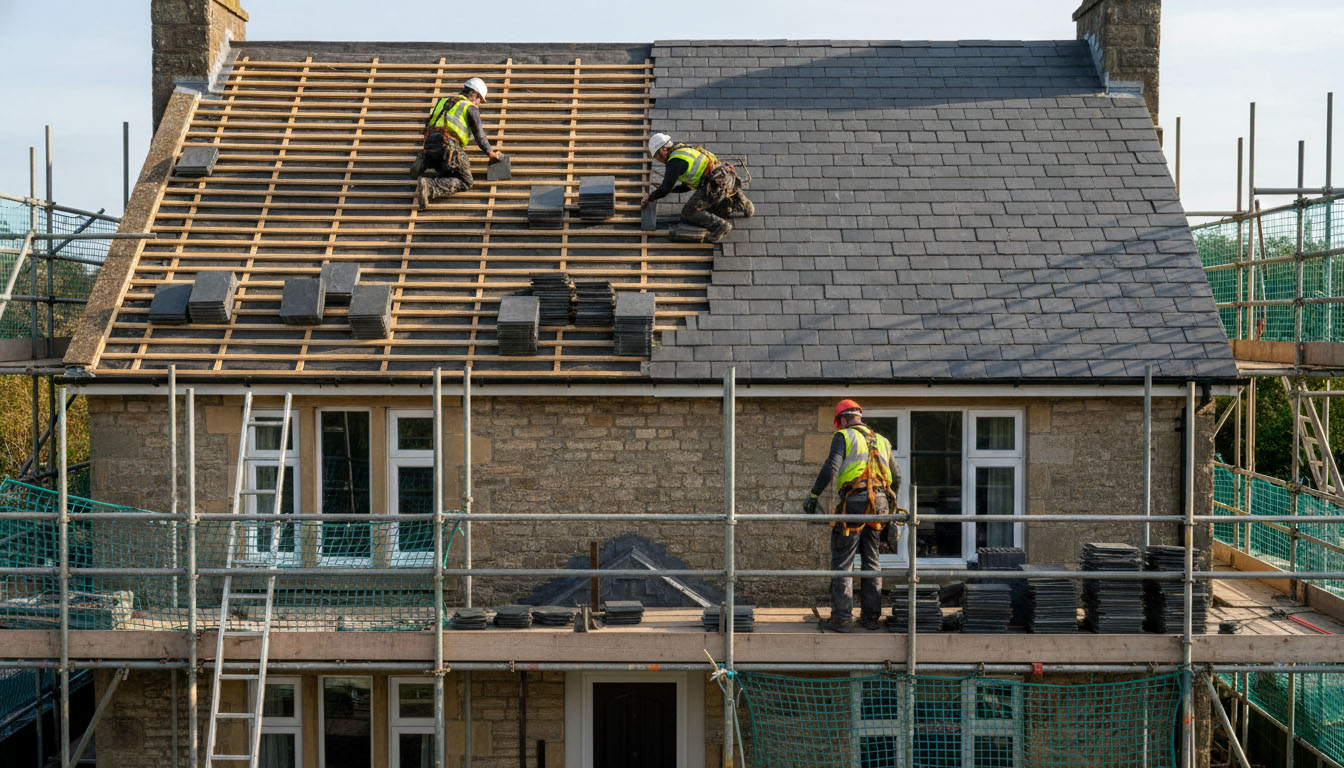
Some homes need a full pitched roof installation rather than scattered repairs. This is common when roof tiles, battens, underlay, and ridge details are all near the end of service life. For this situation, Pitched Roof Installation London gives a more suitable next step.
Not every roof surface should use tiles. Rear dormers, extensions, and flat sections may need specialist flat roofing instead. Where the issue is a failed flat roof, flat roof replacement london is a better match than forcing tiles onto the wrong roof shape.
Flat roof problems can also connect with wider roof condition. If the main concern is an older flat roof covering, review roof restoration for flat roofs before choosing a new system. For budget planning, roof restoration costs explained uk can help compare repair value against replacement value.
A homeowner comparing flat and pitched roof work should also consider expected service life. The guide on flat roof lasting is useful when deciding whether a flat roof needs repair, restoration, or replacement. This prevents spending money on the wrong roof area first.
Step 8: When Modern Tile Trends Matter
Modern roof tile trends matter only when they solve a real roof problem. Solar tiles, lightweight systems, low-pitch profiles, dark colour palettes, and dry-fix details all have a place. They become useful when matched to the building, not when chosen for fashion alone.
Solar-ready roofs matter for homeowners planning long-term energy upgrades. The roof pitch, orientation, roof area, and shade all affect future suitability. A new tiled roof can be planned so solar installation is easier later.
Low-carbon and sustainable choices also matter, but durability remains the main test. A roof tile that lasts longer, needs fewer replacements, and suits the structure can reduce waste over time. This is more practical than choosing a product only because it sounds eco-friendly.
Dark grey, anthracite, and slate-effect tiles remain popular on many modern homes. Warm clay reds, rustic blends, and natural finishes still suit older houses. Colour should match the brickwork, windows, gutters, neighbouring roofs, and local planning expectations.
Step 9: Final Tile Choice Checklist
The final decision should be made after the roof has been checked, not before. A homeowner should know the pitch, roof structure, current condition, access needs, and fixing method. This protects the budget and reduces the risk of poor work.
Use this checklist before accepting a roof tile quote:
- Tile type and profile clearly named
- Minimum pitch checked against roof design
- Roof weight checked for the structure
- Underlay and battens included in scope
- Ridge and hip fixing method explained
- Dry ridge or mortar system clarified
- Ventilation route protected
- Building control need checked for larger works
- Photos and written scope provided
- Warranty and workmanship terms confirmed
A strong roof tile choice should improve appearance, weather protection, and long-term confidence. It should not leave the homeowner guessing about what has actually been done. For careful inspection and professional roofing solutions in London, the right next step is to get the roof assessed before materials are chosen.
Frequently Asked Questions
Which roof tile is best for a London home?
The best roof tile depends on the roof pitch, property age, structure, street style, and budget. Concrete suits many practical reroofs, clay suits character homes, and slate suits premium pitched roofs. A London property should also be checked for access limits, conservation style, and weather exposure.
Can I replace only a few broken roof tiles?
Yes, small tile replacement is possible when the surrounding roof is still sound. The replacement tile must match the profile, size, colour, and fixing method. If many tiles are loose, cracked, or slipping, a wider roof inspection is safer.
Why do roof tile quotes vary so much?
Quotes vary because roof access, scaffolding, tile type, ridge work, underlay, battens, disposal, and structural checks all affect cost. A cheap quote may exclude important work that appears later. A fair quote should explain the full scope before work starts.
Are dry ridge systems better than mortar?
Dry ridge systems are often preferred because they use mechanical fixing and reduce reliance on exposed mortar. Mortar can still appear in some systems, but it should not be used as the only holding method for ridge and hip tiles. The best choice depends on the roof type and specification.
Do roof tiles need building control approval?
Small repairs usually do not need approval, but larger roof changes can trigger building control requirements. This is especially important when a significant roof area is replaced or insulation is upgraded. Homeowners should check before major reroofing, conversions, or structural changes.