
How to Choose Roof Tiles in the UK

Choose Roof Tiles in the UK: Key Factors
To choose roof tiles in the UK, first eliminate coverings that do not fit the roof technically. Pitch, property status, weather exposure, tile profile and intended use should narrow the options before appearance becomes part of the decision.
Roof Tile Selection Factors
Factor | What to Check | Why It Matters |
Roof pitch | Exact roof angle and tile minimum pitch | A tile designed for a steeper roof may not shed water correctly at a lower pitch |
Roof condition | Whether the roof actually needs full replacement | Local defects may only require targeted repair |
Property status | Listed building or conservation restrictions | Material and appearance changes may need additional approval |
Location | Wind exposure, height, coastal position | Fixing requirements change according to exposure |
Existing material | Tile type, profile and dimensions | Partial repairs may require compatible or matching tiles |
Future work | Solar panels, extensions or planned structural work | Major roof work may be easier before equipment is installed |
Maintenance | Moss, access and replacement availability | Some coverings are easier to maintain or source later |
Appearance | Colour, profile and architectural fit | Important, but only after technical suitability is established |
Start With the Roof Pitch
Every roof tile or slate has a minimum pitch specified for that particular product. There is no reliable rule that says one generic clay, concrete or slate product will automatically suit every pitched roof.
Some modern interlocking coverings work at relatively low angles, while traditional plain tiles and certain slate specifications require steeper roofs. Understanding UK roof tile types and characteristics helps narrow the material shortlist before you start comparing colour or appearance.
Do not estimate the pitch from the pavement and order from appearance alone. Measure the roof angle and compare it with the exact manufacturer’s specification for the product being considered.
This becomes especially important with extensions, porches and lean-to roofs. A shallow section may require a completely different covering from the main roof even when you would prefer both sections to look identical.
Check Whether You Need New Tiles at All
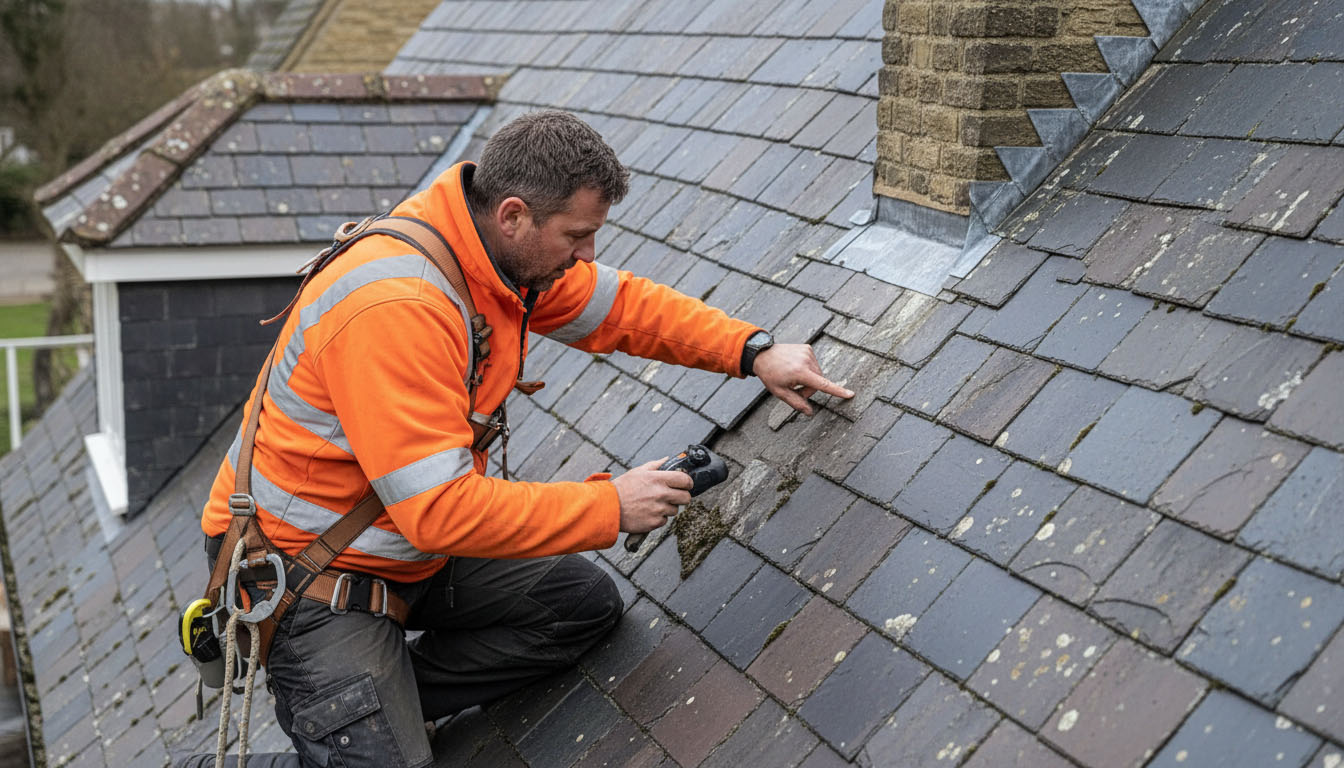
Before choosing a complete new covering, establish whether the existing roof genuinely needs replacing.
A highly engaged UK homeowner discussion described a small leak where two contractors recommended a complete reroof, while another roofer carried out a much smaller repair that reportedly remained sound for years. The lesson is not that full replacement is unnecessary. It is that the actual failure must be identified first.
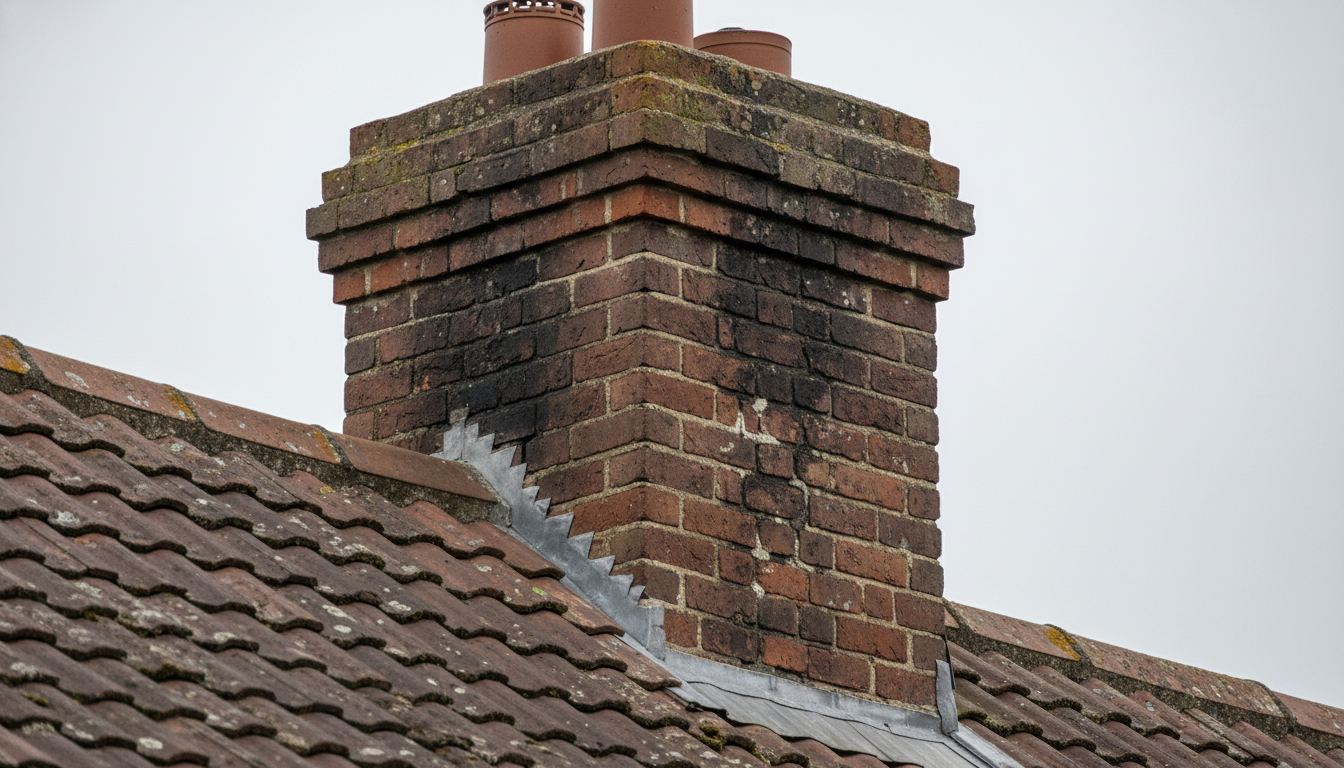
A cracked tile, displaced flashing or small fixing problem is different from widespread deterioration across an entire roof. If only a local area is failing, changing every tile may solve a problem you do not actually have.
Before planning a replacement roof, establish whether defects are localised, repeated across several sections or connected with deeper deterioration.
Comparing the comparative performance of UK roofing materials becomes more useful once you know whether you are dealing with a patch repair, partial reroof or complete replacement.
Check Planning and Heritage Restrictions Early
Older buildings need another check before the material shortlist gets too far.
Listed properties can have restrictions on changes to historic roof coverings. Some conservation-area properties may also face tighter controls where a material or appearance change would affect the character of the building.
Do not assume that every house in a conservation area must use one specific tile. Equally, do not assume you can replace natural slate with concrete simply because the size looks similar.
Check the status of the property and proposed alteration before ordering material. This is especially important where the roof forms part of a historic street scene or retains an original covering.
Consider UK Wind and Weather Exposure
A tile suitable for a sheltered suburban property is not automatically fixed in the same way on an exposed coastal or elevated site.
UK fixing specifications consider factors such as roof pitch, tile type, building dimensions and local wind exposure. The product still needs to be installed using the correct fixing pattern for the actual property.
When considering how roofing materials handle British weather, look beyond whether a tile is described as durable. Ask how it is fixed, whether it suits the site’s exposure and whether the chosen specification is appropriate for that roof.
Storm history is useful too. Knowing how to approach recognising storm damage on UK roofs can reveal recurring wind-lift, cracking or displacement problems that should influence the next material choice.
Choose Roof Tiles in the UK: Structural Limits
To choose roof tiles in the UK safely, you also need to understand what the roof beneath them can support. A technically excellent tile can still be the wrong choice when its weight or installation requirements exceed the existing structure.
Structural Decision Checklist
Situation | Risk to Check | Practical Response |
Changing from light to heavy covering | Increased permanent roof load | Assess roof structure before ordering |
Old roof timbers already distorted | Existing structural weakness | Investigate cause before adding new covering |
Concrete or clay plain tiles proposed | High covering weight and overlap | Confirm structural suitability |
Slate proposed on a different existing roof | Weight and detailing changes | Check load, battens, pitch and fixing arrangement |
Extension joined to older roof | Different structural systems | Treat each roof section on its own requirements |
Flat roof being changed to pitched | Major structural alteration | Design the structure before selecting the final covering |
Weight Matters More Than Many Owners Expect
Roof coverings vary considerably in weight.
Changing from one material to another can alter the permanent load carried by rafters, purlins, walls and other structural elements. Existing roofs, especially older structures, should not automatically be assumed capable of carrying a substantially heavier covering.
If an existing roof is already uneven, understand the roofline sagging causes and structural implications before treating the problem as a tile-selection exercise.
Sagging can be connected with timber condition, structural movement, excessive loading or prolonged moisture damage. Putting a new heavy covering over an unresolved structural issue does not make the roof stronger.
Don’t Choose Heavy Materials by Appearance Alone
Traditional clay and natural slate can look appropriate on older properties, but appearance does not confirm structural suitability.
The complete design needs to account for tile weight, overlap, battens, fixings and the condition of the existing framework. Even two visually similar coverings can place different loads on the structure.
For properties considering tiled roofing london, the chosen tile still needs to match the roof pitch, loading capacity, exposure and fixing requirements rather than being selected by appearance alone.
Where a traditional pitched covering is already in place, the condition of the existing structure should also be reviewed before pitched roof installation or a major material change is planned.
Treat Different Roof Sections Separately
Many UK homes do not have one single roofing system.
A Victorian or Edwardian house might retain slate on the main pitch while a rear extension has a modern flat covering. A loft conversion may introduce dormers with another system again.
Properties with flat roofs london sections need those areas assessed according to their own construction, drainage and covering requirements. A material that performs well on a steep main roof cannot simply be transferred to a shallow extension.
If the building has several roof types, choose for each roof section individually, then coordinate the appearance where possible.
Choose Roof Tiles in the UK: Materials & Weather

To choose roof tiles in the UK from the technically suitable options, compare material character, longevity, maintenance and weather performance. There is no single winner for every house, despite how often clay, concrete or slate gets described as “the best.”
Clay, Concrete and Slate Compared
Concrete tiles are widely used because they come in many profiles and can suit a broad range of modern and traditional buildings. Their weight, profile and minimum pitch still vary by product, so they should never be treated as one universal specification.
Clay tiles are often chosen where a traditional appearance and long-term colour character matter. Handmade or plain clay can work particularly well on period buildings, although pitch and structural requirements still decide whether a specific product is suitable.
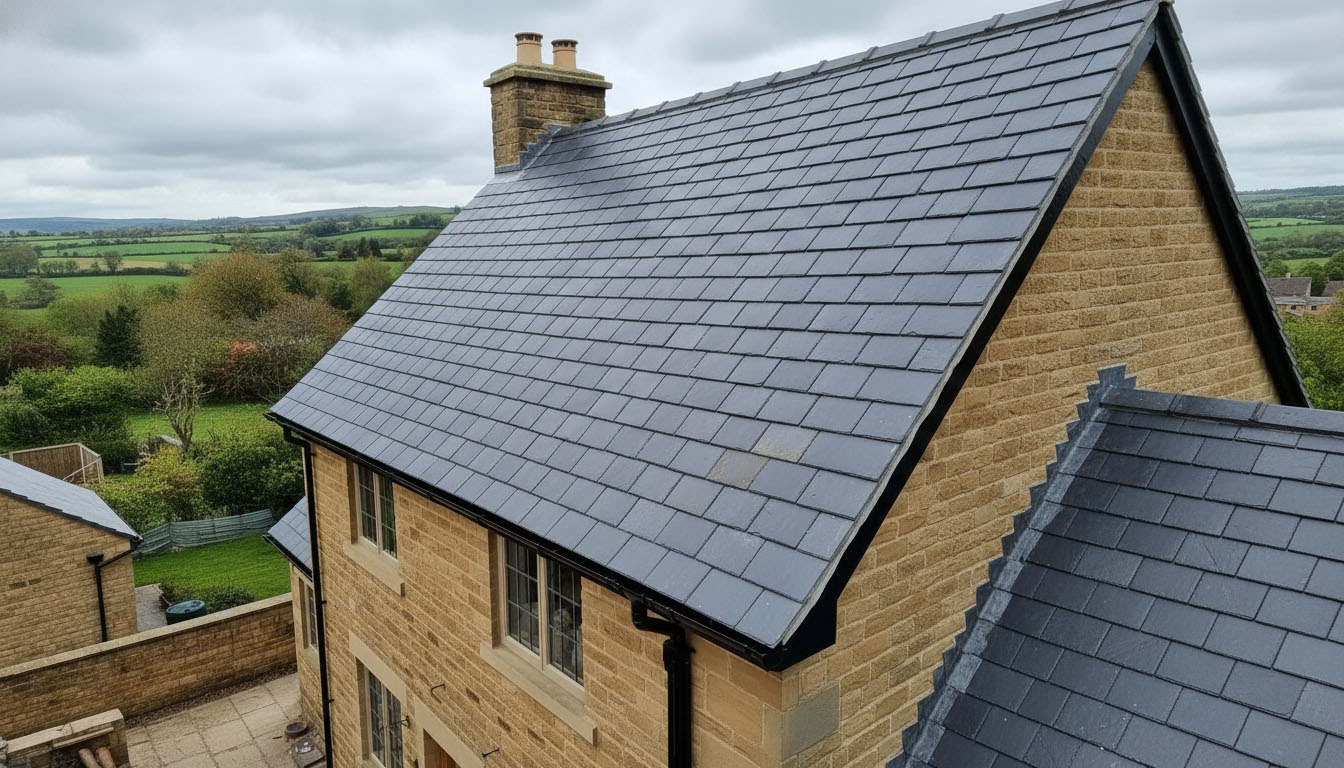
Natural slate offers a distinctive appearance and can provide exceptional service life when the material, pitch, fixing and supporting roof are right. Where slate roofing london is being considered, durability and visual character should suit the actual property rather than slate being chosen simply because it is perceived as premium.
When longevity is important, reviewing longevity expectations for natural slate roofs gives useful context. The slate itself can last much longer than some surrounding components, so fixings and supporting materials still matter.
Do Not Search for One Universal “Best” Tile
Real homeowner discussions repeatedly ask whether one material is objectively best.
An experienced roofer in the research preferred handmade clay when asked for his dream roof. In another exchange, the same roofer preferred particular slate sources but explicitly described the choice as personal preference.
That is exactly why material choice should be based on the property rather than somebody else’s favourite product.
A stronger comparison considers roofing material longevity and performance differences alongside pitch, structural weight, exposure, planning restrictions and maintenance.
The right choice is the best fit for that roof, not the most expensive or most prestigious material.
Think About Slate Failure as Well as Slate Benefits
If slate is on the shortlist, understand how it can fail before treating longevity figures as a guarantee.
Slate problems can involve cracked units, unsuitable material, weather exposure, deteriorating fixings or defects elsewhere in the roof system. Reviewing common failure causes in slate roofs helps separate weaknesses in the stone from failures in installation or supporting components.
This matters when comparing old and new roofs. A long-lasting material still needs the correct headlap, fixing specification, battens and detailing.
Maintenance Should Affect the Choice
Maintenance gets overlooked because it happens years after the original purchase.
Moss is a good example. A heavily shaded or damp roof may develop more organic growth than a sunny, exposed slope, and different coverings may need different care.
The Reddit research showed strong homeowner interest in whether moss should be left or removed. The experienced roofer’s answer depended on the tile and amount of growth rather than applying one rule to every roof.
Understanding roof moss growth triggers and control therefore belongs in the selection process. Choose a covering you can realistically maintain in the conditions your property actually experiences.
If natural slate is being considered, UK slate roof cleaning practices also provide useful context on access, moss removal and avoiding cleaning methods that can damage otherwise serviceable material.
Compare the Whole System Before Ordering
By the time you reach the final shortlist, every remaining tile should already satisfy the roof’s technical requirements.
Only then should colour, texture and architectural character decide between otherwise suitable options.
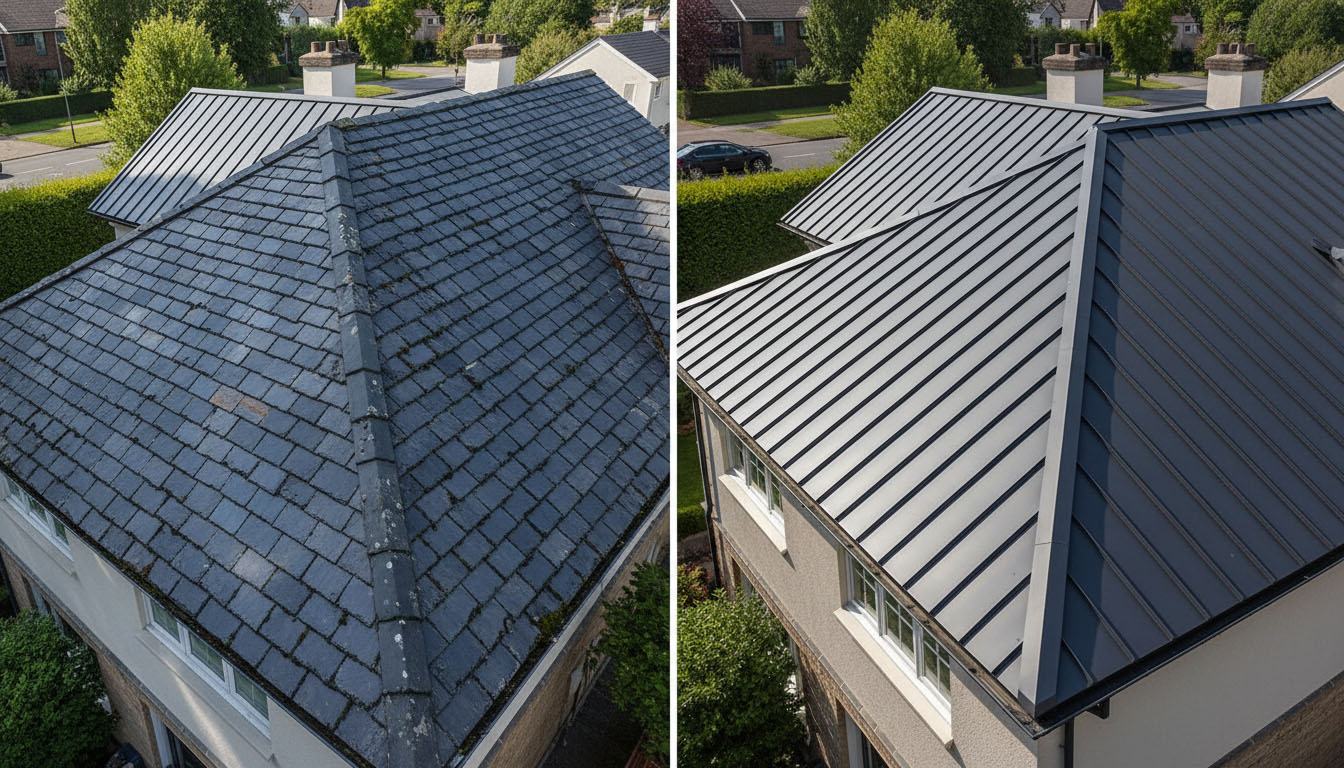
Reviewing the comparative traits of tile slate and flat roofs can help where the property contains different roof forms or where more than one covering system is technically possible.
The decision sequence should remain simple:
Pitch → structure → permissions → exposure → compatible materials → maintenance → appearance.
Reverse that order and you risk choosing a beautiful tile that does not suit the roof.
Choose Roof Tiles in the UK: Make the Call
If your shortlist still contains several materials, compare them against the building rather than choosing from a sample board alone. Technical suitability should come first, followed by durability, maintenance needs and appearance.
The right covering should look appropriate because it fits the property technically first. That is the decision that protects both performance and long-term value.
Choose Roof Tiles in the UK: FAQs
Can I mix old and new when I choose roof tiles in the UK?
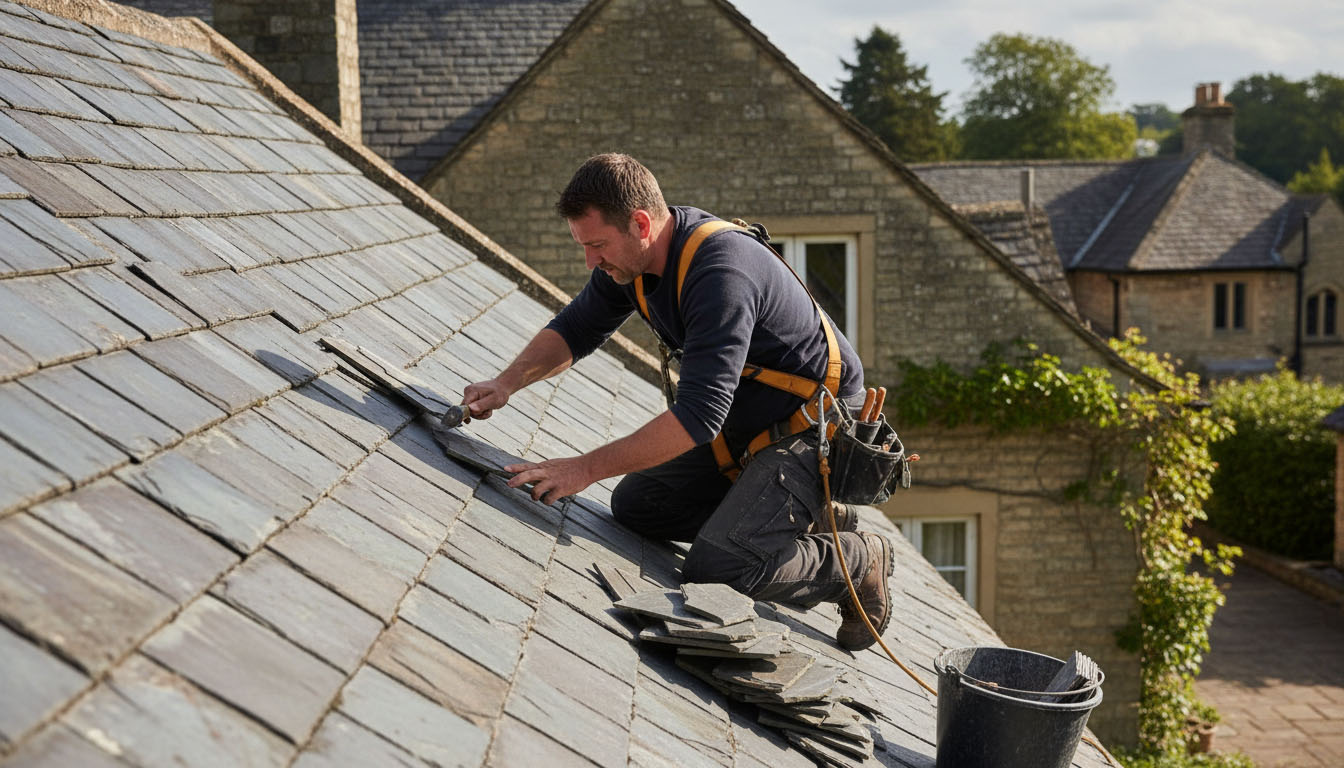
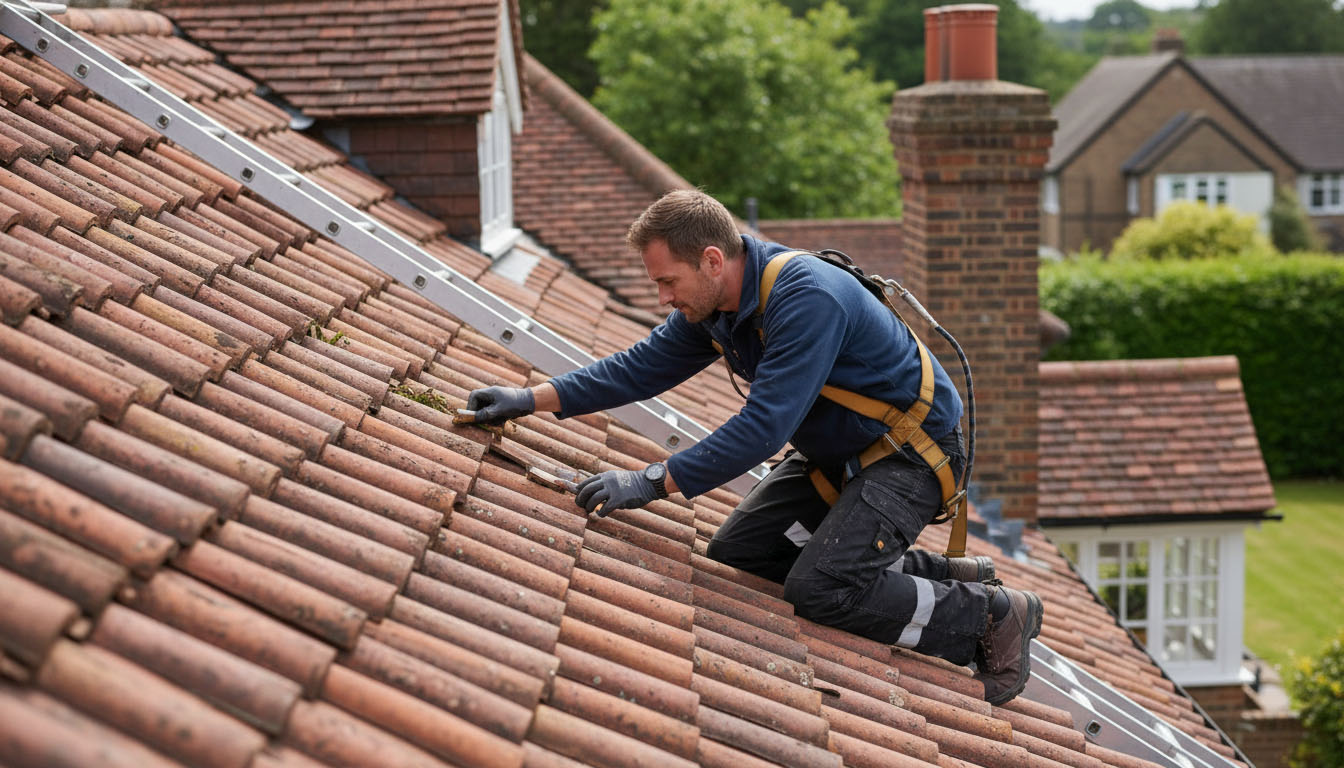
When you choose roof tiles in the UK for a partial repair, mixing old and new material may be possible only when the replacement profile, dimensions and interlocking arrangement are compatible with the existing roof. A tile that looks similar from the ground may not connect correctly with neighbouring courses. Identify the existing product carefully before assuming another brand or profile will fit.
What if tiles are discontinued when I choose roof tiles in the UK?
When you choose roof tiles in the UK for an older roof, discontinued profiles can make partial repairs difficult. Real UK homeowners in the research described trying to identify unusual older concrete tiles that could not easily be sourced locally. Checking markings, dimensions, profile and interlock can help establish whether reclaimed or specialist replacement tiles are available before a larger reroof is considered.
Should solar affect when I choose roof tiles in the UK?
Yes. When you choose roof tiles in the UK on an ageing roof that will soon receive solar panels, assess the remaining roof condition first. One homeowner in the research was concerned about installing solar over roughly 70-year-old concrete tiles and then needing to remove the panels for reroofing. Coordinating the work can reduce unnecessary disruption later.
Can neighbours help me choose roof tiles in the UK?
Neighbouring properties can provide useful visual context when you choose roof tiles in the UK, especially on terraces or estates where original roofs used similar materials. They should not replace technical checks. Your pitch, structural condition, previous alterations and exact tile profile may differ, so use neighbouring roofs for appearance guidance rather than assuming their specification is automatically correct for yours.
Does workmanship matter when I choose roof tiles in the UK?
Workmanship matters enormously when you choose roof tiles in the UK because even a high-quality material can perform poorly when grading, fixing, overlap or detailing is wrong. In the Reddit research, a homeowner repairing an older Welsh-slate roof specifically asked how to judge quality, and the experienced roofer focused on slate grading, fixing choice and material verification rather than appearance alone.
Should remaining roof life affect how I choose roof tiles in the UK?
Yes. Before you choose roof tiles in the UK, establish whether you are repairing a local problem or replacing a roof that has genuinely reached the end of its useful service life. One highly engaged homeowner example involved a small leak receiving complete reroof recommendations before a much smaller repair reportedly solved the issue for years. Diagnosis should come before material selection.
Can reclaimed materials work when I choose roof tiles in the UK?
Reclaimed material can sometimes be considered when you choose roof tiles in the UK, particularly where matching an older roof is important. The key issue is not simply age. The reclaimed units need to be sound and sufficiently compatible in profile, thickness, dimensions and fixing arrangement with the roof where they will be used. Availability can also influence whether this approach remains practical.



Comments (4)
[…] replacement material is required, roof tile selection for long-term durability should consider exposure, roof design, material compatibility and expected performance rather than […]
[…] a replacement covering is being considered for other reasons, UK roof tile selection and maintenance factors should include pitch, exposure, surface characteristics, weight and expected maintenance rather […]
[…] same logic applies to matching reclaimed tiles for older roof repairs. A piece that looks approximately right may still be unsuitable if its dimensions or thickness […]
[…] slate roofing consultation can also help homeowners compare tile and slate systems when selecting the most suitable […]
Comments are closed.