
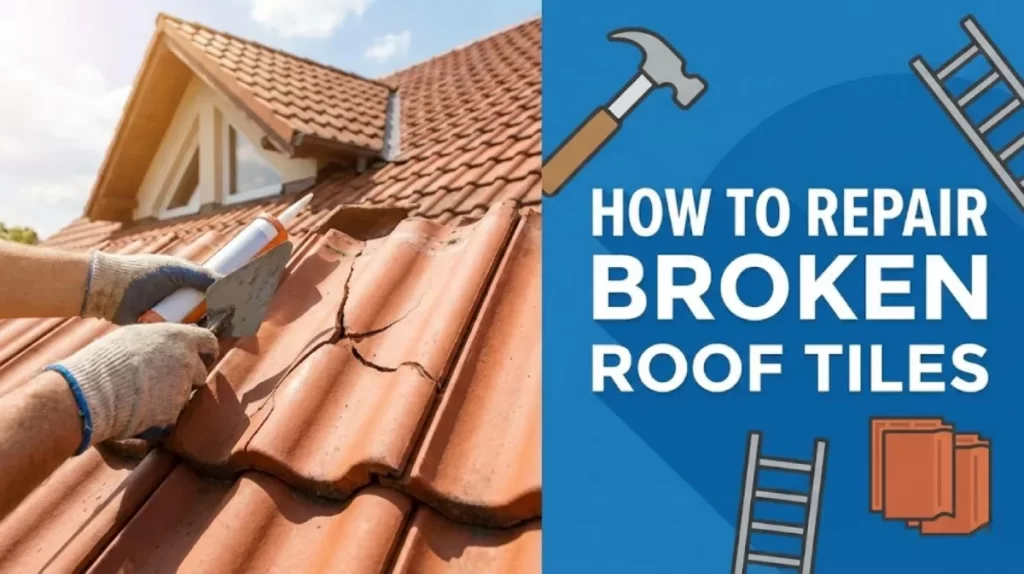
How to Repair Broken Roof Tiles? The correct repair starts by finding out why the tile broke, checking whether water has reached the layers below, and confirming whether the surrounding tiles, battens, underlay, ridges, gutters, valleys, and flashing are still sound. A broken tile can look minor from the ground, but it can expose the roof to leaks and hidden damage.
A&A Roofing London helps homeowners across London, Essex, and the Hertfordshire borders assess broken roof tiles before patching, replacement, or wider roof repair begins. The goal is to confirm whether the damage is local or whether the roof needs pitched roof repair, flat roof junction work, restoration, or replacement.
Quick Check: If you have a cracked, missing, slipped, or storm-broken tile, ask A&A Roofing London for a broken tile roof check in London before the damaged area is repaired.
How to Repair Broken Roof Tiles? First Checks
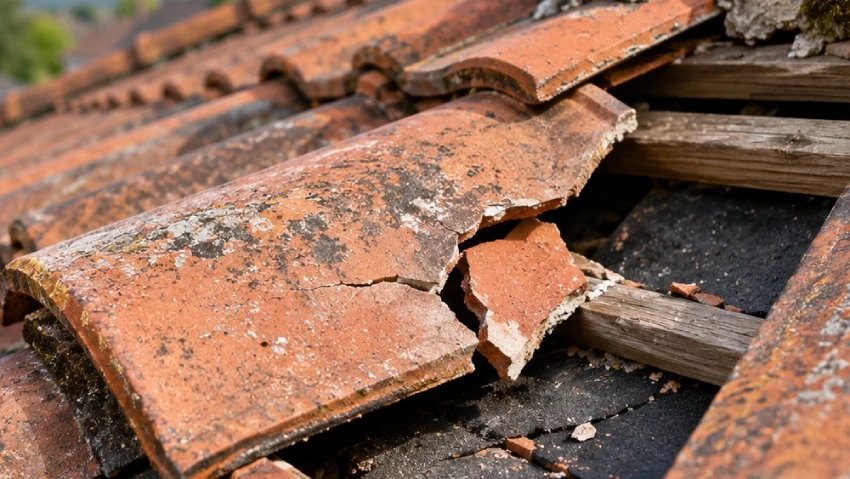
How to Repair Broken Roof Tiles? The first step is a safe roof inspection. The tile type, breakage cause, roof pitch, access route, underlay, battens, valleys, ridges, flashing, gutters, and internal damp evidence should all be checked before the repair is planned.
|
Repair check |
Why it matters |
What A&A Roofing London checks |
|
Safe access |
Roof tiles can break under foot pressure |
Height, slope, access route, weather |
|
Tile type |
Replacement tiles must match the roof |
Material, profile, size, colour |
|
Breakage cause |
The same problem can return |
Impact, wind, frost, moss, poor fixing |
|
Surrounding tiles |
Nearby tiles may also be cracked or loose |
Edges, laps, movement, surface damage |
|
Underlay |
Hidden tears can keep leaking |
Damp marks, sagging, torn sections |
|
Battens |
Tiles need sound fixing support |
Rot, spacing, strength, nail grip |
|
Ridge tiles |
Ridge failure can allow water entry |
Cracks, bedding, movement, fixing |
|
Valleys |
Concentrated water can worsen leaks |
Debris, lining, tile edges, flow |
|
Gutters |
Overflow can push water into roof edges |
Blockage, fall, outlet discharge |
|
Flashing |
Junction leaks can look like tile leaks |
Chimneys, walls, abutments, dormers |
A&A Roofing London checks the broken tile and the roof system around it. A visible tile repair is only useful when the cause and water route are understood.
When Does a Broken Roof Tile Need Repair?
A broken roof tile needs repair when it is cracked through, missing, slipped out of position, impact-damaged, loose, or no longer protecting the underlay below. It should also be checked where there are damp marks inside, gutter overflow, ridge movement, storm damage, or repeated leaks.
A&A Roofing London checks whether the broken tile is isolated or part of a wider roof issue. A single broken tile can often be replaced, but repeated breakage may point to poor fixing, weak battens, storm movement, or roof ageing.
For early repair indicators, roof repair warning markers are useful.
Can One Broken Tile Cause a Leak?
Yes, one broken tile can allow rainwater to reach the underlay, battens, insulation, or ceiling below. However, a damp patch indoors may not appear directly below the broken tile because water can travel along roof layers before it becomes visible.
A&A Roofing London traces the likely leak path before repairing the tile. This is especially important near chimneys, valleys, ridges, flat roof junctions, and previous repair areas.
For leak tracing, roof leak route evidence is useful.
How Professionals Repair Broken Roof Tiles
A professional repair normally includes identifying the tile profile, securing safe access, carefully lifting adjacent tiles, removing the broken tile, checking underlay and battens, fitting a matching replacement tile, setting surrounding tiles back correctly, and checking water flow after the repair.
A&A Roofing London avoids treating broken tile repair as a surface-only job. The layers below the tile and the nearby water routes must be checked before the repair is considered complete.
For broader repair context, tile roof repair workflow details are useful.
Repairing Broken Clay Roof Tiles
Broken clay roof tiles need careful handling because clay can be brittle, especially on older roofs or visible slopes with weathered tiles. Repair matching matters for both appearance and water flow.
A&A Roofing London checks tile shape, size, colour, thickness, fixing method, surrounding clay tiles, underlay, and batten condition before replacing broken clay tiles.
For clay-specific repair context, clay tile handling notes are useful.
When Should Broken Tiles Be Replaced?
Broken tiles should be replaced when the tile cannot sit correctly, has cracked through, has lost part of its edge, has slipped, or no longer protects the roof below. Replacement should also be considered where wind or impact damage has affected several tiles.
A&A Roofing London checks whether replacement is local or part of wider failure. If battens, underlay, valleys, or ridges are failing, replacing the visible tile alone may not solve the problem.
For replacement planning, roof tile swap checks are useful.
Loose Tiles and Broken Tiles
Loose tiles and broken tiles often appear together. A tile may crack because it moved, or a broken tile may loosen surrounding tiles. Wind, failed fixings, weak battens, and poor installation can all contribute.
A&A Roofing London checks whether the broken tile is part of a wider movement pattern. The repair should secure the roof covering, not just remove the broken piece.
For movement context, loose tile movement review is useful.
Ridge Tile Problems and Broken Roof Tiles
Ridge tile problems can cause leaks that appear to come from broken field tiles. Cracked ridge tiles, loose bedding, open joints, or failed mechanical fixing can let water enter near the top of the roof.
A&A Roofing London checks ridge lines before completing repairs nearby. If water is entering from above, replacing a lower broken tile will not fully solve the issue.
For ridge detail, ridge-line repair clues are useful.
Storm Damage and Broken Roof Tiles
Storms can crack tiles, lift loose tiles, damage ridges, push debris into gutters, and expose weak previous repairs. Homeowners should avoid climbing onto the roof after bad weather because broken tiles and wet surfaces are unsafe.
A&A Roofing London checks storm damage from a safe access plan and reviews whether the damage is local or spread across the roof slope.
For storm-related checks, storm tile damage review and emergency roof response steps are useful.
Moss and Broken Roof Tiles
Moss can contribute to broken roof tile problems when it blocks gutters, slows valley drainage, hides cracks, or traps debris around tile edges. Moss is not always urgent, but it should be assessed when drainage is affected.
A&A Roofing London checks whether moss is cosmetic or interfering with water movement. Cleaning should be planned carefully because aggressive methods can damage tile surfaces.
For moss context, roof moss drainage checks are useful.
Roof Inspection Before Broken Tile Repair
A proper inspection should check the broken tile, surrounding courses, battens, underlay, ridges, valleys, gutters, flashing, leadwork, chimneys, flat roof junctions, moss, and internal damp evidence.
A&A Roofing London uses the inspection to confirm whether the repair is local or whether the roof needs wider work. The scope should match the evidence found on the roof.
For inspection structure, broken tile inspection checklist is useful.
Maintenance After Broken Tile Repair
After a broken tile repair, maintenance helps prevent repeat issues. Gutters, valleys, ridges, moss, flashing, leadwork, and roof edges should be monitored so water does not return to the same weak point.
A&A Roofing London checks whether the homeowner needs follow-up maintenance, further repair, restoration, or replacement after the initial tile repair.
For follow-up care, post-repair roof maintenance tasks are useful.
How Long Should a Repaired Tile Roof Last?
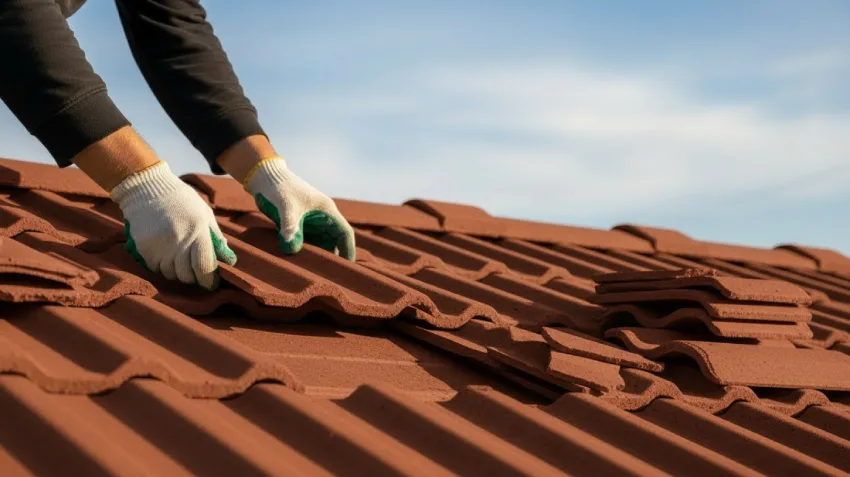
A repaired tile roof can remain serviceable when the damage is local, the replacement tile is matched correctly, and the underlay, battens, ridges, gutters, valleys, and flashing are sound. If the roof has widespread ageing, repeated leaks, or hidden layer failure, local repairs may not last.
A&A Roofing London checks roof age and condition before advising whether repair is enough.
For lifespan context, tile roof service condition notes and concrete tile ageing checks are useful.
Repair or Replace After Broken Roof Tiles?
Repair may be enough when the broken tile is local and the roof layers below are sound. Replacement may be more suitable when there are repeated broken tiles, failed underlay, weak battens, widespread movement, sagging, or repeated leaks.
A&A Roofing London checks whether the repair will solve the cause. Repeated patching can become more expensive than a planned restoration or replacement where the roof has deeper failure.
For decision support, repair replacement assessment path is useful.
Roof Tile Replacement in London
Roof tile replacement in London may be needed where tiles are cracked, missing, loose, storm-damaged, or no longer protecting the roof below. Replacement should include matching the tile and checking support layers.
A&A Roofing London checks roof pitch, tile type, access, battens, underlay, ridges, valleys, gutters, leadwork, chimneys, moss, and damp evidence before replacing broken roof tiles.
Tile or Slate Roofing in the UK
Tile or slate roofing in the UK may be relevant where broken roof tiles expose wider roof material concerns. Tile and slate roofs have different fixing methods, repair matching, appearance, and maintenance needs.
A&A Roofing London checks whether the existing tile roof should be repaired or whether a wider material review is needed.
Flat Roof Replacement and Broken Tile Leaks
Flat roof replacement in London may be relevant where leaks appear near dormers, porches, garages, rear additions, or flat roof extensions. Water from a flat roof junction can be mistaken for a broken tile problem.
A&A Roofing London checks the connection between pitched tiled roofs and flat roof sections before confirming the repair scope.
Pitched Roof Repair in London
Most broken tile repairs are part of pitched roof repair in London. Pitch, battens, underlay, fixings, ridges, valleys, gutters, flashing, and access all affect the repair method.
A&A Roofing London checks whether the pitched roof can be repaired locally or whether broader work is needed.
Roof Damage in the UK
Roof damage in the UK can come from storms, rain, frost, moss, blocked drainage, ageing materials, poor installation, or neglected maintenance. Broken roof tile repair should identify which cause is active.
A&A Roofing London checks whether damage is limited, spreading, or linked to hidden failure before recommending repair, restoration, or replacement.
|
Broken tile situation |
Possible cause |
A&A Roofing London checks |
|
One cracked tile |
Impact, frost, or age |
Tile match and surrounding courses |
|
Missing tile |
Wind lift or failed fixing |
Batten condition and underlay exposure |
|
Several broken tiles |
Movement or access damage |
Roofline, battens, previous repairs |
|
Leak below ridge |
Ridge or upper-slope issue |
Ridge tiles, adjacent rows, damp route |
|
Leak near valley |
Blockage or valley defect |
Debris, lining, tile edges, flow |
|
Breakage returns |
Hidden roof issue |
Underlay, battens, workmanship, drainage |
How to Repair Broken Roof Tiles? Area Coverage
Local property age, roof pitch, tile type, access, weather exposure, chimneys, valleys, gutters, moss, flat roof connections, and previous repairs all affect how to Repair Broken Roof Tiles. A&A Roofing London covers North London, Essex, and the Hertfordshire borders, helping homeowners assess broken tile damage before repair, replacement, restoration, or maintenance work begins.
North London
In North London, broken roof tile repairs often involve terraced homes, shared rooflines, period properties, rear extensions, chimney stacks, and limited roof access. A&A Roofing London can check tile matching, roof pitch, ridges, valleys, gutters, flat roof junctions, loft damp, and previous repair areas before recommending the next step.
Hertfordshire Borders
Across the Hertfordshire borders, broken roof tiles may be linked to tree debris, moss build-up, larger pitched roof areas, older roof details, weather exposure, and mixed tile or slate coverings. A&A Roofing London reviews tile condition, battens, underlay, drainage, chimneys, valleys, ventilation, and maintenance needs before confirming whether repair or replacement is more suitable.
Essex
In Essex, broken roof tile repair can be affected by wind exposure, rain runoff, roof-edge detailing, gutter flow, chimney junctions, moss, and previous storm movement. A&A Roofing London can inspect tile damage, flat roof connections, pitched roof details, valleys, damp evidence, and repair history before work starts.
Final Roofing Decision
How to Repair Broken Roof Tiles? The right process begins with safe inspection, tile matching, cause tracing, underlay and batten checks, leak-route review, and a clear decision on whether the roof needs local repair, roof tile replacement, restoration, or wider roof work.
A&A Roofing London can support roof inspection in the UK by checking broken tiles, missing tiles, surrounding courses, battens, underlay, ridges, valleys, gutters, flashing, leadwork, chimneys, flat roof junctions, moss, storm movement, damp evidence, and previous repairs. That gives homeowners a practical route to broken roof tile repair, replacement, restoration, or re-roofing where needed.
FAQs About How to Repair Broken Roof Tiles?
How to Repair Broken Roof Tiles Safely?
Broken roof tile repair should start with a professional inspection and safe access. Homeowners should avoid walking on roof tiles or working from unstable ladders.
Can a Broken Roof Tile Cause a Leak?
Yes. A broken roof tile can allow water below the covering, but leaks can also come from valleys, gutters, flashing, underlay, chimneys, or flat roof junctions.
Can One Roof Tile Be Replaced?
Yes, one roof tile can often be replaced if the surrounding roof is sound and a matching tile is available.
Why Do Roof Tiles Break?
Roof tiles can break from impact, frost, foot traffic, wind movement, poor fixing, weak battens, moss, ageing, or previous repair damage.
When Is Broken Tile Repair Not Enough?
Repair may not be enough when underlay has failed, battens are weak, several tile courses are moving, leaks repeat, or the roofline is sagging.
Should Broken Tiles Be Repaired After a Storm?
Yes, storm-damaged tiles should be inspected promptly, but homeowners should not climb onto the roof during or after bad weather.
Does Moss Cause Broken Roof Tiles?
Moss can contribute to problems when it blocks drainage, hides cracks, or traps debris. The roof should be assessed before cleaning or repair.
What Should A&A Roofing London Inspect First?
A&A Roofing London should inspect roof access, tile type, broken tiles, surrounding courses, underlay, battens, ridges, valleys, gutters, flashing, leadwork, chimneys, flat roof junctions, moss, storm movement, and damp evidence.