
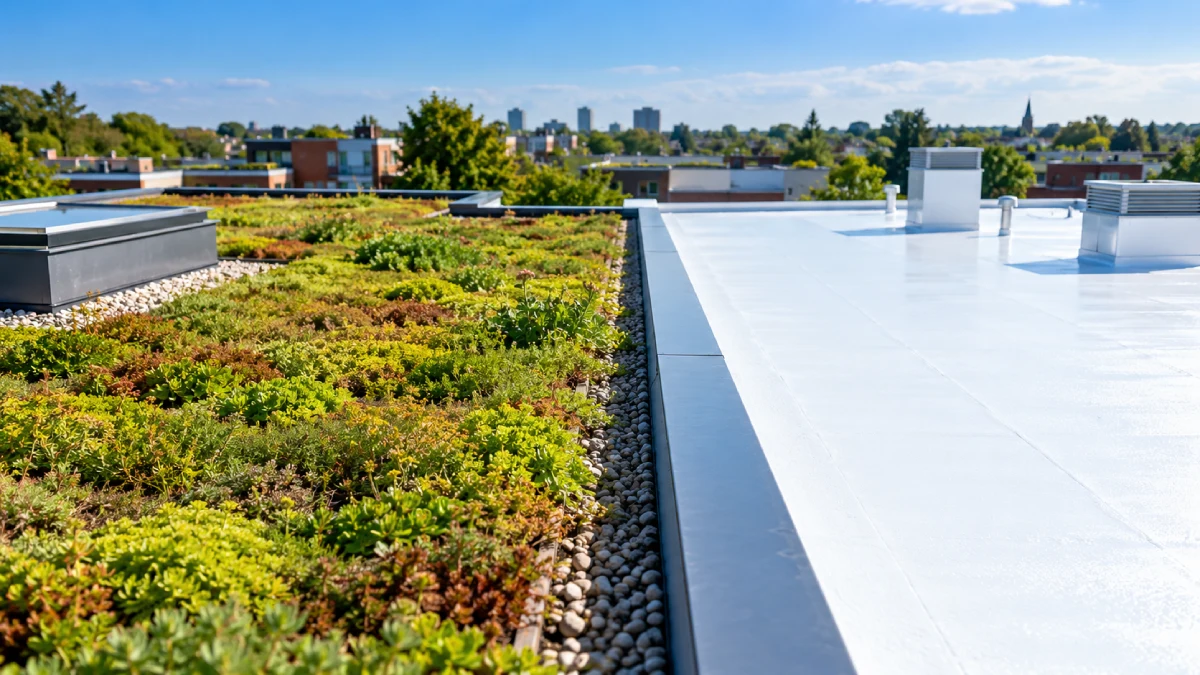
Living (Green) Roofs & Cool Roof Coatings are often discussed as practical ways to improve roof performance, manage heat, and extend the usefulness of roof space. But they are not simple surface upgrades. A green roof adds growing medium, plants, drainage layers, and extra load. A cool roof coating changes how the roof surface reflects heat and weathers over time. Both options depend on the existing roof structure, waterproofing, drainage, insulation, access, and maintenance plan. A&A Roofing London helps homeowners across London, Essex, and Hertfordshire Borders decide whether the roof is suitable for green roof work, reflective coating, restoration, or another residential roofing route.
Quick Check: Before adding planting layers or reflective coating, A&A Roofing London can assess residential roofing in UK needs and confirm whether the roof structure, drainage, waterproofing, and access are ready.
Living (Green) Roofs & Cool Roof Coatings Explained
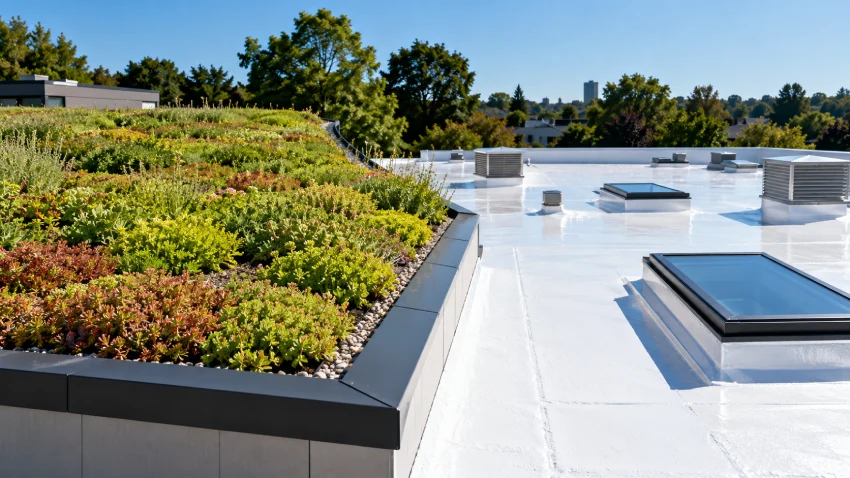
Living (Green) Roofs & Cool Roof Coatings solve different roof problems. A living roof is a layered system that usually includes waterproofing, root protection, drainage, growing medium, and vegetation. A cool roof coating is a surface-applied finish designed to reduce heat absorption and protect the roof covering where the existing system is suitable.
Green roof and cool coating comparison
| Roof option | Main purpose | Key roof requirement |
| Living green roof | Adds planted roof layers and biodiversity value | Strong structure, waterproofing, drainage, maintenance access |
| Cool roof coating | Reflective surface finish for heat and surface protection | Sound existing covering and correct preparation |
| Flat roof restoration | Repairs and improves existing roof condition | Defect-free deck, drainage, and edge details |
| Full roof replacement | Rebuilds failed or unsuitable roof layers | Needed when waterproofing, deck, or structure is failing |
| Pitched roof maintenance | Protects tile or slate coverings | Not usually the main setting for green roof systems |
A&A Roofing London starts by checking whether the roof can safely support the proposed system. The important questions are not only about appearance. The roof must drain properly, remain waterproof, allow maintenance access, and suit the extra load or coating system being considered.
For existing flat roofs, a flat roof restoration sequence helps homeowners understand why surface condition, drainage, and waterproofing must be reviewed before any green roof or coating decision.
Tile Roofing and Green Roof Suitability
Tile roofing is not usually the direct base for Living (Green) Roofs & Cool Roof Coatings because green roofs and reflective coatings are mainly considered for flat or low-slope roof areas. However, many homes combine tiled pitched roofs with flat extensions, dormers, garages, and roof terraces.
A&A Roofing London checks changing roof tiles where a tiled roof connects to a flat roof that may receive planting layers or coating. If the pitched roof sends water onto the flat section, the drainage design must be checked before any upgrade begins.
The junction between tile roofing and a green roof matters. Gutters, downpipes, abutments, leadwork, and wall details must move water away from the planted or coated surface without overloading outlets.
A roof material weathering comparison can help homeowners understand why different roof surfaces respond differently to rain, frost, heat, and long-term exposure.
Slate Roofing and Sustainable Roof Choices
Slate roofing can influence Living (Green) Roofs & Cool Roof Coatings where the property has both natural slate and flat roof areas. Slate is durable when maintained properly, but it should not be confused with a planted or coated flat roof system.
A&A Roofing London explains the benefits of slate in the UK where homeowners are comparing long-life pitched roof materials with newer flat roof upgrades. Natural slate may be the right answer for pitched sections, while a green roof or cool coating may be considered for a flat extension.
The key is to avoid treating every roof area the same. A slate slope, a flat roof, a dormer, and a roof terrace each need different waterproofing and maintenance logic.
A sustainable slate roof overview can help homeowners compare long-life roof coverings with other roof improvement options without assuming one system suits every part of the property.
Flat Roofs and Living Roof Layers
Flat roofs are the main setting for Living (Green) Roofs & Cool Roof Coatings. A flat roof may be suitable for a green roof only if the structure, waterproofing, drainage, outlets, upstands, and access can support the added system.
A&A Roofing London assesses flat roofs in the UK before recommending a living roof, coating, restoration, or replacement. A weak deck, poor falls, blocked outlets, or tired membrane can make a green roof risky because planting layers can hide future defects.
A cool roof coating also depends on preparation. The existing roof surface must be clean, dry, stable, compatible, and free from defects that would keep causing leaks beneath the coating.
A flat roof service life guide helps explain why age, material, drainage, maintenance, and installation quality affect whether a flat roof is ready for improvement or due for renewal.
Pitched Roof Maintenance and Retrofit Limits
Pitched roof maintenance is relevant to Living (Green) Roofs & Cool Roof Coatings because pitched and flat roof sections often work together. Water from a pitched roof may drain onto a flat roof, into a gutter, or around a dormer. If the pitched roof is not maintained, the flat roof upgrade may still suffer.
A&A Roofing London provides pitched roof maintenance support where the roof covering, ridges, valleys, gutters, and junctions need checking before flat roof improvements are planned.
A green roof is not normally installed on a standard pitched tile or slate roof unless the roof has been specifically designed for that type of system. Most residential green roof discussions focus on flat or low-slope roof areas.
A flat roof and pitched roof differences guide helps homeowners understand why drainage, waterproofing, and maintenance expectations change between roof forms.
Roof Restoration Before Green Roof Work
Roof restoration is often the first practical step before Living (Green) Roofs & Cool Roof Coatings. If the existing roof has cracks, blisters, leaks, poor falls, weak outlets, or edge failures, adding a green roof or coating can hide the problem rather than solve it.
A&A Roofing London follows a roof restoration process where the roof needs preparation before any performance upgrade. This may include repairing defects, checking drainage, renewing flashing, improving edge details, or confirming whether replacement is more sensible.
Green roof and coating readiness table
| Roof condition | Green roof suitability | Cool coating suitability |
| Sound flat roof with good drainage | Possible after load and waterproofing checks | Possible after surface preparation |
| Old roof with recurring leaks | Poor candidate without repair or replacement | Not suitable until leaks are resolved |
| Soft deck or structural weakness | Not suitable without structural work | Not suitable if movement continues |
| Blocked outlets or ponding water | Drainage must be corrected first | Coating will not solve standing water |
| Sound pitched roof | Usually not the direct base | Maintenance may still support nearby flat areas |
A flat roof warning sign checklist can help homeowners identify whether the existing surface is too damaged for a coating or planting system.
Where costs are a concern, a roof restoration budget framework helps separate access, repair work, drainage, materials, and preparation before any upgrade is selected.
Roof Repairs Before Coatings or Planting
Roof repairs should come before Living (Green) Roofs & Cool Roof Coatings. A coating can only perform well over a suitable surface, and a green roof should not be installed over unknown leaks, weak decking, or poor drainage.
A&A Roofing London checks the cause of damp before recommending a surface upgrade. Water may enter through roof edges, outlets, joints, flashing, parapets, rooflights, or failed membranes. If the source is not repaired, the new system may simply cover the defect.
A roof leak diagnosis guide helps homeowners understand why the visible damp mark may not show the true entry point.
For drainage-related failures, a roof drainage fault guide is useful because green roofs and coatings both rely on controlled water movement.
Re-Roofing and Roof Replacement Decisions
Re-roofing may be the right route when Living (Green) Roofs & Cool Roof Coatings are being considered for a roof that is already near the end of its life. A new upgrade should not be installed over a covering that will need replacement soon.
A&A Roofing London checks whether the existing waterproofing, deck, insulation, outlets, and edge details are serviceable. If they are not, replacement may be more practical than coating over defects or adding planted layers to a failing roof.
A roof repair and replacement comparison helps homeowners decide whether improvement work is sensible or whether the roof needs a more complete renewal.
A roof replacement timing outline also helps explain why repeated leaks, old materials, saturated layers, and poor drainage can make replacement a better long-term decision.
Lead Work, Parapets, and Roof Edges
Lead work is important for Living (Green) Roofs & Cool Roof Coatings because edges and junctions are common leak points. A green roof may hold moisture near upstands and parapets, while a coating must be tied correctly into edges, outlets, and wall details.
A&A Roofing London provides professional leadwork roofing in London where wall junctions, chimneys, parapets, valleys, and abutments need weatherproofing before roof improvement work begins.
Lead flashing, upstands, coping stones, trims, and outlets should be checked before a green roof or coating is installed. If these details are weak, the new roof finish may not stop water entering behind the system.
A gutter and roof edge blockage guide helps homeowners understand why blocked drainage around edges can damage both traditional flat roofs and upgraded roof systems.
Roof Inspections and Maintenance Planning
Roof inspections are essential before Living (Green) Roofs & Cool Roof Coatings because suitability cannot be judged from the surface alone. A roof can look serviceable but still have weak decking, poor falls, hidden damp, blocked outlets, or failed insulation.
A&A Roofing London checks the roof covering, deck firmness, drainage, outlets, gutters, leadwork, parapets, access, and signs of internal damp. For green roofs, the maintenance plan also matters because drains, vegetation, and edges must remain accessible.
A roof inspection preparation checklist helps homeowners record leaks, ponding, surface cracks, gutter issues, and previous repair history before a visit.
Maintenance is not optional after a green roof or coating is installed. A roof upkeep prevention plan helps reduce avoidable problems such as blocked outlets, debris build-up, early surface failure, and missed leak signs.
Insulation, Ventilation, and Heat Control
Insulation and ventilation affect Living (Green) Roofs & Cool Roof Coatings because roof comfort is not controlled by surface finish alone. A cool coating may help reduce surface heat gain, while a green roof may add a protective planted layer, but insulation and ventilation still decide how the roof performs internally.
A&A Roofing London checks whether the roof is warm roof or cold roof construction where relevant. This matters because moisture behaviour, condensation risk, and insulation placement can affect whether the roof upgrade performs as intended.
A warm roof and cold roof guide helps explain why roof build-up matters before surface changes are made.
A roof insulation performance guide is also useful where the goal is comfort, efficiency, or reduced heat loss rather than only changing the external roof finish.
Residential Roofing and UK Weather Exposure
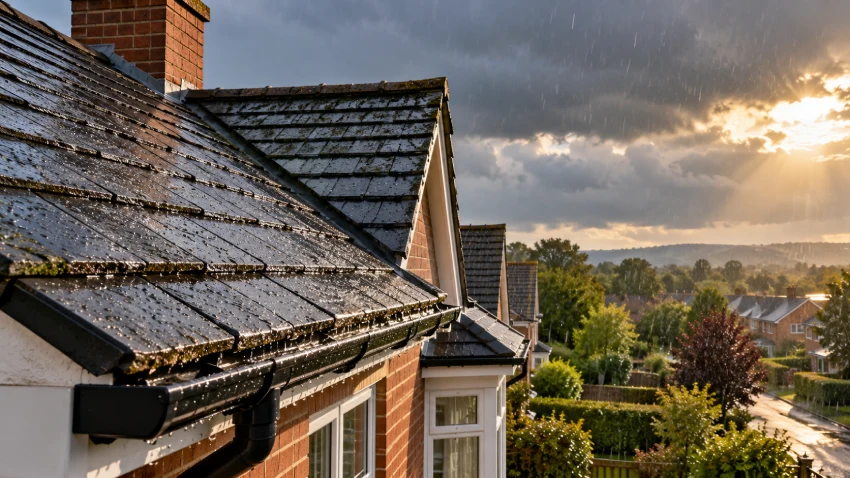
Residential roofing makes Living (Green) Roofs & Cool Roof Coatings more specific because every home has different roof forms, access, drainage, exposure, and maintenance needs. A small extension roof is different from a large terrace roof, and a sheltered roof behaves differently from an exposed one.
Rain, frost, wind, heat, debris, and standing water can all affect green roofs and coated roofs. A system that is not designed for the roof’s weather exposure may fail early or create maintenance problems.
A UK roof weathering overview helps homeowners understand why water flow, frost action, and wind exposure should be considered before a roof upgrade.
Older homes may also have different structural and drainage limits from newer properties. A new-build and older roof comparison helps explain why roof age matters before adding load, coating, or restoration work.
Living (Green) Roofs & Cool Roof Coatings Area Coverage
Local roof conditions matter because property age, access, drainage routes, flat roof construction, and weather exposure all affect green roof and coating suitability. A&A Roofing London supports homeowners across London, Essex, and the Hertfordshire Borders with roof checks that focus on structure, waterproofing, drainage, and maintenance needs before upgrades are planned.
North London
North London homes often include flat roof extensions, older pitched roofs, parapets, dormers, and mixed roof forms. For Living (Green) Roofs & Cool Roof Coatings, A&A Roofing London checks whether the existing roof can manage added load, whether drainage is reliable, and whether leadwork or parapet details need repair before any upgrade. This helps avoid installing a green roof or coating over hidden defects.
Hertfordshire Borders
Around the Hertfordshire Borders, homes may include modern extensions, older roofs, garages, and mixed flat and pitched sections. A&A Roofing London assesses Living (Green) Roofs & Cool Roof Coatings by reviewing waterproofing, roof deck condition, outlets, insulation, and maintenance access. Where the roof is not ready, repair or restoration can be planned before any surface upgrade.
Essex
Across Essex service areas, roofs can face rain, wind, frost, debris, and drainage issues depending on exposure and roof design. A&A Roofing London reviews Living (Green) Roofs & Cool Roof Coatings by checking whether the roof can drain properly, whether the deck is sound, and whether the chosen upgrade suits the property. The aim is to choose a roof improvement that works with the building, not against it.
Choosing A&A Roofing London for Roof Upgrade Planning
A green roof or cool coating should begin with a roof condition check, not a product choice. A&A Roofing London reviews waterproofing, structure, drainage, insulation, leadwork, access, and maintenance needs before recommending restoration, coating, planting layers, or replacement. For homeowners comparing Living (Green) Roofs & Cool Roof Coatings, A&A Roofing London can assess residential roofing in UK requirements and explain which route fits the roof’s condition and long-term care needs.
FAQs About Living (Green) Roofs & Cool Roof Coatings
What are Living (Green) Roofs & Cool Roof Coatings?
Living (Green) Roofs & Cool Roof Coatings are two different roof improvement options. A living roof uses planted layers over a suitable waterproof roof system, while a cool roof coating is a reflective surface treatment applied to a prepared roof covering. Both need a sound roof beneath them. The structure, waterproofing, drainage, insulation, and maintenance access should be checked before either option is chosen.
Can any flat roof become a green roof?
Not every flat roof can become a green roof. Living (Green) Roofs & Cool Roof Coatings both require suitability checks, but green roofs especially need structural capacity, waterproofing, drainage, root protection, safe access, and long-term maintenance planning. If the deck is weak, outlets are blocked, or the existing roof leaks, repairs or replacement should happen before any planted system is installed.
Do cool roof coatings stop leaks?
Cool roof coatings are not a substitute for proper leak repair. Living (Green) Roofs & Cool Roof Coatings should only be considered after the existing roof has been inspected. If a roof leaks because of failed flashing, open joints, poor drainage, cracks, or damaged decking, coating the surface may hide the issue temporarily without correcting the cause. The roof should be repaired first.
Are green roofs heavy?
Green roofs can add significant weight because they include drainage layers, growing medium, plants, retained moisture, and sometimes ballast or edge restraints. Living (Green) Roofs & Cool Roof Coatings should therefore be considered only after the structure has been checked. The heavier the proposed green roof system, the more important it is to confirm the roof deck and supporting structure are suitable.
Which is better: a green roof or a cool roof coating?
The better option depends on the roof and the goal. A green roof may support planting, biodiversity, and surface protection where the roof can handle the system. A cool roof coating may suit a sound roof where heat reflection and surface protection are priorities. Living (Green) Roofs & Cool Roof Coatings are not interchangeable, so drainage, load, waterproofing, budget, and maintenance should decide the choice.
Do green roofs need maintenance?
Yes, green roofs need maintenance. Living (Green) Roofs & Cool Roof Coatings both require ongoing checks, but green roofs need particular attention to vegetation, drains, outlets, edges, unwanted growth, and signs of water retention. Maintenance access should be planned before installation. Without upkeep, a green roof can block drainage, hide defects, or increase moisture problems around vulnerable details.
What should be inspected before installing a green roof or coating?
Before living (Green) Roofs & Cool Roof Coatings are considered, the roof should be inspected for deck strength, waterproofing condition, drainage, outlets, gutters, roof falls, insulation, ventilation, leadwork, parapets, access, and previous leaks. A&A Roofing London uses this assessment to decide whether the roof is ready, needs repair, should be restored, or requires replacement before any upgrade is added.