

Roof Inspection Checklist UK: What to Check
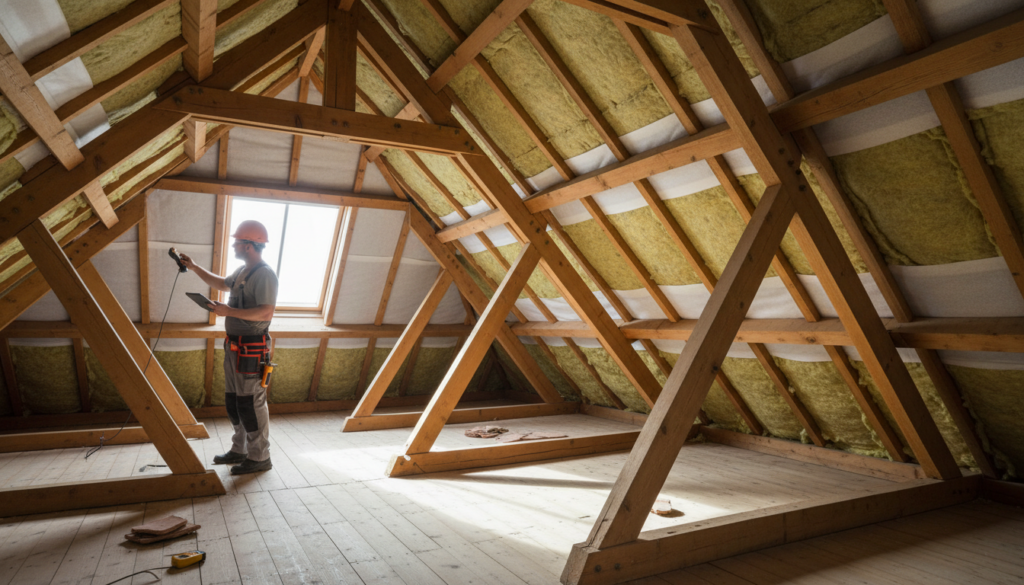
Roof Inspection Checklist UK helps homeowners spot early roof problems before they become leaks, structural damage, or costly repairs. A proper inspection should not focus on one missing tile only. It should review tiles, slates, flat roof areas, gutters, valleys, ridges, chimneys, leadwork, drainage, internal damp, storm damage, and previous repairs together.
A & A Roofing London helps homeowners across London, Essex, and the Hertfordshire borders inspect roofs safely, record defects clearly, and decide whether maintenance, repair, restoration, or replacement is the right next step.
Quick Check: If you have seen damp marks, loose tiles, gutter overflow, cracked flashing, or storm damage, ask A & A Roofing London to carry out a roof inspection in the UK before a small defect spreads into hidden water damage.
Roof Inspection Checklist UK: Start With Safety
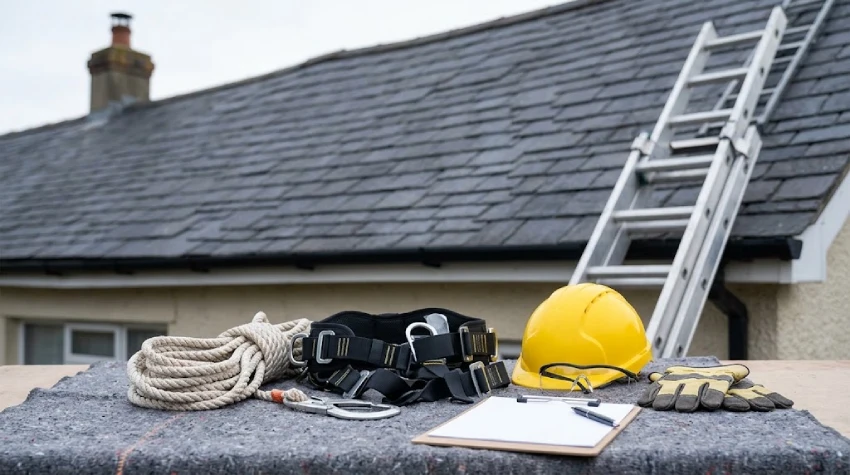
Roof Inspection Checklist UK should begin with safety. Homeowners can make useful observations from the ground, windows, or a safe loft space, but walking on the roof is different. HSE says roof work is high risk and that almost one in five construction deaths involve roof work. HSE also says all roofs should be treated as fragile until a competent person confirms otherwise.
| Inspection area | What to check | Why it matters |
| Roof covering | Missing, cracked, slipped, or loose tiles and slates | Openings can let rain reach underlay |
| Flat roof sections | Ponding, cracks, blisters, edge lifting, outlet blockage | Water can spread below the surface |
| Gutters and downpipes | Overflow, debris, sagging, leaks, tile fragments | Blocked drainage can push water back into the roof |
| Valleys | Moss, leaves, silt, broken tile pieces, poor flow | Valleys carry concentrated water |
| Flashing and leadwork | Lifting, cracks, gaps, poor sealant patches | Junctions are common leak points |
| Chimneys | Damp, cracked pointing, failed flashing, stack defects | Water can enter around several chimney details |
| Loft and ceilings | Damp stains, mould, daylight, wet insulation | Internal clues can reveal hidden roof defects |
| Roofline | Sagging, dips, uneven ridges, movement | May indicate structural or deck problems |
A & A Roofing London treats inspection as diagnosis, not guesswork. The aim is to connect visible roof defects with drainage, weather exposure, internal damp, and repair history before choosing the correct action.
Tile Roof Inspection in the UK
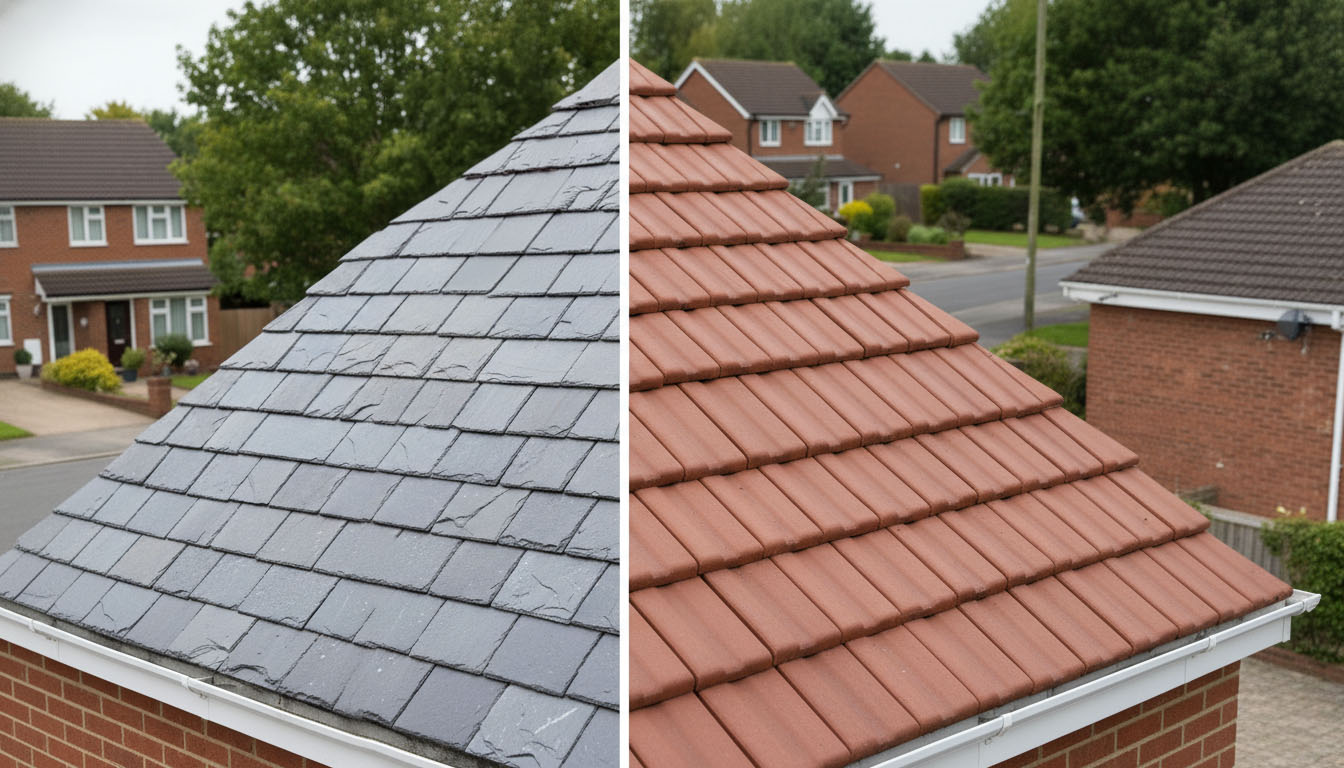
A tile roof inspection in the UK should check cracked tiles, slipped tiles, loose courses, broken corners, ridge movement, moss build-up, valley debris, gutter fragments, and signs that water has reached the underlay.
Planning Portal notes that the type of tile or slate used on a pitched roof is partly governed by how steep or shallow the roof is. That matters during inspection because pitch affects how tiles overlap, drain, and resist wind-driven rain.
A & A Roofing London checks the visible tile and the surrounding area. A single cracked tile may be a local repair, but repeated tile movement can point to fixing failure, storm exposure, old battens, poor workmanship, or drainage pressure. For tile-specific care, tiled roof care schedule gives useful support.
Slate Roof Maintenance Checks
Slate roof maintenance in the UK needs careful inspection because slate defects can be small from ground level. Slipped slates, cracked edges, fixing failure, leadwork faults, valley debris, and chimney junction problems can all cause leaks.
A & A Roofing London checks slate alignment, laps, fixings, ridges, valleys, gutters, leadwork, chimney edges, and loft damp. Slate roofs also need careful access because unnecessary foot traffic can damage otherwise serviceable slates.
For inspection timing, slate inspection interval factors can help homeowners understand why older slate roofs, exposed slopes, and previous repairs need closer review.
Flat Roof Inspection in London
A flat roof inspection in London should look for ponding water, blocked outlets, cracks, blisters, open seams, soft decking, lifted trims, rooflight leaks, failed upstands, and damp ceilings below.
Flat roofs need drainage checks because water moves more slowly across shallow falls. Planning Portal describes gutters and rainwater pipes as roof drainage, which makes outlets, gutters, and discharge routes part of the inspection rather than a separate issue.
A & A Roofing London checks whether a flat roof defect is local or whether water has spread below the surface. For early flat roof warning signs, flat roof surface defect notes are useful.
Pitched Roof Maintenance Checks
Pitched roof maintenance in the UK should check the roof slope, covering condition, ridges, hips, verges, valleys, gutters, leadwork, chimneys, and internal damp marks. Pitched roofs shed water through slope, but defects at junctions and drainage points can still create leaks.
A & A Roofing London reviews the pitched roof as a complete water route. A leak near a wall may come from flashing. A stain near the eaves may come from gutter overflow. A damp patch near a valley may be caused by debris higher up the channel.
For pitched roof movement, wind-moved tile inspection cues and ridge line movement checklist are relevant.
Roof Damage Inspection After Storms
A roof damage inspection in the UK is especially important after high winds, heavy rain, frost, falling branches, or visible debris. The Met Office advises checking roofs for loose tiles, slates, and flashing before windy weather, and warns that leaves can fill gutters and drainpipes, causing water to back up.
A & A Roofing London checks for shifted tiles, slipped slates, lifted flashing, blocked gutters, damaged ridge lines, valley debris, flat roof edge lifting, and internal damp. Storm damage should be recorded carefully before repair decisions are made.
For post-weather review, storm-damage photo checklist and weather exposure inspection prompts help homeowners organise visible evidence safely.
Gutter and Drainage Inspection
Gutters and downpipes should be inspected with the roof, not after it. Blocked drainage can make a sound roof leak by pushing water back toward the eaves, fascia, walls, flat roof edges, and roof covering.
Planning Portal defines the above-ground system of gutters and rainwater pipes as roof drainage. The Met Office also warns that leaves in gutters and drainpipes can cause water to back up and leak into the roof and sides of a house.
A & A Roofing London checks gutter fall, outlet flow, downpipes, moss build-up, tile fragments, fascia staining, valley discharge, and lower flat roof outlets. For drainage diagnosis, eaves drainage blockage signs and rainwater discharge audit steps are useful.
Valley Inspection Checklist
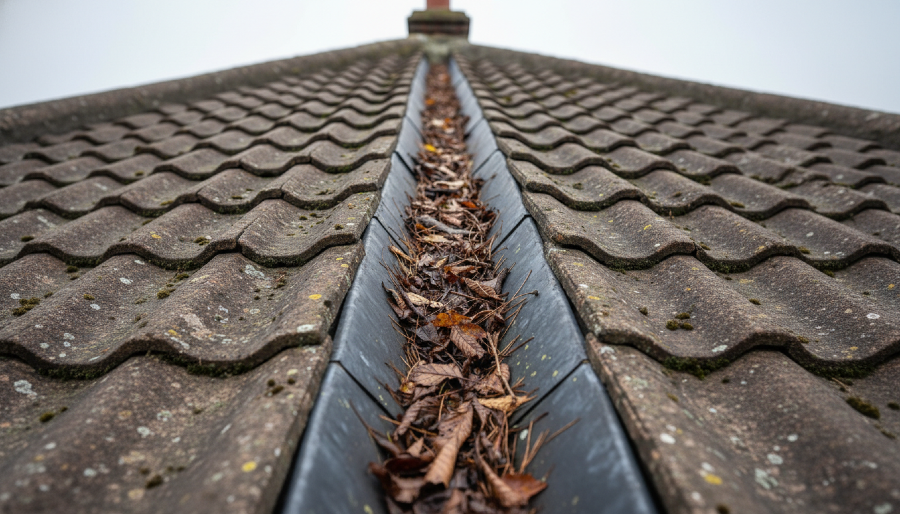
Roof valleys should be part of every roof inspection because they carry water from two slopes. Debris, moss, leaves, tile grit, broken fragments, or poor tile cuts can slow the flow and force water beneath the covering.
A & A Roofing London checks valley lining, tile or slate edges, debris load, lower gutter discharge, leadwork, mortar, and internal damp below the valley line. A valley leak may appear beside a tile or slate while the real cause is water backing up in the channel.
For valley-specific checks, two-slope water channel review and valley debris build-up checks are relevant.
Flashing and Leadwork Inspection
Flashing and leadwork should be checked wherever the roof meets a wall, chimney, dormer, rooflight, parapet, flat roof upstand, or abutment. These junctions often leak before the main roof covering fails.
A & A Roofing London checks step flashing, aprons, soakers, cover flashings, wall chases, sealant patches, lead splits, lifting, poor overlaps, and damp below junctions. The inspection also checks surrounding tiles or slates because water may enter above the flashing and appear at the joint.
For junction review, abutment seal inspection cues and lead weathering inspection points support the checklist.
Chimney Inspection Checklist
Chimneys create several possible water-entry points. A roof inspection should check chimney flashing, back gutters, pointing, stack condition, pots, soakers, nearby tiles or slates, and damp marks on chimney breasts.
A & A Roofing London checks whether the leak source is the chimney, the flashing, the surrounding roof covering, a blocked valley, or gutter overflow nearby. This prevents the wrong repair being applied to the visible damp patch.
For chimney-related leaks, chimney junction damp checks are useful supporting information.
Leak Inspection Inside the Home
A roof inspection should include internal evidence. Damp ceilings, brown stains, peeling paint, mould, wet insulation, musty smells, and daylight in the loft can reveal where water is travelling.
A & A Roofing London compares internal damp marks with external roof features. A stain may sit below a flat roof outlet, valley, chimney, flashing joint, ridge, or slipped tile, but water can travel before it appears indoors.
For diagnosis, leak source tracing checklist helps connect indoor symptoms with roof-level defects.
Roofline and Structural Clues
A roof inspection should check the roofline from a safe position. Sagging ridges, dips, uneven slopes, bowed ceilings, soft flat roof decking, or recurring ponding can point to more than surface wear.
A & A Roofing London checks whether visible movement is caused by water damage, ageing structure, poor installation, excessive loading, or long-term drainage issues. Structural clues can change the repair scope.
For movement-related warning signs, roofline dip assessment clues are relevant.
Workmanship and Previous Repair Checks
Previous repair work should be inspected carefully. Poor repairs can create new leaks through incorrect tile replacement, bad flashing, incompatible flat roof patches, shallow upstands, weak mortar, poor ridge work, or blocked drainage.
A & A Roofing London checks repair edges, sealant patches, mismatched materials, messy leadwork, tile alignment, gutter discharge, flat roof seams, and whether the original defect was corrected. A neat-looking patch may still fail if the water route was not understood.
For repair quality, installation detail review list helps identify common workmanship problems.
Roof Repair or Replacement Decision
Inspection should lead to a clear next step. Some defects need minor repair. Others need restoration or replacement planning. The difference depends on defect spread, hidden water damage, material age, underlay condition, drainage performance, roofline movement, and repair history.
| Inspection result | Likely action |
| One cracked tile and dry underlay | Local tile replacement |
| Slipped slates in one area | Slate repair and fixing review |
| Blocked gutter with sound roof edge | Clear and test drainage |
| Repeated leaks at a junction | Flashing or leadwork correction |
| Widespread tile movement | Wider repair or replacement assessment |
| Soft flat roof deck | Replacement or deeper investigation |
| Sagging roofline | Structural assessment before repair |
For scope decisions, repair-scope decision filter helps separate local repair from wider roof failure.
Emergency Leak Inspection
If water is actively entering the home, the priority is reducing internal damage safely. Homeowners should not climb onto a wet or damaged roof. HSE’s fragile-surface guidance says effective precautions are required for work on or near fragile surfaces, no matter how short the duration.
A & A Roofing London can inspect once conditions are safe and decide whether temporary protection, repair, restoration, or replacement is needed. Active leaks should be documented with photos of the ceiling stain, drip location, weather conditions, and any visible external damage from safe positions.
For urgent situations, active leak safety sequence is a useful support page.
Inspection Frequency and Maintenance Planning
A roof inspection checklist is most useful when repeated at the right times. Inspection should be considered after storms, before winter weather, when gutters overflow, when moss blocks drainage, when roof materials move, or when damp appears indoors.
A & A Roofing London sets inspection frequency around property age, roof material, exposure, nearby trees, previous repairs, roof pitch, flat roof sections, and drainage history. HSE’s safety guidance still applies even for short maintenance checks, so roof-level inspection should be handled properly.
For planning, inspection interval trigger map and preventive roof care checkpoints are useful.
Roof Safety for Homeowners
A homeowner’s role is to observe safely, not to test the roof by walking on it. Useful observations include missing tiles from ground level, gutter overflow, broken tile pieces on the ground, damp ceilings, loft staining, daylight through the roof, visible sagging, and storm debris.
HSE says all roofs should be treated as fragile until confirmed otherwise by a competent person. A & A Roofing London uses safe access and inspection methods rather than encouraging homeowners to climb onto tiled, slate, flat, or wet roof surfaces.
For safety boundaries, unsafe roof access boundaries is the most relevant supporting topic.
Residential Roof Inspection Checklist
Residential roofs often combine tiles, slates, flat roof extensions, chimneys, valleys, gutters, dormers, rooflights, ridges, verges, and shared drainage. A good checklist should match the actual home.
A & A Roofing London inspects residential roofs by looking at how all those parts connect. A lower flat roof may be affected by debris from a tiled roof above. A chimney leak may look like a tile leak. A gutter overflow may appear as wall damp. The full system matters.
Roof Inspection Checklist UK Area Coverage
Local property age, roof access, roof material, extensions, chimneys, valleys, gutters, and weather exposure all affect inspection priorities. A & A Roofing London covers North London, Essex, and the Hertfordshire borders, helping homeowners inspect roof defects safely and choose the correct repair or maintenance route.
North London
In North London, Roof Inspection Checklist UK often applies to terraced houses, shared rooflines, chimney stacks, slate details, tiled roofs, rear extensions, and limited gutter access. A & A Roofing London can check tiles, slates, flat roof areas, valleys, leadwork, chimneys, damp marks, and previous repairs before minor defects become leaks.
Hertfordshire Borders
Across the Hertfordshire borders, Roof Inspection Checklist UK may involve older tiled roofs, slate sections, tree debris, moss, gutter overflow, exposed slopes, and storm-related movement. A & A Roofing London reviews drainage, roof covering condition, roofline shape, internal damp, and maintenance history before recommending repair, restoration, or replacement.
Essex
In Essex, a roof inspection checklist can become important after heavy rain, wind, frost, loose tiles, blocked gutters, valley debris, or flat roof ponding. A & A Roofing London can inspect pitched roofs, flat roofs, tiles, slates, gutters, valleys, flashing, chimneys, and internal stains so repairs follow the true defect.
Final Roofing Decision
Roof Inspection Checklist Uk should help homeowners move from uncertainty to evidence. The checklist should cover roof coverings, flat roof surfaces, gutters, valleys, flashings, chimneys, ridges, internal damp, storm damage, roofline movement, and previous repairs.
A & A Roofing London can carry out a roof inspection in the UK that connects visible roof defects with water movement, drainage, weather exposure, and internal symptoms. That gives homeowners a practical route to maintenance, repair, restoration, or replacement before small defects become larger roof damage.
FAQs About Roof Inspection Checklist UK
What should a Roof Inspection Checklist UK include?
A roof inspection checklist should include tiles, slates, flat roof areas, gutters, downpipes, valleys, ridges, chimneys, flashing, leadwork, rooflights, loft damp, ceiling stains, roofline shape, storm damage, and previous repairs. A & A Roofing London checks the full roof system because one defect can affect another.
Is it safe for homeowners to inspect their own roof?
Homeowners can make safe observations from the ground, windows, or a safe internal space, but they should not walk on the roof. HSE says roof work is high risk, and all roofs should be treated as fragile until a competent person confirms otherwise.
How often should a roof be inspected?
Inspection timing depends on roof age, material, exposure, trees, drainage, previous repairs, and storm history. A roof should also be checked after severe weather, visible tile movement, gutter overflow, valley blockage, flat roof ponding, or new damp marks indoors.
What roof defects should be checked after storms?
After storms, check from safe positions for missing tiles, slipped slates, lifted flashing, loose ridge tiles, blocked gutters, valley debris, flat roof edge lifting, broken fragments, and internal damp. The Met Office advises checking roofs for loose tiles, slates, and flashing before windy weather.
Can blocked gutters cause roof damage?
Yes. Planning Portal describes gutters and rainwater pipes as roof drainage, and the Met Office warns that leaves can fill gutters and drainpipes, causing water to back up into the roof and sides of a house.
What should be inspected on a flat roof?
A flat roof inspection should check ponding, cracks, blisters, seams, outlets, gutters, upstands, rooflights, edge trims, soft decking, and internal damp below. Planning Portal notes that a flat roof usually has a slight fall so rainwater can drain away.
When does a roof inspection lead to repair or replacement?
A local defect may need a repair when the surrounding roof is sound. Replacement becomes more likely when defects are widespread, leaks keep returning, the roofline is sagging, flat roof decking is soft, underlay has failed, or previous repairs no longer hold.
What should A & A Roofing London inspect during a roof visit?
A & A Roofing London should inspect the roof covering, gutters, valleys, downpipes, flashing, leadwork, chimneys, ridges, flat roof areas, rooflights, internal damp evidence, storm damage, roofline movement, and previous repair work. The inspection should identify the defect, the cause, and the right next step.







Comments (5)
[…] comparing broader roof condition indicators may also review roof inspection checklist guidance before scheduling professional […]
[…] planning helps homeowners understand when checks are sensible. For what is normally reviewed, roof condition checklist items provide a useful […]
[…] climbing onto the roof to clear valleys themselves. For planning, roof inspection timing framework, roof inspection item structure, and preventive maintenance order are useful […]
[…] inspection structure, roof survey checklist categories and roof condition review sheet are […]
[…] inspection structure, roof maintenance inspection items and annual roof care task list are […]
Comments are closed.