
Roof Restoration for Flat Roofs UK: Repair & Rebuild Guide
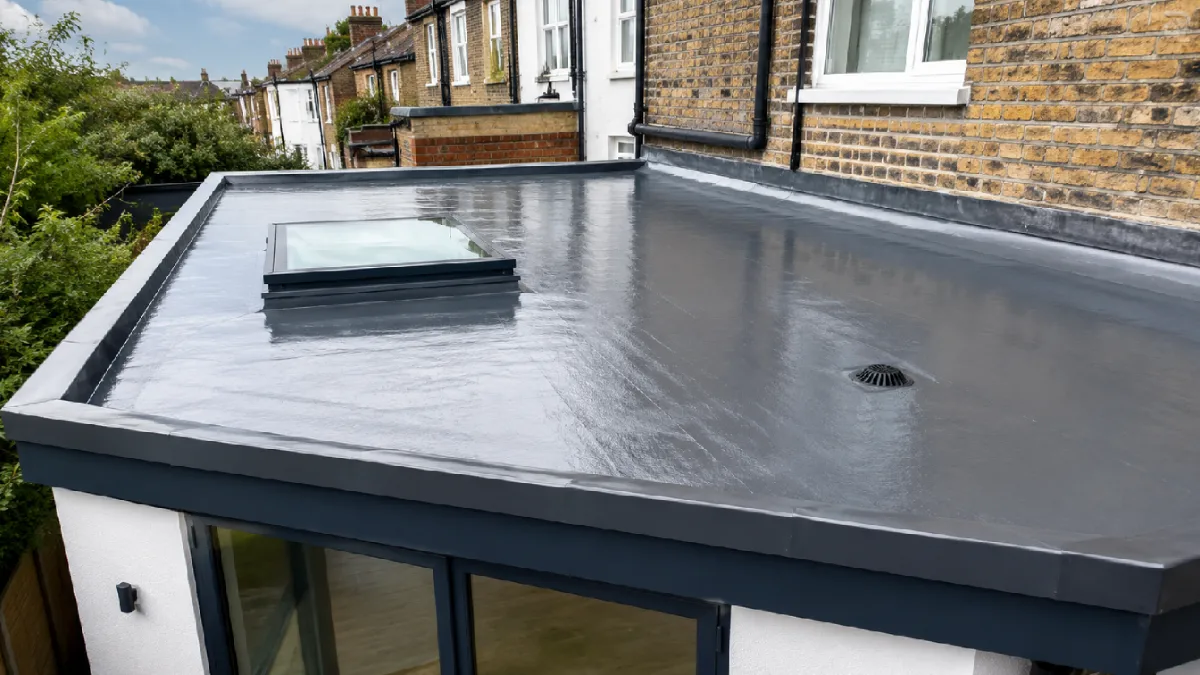
Flat roofs fail quietly before they fail visibly. A small blister, a slow drain, cracked flashing, or standing water after heavy rain can turn into internal damp, damaged insulation, and repeated patch repairs. Roof Restoration for Flat Roofs UK is about deciding whether the existing flat roof can be repaired, recovered, improved, or whether replacement is the safer route. A & A Roofing London helps homeowners across London, Essex, and the Hertfordshire borders assess flat roof condition, restore sound areas, correct weak details, and protect the roof before water damage spreads.
Quick Check: For a practical flat roof assessment and planned upkeep, A & A Roofing London can help with roof maintenance in the UK before small defects become larger roof problems.
Roof Restoration for Flat Roofs UK: Key Decisions

Flat roof restoration starts with evidence, not guesswork. The roof covering, deck condition, drainage, insulation, upstands, edge trims, and flashing all need to be checked before anyone decides whether restoration is enough.
A flat roof may be suitable for restoration when the membrane is ageing but still bonded, the deck is dry and stable, outlets are serviceable, and defects are localised. If water has reached the deck, insulation is saturated, or ponding is severe, replacement may be more appropriate.
UK guidance recognises that flat roofs need proper water control, condensation management, and sound detailing. Building Regulations approval can be required when replacing roof coverings, while many minor repair and maintenance tasks may not need approval.
Flat roof restoration decision table
| Flat roof condition | What it usually means | Suitable action |
| Local cracks or splits | Surface damage may be repairable if the deck is dry | Targeted repair and coating assessment |
| Blisters in felt or membrane | Trapped moisture or adhesion failure may be present | Cut-out repair, recovery, or replacement depending on spread |
| Standing water after rain | Drainage fall, outlet position, or surface levels may be wrong | Drainage correction before restoration |
| Damp ceiling below | Water may already be inside the roof build-up | Inspection, moisture tracing, possible replacement |
| Failed flashing or upstands | Weak junctions can let water bypass the roof covering | Lead work, flashing repair, and membrane detailing |
| Soft or springy deck | Structural board may have deteriorated | Strip-back and deck replacement |
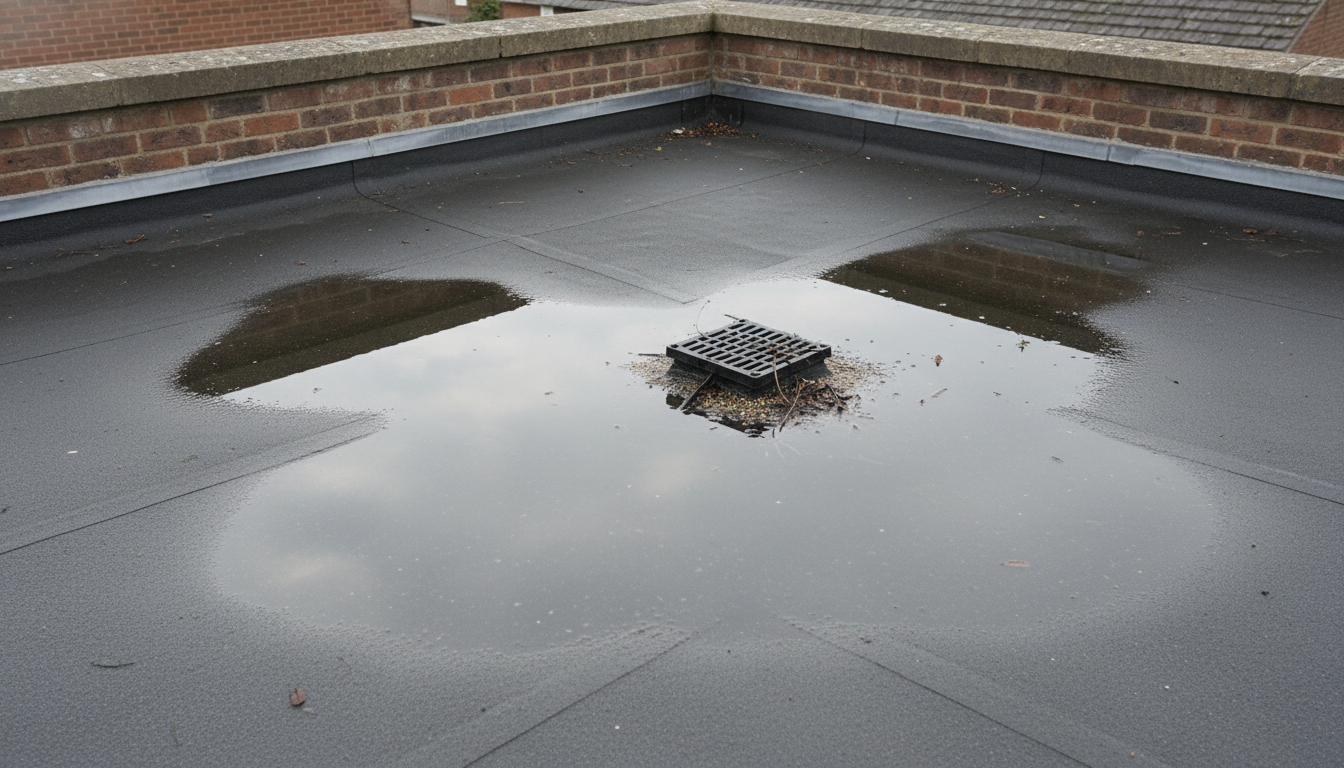
Flat roof restoration should never cover over unresolved water movement. Ponding water can increase stress on waterproofing membranes and shorten service life, especially where drainage outlets are blocked or falls are poor.
Flat Roofing Restoration Starts With Inspection
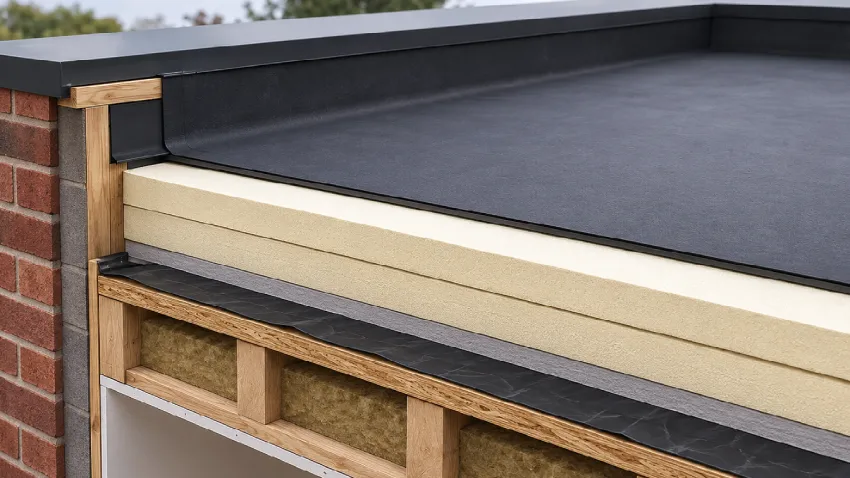
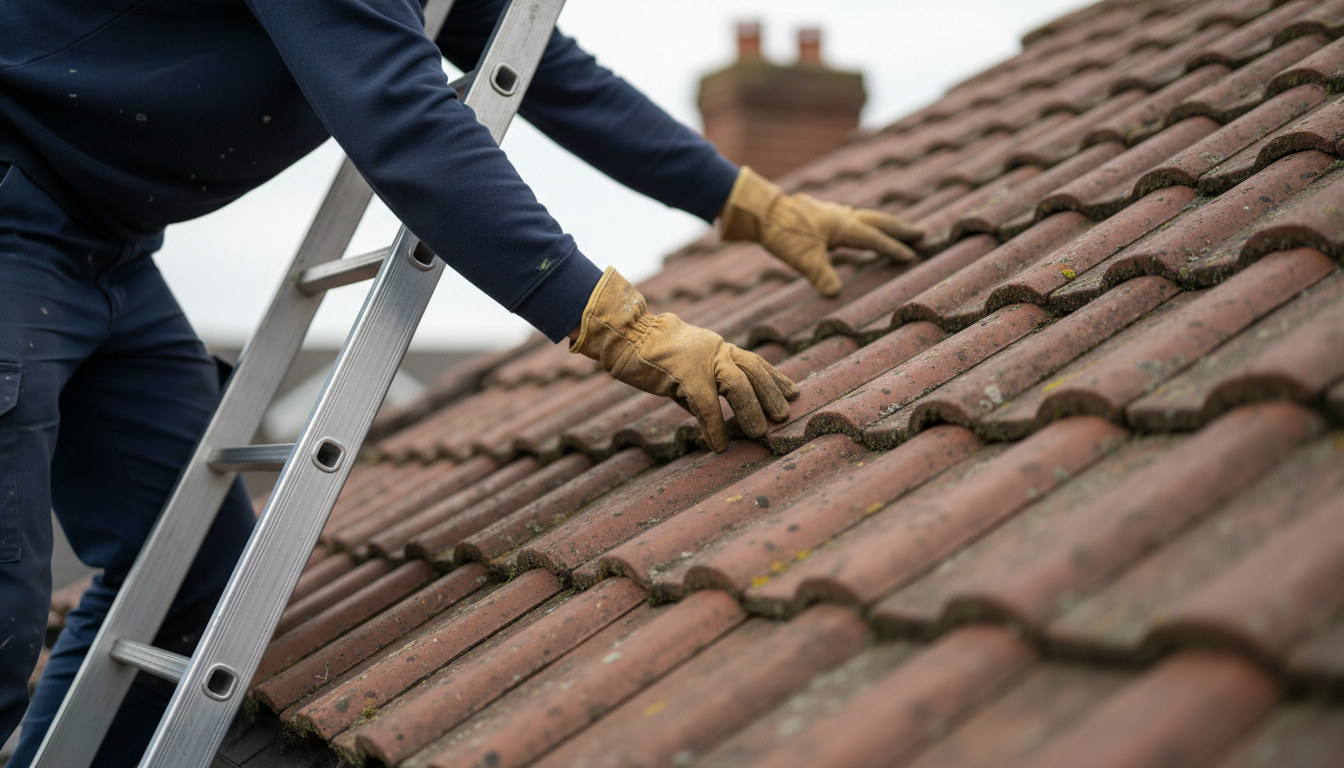
A proper flat roof inspection checks the visible surface and the hidden risk points. On many UK homes, leaks enter around rooflights, parapets, abutments, outlets, trims, vents, and old felt laps rather than through the centre of the roof.
A & A Roofing London inspects the flat roof covering, drainage route, flashing, gutter connection, and signs of trapped moisture. This matters because the right flat roof restoration method depends on whether the existing system is still sound enough to keep.
Common early warning signs include surface cracking, blistering, open laps, wrinkled felt, moss at low points, damaged trims, and staining inside the property. Homeowners can use a practical flat roof blister and crack checklist to understand which marks are cosmetic and which need prompt inspection.
Roof Restoration and Drainage Problems
Drainage is one of the biggest differences between a short-term flat roof repair and a lasting restoration. A new coating or overlay will not solve the issue if water still sits in depressions after rainfall.
Flat roofs are designed with falls so water moves toward outlets, gutters, or drainage points. Industry guidance commonly highlights the need to avoid back falls and uncontrolled ponding, with drainage design linked to membrane performance and condensation control.
A & A Roofing London looks at outlet blockage, gutter condition, surface falls, parapet drainage, and whether old repairs have created raised edges that trap water. Where poor flow is part of the problem, the restoration plan may need outlet clearing, gutter correction, tapered insulation, or re-forming of falls before waterproofing work begins.
For homeowners seeing repeated standing water, the next useful step is understanding roof drainage damage patterns before approving any flat roof restoration work.
Flat Roof Membranes, Blisters, and Cracks
The visible flat roof membrane tells part of the story. Felt, liquid-applied systems, GRP, EPDM, and single-ply coverings age in different ways, but the restoration question is the same: is the existing surface still a reliable base?
Blisters can point to trapped vapour, moisture, poor adhesion, or heat movement. Cracks can appear where the surface has become brittle, where structural movement has occurred, or where old repairs have failed.
A & A Roofing London treats these signs as inspection clues, not automatic replacement triggers. Small isolated defects may be repaired as part of roof restoration; widespread cracking, saturated layers, or recurring splits usually need a deeper intervention.
The homeowner’s choice often sits between repair and replacement. A clear roof repair and replacement comparison helps explain when a controlled repair is reasonable and when repeated patching becomes false economy.
Cold Roof vs Warm Roof in Restoration
A flat roof restoration should consider the roof build-up, not just the top layer. Cold roof and warm roof designs handle insulation and condensation differently, so the wrong restoration method can trap moisture or fail to meet practical performance needs.
Warm flat roofs place insulation above the structural deck, helping keep the deck warmer and reducing condensation risk when detailed correctly. Cold flat roofs are more difficult to detail because ventilation and vapour control become more sensitive.
NHBC guidance notes that condensation control depends on keeping insulation free from running or ponding water and following appropriate standards for flat roof build-ups.
A & A Roofing London considers whether the existing roof build-up is suitable before recommending coating, overlay, or replacement. Homeowners comparing options can review the cold roof and warm roof differences before deciding how far the restoration should go.
Restoration method comparison
| Restoration route | Best suited to | Main caution |
| Localised patch repair | Small splits, isolated cracks, limited flashing faults | Does not fix aged membrane across the whole roof |
| Liquid-applied overlay | Stable existing surface with good adhesion | Surface preparation and moisture checks are critical |
| Felt overlay | Existing roof is dry, sound, and suitable for bonding | Extra layers cannot hide poor falls or rotten decking |
| Drainage correction | Ponding, blocked outlets, weak gutter flow | Waterproofing must follow the drainage fix |
| Full replacement | Saturated insulation, rotten deck, severe failure | Higher disruption but resolves hidden defects |
Roof Restoration for Flat Roofs UK and Repairs
Flat roof repairs are part of restoration, but they are not the same thing. A repair fixes a specific defect; restoration looks at the broader condition and extends performance where the roof is still suitable.
A & A Roofing London may repair open seams, edge details, cracked sections, leaking rooflights, failed flashing, and outlet defects. When defects are connected, the work needs a joined-up roof restoration plan rather than repeated spot repairs.
Storms can reveal weak flat roof details quickly. After heavy wind and rain, homeowners should check internal staining, lifted edges, displaced trims, blocked outlets, and debris against a post-storm roof damage overview.
UK weather adds another layer of stress. Rain, wind, frost, and temperature changes can affect membranes, lead work, gutters, and joints, so a practical weather-related roof damage framework is useful when planning flat roof restoration.
Lead Work, Chimneys, and Flat Roof Junctions
Many flat roof leaks begin at junctions. Lead flashing, chimney abutments, parapet walls, roof-to-wall upstands, and edge trims are all common failure points because they move and weather differently from the main roof surface.
A & A Roofing London checks whether the flat roof membrane is dressed correctly into upstands, whether lead work is cracked or loose, and whether water is tracking behind the visible covering. A roof can look acceptable from above while failing at the junctions.
Flat roof restoration often includes lead work and chimney-related detailing where water is entering beside the roof, not through it. Homeowners can compare common roof flashing failure patterns before assuming the whole flat roof covering is the only issue.
Roof Insulation and Ventilation in Flat Roof Restoration
Flat roof restoration should not ignore heat loss, condensation, or ventilation. A waterproof surface can still fail if moisture is trapped inside the roof build-up or if insulation has become wet.
Where insulation upgrades are involved, the work may move beyond simple surface restoration. This is where building control, condensation risk, ventilation, and the correct roof build-up become important.
A & A Roofing London considers whether insulation condition, vapour control, and ventilation are part of the flat roof problem. A homeowner dealing with cold rooms, damp smells, or recurring mould should read about roof insulation and heat-loss basics before deciding on a surface-only repair.
Condensation is especially relevant in roof spaces and poorly detailed flat roof build-ups. A practical roof ventilation and condensation overview can help separate rainwater leaks from moisture created inside the property.
Re-Roofing and Replacement vs Restoration
Flat roof restoration is not always the right answer. If the membrane has failed across large areas, the deck is wet, insulation has deteriorated, or previous repairs are layered over hidden defects, re-roofing may be the safer route.
A & A Roofing London explains the difference before work begins. Restoration can preserve a sound flat roof; replacement removes failed materials and allows the deck, insulation, falls, and waterproofing to be rebuilt correctly.
Homeowners often ask how long the existing roof should last before choosing restoration. The answer depends on material, workmanship, drainage, weather exposure, maintenance, and whether water has already entered the build-up. A useful next read is the flat roof lifespan factors guide.
Workmanship also affects whether restoration will hold. Poor detailing, inadequate preparation, weak joints, and incorrect falls can shorten the life of even a new-looking roof, so reviewing roofing workmanship warning signs helps homeowners question vague recommendations.
Tile Roofing and Slate Roofing Connections
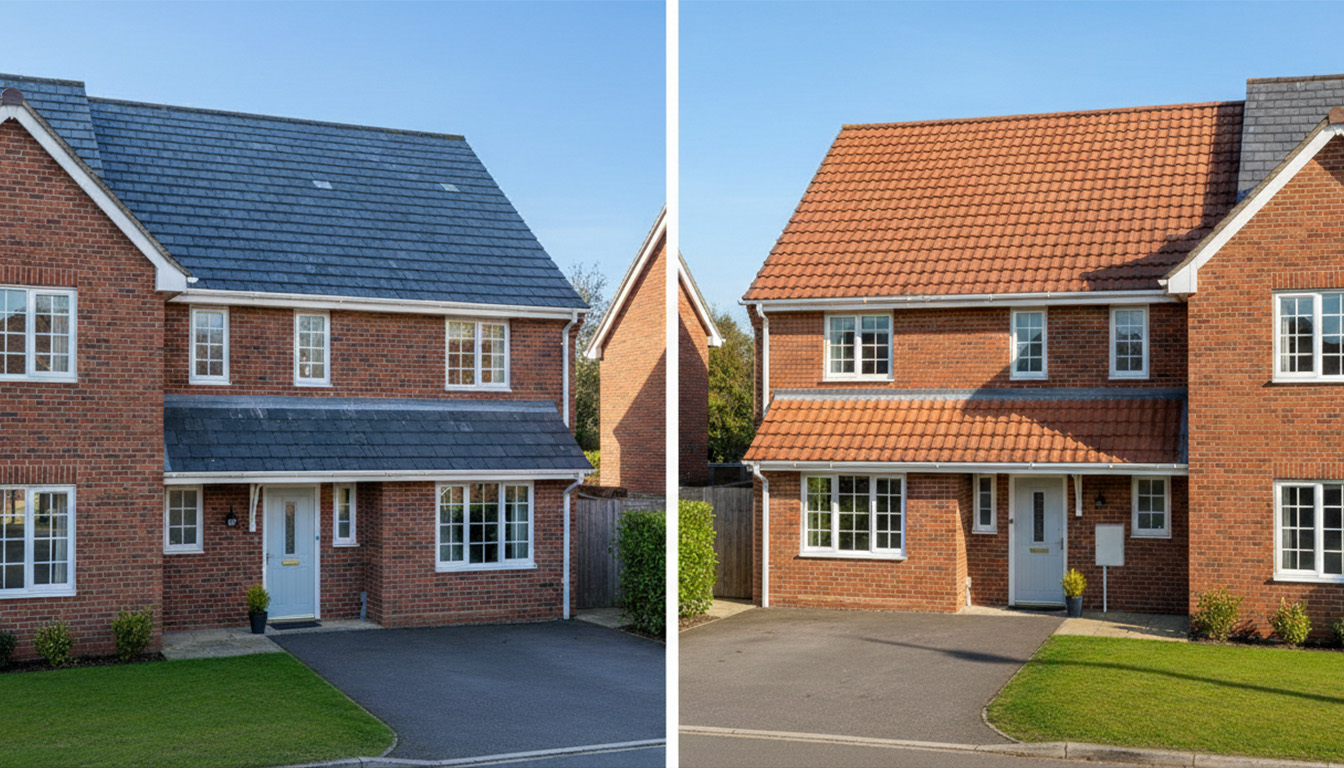
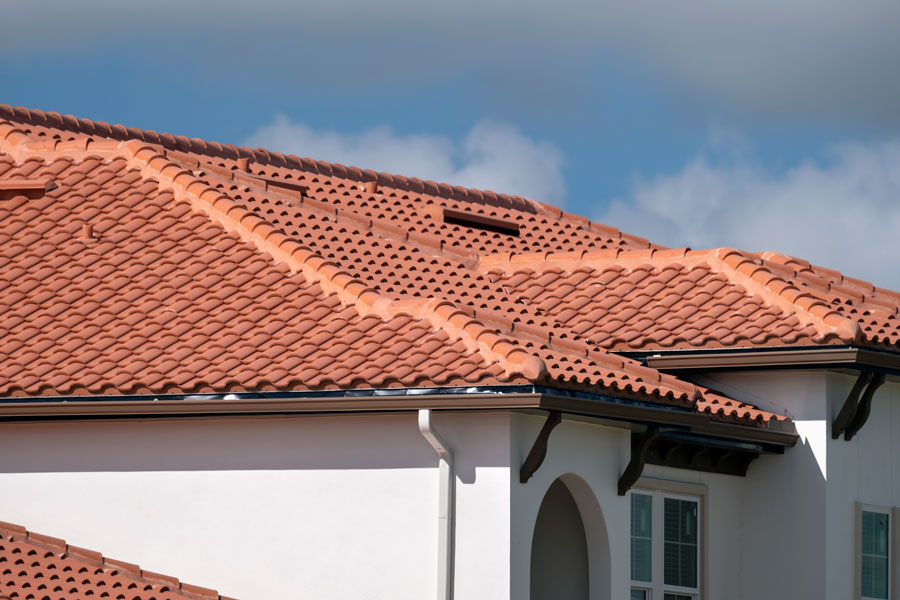
Although this guide focuses on flat roof restoration, many UK homes have both flat and pitched roof sections. A rear extension, bay roof, porch, dormer, or garage may sit beside tiled or slate slopes, so water movement between roof types matters.
A & A Roofing London handles tile roofing in London where damaged tiles, valleys, and gutter lines connect to lower flat roofs. A flat roof leak may start higher up if rainwater is being directed incorrectly from the tiled section.
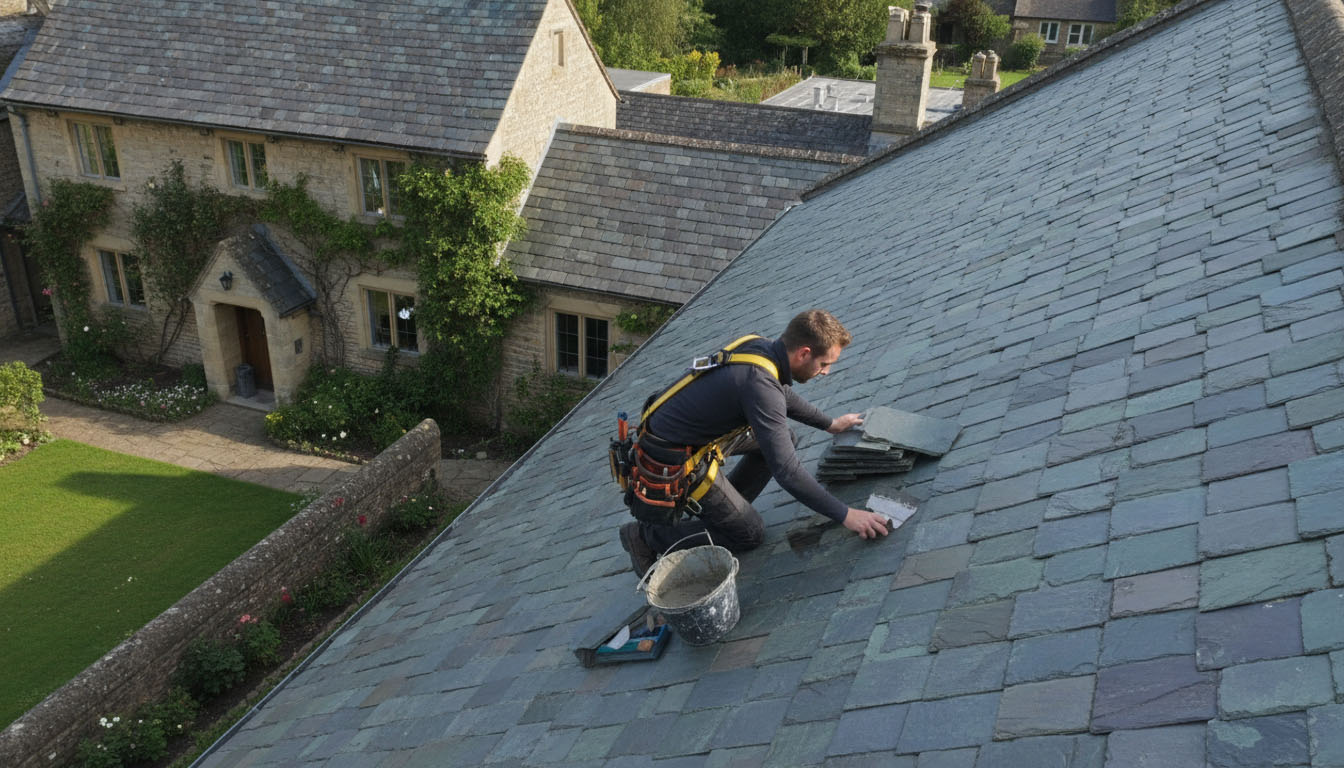
Slate roofs create similar junction issues. Where a slate slope meets a flat roof or lead-lined detail, the restoration plan must look at both coverings. A & A Roofing London provides slate roofing in London for homes where natural or man-made slate details affect the wider roof system.
Pitched Roofing and Flat Roof Restoration
A flat roof should not be assessed in isolation when it joins a pitched roof. Valleys, abutments, dormers, parapets, gutters, and lead flashings can all move water from the pitched section onto the flat section.
A & A Roofing London provides pitched roofing in the UK when the wider roof structure needs attention alongside flat roof restoration. This matters where a flat extension roof keeps failing because the upper roof is shedding water badly.
Homeowners comparing roof forms can also review flat roof and pitched roof differences before deciding whether restoration, replacement, or a different roof design is the right long-term route.
For homes where the flat roof is still restorable, A & A Roofing London offers flat roofs in the UK support that covers inspection, repair planning, waterproofing considerations, and ongoing care.
Roof Maintenance After Restoration
Flat roof restoration is only as strong as the maintenance that follows. Leaves, silt, moss, blocked outlets, cracked trims, and damaged flashing can quickly undo a good restoration if they are ignored.
A & A Roofing London recommends regular checks after heavy weather, seasonal inspection of outlets and gutters, and prompt attention to any staining or standing water. Northern Ireland’s maintenance guidance for bituminous sheet flat roofs highlights issues such as damaged skirting, cracks, splits, rucks, and water ingress risks.
A practical roof maintenance checklist helps homeowners keep restored flat roofs clear and visible. Regular roof inspection timing also reduces the chance of small defects becoming ceiling leaks.
Gutters need attention too. Blocked gutters can push water back toward the roof edge, fascia, walls, and flat roof outlets, so understanding blocked gutter roof damage is part of proper flat roof restoration planning.
For larger or older roofs, A & A Roofing London can also advise on roof restoration in the UK where the issue involves more than a single flat roof defect.
Roof Restoration for Flat Roofs UK Area Coverage
Local roof conditions matter because access, drainage routes, roof age, and adjoining properties can affect how flat roof restoration is inspected and completed. A & A Roofing London works across London, Essex, and the Hertfordshire borders, helping homeowners plan restoration around the roof they actually have, not a generic template.
North London
In North London, flat roof restoration often involves careful access planning, close neighbouring properties, extension roofs, bay roofs, and roof junctions where water movement is not immediately obvious. A & A Roofing London is well suited to assess these details because flat roof problems in built-up areas often need practical inspection, tidy working methods, and clear advice before repair or restoration begins.
Hertfordshire Borders
Across the Hertfordshire borders, flat roof restoration can involve homes with mixed roof types, extensions, garages, and roof sections that connect to pitched coverings. A & A Roofing London checks the whole water route, from higher roof slopes to gutters and outlets, so the flat roof restoration plan deals with the cause of failure as well as the damaged surface.
Essex
In Essex, flat roof restoration may be needed on residential extensions, porches, garages, dormers, and older flat roof sections affected by weather exposure and drainage issues. A & A Roofing London helps homeowners decide whether repair, restoration, or replacement is the right route by inspecting membrane condition, falls, junctions, and maintenance history.
Closing CTA
Flat roof restoration works best when the roof is inspected properly before materials are chosen. A & A Roofing London helps homeowners identify whether the flat roof can be restored, whether drainage or flashing must be corrected first, and when replacement is the better decision. For planned inspections, upkeep, and practical roof care, speak to A & A Roofing London about roof maintenance in the UK and get clear guidance before water damage spreads.
FAQs
What is roof restoration for flat roofs in the UK?
Roof restoration for flat roofs in the UK means improving and protecting an existing flat roof where the core structure is still suitable. It may include cleaning, defect repair, flashing correction, outlet work, surface preparation, coating, overlay, or targeted waterproofing. It is not the same as simple patching, because restoration looks at the roof as a system. A & A Roofing London checks drainage, membrane condition, junctions, and internal warning signs before recommending restoration.
When is flat roof restoration better than replacement?
Flat roof restoration is usually better than replacement when the membrane defects are limited, the deck is dry, the insulation has not been saturated, and water can be directed away correctly. Replacement becomes more sensible when the roof has widespread failure, rotten decking, severe ponding, repeated leaks, or layers of old repair work hiding deeper problems. A & A Roofing London helps homeowners compare the condition of the existing roof against the risk of further water damage.
Can ponding water be fixed during flat roof restoration?
Ponding water can sometimes be improved during flat roof restoration, but the cause must be identified first. Blocked outlets, poor falls, sagging decking, raised old repairs, or badly positioned drainage can all leave water sitting on the roof. A surface coating alone will not solve that. A & A Roofing London checks drainage and outlet performance before recommending restoration, because waterproofing work should support proper water flow rather than trap the same problem under a new surface.
Are flat roof blisters always serious?
Flat roof blisters are not always an emergency, but they should not be ignored. A small isolated blister may be monitored or repaired if the surrounding membrane is sound. Several blisters, soft patches, open cracks, or blisters near seams can point to trapped moisture, adhesion failure, or ageing materials. A & A Roofing London treats blistering as a reason for inspection, because cutting, coating, or overlaying the wrong area without checking moisture can make restoration unreliable.
Does flat roof restoration improve insulation?
Flat roof restoration does not automatically improve insulation unless insulation work is included in the specification. A surface repair or coating mainly addresses waterproofing. If the home has heat loss, condensation, or damp connected to the roof build-up, the roof may need a warm roof upgrade, insulation assessment, vapour control review, or replacement of wet insulation. A & A Roofing London checks whether the problem is only on the surface or whether the roof build-up needs deeper work.
How often should a restored flat roof be inspected?
A restored flat roof should be checked after severe weather and inspected regularly enough to keep outlets, gutters, trims, and flashing in good condition. The exact frequency depends on roof age, surrounding trees, exposure, drainage design, and previous leak history. A & A Roofing London recommends that homeowners treat inspection as prevention. Clearing outlets, spotting cracks early, and dealing with flashing movement can protect the restoration and reduce the chance of internal water damage.
Can A & A Roofing London restore flat roofs and other roof types?
Yes. A & A Roofing London works with flat roofs, roof restoration, roof repairs, tile roofing, slate roofing, pitched roof installation, re-roofing, lead work, chimneys, inspections, and maintenance. This matters because many UK homes have flat and pitched sections that interact. A leak on a flat roof can be connected to flashing, gutters, tiles, slate, or the roof above it. A full roof assessment helps identify the actual path of water before work starts.



Comments (4)
[…] flat roof owners, the flat roof restoration guide is useful when the problem involves felt, EPDM, GRP, ponding, or waterproofing. This link should […]
[…] owners comparing repair, overlay, and replacement, the flat roof repair and restoration guide can help explain when restoration is still sensible. It is most useful when the deck is dry […]
[…] the roof is still structurally suitable, flat roof restoration criteria can help frame the decision. If surface ageing is part of wider roof damage in the UK, A & A […]
[…] flat roof surfaces, flat roof restoration suitability notes help explain when a roof can be improved and when it needs replacement first. Restoration is only […]