
Sagging Roof In Uk Causes Risks When To Act
Sagging Roof in UK: Immediate Risks
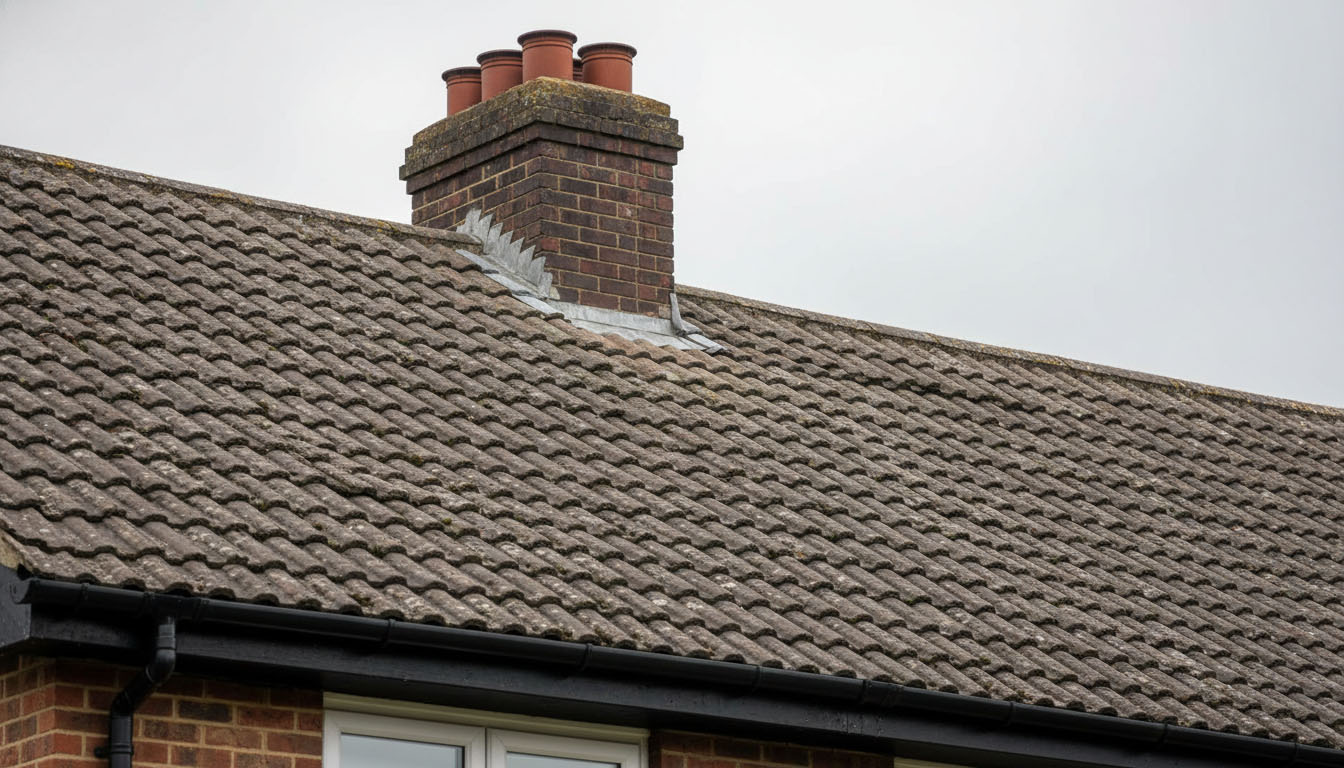
A sagging roof in the UK should first be judged by whether the movement appears stable or progressive. A long-standing uneven roofline is different from a roof that has recently dipped, cracked, leaked or started shedding material.
Sagging Roof Warning-Level Guide
What You Notice | What It May Indicate | Sensible Response |
Long-standing shallow wave with no change | Historic timber distortion | Record condition and include it in routine inspection |
New visible dip in ridge or roof slope | Possible active structural movement | Arrange prompt competent assessment |
Sag plus damp staining or active leak | Water ingress affecting roof system | Trace leak and inspect supporting timber |
Sag after reroofing with heavier material | Increased structural load | Check roof design and covering weight |
New ceiling cracking below affected area | Possible movement in supporting structure | Keep monitoring from below and obtain assessment |
Falling plaster, timber or roof material | Active safety hazard | Keep people away from affected area and seek urgent help |
Loose ridge or displaced tiles only | Covering/detail defect rather than proven structural sag | Repair the defect and assess for water entry |
Visible distortion after loft alteration | Structural member may have been changed | Review altered rafters, ties, joists or purlins |
Stable Distortion Is Not the Same as Failure
Older properties rarely have perfectly straight rooflines forever. Timber can bow gradually under long-term loading, historic buildings can settle, and roof members may have been slightly undersized by modern standards without continuing to move today.
That means an old dip is not automatically evidence of imminent collapse. The useful question is whether it has changed, whether the structure is dry and whether there are fresh cracks, movement, leaks or damaged timbers.
If you have lived in the property for years, old photographs can help establish whether the roof profile has altered. If the sag appeared after recent bad weather, compare it with other UK storm roof damage indicators instead of assuming the storm created every visible defect.
Where the roofline now appears different from earlier photographs, the change deserves closer investigation even when the cause is not obvious from ground level.
Water Ingress Raises the Risk
A sag accompanied by damp deserves more attention than a dry, unchanged historical wave.
Persistent roof leaks can wet rafters, purlins, wall plates and other supporting timber. Once timber remains damp, decay can reduce its ability to carry load, allowing existing deflection to worsen.
The visible leak may start with something relatively small: slipped slate, failed flashing, damaged ridge detailing or cracked tiles. On slate-covered properties, a slate roofer in london can assess whether the visible covering defect is isolated or whether water may be reaching the supporting structure.
Look for water staining, soft timber, musty areas and repeated evidence of leaks rather than concentrating only on the dip outside. Damp often tells you more about active deterioration than the age of the roof.
Persistent vegetation should also be treated proportionately. Understanding moisture conditions linked to roof moss is useful because shade, debris and retained moisture can affect roof conditions, but moss alone does not prove structural failure.
Falling Material Changes the Situation
A slightly uneven ridge and falling roof material are not the same level of concern.
If ceiling plaster is dropping, structural timber appears to be moving, sections of the covering are falling or a visible deformation is rapidly increasing, do not continue using the area directly below as though nothing has changed. Keep unnecessary people away and obtain competent assessment.
Avoid climbing onto a roof that may be structurally compromised. Ground-level checks and safe loft observations are more sensible until its condition is understood.
The goal is not to create panic. It is to recognise the difference between historic appearance and evidence that the building is currently changing.
Sagging Roof in UK: Causes & Checks
A sagging roof in the UK normally makes more sense once the load path is examined. Rafters, purlins, ties, joists, wall plates and the covering work together, so problems often begin somewhere other than the visible lowest point.
Common Sagging Roof Causes
Likely Cause | What Happens | Clues Worth Checking |
Long-term timber deflection | Roof members gradually bend under sustained load | Old stable wave with little recent change |
Water ingress and decay | Damp weakens timber over time | Staining, soft timber, leaking covering |
Heavier replacement covering | Existing frame carries greater permanent load | Sag appeared after reroofing |
Removed or altered ties | Rafters lose restraint and can spread outward | Loft conversion or DIY structural work |
Damaged purlins or rafters | Individual members no longer support load correctly | Local dip or uneven slope |
Inadequate original structure | Members were undersized for long-term loading | Historic deformation across older roof |
Covering/fixing failure | Water enters and creates secondary deterioration | Missing tiles, slipping slate, failed ridges |
Poor alteration detailing | Loads are transferred differently after modifications | Movement after chimney, loft or roof changes |
Heavier Roof Coverings Can Matter
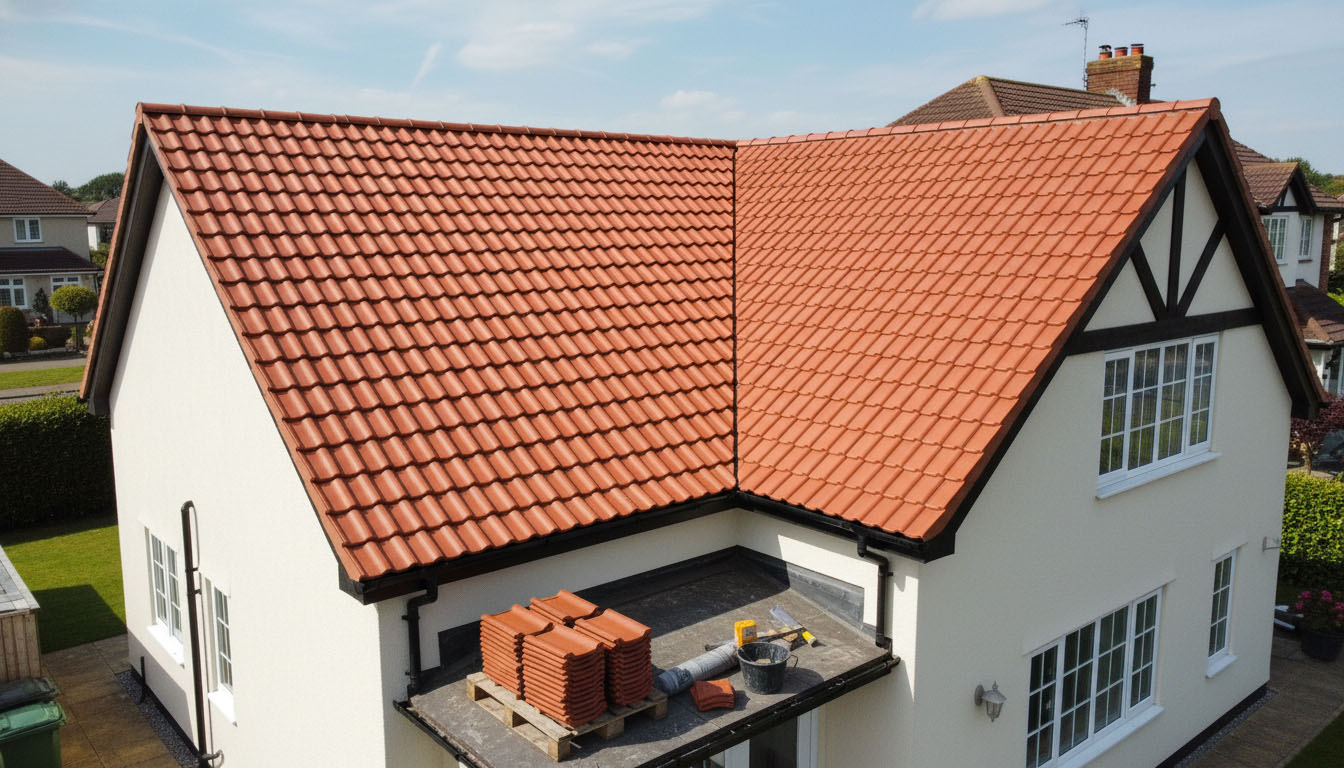
A roof structure is designed to carry permanent and temporary loads. Changing the covering can alter that balance.
This is why UK roofing material suitability and performance involves more than appearance. Concrete, clay, natural slate and other systems differ in weight, durability and how their loads are transferred to the structure.
The weight characteristics of UK roof tile types should therefore be considered against the strength and condition of the existing roof rather than choosing a covering only by colour or expected lifespan.
If a previous owner changed the covering, establish what was there before. A substantially heavier replacement may require structural assessment, particularly where the roofline began deforming after the change.
The same issue matters when changing roof tiles. Moving from one covering system to another can change roof loading, battens, fixing requirements and detailing.
Reviewing structural considerations when selecting roof tiles helps prevent structural capacity from becoming an afterthought after replacement materials have already been selected.
Roof Spread Can Create Visible Deformation
Pitched roofs naturally try to push outward at the base of the rafters.
Ceiling joists, ties or other structural arrangements help restrain that movement. If those components are removed, cut, poorly altered or inadequate, the roof may begin spreading outward rather than simply bending downward.
This can show up as deformation at the ridge, changes in the roof slopes or movement where roof and wall structures meet. Past loft work deserves particular attention because alterations may have changed members that originally performed an important restraining role.
Do not cut, remove or “straighten” structural roof timber based only on appearance. A member that looks inconvenient may be carrying or restraining load.
Check the Roof From Inside as Well
An exterior photograph cannot show the condition of the supporting timber.
From a safe loft position, look for bowed rafters, damaged purlins, staining, soft timber, unusual strengthening, cut members, missing ties or evidence of historic alterations. Do not walk across unsupported ceiling areas or attempt structural repairs while inspecting.
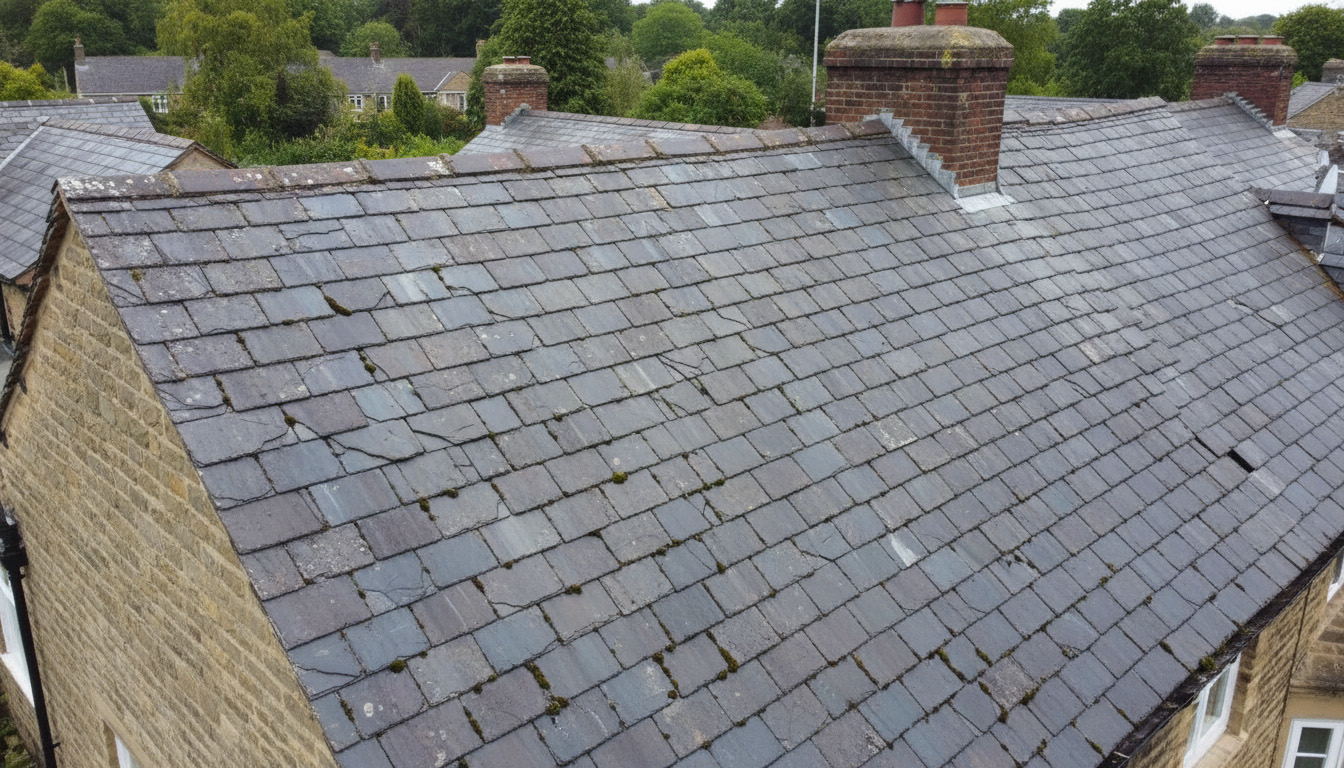
On older slate roofs, the underlying causes of damaged slate roofs can include failed fixings, water ingress and deteriorated support beneath a covering that may still look relatively sound from outside.
The distinction becomes clearer when considering ageing factors in UK slate roof systems. Natural slate can remain serviceable while battens, fixings or supporting timber deteriorate, so the visible covering does not tell you everything about the structure below.
Do Not Confuse Ridge Failure With Structural Sag
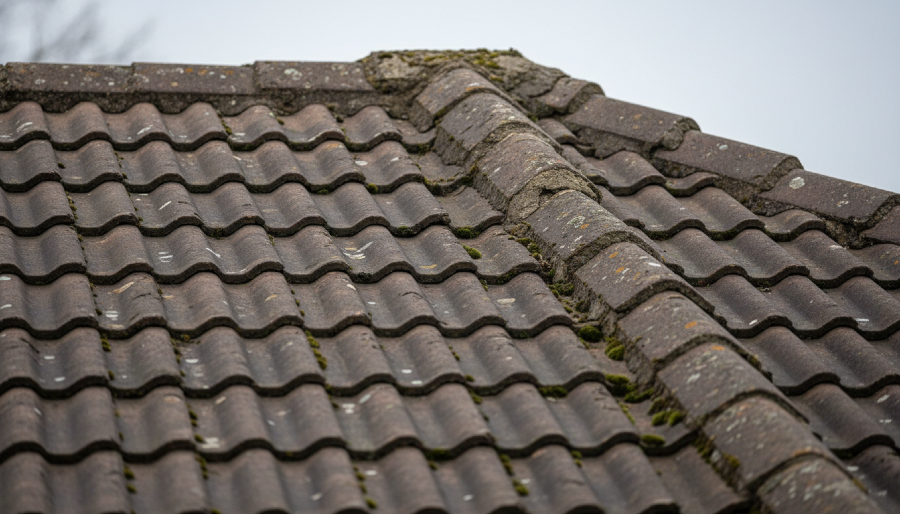
Loose or deteriorated ridge mortar can look alarming from the ground.
It can allow ridge tiles to loosen, admit water or become vulnerable during strong winds, but that does not automatically mean the main timber frame has structurally sagged. Treat the covering defect and structural deformation as separate questions until inspection proves they are connected.
This distinction matters because homeowners can otherwise be pushed toward unnecessarily large work. A failed ridge detail may need prompt maintenance without requiring wholesale structural reconstruction.
Appropriate pitched roofing repairs in london should therefore consider ridges, junctions, coverings and the supporting roof condition rather than assuming every visible external defect has the same cause.
Sagging Roof in UK: When to Act

A sagging roof in the UK does not need an invented countdown timer. Urgency comes from evidence: recent change, active water ingress, structural alteration, falling material, cracking, excessive loading or a pattern showing that deterioration is continuing.
Signs That Justify Faster Action
Act more quickly when several warning signs appear together.
A new dip combined with an active leak is more concerning than an unchanged roofline that has been dry for decades. Likewise, newly cracked finishes, visibly moving structural members or falling material deserve a different response from cosmetic unevenness.
Understanding British weather effects on roofing materials is useful when wind, prolonged rain, frost or moisture repeatedly expose weaknesses in an ageing roof system.
Do not turn that into the claim that “UK weather causes sagging.” Weather is more often the factor that exposes weaknesses through leakage, displaced materials or repeated loading.
Compare Covering Type With Structure
Different roofing systems behave differently.
The structural differences across common roof systems include covering weight, roof form, drainage, maintenance demands and how each system transfers loads.
A visibly bowed pitched timber roof therefore presents different questions from deck deflection or ponding on a flat roof.
Where an existing flat-roof section is being substantially upgraded, a warm roof installation in london involves different construction and structural considerations from repairing a traditional pitched roof.
Material age is relevant too, but it should not be used as the diagnosis. Comparing roof material lifespan and structural performance can provide useful context while the actual condition of rafters, ties, coverings and moisture levels determines what work is needed.
Avoid False Urgency and Doorstep Diagnoses
One of the clearest homeowner concerns in real discussions is receiving a major reroof recommendation from someone who first identified a problem from outside.
A contractor may genuinely spot a defect from the ground. That still does not establish whether an uneven roofline is stable historic distortion, local covering damage or active structural movement.
For expensive recommendations, obtain enough evidence to understand what has failed, why it has failed and whether the problem is local or widespread. Where opinions differ dramatically, another competent assessment can be more valuable than accepting the fastest quotation.
Major structural work should not be sold through fear. Equally, obvious leaks, falling material or worsening movement should not be ignored because one previous warning turned out to be exaggerated.
Use Maintenance to Catch Change Early
A roof does not need to be perfectly straight to benefit from consistent monitoring.
Routine checks provide a reference point. If you know what the ridge looked like last year, which repairs were completed and where earlier leaks occurred, new movement is easier to recognise.
Keep dated photographs from similar angles when practical. Record significant leaks, storm damage, structural alterations and changes to the covering so that future assessments have useful history.
Monitoring is particularly valuable where distortion appears stable because it helps reveal whether a roofline is actually changing over time.
Get the Cause Confirmed Before Major Work
A sagging roof should not be ignored, but it should not be condemned from appearance alone either. The right next step is to establish whether the distortion is stable, moisture-related, load-related or structurally active.
If movement is widespread, supporting components have deteriorated or repeated repairs are no longer addressing the underlying cause, a roof replacement may become part of the discussion only after the actual condition and failure mechanism are understood.
That keeps the response proportionate: maintain what is stable, repair what is defective, and escalate genuine structural movement when the evidence justifies it.
Sagging Roof in UK: FAQs
Does a sagging roof in the UK need Building Regulations approval?
A sagging roof in the UK does not require approval simply because a visible dip exists. Building Regulations become relevant when the proposed work involves structural alteration, strengthening, replacement of important roof members or certain changes to the roof covering. The scope matters more than the defect itself, so determine what repair is actually proposed before assuming approval is or is not required.
Does the Party Wall Act apply to a sagging roof in the UK?
A sagging roof in the UK on a terraced or semi-detached property does not automatically trigger the Party Wall Act. The question is whether the proposed repair affects a party wall, party structure or other work covered by the legislation. If strengthening, cutting-in or rebuilding involves shared structural elements, the scope should be checked before work begins rather than assuming every roof repair needs a notice.
Can a sagging roof in the UK be diagnosed from photographs?
A sagging roof in the UK can sometimes be visually identified from photographs, but photographs cannot reliably show why it is sagging. They may reveal a dipped ridge, uneven slope or missing covering, yet they cannot confirm the condition of hidden rafters, purlins, ties or wall plates. Photos are useful evidence for comparing change over time, not a complete structural diagnosis.
Should I trust a doorstep warning about a sagging roof in the UK?
A sagging roof in the UK deserves proper assessment, but a doorstep warning should not be the sole basis for approving expensive structural or reroofing work. Ask what specific defect has been identified, whether the supporting structure was inspected and why the proposed scope is necessary. For major recommendations, compare competent opinions rather than letting urgency alone determine the decision.
When does a sagging roof in the UK need structural input?
A sagging roof in the UK may justify structural input when the cause is unclear or signs point beyond ordinary covering maintenance. Examples include significant or worsening deformation, altered structural members, roof spread, heavier replacement coverings, damaged purlins or uncertainty about how loads are being carried. A straightforward slipped tile or local ridge defect does not automatically require the same level of assessment.
Can a sagging roof in the UK be repaired without complete reroofing?
A sagging roof in the UK does not automatically require every tile, slate or roof component to be replaced. The repair depends on the cause. Local timber reinforcement, correction of a leak or another targeted measure may be possible in some situations, while widespread decay, inadequate restraint or major structural alteration can require more extensive work. Diagnosis should determine scope before the covering is condemned.
Should different contractor opinions worry me about a sagging roof in the UK?
Different opinions about a sagging roof in the UK are a reason to ask for clearer evidence, not automatically a reason to choose the largest or smallest quotation. Ask each person to identify the failed component, explain whether movement appears active and describe why their proposed repair addresses the cause. When recommendations differ significantly, an independent assessment can help separate maintenance from structural work.




Comments (8)
[…] the sagging roof causes and risks is especially important when the roof line no longer appears straight. Cleaning cannot correct a […]
[…] Synthetic slate is lighter and often easier to cut and position, reducing labour time. However, improper fixing can still lead to wind uplift failures. […]
[…] can stand alone or should be included in a re-roofing plan. Where the roof has visible movement, roofline movement risk markers should be considered before approving a small stack […]
[…] sequence helps homeowners record what they see before inspection. If the roofline is changing, roofline movement risk factors should be reviewed before choosing another […]
[…] structural warning signs, roofline movement risk factors are […]
[…] wider roof restoration, or a replacement plan. Where movement is visible across the roof shape, ridge-line movement and sagging clues should be considered before approving a small […]
[…] this issue, roofline sagging risk signs are […]
[…] homeowners trying to understand the wider risk, a roof sag cause checklist helps explain why a sagging line should be inspected before it becomes a larger […]
Comments are closed.