
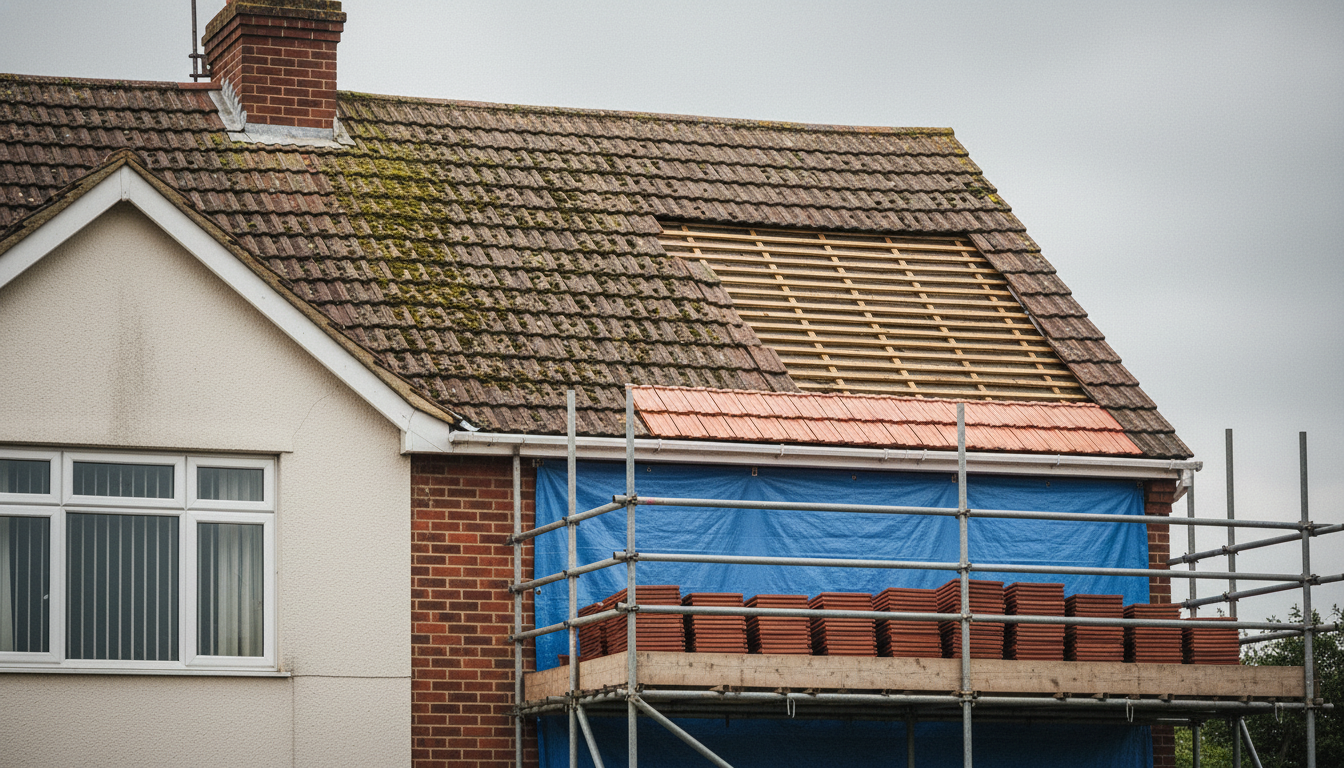
Roof Replacement UK Signs And What It Will Cost
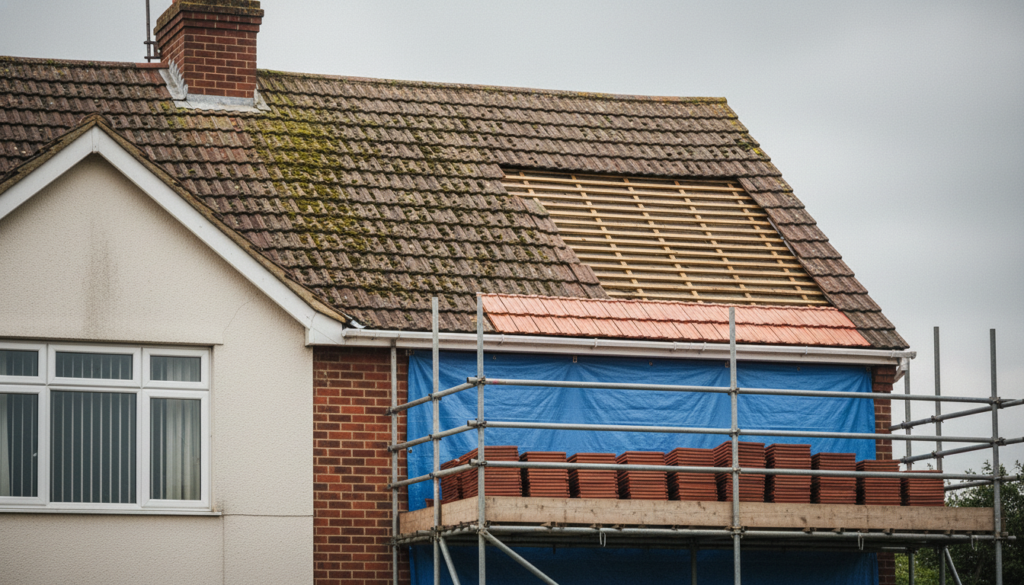
Roof Replacement UK Signs And What It Will Cost is usually the question homeowners ask after repeated leaks, loose tiles, sagging rooflines, failing underlay, damaged flat roofs, or repairs that no longer last. The cost is not one fixed figure because the final scope depends on roof size, access, material choice, pitch, insulation, ventilation, scaffolding, waste removal, leadwork, chimneys, drainage, and hidden damage found during inspection. A & A Roofing London helps homeowners across London, Essex, and the Hertfordshire borders decide whether the roof needs repair, restoration, or full replacement before more money is spent on short-term patching.
Quick Check: If leaks, loose coverings, sagging, or repeated repairs suggest the roof is past local patching, ask A & A Roofing London to assess roof replacement in the UK around structure, materials, insulation, access, and hidden water damage before setting the final scope.
Roof Replacement UK Signs And What It Will Cost
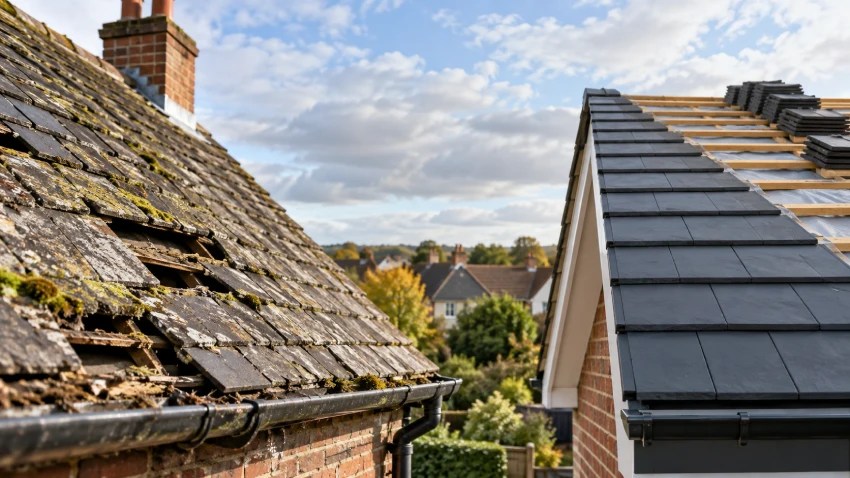
Roof Replacement UK Signs And What It Will Cost starts with condition. A roof does not need replacing just because it is old, and a newer roof is not automatically worth repairing if the workmanship or structure is failing. The right decision comes from inspection evidence.
Planning Portal states that most roof replacement work on existing buildings needs Building Regulations approval. It also says that if an existing roof covering is replaced with a different material, approval is likely to be needed so structural stability, fire safety, and energy efficiency can be checked. GOV.UK also lists replacing roof coverings on pitched and flat roofs as work that generally needs Building Regulations approval.
| Replacement trigger | What it may indicate | Why it affects cost | A & A Roofing London check |
| Repeated leaks | Underlay, flashing, covering, or drainage failure | More investigation and repair scope | Leak route and hidden water damage |
| Sagging roofline | Structural movement or weakened supports | May need structural assessment | Rafters, timbers, load path, roof shape |
| Widespread tile or slate failure | Covering has reached repair limit | More materials and labour | Tile/slate condition and fixing pattern |
| Soft flat roof deck | Water beneath waterproofing | Deck replacement may be needed | Membrane, deck, insulation, outlets |
| Failed underlay or battens | Hidden roof layers no longer protect the home | Covering may need stripping | Loft, underlay, battens, ventilation |
| Repeated patching | Original defect was not corrected | Previous work may need undoing | Workmanship, junctions, drainage, covering |
A & A Roofing London checks whether replacement is genuinely needed or whether repair or restoration is still practical. The aim is to avoid two common mistakes: replacing a roof that could be restored, or repeatedly repairing a roof that has already reached replacement stage.
Tile Roofing Replacement Signs
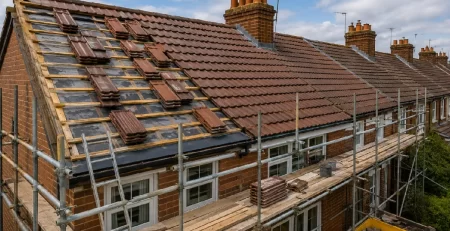
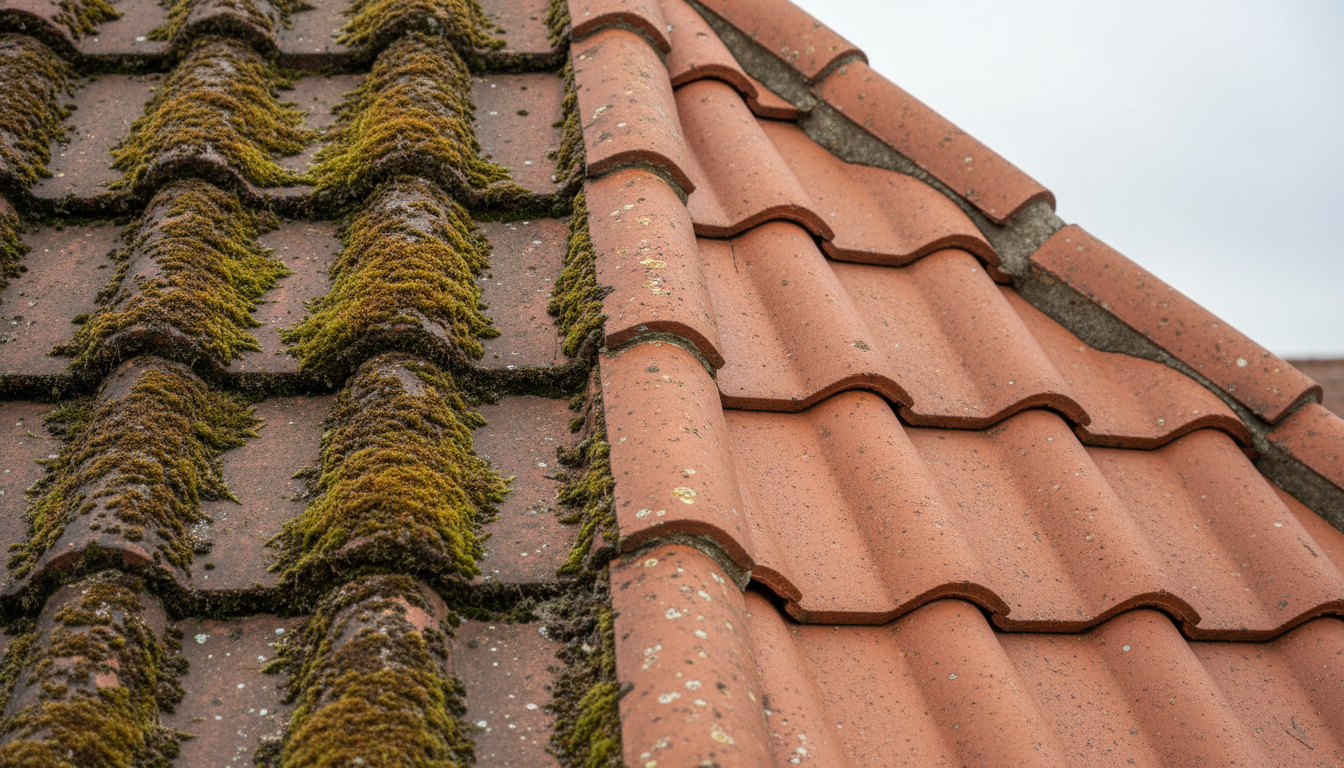
Tile roof replacement may be needed when the covering has widespread cracking, repeated slips, broken courses, failed battens, deteriorated underlay, ridge movement, or storm damage across several areas. One missing tile is normally a repair issue; many failing tiles across multiple slopes may point to wider replacement planning.
A & A Roofing London checks roof tile replacement in London by reviewing tile condition, roof pitch, fixing, battens, underlay, ridges, valleys, gutters, and internal damp evidence. The inspection also looks at whether broken tile fragments are appearing in gutters or valleys, which can show material deterioration.
For material-specific planning, tile roof service-life variables and concrete tile ageing factors are useful supporting topics. Where the work involves installation planning, tile installation preparation steps can help homeowners understand the build-up behind the visible covering.
Slate Roof Replacement Signs
Slate roof replacement becomes more likely when many slates are slipping, fixings are failing, underlay is damaged, leaks are recurring, or previous repairs have left the roof inconsistent. A small number of slipped slates may be repairable, but widespread failure should be inspected as a whole-roof issue.
A & A Roofing London checks slate roof replacement in the UK by reviewing slate laps, fixings, underlay, battens, leadwork, valleys, ridges, chimneys, and internal damp. Slate roofs also need careful access because careless walking can damage otherwise serviceable slates.
For deeper slate decisions, slate renewal warning patterns and slate roof lifespan influences are useful references. They support the replacement discussion without assuming every slate roof needs full replacement.
Flat Roof Replacement Signs
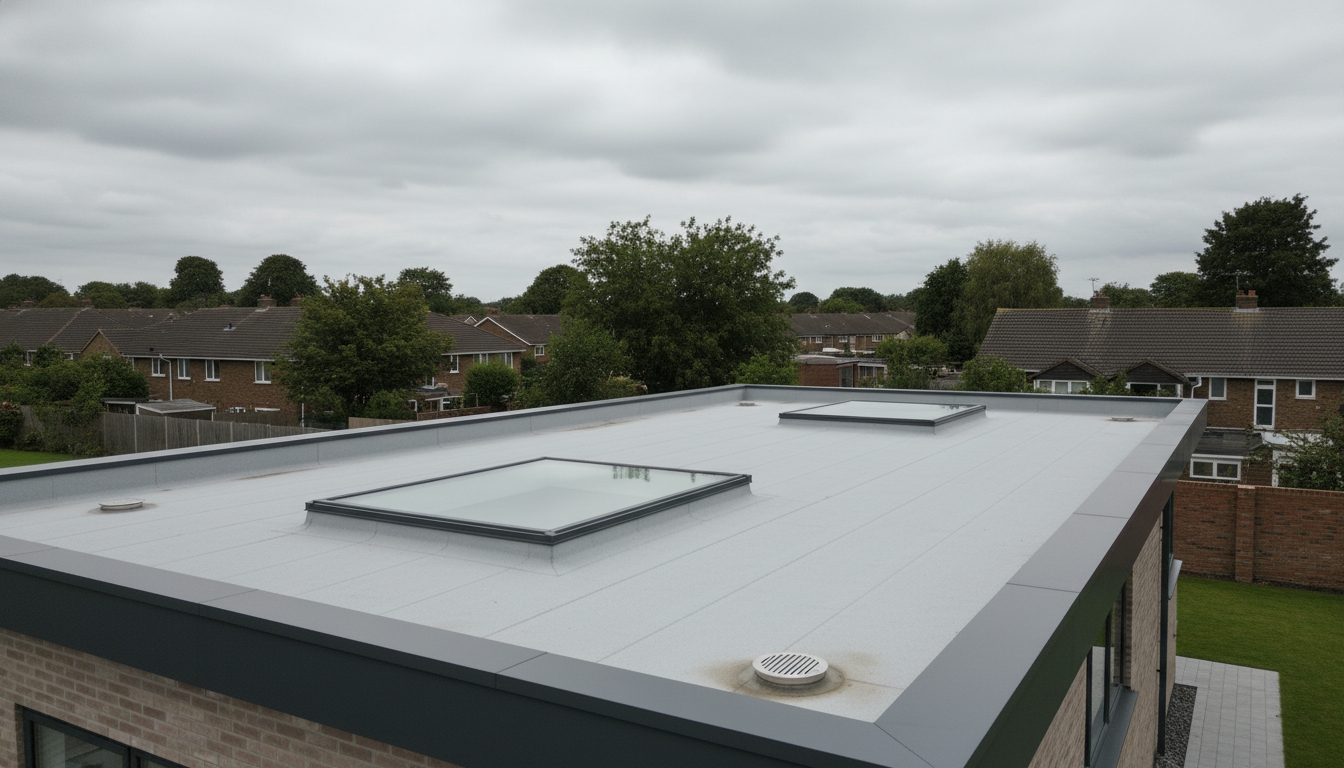
Flat roof replacement may be needed where ponding is persistent, outlets are failing, cracks or blisters are widespread, the deck feels soft, seams are repeatedly opening, or internal damp keeps returning. Flat roofs often hide moisture beneath the surface, so the visible mark may not show the full extent of damage.
A & A Roofing London assesses flat roof replacement in London by checking waterproofing, deck condition, insulation, vapour control, falls, outlets, upstands, edge trims, rooflights, and water coming from higher pitched roof sections.
Planning Portal notes that a new flat roof usually has a slight fall so rainwater can drain away. That is why replacement planning should include drainage design, not only a new surface layer. For condition planning, flat roof lifespan indicators are relevant.
Pitched Roof Replacement Planning
Pitched roof replacement involves more than changing tiles or slates. The roof structure, pitch, underlay, battens, ventilation, insulation, ridges, hips, valleys, gutters, leadwork, and chimneys all affect the final scope.
A & A Roofing London checks pitched roof installation in the UK where an existing pitched roof is being replaced or substantially re-covered. The team reviews whether the roof can carry the selected material, whether the slope suits the covering, and whether hidden layers need upgrading.
Planning Portal explains that existing pitched roof structures include rafters, purlins, struts, ties, and ceiling joists, and that roof elements help transfer loads such as wind and snow down to the walls. This is why sagging, movement, or material changes should not be treated as cosmetic decisions.
Roof Damage That Pushes Replacement
A & A Roofing London checks roof damage in the UK before recommending replacement. Some damage can be repaired or restored. Replacement becomes more likely when several systems are failing at the same time.
| Damage pattern | Repair may work when | Replacement may be needed when |
| Isolated cracked tiles | Defect is local and underlay is sound | Cracking is widespread across slopes |
| Small flashing leak | Junction can be corrected | Water has damaged surrounding layers |
| Flat roof split | Deck is dry and surface damage is local | Deck, insulation, or large membrane areas are wet |
| Gutter overflow | Drainage can be cleared and eaves are sound | Repeated overflow has damaged roof edges |
| Sagging roofline | Movement is minor and explained | Structure is distorted or weakening |
| Repeated patching | Original cause is now clear | Repairs keep failing in different areas |
For early warning signs, roof defect recognition sequence helps homeowners record what they see before inspection. If the roofline is changing, roofline movement risk factors should be reviewed before choosing another repair.
What Affects Roof Replacement Cost?
Roof Replacement UK Signs And What It Will Cost should be discussed as cost factors, not an invented price. The final figure depends on the property and the inspection findings. A & A Roofing London looks at the whole scope before pricing because a roof replacement can change once hidden layers are exposed.
Main cost factors include:
| Cost factor | Why it changes the scope |
| Roof size and shape | More slopes, hips, valleys, dormers, or rooflights increase work |
| Roof type | Flat, tiled, slate, and pitched roofs use different systems |
| Material choice | Tiles, slates, membranes, underlay, insulation, and leadwork vary |
| Access and scaffolding | Height, narrow access, terraces, and rear roofs affect setup |
| Hidden layers | Battens, underlay, deck, insulation, or timbers may need replacement |
| Drainage | Gutters, valleys, outlets, and downpipes may need correction |
| Chimneys and leadwork | Junctions often need careful repair or renewal |
| Waste and disposal | Old coverings and damaged materials must be removed properly |
| Building Regulations | Insulation, structure, fire safety, and material changes may need approval |
Citizens Advice recommends getting a quote before choosing a trader and explains that a quote is a fixed price promise for the work described, unlike an estimate. That is important for roof replacement because the quote should clearly describe the scope, assumptions, materials, exclusions, and what happens if hidden damage is found.
For broad budget planning, roof restoration budget components, roof material allowance groups, tile roof pricing variables, and slate roof pricing variables are useful background topics.
Re-Roofing and Building Regulations
Re-roofing can involve Building Regulations even when the roof shape is staying the same. Material changes, roof covering replacement, insulation upgrades, fire performance, and structural loading can all affect compliance.
Planning Portal says re-covering should include improving thermal insulation because the roof is a thermal element. It also explains that repairs or re-covering to an existing pitched or flat roof will not normally need a building control application if less than 25% of the total building envelope and less than 50% of the roof are affected, provided other triggers do not apply.
A & A Roofing London checks whether the planned work is a local repair, partial re-covering, or full replacement. That distinction affects approval, specification, insulation, drainage, access, and cost.
Roof Repair Vs Replacement
The most expensive mistake is not always replacing a roof; sometimes it is repeatedly repairing a roof that should have been replaced earlier. The opposite is also true: a local flashing leak or small tile defect may not justify full replacement if the rest of the roof is sound.
A & A Roofing London compares repair and replacement by looking at defect spread, underlay condition, water damage, repair history, material age, structural movement, and access. The question is not “Can this be patched?” It is “Will this repair solve the roof problem for the expected life of the surrounding roof?”
For this decision, repair boundary assessment is the key supporting topic. If previous work keeps failing, workmanship failure review can help identify whether poor repair detail is driving the replacement discussion.
Storm Damage and Replacement Decisions
Storm damage can trigger roof replacement when wind, rain, or debris exposes widespread weakness. A few displaced tiles may be repairable. Large areas of movement, repeated leaks, damaged ridges, failed flat roof edges, or water-damaged roof layers may justify wider replacement planning.
The Met Office advises people not to go outside to repair damage while a storm is in progress. HSE also says roof work is high risk and that all roofs should be treated as fragile until a competent person confirms otherwise.
A & A Roofing London can inspect once conditions are safe. For storm-led decisions, post-storm damage record points and storm response sequence are useful supporting references.
Leaks, Underlay, and Hidden Replacement Signs
A roof leak does not automatically mean replacement, but repeated leaks from different areas are a warning sign. Water can travel beneath roof coverings, along underlay, through battens, around chimneys, down rafters, or across flat roof decks before it appears indoors.
A & A Roofing London checks visible leak signs and hidden pathways. If water has affected underlay, insulation, decking, battens, or timbers, the replacement scope may widen beyond the visible covering.
For diagnosis, leak route evidence categories are useful. The inspection should confirm whether the roof needs a local repair, roof restoration, or full replacement.
Lead Work, Chimneys, and Replacement Scope
Leadwork and chimneys can add complexity to roof replacement. A roof may need new tiles or slates, but the final result will still fail if chimney flashings, soakers, back gutters, valleys, or wall abutments are not handled correctly.
A & A Roofing London checks lead aprons, step flashings, cover flashings, chimney junctions, pointing, back gutters, valleys, roof edges, and internal damp near chimney breasts. These details can affect both cost and repair scope.
For junction planning, flashing junction defect map and leadwork water-shedding framework are useful supporting topics.
Roof Materials and Replacement Cost Factors
Material choice affects replacement cost, weight, appearance, maintenance, and suitability for the roof pitch. Tile, slate, and flat roof systems each need the right underlay, fixings, drainage, ventilation, and edge details.
Planning Portal explains that if a roof covering is replaced with a different material, Building Regulations approval is likely to be needed to ensure structural stability, fire safety, and energy efficiency. A & A Roofing London checks whether the chosen material suits the existing structure before recommending replacement.
For material planning, roof material comparison framework and roof tile supply factors provide useful background.
Inspection Before Pricing Replacement
A meaningful roof replacement quote needs inspection first. Without checking the roof, a price can miss hidden underlay damage, rotten battens, soft flat roof decking, chimney leadwork, access limits, gutter correction, insulation requirements, or structural movement.
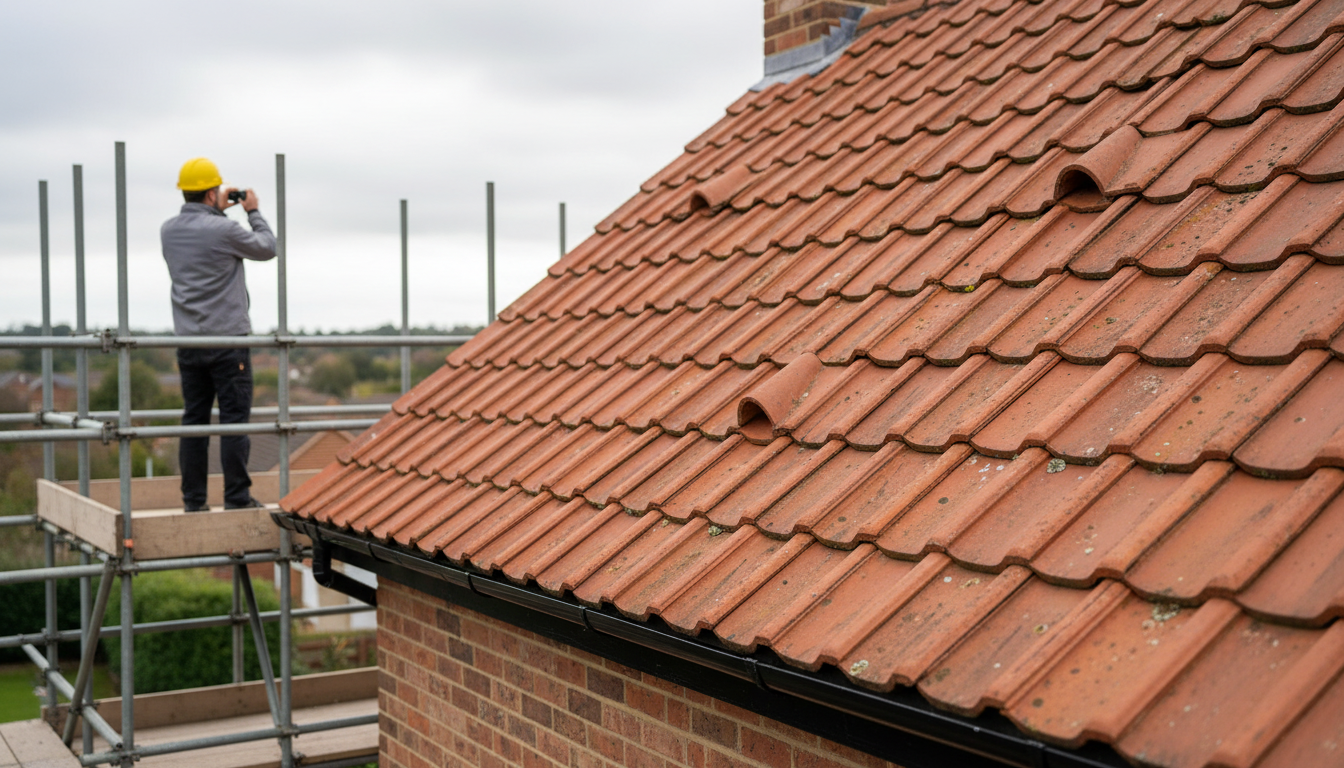
A & A Roofing London checks the roof before setting the scope. The inspection should include roof covering, roof structure, loft space, damp evidence, drainage, chimneys, leadwork, flashings, ridges, valleys, gutters, flat roof sections, and previous repairs.
For preparing the inspection, roof inspection timing logic and roof inspection evidence list are useful. They help homeowners understand what should be checked before replacement is priced.
Roof Maintenance Before Replacement
Maintenance can delay replacement when the roof is still serviceable. Clearing drainage, replacing isolated damaged tiles, correcting small flashing issues, managing moss, and checking flat roof outlets can prevent premature deterioration.
A & A Roofing London uses maintenance findings to decide whether a roof can remain on a repair plan or needs replacement. If maintenance keeps uncovering the same defects in new areas, the replacement conversation becomes more serious.
For prevention planning, maintenance priority checklist is the most relevant supporting topic.
Safety During Roof Replacement Work
Roof replacement is not a DIY access task. It involves working at height, removing coverings, handling materials, managing fragile surfaces, and protecting the property during weather exposure.
HSE states that almost one in five construction deaths involve roof work and that many incidents involve people repairing or cleaning roofs, not only specialist roofers. Its fragile-surface guidance says effective precautions are required for work on or near fragile surfaces, no matter how short the duration.
A & A Roofing London plans roof replacement with access, sequencing, temporary weather protection, materials, and safety in mind. This is especially important on terraced homes, older roofs, flat roof sections, chimneys, rooflights, and restricted rear access.
Residential Roof Replacement Planning

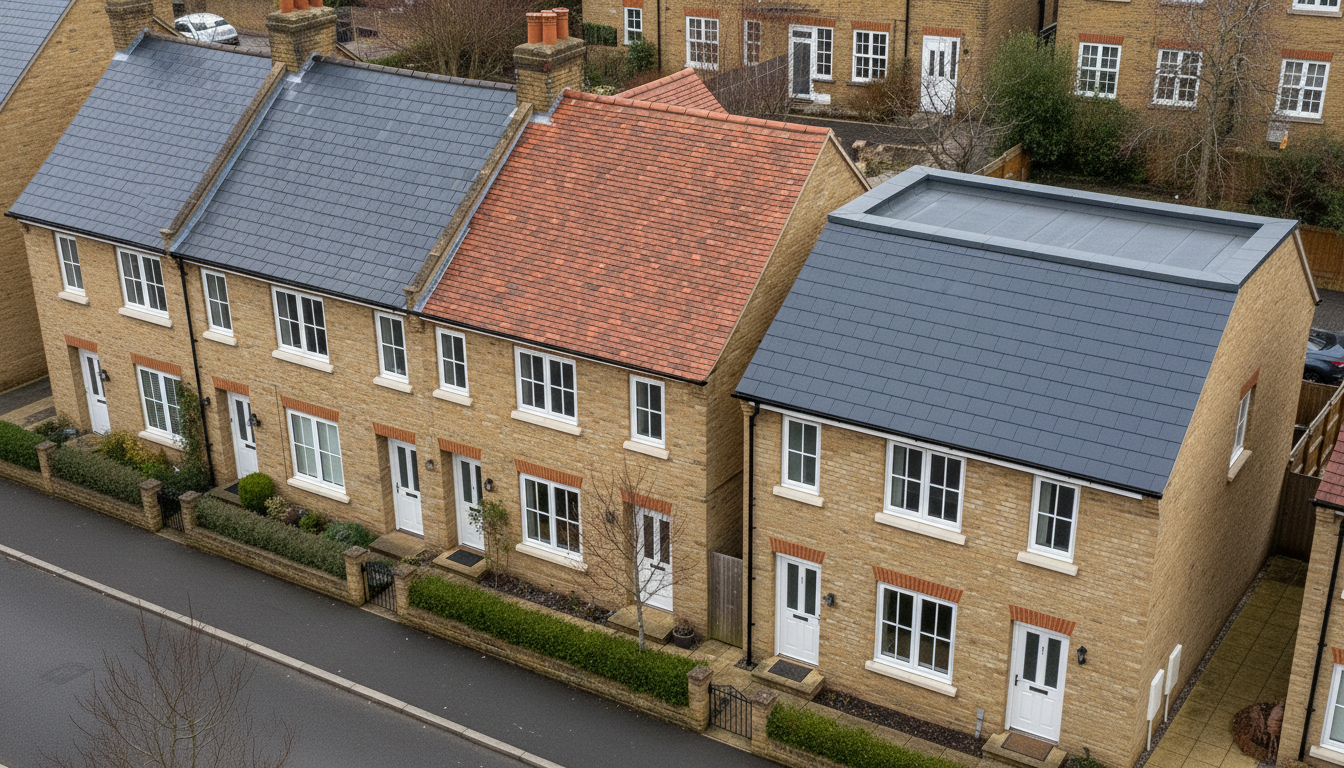
Residential roof replacement should fit the property. A terraced London home with chimneys and slate details will not have the same scope as a flat roof extension, tiled semi-detached house, or older roof near the Hertfordshire borders.
A & A Roofing London checks the actual roof system before recommending replacement. The review includes property type, roof shape, access, covering material, hidden layers, drainage, insulation, ventilation, leadwork, chimneys, weather exposure, and previous repairs.
Roof Replacement UK Signs And What It Will Cost Area Coverage
Local property age, roof access, material type, roof pitch, extensions, chimneys, drainage, and previous repair work all affect replacement signs and cost factors. A & A Roofing London covers North London, Essex, and the Hertfordshire borders, helping homeowners decide whether roof replacement is needed and what should be included in the scope.
North London
In North London, Roof Replacement UK Signs And What It Will Cost often involves terraced houses, shared rooflines, chimneys, slate or tiled coverings, flat roof extensions, limited rear access, and previous patch repairs. A & A Roofing London can inspect whether the roof needs local repair, restoration, or full replacement based on visible defects and hidden water damage.
Hertfordshire Borders
Across the Hertfordshire borders, Roof Replacement UK Signs And What It Will Cost may involve tiled pitched roofs, slate sections, tree debris, moss, ageing underlay, storm exposure, and roofs that have been repaired in stages. A & A Roofing London checks structure, coverings, drainage, leadwork, chimneys, and maintenance history before setting the replacement scope.
Essex
In Essex, Roof Replacement UK Signs And What It Will Cost can become important after repeated rain, high winds, gutter overflow, flat roof deterioration, loose tiles, or roof-edge damp. A & A Roofing London can inspect tiles, slates, flat roofs, pitched roof slopes, valleys, gutters, flashings, chimneys, and internal stains so replacement planning reflects the real roof condition.
Final Roofing Decision
Roof Replacement UK Signs And What It Will Cost should be decided from evidence, not fear or guesswork. Replacement may be needed where leaks are recurring, roof coverings are widely failing, underlay or battens have deteriorated, flat roof decking is soft, roofline movement is visible, or repair work keeps failing.
A & A Roofing London can assess roof replacement in the UK by checking tiles, slates, flat roof systems, pitched roof structure, insulation, ventilation, drainage, gutters, valleys, leadwork, chimneys, internal damp evidence, access, and compliance factors. That gives homeowners a practical route to repair, restoration, or replacement with the right scope defined before cost is finalised.
FAQs About Roof Replacement UK Signs And What It Will Cost
What are the main signs a roof needs replacement?
The main signs include repeated leaks, widespread broken tiles or slipped slates, sagging rooflines, failed underlay, rotten battens, soft flat roof decking, damaged leadwork, repeated storm damage, or repairs that no longer last. A & A Roofing London checks whether these signs are local or part of wider roof failure before recommending replacement.
Does every roof leak mean replacement?
No. A single leak may come from one cracked tile, slipped slate, lifted flashing, blocked valley, or gutter overflow. Replacement becomes more likely when leaks are recurring, affecting different areas, or have reached hidden layers such as underlay, battens, decking, insulation, or timbers. A & A Roofing London traces the water path before deciding the scope.
What affects roof replacement cost in the UK?
Roof replacement cost is affected by roof size, shape, pitch, access, scaffolding, material choice, hidden damage, insulation, ventilation, waste removal, leadwork, chimneys, gutters, valleys, flat roof decking, and Building Regulations requirements. Citizens Advice recommends getting a quote before choosing a trader and explains that a quote is a fixed price promise for the described work.
Does roof replacement need Building Regulations approval?
Often, yes. Planning Portal states that most roof replacement work on existing buildings needs Building Regulations approval. It also says changing the roof covering material may require checks for structural stability, fire safety, and energy efficiency. GOV.UK also lists replacing roof coverings on pitched and flat roofs as work that generally needs Building Regulations approval.
Can a roof be restored instead of replaced?
Yes, if the roof is still structurally sound and the defects are manageable. Restoration may be suitable for localised tile or slate issues, moss, drainage problems, ridge repairs, leadwork correction, or surface deterioration. Replacement becomes more likely where the underlying roof system has failed. A & A Roofing London checks whether restoration will solve the problem or only delay replacement.
Is flat roof replacement different from pitched roof replacement?
Yes. Flat roof replacement focuses on membrane condition, deck, insulation, vapour control, falls, outlets, upstands, and edge trims. Pitched roof replacement focuses on tiles or slates, battens, underlay, roof pitch, ridges, valleys, gutters, chimneys, and leadwork. A & A Roofing London checks the roof type before setting the scope.
Should I get a roof inspection before asking for a quote?
Yes. A roof inspection helps define the scope before a quote is prepared. Without inspection, hidden underlay damage, rotten battens, soft decking, failed leadwork, poor drainage, chimney defects, or insulation requirements may be missed. A & A Roofing London checks the roof system first so the replacement quote reflects the real condition.
Is roof replacement safe to inspect or start myself?
No. Roof replacement and roof-level inspection should not be treated as DIY work. HSE says roof work is high risk and that almost one in five construction deaths involve roof work. Its fragile-surface guidance says precautions are required for all work on or near fragile surfaces, no matter how short the duration. Homeowners should use safe ground-level observations and arrange professional inspection.


Comments (9)
[…] lifespan translates directly into long-term financial value. Fewer replacement cycles reduce overall roofing expenditure across […]
[…] Switching from lightweight materials to natural slate without assessment can overload structural elements. Synthetic slate may be recommended where reinforcement is not practical. […]
[…] For ageing roofs, combining inspection with roof restoration services can extend service life without full replacement. […]
[…] tile replacement UK homeowners require does not always mean full roof replacement. Isolated cracked or slipped slates can often be replaced […]
[…] age-related wear from poor installation, a practical next step is comparing the defect with wider replacement warning patterns. That helps show whether the roof has isolated damage or a broader installation […]
[…] during a wider re-roofing project. For broader decision-making, scope comparison markers and replacement timing indicators give useful context without forcing a larger project where a defined valley correction is […]
[…] Where a homeowner is unsure whether the problem is still local, roof repair warning patterns and roof replacement timing factors give useful […]
[…] a storm-damaged roof should be repaired, restored, or replaced. For homeowners planning next steps, re-covering threshold indicators help frame when repeated emergency repairs are no longer a sensible […]
[…] improving thermal insulation because the roof is a thermal element. For replacement planning, replacement scope warning signs is a useful supporting […]
Comments are closed.