
Roof Maintenance Checklist UK: Prevent Roof Damage Early
A roof maintenance checklist UK helps you spot small issues before they become leaks, loose materials, damp insulation, blocked drainage, or structural damage. A roof may look fine from the street while gutters are blocked, valleys are holding debris, flashing is lifting, moss is slowing water flow, or flat roof outlets are beginning to fail.
A & A Roofing London helps homeowners across London, Essex, and the Hertfordshire borders build a practical maintenance routine around roof type, age, exposure, weather, visible warning signs, and previous repair history.
Quick Check: Before blocked gutters, loose tiles, moss, or lifted flashing become a leak, ask A & A Roofing London to organise annual roof maintenance in the UK around the roof areas most likely to fail first.
Roof Maintenance Checklist UK: Prevent Roof Damage Early
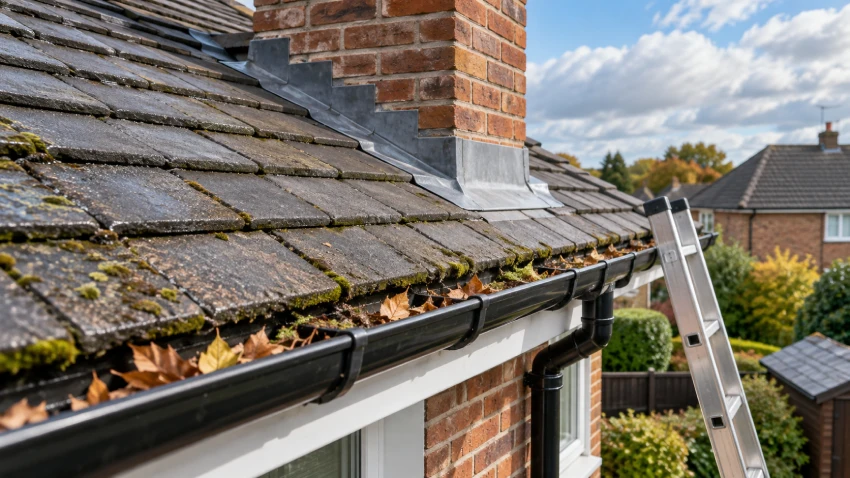
A roof maintenance checklist should cover the whole roof system, not just the tiles or slates. A useful checklist looks at roof coverings, ridges, hips, valleys, gutters, downpipes, flashings, chimneys, flat roof areas, loft damp, insulation, roofline shape, and previous repair points.
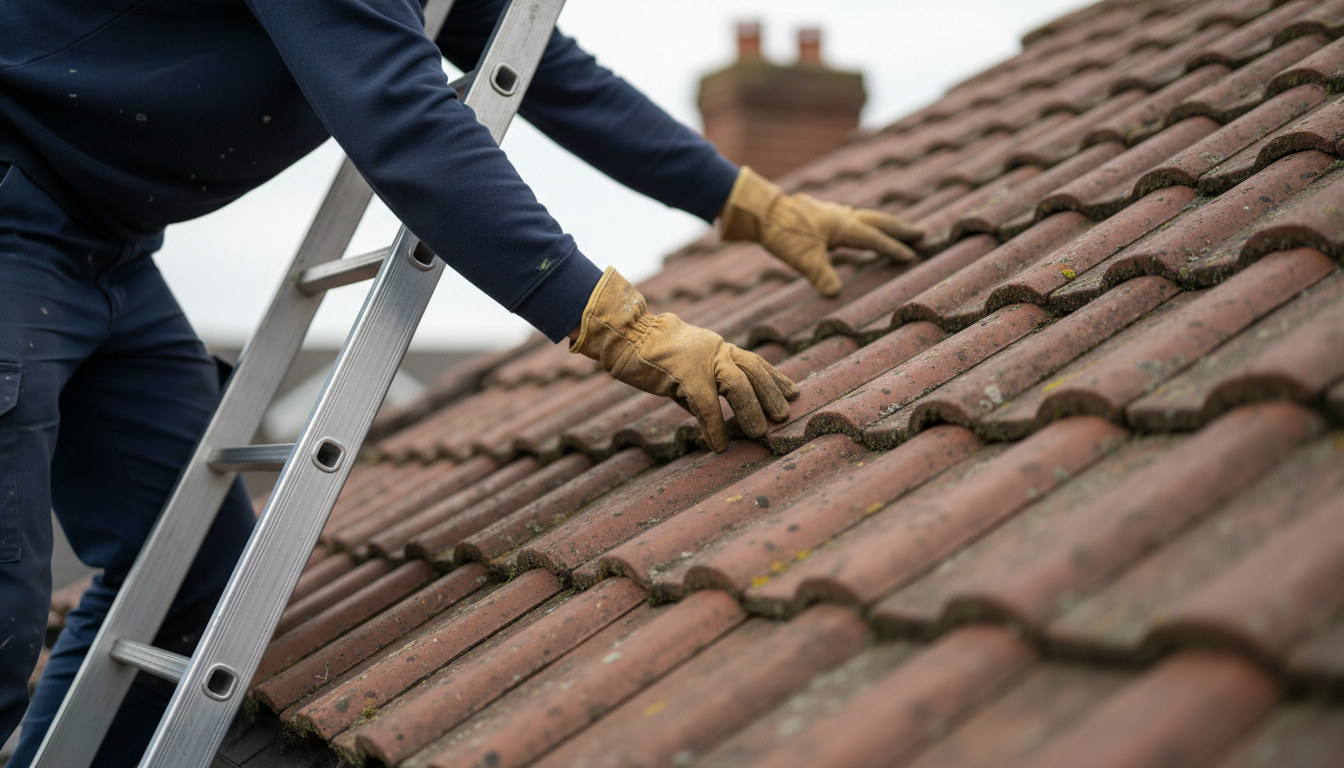
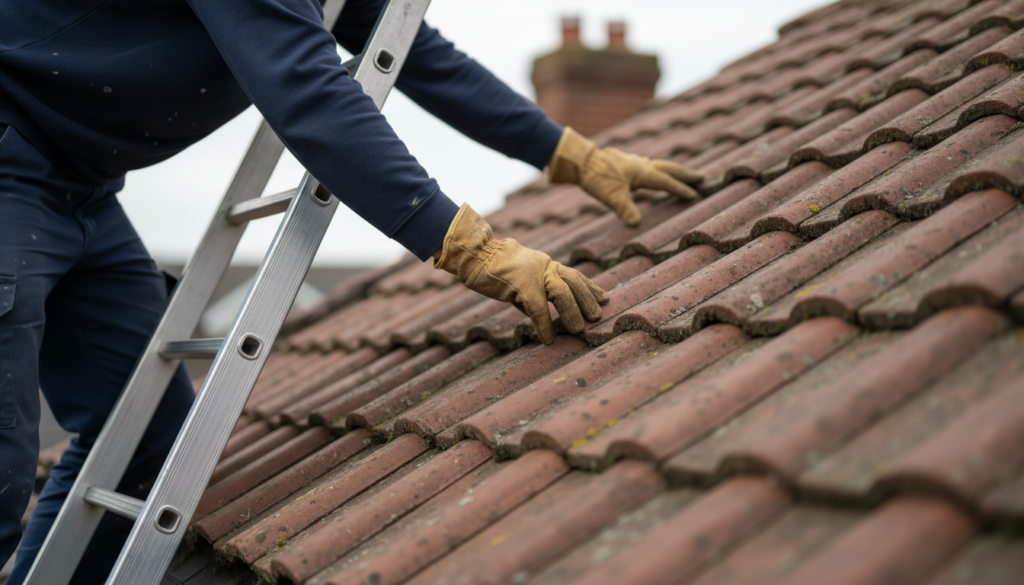
HSE says roof work is high risk and that all roofs should be treated as fragile until a competent person confirms otherwise. Its roof-work guidance also covers maintenance, repair, cleaning, and demolition work, so maintenance planning should not encourage homeowners to walk on roof surfaces themselves.
| Maintenance area | What to look for | Why it matters | A & A Roofing London check |
| Tiles and slates | Slips, cracks, missing pieces, debris | Openings can let rain beneath the covering | Covering condition and underlay signs |
| Ridges and hips | Loose sections, cracked bedding, movement | Wind and rain can enter exposed roof lines | Ridge stability and surrounding roof |
| Valleys | Leaves, moss, tile grit, water marks | Valleys carry concentrated water | Channel, lining, cuts, discharge |
| Gutters and downpipes | Overflow, sagging, blocked outlets | Water can soak roof edges and walls | Fall, outlet flow, fascia, eaves |
| Flashings and leadwork | Lifted edges, splits, sealant patches | Junction leaks can travel far indoors | Chimneys, walls, rooflights, upstands |
| Flat roof areas | Ponding, blisters, cracks, blocked outlets | Water can sit and enter beneath membranes | Surface, seams, deck, drainage |
| Loft and ceilings | Damp, mould, stains, daylight | Internal signs may reveal hidden defects | Moisture route and roof-space condition |
A & A Roofing London uses the checklist to decide whether the roof needs simple maintenance, targeted repair, drainage correction, restoration, or wider replacement planning. The aim is prevention: deal with weak points while they are still small.
Tile Roofing Maintenance Checks
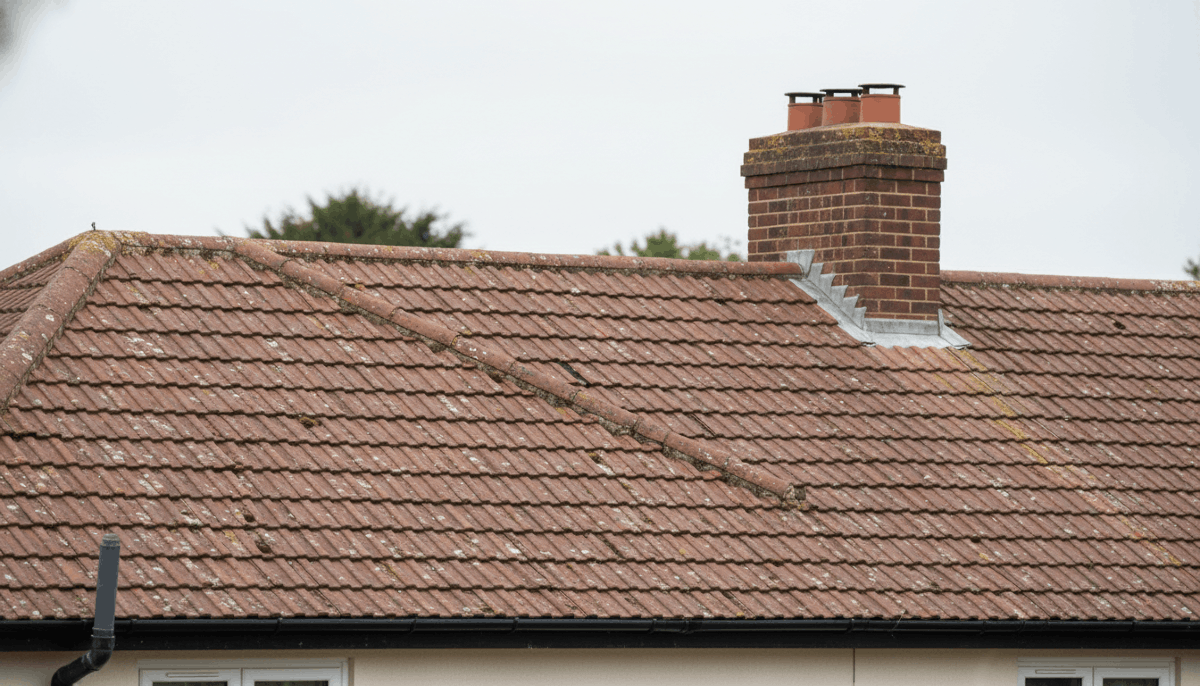
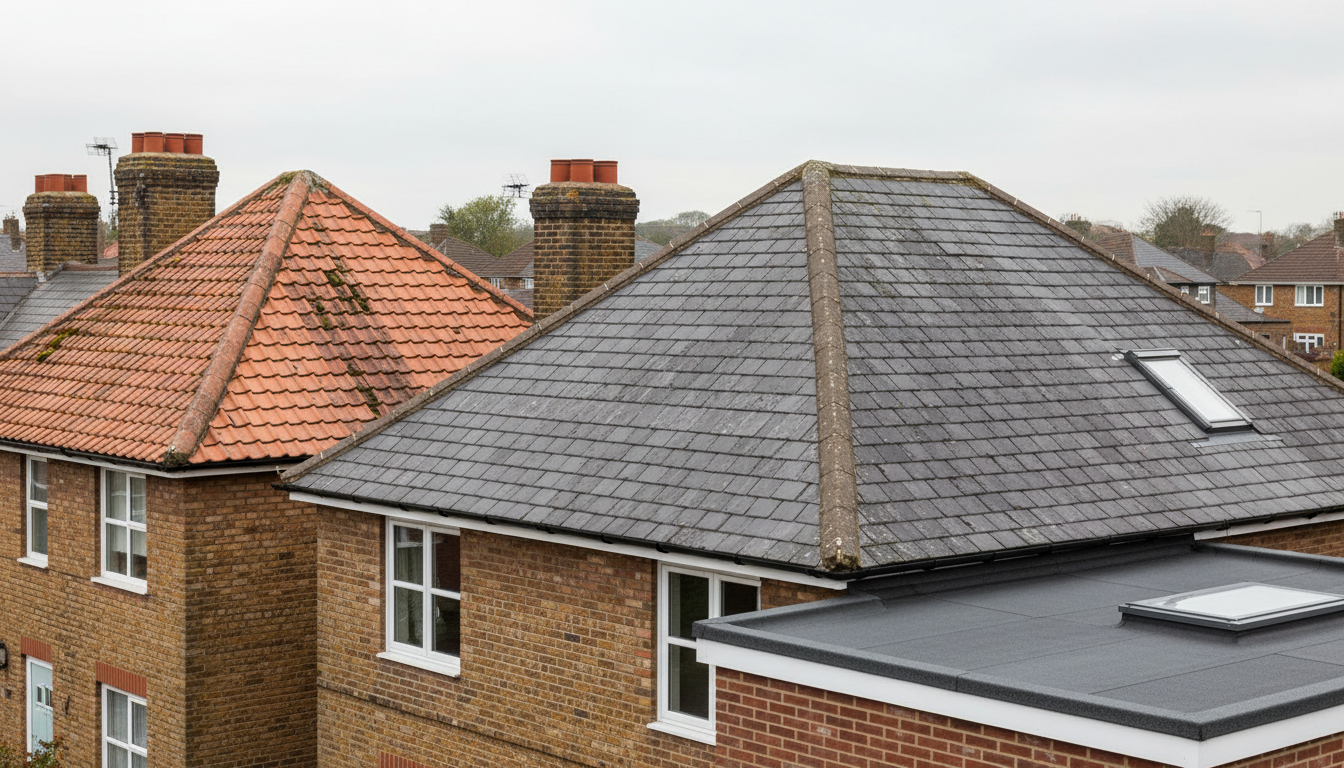
Tile roofing maintenance should focus on movement, cracking, drainage, and edge details. Roof tiles can shift after wind, crack after weathering, or drop fragments into gutters and valleys. A single damaged tile can allow water beneath neighbouring courses if it is ignored.
A & A Roofing London answers how often should you inspect a tile roof in the UK by checking the roof’s age, tile type, pitch, exposure, moss, gutters, valleys, and repair history. A newer tiled roof with clear drainage may need a different routine from an older roof with repeated slips or broken fragments.
Useful tile-roof checklist points include:
| Tile roof point | Maintenance reason |
| Lower tile courses | Often affected by gutter overflow and eaves damp |
| Ridge and hip tiles | Exposed to wind and weather movement |
| Valley edges | Cut tiles can crack or collect debris |
| Chimney surrounds | Flashing and cut tiles need joint checks |
| Gutters below tile slopes | Broken pieces can signal covering deterioration |
For tile-specific maintenance planning, tile surface upkeep markers and tiled covering routine checks give useful supporting context.
Slate Roofing Maintenance Checks
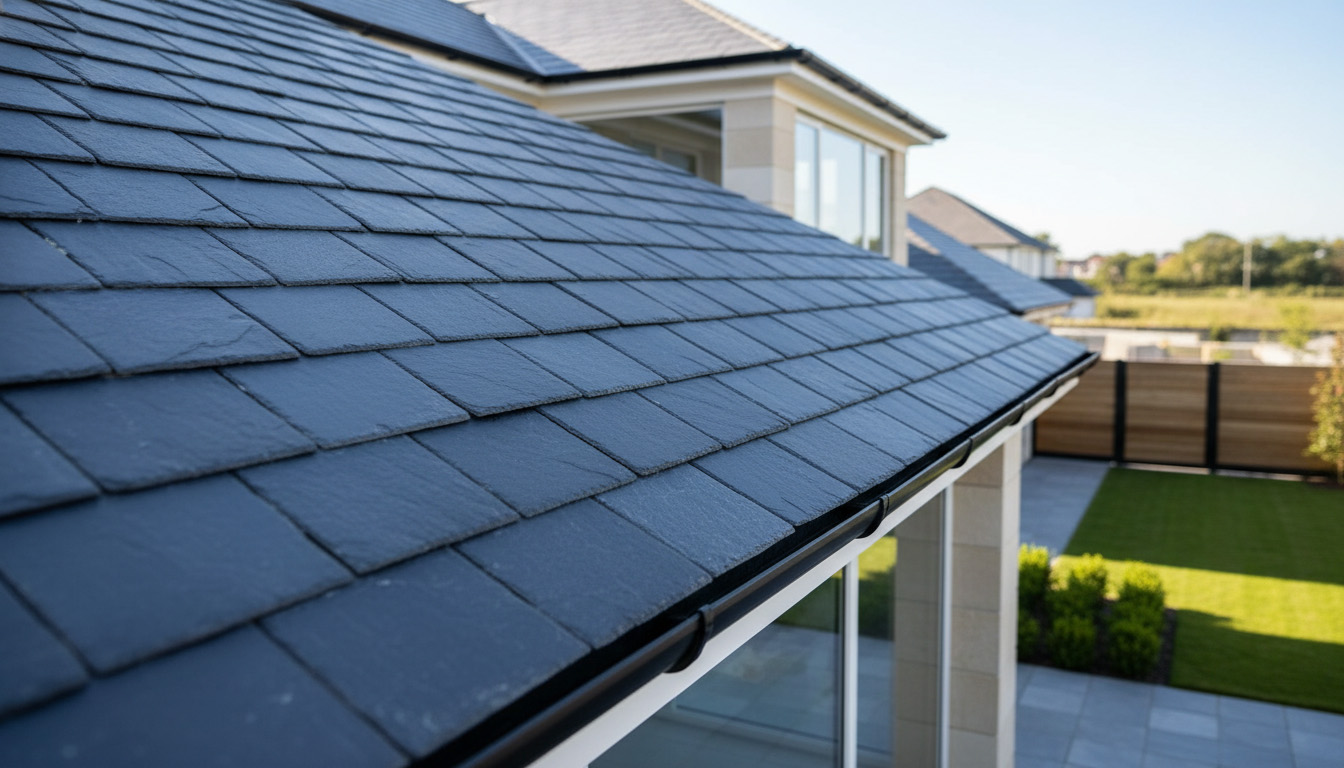
Slate roofing maintenance needs careful inspection because slate defects can be small but significant. A slipped slate, cracked edge, failing fixing, or weak junction near a chimney can let water in even when the rest of the roof appears sound.
A & A Roofing London checks slate roof maintenance in the UK by reviewing slate laps, fixings, ridges, valleys, chimneys, underlay, leadwork, and damp evidence inside the loft. Slate roofs should not be walked casually because careless access can damage sound slates.
For deeper slate planning, slate roof care intervals and slate upkeep inspection notes are relevant. These links support the checklist without replacing a roof-level inspection.
Flat Roof Maintenance Checks
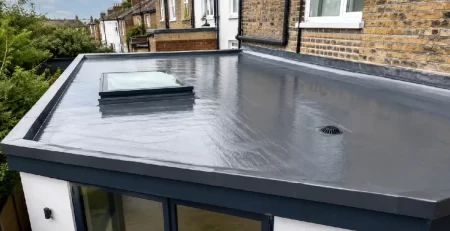
Flat roofs need close maintenance because small surface defects can spread beneath the waterproof layer. Ponding, blocked outlets, open seams, cracked trims, blisters, and soft decking should be checked before they become active leaks.
A & A Roofing London checks flat roofs in London by reviewing surface condition, drainage falls, outlets, upstands, edge trims, rooflights, internal damp marks, and water discharged from higher pitched roofs.
Planning Portal notes that a new flat roof usually has a slight fall so rainwater can drain off, and that new roof details need to demonstrate Building Regulations compliance. That is why flat roof maintenance should always include water movement, not only surface appearance.
| Flat roof point | Maintenance concern |
| Outlets | Blockage can cause ponding and overflow |
| Upstands | Weak vertical junctions can admit water |
| Seams and laps | Small openings can spread beneath the surface |
| Edges and trims | Wind and water can lift vulnerable edges |
| Ponding areas | Standing water reveals drainage or surface issues |
If the surface is starting to bubble or split, flat roof crack-and-blister checkpoints help explain why early inspection matters.
Pitched Roof Maintenance Checks
Pitched roof maintenance should cover water-shedding and wind-exposed areas. Tiles, slates, ridges, hips, valleys, gutters, chimneys, flashings, and underlay all work together. If one part fails, water can travel beneath the covering before a ceiling stain appears.
A & A Roofing London checks pitched roof maintenance in the UK by reviewing roof pitch, covering condition, ridge lines, valley flow, gutters, leadwork, chimneys, and internal damp evidence.
Planning Portal explains that existing pitched roof structures include rafters, purlins, struts, ties, and ceiling joists, and that roof elements help transfer wind and snow loads down to the walls. A checklist should therefore note roofline movement, sagging, or repeated leaks as more than cosmetic issues.
Roof Restoration Maintenance Planning
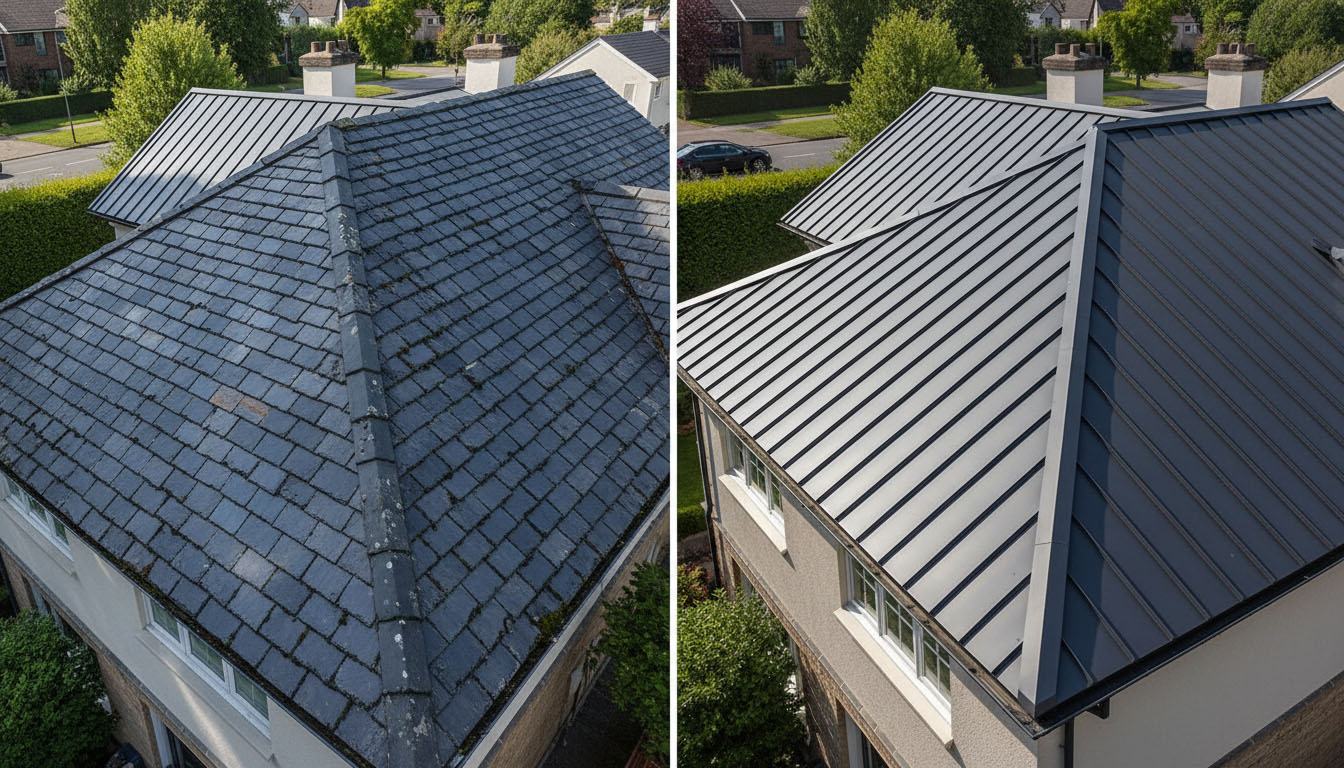
Roof restoration can be part of a maintenance plan when the roof is still serviceable but needs correction. Restoration may involve tile replacement, slate repairs, moss management, gutter clearing, valley work, leadwork correction, ridge repair, or flat roof improvement.
A & A Roofing London checks roof damage in the UK before recommending restoration. The roof must be suitable for improvement; restoration should not hide active leaks, failed underlay, rotten battens, or soft flat roof decking.
A restoration-led checklist should ask:
| Restoration question | Why it matters |
| Is the roof still weatherproof overall? | Restoration only works when the system can be made reliable |
| Are leaks local or widespread? | Repeated leaks may need wider work |
| Is drainage clear? | Blocked water routes can undo surface improvements |
| Are flashings sound? | Junction leaks can remain after cosmetic work |
| Is the roof structure stable? | Movement changes the repair scope |
Roof Repairs Found During Maintenance
A maintenance checklist is useful because it separates small repair needs from emergency damage. A cracked tile, lifted flashing, blocked valley, or leaking gutter is easier to manage before water reaches plaster, insulation, rafters, or electrical fittings.
A & A Roofing London checks whether a repair is local or whether the roof has broader deterioration. For visible warning signs, roof condition warning groups help homeowners record what they see safely. If water is already inside, roof leak pathway sorting helps explain why the source may not sit directly above the stain.
| Maintenance finding | Possible repair |
| Missing or cracked tile | Replace affected tiles and check nearby courses |
| Slipped slate | Secure or replace slate and inspect fixings |
| Lifted flashing | Correct the junction and check water path |
| Blocked gutter | Clear flow and inspect eaves damage |
| Damp loft area | Trace leak or condensation source |
| Repeated patch failure | Review workmanship and wider roof condition |
Re-Roofing and Replacement Signals
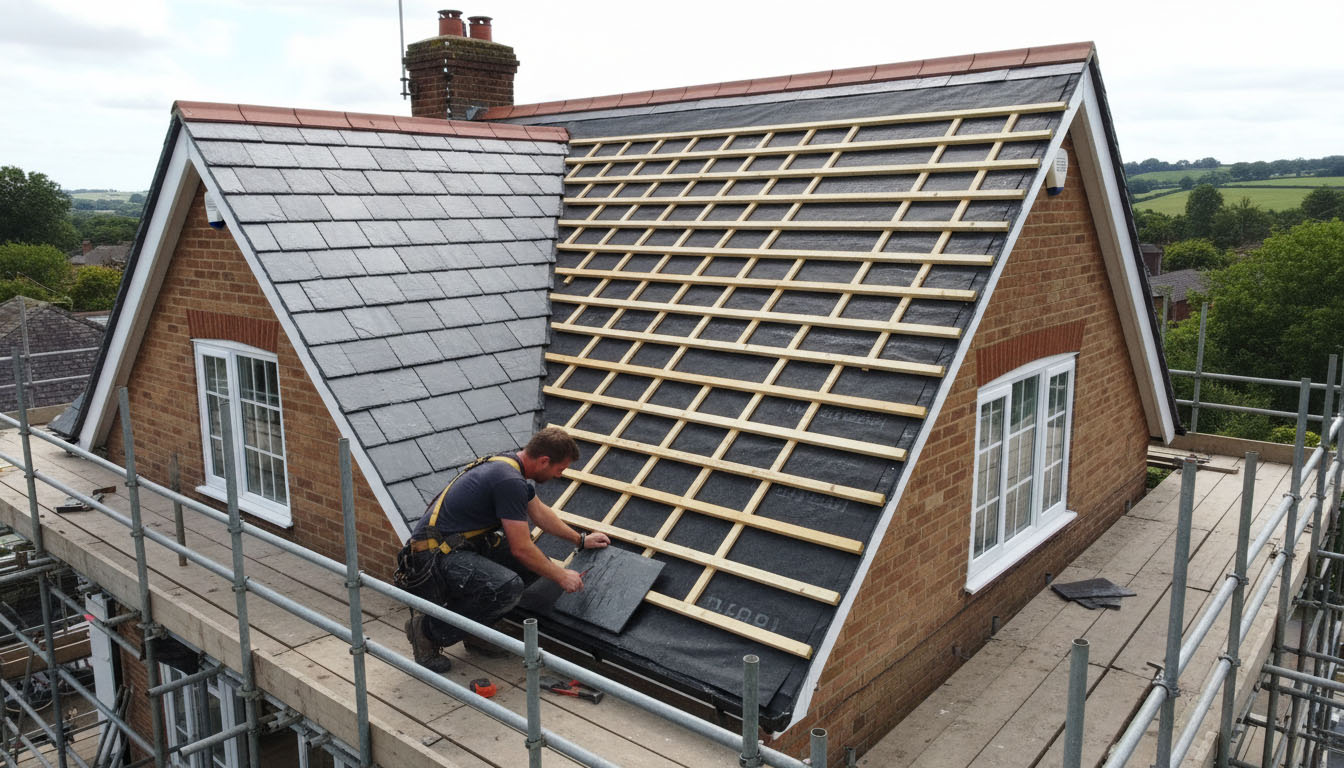
Roof maintenance sometimes reveals that continued repair is no longer the right route. Replacement planning becomes more likely where defects are widespread, underlay has failed, battens are damaged, flat roof decking is soft, leaks keep returning, or the roofline is moving.
Planning Portal states that most roof replacement work on existing buildings needs Building Regulations approval. It also says re-covering should include improving thermal insulation because a roof is a thermal element. A & A Roofing London uses maintenance findings to decide whether the roof can stay on a repair plan or needs replacement planning.
For the decision stage, repair-to-replacement decision factors are useful where repeated maintenance findings point to wider decline.
Lead Work, Chimneys, and Flashings
Leadwork and chimney details should always be included in roof maintenance. These areas combine masonry, roof coverings, mortar, flashings, soakers, back gutters, and concentrated water flow. A small flashing defect can create a leak even when the main roof slope is sound.
A & A Roofing London checks lead aprons, step flashing, soakers, cover flashing, chimney pointing, back gutters, nearby valleys, surrounding tiles or slates, and internal damp near chimney breasts.
For junction-specific maintenance, flashing junction inspection cues, leadwork water-turning details, and chimney damp-source checks are relevant supporting topics.
Valleys, Gutters, and Drainage
Drainage is one of the most important parts of Roof Maintenance Checklist Uk Prevent Roof Damage Early. Valleys collect water from two slopes. Gutters and rainwater pipes take water away from the roof edge. If debris slows that route, water can back up beneath coverings or soak fascia boards and walls.
Planning Portal describes gutters and rainwater pipes as roof drainage. The Met Office warns that fallen leaves can fill gutters and drainpipes; when this builds up, water can back up into the guttering and leak into the roof and sides of the house.
A & A Roofing London checks gutters, outlets, downpipes, valleys, moss, tile grit, broken fragments, eaves staining, and flat roof outlets. Supporting topics include valley clearance risk signs, valley flow inspection factors, gutter overflow damage stages, and roof runoff control checks.
Moss, Debris, and Roof Surfaces
Moss should be treated as a maintenance issue when it affects drainage, hides defects, or keeps roof surfaces wetter for longer. It should not automatically trigger aggressive cleaning.
NFRC says moss on roof tiles is rarely a problem in most cases and usually only needs removal where it blocks gutters, outlets, or other drainage points. It also warns that inappropriate moss removal methods can damage roof coverings.
A & A Roofing London checks whether moss is mainly cosmetic or whether it is contributing to blocked valleys, gutters, roof edges, flat roof outlets, or damp signs. For moss-specific checks, moss impact on drainage points and moss growth condition patterns are useful references.
Storm and Weather Maintenance
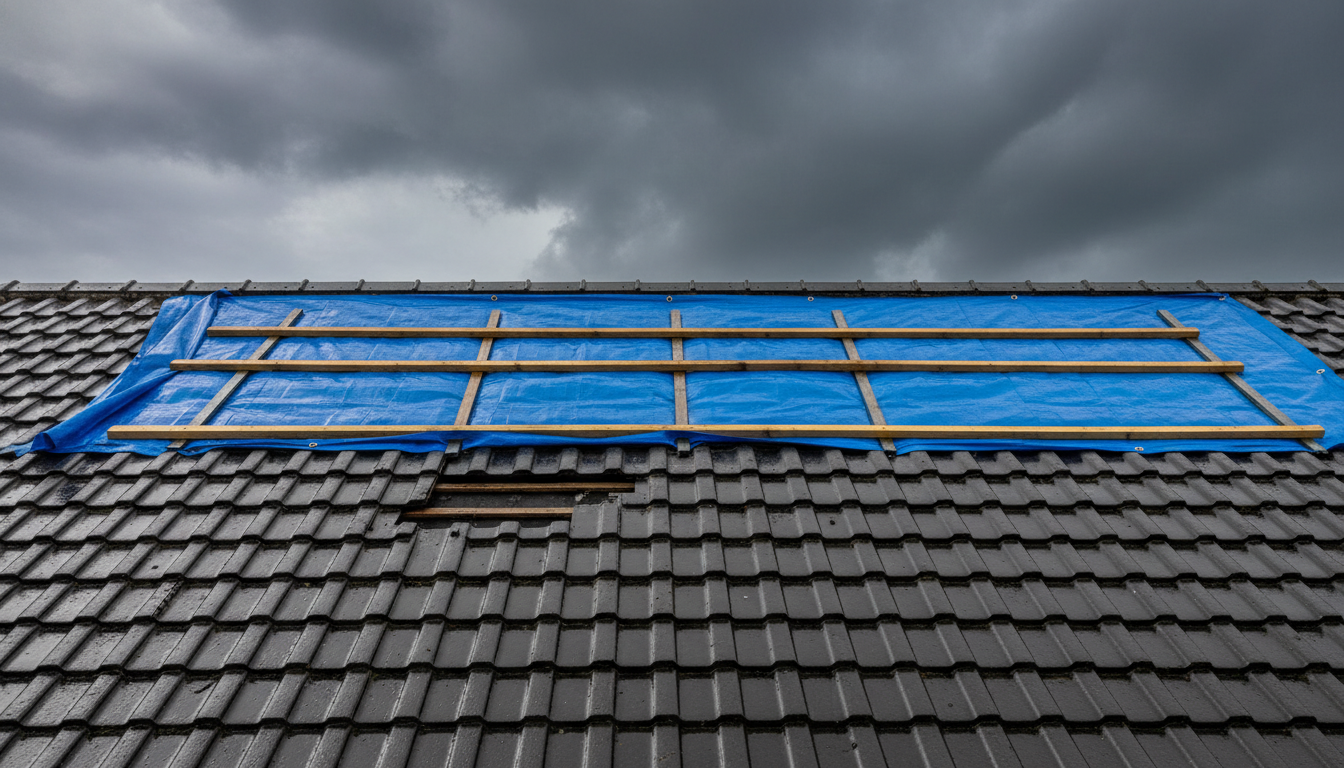
Roof maintenance should change after severe weather. High winds can lift tiles, move ridge sections, loosen slates, and expose poor fixings. Heavy rain can show blocked drainage and flashing leaks. Frost can make existing cracks and damp materials more noticeable.
The Met Office says gales are the most common cause of damage and disruption in the UK and advises people not to go outside to repair damage while a storm is in progress. HSE’s fragile-surface guidance says precautions are required for work on or near fragile surfaces no matter how short the duration, including maintenance, repair, cleaning, and demolition.
A & A Roofing London can inspect after conditions are safe. For safe post-weather checks, storm roof observation record, weather damage pattern review, and storm leak response order are useful supporting topics.
Roof Inspection Timing
Roof Maintenance Checklist Uk Prevent Roof Damage Early works best when inspection timing is planned. Maintenance should not wait until water enters the home. A practical plan may include routine annual checks, extra checks after storms, and quicker inspections when warning signs appear.
A & A Roofing London checks roof inspection timing based on roof material, age, exposure, drainage complexity, moss, nearby trees, chimneys, valleys, flat roof sections, and previous repairs.
For timing and structure, roof inspection timing principles and roof inspection item categories are relevant. These support the maintenance checklist by showing when and what to inspect.
Safety Limits for Homeowners
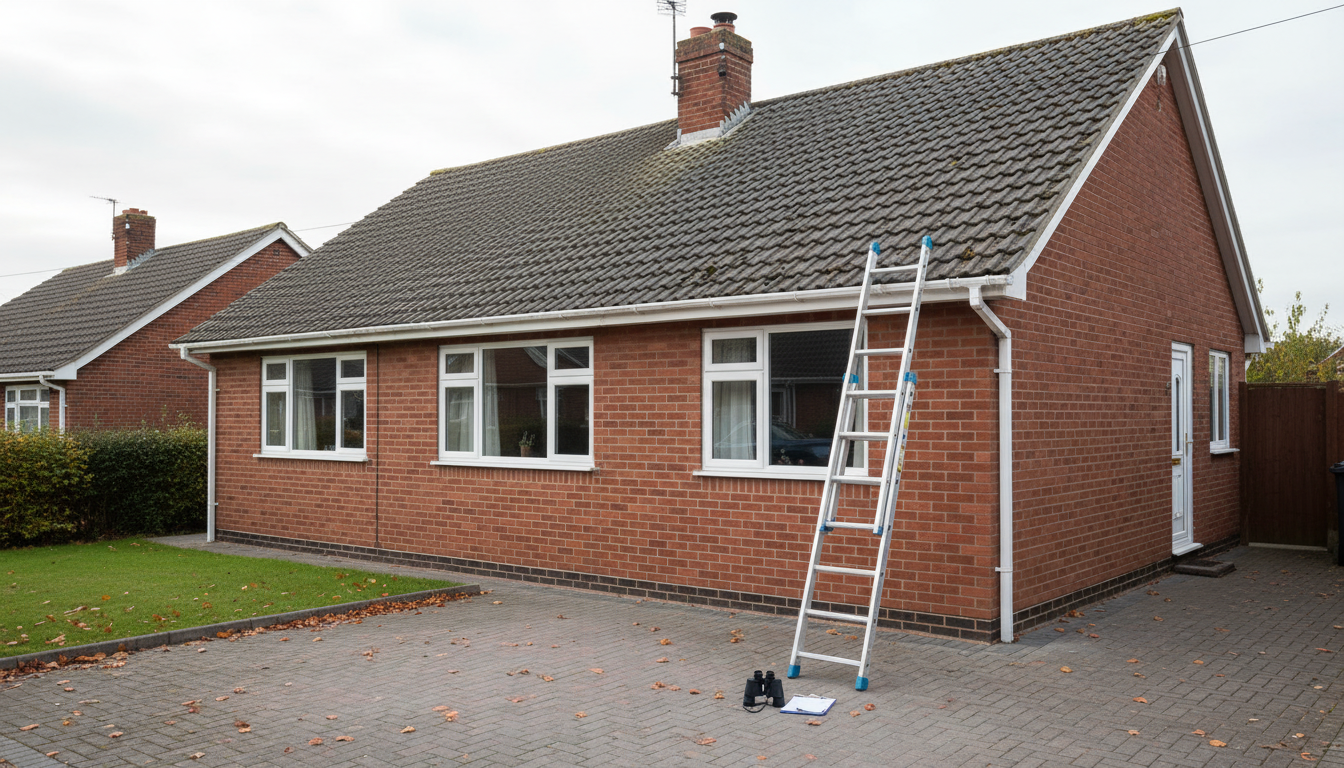
A maintenance checklist should keep homeowners off unsafe roof surfaces. Most homeowner observations should be ground-level or internal: ceiling stains, damp smells, gutter overflow, missing tiles, slipped slates, moss build-up, visible debris, roofline changes, and loft damp where safe.
HSE says almost one in five construction deaths involve roof work, and many people injured or killed are repairing or cleaning roofs rather than doing specialist roofing work. A & A Roofing London uses proper roof access and inspection methods instead of treating maintenance as a ladder-and-scraper task.
For clear homeowner boundaries, safe roof observation limits is useful before any maintenance plan is acted on.
Poor Workmanship and Repeat Maintenance
Poor workmanship can turn maintenance into repeated leak management. Warning signs include mismatched tiles, sealant-heavy flashing patches, loose ridge work, poor gutter fall, badly cut valley tiles, weak flat roof edges, and repairs that fail after the next rainfall.
A & A Roofing London checks whether earlier work corrected the cause or only covered the symptom. This is important because a checklist should not keep repeating the same temporary action if the roof detail itself is wrong.
For past repair review, workmanship fault review points help homeowners understand what should be checked before approving another patch.
Loose Tiles, Ridge Tiles, and Sagging
Loose tiles, ridge movement, and roofline sagging should bring maintenance forward. These signs can point to wind damage, fixing failure, ageing roof materials, structural movement, or poor previous work.
A & A Roofing London checks whether movement is local or part of a wider roof issue. If tiles are loose near a ridge, valley, chimney, verge, or gutter, the surrounding roof should be inspected as well.
For movement-related maintenance, tile displacement check points, ridge movement maintenance cues, and roofline change indicators are useful supporting topics.
Residential Roofing Maintenance Routine
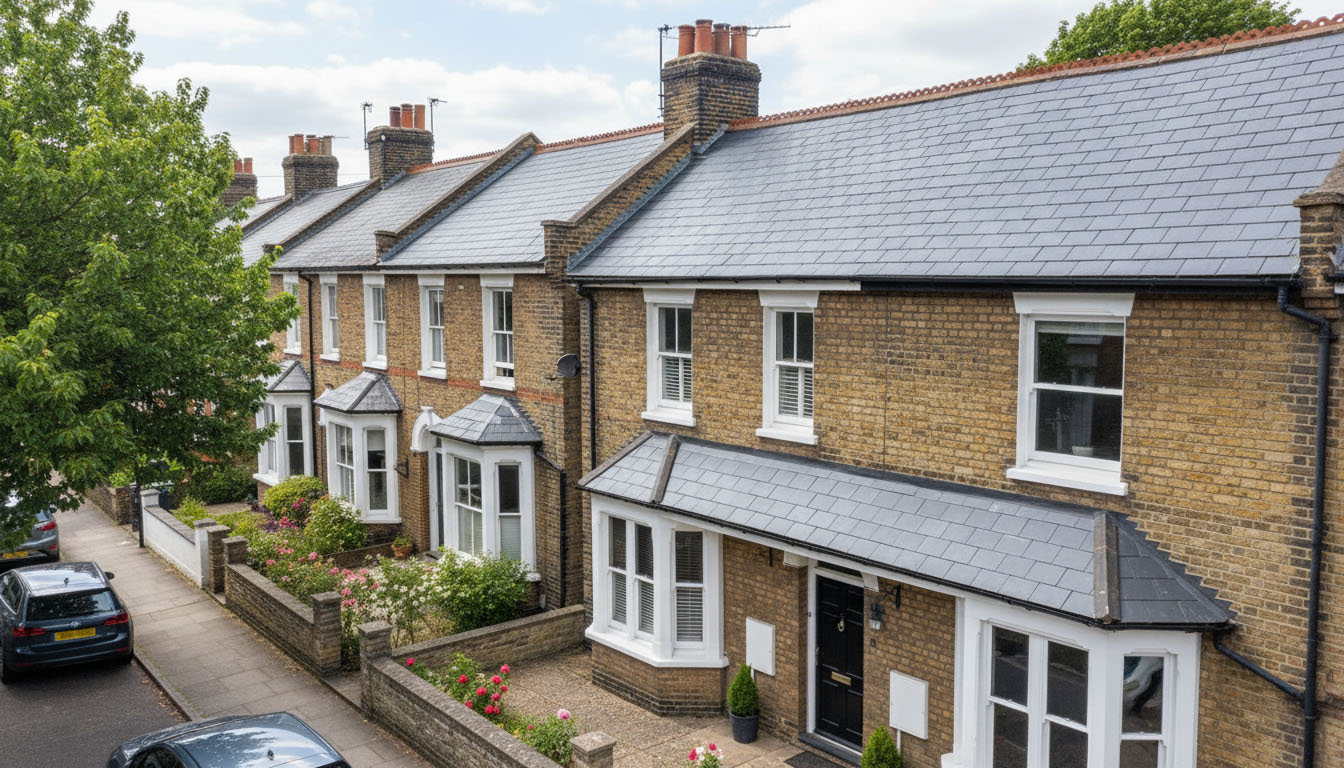
Residential roofing maintenance should match the home’s roof layout. A terraced home with chimneys, a slate roof, and rear flat extension needs a different checklist from a detached home with tiled slopes, valleys, gutters, and exposed ridges.
A & A Roofing London builds maintenance around the actual roof: tile or slate covering, flat roof sections, pitched roof structure, gutters, downpipes, valleys, leadwork, chimneys, moss, insulation, ventilation, and internal damp signs. The result is a checklist that prevents roof damage early rather than reacting after the ceiling is already stained.
Roof Maintenance Checklist Uk Prevent Roof Damage Early Area Coverage
Local property age, roof access, roof pitch, roof materials, trees, moss, chimneys, extensions, and weather exposure all affect maintenance needs. A & A Roofing London covers North London, Essex, and the Hertfordshire borders, helping homeowners plan roof maintenance around real roof risks instead of generic tasks.
North London
In North London, Roof Maintenance Checklist Uk Prevent Roof Damage Early often applies to terraced properties, shared rooflines, chimneys, rear flat roof extensions, older tiled or slate roofs, and limited access around gutters and valleys. A & A Roofing London can check tiles, slates, flashings, gutters, valleys, ridges, flat roof outlets, and internal damp evidence before small defects spread.
Hertfordshire Borders
Across the Hertfordshire borders, Roof Maintenance Checklist Uk Prevent Roof Damage Early may involve tiled roofs, slate sections, nearby trees, moss, valley debris, gutter overflow, storm exposure, and mixed roof ages. A & A Roofing London reviews the roof covering, drainage route, leadwork, chimneys, roofline, and maintenance history to decide what needs attention first.
Essex
In Essex, Roof Maintenance Checklist Uk Prevent Roof Damage Early can become important after heavy rain, high wind, frost, moss build-up, gutter blockage, or repeated roof-edge damp. A & A Roofing London can inspect tiles, slates, flat roofs, pitched roof slopes, valleys, gutters, flashings, chimneys, and internal moisture signs so maintenance follows the true risk points.
Final Roofing Decision
Roof Maintenance Checklist Uk Prevent Roof Damage Early should be practical, safe, and based on the roof in front of you. The most useful checklist does not only ask whether the roof looks tidy; it checks where water flows, where wind applies pressure, where junctions can fail, and where hidden damp may begin.
A & A Roofing London can organise annual roof maintenance in the UK around tiles, slates, flat roofs, pitched roof slopes, valleys, gutters, downpipes, leadwork, chimneys, ridges, moss, internal damp signs, and previous repair points. That gives homeowners a clear route to maintenance, repair, restoration, or replacement before roof damage becomes urgent.
FAQs About Roof Maintenance Checklist Uk Prevent Roof Damage Early
What should a UK roof maintenance checklist include?
A Roof Maintenance Checklist Uk Prevent Roof Damage Early should include tiles, slates, ridges, hips, valleys, gutters, downpipes, flat roof outlets, flashings, leadwork, chimneys, rooflights, loft damp, ceiling stains, moss, roofline movement, and previous repair points. A & A Roofing London checks these together because the visible symptom may not be where the roof defect started.
How often should roof maintenance be done?
Many homes benefit from a planned annual roof maintenance check, with extra checks after storms, visible tile movement, gutter overflow, leaks, or damp marks. The right timing depends on roof age, covering type, exposure, drainage, nearby trees, moss, flat roof sections, chimneys, and previous repairs. A & A Roofing London sets maintenance timing around the actual roof condition.
Should gutters be part of roof maintenance?
Yes. Gutters and downpipes are part of the roof drainage route. Planning Portal describes gutters and rainwater pipes as roof drainage, and the Met Office warns that leaves can fill gutters and drainpipes, causing water to back up into guttering and leak into the roof and sides of the house. A & A Roofing London checks gutters with eaves, valleys, outlets, and internal damp signs.
Is moss removal always needed during maintenance?
No. NFRC says moss on roof tiles is rarely a problem in most cases and usually only needs removal where it blocks gutters, outlets, or other drainage points. It also warns that inappropriate moss removal can damage roof coverings. A & A Roofing London checks whether moss is cosmetic or whether it is affecting drainage and roof condition.
Can homeowners do roof maintenance themselves?
Homeowners can safely make ground-level observations and check inside loft spaces where access is safe, but they should not walk on roof surfaces or work near fragile areas. HSE says roof work is high risk and that all roofs should be treated as fragile until a competent person confirms otherwise. A & A Roofing London can inspect roof-level areas using proper access and safety methods.
What signs mean roof maintenance should happen sooner?
Maintenance should happen sooner if there are missing tiles, slipped slates, gutter overflow, damp ceiling marks, moss blocking drainage, lifted flashing, loose ridge tiles, roofline sagging, flat roof ponding, or leaks after rain. These signs can indicate water movement, covering failure, blocked drainage, or structural change that should not wait for the next routine check.
When does maintenance become roof repair or replacement?
Maintenance becomes roof repair when local defects need correction, such as broken tiles, lifted flashing, slipped slates, blocked valleys, or leaking flat roof seams. Replacement becomes more likely when defects are widespread, underlay or battens have failed, flat roof decking is soft, leaks are recurring, or roofline movement is visible. Planning Portal states that most roof replacement work on existing buildings needs Building Regulations approval.
What should A & A Roofing London check during annual roof maintenance?
A & A Roofing London should check the full roof system: tile and slate coverings, flat roofs, pitched roof slopes, ridges, valleys, gutters, downpipes, leadwork, chimneys, flashings, moss, internal damp signs, roofline movement, previous repairs, and weather-exposed details. The aim is to identify roof damage early and choose the right maintenance, repair, restoration, or replacement route.


Comments (7)
[…] practical roof maintenance checklist helps homeowners keep restored flat roofs clear and visible. Regular roof inspection timing also […]
[…] routine care, preventive roof maintenance tasks provide a useful framework. Tile-specific care can be compared with tiled roof upkeep methods and […]
[…] safe access. For safer planning, roof inspection interval guidance, roof inspection item map, and seasonal maintenance task order are […]
[…] planned care, inspection timing reference, roof inspection item list, and preventive roof care sequence give homeowners useful maintenance context without encouraging unsafe roof […]
[…] inspection checklist structure help homeowners understand what needs reviewing. For ongoing care, roof maintenance sequence for prevention connects roof condition with long-term insulation […]
[…] post-storm planning, roof inspection item sequence, inspection timing after weather, and preventive maintenance cycle help move the roof from emergency response back into planned […]
[…] prevention planning, maintenance priority checklist is the most relevant supporting […]
Comments are closed.