
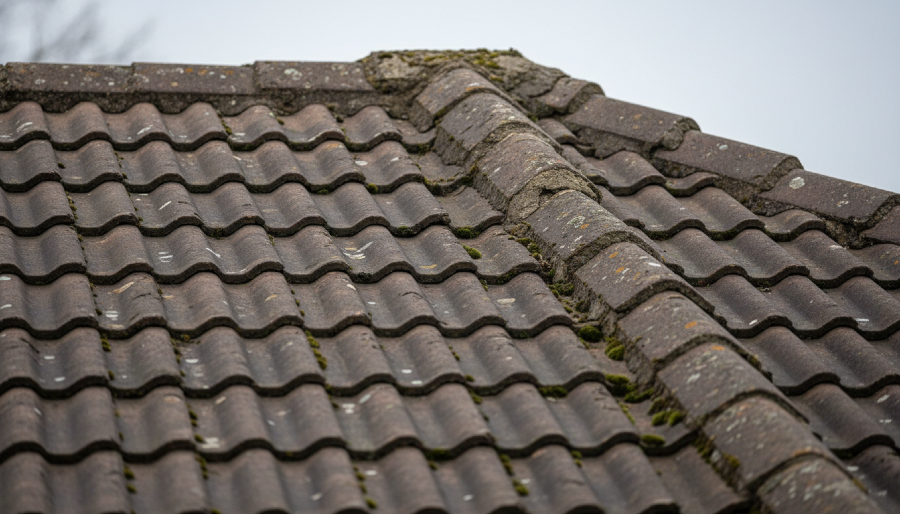
Poor Roofing Workmanship usually starts as something small: a tile sitting proud, leadwork that depends on sealant, a flat roof that holds water, or a leak that keeps returning after “repairs.” The consequence is bigger than an untidy finish. Bad workmanship can let water track into insulation, timbers, ceilings, and chimney junctions before the visible stain appears.
A & A Roofing London helps homeowners across London, Essex, and the Hertfordshire borders trace the fault, separate surface symptoms from root causes, and choose the right repair, restoration, or replacement route.
Quick Check: Before approving another patch repair, arrange a
roof inspection in the UK
with A & A Roofing London so the workmanship fault is checked before more damage spreads.
Poor Roofing Workmanship: What Fails First
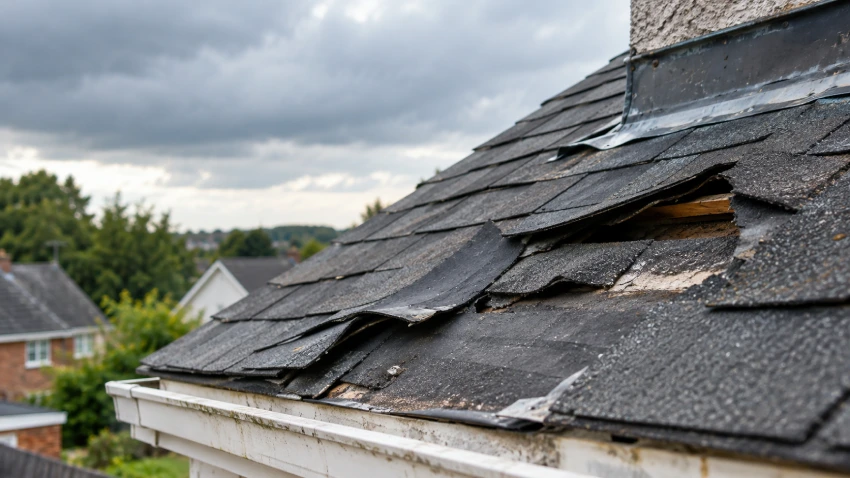
Poor Roofing Workmanship rarely fails evenly across the whole roof. It usually shows first at junctions, edges, penetrations, changes in pitch, valleys, chimneys, abutments, gutters, and flat-roof outlets because these areas rely on correct detailing rather than the roof covering alone.
| Workmanship area | What can go wrong | Why it matters | A & A Roofing London route |
| Tile roofing | Uneven gauge, lifted tiles, poor cuts, weak fixing | Rain can be driven under the covering instead of being shed cleanly | Check the tile roof fixing layout before replacing isolated tiles |
| Slate roofing | Over-nailed slates, tight joints, slipped courses, weak headlap | Slate roofs rely on correct overlap and movement tolerance | Review the slate roof fixing sequence before further patching |
| Flat roofing | Blisters, cracks, weak laps, poor fall, blocked outlets | Standing water and failed laps can turn a small defect into a recurring leak | Assess the flat roof renewal detail before coating over defects |
| Pitched installation | Poor underlay, wrong battens, weak ventilation, rushed junctions | Hidden layers decide whether the roof performs in wind and rain | Inspect the pitched roof installation layers beneath the visible covering |
| Restoration | Cosmetic coating over unresolved defects | The roof may look improved while water paths remain active | Use a roof restoration condition check before surface treatment |
For existing roofs in England, Building Regulations can apply to roof-covering replacement, especially where covering material changes, structural stability, fire safety, or energy efficiency are affected. NFRC guidance also states that refurbishment work to 50% or more of a roof’s area should involve either a contractor registered under the NFRC Competent Person Scheme or Local Authority Building Control before work starts.
Poor Roofing Workmanship is not just a problem with the finished look. A neat roofline can still hide poor laps, weak flashing, unventilated voids, unsupported valleys, or underlay cuts that only show during wind-driven rain. That is why A & A Roofing London starts with the roof detail, not just the stain on the ceiling.
Tile Roofing Faults That Signal Poor Workmanship
Tile roofing defects often show as raised tiles, uneven courses, broken nibs, poor verge detailing, or gaps around roof windows and abutments. One loose tile may be storm damage, but repeated movement usually points to poor fixing, poor alignment, or a mismatch between the tile and the roof pitch.
A & A Roofing London looks at how the tiles sit together, how the courses are fixed, and whether the roof has enough overlap for the exposure. When poor workmanship has allowed water under the tiles, the repair may need to include underlay, battens, or ventilation checks rather than another visible tile swap.
For homeowners trying to separate age-related wear from poor installation, a practical next step is comparing the defect with wider replacement warning patterns. That helps show whether the roof has isolated damage or a broader installation failure.
Slate Roofing Defects Behind Recurring Leaks
Slate roofing is unforgiving when workmanship is poor. Incorrect headlap, tight fixing, damaged slate edges, or poor cutting around junctions can let water pass through a roof that still looks tidy from ground level. A slate roof also needs careful handling because cracked or over-nailed slates can fail later.
Poor Roofing Workmanship on slate roofs often appears around valleys, chimneys, hips, ridges, and roof windows. These areas need measured detailing, not guesswork. A & A Roofing London checks whether the slate courses, fixings, flashings, and underlay are working together before recommending repair or replacement.
Where the symptom is one stain but the suspected cause is wider slate movement, the useful comparison is a maintenance checklist sequence. It gives homeowners a structured way to notice early roof defects before the next rainfall exposes them indoors.
Flat Roofing Workmanship Problems
Flat roofing fails quickly when laps, falls, outlets, trims, or surface preparation are wrong. Blisters and cracks can be early warnings that moisture, poor adhesion, trapped air, or movement has compromised the covering. A surface patch may hide the symptom without correcting the workmanship fault below.
A & A Roofing London checks whether water is draining correctly, whether laps and edges are sound, and whether the existing deck can support a lasting repair. Poor Roofing Workmanship on flat roofs often needs a practical decision: repair a defined defect, renew a failed section, or replace the system where the original detailing is unreliable.
For flat roofs, the most relevant early warning pattern is flat roof blister and crack patterns. That is especially useful when the roof has started bubbling or splitting but has not yet produced a visible ceiling leak.
Pitched Roof Installation Mistakes
Pitched roof installation is more than tiles or slates. The roof depends on structure, battens, underlay, ventilation, fixings, ridge details, valleys, and flashings. When these layers are poorly installed, the roof can leak even when the covering itself is not obviously broken.
Poor Roofing Workmanship on pitched roofs often shows as recurring leaks after rain from a certain direction, damp at the ridge line, or daylight visible in the loft. A & A Roofing London checks the build-up layer by layer so the repair addresses the route water is taking, not just the point where it appears inside.
If bad weather has recently exposed the issue, a post-storm roof damage checklist can help homeowners document visible changes before an inspection. Roof work also needs to be planned and carried out safely under UK health and safety rules, particularly because working at height is a serious construction risk.
Roof Restoration After Bad Workmanship
Roof restoration is only useful when the roof is suitable for restoration. Poor Roofing Workmanship changes that decision. Coating, cleaning, repointing, or partial renewal can fail if the original roof has weak laps, poor fixings, damaged underlay, blocked valleys, or unstable flashing.
A & A Roofing London treats restoration as a condition-led decision. The roof is checked for active leaks, movement, drainage defects, failed mortar, chimney issues, and surface wear before any restoration route is considered. That protects the homeowner from spending money on cosmetic work while the real defect remains active.
A restoration assessment should also include drainage and water flow, because poor workmanship often becomes visible where rainwater concentrates. The related issue is explained well through drainage route inspection.
Roof Repairs That Do Not Keep Failing
Roof repairs fail when they treat the visible symptom only. A slipped tile, damp ceiling, or cracked flashing might be the final sign of a deeper workmanship problem. If the roofer only patches the last visible point, the leak may return during the next heavy rain.
A & A Roofing London approaches repair work by tracing the water path. That can mean checking valleys, gutters, flashings, chimneys, ridge details, roof coverings, underlay, and loft ventilation. Poor Roofing Workmanship is often a pattern, not a single defect.
| Symptom after roofing work | Possible workmanship issue | What should be checked |
| Leak returns in the same room | Fault source was not traced | Flashing, valley, underlay, tile/slate courses |
| Damp near chimney breast | Weak leadwork or chimney junction detail | Soakers, step flashing, pointing, stack condition |
| Water after heavy rain only | Wind-driven rain entering poor laps | Overlap, pitch suitability, fixing, exposure |
| Sagging or uneven roofline | Structural movement or overloaded covering | Rafters, battens, roof weight, internal signs |
| Overflow at eaves | Poor drainage or blocked guttering | Outlets, gutter fall, valley discharge, debris |
When the issue is linked to water backing up, the homeowner should also check blocked gutter overflow patterns. Gutter failure can make poor workmanship look worse by sending water where the roof was never designed to hold it.
Re-Roofing and Replacement Decisions
Poor Roofing Workmanship does not automatically mean the whole roof must be replaced. The right decision depends on whether the defect is local, repeated, hidden, structural, or built into the roof system. A single bad flashing detail may be repairable; a roof with poor fixings, poor underlay, and repeated leaks may need a larger replacement plan.
A & A Roofing London checks whether the existing roof covering can be corrected safely or whether re-roofing is the more sensible route. The decision should consider roof age, access, materials, hidden damage, insulation, ventilation, and any Building Regulations requirements that apply to the work.
The Planning Portal explains that re-covering a roof may also involve improving thermal insulation because a roof is treated as a thermal element. It also notes that changing roof covering material can trigger Building Regulations considerations around structural stability, fire safety, and energy efficiency.
Lead Work, Chimneys, and Valley Detailing
Lead work and chimneys are common places for Poor Roofing Workmanship to show. Sealant-heavy repairs, shallow chases, weak soakers, poor step flashing, cracked mortar, and badly dressed lead can all allow water into the roof junction. The problem may look like a tile leak, but the source is often the detail.
A & A Roofing London checks chimney stacks, abutments, back gutters, lead flashings, valleys, and surrounding tiles or slates together. That matters because a chimney leak can involve masonry, pointing, leadwork, and roof covering all at once.
For the detailing side, homeowners can compare their symptoms with flashing failure points and the lead flashing role at junctions. If the stain is close to a stack, a chimney leak source map is also relevant.
Roof Valleys and Poor Water Flow
Roof valleys are built to carry concentrated water, so poor workmanship in a valley can cause leaks even when the rest of the roof is sound. Problems include blocked channels, poor lining, weak cuts, tight tile edges, debris build-up, and failed mortar.
A & A Roofing London checks whether the valley is clear, correctly formed, and integrated with the surrounding covering. Poor Roofing Workmanship at a valley can also be made worse by leaves, moss, broken tile fragments, and gutter restrictions downstream.
The most useful supporting topics are valley leak pathways and valley debris blockage sequence. These help homeowners understand why valleys leak repeatedly when the water route is restricted or poorly detailed.
Inspections and Maintenance After Poor Workmanship
A roof inspection after suspected Poor Roofing Workmanship should be methodical. The inspector should record visible defects, photograph junctions, check loft signs where accessible, review drainage, and separate urgent weatherproofing from longer-term correction.
Citizens Advice recommends keeping written records of what a trader says they will do and checking that guarantees cover both materials and workmanship where relevant. For problems with home improvement work, Citizens Advice also says homeowners may be able to ask for the issue to be fixed or seek money back depending on the circumstances.
A & A Roofing London can help by identifying what failed, what needs urgent attention, and what can be monitored. If there are loose tiles after high winds, loose tile storm risk markers can help prioritise the inspection. Where the roofline itself looks uneven, roof sagging movement indicators are a better next reference.
Residential Roofing Without Repeat Defects

Residential roofing needs workmanship that matches the property, roof type, pitch, exposure, and junctions. Poor Roofing Workmanship often happens when the same quick fix is used on every roof, regardless of material or detailing.
A & A Roofing London’s service mix is useful because poor workmanship can involve more than one roofing discipline. A tile roof may also have a chimney flashing fault. A flat roof may also have drainage restrictions. A pitched roof may need underlay and ventilation correction as well as visible roof repairs.
When the defect follows recent severe weather, homeowners may need a safe temporary response before permanent work is planned. The right reference point is a storm response workflow, especially where water is entering the property and the full repair cannot be completed immediately.
Poor Roofing Workmanship Area Coverage
Local roof defects are shaped by roof type, access, exposure, and the way properties have been repaired over time. A & A Roofing London covers North London, Essex, and the Hertfordshire borders, so the inspection process can be matched to the roof style, material, and practical access needs in each area.
North London
For North London homeowners, Poor Roofing Workmanship often needs a careful inspection of roof coverings, valleys, chimneys, flat roof sections, and previous patch repairs. A & A Roofing London can assess whether the visible leak is caused by tile movement, slate detailing, poor leadwork, blocked drainage, or a failed repair that did not address the original water path.
Hertfordshire Borders
Across the Hertfordshire borders, Poor Roofing Workmanship may affect pitched roofs, tiled roofs, slate roofs, flat roof extensions, and older roof junctions that have been repaired more than once. A & A Roofing London is suited to this work because the company’s services cover inspection, repair, restoration, and replacement rather than treating every defect as a single-tile problem.
Essex
In Essex, Poor Roofing Workmanship should be checked before small defects spread into loft damp, ceiling staining, or timber damage. A & A Roofing London can inspect roof coverings, lead details, chimneys, drainage routes, and flat roof surfaces so the repair plan matches the actual workmanship fault instead of masking it.
Final Roofing Decision
Poor Roofing Workmanship needs a clear diagnosis before money is spent on another repair. A & A Roofing London can carry out a roof inspection in the UK to identify whether the problem is local damage, failed flashing, poor installation, drainage restriction, or a roof covering that now needs replacement. The right outcome may be a targeted repair, roof restoration, flat roof replacement, pitched roof correction, or full re-roofing. The important step is to fix the reason the roof is failing, not just the latest stain it caused.
FAQs About Poor Roofing Workmanship
How can I tell if Poor Roofing Workmanship caused my leak?
Poor Roofing Workmanship is likely when the leak returns after repair, appears near a roof junction, follows the same rain direction, or sits below chimneys, valleys, roof windows, or flat roof edges. A single broken tile can be accidental damage, but repeated leaks after recent work suggest the water route was not properly traced. A & A Roofing London would check the roof covering, flashing, underlay, drainage, and loft signs before deciding whether the defect is local or part of a wider workmanship issue.
Can Poor Roofing Workmanship appear months after the job?
Yes. Poor Roofing Workmanship can remain hidden until the roof is tested by heavy rain, wind-driven rain, blocked drainage, or seasonal movement. Bad laps, weak fixings, poor flashing chases, or unventilated roof spaces may not fail on the first dry week after completion. The roof may look acceptable from ground level while water is slowly tracking under the covering. That is why recurring stains, new damp smells, and repeated slipped tiles should be checked rather than dismissed as normal settlement.
What evidence should I collect before complaining about Poor Roofing Workmanship?
Record dates, rainfall conditions, photographs of visible defects, ceiling stains, loft damp, broken materials, and any messages or quotations from the roofer. Citizens Advice recommends writing down what a trader says they will do and keeping job details and contract records before work starts, which also helps if a workmanship dispute follows. The stronger the evidence trail, the easier it is to separate poor workmanship from unrelated wear, storm damage, or later neglect.
Does Poor Roofing Workmanship mean I need a full replacement?
Not always. Poor Roofing Workmanship may only affect a chimney flashing, valley, flat roof outlet, or a small section of tiles. However, a full replacement becomes more likely when the same defect repeats across the roof, hidden layers were installed incorrectly, the covering is unsuitable for the pitch, or the roof has widespread underlay and batten problems. A & A Roofing London would normally inspect the roof first, then recommend the smallest reliable scope that addresses the cause.
Are Building Regulations relevant to Poor Roofing Workmanship?
They can be. Building Regulations may apply to replacement roof coverings on pitched and flat roofs, and re-roofing can involve structural stability, fire safety, and energy efficiency considerations. Where 50% or more of the roof area is being refurbished, NFRC guidance says homeowners should use a registered Competent Person Scheme contractor or contact Local Authority Building Control before work starts. Poor workmanship is not only a finish issue; the roof also has to be suitable, safe, and compliant for the scope of work.
Is sealant a sign of Poor Roofing Workmanship?
Sealant is not automatically wrong, but heavy reliance on sealant around leadwork, chimneys, roof windows, and abutments can be a warning sign. Good roof detailing should shed water through correct laps, chases, soakers, flashings, and falls. If sealant is being used to bridge gaps, cover movement, or hide poor cutting, the repair may fail as the material ages. A & A Roofing London would inspect the underlying detail rather than simply applying more sealant over the same weak point.
What should I do if the roofer ignores Poor Roofing Workmanship?
Start by documenting the defect clearly and contacting the trader in writing with what you want corrected. Citizens Advice says homeowners with problems caused by home improvement work may be able to ask for the problem to be fixed or get some money back, depending on the situation. If the contractor does not respond, keep records of all communication and consider consumer advice before commissioning corrective work, especially if the defect is causing active water ingress.