
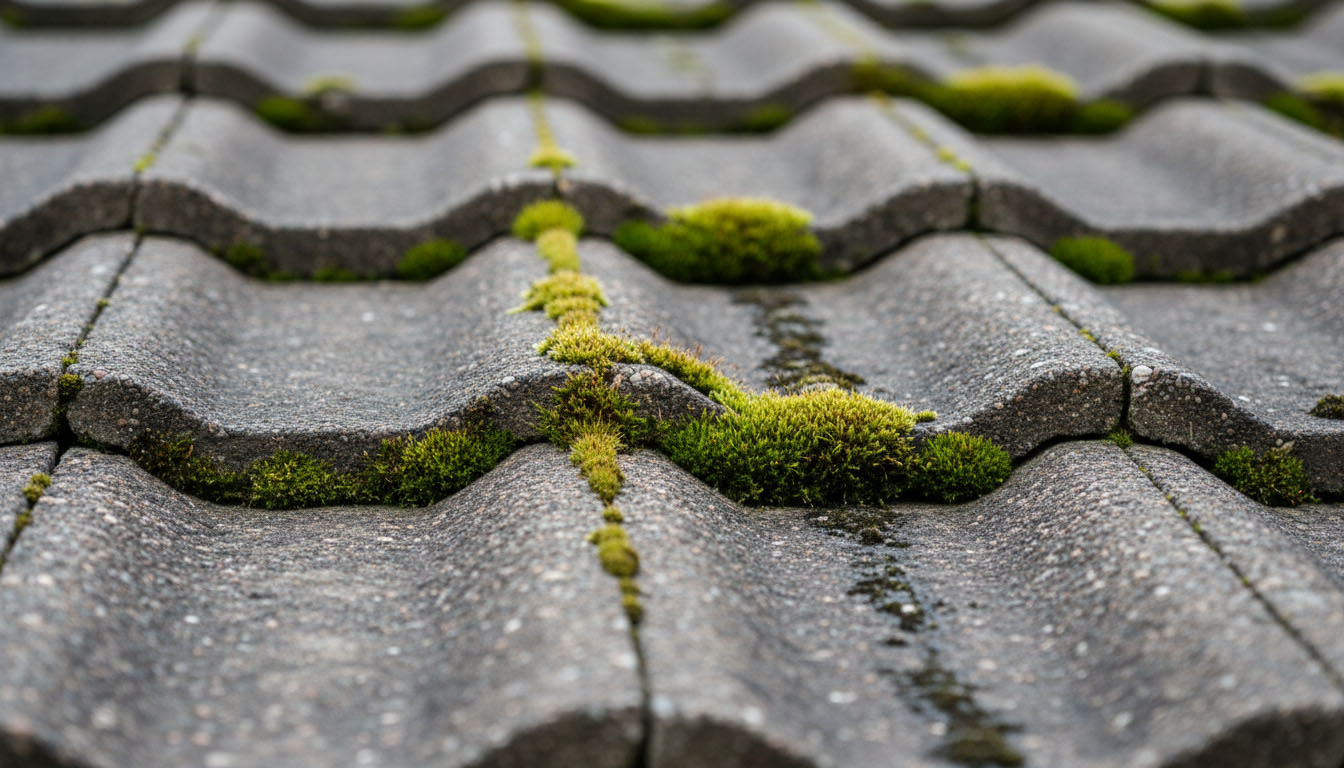
Roof Moss Removal Uk Is Moss Damaging Roof Tiles is a practical question because moss looks harmless until it starts holding moisture, blocking drainage routes, hiding cracked tiles, or sliding into gutters and valleys. Moss does not always mean a roof is failing, and aggressive cleaning can cause more harm than the moss itself. The right decision depends on roof type, tile or slate condition, drainage, access safety, and whether water is already entering the property. A & A Roofing London helps homeowners across London, Essex, and the Hertfordshire borders inspect moss growth safely and choose sensible maintenance, repair, restoration, or replacement work.
Quick Check: Before scraping, pressure washing, or treating roof moss, ask A & A Roofing London to review roof maintenance in the UK around the tile condition, drainage route, and safest removal method.
Roof Moss Removal Uk Is Moss Damaging Roof Tiles
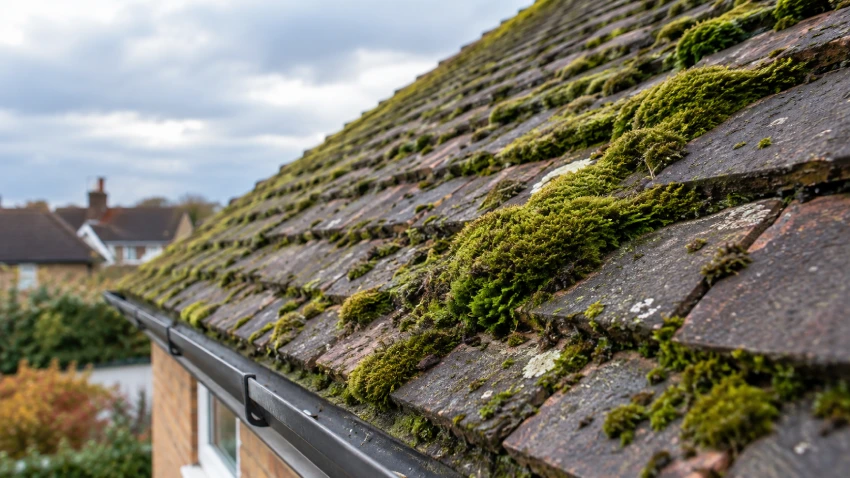
Roof Moss Removal Uk Is Moss Damaging Roof Tiles should start with a balanced view. NFRC says moss on roof tiles is rarely a problem in most cases and usually only needs removing where it blocks gutters, outlets, or other drainage points on the roof. NFRC also warns that inappropriate moss removal methods can damage the roof covering.
| Moss situation | Is it urgent? | Main risk | A & A Roofing London check |
| Light moss on dry tiles | Usually not urgent | Mostly cosmetic unless drainage is affected | Tile surface, roof age, drainage |
| Moss in gutters | More urgent | Overflow, damp fascias, roof-edge water | Gutters, outlets, downpipes |
| Moss in valleys | More urgent | Water backs up under tiles or slates | Valley channel, lining, cuts |
| Moss on cracked tiles | Needs inspection | Moisture may worsen existing defects | Tiles, battens, underlay |
| Moss with internal damp | Needs prompt diagnosis | Leak or trapped moisture may be active | Roof covering and internal water path |
A & A Roofing London does not treat moss removal as a one-size-fits-all cleaning job. The roof covering, access risk, drainage path, roof pitch, tile condition, slate condition, flat roof sections, and signs of damp all need checking before the method is chosen.
HSE says roof work is high risk and that work on or near fragile roof surfaces needs proper precautions. Its guidance covers repair, maintenance, cleaning, and demolition work, which means roof moss removal should not be approached as casual DIY from a ladder or by walking across tiles.
Tile Roofing and Moss Growth
Tile roofing is the main area where homeowners notice moss. Concrete and clay tiles can collect moss where shade, moisture, debris, and slow drying create the right conditions. Moss may not immediately damage the tile, but it can hide cracks, lift debris into laps, and wash into gutters or valleys.
A & A Roofing London checks tile roof maintenance in the UK before recommending moss removal. The inspection looks at tile surface condition, cracked tiles, slipped tiles, underlay exposure, valley blockage, gutter flow, and whether moss is part of a wider roof maintenance issue.
For the cause behind the growth, roof moss growth factors are useful because moss control is easier when shade, water retention, debris build-up, and drainage are understood together.
Slate Roofing and Moss Removal Risk
Slate roofing needs careful moss removal because slates can be thinner, brittle, and vulnerable to damage from careless access or aggressive cleaning. A moss-covered slate roof should not be walked on by a homeowner, and cleaning should not loosen sound slates or force water beneath laps.
A & A Roofing London checks slate roof maintenance in the UK by looking at slipped slates, cracks, laps, fixings, ridge condition, moss build-up, drainage, and internal damp signs. The goal is to decide whether moss is only sitting on the surface or whether it is contributing to water retention and roof deterioration.
Where slate cleaning is being considered, slate roof cleaning method notes are a relevant next step. For wider slate condition, slate damage cause patterns and common slate defect groups help separate moss from underlying slate failure.
Flat Roofs and Moss-Like Surface Growth
Flat roofs do not behave like tiled or slate roofs, but moss, algae, debris, and plant growth can still be a warning sign. Flat roof surfaces need clear outlets and reliable falls. Organic growth can hold moisture, slow drying, and collect around edges, trims, or outlets.
A & A Roofing London checks flat roofs in London for ponding, blocked outlets, cracks, blistering, soft decking, failed seams, and surface contamination. Moss removal on a flat roof should be linked to drainage and membrane condition, not just appearance.
If the flat roof is already worn, moss may be a symptom rather than the cause. The relevant supporting check is flat roof condition before restoration, especially where the surface is ageing, holding water, or showing early cracks.
Pitched Roof Maintenance and Moss Control
Pitched roof maintenance should include moss only where moss affects roof performance. A pitched roof can have light moss on the surface without immediate damage, but moss becomes more important when it blocks gutters, gathers in valleys, hides cracked tiles, or encourages water to sit at laps.
A & A Roofing London checks pitched roof maintenance in the UK by reviewing roof pitch, tile or slate condition, valleys, gutters, roof edges, chimneys, and any damp signs inside. The method depends on the roof’s condition, not the homeowner’s preference for a cleaner-looking surface.
For roof-type care, tile roof upkeep checkpoints and tiled roof care sequence help explain how moss fits into wider roof maintenance rather than becoming a risky cleaning-only task.
Roof Restoration and Moss Removal
Roof restoration can include moss removal, but only when the roof is suitable for restoration. If the roof has cracked tiles, slipped slates, hidden leaks, poor drainage, or weak previous workmanship, cleaning the surface first can hide the more important defect.
A & A Roofing London approaches roof restoration in London by inspecting the roof covering, moss level, drainage route, flashing, gutters, valleys, and internal damp evidence. Moss removal may be one part of restoration, but it should not replace diagnosis.
NFRC’s moss guidance is important here: moss is usually only a concern where it blocks drainage points, and damaging removal methods can harm the roof. A safe restoration plan should therefore protect the roof material while correcting the reason moss is causing a problem.
Roof Repairs Before Cleaning
Roof Moss Removal Uk Is Moss Damaging Roof Tiles becomes more serious when the roof already has defects. Moss can hide cracked tiles, loose ridge sections, poor flashing, worn slates, or blocked valleys. Cleaning before repair may dislodge weak materials or allow more water into the roof.
A & A Roofing London checks whether repairs are needed before any cleaning or treatment. That may include replacing broken tiles, securing loose slates, correcting drainage, clearing gutters, repairing flashing, or checking loft damp.
| Sign before moss removal | Possible underlying issue | Why it matters |
| Cracked roof tile | Surface damage or frost movement | Cleaning may worsen breakage |
| Damp ceiling | Leak already active | Moss may not be the main cause |
| Overflowing gutter | Moss and debris blocking flow | Water can back up into roof edges |
| Slipped slate | Fixing or age issue | Cleaning may loosen more slates |
| Moss-heavy valley | Drainage restriction | Water may track beneath coverings |
For repair planning, roof repair warning indicators are useful. If tiles are broken, broken roof tile repair steps and tile repair process outline help homeowners understand why a roof should be made sound before cleaning.
Re-Roofing and Replacement Decisions
Moss alone rarely proves a roof needs replacement. Replacement becomes more likely when moss is combined with widespread tile failure, failed underlay, decayed battens, recurring leaks, sagging, or severe surface breakdown.
Planning Portal says repairs or re-covering to an existing pitched or flat roof will not normally need a building control application if less than 25% of the building envelope and less than 50% of the roof are affected, provided other triggers do not apply. It also says approval may be needed where those limits are exceeded, structural alterations are made, fire performance changes significantly, or the new covering increases roof weight by 15% or more.
A & A Roofing London uses inspection findings to decide whether the roof needs cleaning, repair, restoration, or replacement. For wider scope decisions, repair and replacement decision logic helps homeowners understand when maintenance is enough and when larger roof work is more practical.
Drainage, Gutters, and Moss Build-Up
Drainage is the point where moss often becomes damaging. When moss breaks away and collects in gutters, valleys, outlets, or flat roof drains, water flow slows. That can cause overflow, roof-edge damp, fascia damage, internal leaks, and hidden timber problems.
A & A Roofing London checks gutters, outlets, valleys, downpipes, and roof edges before recommending moss removal. The aim is to keep water moving off the roof, not just make the roof look cleaner.
For drainage-related moss problems, roof drainage failure sequence and gutter blockage progression are the strongest supporting topics. They explain why water flow is often more important than the moss itself.
Leaks, Weather, and Moss Misdiagnosis
Moss can be blamed for leaks when the actual cause is flashing failure, slipped tiles, cracked slates, blocked gutters, poor workmanship, or weather exposure. The opposite can also happen: moss can hide a defect until heavy rain reveals the leak.
A & A Roofing London checks the leak path before blaming moss. The inspection considers roof covering condition, moss location, drainage, leadwork, valleys, chimneys, loft signs, and when the leak appears.
For diagnosis, roof leak source categories help separate moss-related damp from other water-entry routes. Weather also matters because rain, frost, wind, and shaded conditions affect how long roofs stay wet, so weather-related roof wear patterns are relevant.
Inspections and Maintenance Timing
Roof moss should be reviewed during planned maintenance, not only after a leak. The safest approach is to check visible moss from ground level, note gutter overflow during rain, photograph problem areas, and arrange roof inspection where moss appears heavy or drainage is affected.
HSE says work on or near fragile roof surfaces requires precautions, no matter how short the duration, including cleaning and maintenance work. It also says avoidance should be considered where work can be done from below or another suitable platform.
A & A Roofing London can inspect the roof without treating the surface as a safe walking area. For planning, roof inspection timing rules, roof inspection item framework, and seasonal roof maintenance order are useful references.
Residential Roofing and Safe Moss Handling
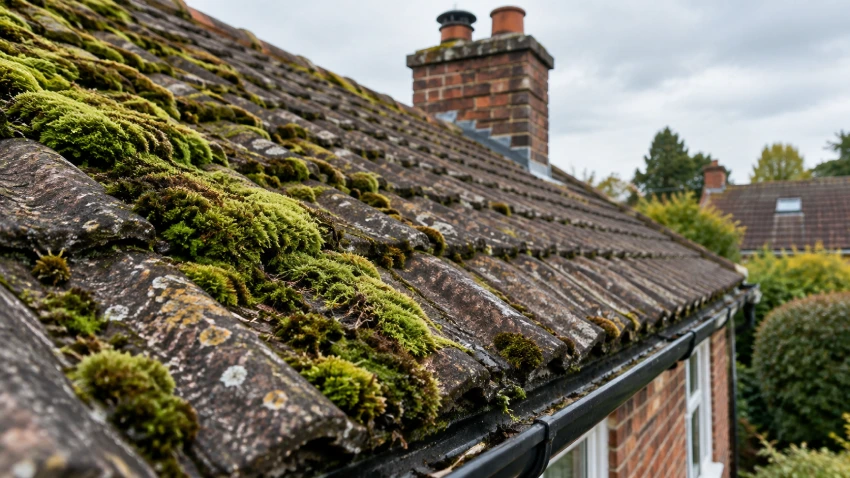
Residential roofing often includes tiled slopes, slate sections, flat roof extensions, dormers, gutters, valleys, chimneys, and shaded roof faces. Moss may grow heavily on one side of the property while another roof section remains clear.
A & A Roofing London treats moss as part of the overall roof condition. The inspection checks whether moss is mainly cosmetic, whether it is holding moisture, whether it is entering drainage routes, and whether roof tiles or slates are already damaged.
Roof Moss Removal Uk Is Moss Damaging Roof Tiles should therefore be answered case by case. Light surface moss on sound tiles may not require urgent removal. Moss blocking water flow, hiding damaged coverings, or sitting above damp internal signs needs a practical roofing response.
Roof Moss Removal Uk Is Moss Damaging Roof Tiles Area Coverage
Local roof layout, tree cover, shaded roof slopes, roof pitch, drainage, and property age all affect moss growth and safe removal. A & A Roofing London covers North London, Essex, and the Hertfordshire borders, helping homeowners check whether moss is cosmetic, drainage-related, or linked to hidden roof damage.
North London
In North London, Roof Moss Removal Uk Is Moss Damaging Roof Tiles often applies to tiled roofs, slate sections, rear extensions, dormers, gutters, valleys, and shaded roof faces. A & A Roofing London can inspect whether moss is affecting drainage, concealing damaged tiles, or contributing to damp before any cleaning method is chosen.
Hertfordshire Borders
Across the Hertfordshire borders, Roof Moss Removal Uk Is Moss Damaging Roof Tiles may involve tree shade, older tile roofs, slate maintenance, gutter debris, and moss build-up near valleys. A & A Roofing London checks the roof covering, drainage route, moss level, and internal damp evidence before recommending maintenance, repair, restoration, or replacement.
Essex
In Essex, Roof Moss Removal Uk Is Moss Damaging Roof Tiles can become more noticeable after wet weather, frost, roof ageing, or repeated gutter overflow. A & A Roofing London can review tile surfaces, slate sections, flat roofs, gutters, valleys, and roof edges to decide whether moss removal is needed and how it should be handled safely.
Final Roofing Decision
Roof Moss Removal Uk Is Moss Damaging Roof Tiles has a clear answer: moss is not always damaging, but it becomes a problem when it blocks drainage, hides defects, traps moisture around vulnerable details, or encourages unsafe cleaning. The method matters as much as the moss itself.
A & A Roofing London can review roof maintenance in the UK by checking moss growth, tile condition, slate condition, gutters, valleys, flat roof outlets, flashings, damp evidence, and safe access. That gives homeowners a practical decision: leave light moss alone, manage drainage, repair damaged areas, restore a suitable roof, or replace sections that have moved beyond maintenance.
FAQs About Roof Moss Removal Uk Is Moss Damaging Roof Tiles
Is moss always damaging roof tiles?
No. Moss is not always damaging roof tiles. NFRC says moss on roof tiles is rarely a problem in most cases and usually only needs removal where it blocks gutters, outlets, or other drainage points. The risk increases when moss holds debris in drainage routes, hides cracked tiles, or appears with leaks and damp patches. A & A Roofing London checks the condition of the roof before recommending removal.
When should roof moss be removed?
Roof moss should be removed when it is blocking gutters, outlets, valleys, or other roof drainage routes, or when it hides defects that need inspection. Removal may also be considered during roof restoration where the roof is suitable and the method will not damage the covering. A & A Roofing London checks whether moss is causing an actual roofing problem before recommending cleaning, because cosmetic removal alone can be unnecessary.
Can pressure washing damage roof tiles?
Yes, pressure washing can damage roof tiles when used aggressively or on the wrong roof condition. NFRC warns that inappropriate moss-removal methods can damage roof coverings. High-pressure cleaning may disturb tiles, remove surface protection, force water beneath laps, or expose weak materials. A & A Roofing London assesses roof type, tile age, surface condition, access, and drainage before advising on any moss removal method.
Is roof moss removal safe for homeowners?
Roof moss removal is not a safe DIY task for most homeowners. HSE roof-work guidance covers cleaning as well as repair and maintenance, and it warns that roof work is high risk. HSE also says work on or near fragile roof surfaces requires proper precautions. Homeowners should avoid walking on tiles or slates and should not rely on a ladder for awkward roof cleaning.
Can moss cause roof leaks?
Moss can contribute to leaks indirectly. It may block gutters, valleys, and outlets, which causes water to back up under tiles, slates, flashings, or roof edges. Moss can also hide cracked tiles or loose slates until heavy rain exposes the defect. A & A Roofing London checks the leak route before blaming moss because the source may be flashing failure, broken coverings, poor workmanship, or roof drainage problems.
Does moss damage slate roofs?
Moss can affect slate roofs when it holds moisture, collects debris, blocks drainage, or hides slipped and cracked slates. Slate roofs also need careful access because slates can be damaged by foot traffic or harsh cleaning. A & A Roofing London checks slate condition, fixings, laps, moss level, gutters, valleys, and internal damp before advising whether cleaning, slate maintenance, repair, or restoration is appropriate.
Should moss removal be part of roof restoration?
Moss removal can be part of roof restoration, but only after the roof has been inspected. Restoration should not start by stripping moss from a roof that has cracked tiles, failed slates, leaks, weak battens, or unsafe access. A & A Roofing London checks whether the roof is sound enough for restoration and whether moss is affecting drainage or concealing defects before planning the work.
Could moss mean the roof needs replacing?
Moss alone does not usually mean the roof needs replacing. Replacement becomes more likely when moss appears with widespread tile failure, recurring leaks, failed underlay, decayed battens, structural sagging, or repeated drainage problems. Planning Portal explains that larger repair or re-covering work can trigger Building Regulations considerations depending on scope, structural changes, fire performance, and roof-covering weight.