
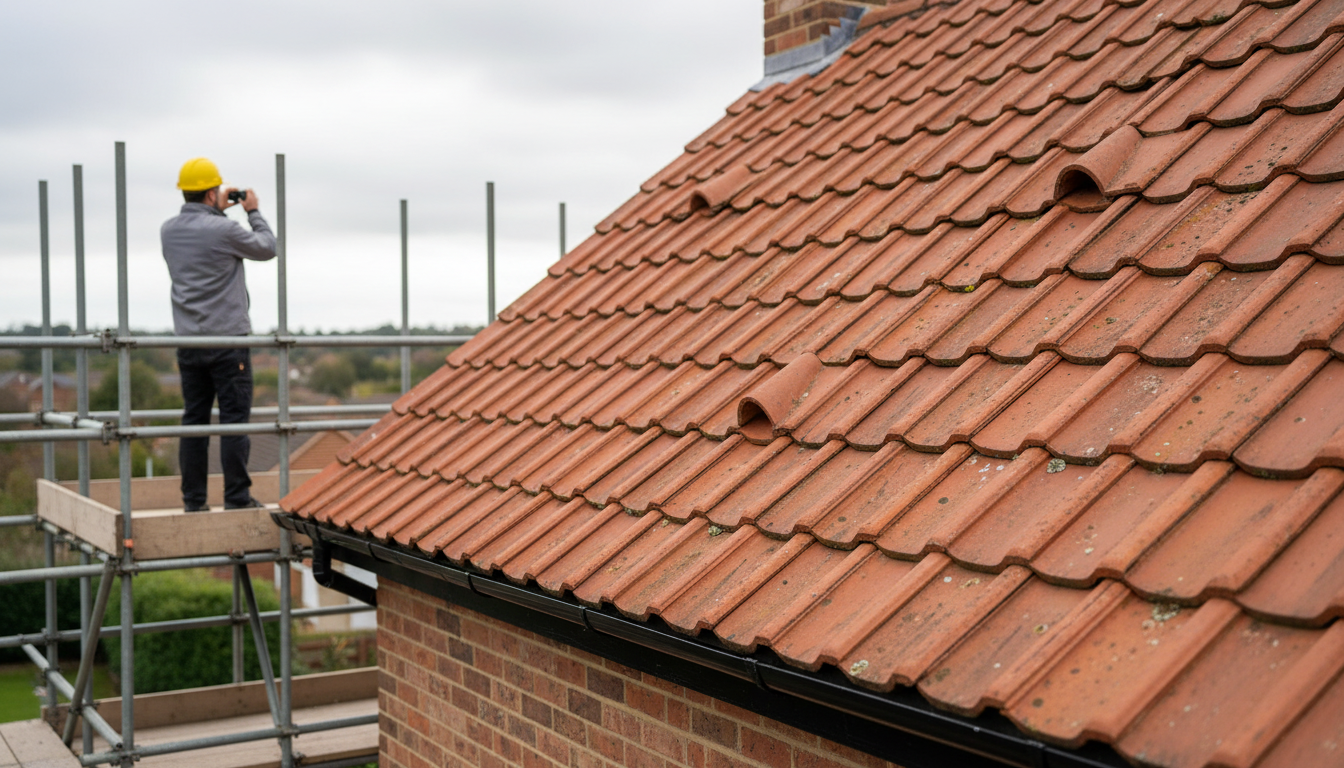
Tiled Roof Maintenance for UK Homes
admin2026-05-10T10:03:42+00:00BLOG
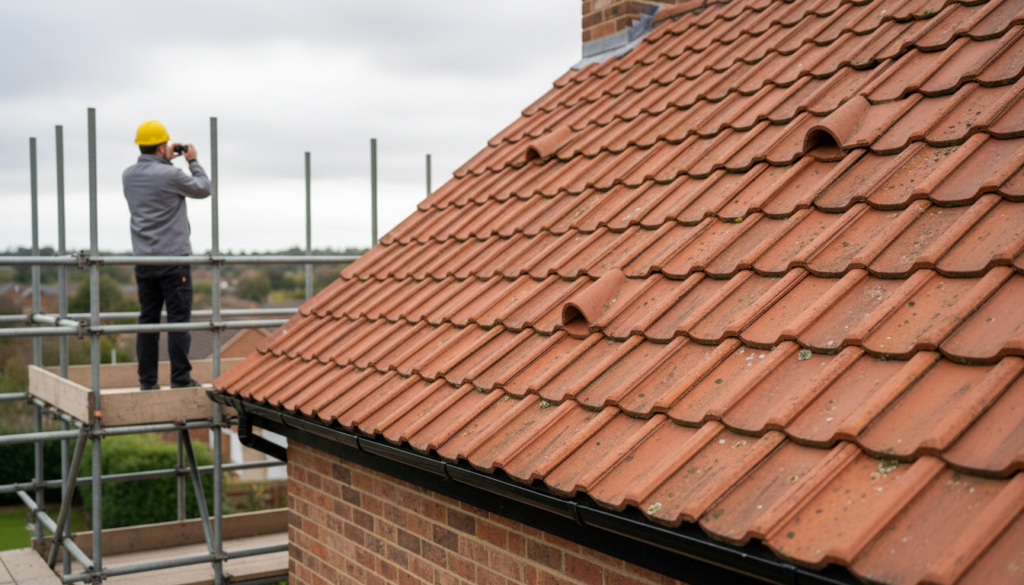
Tiled Roof Maintenance for UK Homes
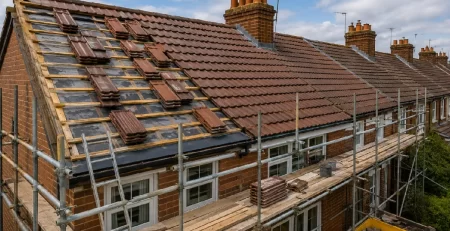
Proper tiled roof maintenance for UK homes is essential for protecting your property against Britain’s challenging weather conditions. Clay and concrete tiled roofs are durable and long-lasting, but without regular care they can suffer from cracked tiles, moss growth, water ingress, and structural damage. Many costly roof repairs can be avoided simply by understanding how tiled roofs age and what maintenance they require.
This guide explains how to maintain a tiled roof in the UK climate, what warning signs to watch for, common mistakes homeowners make, and when professional help is necessary. Whether your roof is decades old or relatively new, these insights will help extend its lifespan and keep your home weatherproof.
Why Tiled Roof Maintenance Is Important in the UK
Tiled roofs are designed to cope with rain and wind, but they are not maintenance-free. In the UK, persistent moisture encourages moss and algae, while freeze–thaw cycles can weaken tiles over time. High winds can dislodge ridge tiles, and blocked gutters can cause water to back up beneath the roof covering.
Homeowners who ignore maintenance often encounter preventable issues such as leaks and internal damp. These problems are frequently linked to common roofing problems that begin small and worsen gradually. Regular maintenance helps identify minor defects before they develop into expensive structural repairs or the need for a full roof replacement in the UK.
Understanding Tiled Roofs in UK Properties
Clay vs Concrete Roof Tiles
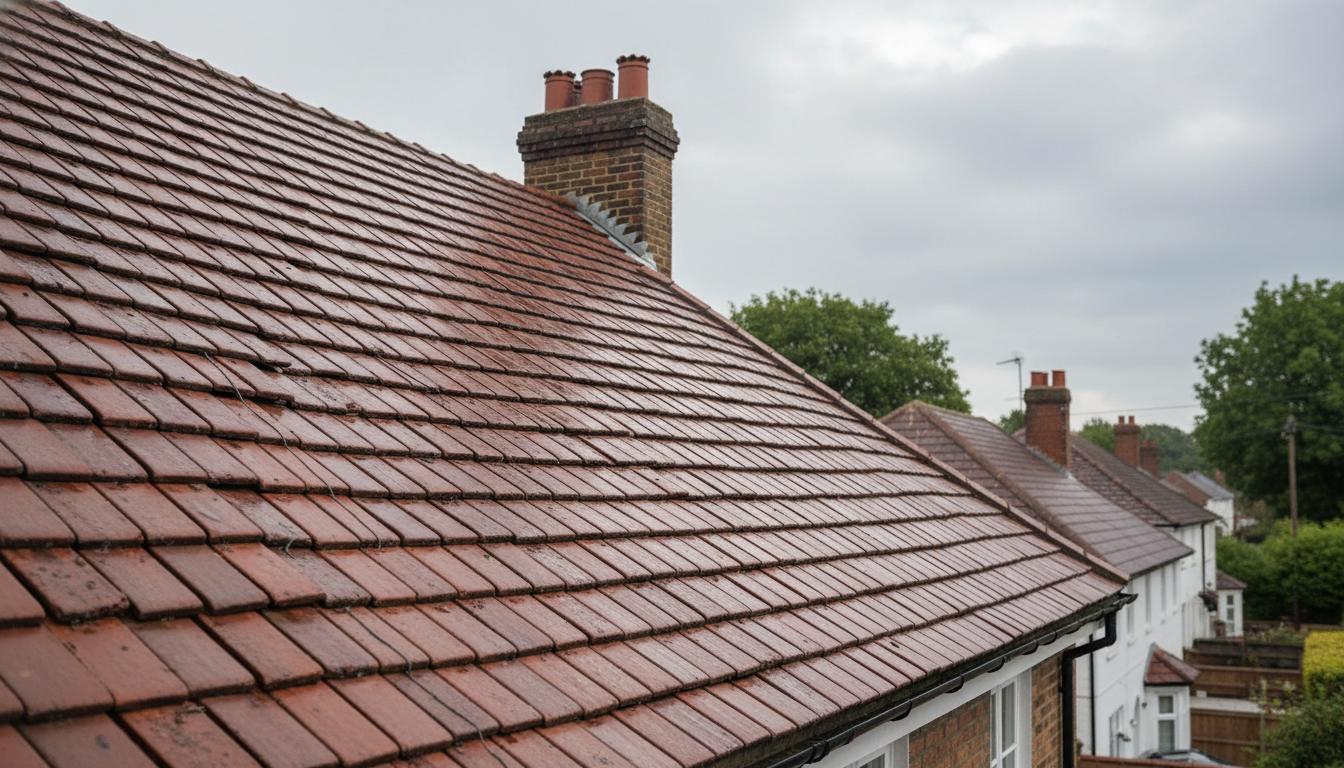
Most tiled roofs in the UK use either clay or concrete tiles. While both perform well, they have slightly different maintenance needs.
Clay tiles are highly durable and resistant to fading but can be brittle with age.
Concrete tiles are more impact-resistant but can become porous over time, encouraging moss growth.
Both types rely on correct installation and routine checks. Professional tile roofing services ensure tiles are fitted correctly, which greatly reduces long-term maintenance issues.
Routine Tiled Roof Maintenance Tasks
Visual Inspections
A basic visual inspection should be carried out at least twice a year—ideally in spring and autumn. From ground level, look for:
Slipped or missing tiles
Uneven roof lines
After storms, it is particularly important to check for visible damage, as highlighted in how to spot roof damage after a storm.
Keeping Gutters and Valleys Clear
Blocked gutters and roof valleys are a major cause of water-related damage. Leaves, moss, and debris prevent water from draining away properly, allowing moisture to penetrate beneath tiles. Regular gutter maintenance reduces the risk of leaks and internal damp, especially during heavy rainfall.
Moss and Algae Control
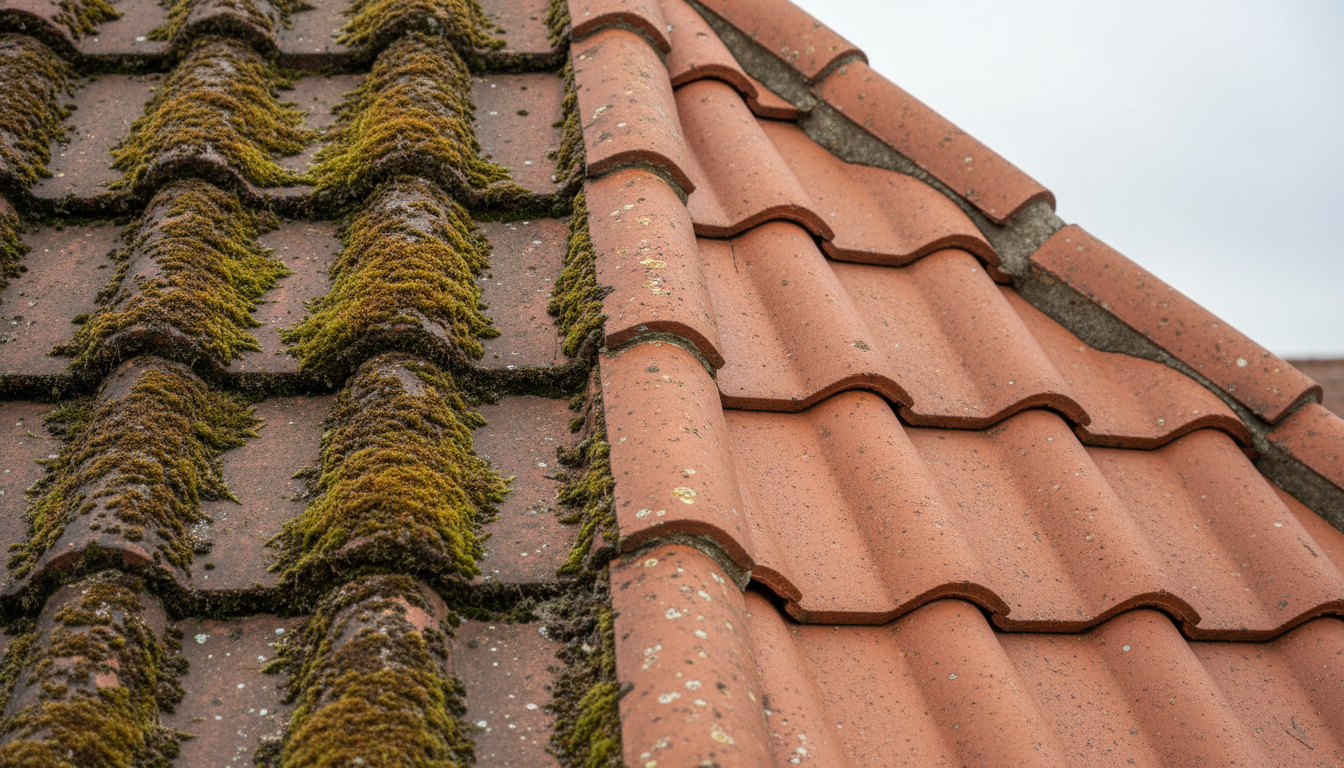
Moss is one of the most common tiled roof issues in the UK. While it may appear harmless, moss retains moisture, increasing tile deterioration and lifting tiles during frost.
Homeowners should never pressure-wash tiles, as this can strip protective surfaces and force water beneath the roof covering. Guidance on preventing moss is covered in roof moss prevention, which explains safer long-term solutions.
Common Maintenance Mistakes Homeowners Make
Attempting DIY Repairs at Height
Working on a roof without proper training or safety equipment is dangerous. Many accidents occur when homeowners attempt simple tile replacements or cleaning tasks. Even minor mistakes can crack tiles or compromise the underlay.
This is why understanding DIY roof maintenance vs professional work is essential before attempting any hands-on repairs.
Ignoring Small Issues
A single cracked tile may not seem urgent, but it allows water to reach battens and felt beneath the roof. Over time, this leads to rot and widespread damage. Addressing early warning signs can significantly extend roof life, as explained in roof lifespan factors.
Using Incompatible Replacement Tiles
Replacing tiles with the wrong size, profile, or material can cause alignment issues and water ingress. Older UK homes often require specific tile types that must be carefully matched.
Seasonal Maintenance for Tiled Roofs
Spring and Summer
Check for winter storm damage
Remove moss and debris safely
Inspect flashing and ridge tiles
Spring is an ideal time to arrange a professional inspection using a roof inspection checklist.
Autumn and Winter
Clear gutters and downpipes
Ensure tiles are secure before high winds
Monitor loft spaces for signs of leaks
Preventative maintenance before winter reduces the risk of emergency repairs during adverse weather.
Costs, Longevity, and Maintenance Planning
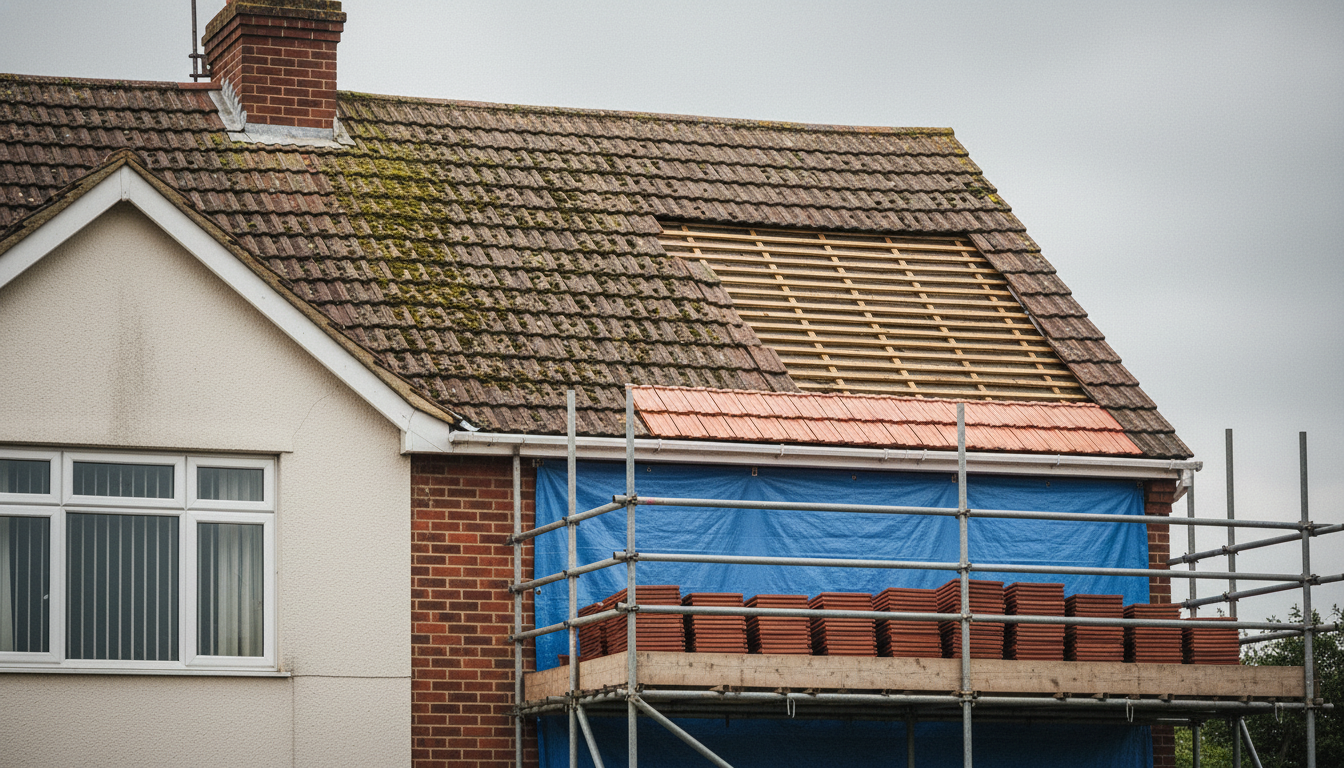
Maintaining a tiled roof is far more cost-effective than replacing one prematurely. Minor repairs and routine inspections cost significantly less than addressing extensive water damage or structural decay.
Homeowners planning long-term budgets should understand how maintenance impacts costs, which are explained in what influences roofing prices in the UK. A well-maintained tiled roof can last several decades longer than a neglected one, preserving both comfort and property value.
When to Call a Professional Roofer
Certain situations always require professional expertise:
Replacing multiple or broken tiles
Repairing ridge tiles or valleys
Investigating persistent leaks or damp
Carrying out inspections on older or listed buildings
A qualified roofer ensures safe access, correct materials, and compliance with UK building standards. If you are unsure about the condition of your roof, arranging a full roof inspection is often the most reliable way to assess maintenance needs.
Conclusion
Tiled roof maintenance for UK homes is not just about fixing visible damage—it is about preventing problems before they start. Regular inspections, careful cleaning, and timely repairs help tiled roofs withstand the UK’s demanding climate and deliver decades of reliable protection.
By avoiding common mistakes and seeking professional support when needed, homeowners can significantly extend the life of their tiled roof, reduce long-term costs, and protect their property’s value. Consistent maintenance remains the key to ensuring tiled roofs continue to perform as intended for years to come.


Comment (1)
[…] tile-specific maintenance planning, tile surface upkeep markers and tiled covering routine checks give useful supporting […]
Comments are closed.