
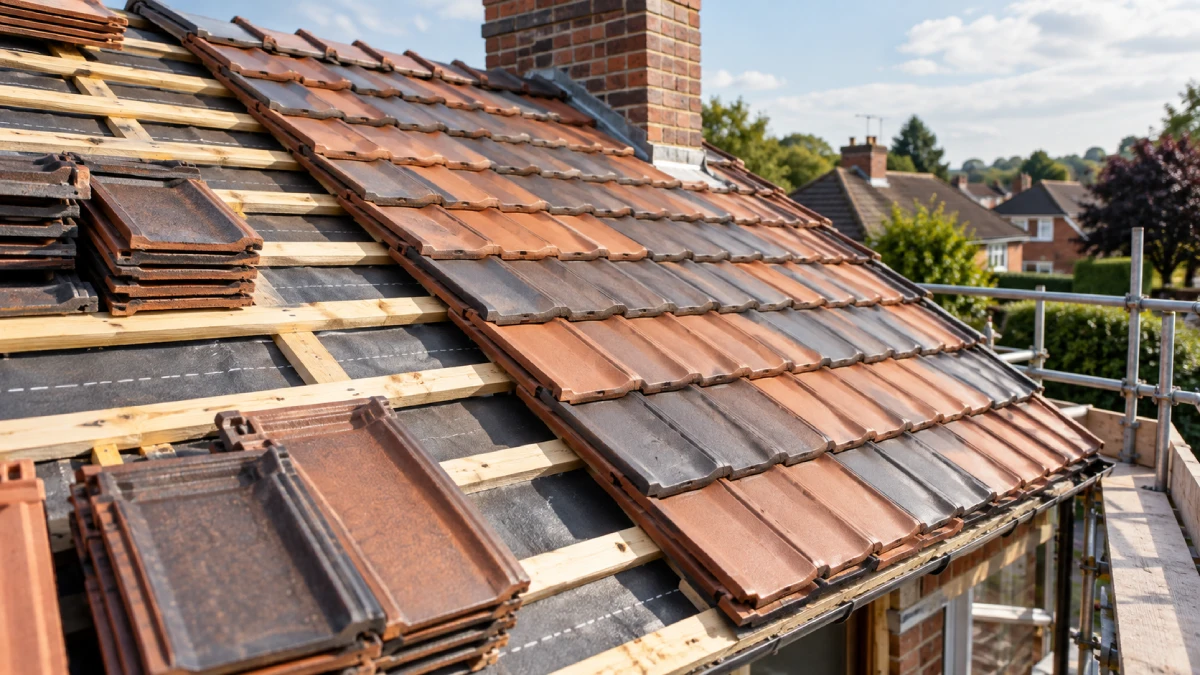
Tile Roof Installation UK Costs Expert Advice
Tile Roof Installation UK Costs Expert Advice starts with one important point: the cost of a tiled roof is not only the price of the tiles. A proper installation depends on roof pitch, structure, tile type, battens, underlay, fixings, ventilation, insulation, ridges, hips, valleys, gutters, leadwork, access, scaffolding, waste removal, and hidden roof damage. A & A Roofing London helps homeowners across London, Essex, and the Hertfordshire borders plan tile roof installation with the right specification, not a guess based only on roof size or tile style.
Quick Check: Before choosing clay, concrete, interlocking, or plain roof tiles, ask A & A Roofing London to review expert roofing installation in London around roof pitch, tile weight, drainage, access, underlay, and long-term maintenance.
Tile Roof Installation UK Costs Expert Advice
Tile Roof Installation UK Costs Expert Advice should begin before tiles are ordered. A tiled roof has to suit the roof pitch, structural loading, weather exposure, drainage route, underlay, fixings, insulation, ventilation, and the property’s appearance. Planning Portal says full details are needed to demonstrate Building Regulations compliance for a new roof, including materials, dimensions, and performance properties. It also states that, on a pitched roof, the type of tile or slate used is partly governed by how steep or shallow the roof is.
| Installation factor | Why it matters | Cost impact |
| Roof pitch | Tiles must suit the roof slope and lap requirements | Affects tile type, fixing, detailing, and labour |
| Tile type | Clay, concrete, plain, and interlocking tiles differ in handling and layout | Affects material allowance and installation method |
| Roof shape | Hips, valleys, dormers, chimneys, and rooflights add detailing | More cutting, flashing, and junction work |
| Structure | Rafters, battens, and load path must suit the covering | May need inspection or strengthening advice |
| Underlay and battens | Hidden layers support weather protection | Replacement affects scope |
| Access | Terraces, rear roofs, height, and restricted access affect setup | Scaffolding and labour planning change |
| Drainage | Gutters, valleys, and downpipes must handle rainfall | Poor water flow can damage new work |
| Insulation and ventilation | Moisture and heat-loss control must be planned | Can affect Building Regulations and build-up |
A & A Roofing London checks these details before recommending tile installation, repair, restoration, or replacement. That helps avoid a common mistake: choosing roof tiles for appearance while ignoring the pitch, structure, water flow, and hidden roof layers that decide whether the installation will perform.
Tile Roofing Installation Basics
Tile roofing installation is built as a system. The visible tiles are only the outer layer. Beneath them are battens, underlay, rafters, ventilation paths, fixings, and roof junctions that all affect performance.
A & A Roofing London works as tile roof installers in London by checking the roof slope, tile type, batten layout, underlay condition, ridge and hip details, valleys, gutters, roof edges, chimneys, and internal damp evidence. This is especially important on older homes where the existing roof may have hidden defects behind the visible covering.
For homeowners who want to understand the installation sequence, tile roof build-up workflow is the closest supporting topic. It helps explain the stages behind tile setting, underlay, battens, and finishing details without replacing a roof inspection.
Tile Roof Cost Factors
Tile roof installation cost depends on what the job includes. A basic material comparison is not enough because access, roof shape, hidden damage, tile choice, insulation, ventilation, leadwork, and waste removal can all change the final scope.
Citizens Advice recommends getting a quote before choosing a trader and explains that a quote is a fixed price promise for the described work, unlike an estimate. It also recommends keeping written details of what the trader says they will do.
| Cost factor | Why it changes the price |
| Tile selection | Different tiles vary in weight, format, fixing, and handling |
| Roof area and shape | More slopes, hips, valleys, verges, and dormers add labour |
| Access and scaffolding | Height, terraces, extensions, and rear access affect setup |
| Removal of old covering | Strip-off work, disposal, and protection affect scope |
| Battens and underlay | Hidden layers may need replacement once exposed |
| Leadwork and chimneys | Junctions require careful detailing |
| Gutters and drainage | Water flow must support the new roof covering |
| Insulation and ventilation | Roof work may trigger thermal and moisture-control checks |
| Workmanship standard | Poor installation can cause early leaks and repeat repairs |
For cost planning, tile roof cost components and roof tile material allowance factors are useful supporting references. They should be used as planning context, while the final quote should be based on inspection and the exact scope.
Choosing Roof Tiles for UK Homes
Choosing roof tiles should start with the building, not only the colour or style. The right tile has to suit the pitch, structural loading, local exposure, property appearance, fixing method, and maintenance expectations.
Planning Portal notes that if an existing roof covering is replaced with a different material, Building Regulations approval is likely to be needed to check structural stability, fire safety, and energy efficiency. That matters where a homeowner wants to change from slate to tiles, replace older concrete tiles, or alter the roof covering during re-roofing.
A & A Roofing London checks tile suitability before installation. For material selection, roof tile type categories and tile selection decision points are useful supporting topics. Where tile roofing is being compared with other coverings, UK roof covering comparison factors also helps frame the decision.
Slate Roofing Compared With Tile Installation
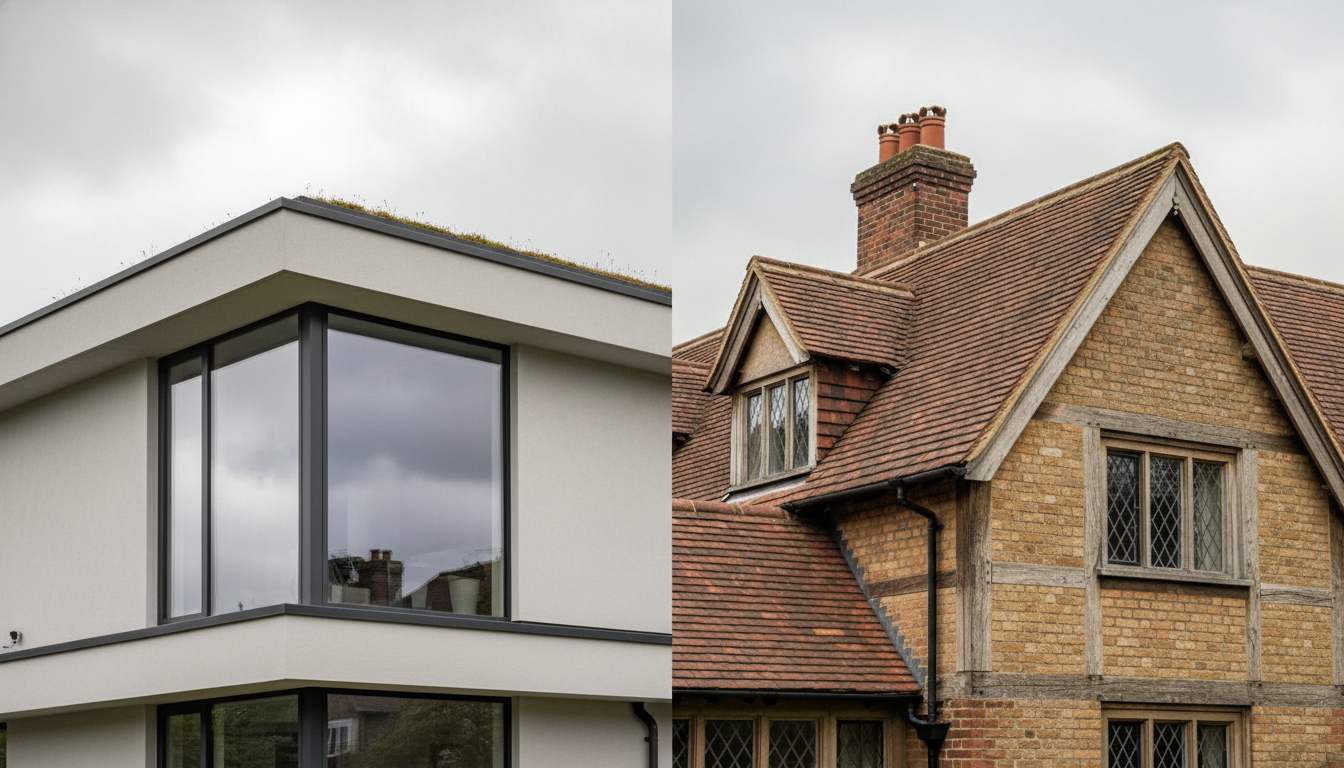
Slate roofing and tile roofing are both common pitched roof options, but they are not installed in the same way. Slate relies on laps, fixings, underlay, careful cutting, and often more sensitive detailing around older homes. Tile roofing may involve different weights, profiles, interlocks, and fixing requirements.
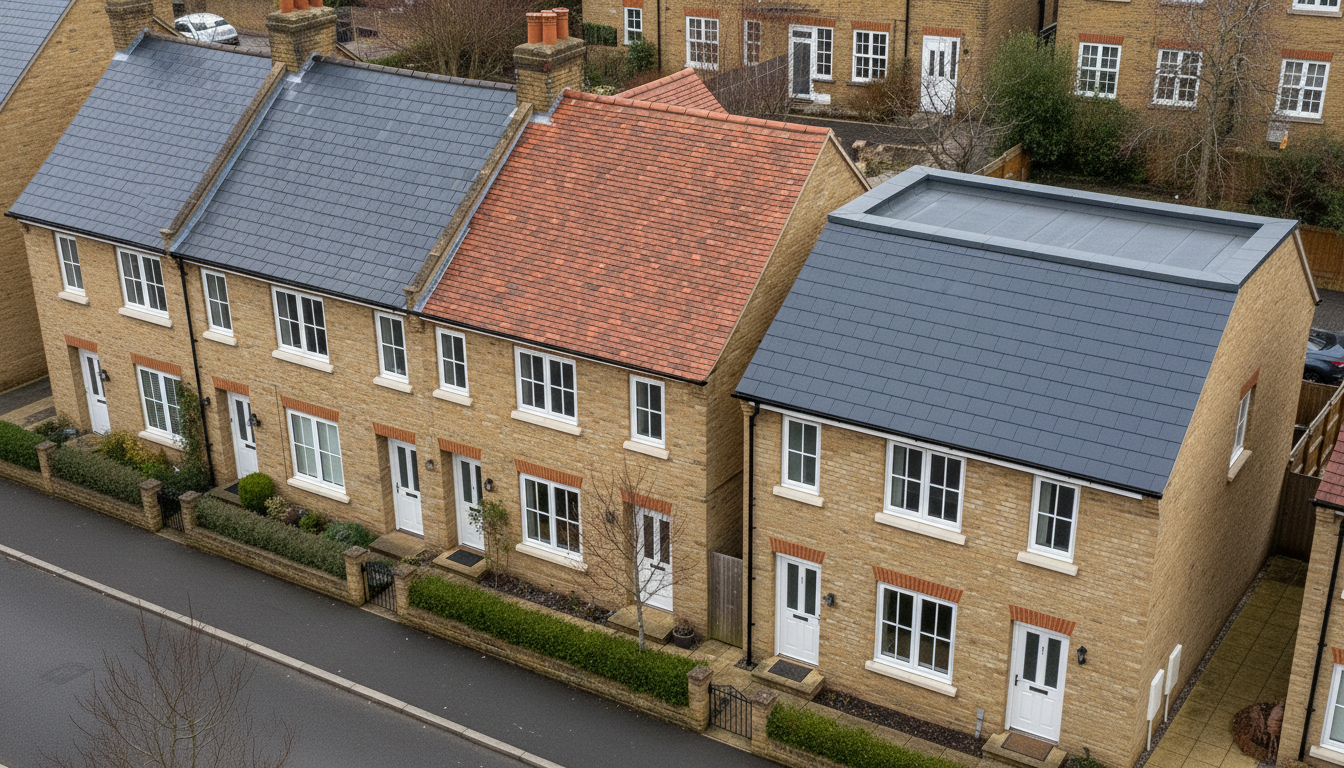
A & A Roofing London provides slate roof installation in London where slate is the better match for the property. The team checks pitch, structure, appearance, roof age, leadwork, ventilation, and surrounding roof materials before recommending slate or tile.
If the decision is between slate and tile, slate and tile covering differences and slate versus concrete tile factors are relevant. These links help compare materials without treating one covering as automatically suitable for every roof.
Flat Roofing and Tile Roof Projects
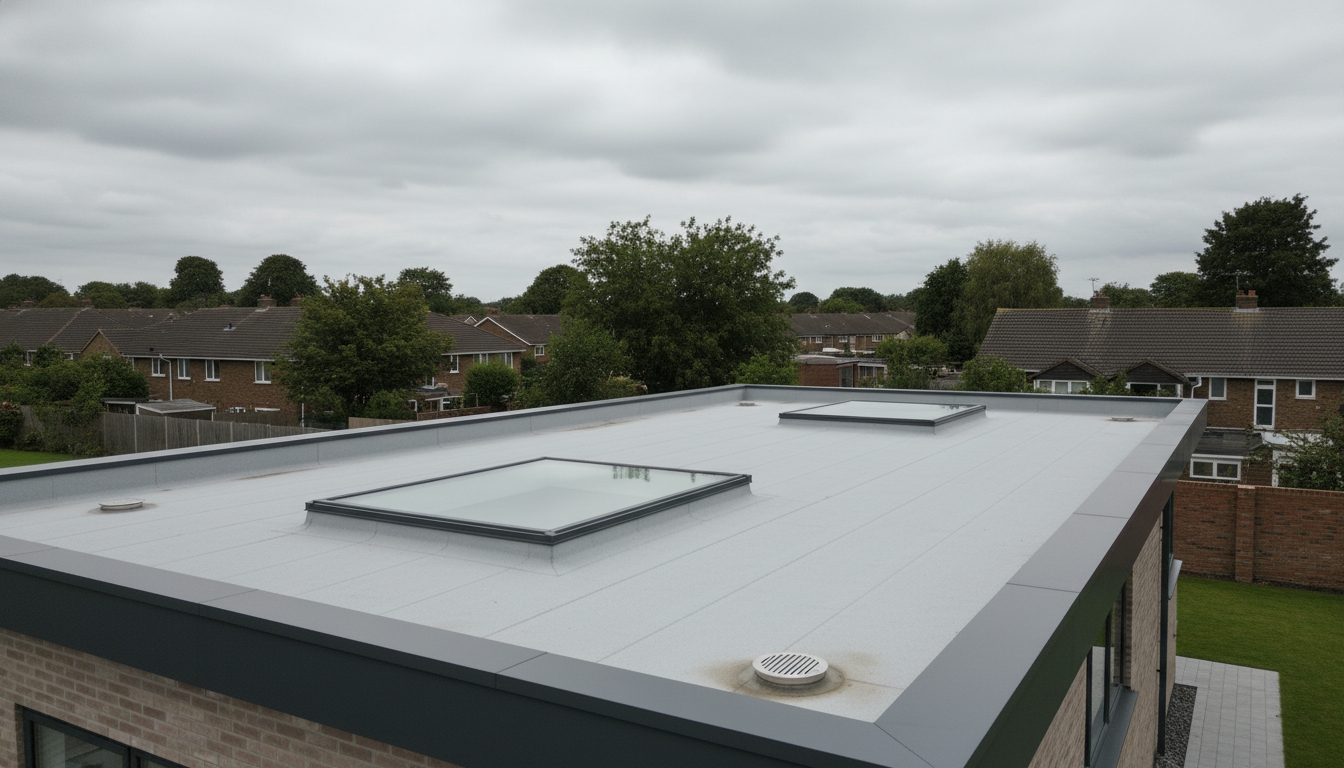
Flat roofing often appears alongside tile roof installation on UK homes. A property may have a tiled pitched main roof with a flat roof extension, dormer, garage, porch, or bay. Tile roof installation should consider where pitched roof water discharges onto flat roof areas below.
A & A Roofing London checks flat roof installation in London where the project includes lower flat roof sections or where a tiled roof drains onto a flat surface. The inspection reviews outlets, upstands, edge trims, ponding, waterproofing, and water from the pitched roof above.
Planning Portal notes that a flat roof usually has a slight fall so rainwater can drain away. That is why tile installation above flat roofs should include drainage planning, not only tile setting.
Pitched Roof Installation for Tiles
Tile roofing is mainly a pitched roof system. The pitch affects which tiles can be used, how they overlap, how water drains, and how details are fixed around valleys, verges, ridges, hips, chimneys, and rooflights.
A & A Roofing London checks pitched roof installation in the UK by reviewing the existing or proposed structure, tile suitability, roof slope, underlay, battens, fixings, insulation, ventilation, drainage, and junctions.
Planning Portal explains that roof loading includes materials such as tiles, battens, felt, and insulation, as well as other loads the roof must resist. Tile choice should therefore be assessed against structure and weight, especially when replacing a different roof covering.
Roof Replacement and Tile Installation
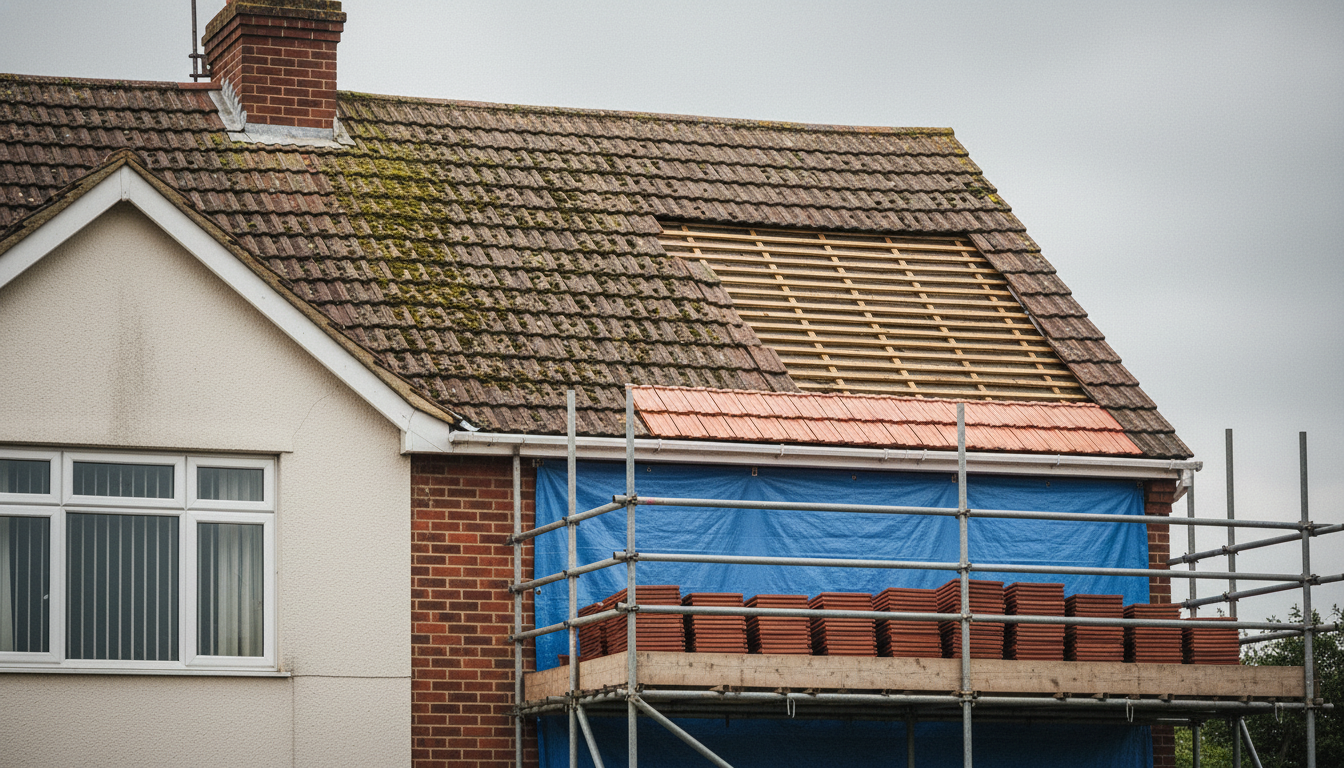
Tile roof installation is often part of wider roof replacement. If the old roof covering is removed, the hidden layers can be inspected properly: battens, underlay, rafters, insulation, ventilation gaps, chimney junctions, valleys, and roof edges.
A & A Roofing London checks roof replacement in the UK when tile installation is being considered after repeated leaks, storm damage, failed underlay, sagging, widespread tile failure, or poor workmanship.
Planning Portal says most roof replacement work on existing buildings needs Building Regulations approval, and re-covering should include improving thermal insulation because the roof is a thermal element. For replacement planning, replacement scope warning signs is a useful supporting topic.
Tile Lifespan and Long-Term Value
Tile roof installation should be judged over the life of the roof, not only the installation day. Lifespan depends on tile type, fixing, roof pitch, weather exposure, ventilation, drainage, maintenance, workmanship, and whether defects are corrected early.
A & A Roofing London considers long-term maintenance when recommending tile installation. A tile that is suitable for the roof pitch and structure, installed with correct underlay and drainage, should be easier to maintain than a tile chosen only for appearance.
For lifespan planning, tile roof lifespan variables, concrete tile durability factors, and clay tile ageing considerations are useful supporting references.
Tile Roofing Pros and Cons
Tile roofing has practical strengths and limits. It can suit many pitched roof homes, offers a wide range of styles, and works well when the pitch, fixings, underlay, and drainage are correct. It can also add weight, require careful detailing, and fail early if installation quality is poor.
| Tile roofing point | Practical meaning |
| Wide material choice | Clay, concrete, plain, and interlocking profiles suit different roofs |
| Pitch dependent | Tiles must match roof slope and manufacturer-style requirements |
| Weight matters | Structure should be suitable for the selected covering |
| Detail heavy | Valleys, hips, ridges, verges, and chimneys affect performance |
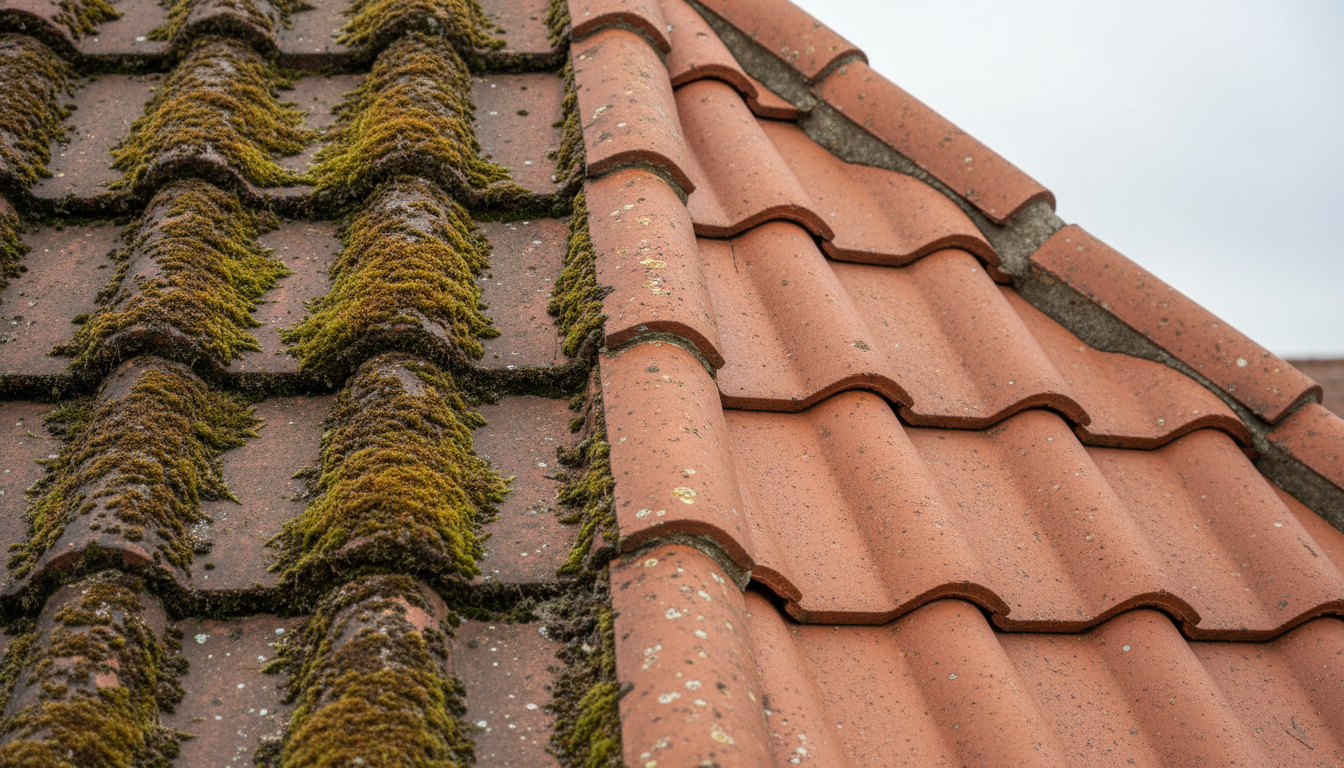
| Maintenance needed | Broken tiles, moss, gutters, and flashing should be checked |
| Workmanship sensitive | Poor fixing or bad detailing can cause early leaks |
For decision support, tile roofing performance trade-offs and tile roof value considerations can help homeowners compare benefits and limits in a practical way.
Tile Roof Maintenance After Installation
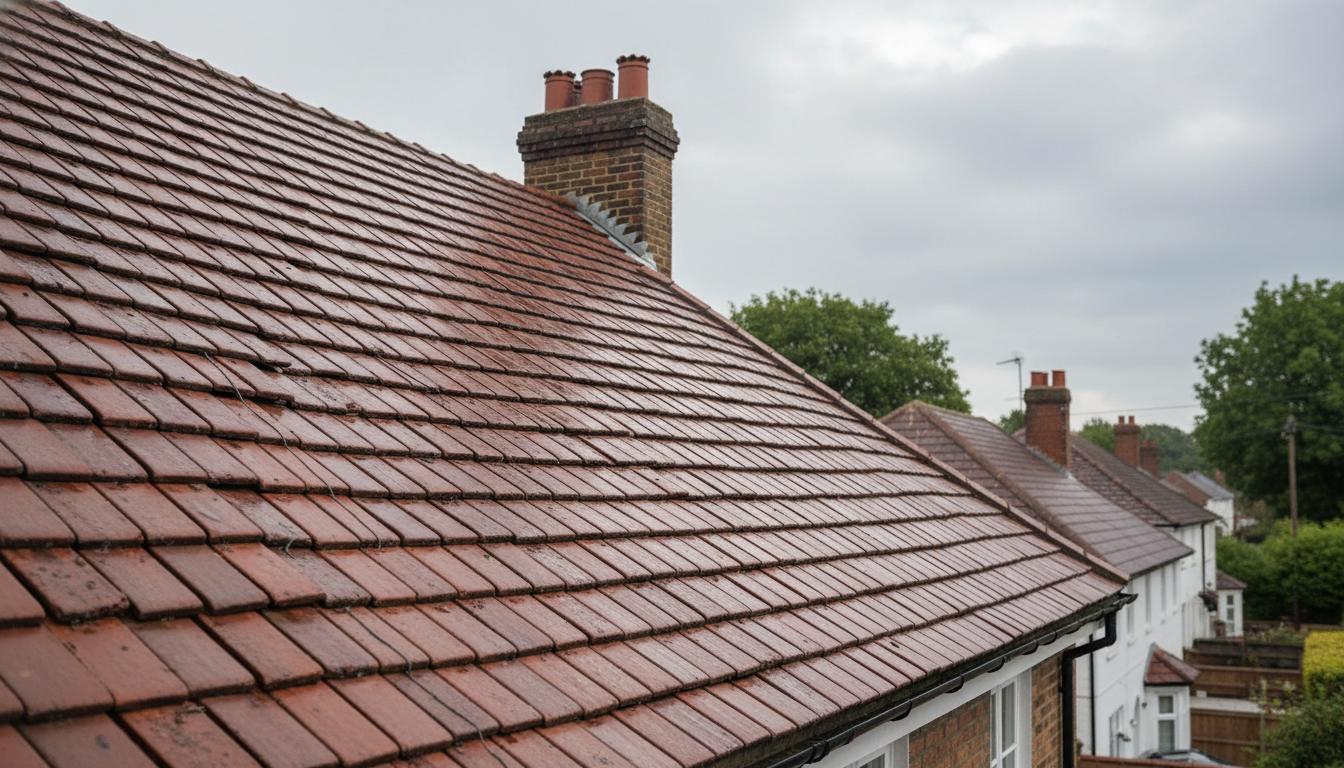
Tile roof installation should include a maintenance plan. New tiles do not remove the need for future checks around ridges, valleys, gutters, flashings, roof edges, and moss build-up.
A & A Roofing London checks whether the installed tiled roof has clear water routes, secure fixings, correct junction details, and safe access planning for future inspection. Maintenance matters because small tile movement or gutter blockage can become a leak if left unchecked.
For ongoing roof care, tile covering maintenance cycle and tiled roof upkeep checklist are relevant supporting references.
Insulation, Ventilation, and Tile Roof Build-Up
Tile roof installation should not ignore insulation and ventilation. A roof can have new tiles and still develop condensation problems if moisture control is poor. The roof build-up must allow heat-loss improvement and airflow planning where required.
Planning Portal states that significant changes to thermal elements such as roofs normally require Building Regulations approval and that insulation may need to be upgraded to a reasonable standard. It also notes that where insulation is placed between rafters in a roof without a ceiling, ventilation should be maintained, with ridge vent tiles potentially needed for through ventilation.
A & A Roofing London checks insulation and ventilation as part of tile roof work. For moisture planning, roof insulation build-up checks and roof-space ventilation requirements help explain why the hidden roof layers matter.
New Builds, Older Homes, and Tile Roofs
Tile roof installation differs between new builds and older homes. A new build or extension can be specified from the start, including structure, pitch, tile type, insulation, ventilation, drainage, and fire performance. Older homes often require condition checks before tiles are replaced.
A & A Roofing London reviews the existing roof before installation. Older properties may have tired battens, weak underlay, historic repairs, chimney defects, drainage issues, or structure that needs checking before new tiles are fitted.
For property-age planning, newer and older roof specification differences gives useful context. The right tile roof specification should match the building’s age, roof shape, and hidden condition.
Roof Materials and Weather Performance
UK weather should shape tile roof installation advice. Rain tests drainage, wind tests fixings and exposed edges, and frost can make existing cracks or trapped water more damaging.
A & A Roofing London checks tile selection against roof exposure, pitch, ridge details, valleys, gutters, and surrounding junctions. Where a property has open exposure or repeated storm issues, fixing detail and water-flow planning matter as much as tile appearance.
For material and weather planning, tile slate and flat roof option groups and roofing material cost categories are relevant supporting topics. These help compare tile roofing with other options before installation is agreed.
Poor Workmanship in Tile Installation
Poor workmanship can turn a new tile roof into an early repair problem. Warning signs include poor tile alignment, weak fixing, incorrect laps, missing or damaged underlay, shallow valleys, bad ridge work, poor flashing detail, gutter overflow, and messy junctions around chimneys or rooflights.
A & A Roofing London checks installation details before and during roof work so the finished tiled roof performs as intended. This includes the roof covering and the hidden support system beneath it.
HSE says roof work is high risk and that all roofs should be treated as fragile until a competent person confirms otherwise. It also identifies falls from roof edges, openings, fragile roofs, and fragile rooflights as major causes of death and injury. Tile roof installation should therefore be carried out with proper access, sequencing, and safety controls.
For quality review, roof installation defect checklist is a useful supporting topic.
Inspection Before Tile Roof Installation
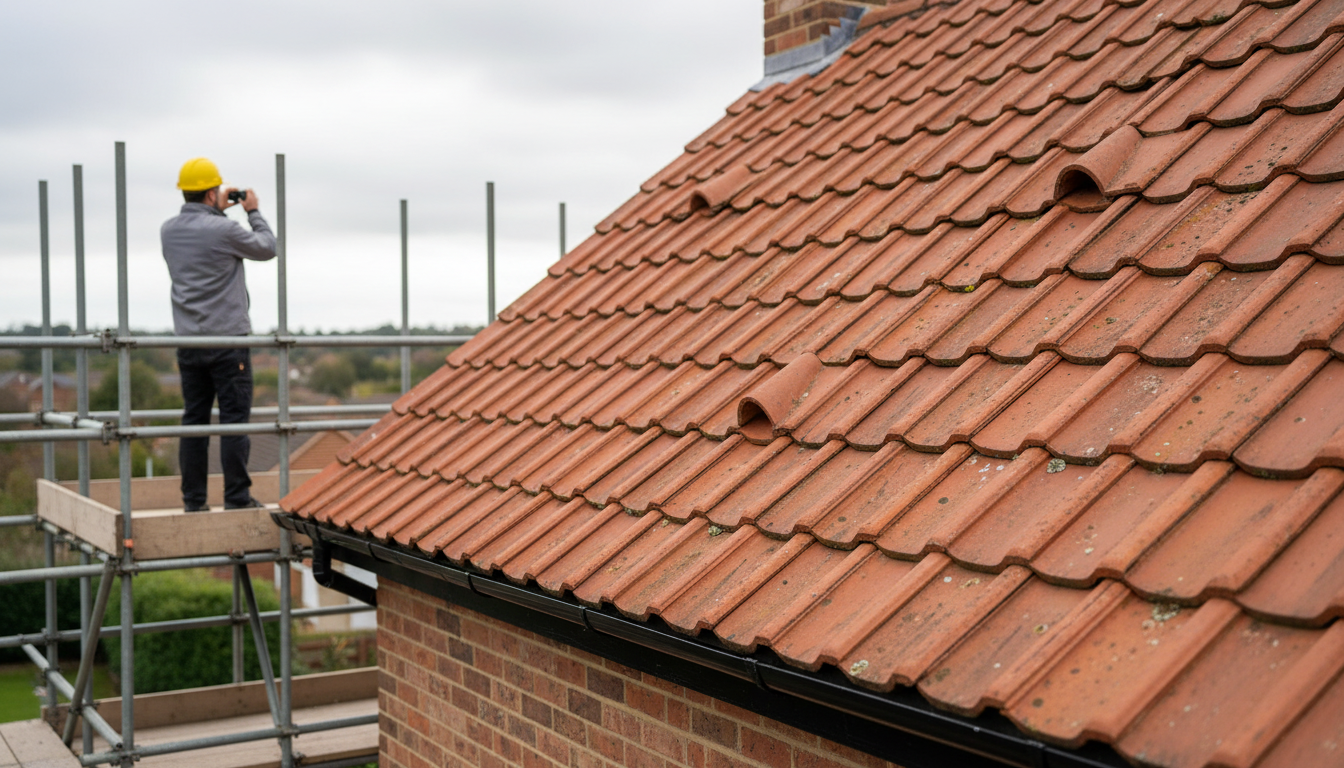
A tile roof installation quote should follow inspection. Without checking the roof, important cost factors may be missed: rotten battens, damaged underlay, poor ventilation, chimney leadwork, blocked valleys, weak rafters, roofline movement, gutter problems, access limits, or flat roof sections below.
A & A Roofing London inspects the roof before defining the final scope. That gives homeowners a clearer decision between repair, restoration, re-roofing, or full tile installation.
For preparation, roof inspection timing considerations and roof inspection item framework are useful supporting references.
Tile Roof Installation UK Costs Expert Advice Area Coverage
Local roof access, property age, roof pitch, existing covering, extensions, chimneys, drainage, and weather exposure all affect tile roof installation. A & A Roofing London covers North London, Essex, and the Hertfordshire borders, helping homeowners plan tiled roofing work with the right materials, access, inspection, and replacement scope.
North London
In North London, Tile Roof Installation UK Costs Expert Advice often applies to terraced houses, rear extensions, older roof coverings, chimneys, valleys, shared rooflines, and limited access. A & A Roofing London can check whether tiled roof installation needs new battens, underlay, leadwork, gutter correction, ventilation, or wider replacement planning.
Hertfordshire Borders
Across the Hertfordshire borders, Tile Roof Installation UK Costs Expert Advice may involve tiled pitched roofs, older roof structures, moss, tree debris, exposed slopes, and previous repair work. A & A Roofing London reviews tile choice, roof pitch, drainage, roofline condition, access, and hidden layers before confirming the installation scope.
Essex
In Essex, Tile Roof Installation UK Costs Expert Advice can involve weather-exposed roof slopes, concrete or clay tile choices, flat roof sections below pitched roofs, gutter issues, and roof edges affected by wind and rain. A & A Roofing London can inspect structure, tile suitability, valleys, ridges, gutters, flashings, and internal damp evidence before installation begins.
Final Roofing Decision
Tile Roof Installation UK Costs Expert Advice should lead to a clear specification, not a rushed tile choice. The final cost depends on roof pitch, tile type, access, scaffolding, underlay, battens, ventilation, insulation, drainage, leadwork, chimneys, waste removal, and any hidden damage uncovered during inspection.
A & A Roofing London can provide expert roofing installation in London by checking the full roof system before work begins: tiles, structure, pitch, battens, underlay, fixings, ridges, valleys, gutters, leadwork, chimneys, ventilation, insulation, and future maintenance. That gives homeowners a practical route to tile roof installation, slate comparison, flat roof planning, pitched roof installation, roof replacement, or restoration based on the actual property.
FAQs About Tile Roof Installation UK Costs Expert Advice
What affects tile roof installation cost in the UK?
Tile roof installation cost is affected by roof size, pitch, tile type, access, scaffolding, roof shape, battens, underlay, fixings, insulation, ventilation, leadwork, chimneys, drainage, waste removal, and hidden damage. Citizens Advice recommends getting a quote rather than relying only on an estimate because a quote is a fixed price promise for the work described.
Do roof tiles need to match the roof pitch?
Yes. Planning Portal states that the type of tile or slate used on a pitched roof is partly governed by how steep or shallow the roof is. A & A Roofing London checks pitch before recommending tiles because poor tile selection can lead to water entry, fixing problems, or early maintenance issues.
Does tile roof installation need Building Regulations approval?
It can. Planning Portal says full details are needed to demonstrate Building Regulations compliance for a new roof. It also says replacing an existing roof covering with a different material is likely to need approval to check structural stability, fire safety, and energy efficiency. GOV.UK also lists replacing roof coverings on pitched and flat roofs as work that generally needs Building Regulations approval.
Should I choose clay or concrete roof tiles?
The right choice depends on roof pitch, structure, appearance, loading, exposure, budget scope, and maintenance expectations. A & A Roofing London checks the roof before advising because a tile that suits one property may not suit another roof shape or existing structure.
Can tile roof installation include insulation upgrades?
Yes, tile roof installation can involve insulation and ventilation checks, especially during re-roofing. Planning Portal states that significant changes to thermal elements such as roofs normally require Building Regulations approval and that insulation may need to be upgraded to a reasonable standard. A & A Roofing London checks ventilation with insulation so condensation risk is not built into the roof.
Is tile roof installation different from tile roof repair?
Yes. Tile roof repair usually addresses a local defect such as cracked, slipped, or missing tiles. Tile roof installation or replacement covers a wider system: tiles, battens, underlay, fixings, ridges, valleys, gutters, flashings, ventilation, and sometimes insulation. A & A Roofing London checks whether the issue is local or whether a full installation plan is more practical.
Why should the roof be inspected before a tile installation quote?
Inspection confirms the real scope. Without it, hidden problems such as rotten battens, failed underlay, poor ventilation, chimney leadwork, valley defects, drainage issues, roofline movement, and access restrictions may be missed. A & A Roofing London uses inspection findings to decide whether the work is repair, restoration, re-roofing, or full tile installation.
Is tile roof installation safe to do yourself?
No. Tile roof installation involves working at height, handling heavy materials, removing coverings, and working near fragile surfaces. HSE says roof work is high risk and that all roofs should be treated as fragile until a competent person confirms otherwise. Professional access and safety controls are part of proper tile roof installation.


Leave a Reply