
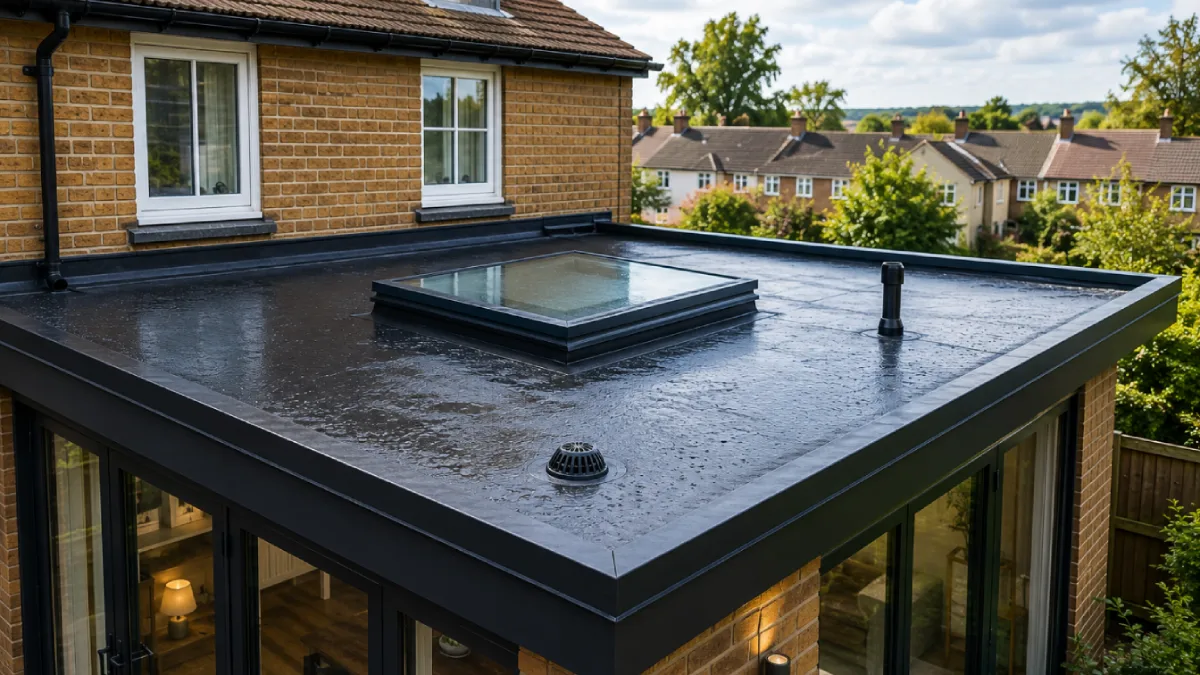
How Long Does a Flat Roof Last UK? Lifespan & Costs
Flat roofs do not fail simply because they are flat. They fail early when the covering, fall, drainage, insulation build-up, edges, flashing, or maintenance routine is wrong for the property. How Long Does a Flat Roof Last UK? The practical answer is usually 15–20 years for many felt systems, 25–30 years for GRP fibreglass, and 30–50+ years for well-installed EPDM, depending on workmanship and exposure.
For homes across London, Essex and the Hertfordshire borders, A & A Roofing London looks at the whole roof system, not just the visible surface, before advising repair, restoration, or replacement.
Quick Check: If your flat roof is ageing, holding water, or showing cracks, book a roof inspection in London with A & A Roofing London before a small defect becomes internal water damage.
How Long Does a Flat Roof Last UK?
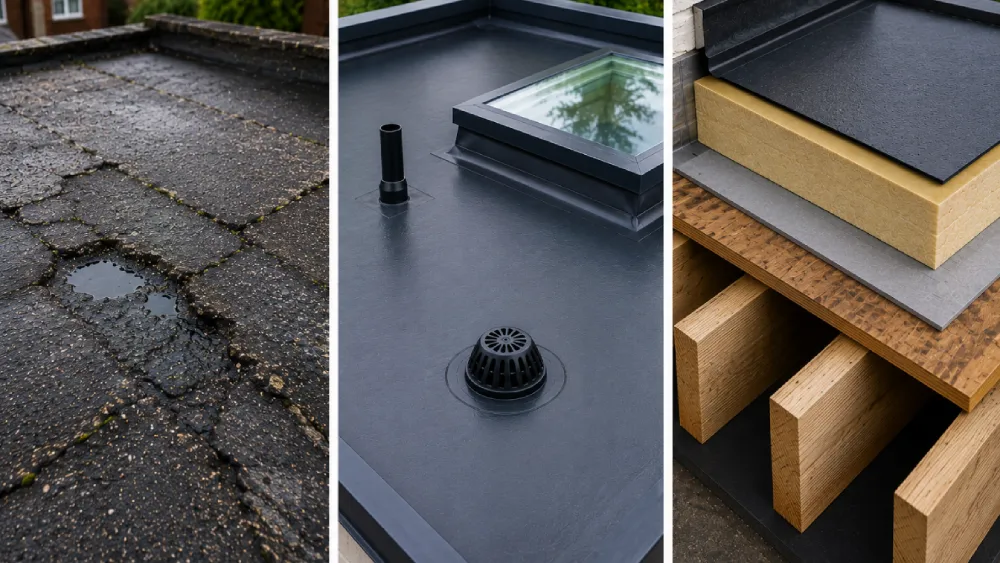
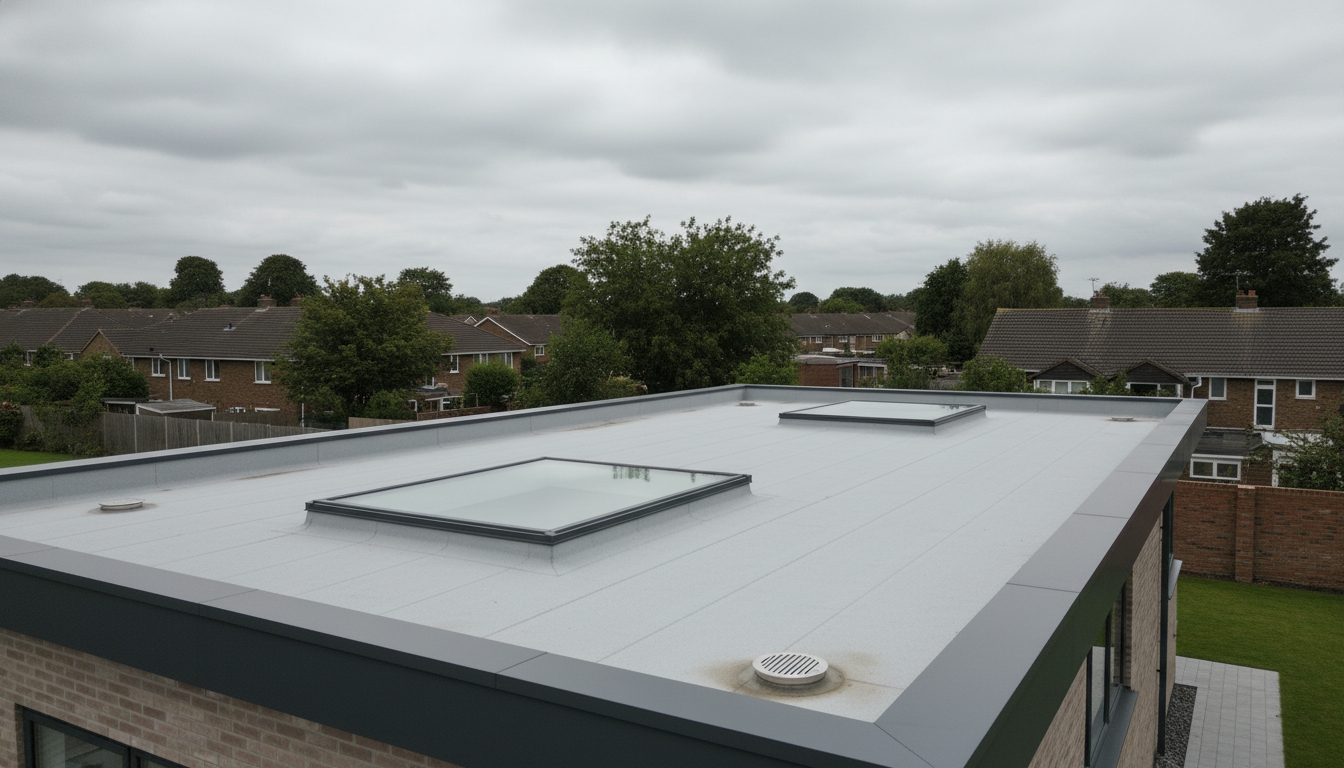
The lifespan of a flat roof in the UK depends first on the waterproofing system, then on how well the deck, falls, insulation, outlets, edges, and flashing were detailed. NFRC homeowner guidance identifies common domestic flat roof coverings including bituminous felt, EPDM rubber membranes, and liquid-applied systems such as GRP fibreglass.
| Flat roof system | Typical UK lifespan | What usually shortens its life | Best next step |
| Felt / modified bitumen | Around 15–20 years for many systems; some tested systems state 20+ years | UV ageing, splits, blisters, poor laps, ponding water | Inspect seams, upstands, outlets, and cap sheet condition |
| GRP fibreglass | Commonly around 25–30 years | Deck movement, poor curing conditions, worn topcoat, cracks at edges | Check surface cracks, trims, joints, and topcoat condition |
| EPDM rubber | Often 30–50+ years when correctly installed and maintained | Bad adhesion, poor perimeter detailing, punctures, outlet defects | Inspect edges, penetrations, drainage, and membrane bonding |
| Any flat roof with poor fall | Often much shorter than the material rating | Standing water, blocked outlets, overloaded gutters, thermal stress | Correct drainage before spending heavily on surface repairs |
IKO’s ULTRA Gold 20 bituminous system is BBA-certified with durability of at least 20 years, while EPDM industry research has reported properly installed and maintained EPDM membranes routinely delivering at least 38 years, with many installations exceeding 40–50 years. GRP fibreglass is commonly expected to last around 25–30 years in UK flat-roof comparisons.
For A & A Roofing London, the important point is not only the headline lifespan. A flat roof that should last 25 years can fail much sooner if rainwater sits around an outlet, if lead flashing pulls away from a wall, or if a cold roof build-up traps moisture. That is why a lifespan question should start with inspection rather than a guess from the ground.
Flat Roofing Lifespan Starts With Material Choice
A felt flat roof can still be a sensible option for garages, smaller extensions, and budget-conscious re-covering, but it needs correct laps, safe installation, sound decking, and clean outlets. Once felt reaches the later part of its lifespan, blisters, cracks, wrinkles, and exposed reinforcement usually matter more than age alone. For deeper condition reading, A & A Roofing London can connect visible defects with the underlying blistering and crack warning signs that often appear before a flat roof leak.
EPDM usually lasts longer because it is a flexible rubber membrane with fewer joints across many domestic roofs. Its lifespan still depends on adhesive work, edge trims, pipe penetrations, and whether foot traffic has damaged the surface. If the roof is already beyond patching, A & A Roofing London can assess whether replacement planning for flat roofs is more reliable than repeated short-term repairs.
GRP fibreglass gives a hard, clean finish, often suited to dormers, porches, extensions, and areas where a crisp edge detail matters. Its weak point is not usually the central surface; it is poor deck preparation, movement, edge detailing, or topcoat neglect. In UK conditions, a GRP flat roof should be checked for hairline cracks, worn topcoat, and stress around trims before assuming it has reached the end of its useful life.
Drainage Often Decides Flat Roof Lifespan
A flat roof is not meant to be completely level. Current flat-roof guidance places strong emphasis on falls and drainage; Bauder’s summary of BS 6229:2025 notes that the minimum completed fall on most flat roofs is 1:80, while Building Regulations Part H requires adequate provision for rainwater to be carried from the roof.
Poor water flow can shorten the lifespan of felt, EPDM, and GRP because ponding water concentrates dirt, algae, freeze-thaw stress, and UV wear in the same areas. A & A Roofing London checks outlets, gutters, falls, and abutments because the visible leak inside a room may start several metres away from the stained plasterboard. The damage pattern is easier to understand through poor roof water-flow damage pattern, especially on extensions and garages.
Blocked gutters also matter because water that cannot leave the roof can back up under edges, soak fascia boards, and overload weak perimeter details. This is why A & A Roofing London treats gutter condition as part of flat roof lifespan, not as a separate afterthought. Homeowners can use a blocked-gutter damage sequence to understand how a simple blockage can become a roof covering problem.
Warm Roof or Cold Roof Construction Matters
The covering is only one layer of the flat roof. The build-up beneath it affects condensation risk, insulation performance, deck condition, and long-term durability. A warm roof usually places insulation above the structural deck, while a cold roof places insulation below with ventilation requirements that must be handled correctly.
When the build-up is wrong, a flat roof can look acceptable outside while moisture damages the timber deck from within. That can make a surface repair misleading because the waterproofing may be sitting on a weakened substrate. A & A Roofing London considers the warm-and-cold roof differences before recommending a repair, restoration, or full replacement.
This is especially important during re-roofing. If a flat roof has reached the end of its lifespan, replacing only the membrane may miss the chance to correct insulation, deck damage, falls, or ventilation. That is where a proper survey protects the homeowner from paying twice.
Roof Repairs, Restoration, or Replacement?
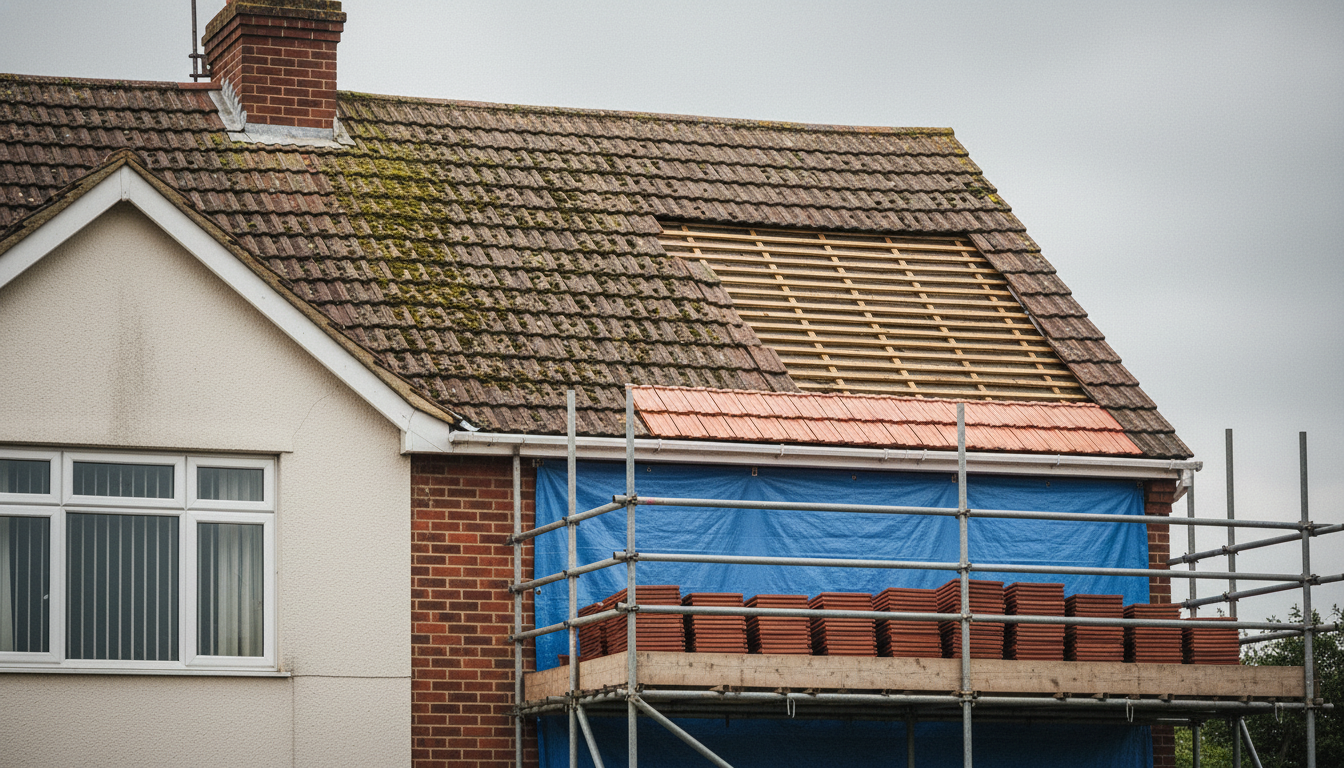
Not every ageing flat roof needs immediate replacement. A localised puncture, a split around an upstand, or a loose flashing detail may be repairable if the wider roof covering is still sound. The decision changes when the roof has repeated leaks, widespread blistering, soft decking, failed falls, or an old covering that has already passed its expected service life.
| Flat roof condition | What it usually means | Sensible action |
| One isolated puncture | Surface damage may be local | Targeted repair after checking deck condition |
| Several blisters or cracks | Ageing surface or trapped moisture | Survey before repair; restoration may be limited |
| Water ponding after rain | Fall, outlet, or drainage defect | Correct water flow, not just surface patching |
| Repeated leaks in different places | System-wide weakness likely | Compare restoration with replacement |
| Soft or springy deck | Moisture may have reached timber | Open-up inspection and likely renewal |
| Failed flashing near wall or chimney | Water can enter at junctions | Repair leadwork or flashing with roof covering |
A & A Roofing London uses this kind of patch-or-renew decision framework when a flat roof is no longer a simple repair call. If the roof still has a viable surface, flat roof restoration suitability factors may support a lower-disruption route. If the covering, deck, or drainage has failed more widely, end-of-life roof indicators point toward renewal instead of repeated patching.
A & A Roofing London also provides roof restoration planning where the roof still has a sound base and the work can extend service life without hiding structural problems. The key is honesty: restoration is useful only when the underlying flat roof can support it.
Lead Work, Chimneys, and Edge Details
Many flat roof leaks do not begin in the middle of the roof. They start where the flat roof meets a wall, chimney, parapet, skylight, vent, or fascia. These junctions move, expand, contract, and collect wind-driven rain, so they often decide whether the covering reaches its expected lifespan.
Lead work and flashing must be checked carefully because water can track behind a poorly dressed junction and appear inside as a ceiling leak. A & A Roofing London looks for cracks, lifting, poor chasing, failed sealant, and staining around abutments. The practical background is covered in flashing defect patterns and lead flashing function basics.
Chimneys also affect flat roof lifespan when nearby leadwork, soakers, render, or brickwork allows moisture into the roof edge. A flat roof can be renewed perfectly but still leak if the adjoining chimney or wall detail remains defective. That is why A & A Roofing London treats lead work, chimney junctions, and waterproofing as one connected system.
Tile, Slate, and Pitched Roof Context
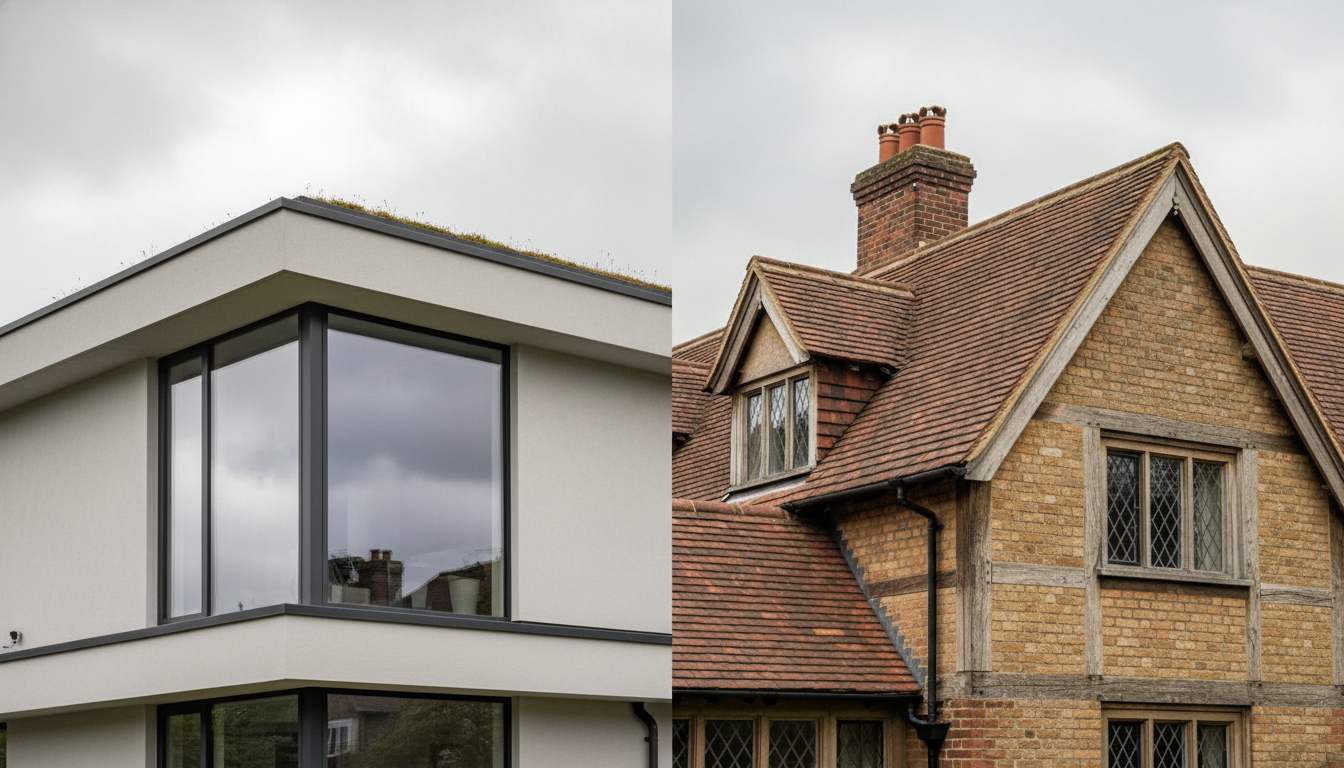
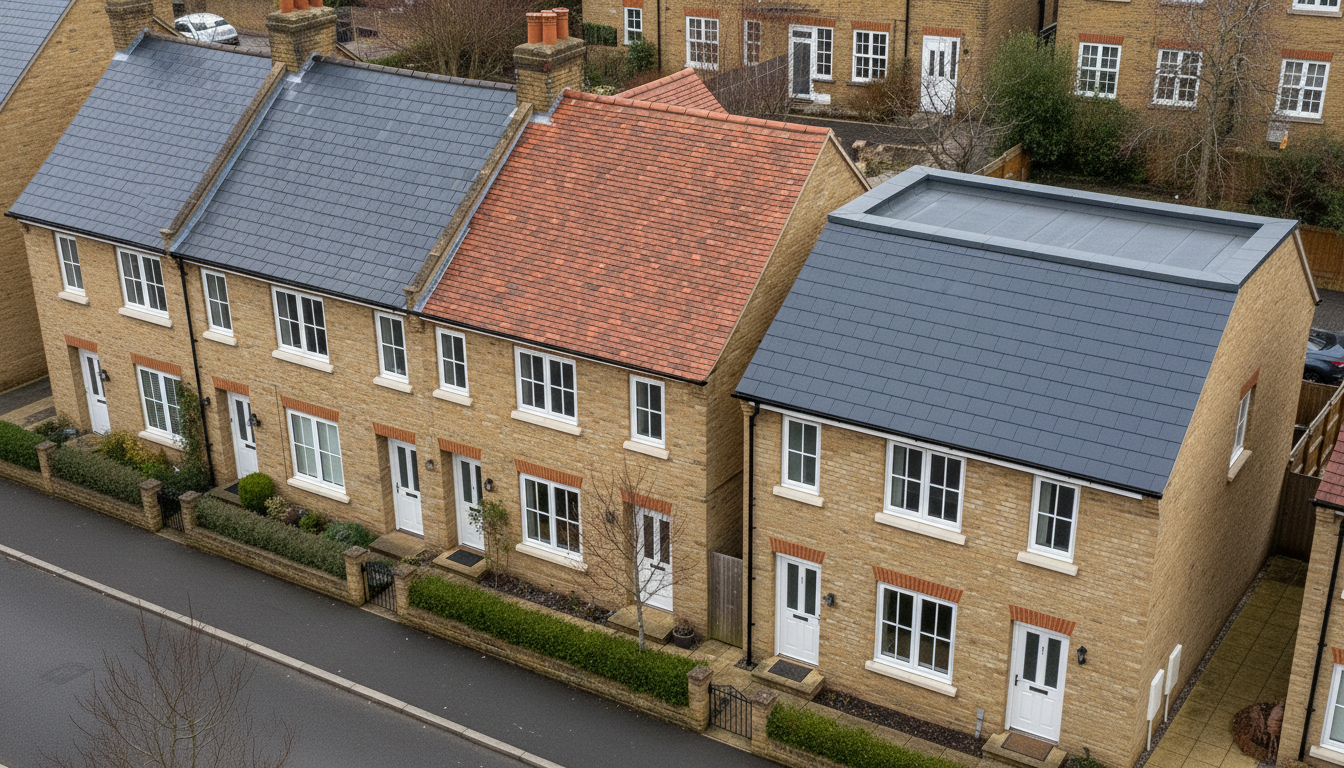
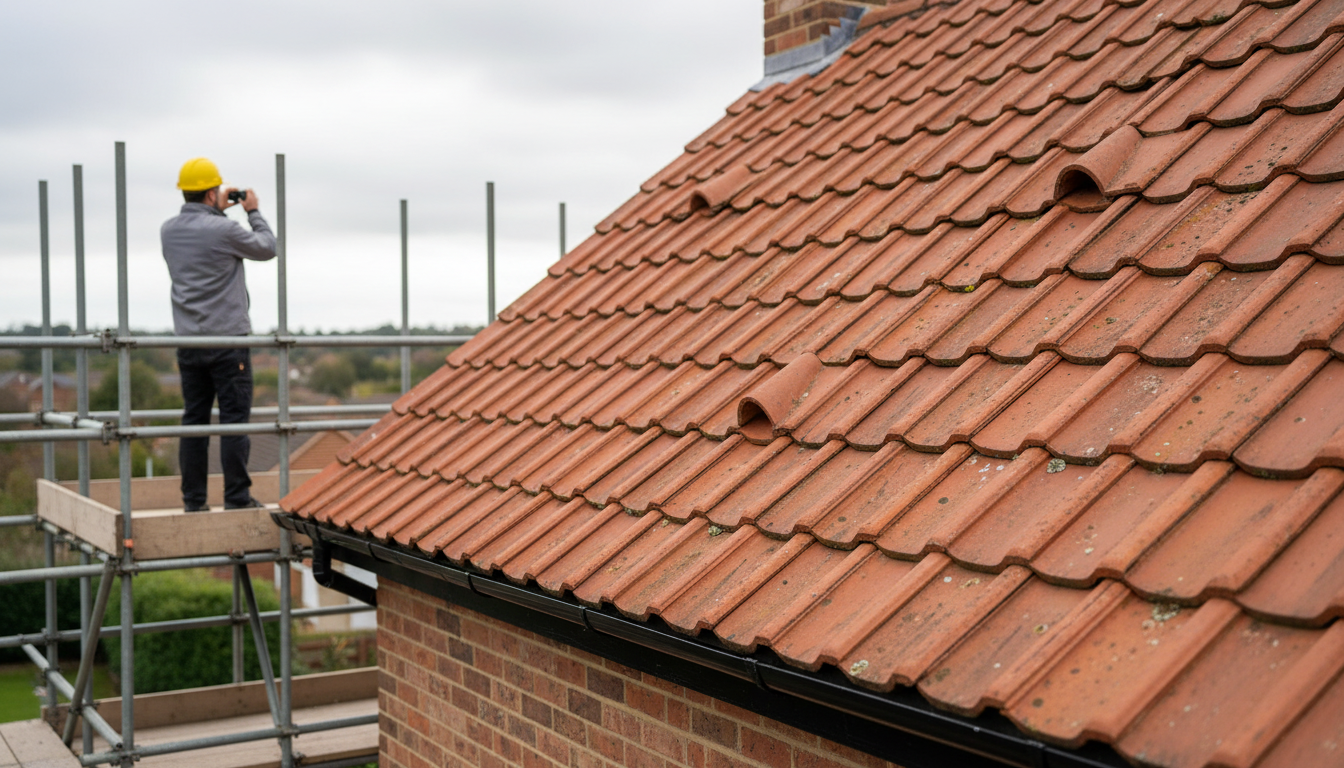
A flat roof lifespan question often comes up on homes that also have pitched tile or slate roofs. The pitched roof may last longer than the flat extension roof, but junctions between the two can still create leaks. A roof should be assessed as a whole property envelope, not as separate materials that never interact.
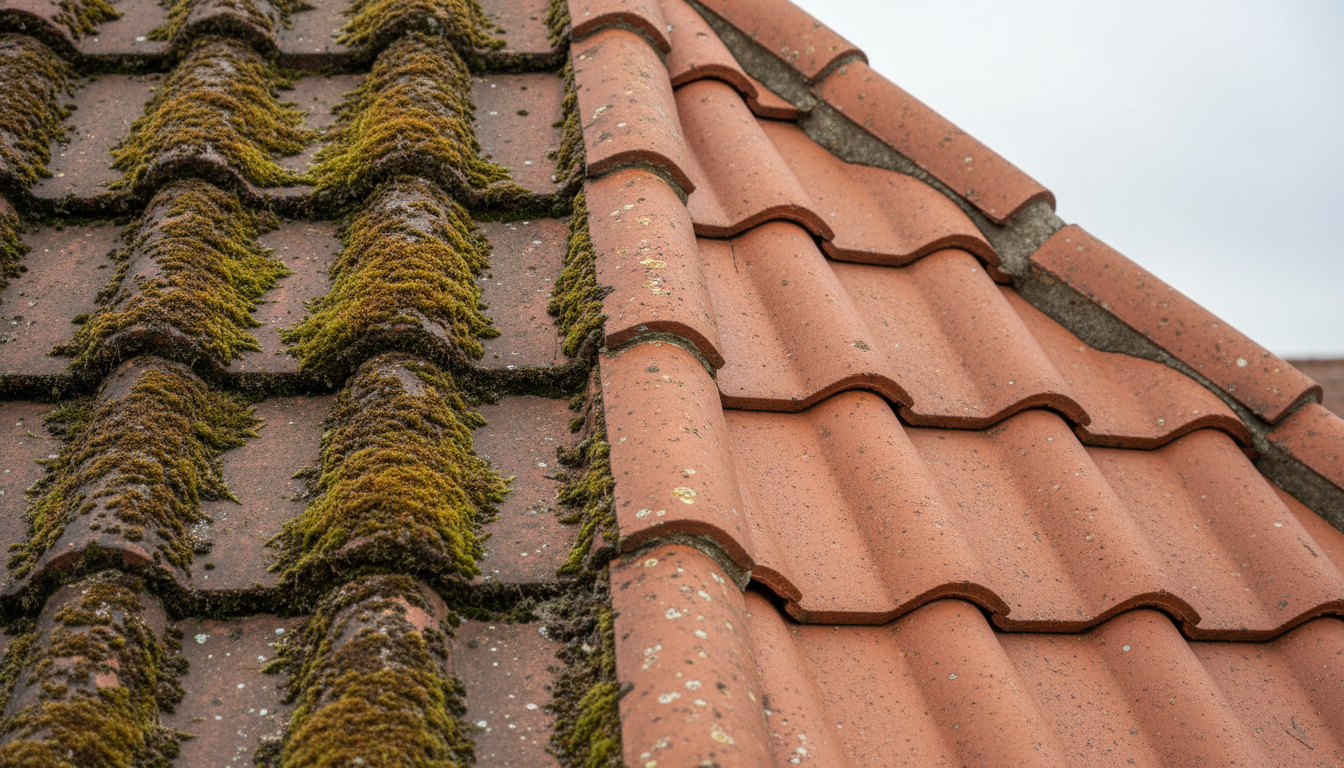
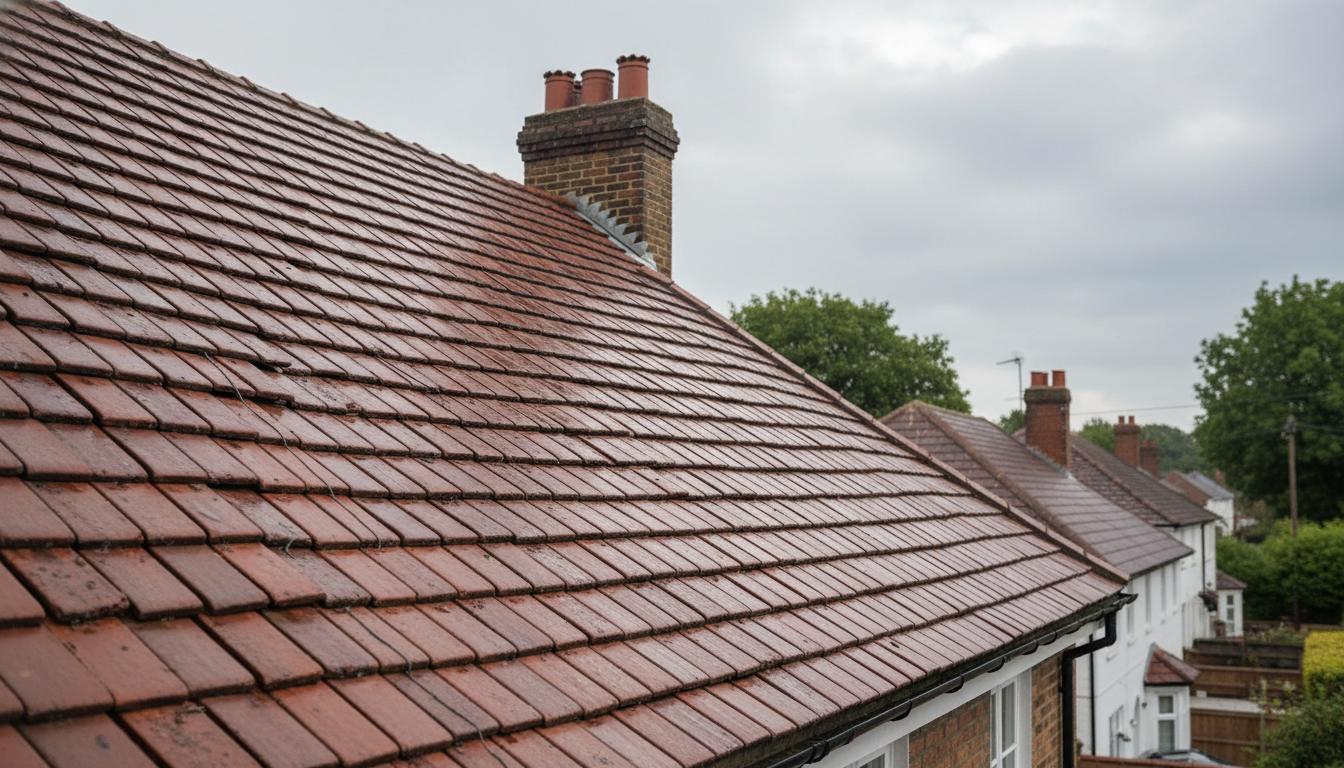
Where tiled sections meet flat roofs, poor valley work, edge detailing, or slipped tiles can send extra water toward the flat covering. A & A Roofing London can inspect tile roof detailing around flat extensions where tile roofing and flat waterproofing meet. That is especially useful on rear additions, dormers, and altered residential roofs.
Slate roofs can also influence flat roof performance through broken slates, tired flashings, and water paths down onto lower flat areas. A & A Roofing London provides slate roof edge maintenance where the flat roof lifespan depends partly on keeping the pitched slate section weather-tight. For homeowners comparing roof shapes, flat-and-pitched roof trade-offs can help frame the practical differences.
If a property needs a larger change rather than another flat roof covering, pitched roof installation details may be worth discussing. This is not always realistic or necessary, but on some buildings, pitch, drainage, and design constraints make the comparison useful.
Roof Inspections and Maintenance Extend Lifespan
A flat roof lasts longer when small defects are found before water reaches the deck. Historic England’s homeowner maintenance checklist recommends inspection twice a year and after storms or high winds, including attention to flat roof coverings.
A & A Roofing London checks the roof surface, outlets, gutters, flashings, trims, upstands, rooflights, penetrations, and signs of internal moisture. Homeowners can use inspection timing fundamentals to plan when a flat roof should be reviewed, especially before winter and after heavy weather. A more detailed inspection item checklist helps explain what a proper roof visit should include.
Maintenance is not complicated, but it must be consistent. Clear outlets, remove debris, watch for ponding, check the ceiling below, and never ignore new staining. A seasonal roof maintenance checklist gives homeowners a practical structure for spotting problems early.
Residential Roofing Signs You Should Not Ignore
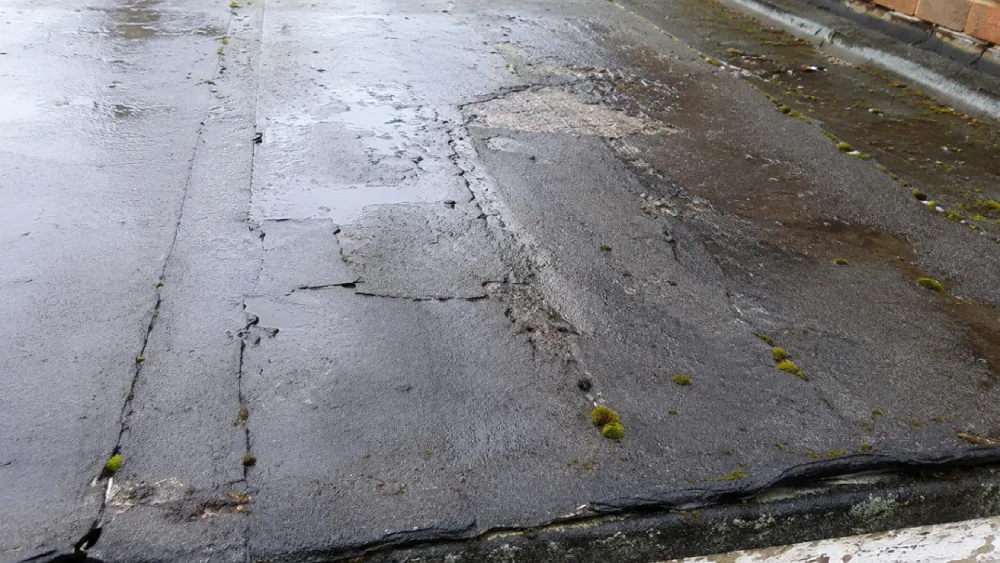
For residential flat roofs, age is only one clue. A 12-year-old roof with poor drainage can be in worse condition than a 20-year-old roof that was installed well and maintained. Warning signs include recurring damp patches, musty smells, ceiling staining, soft decking, standing water, cracked corners, loose trims, and bubbling felt or GRP.
Leaks deserve careful diagnosis because water rarely travels in a straight line. A ceiling stain below a flat roof may come from a failed outlet, a cracked flashing, a rooflight, a parapet wall, or a defect on an adjoining pitched roof. The common routes are explained through leak-path causes overview.
A & A Roofing London’s residential roofing approach is to identify the cause before recommending the scale of work. That means checking whether the problem is isolated, whether the roof covering is generally sound, and whether replacement would fix issues that repairs cannot.
How Long Does a Flat Roof Last UK? Area Coverage
Local roof lifespan is affected by exposure, property age, drainage layout, tree cover, and the way older homes have been extended. A & A Roofing London works across London, Essex and the Hertfordshire borders, so inspections can account for the roof type, adjoining materials, and practical access needs in each area.
North London
North London homes often include a mix of older pitched roofs, rear extensions, dormers, garages, and low-slope additions. For flat roof lifespan, that means the junctions between tile, slate, leadwork, and flat waterproofing can matter as much as the membrane itself. A & A Roofing London is well suited to assess these connected residential roof details and advise whether repair, restoration, or replacement is the right route.
Hertfordshire Borders
Around the Hertfordshire borders, flat roofs can appear on extensions, porches, outbuildings, and altered family homes. The lifespan of those flat roofs depends on drainage, exposure, maintenance access, and whether adjoining pitched roof sections are pushing water toward the low-slope area. A & A Roofing London can inspect the full roof arrangement rather than treating the flat section in isolation.
Essex
Across Essex, flat roofs on homes, garages, and extensions need practical maintenance because blocked outlets, edge wear, and flashing defects can shorten service life. A & A Roofing London can check the roof covering, rainwater path, and surrounding roof features before recommending a proportionate solution. That helps homeowners avoid replacing a flat roof too early or repairing one that has already reached the end of its lifespan.
Choosing A & A Roofing London for Flat Roof Lifespan Advice
A flat roof lifespan estimate is useful only when it is tied to real condition, not guesswork. A & A Roofing London can inspect the covering, deck, falls, outlets, flashing, gutters, and adjoining pitched roof areas to decide whether repair, restoration, or replacement is the right fit. For homeowners asking How Long Does a Flat Roof Last UK?, that practical diagnosis is the safest starting point.
If your flat roof is ageing, leaking, ponding, or showing early surface defects, arrange a roof inspection in London with A & A Roofing London. The inspection can separate minor maintenance from deeper roof failure, so money is spent on the work that actually addresses the cause. For properties across London, Essex and the Hertfordshire borders, the goal is a roof decision based on condition, material, and drainage rather than uncertainty.
FAQs
How Long Does a Flat Roof Last UK? for felt roofing?
A felt flat roof in the UK often lasts around 15–20 years, although product specification, number of layers, workmanship, exposure, and maintenance can shift that range. A tested bituminous system may carry durability evidence of 20 years or more, but that does not mean every old felt roof will perform that way. The flat roof still needs sound laps, clear outlets, good falls, and intact flashing. If felt is blistering, splitting, or leaking repeatedly, A & A Roofing London would inspect before deciding whether repair, restoration, or replacement is sensible.
How Long Does a Flat Roof Last UK? for EPDM rubber?
An EPDM flat roof can last much longer than many traditional felt roofs when it is installed correctly. Industry research has reported properly installed and maintained EPDM membranes routinely delivering at least 38 years of service life, with many installations exceeding 40–50 years. The membrane still relies on correct bonding, edge trims, outlets, and flashing. A & A Roofing London would look closely at those details because most EPDM failures are connected to installation or junctions rather than the central sheet alone.
How Long Does a Flat Roof Last UK? for GRP fibreglass?
A GRP fibreglass flat roof is commonly expected to last around 25–30 years, provided the deck is suitable, the resin cures correctly, and the topcoat remains protective. GRP is hard-wearing, but it is less forgiving of movement than some flexible membranes. Cracks around trims, corners, rooflights, or board joints should be checked early. A & A Roofing London can assess whether a GRP roof needs local repair, surface attention, or more substantial renewal.
Does ponding water reduce how long a flat roof lasts?
Yes. Ponding water can reduce flat roof lifespan because it keeps dirt, algae, and moisture concentrated on the same areas and can highlight poor falls or blocked outlets. Current flat roof guidance places strong emphasis on drainage, with BS 6229:2025 noting a minimum completed fall of 1:80 for most flat roofs. A & A Roofing London checks whether ponding is caused by debris, outlet failure, sagging decking, or original fall problems before recommending a surface repair.
Can roof restoration extend how long a flat roof lasts?
Roof restoration can extend flat roof life only when the existing system is still structurally sound. If the deck is dry, the covering is mostly intact, and the defects are localised, restoration may be practical. If the roof has widespread moisture, soft decking, repeated leaks, failed falls, or severe surface breakdown, restoration may only delay replacement briefly. A & A Roofing London’s role is to test whether the flat roof is a realistic restoration candidate before money is spent.
How often should a UK flat roof be inspected?
A practical routine is to inspect a flat roof at least twice a year and after storms or high winds. Historic England gives the same twice-yearly and post-storm principle in its homeowner maintenance checklist. For a flat roof, the inspection should include outlets, gutters, surface cracks, blisters, flashing, rooflights, trims, and internal damp signs. A & A Roofing London can provide a more detailed inspection where the roof is ageing or difficult to view safely.
Is a flat roof repair enough, or is replacement better?
A flat roof repair may be enough when the defect is isolated and the rest of the covering, deck, drainage, and flashing are sound. Replacement becomes more sensible when leaks return in different places, water ponds because of poor falls, the deck feels soft, or the roof covering is already near the end of its expected lifespan. A & A Roofing London compares age, material, leak history, and visible condition before advising the most proportionate option.
Do tile or slate roof problems affect a flat roof lifespan?
Yes. Tile and slate roof problems can affect flat roof lifespan when water is directed onto a lower flat roof or when failed flashing sits between roof types. A slipped tile, broken slate, blocked valley, or weak lead detail can make the flat roof appear to be the problem even when the source is above it. A & A Roofing London checks adjoining pitched roof areas because the flat covering may only be receiving water from another defect.

Comments (3)
[…] maintenance, and whether water has already entered the build-up. A useful next read is the flat roof lifespan factors […]
[…] but fundamentally stable. Before choosing repair, overlay, or renewal, homeowners should check flat roof ageing signs so they understand why age alone is not enough to price the […]
[…] roof with another patch. For homeowners deciding whether the existing system still has life left, flat roof duration variables gives a useful next […]