Roof Moss Removal: Safe Methods for UK Roofs
admin2026-02-16T09:23:31+00:00BLOG
Roof Moss Removal: Safe Methods for UK Roofs
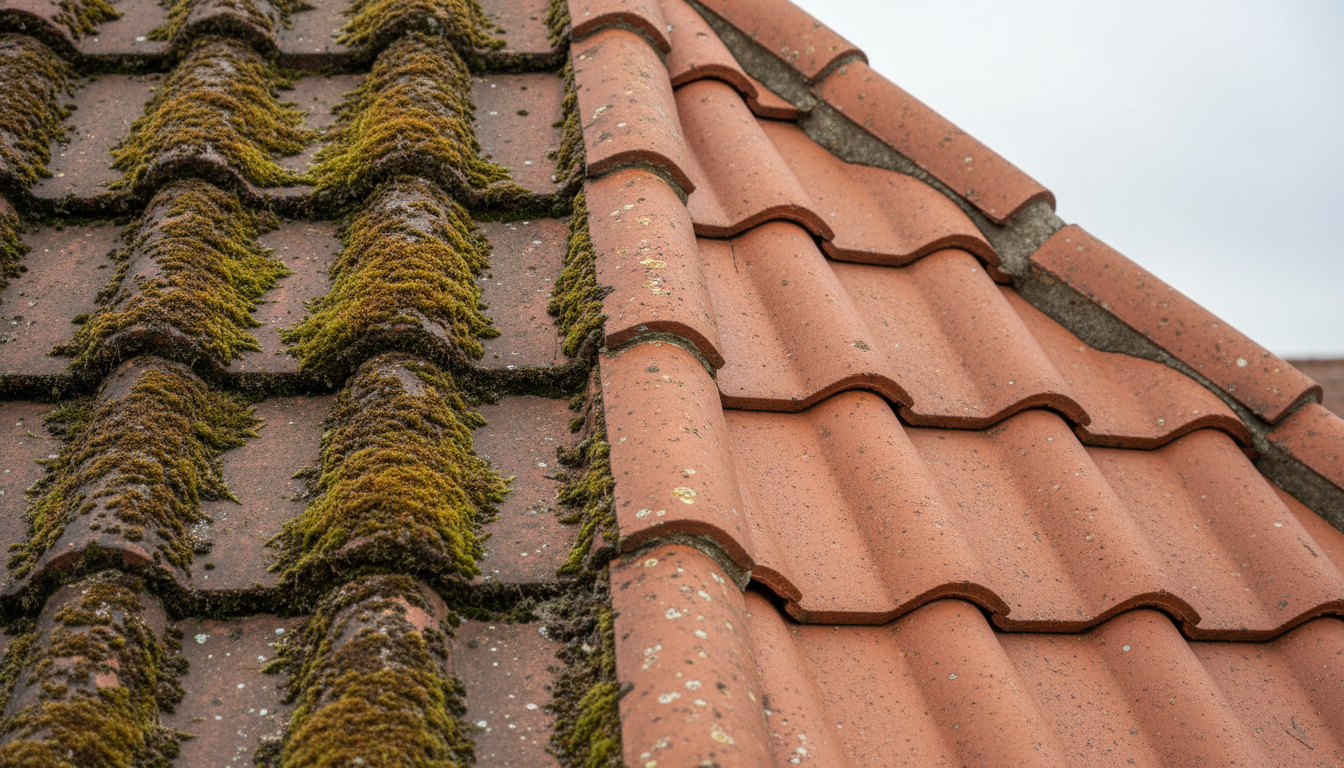
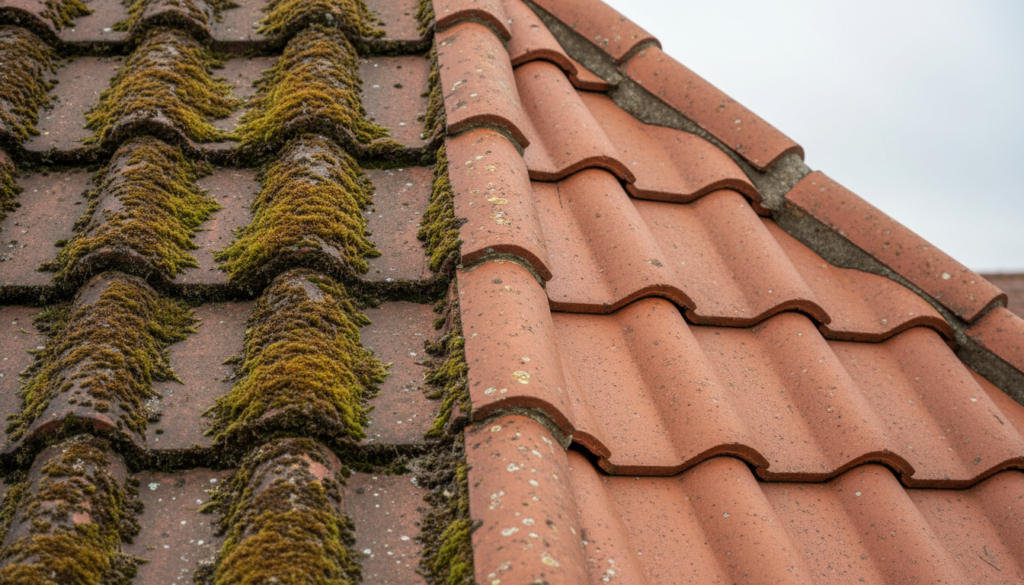
Roof moss is a widespread issue for UK homeowners, particularly on older properties and those surrounded by trees. While moss may look harmless at first, unchecked growth can lead to cracked tiles, blocked gutters, trapped moisture, and long-term roof damage. Understanding safe roof moss removal methods for UK roofs is essential to protect your home without causing unnecessary harm to roofing materials.
This guide explains why moss forms so easily in the UK climate, the safest ways to remove it, common mistakes to avoid, and when professional roof cleaning is the best option.
Why Moss Is So Common on UK Roofs
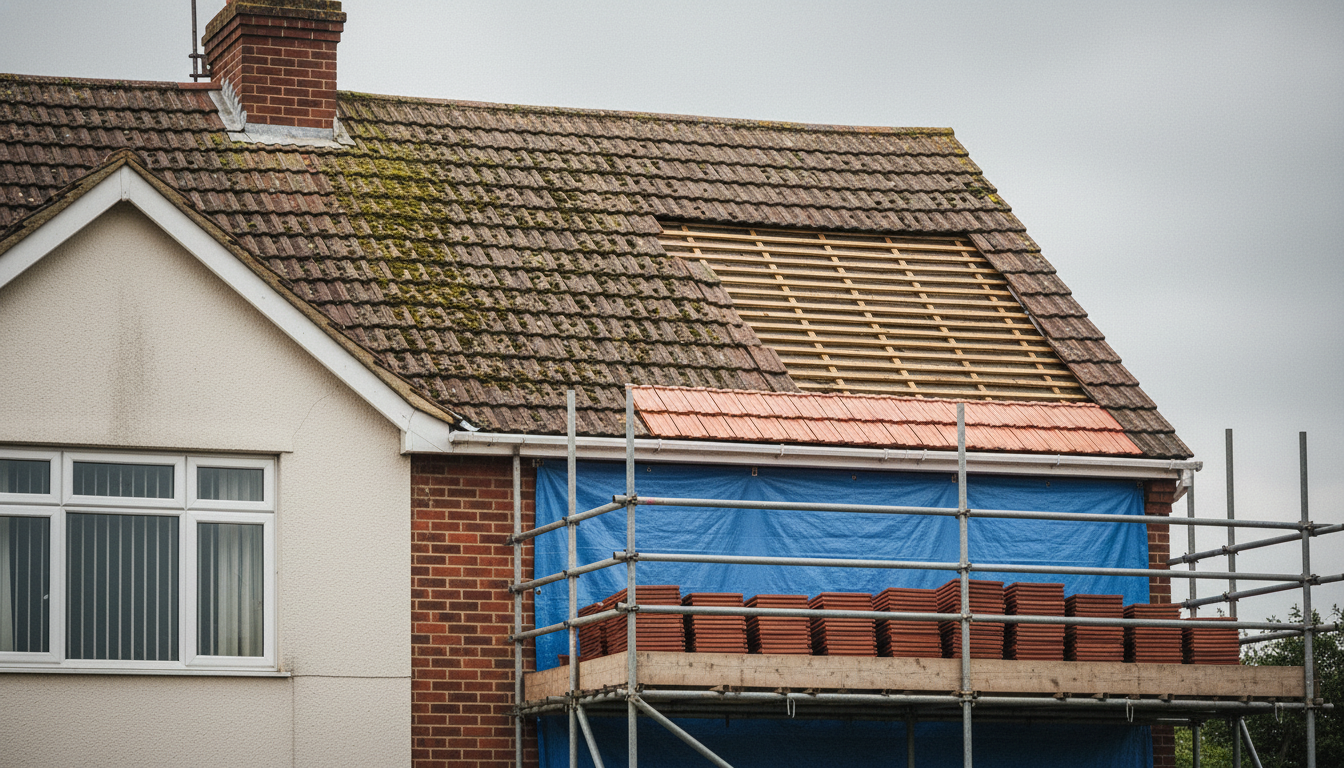
The UK’s damp climate creates ideal conditions for moss growth. Frequent rainfall, shaded roof areas, and north-facing slopes allow moss to thrive, particularly on tiled roofs. Once established, moss spreads quickly by retaining moisture and trapping debris.
Moss growth is often linked to wider common roofing problems such as poor drainage, cracked tiles, and deteriorating underlay. If ignored, moss can significantly shorten roof lifespan and increase repair costs.
Why Moss Should Never Be Ignored
How Moss Damages Roofs
Moss causes damage in several ways:
It retains moisture against roof tiles, accelerating wear
It lifts tiles slightly, allowing water to penetrate beneath
It contributes to frost damage during winter freeze–thaw cycles
It sheds debris into gutters, causing blockages
Over time, this leads to leaks, damp, and structural timber decay—issues that may ultimately require roof repair in London or even premature roof replacement.
Safe Roof Moss Removal Methods for UK Homes
Not all moss removal methods are suitable for UK roofs. Choosing the wrong approach can cause more harm than good.
Manual Moss Removal (Low-Pressure)
Manual removal is one of the safest methods when carried out correctly. It involves carefully scraping moss from tiles using specialised tools designed not to damage surfaces.
Benefits
No water forced beneath tiles
Minimal risk to tile coatings
Suitable for clay and concrete tiles
Risks
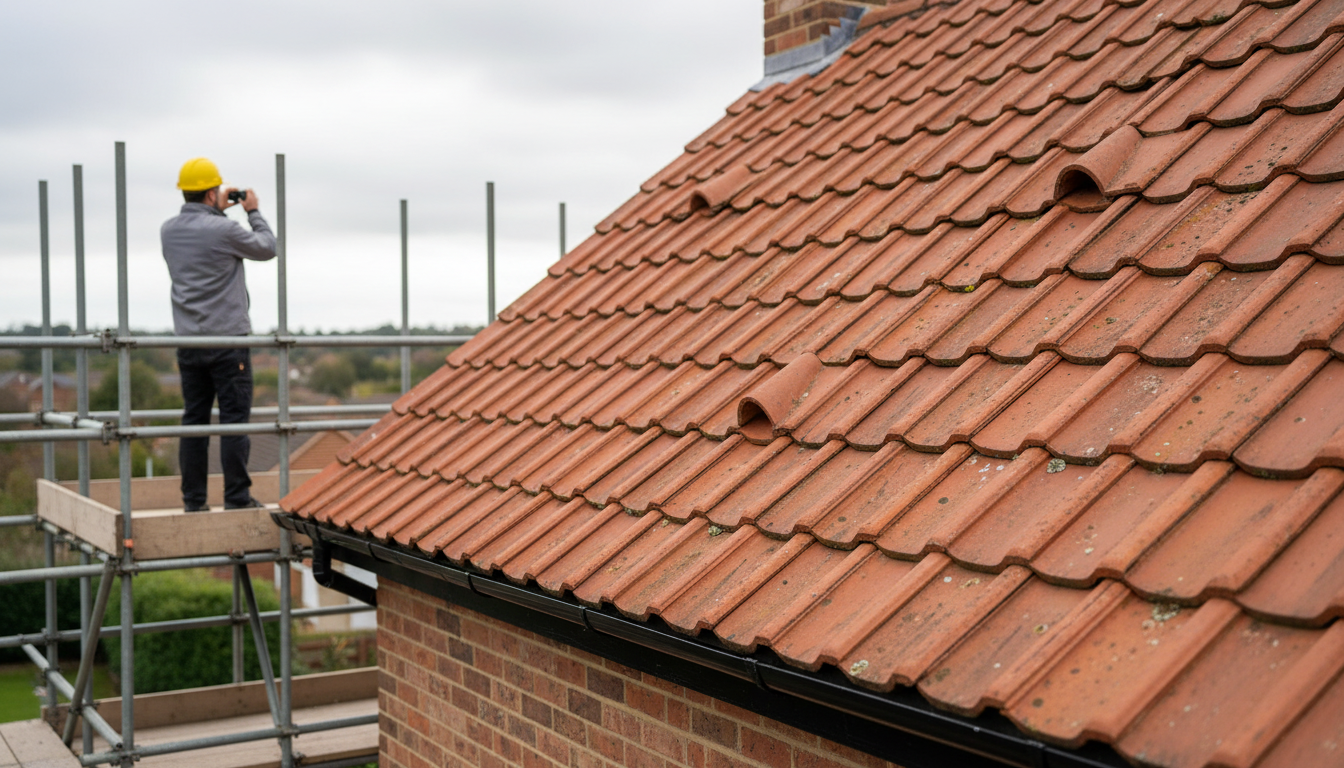
Unsafe without proper access equipment
Incorrect tools can crack tiles
Manual removal should only be done by trained professionals or under strict safety conditions.
Soft Washing (Biocide Treatment)
Soft washing involves applying a specialist moss treatment that kills spores over time. The moss gradually breaks down and washes away naturally with rainfall.
Benefits
Prevents regrowth for several years
Gentle on tiles
Ideal for long-term moss control
This method is widely recommended for tiled roofs and aligns with guidance on roof moss prevention.
What to Avoid: Pressure Washing Roofs
Pressure washing is one of the most damaging methods for roof moss removal and should be avoided in most cases.
Why Pressure Washing Is Unsafe
Forces water under tiles
Removes protective tile surfaces
Dislodges ridge tiles and flashing
Increases risk of internal leaks
Many homeowners unknowingly cause damage by attempting DIY pressure washing, leading to issues that later require professional intervention.
Roof Types and Moss Removal Considerations
Tiled Roofs
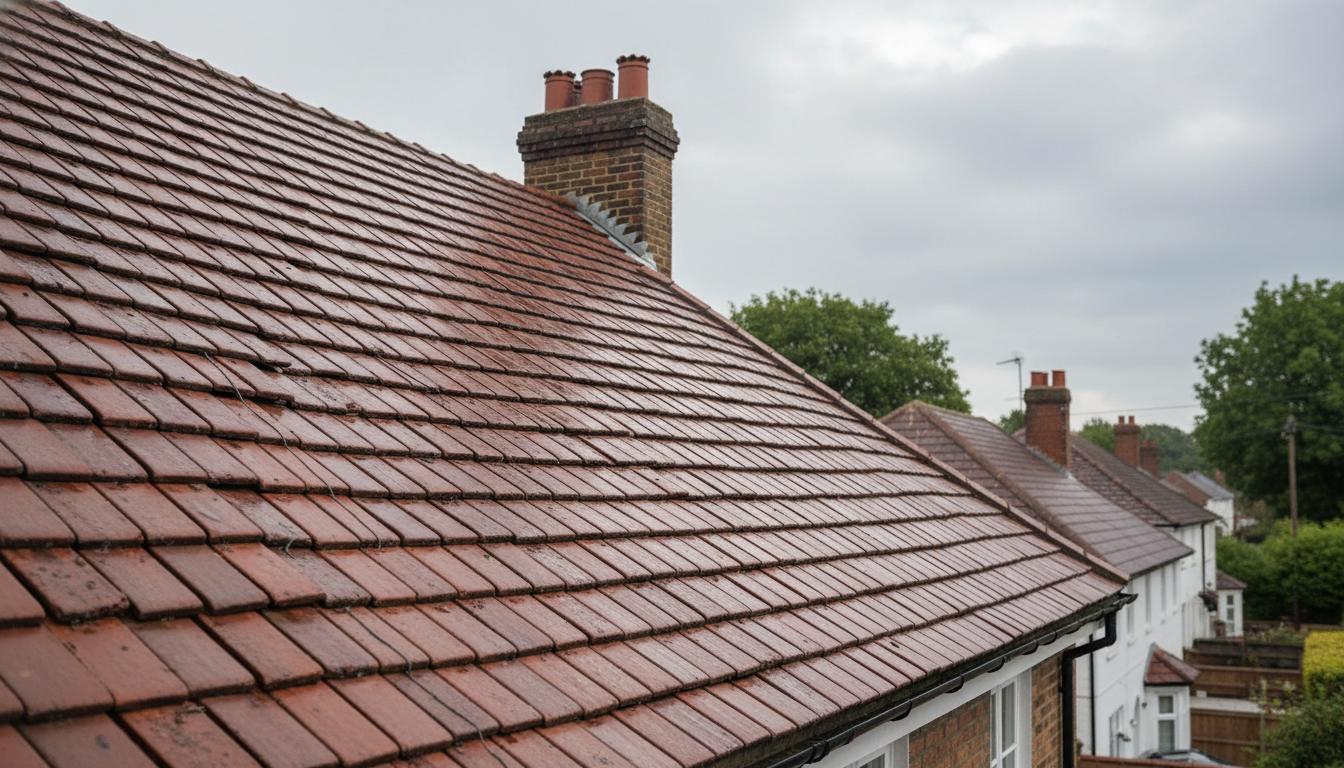
Clay and concrete tiled roofs are the most prone to moss growth. Safe moss removal is essential to avoid cracking brittle tiles or damaging mortar.
Proper care forms part of long-term tiled roof maintenance and can significantly extend roof lifespan.
Slate Roofs
Slate roofs require extra care due to the natural brittleness of slate. Aggressive cleaning methods can cause breakage and costly repairs.
Homeowners with slate roofs should always consult specialists familiar with slate roofing maintenance before removing moss.
Flat Roofs
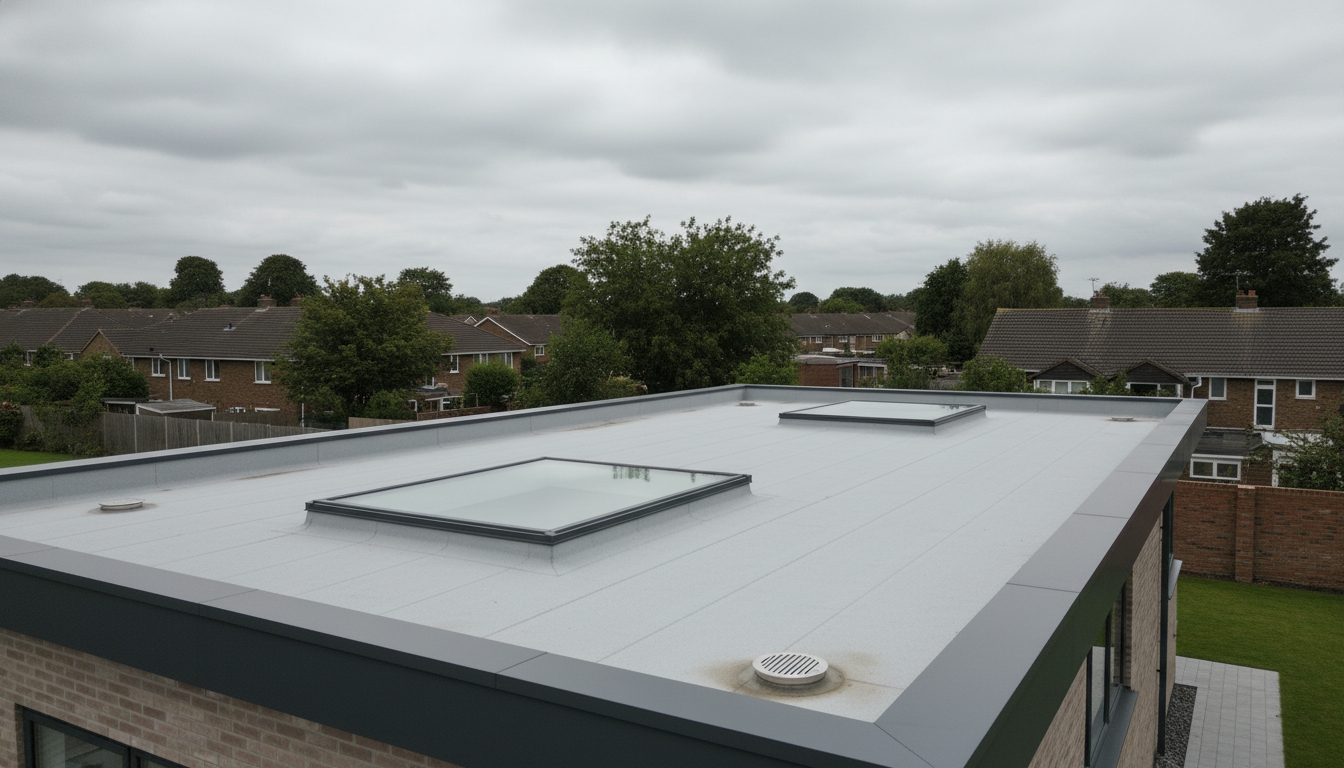
Moss and algae can also grow on flat roofs, particularly where water pools. Clearing growth helps prevent membrane deterioration and supports the longevity of modern flat roofing systems, as discussed in flat roof benefits.
Common DIY Moss Removal Mistakes
Climbing on the Roof Without Safety Equipment
Roof access is dangerous, especially on moss-covered tiles which become extremely slippery. Falls from roofs are a leading cause of serious injury among homeowners.
Using Household Chemicals
Bleach and generic cleaning products can damage tiles, harm plants, and contaminate drainage systems. Professional-grade biocides are designed specifically for roof materials.
Ignoring Underlying Issues
Moss often indicates poor drainage or damaged tiles. Removing moss without addressing these problems leads to rapid regrowth and ongoing damage.
Understanding the risks outlined in DIY roof maintenance vs professional work can help homeowners avoid costly errors.
When Is the Best Time to Remove Roof Moss?
The best time for moss removal in the UK is during spring or early autumn. These periods offer:
Milder weather conditions
Less risk of frost damage
Optimal conditions for moss treatments
Avoid moss removal during winter, when wet and icy conditions increase safety risks and reduce treatment effectiveness.
Costs and Long-Term Value of Moss Removal
The cost of professional moss removal varies depending on roof size, access, and severity of growth. However, regular moss control is far more cost-effective than repairing water damage or replacing tiles prematurely.
Homeowners planning long-term maintenance budgets should consider how moss affects roof lifespan and overall roofing costs, as explained in what influences roofing prices in the UK.
Warning Signs Moss Is Causing Damage
You should seek professional advice if you notice:
Persistent damp patches in loft spaces
Cracked or lifting tiles
Overflowing gutters despite cleaning
Internal mould or water stains
These signs often indicate deeper roofing issues that require inspection.
When to Call a Professional Roofer
Professional roof moss removal is strongly recommended when:
Moss covers large areas of the roof
The roof is older or fragile
Access is difficult or unsafe
There are existing leaks or damage
A professional assessment using a full roof inspection ensures moss is removed safely and underlying problems are addressed correctly.
Conclusion
Roof moss removal for UK roofs must be approached carefully. While moss may seem like a cosmetic issue, it can cause serious long-term damage if left untreated or removed incorrectly. Safe methods such as manual removal and soft washing protect roofing materials while preventing regrowth.
Avoiding pressure washing, addressing underlying drainage issues, and scheduling regular inspections are key to keeping roofs moss-free. For most homeowners, professional moss removal remains the safest and most effective way to protect their roof, extend its lifespan, and avoid costly repairs in the future.