
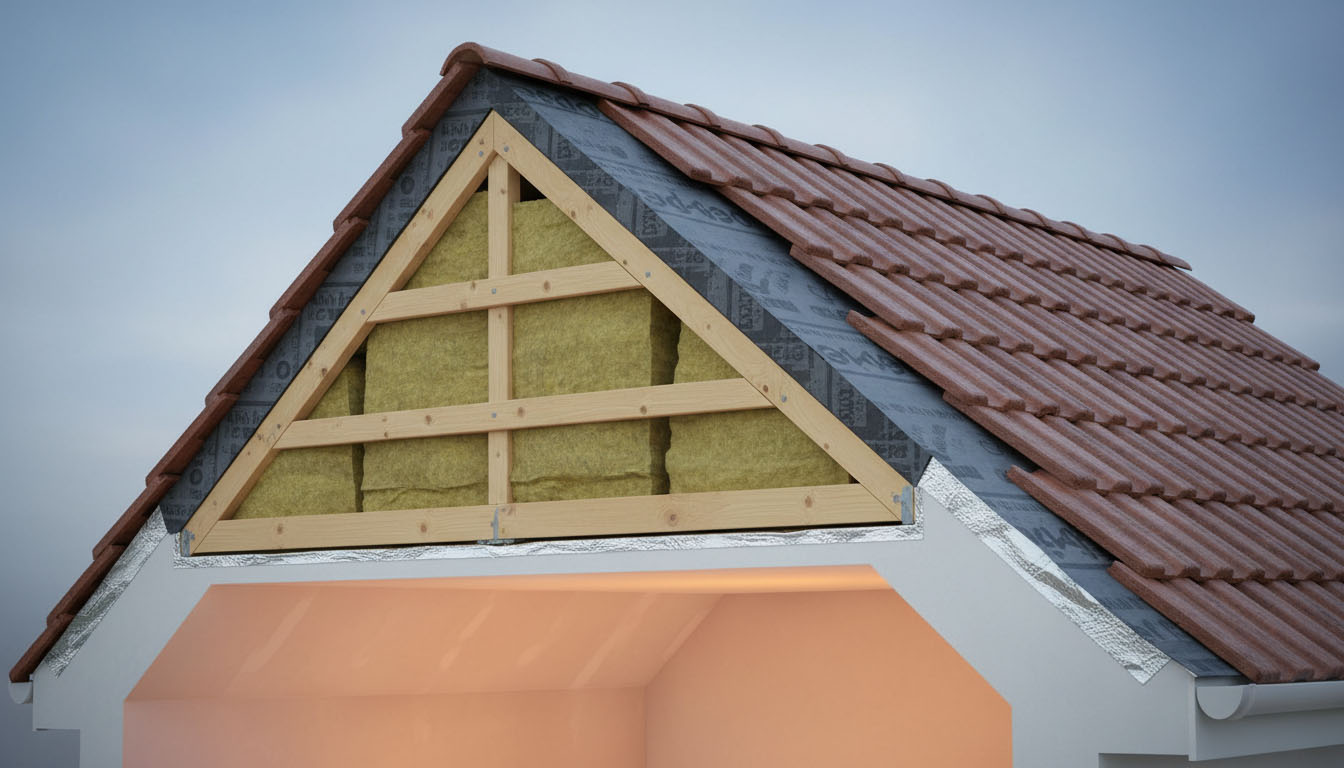
Roof Insulation UK: Reduce Heat Loss Improve Efficiency is not just about adding thicker material into a loft. The roof has to control heat, moisture, ventilation, water entry, and the condition of the covering above it. Poorly planned insulation can leave a home warmer in one area but create condensation, damp roof timbers, mould, or hidden leaks elsewhere.
A & A Roofing London helps homeowners across London, Essex, and the Hertfordshire borders assess roof insulation alongside tiles, slates, flat roofs, pitched roof structure, ventilation, drainage, and roof condition, so energy improvements are matched to the roof itself.
Quick Check: Before upgrading loft, flat roof, or pitched roof insulation, ask A & A Roofing London to match the right roofing materials in the UK with the roof build-up, ventilation route, and heat-loss problem you are trying to solve.
Roof Insulation UK Reduce Heat Loss Improve Efficiency
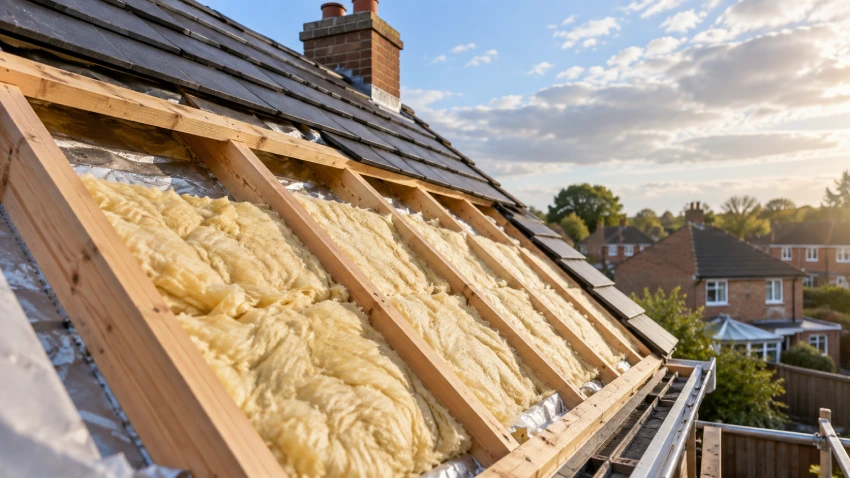
Roof Insulation Uk Reduce Heat Loss Improve Efficiency starts with understanding where the insulation belongs. Energy Saving Trust explains that loft, attic, or roof insulation helps reduce heat lost through the roof, keeping the home warmer and reducing energy use. It also notes that flat roofs, loft rooms, damp issues, and structural concerns need specialist techniques rather than simple DIY work.
| Insulation situation | What it improves | What can go wrong | A & A Roofing London check |
| Loft insulation at ceiling level | Reduces heat loss into unused loft space | Blocked ventilation, damp insulation, cold spots | Loft airflow, eaves, depth, access, damp marks |
| Warm flat roof build-up | Keeps roof deck warmer and improves thermal continuity | Poor vapour control, edge weakness, ponding | Deck, insulation, membrane, outlets, upstands |
| Pitched roof insulation | Supports loft conversions and room-in-roof comfort | Condensation if airflow is wrong | Rafters, underlay, ventilation, roof covering |
| Re-roofing with insulation upgrade | Improves a thermal element during major work | Compliance gaps or poor detailing | Covering, insulation, structure, Building Regulations |
| Restoration with insulation review | Combines roof condition with heat-loss control | Cosmetic work over damp or leaks | Roof surface, leaks, moisture, ventilation |
Roof insulation should be planned with the roof covering above it. A tiled roof, slate roof, warm flat roof, or pitched roof conversion all need different detailing. A & A Roofing London checks the existing roof before recommending insulation-related work because heat loss, condensation, and water entry often overlap.
Planning Portal states that a roof is a thermal element, and when a roof is re-covered, the work should include improving the roof’s thermal insulation properties. It also explains that most replacement work to existing roofs needs Building Regulations approval.
Tile Roofing and Insulation Performance
Tile roofing affects Roof Insulation Uk Reduce Heat Loss Improve Efficiency because insulation only works properly when the covering, underlay, battens, and ventilation are also performing. A tiled pitched roof may have insulation at ceiling level with a cold loft above, or insulation closer to the roof slope where the loft is being converted.
A & A Roofing London checks tile roofing in London alongside insulation condition. Loose tiles, damaged underlay, blocked eaves, and hidden leaks can make insulation wet or ineffective. Wet insulation does not solve heat loss properly and can hide timber damage.
For roof build-up choices, insulation layer placement guide is the most relevant supporting topic. It helps explain why insulation at ceiling level, rafter level, or above the deck changes how the roof manages heat and moisture.
Slate Roofing and Thermal Detail
Slate roofs can support strong long-term performance, but insulation upgrades need careful detailing. Slate roofing relies on correct laps, fixings, underlay, and ventilation. If insulation is added without considering airflow, a previously dry loft can develop condensation or mould.
A & A Roofing London reviews the benefits of slate in the UK in the context of the whole roof. The inspection checks whether the slate covering is sound, whether water is entering, whether underlay is intact, and whether insulation work would change ventilation through the roof space.
Where homeowners want to understand slate as part of energy performance, slate thermal performance notes are useful. If the roof is older or subject to compliance questions, slate roofing regulation basics can help frame what may need checking before major work.
Flat Roofing and Warm Roof Insulation
Flat roofing is one of the most important areas for Roof Insulation Uk Reduce Heat Loss Improve Efficiency. A flat roof can lose heat, trap moisture, pond water, or fail early if the insulation, deck, waterproofing, vapour control, and drainage are not designed together.
Energy Saving Trust warns that insulating a flat roof from underneath can lead to condensation problems if it is not completed correctly. It also says flat roof insulation normally needs specialist techniques. Planning Portal explains that a warm flat roof places rigid insulation over the roof joists with a roof covering above, while a cold flat roof places insulation below the structure and requires ventilation.
A & A Roofing London can assess warm roof installation in London by checking the deck, vapour control layer, insulation position, membrane, falls, outlets, and edge details. Where the flat roof is already old or worn, flat roof service-life planning and flat roof ageing checkpoints help decide whether insulation should be added during replacement rather than patched into a failing system.
Pitched Roof Installation and Heat Loss
Pitched roof installation affects insulation because the roof structure decides where heat is controlled. In a traditional unused loft, insulation often sits at ceiling level. In a room-in-roof or loft conversion, insulation may be placed between or above rafters, which makes ventilation and moisture control more technical.
A & A Roofing London reviews pitched roof installation in the UK by checking rafters, roof covering, underlay, ventilation paths, insulation gaps, and weatherproofing. This matters because a pitched roof can look sound externally while losing heat through poorly insulated slopes, loft hatches, ceiling gaps, or weak junctions.
Planning Portal states that significant changes to thermal elements such as roofs normally require Building Regulations approval and usually require insulation to be upgraded to a reasonable standard. It also explains that, where insulation is placed between rafters, ventilation needs to be maintained.
Roof Ventilation and Condensation Risk
Roof Insulation Uk Reduce Heat Loss Improve Efficiency should never ignore ventilation. More insulation can make the living space warmer, but it can also make the roof void colder. If warm moist air reaches cold roof surfaces and cannot escape, condensation can form.
NFRC guidance says roof-space ventilation is essential in pitched roofs to prevent condensation, damp, mould, and long-term structural damage, especially in homes that have become more airtight through insulation upgrades and draught-proofing.
A & A Roofing London checks eaves ventilation, ridge ventilation, underlay condition, loft airflow, blocked insulation edges, and damp or mould signs. The most useful supporting guide here is roof-space airflow and condensation control, because insulation performance depends on keeping moisture under control.
Roof Restoration With Insulation Review
Roof restoration should include an insulation and moisture review where heat loss, damp, or roof age is part of the problem. A roof can be cleaned, repaired, or improved externally, but if insulation is wet, compressed, poorly placed, or blocking airflow, the home may still lose heat or develop condensation.
A & A Roofing London links roof maintenance in the UK with the wider roof condition. Restoration may involve improving damaged details, checking leaks, correcting surface defects, and making sure the roof is suitable before energy-related improvements are planned.
For flat roof surfaces, flat roof restoration suitability notes help explain when a roof can be improved and when it needs replacement first. Restoration is only sensible when the roof can stay dry and stable after the work.
Roof Repairs Before Insulation Upgrades
Insulation should not be installed over an active roof defect. If a roof leak, flashing fault, blocked gutter, or damaged tile is letting water in, new insulation can become wet and conceal the problem.
A & A Roofing London checks roof repairs before insulation upgrades. That includes roof coverings, valleys, flashings, gutters, flat roof outlets, chimneys, internal damp marks, and loft moisture. The goal is to make the roof weatherproof before trapping new insulation beneath or inside it.
| Symptom before insulation | Possible roof issue | Why it matters |
| Damp insulation | Leak or condensation | Reduces performance and may hide timber decay |
| Stained ceiling | Water entry or trapped moisture | Source must be traced before upgrade |
| Mould in loft | Poor ventilation or damp air movement | Insulation may worsen the issue if airflow is blocked |
| Drips after rain | Roof covering or flashing fault | Heat-loss work will not solve water entry |
| Cold patches indoors | Gaps, compressed insulation, or thermal bridging | Detail needs correction, not just extra material |
For water-entry checks, roof leak diagnosis framework is useful. If roof condition is uncertain, roof defect recognition cues help homeowners separate insulation problems from roofing defects.
Re-Roofing and Insulation Compliance
Re-roofing is often the right moment to improve insulation because the covering, underlay, battens, deck, and ventilation details may already be exposed. This is where Roof Insulation Uk Reduce Heat Loss Improve Efficiency becomes both a performance issue and a compliance issue.
Planning Portal says that if roof renovation renews more than 25% of the roof, insulation should meet the standards required by Building Regulations Approved Documents where applicable. It also says upgrades should be made to the best standard achievable where full compliance is not technically or functionally feasible within a simple payback of no greater than 15 years. GOV.UK also lists replacing roof coverings on pitched and flat roofs as work that generally needs Building Regulations approval.
A & A Roofing London checks whether insulation improvements should be included during re-roofing, roof replacement, or major repair work. For wider planning, roof renewal decision markers are useful when a roof is too worn for insulation work alone.
Roofing Materials and Efficiency
Roofing materials influence how insulation is detailed, but the material alone does not decide energy performance. Tiles, slates, membranes, decking, vapour control, ventilation, and insulation layers all work together.
A & A Roofing London helps homeowners compare roof covering options without treating insulation as a separate afterthought. The right material should suit the roof pitch, exposure, building age, maintenance needs, and planned insulation build-up.
For material selection, weather-suitable roofing material factors, roof material comparison structure, and UK roof covering option guide give useful context. Where the homeowner wants a broader current comparison, roof material selection framework can support the discussion.
Flat Roof Vs Pitched Roof Insulation
Flat roofs and pitched roofs need different insulation decisions. A pitched roof may have a ventilated loft, while a flat roof often needs a warm roof build-up to reduce condensation risk and protect the deck.
A & A Roofing London checks whether the property has one roof type or a mixed layout. Many homes have a pitched main roof, flat rear extension, dormer, bay roof, or garage roof. Each section may need a different insulation and weatherproofing strategy.
For mixed roof layouts, roof shape and efficiency comparison helps explain why one insulation method does not suit every roof. If the property has older and newer sections, property-age roof build-up differences is also relevant.
Weather, Leaks, and Poor Workmanship
Roof Insulation Uk Reduce Heat Loss Improve Efficiency can fail when weatherproofing is weak. Wind-driven rain, frost, poor flashing, damaged coverings, and workmanship faults can let water reach insulation or roof timbers.
A & A Roofing London checks whether insulation problems are linked to weather exposure or previous work. If insulation is damp after storms, the roof covering, flashing, valleys, gutters, and underlay should be checked before new insulation is installed.
For weather-driven defects, weather impact on roof fabric is a useful supporting guide. Where a previous job may have caused moisture or heat-loss issues, roofing workmanship fault indicators help identify what should be inspected.
Roof Inspections and Maintenance
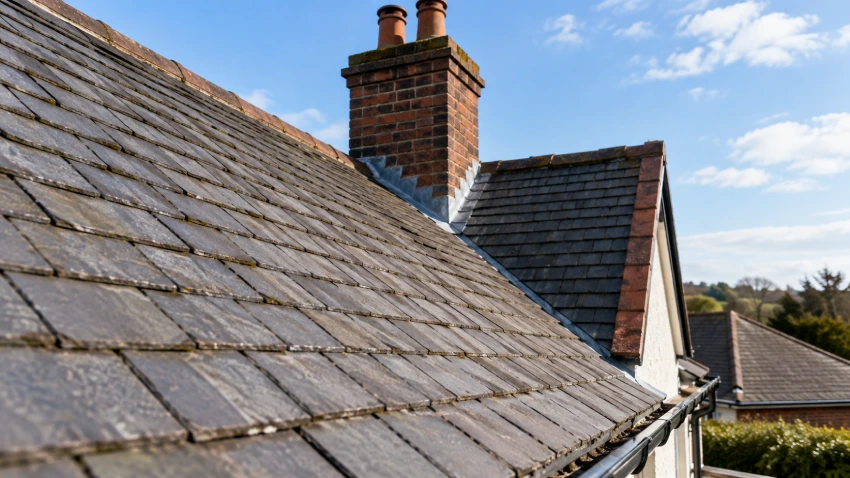
Roof inspections keep insulation work practical. A homeowner may notice cold rooms or high heating demand, but the roof may also have leaks, blocked ventilation, old underlay, poor drainage, or failing flashings.
A & A Roofing London checks the visible roof and accessible roof space together. That means looking at the condition of the roof covering, damp marks, insulation depth and placement, airflow, loft hatches, pipes, wiring penetrations, and roof junctions.
For inspection planning, roof inspection timing guide and roof inspection checklist structure help homeowners understand what needs reviewing. For ongoing care, roof maintenance sequence for prevention connects roof condition with long-term insulation performance.
Residential Roofing and Heat-Loss Decisions
Residential roofing insulation should be matched to how the home is used. An unused loft, converted loft, flat roof extension, older slate roof, tiled pitched roof, and mixed roof layout all need different thinking.
A & A Roofing London helps homeowners decide whether the priority is loft insulation, flat roof replacement with a warm roof build-up, pitched roof insulation, roof restoration, leak repair, or re-roofing with insulation upgrades. The best result usually comes from treating the roof as one system: covering, structure, insulation, ventilation, water control, and maintenance.
Energy Saving Trust says roof and loft insulation can reduce heat lost through the roof and help keep the home warmer. It also advises using a professional installer where homeowners are unsure or unable to insulate a loft or roof themselves.
Roof Insulation Uk Reduce Heat Loss Improve Efficiency Area Coverage
Local roof type, access, property age, extensions, ventilation, and roof covering condition all affect insulation planning. A & A Roofing London covers North London, Essex, and the Hertfordshire borders, helping homeowners connect heat-loss reduction with roofing materials, roof repairs, flat roof upgrades, pitched roof work, and ongoing maintenance.
North London
In North London, Roof Insulation Uk Reduce Heat Loss Improve Efficiency often involves older pitched roofs, flat rear extensions, loft spaces, dormers, chimneys, and previous roof repairs. A & A Roofing London can inspect the roof covering, ventilation route, insulation position, and any damp evidence before recommending loft insulation support, warm flat roof work, restoration, or re-roofing.
Hertfordshire Borders
Across the Hertfordshire borders, Roof Insulation Uk Reduce Heat Loss Improve Efficiency may involve tiled roofs, slate roofs, roof void condensation, ageing underlay, and roof sections that have been upgraded at different times. A & A Roofing London checks whether heat loss is mainly an insulation issue, a roof condition issue, or a combination of both.
Essex
In Essex, Roof Insulation Uk Reduce Heat Loss Improve Efficiency can be linked to flat roof extensions, weather exposure, loft heat loss, condensation, and roof-covering wear. A & A Roofing London can review the full roof build-up so homeowners understand whether the right route is insulation improvement, roof maintenance, flat roof replacement, or broader roof repair.
Final Roofing Decision
Roof Insulation Uk Reduce Heat Loss Improve Efficiency works best when insulation is planned with the roof, not added around it. The roof must stay dry, ventilated where required, weatherproofed, and suitable for the chosen insulation position.
A & A Roofing London can help homeowners choose roofing materials in the UK while checking insulation, ventilation, tiles, slates, flat roofs, pitched roofs, flashings, gutters, damp evidence, and compliance considerations. That gives a clearer route to reduced heat loss, improved efficiency, and a roof build-up that can perform properly through UK weather.
FAQs About Roof Insulation Uk Reduce Heat Loss Improve Efficiency
How does Roof Insulation Uk Reduce Heat Loss Improve Efficiency?
Roof Insulation Uk Reduce Heat Loss Improve Efficiency works by slowing heat movement through the roof. Energy Saving Trust explains that loft, attic, or roof insulation reduces heat lost through the roof, helping the home stay warmer and reducing energy use. The roof still has to be dry and correctly ventilated where required, because wet insulation, blocked airflow, or roof leaks can undermine the result.
Is loft insulation the same as roof insulation?
Loft insulation and roof insulation are related, but they are not always the same. Loft insulation usually sits at ceiling joist level above the rooms below, leaving the loft space cold and ventilated. Roof insulation may sit within or above the roof slope, especially in loft conversions or warm roof systems. A & A Roofing London checks how the space is used before advising because the wrong insulation position can create condensation or leave heat-loss gaps.
Can roof insulation cause condensation?
Yes, roof insulation can contribute to condensation if moisture and airflow are not controlled. NFRC says roof-space ventilation is essential in pitched roofs to prevent condensation, damp, mould, and long-term structural damage, especially after insulation upgrades and draught-proofing. A & A Roofing London checks ventilation paths, eaves, underlay, damp marks, and insulation placement before recommending roof-related insulation work.
Should a flat roof use warm roof insulation?
A warm roof build-up is often a stronger option for flat roofs because insulation sits above the deck, helping keep the structure warmer when the vapour control layer and waterproofing are detailed correctly. Energy Saving Trust warns that insulating a flat roof from underneath can cause condensation problems if not done correctly, and Planning Portal explains the difference between warm and cold flat roof arrangements. A & A Roofing London checks the deck, outlets, edges, and membrane before advising.
Do Building Regulations apply to roof insulation work?
Building Regulations may apply when insulation work is part of wider roof renovation, re-covering, or replacement. Planning Portal states that significant changes to thermal elements such as roofs normally require Building Regulations approval and an insulation upgrade to a reasonable standard. It also says roof renovation involving more than 25% of the roof should meet relevant insulation standards where applicable.
Should leaks be fixed before adding roof insulation?
Yes. Leaks should be fixed before adding or upgrading insulation. If water is already entering through tiles, slates, flashing, gutters, valleys, or a flat roof membrane, new insulation can become wet and hide damage. A & A Roofing London checks water-entry routes before insulation planning because heat-loss improvements will not perform properly if the roof covering or drainage system is allowing moisture into the roof build-up.
Can re-roofing improve home efficiency?
Yes, re-roofing can be a good time to improve efficiency because the roof covering and hidden layers may already be exposed. Planning Portal says a roof is a thermal element and that re-covering work should include improving the roof’s thermal insulation properties. A & A Roofing London can review whether insulation, ventilation, underlay, battens, and roof covering should be upgraded together during the re-roofing plan.
When should A & A Roofing London inspect roof insulation issues?
A & A Roofing London should inspect when rooms are cold, heating demand feels high, loft insulation is damp, condensation appears in the roof space, ceilings are stained, or a flat roof is being repaired or replaced. Inspection is also sensible before major roof restoration or re-roofing because insulation, ventilation, and weatherproofing decisions are easier to get right when the roof’s condition is properly understood.