
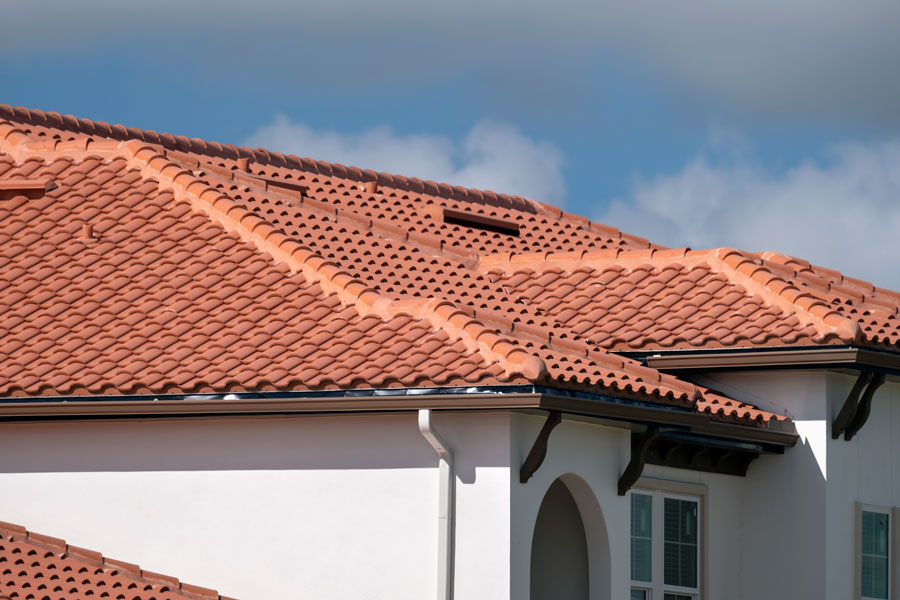
How to Replace Roof Tiles? The safest answer starts with inspection, not climbing onto the roof. A broken, slipped, or missing tile may look like a simple repair, but the cause can involve failed battens, damaged underlay, loose ridges, blocked valleys, flashing defects, moss, storm movement, or poor workmanship.
A&A Roofing London helps homeowners across London, Essex, and the Hertfordshire borders assess roof tile replacement properly before work begins. The aim is to confirm whether the problem is local, whether hidden layers are still sound, and whether the roof needs repair, restoration, or wider replacement.
Quick Check: If you have cracked, slipped, missing, or storm-damaged tiles, ask A&A Roofing London for a broken roof tile inspection in London before anyone walks on the roof.
How to Replace Roof Tiles? Start With Safety
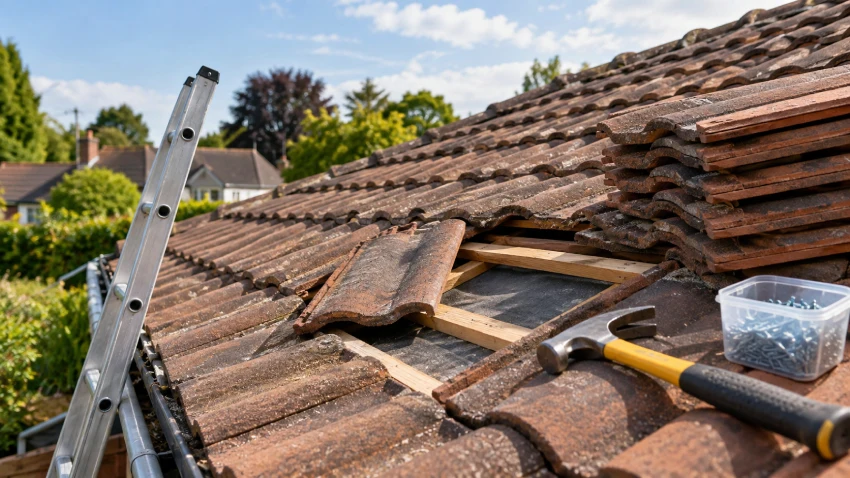
How to Replace Roof Tiles? Homeowners should not treat roof tile replacement as a simple DIY task. Roof access, fragile tiles, wet surfaces, ladders, unstable battens, valleys, roof edges, and hidden damage can all create serious risks.
| Before replacing tiles | Why it matters | What A&A Roofing London checks |
| Roof access | Unsafe access can cause falls | Ladder position, scaffold needs, roof height |
| Tile type | Replacement tiles must match | Profile, size, material, colour |
| Damage cause | A broken tile may be a symptom | Storm movement, impact, moss, poor fixing |
| Underlay | Hidden tears can still leak | Damp marks, sagging, failure points |
| Battens | Tiles need sound support | Rot, spacing, nail strength, movement |
| Flashing | Water may enter at junctions | Chimneys, walls, abutments, valleys |
| Gutters | Overflow can damage tile edges | Blockage, fall, water discharge |
| Valleys | Water concentration increases leak risk | Debris, lining, cracks, overflow |
| Roof structure | Movement can break tiles repeatedly | Sagging, uneven lines, timber condition |
| Repair scope | Local repair may not be enough | Repeated defects, roof age, leak history |
A&A Roofing London checks the roof before replacing tiles because a visible damaged tile is not always the main problem.
When Do Roof Tiles Need Replacing?
Roof tiles may need replacing when they are cracked, missing, slipped, impact-damaged, badly weathered, or no longer sitting correctly in the roof covering. Tiles may also need replacement after storm movement, moss-related blockage, or previous repair failure.
A&A Roofing London checks whether the damaged tile is isolated or linked to wider roof defects. Replacing one tile will not solve the issue if water is entering through a valley, chimney, flashing, gutter line, or failed underlay.
For early warning context, roof repair warning evidence is useful.
Why Inspection Comes Before Tile Replacement
Inspection comes first because the tile is only one part of the roof system. A tiled roof also depends on battens, underlay, rafters, ridges, verges, valleys, gutters, leadwork, flashing, ventilation, and drainage.
A&A Roofing London checks the damaged area from outside and, where possible, from inside the loft. This helps confirm whether the repair is local or whether damp has reached the layers below.
For inspection planning, roof inspection item framework and roof condition review prompts are useful.
How Often Should Roof Tiles Be Checked?
Roof tiles should be checked after strong winds, heavy rain, visible gutter overflow, falling debris, moss build-up, ceiling stains, or signs of tile movement. Older roofs and roofs near trees may need closer monitoring.
A&A Roofing London checks roof condition based on exposure, age, tile type, drainage, access, and previous repairs. Regular inspection helps catch small defects before water reaches underlay, battens, insulation, or ceilings.
For timing guidance, roof inspection timing markers is useful.
What Causes Roof Tiles to Break or Slip?
Roof tiles can break or slip because of impact, frost, foot traffic, storm movement, weak fixings, batten failure, poor installation, moss pressure, valley blockage, gutter overflow, or ageing. Repeated tile movement usually points to a cause beyond the tile itself.
A&A Roofing London checks the surrounding rows, fixings, ridges, valleys, and drainage before replacing tiles. This helps prevent repeat repairs in the same area.
For weather-related causes, rain wind frost roof stress notes are useful.
Replacing a Broken Roof Tile: Professional Process
A professional tile replacement usually follows a controlled process: inspect the roof, identify the tile type, assess access, check surrounding tiles, lift adjacent tiles carefully, remove the damaged tile, review underlay and battens, fit the matching replacement, secure it correctly, and check water flow around the repair.
A&A Roofing London does not treat tile replacement as only a surface job. The area below and around the broken tile should be checked before the repair is considered complete.
Matching the Replacement Roof Tile
A replacement tile should match the existing roof as closely as practical. Important details include material, profile, thickness, colour, size, fixing method, and weathering. A poor match can leave the repair visible and may affect water flow.
A&A Roofing London checks whether the roof uses concrete, clay, interlocking, plain, or another tile profile. Matching matters more on visible slopes, older properties, and roofs with established weathering.
For material context, roof tile profile reference can help compare tile and slate-related material differences.
Moss and Roof Tile Replacement
Moss can contribute to roof tile problems when it blocks gutters, fills valleys, slows water movement, hides cracks, or traps debris at tile laps. Moss should not be ignored if it is affecting roof drainage.
A&A Roofing London checks whether moss is only cosmetic or interfering with water flow. Tile replacement may need to be paired with gutter clearing, valley cleaning, or wider maintenance.
For moss prevention, roof moss cause patterns are useful.
Roof Maintenance Before and After Tile Replacement
Maintenance helps protect the new tile and surrounding roof. This includes checking gutters, valleys, ridges, flashing, leadwork, chimneys, moss, and previous repair areas.
A&A Roofing London checks whether roof tile replacement should be followed by maintenance work. A new tile can still leak if water is being pushed back by blocked gutters or a valley restriction.
For maintenance planning, roof damage prevention tasks are useful.
Roof Leaks After a Tile Break
A broken tile can cause a roof leak, but not every leak comes directly through the visible damaged tile. Water can enter higher up the roof and travel along underlay, rafters, battens, or internal surfaces before appearing indoors.
A&A Roofing London traces the likely leak route before replacing tiles. This is especially important around chimneys, valleys, walls, dormers, and flat roof junctions.
For leak tracing, roof leak pathway checks are useful.
Storm Damage and Tile Replacement
Storms can lift tiles, crack tiles, loosen ridges, move flashing, fill gutters with debris, and expose weak workmanship. After storm damage, the safest first step is a ground-level visual check and professional inspection.
A&A Roofing London checks whether storm movement is local or widespread. A few visible slipped tiles may be part of a larger pattern across the roof slope.
For storm response context, storm damage roof review points and storm repair first steps are useful.
When Tile Replacement Is Not Enough
Tile replacement is not enough when the roof has widespread defects, failed underlay, decayed battens, repeated leaks, sagging rooflines, poor workmanship, major flashing failure, valley deterioration, or structural movement.
A&A Roofing London checks whether local repair will genuinely solve the issue. If the roof has deeper failure, restoration or replacement may be the safer long-term route.
For decision support, repair replacement decision evidence and replacement threshold indicators are useful.
Sagging Roofs and Tile Replacement
A sagging roof should not be treated as a simple tile replacement job. Sagging may indicate structural movement, timber weakness, long-term water damage, excessive load, or support problems.
A&A Roofing London checks roofline movement before replacing tiles in affected areas. If the structure is moving, new tiles may crack or slip again.
For structural warning context, sagging roof movement clues are useful.
Poor Workmanship and Repeat Tile Problems
Poor workmanship can cause repeat tile replacement needs. Common issues include incorrect batten spacing, weak fixings, poor tile lap, badly formed valleys, poor flashing, cracked mortar, loose ridges, and unsafe access damage.
A&A Roofing London checks previous repair areas to see whether the same problem is returning. This helps separate normal tile damage from installation-related failure.
For workmanship context, roof workmanship fault review is useful.
Roof Safety: What Homeowners Should Avoid
Homeowners should avoid walking on roof tiles, lifting tiles from a ladder, working on wet roofs, stepping near valleys, using pressure washers without roof assessment, or trying to repair storm damage during bad weather.
A&A Roofing London handles roof access with the right inspection approach. Roof tile replacement can look simple, but the safety risk is often underestimated.
For safety context, homeowner roof safety boundaries are useful.
Flashing, Leadwork, and Tile Replacement
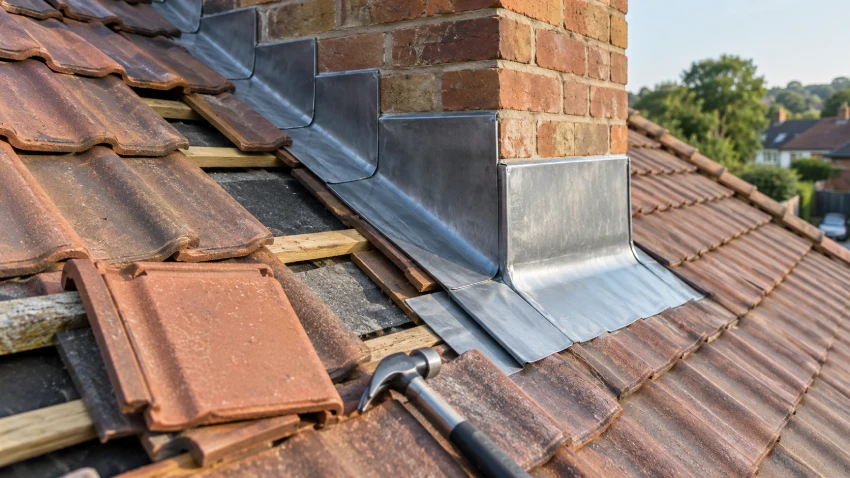
Flashing and leadwork protect junctions around chimneys, walls, valleys, dormers, and roof edges. If these details fail, replacing tiles nearby may not stop the leak.
A&A Roofing London checks leadwork and flashing before completing tile repairs around junctions. These areas need proper water control, not just new tiles.
For junction detail, flashing failure location notes and leadwork water-control details are useful.
Roof Valleys and Tile Replacement
Roof valleys carry a concentrated flow of rainwater between roof slopes. Tiles around valleys can suffer from debris, cracked edges, blocked water paths, or poor detailing.
A&A Roofing London checks the valley before replacing nearby tiles. A tile repair beside a blocked valley may fail again if the water route is not corrected.
For valley context, valley leak inspection points and valley blockage warning signs are useful.
Gutters, Drainage, and Roof Tile Damage
Blocked gutters and poor drainage can cause water to back up into roof edges, soak fascia areas, overflow onto walls, and worsen tile-edge problems. Drainage should be checked before and after tile replacement.
A&A Roofing London checks gutters, outlets, downpipes, valleys, and lower roof edges. Good water flow helps protect both new and existing tiles.
For drainage context, gutter overflow roof damage notes and roof water-flow problem checks are useful.
Tile or Slate Roofing in the UK
Tile or slate roofing in the UK may be relevant when tile replacement exposes wider roof issues and the homeowner is comparing roof materials. Tile and slate both need the right structure, pitch, fixing method, drainage, and maintenance plan.
A&A Roofing London checks whether replacement tiles are enough or whether the roof needs a wider material and condition review.
Roof Tile Replacement in London
Roof tile replacement in London should be based on tile type, roof access, pitch, damage cause, matching availability, underlay condition, battens, ridges, valleys, flashing, and drainage.
A&A Roofing London checks these details before replacing roof tiles so the repair addresses the cause, not only the visible damage.
Flat Roof Replacement and Tile Junctions
Flat roof replacement in London can be relevant where tiled roofs connect to flat extensions, dormers, garages, porches, or rear additions. Leaks near these junctions may be blamed on tiles when the flat roof detail is the actual problem.
A&A Roofing London checks roof junctions carefully before replacing tiles in connected areas.
Pitched Roof Repair in London
Most roof tile replacement happens on pitched roofs, so pitched roof repair in London should consider roof pitch, underlay, battens, ridges, valleys, gutters, leadwork, and safe access.
A&A Roofing London checks whether the pitched roof can support local tile replacement or whether deeper repair is needed.
Roof Replacement in the UK
Roof replacement in the UK may be needed when tile replacement will not solve the underlying failure. Widespread damaged tiles, failed underlay, weak battens, repeated leaks, sagging, and poor previous workmanship can all change the project scope.
A&A Roofing London checks whether repair, restoration, or replacement is the right route before work begins.
| Tile replacement situation | Possible cause | A&A Roofing London checks |
| One cracked tile | Impact or age-related break | Match tile and inspect nearby rows |
| Several slipped tiles | Fixing or batten issue | Battens, nail strength, underlay |
| Leak below a chimney | Flashing or leadwork failure | Soakers, aprons, pointing, damp route |
| Damage beside a valley | Blockage or valley lining issue | Debris, lining, tile edges, water flow |
| Repeated gutter overflow | Drainage restriction | Gutters, outlets, downpipes |
| Tiles cracking again | Workmanship or movement issue | Roofline, fixing method, access damage |
How to Replace Roof Tiles? Area Coverage
Local property age, roof pitch, tile type, access, weather exposure, chimneys, valleys, gutters, moss, flat roof connections, and repair history all affect How to Replace Roof Tiles? A&A Roofing London covers North London, Essex, and the Hertfordshire borders, helping homeowners replace damaged roof tiles safely and correctly.
North London
In North London, How to Replace Roof Tiles? often matters for terraced homes, shared rooflines, period properties, rear extensions, chimney stacks, and mixed roof materials. A&A Roofing London can check access, tile matching, valleys, gutters, flashing, flat roof junctions, and repair history before tile replacement begins.
Hertfordshire Borders
Across the Hertfordshire borders, roof tile replacement may involve larger pitched roofs, tree debris, moss, older roof details, and weather-exposed slopes. A&A Roofing London reviews tile condition, battens, underlay, drainage, chimneys, valleys, and maintenance needs before confirming the right repair route.
Essex
In Essex, roof tile replacement can be affected by wind exposure, rain runoff, gutter flow, roof-edge detailing, chimney junctions, and storm movement. A&A Roofing London can inspect tile damage, slate alternatives, flat roof connections, pitched roof details, valleys, and damp evidence before work starts.
Final Roofing Decision
How to Replace Roof Tiles? The right process begins with inspection, safe access, tile matching, cause diagnosis, underlay and batten checks, and careful replacement. A damaged tile should never be treated in isolation if there are signs of leaks, drainage problems, flashing defects, moss, storm movement, or structural concerns.
A&A Roofing London can support roof inspection in the UK by checking broken tiles, slipped tiles, battens, underlay, ridges, valleys, gutters, leadwork, chimneys, flat roof junctions, moss, roofline movement, damp evidence, and previous repairs. That gives homeowners a practical route to safe roof tile replacement, repair, restoration, or full replacement.
FAQs About How to Replace Roof Tiles?
How to Replace Roof Tiles Safely?
Roof tile replacement should start with a professional inspection and safe access. Homeowners should not walk on tiles or attempt repairs from unstable ladders.
Can One Broken Roof Tile Cause a Leak?
Yes, one broken tile can allow water in, but the leak may also come from flashing, valleys, gutters, underlay, or chimneys. The cause should be traced before repair.
Can I Replace Roof Tiles Myself?
It is not recommended for most homeowners. Roof access, tile fragility, wet surfaces, hidden damage, and fall risk make tile replacement unsafe without proper equipment and experience.
How Do You Match Replacement Roof Tiles?
Replacement tiles should match the existing tile material, profile, size, colour, thickness, and fixing method as closely as practical.
When Is Tile Replacement Not Enough?
Tile replacement is not enough when there is failed underlay, rotten battens, repeated leaks, sagging, widespread tile movement, poor workmanship, or serious flashing and valley defects.
Does Moss Need Removing Before Tile Replacement?
Moss should be assessed if it is blocking gutters, valleys, or roof edges. Removal should be done carefully so the tile surface is not damaged.
What Should Be Checked After Storm Damage?
After storm damage, A&A Roofing London checks slipped tiles, cracked tiles, ridges, gutters, valleys, flashing, chimneys, roof edges, and internal damp signs.
What Should A&A Roofing London Inspect First?
A&A Roofing London should inspect roof access, tile type, damaged area, surrounding tiles, battens, underlay, ridges, valleys, flashing, leadwork, gutters, chimneys, moss, roofline movement, and damp evidence.