
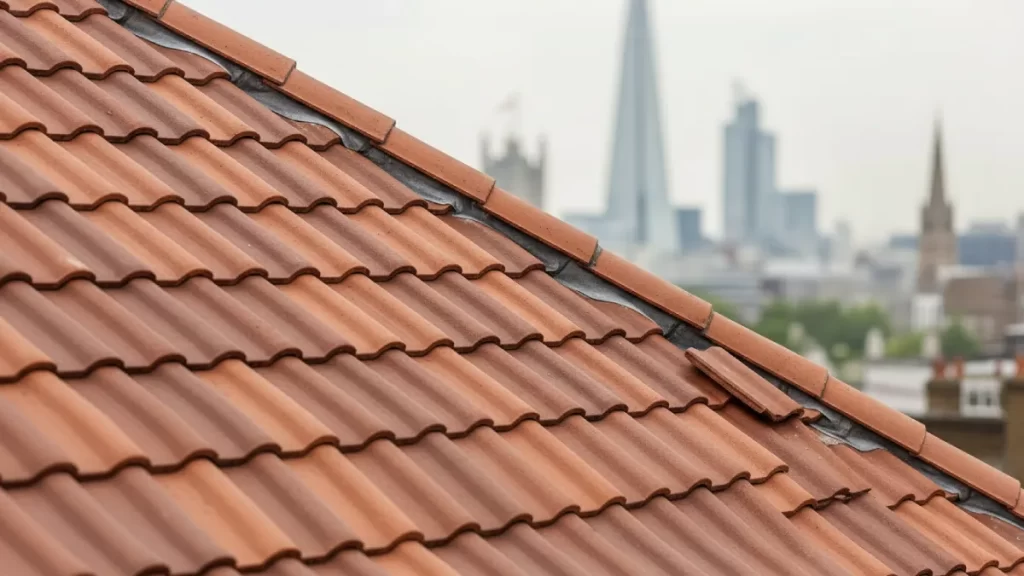
How to Repair Clay Roof Tiles? Start by identifying the damaged clay tile, checking safe roof access, finding the cause of the breakage, and inspecting the roof layers beneath. A cracked clay tile may look like a small problem, but the real issue can involve weak battens, damaged underlay, loose ridges, valley blockage, storm movement, moss, flashing defects, or ageing roof materials.
A&A Roofing London helps homeowners across London, Essex, and the Hertfordshire borders inspect clay tile roof problems before repair work begins. The aim is to confirm whether the roof needs local repair, roof tile replacement, pitched roof repair, flat roof junction work, restoration, or wider replacement.
Quick Check: If your clay roof tiles are cracked, loose, slipping, weathered, or leaking, ask A&A Roofing London for a clay roof tile repair review in London before the damaged area is patched.
How to Repair Clay Roof Tiles? First Checks
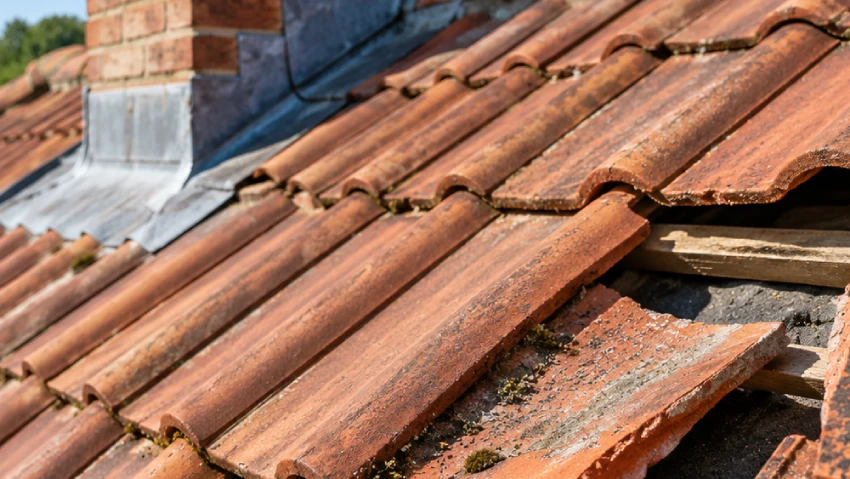
How to Repair Clay Roof Tiles? The repair should begin with a close inspection of the tile, surrounding courses, underlay, battens, ridges, gutters, valleys, flashing, and any internal damp evidence. Clay tiles can be fragile, so repair work needs careful handling and safe access.
|
Repair check |
Why it matters |
What A&A Roofing London checks |
|
Safe access |
Clay tiles can crack under pressure |
Roof pitch, height, access route |
|
Tile type |
Repair tiles must match properly |
Profile, size, colour, thickness |
|
Breakage cause |
Cracks may return if the cause remains |
Impact, frost, moss, movement |
|
Surrounding tiles |
Nearby clay tiles may also be weakened |
Edges, laps, cracks, movement |
|
Underlay |
Hidden tears can keep leaking |
Damp marks, sagging, gaps |
|
Battens |
Tiles need sound support |
Rot, fixing strength, spacing |
|
Ridge tiles |
Loose ridges can cause water entry |
Cracks, bedding, fixing condition |
|
Valleys |
Concentrated water can damage nearby tiles |
Debris, lining, water flow |
|
Flashing |
Junction leaks can look like tile leaks |
Chimneys, walls, abutments |
|
Repair scope |
Local repair may not be enough |
Previous repairs, repeat leaks, roof age |
A&A Roofing London checks whether the clay tile repair is truly local or part of a wider roof condition issue.
When Do Clay Roof Tiles Need Repair?
Clay roof tiles may need repair when they are cracked, chipped, loose, missing, slipping, weathered, impact-damaged, or allowing water into the roof. Damp loft marks, ceiling stains, and repeated leaks can also point to clay tile failure or surrounding roof defects.
A&A Roofing London checks the visible tile and nearby roof details. The damaged tile may be the obvious symptom, but valleys, gutters, ridges, underlay, battens, and flashing must also be reviewed.
For repair-warning context, roof defect signal list is useful.
How Are Broken Clay Roof Tiles Repaired?
Broken clay roof tiles are usually repaired by safely accessing the roof, identifying the tile profile, lifting surrounding tiles carefully, removing the damaged tile, checking the underlay and batten underneath, fitting a matching replacement tile, and confirming the surrounding tiles sit correctly.
A&A Roofing London handles clay tiles carefully because neighbouring tiles can crack during repair if they are brittle, old, or poorly supported.
For broken-tile detail, broken tile repair method notes are useful.
Clay Tile Repair Vs General Tile Roof Repair
Clay tile repair needs more care than a general tile repair because clay tiles can be more fragile, harder to match, and more sensitive to handling. The repair still depends on the same roof system: pitch, battens, underlay, ridges, valleys, gutters, flashing, and drainage.
A&A Roofing London checks whether the repair method suits the clay tile type. A clay tile should not be forced into position or replaced with the wrong profile.
For wider repair context, tile roof repair process notes are useful.
How Long Do Clay Roof Tiles Last?
Clay roof tile lifespan depends on tile quality, installation, roof pitch, exposure, battens, underlay, ridge condition, drainage, moss, and maintenance. Some clay tile roofs remain serviceable for many years, but lifespan should always be judged by condition.
A&A Roofing London checks whether the roof is ageing normally or showing signs of active failure. Repeated clay tile repairs can indicate deeper issues below the tile surface.
For clay lifespan context, clay tile lifespan condition checks are useful.
What Type of Clay Tile Needs Repair?
Different clay tiles repair differently. Plain tiles, interlocking tiles, profile tiles, and older clay tiles can vary in size, shape, thickness, colour, and fixing method. Matching the repair tile is important for appearance and water flow.
A&A Roofing London checks the clay tile profile before repair work starts. Poor matching can make the roof look uneven and may affect how water travels down the roof slope.
For tile-type context, roof tile shape reference is useful.
When Should Clay Tiles Be Replaced?
Clay tiles should be replaced when they are cracked through, missing, loose, badly weathered, impact-damaged, or no longer protecting the roof below. A local replacement may be enough if the roof layers beneath are sound.
A&A Roofing London checks whether replacement tiles are available and whether the roof needs more than a surface repair. If battens, underlay, ridges, or valleys are failing, replacing a clay tile alone may not solve the problem.
For replacement context, clay tile replacement checks are useful.
How Does Tile Choice Affect Clay Tile Repairs?
Tile choice affects clay tile repairs because the replacement tile must suit the roof pitch, fixing method, existing profile, colour, and surrounding courses. A mismatched tile can sit poorly or disrupt water movement.
A&A Roofing London checks whether the repair tile is technically suitable before installation. The right replacement should fit the roof as well as the appearance.
For selection planning, roof tile matching factors are useful.
Clay Tile Repair and Roof Age
Roof age affects clay tile repair because older roofs may have fragile tiles, weak battens, worn underlay, old ridge bedding, or previous patch repairs. A single broken tile may be simple, but repeated breakage often needs wider inspection.
A&A Roofing London checks whether the roof remains repairable or whether restoration is becoming more practical. Age alone is not the decision; roof condition is.
For broader age context, tile roof lifespan review points are useful.
Clay Tiles Compared With Concrete Tiles
Clay and concrete tiles can age differently and need different handling. Concrete tiles may show different surface wear, while clay tiles can require more care during access, lifting, and matching.
A&A Roofing London checks the existing tile material before repair work begins. Mixing materials without proper review can create appearance and water-flow problems.
For comparison, concrete tile age comparison notes are useful.
Maintenance Before Clay Tile Repair
Maintenance should be reviewed before clay tile repair because blocked gutters, valley debris, moss, loose ridges, and previous patch repairs can all contribute to tile damage.
A&A Roofing London checks whether repair should be paired with drainage clearance, ridge work, moss management, or further inspection. A repaired clay tile can still leak if water is being forced back by blocked roof details.
For maintenance planning, clay tile upkeep planning notes and tiled roof care inspection points are useful.
Loose Clay Roof Tiles
Loose clay roof tiles can allow wind-driven rain into the roof and may move again if the fixing, batten, or surrounding tile course is weak. Loose clay tiles should be checked before they create further breakage.
A&A Roofing London checks whether loose tiles are caused by storm movement, poor fixing, batten decay, roof ageing, or previous repair issues.
For movement context, loose roof tile movement signs are useful.
Ridge Tile Problems and Clay Roof Repairs
Ridge tile problems can cause leaks that appear lower down the roof. Cracked ridge tiles, loose bedding, open joints, and failed fixing can let water enter near the top of the roof.
A&A Roofing London checks the ridge line when repairing clay tiles nearby. A clay tile repair may not hold if water is entering from above.
For ridge context, ridge tile fault review is useful.
Roof Leaks and Clay Tile Damage
A roof leak may not appear directly below the damaged clay tile. Water can travel along underlay, battens, rafters, insulation, or ceilings before it becomes visible indoors.
A&A Roofing London traces the leak path before completing a clay tile repair. This is especially important near chimneys, valleys, walls, dormers, gutters, and flat roof junctions.
For leak context, roof leak source checks are useful.
Roof Inspection Before Clay Tile Repairs
A proper roof inspection should check the damaged clay tile, surrounding courses, battens, underlay, ridges, valleys, gutters, flashing, leadwork, chimneys, roof edges, moss, and internal damp evidence.
A&A Roofing London uses inspection findings to decide whether local repair is enough or whether the roof needs wider work.
For inspection structure, roof repair inspection points are useful.
Storm Damage and Clay Tile Repair
Storms can crack clay tiles, lift loose tiles, shift ridges, fill gutters, and expose weak previous repairs. Homeowners should avoid climbing onto the roof after bad weather.
A&A Roofing London checks clay tile damage from a safe access plan and reviews whether the movement is local or spread across the roof slope.
For storm-related checks, storm roof tile damage signs are useful.
Repair or Replace a Clay Tile Roof?
Repair may be suitable when damage is local and the roof layers underneath remain sound. Replacement may be more suitable where leaks repeat, tiles are fragile across several areas, underlay has failed, battens are decayed, or previous repairs no longer hold.
A&A Roofing London checks whether the repair will solve the cause. Where the roof has deeper failure, restoration or replacement may be safer than repeated patching.
For decision support, roof repair replacement pathway is useful.
Roof Maintenance After Clay Tile Repair

After clay tile repair, maintenance helps protect the repaired area. Gutters, valleys, ridges, moss, flashing, leadwork, and roof edges should be monitored so water does not return to the same weak point.
A&A Roofing London checks whether the homeowner needs ongoing maintenance, further repair, restoration, or replacement after the initial clay tile repair.
For follow-up care, roof maintenance action list is useful.
Roof Tile Replacement in London
Roof tile replacement in London may be needed where clay tiles are cracked, missing, loose, or badly weathered. The repair should include tile matching and inspection of the support layers below.
A&A Roofing London checks roof pitch, clay tile type, access, battens, underlay, ridges, valleys, flashing, gutters, and leak paths before replacing tiles.
Tile or Slate Roofing in the UK
Tile or slate roofing in the UK may be relevant where clay tile repairs reveal wider roof material or structure concerns. Slate and tile roofs need different detailing, fixing methods, maintenance, and repair matching.
A&A Roofing London checks whether the existing clay tile roof should be repaired or whether a wider material review is needed.
Flat Roof Replacement and Clay Tile Junctions
Flat roof replacement in London may be relevant when clay tile roof leaks appear near dormers, porches, garages, rear additions, or flat roof extensions. Water can enter at the flat roof junction and look like a clay tile problem.
A&A Roofing London checks the junction between pitched tiled roofs and flat roof sections before confirming the repair scope.
Pitched Roof Repair in London
Most clay tile repairs are part of pitched roof repair in London. Pitch, underlay, battens, fixings, ridges, valleys, gutters, flashing, and access all affect the repair method.
A&A Roofing London checks whether the pitched roof can be repaired locally or whether broader work is needed.
Roof Damage in the UK
Roof damage in the UK can come from storms, rain, frost, moss, blocked drainage, ageing materials, poor installation, or neglected maintenance. A clay tile repair should identify which cause is active.
A&A Roofing London checks whether damage is limited, spreading, or linked to hidden roof failure before recommending repair, restoration, or replacement.
|
Clay tile repair issue |
Possible cause |
A&A Roofing London checks |
|
One cracked clay tile |
Impact, frost, or age |
Match tile and inspect nearby rows |
|
Several cracked tiles |
Wider movement or fragile tiles |
Battens, access, fixing support |
|
Loose tile course |
Fixing or batten issue |
Nail strength, batten condition |
|
Leak near chimney |
Flashing or leadwork issue |
Soakers, aprons, pointing, water route |
|
Damp below valley |
Blockage or valley defect |
Debris, lining, adjacent tile edges |
|
Repair keeps failing |
Hidden roof issue |
Underlay, battens, workmanship, drainage |
How to Repair Clay Roof Tiles? Area Coverage
Local property age, roof pitch, clay tile profile, access, weather exposure, chimneys, valleys, gutters, moss, flat roof connections, and previous repairs all affect How to Repair Clay Roof Tiles? A&A Roofing London covers North London, Essex, and the Hertfordshire borders, helping homeowners assess clay tile roof damage before repair, restoration, replacement, or maintenance work begins.
North London
In North London, clay roof tile repairs often involve terraced homes, shared rooflines, period properties, chimney stacks, rear extensions, and limited access. A&A Roofing London can check clay tile matching, roof pitch, ridges, valleys, gutters, flat roof junctions, loft damp, and previous repair areas before recommending the next step.
Hertfordshire Borders
Across the Hertfordshire borders, clay tile roof repairs may be affected by tree debris, moss build-up, larger pitched roof areas, older roof details, weather exposure, and mixed tile or slate coverings. A&A Roofing London reviews clay tile condition, battens, underlay, drainage, chimneys, valleys, ventilation, and maintenance needs before confirming whether repair or replacement is more suitable.
Essex
In Essex, clay roof tile repair can be affected by wind exposure, rain runoff, roof-edge detailing, gutter flow, chimney junctions, moss, and previous storm movement. A&A Roofing London can inspect clay tile damage, flat roof connections, pitched roof details, valleys, damp evidence, and repair history before work starts.
Final Roofing Decision
How to Repair Clay Roof Tiles? The right process begins with safe inspection, careful tile handling, clay tile matching, underlay and batten checks, leak tracing, and a clear decision on whether local repair, roof tile replacement, restoration, or wider roof work is needed.
A&A Roofing London can support roof inspection in the UK by checking cracked clay tiles, loose tiles, surrounding courses, battens, underlay, ridges, valleys, gutters, flashing, leadwork, chimneys, flat roof junctions, moss, storm movement, damp evidence, and previous repairs. That gives homeowners a practical route to clay tile roof repair, replacement, restoration, or re-roofing where needed.
FAQs About How to Repair Clay Roof Tiles?
How to Repair Clay Roof Tiles Safely?
Clay roof tile repair should start with professional inspection and safe access. Homeowners should avoid walking on clay tiles because they can crack under pressure.
Can a Cracked Clay Tile Cause a Leak?
Yes. A cracked clay tile can allow water in, but leaks can also come from valleys, gutters, flashing, underlay, chimneys, or flat roof junctions.
Can Clay Roof Tiles Be Replaced Individually?
Yes, individual clay tiles can often be replaced if matching tiles are available and the surrounding roof layers are sound.
Why Do Clay Roof Tiles Crack?
Clay tiles can crack because of impact, age, frost, foot traffic, poor fixing, storm movement, weak battens, or previous repair damage.
When Is Clay Tile Repair Not Enough?
Repair may not be enough when underlay has failed, battens are weak, several tile courses are moving, leaks repeat, or the roofline is sagging.
Should Moss Be Removed Before Repairing Clay Tiles?
Moss should be assessed if it blocks gutters, valleys, outlets, or roof edges. Removal should be careful because aggressive cleaning can damage clay tiles.
Should Storm-Damaged Clay Tiles Be Repaired Quickly?
Storm-damaged clay tiles should be inspected promptly, but homeowners should not climb onto the roof during or after bad weather.
What Should A&A Roofing London Inspect First?
A&A Roofing London should inspect roof access, clay tile type, damaged tiles, surrounding courses, underlay, battens, ridges, valleys, gutters, flashing, leadwork, chimneys, moss, flat roof junctions, and damp evidence.