
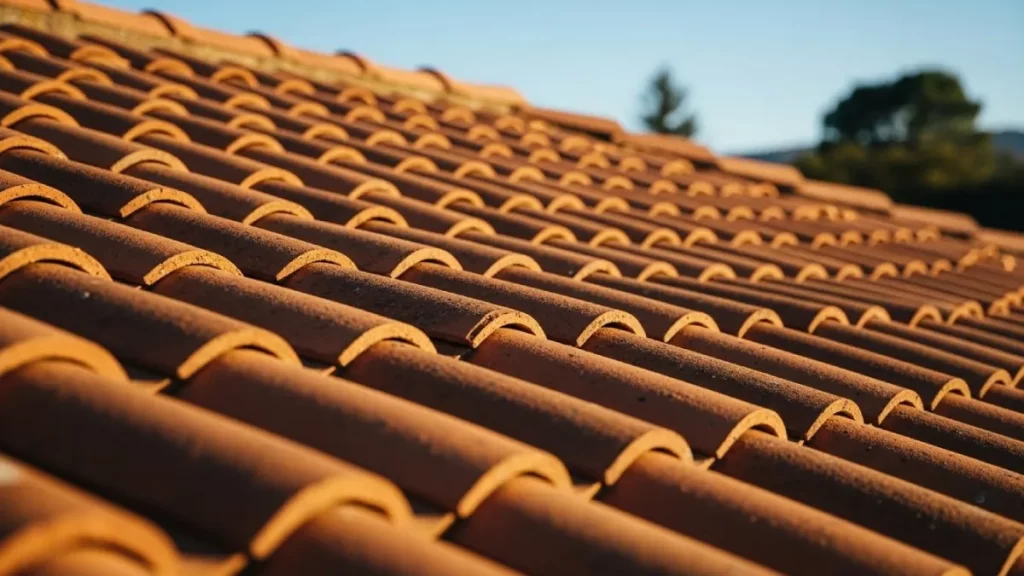
How Long Does a Clay Tile Roof Last in London? The answer depends on the tile quality, roof pitch, installation, underlay, battens, ridge condition, gutters, moss, weather exposure, repair history, and how well the roof is maintained.
A&A Roofing London helps homeowners across London, Essex, and the Hertfordshire borders assess clay tiled roofs before cracks, loose tiles, blocked drainage, or damp marks turn into wider roof damage. The aim is to decide whether the roof needs maintenance, local repair, tile replacement, restoration, or full replacement based on condition rather than age alone.
Quick Check: If your clay tiled roof has cracked tiles, loose ridges, moss, gutter overflow, or repeat damp marks, ask A&A Roofing London for a clay tile roof condition review in London before deciding whether to repair or replace it.
How Long Does a Clay Tile Roof Last in London? Key Factors
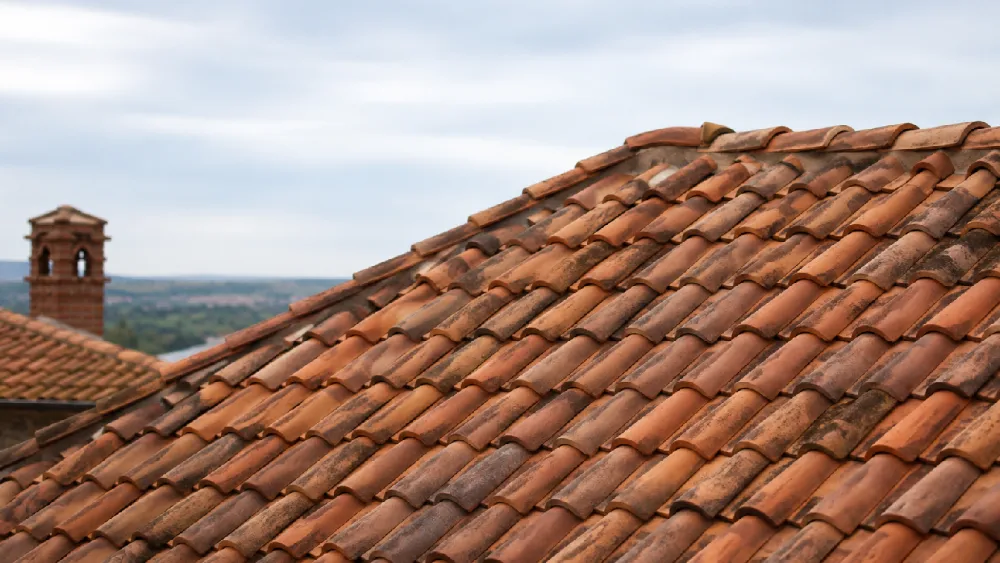 Slate
How Long Does a Clay Tile Roof Last in London? A clay tile roof can remain serviceable for a long time when the tiles, roof pitch, battens, underlay, ridges, valleys, gutters, leadwork, and ventilation all work together. The practical lifespan is controlled by the full roof system, not the clay tile alone.
|
Clay tile lifespan factor |
Why it matters |
What A&A Roofing London checks |
|
Clay tile condition |
Cracks and edge damage affect weather protection |
Breakage, surface wear, tile fit |
|
Roof pitch |
Clay tiles need the right slope to shed rain |
Pitch, lap, water run-off |
|
Installation quality |
Poor fixing shortens roof performance |
Battens, underlay, tile alignment |
|
Underlay condition |
Hidden failure can still cause leaks |
Tears, sagging, damp evidence |
|
Batten strength |
Tiles need firm support |
Decay, movement, spacing |
|
Ridge condition |
Loose ridge sections expose the roof |
Cracks, bedding, fixing method |
|
Gutters and valleys |
Blocked drainage increases water pressure |
Debris, overflow, outlets |
|
Moss growth |
Moss can hide defects and slow drainage |
Tile laps, gutters, roof edges |
|
Weather exposure |
Rain, wind, frost, and storms test weak details |
Edges, ridges, chimneys, repairs |
|
Repair history |
Repeated repairs may show deeper failure |
Patch repairs, leaks, tile matching |
A&A Roofing London checks the clay tiles and the layers below them. A clay tiled roof may look attractive from the ground while the underlay, battens, ridges, or drainage details are already showing wear.
What Affects Clay Tile Roof Lifespan?
Clay tile roof lifespan is affected by tile quality, roof pitch, surrounding trees, London weather exposure, drainage, chimneys, valleys, flat roof junctions, previous repairs, and maintenance history.
A&A Roofing London checks whether the clay tiles are ageing normally or showing signs of active roof failure. A few cracked tiles may need local repair, while widespread movement, recurring damp, or failing battens can point to a larger roof issue.
For wider lifespan context, tile roof ageing framework is useful.
Clay Tiles Compared With Concrete Tiles
Clay and concrete roof tiles can both work well, but they age differently. Clay tiles may need more careful handling during repair, while concrete tiles may show different surface-wear patterns. Both depend on roof pitch, installation, underlay, battens, gutters, and maintenance.
A&A Roofing London checks the tile material before recommending repair or replacement. The right decision should be based on the roof’s actual condition and not only on the name of the tile.
For comparison, concrete tile ageing comparison is useful.
What Type of Clay Tile Is on the Roof?
The clay tile type affects lifespan because different profiles, shapes, and fixing methods perform differently. Plain clay tiles, interlocking tiles, and profile tiles may need different repair methods and replacement matches.
A&A Roofing London checks the tile profile, size, colour, edge shape, fixing method, and weathering before repair work begins. Matching clay tiles can be especially important on visible slopes and older London homes.
For tile identification, roof tile form reference is useful.
Does Tile Choice Affect Clay Roof Lifespan?
Tile choice affects lifespan because the selected tile must suit the roof pitch, structure, appearance, exposure, and maintenance plan. A clay tile that looks right may still be unsuitable if the roof pitch, fixing method, or support layers are wrong.
A&A Roofing London checks the property before recommending clay tile repair or replacement. The roof covering should fit both the building and the weather conditions.
For selection planning, tile choice suitability checks are useful.
How Does Installation Quality Affect Clay Tile Lifespan?
Installation quality has a major effect on clay tile lifespan. Incorrect batten spacing, weak fixings, poor underlay laps, uneven tile courses, loose ridges, and poor valley detailing can reduce roof performance.
A&A Roofing London checks whether clay tile damage is caused by age, weather, impact, moss, or installation defects. A good clay tile can still fail early if the roof system below it was poorly installed.
For installation context, tile fitting sequence notes are useful.
What Maintenance Helps Clay Tiles Last Longer?
Maintenance helps clay tiles last longer by keeping the roof dry, clear, and secure. Important checks include cracked tiles, slipped tiles, loose ridges, blocked gutters, blocked valleys, moss, leadwork, chimneys, and damp marks inside the loft.
A&A Roofing London checks whether maintenance is enough or whether a repair is already needed. Maintenance is most valuable when it catches water movement problems before they reach underlay, battens, insulation, or ceilings.
For care planning, clay tile maintenance priorities and tiled roof care review points are useful.
Does Moss Shorten Clay Tile Roof Life?
Moss can shorten the practical life of a clay tiled roof when it blocks gutters, fills valleys, slows water movement, hides cracks, or holds debris against roof edges. Moss is not always urgent, but it should be assessed when drainage is affected.
A&A Roofing London checks whether moss is cosmetic or interfering with roof function. Removal should be planned carefully because clay tiles can be damaged by aggressive cleaning.
For moss context, moss blockage roof tile checks are useful.
How Are Clay Roof Tiles Repaired?
Clay roof tiles are repaired by identifying the tile type, checking access, lifting surrounding tiles carefully, removing the damaged tile, checking the underlay and batten beneath, fitting a matching tile, and confirming that water still runs correctly across the roof.
A&A Roofing London checks nearby tiles because clay tiles can be fragile during handling. A local repair should not create new cracks around the original defect.
For clay repair detail, clay tile repair workflow is useful.
What Repairs Help Clay Tile Roofs Last Longer?
Repairs that help clay tile roofs last longer include replacing cracked tiles, securing loose tiles, repairing ridge sections, clearing valleys, correcting gutter overflow, repairing flashing, and tracing leaks before they spread.
A&A Roofing London checks the cause before completing the repair. A broken clay tile may be simple to replace, but repeated breaks can suggest movement, poor fixing, failed battens, or drainage pressure.
For repair planning, tile repair diagnosis stages and broken tile repair evidence are useful.
When Should Clay Roof Tiles Be Replaced?
Clay roof tiles should be replaced when they are cracked, missing, loose, badly weathered, impact-damaged, or no longer protecting the roof below. Local replacement may be enough when the surrounding roof is sound.
A&A Roofing London checks whether replacement is local or part of wider roof deterioration. If underlay, battens, valleys, or ridges are failing, replacing the visible clay tile may not solve the issue.
For replacement context, London tile replacement assessment is useful.
Loose Clay Tiles and Wind Movement
Loose clay tiles should be checked promptly because wind-driven rain can enter gaps and movement can spread across surrounding courses. Loose tiles may be caused by age, fixing failure, storm exposure, batten decay, or previous repair issues.
A&A Roofing London checks whether loose clay tiles are isolated or part of a wider roof movement pattern. The repair should secure the tile and address the reason it moved.
For movement context, loose tile wind-risk notes are useful.
How Much Does Clay Tile Roof Work Cost?
Clay tile roof work can vary depending on access, scaffold, tile matching, number of damaged tiles, underlay condition, battens, ridges, valleys, gutters, leadwork, waste removal, and whether the repair exposes hidden damage.
A&A Roofing London checks the roof before recommending a scope. A few replacement clay tiles are different from a roof section needing underlay, battens, ridge repairs, or restoration.
For allowance planning, tile roofing budget drivers and roof tile supply variables are useful.
Is a Clay Tile Roof Worth Keeping?
A clay tile roof may be worth keeping when the structure is sound, most tiles remain serviceable, drainage is working, and defects can be managed with maintenance or local repair. It may be less practical where failures are widespread or hidden layers are breaking down.
A&A Roofing London checks whether the roof should be maintained, repaired, restored, or replaced. The aim is to avoid premature replacement while not relying on repairs that no longer solve the problem.
For decision context, tile roof value indicators and tile roofing limitation factors are useful.
What Is a Clay Tile Roof in Lifespan Terms?
A clay tile roof is not only the visible tile surface. It includes clay tiles, battens, underlay, rafters, ridges, valleys, gutters, leadwork, ventilation, and drainage. The roof lasts longer when these parts work together.
A&A Roofing London checks the full roof system rather than only counting broken clay tiles. This helps identify whether the issue is a tile defect or a deeper roof problem.
For roof-system context, tiled roof structure notes are useful.
Clay Tiles and UK Weather
Clay tile roofs can handle UK weather where pitch, fixing, drainage, ridges, gutters, valleys, and maintenance are suitable. Rain, wind, frost, moss, and storm movement usually expose weak roof details first.
A&A Roofing London checks roof edges, ridges, valleys, gutters, chimneys, and previous repair areas when assessing weather-related clay tile wear.
For weather context, roof material weather-fit notes are useful.
Clay Tiles Compared With Other Roofing Materials
Clay tile roofs should be compared with other materials by property fit, pitch, structure, appearance, lifespan, repair access, and maintenance needs. A clay tile roof may be right for one property and unsuitable for another.
A&A Roofing London checks the roof before recommending clay tile repair, tile replacement, slate comparison, or another roof route.
For wider material context, roof covering lifespan factors are useful.
Tile Roofing in London
Tile roofing in London should be assessed by tile type, roof pitch, drainage, maintenance history, and hidden roof condition. Clay tiles need careful handling, matching, and support from sound battens and underlay.
A&A Roofing London checks clay tile condition, roof pitch, battens, underlay, ridges, valleys, gutters, leadwork, chimneys, moss, flat roof connections, and loft damp before recommending repair or replacement.
Tile or Slate Roofing in the UK
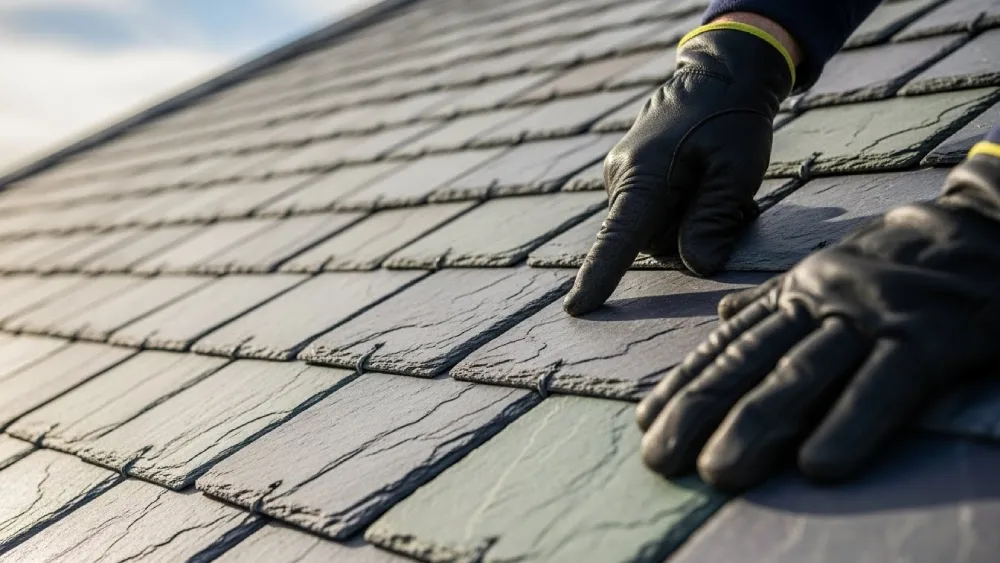
Tile or slate roofing in the UK may be relevant if a clay tiled roof is nearing replacement stage and the homeowner is comparing pitched roof materials. Slate and clay tile can both suit certain homes, but they differ in weight, appearance, fixing method, and maintenance.
A&A Roofing London checks whether the existing clay tile roof should be repaired, replaced with matching tiles, or compared with slate as part of a wider roof decision.
Flat Roofs and Clay Tile Roofs
Flat roofs in London should be checked separately from clay tiled pitched roofs. Many homes have clay tiled main roofs connected to flat roof extensions, dormers, garages, porches, or rear additions.
A&A Roofing London checks roof junctions carefully because leaks from flat roof sections can be mistaken for clay tile failure.
Pitched Roof Maintenance in London
Clay tiled roofs depend on pitched roof maintenance in London. Pitch, battens, underlay, ridges, valleys, gutters, ventilation, and roof edges all affect how long the roof remains serviceable.
A&A Roofing London checks whether the pitched roof is still moving water away from the property correctly.
Roof Maintenance and Clay Tile Lifespan
Roof maintenance in the UK supports clay tile lifespan by keeping the roof dry, secure, and repairable. Maintenance may include replacing damaged tiles, clearing gutters, checking valleys, repairing ridges, controlling moss, and tracing damp early.
A&A Roofing London checks whether maintenance is enough or whether the roof has moved into repair, restoration, or replacement territory.
|
Clay tile roof condition |
What it may mean |
Likely next step |
|
One cracked clay tile |
Local impact or ageing |
Replace tile and inspect nearby rows |
|
Several cracked tiles |
Wider movement or fragile tile courses |
Check battens, access, and fixing |
|
Loose ridge section |
Ridge failure risk |
Repair ridge and review adjacent tiles |
|
Moss at gutters |
Drainage restriction |
Clear routes and inspect water flow |
|
Damp loft mark |
Possible hidden water entry |
Trace leak path before repair |
|
Repeated tile repairs |
Deeper roof issue possible |
Review restoration or replacement |
How Long Does a Clay Tile Roof Last in London? Area Coverage
Local property age, roof pitch, clay tile profile, access, weather exposure, chimneys, valleys, gutters, moss, flat roof connections, and previous repairs all affect How Long Does a Clay Tile Roof Last in London? A&A Roofing London covers North London, Essex, and the Hertfordshire borders, helping homeowners assess clay tile roof condition before repair, restoration, replacement, or maintenance work begins.
North London
In North London, clay tile roof lifespan can be affected by terraced housing, shared rooflines, period properties, chimney stacks, rear extensions, moss, blocked gutters, and limited access. A&A Roofing London can check clay tile condition, ridges, valleys, flat roof junctions, roof pitch, loft damp, and previous repair areas before recommending the next step.
Hertfordshire Borders
Across the Hertfordshire borders, clay tile roofs may face tree debris, moss build-up, larger pitched roof areas, older roof details, weather exposure, and mixed tile or slate coverings. A&A Roofing London reviews the clay tile condition, roof structure, battens, underlay, drainage, chimneys, valleys, ventilation, and maintenance needs before confirming whether repair or replacement is more suitable.
Essex
In Essex, clay tile roof lifespan can be affected by wind exposure, rain runoff, roof-edge detailing, gutter flow, chimney junctions, moss, and previous storm movement. A&A Roofing London can inspect clay tile suitability, flat roof connections, pitched roof details, valleys, damp evidence, and repair history before maintenance, repair, or replacement work starts.
Final Roofing Decision
How Long Does a Clay Tile Roof Last in London? It depends on clay tile condition, roof pitch, installation quality, underlay, battens, ridges, gutters, valleys, moss, weather exposure, repair history, and maintenance. A clay tiled roof should be judged by inspection evidence, not by age alone.
A&A Roofing London can support residential roofing in London by checking clay roof tiles, battens, underlay, ridges, gutters, valleys, moss, leadwork, chimneys, flat roof connections, loft damp, and previous repairs. That gives homeowners a practical route to maintenance, repair, restoration, or replacement.
FAQs About How Long Does a Clay Tile Roof Last in London?
How Long Does a Clay Tile Roof Last in London?
Clay tile roof lifespan in London depends on tile condition, roof pitch, installation quality, underlay, battens, ridges, drainage, moss, weather exposure, and maintenance history.
Do Clay Tiles Last Longer Than Concrete Tiles?
Clay and concrete tiles age differently. The right comparison depends on the roof pitch, tile condition, surface wear, repair matching, support layers, and maintenance.
What Shortens Clay Tile Roof Lifespan?
Cracked tiles, loose ridges, moss, blocked gutters, blocked valleys, failed underlay, weak battens, poor installation, storm movement, and repeated leaks can shorten practical roof life.
Can Clay Roof Tiles Be Repaired?
Yes. Local repair may be possible where damage is limited. A&A Roofing London checks surrounding tiles, underlay, battens, ridges, and the leak path before repair.
When Should Clay Roof Tiles Be Replaced?
Clay roof tiles should be replaced when they are cracked, missing, loose, impact-damaged, badly weathered, or no longer protecting the roof below.
Does Moss Damage Clay Roof Tiles?
Moss becomes a problem when it blocks gutters, valleys, outlets, or roof edges, or when it hides cracked tiles and slows water movement.
Should I Repair or Replace an Older Clay Tile Roof?
Repair may be suitable for local defects. Replacement may be more suitable where leaks repeat, underlay fails, battens decay, or tile movement affects several areas.
What Should A&A Roofing London Inspect First?
A&A Roofing London should inspect clay tile condition, roof pitch, battens, underlay, ridges, valleys, gutters, moss, leadwork, chimneys, flat roof connections, loft damp, and repair history.