How Often Should Slate Roofs Be Inspected in the UK? Expert Advice
admin2026-09-10T06:11:16+00:00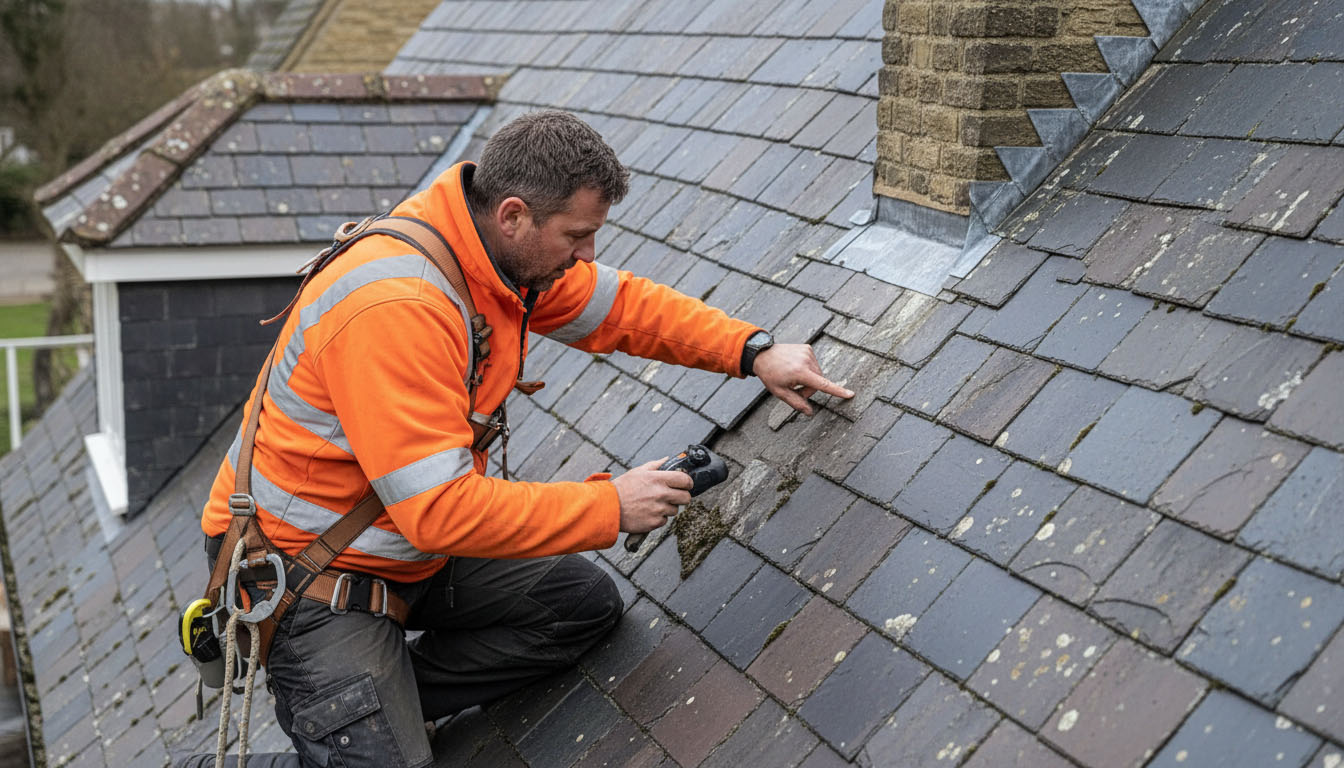
How Often Should Slate Roofs Be Inspected in the UK? Expert Advice
Slate roofs are known for durability, but long lifespan does not mean maintenance-free performance. Many UK homeowners only arrange inspections after visible leaks appear, by which point underlying damage may already be advanced. Delayed inspections often turn minor fixing issues into expensive structural repairs.
The UK’s persistent rainfall, frost cycles, and storm exposure place continuous pressure on fixings and battens beneath the slate. Knowing how often slate roofs should be inspected helps prevent premature deterioration and unnecessary replacement costs. This guide explains ideal inspection frequency and what professionals look for.
Slate Roof Inspection Frequency UK Homeowners Should Follow
Slate roof inspection frequency UK properties require depends on roof age, exposure classification, and prior repair history. While slate itself can last decades, fixings and timber supports require routine monitoring.
General inspection recommendations include:
Visual inspection annually from ground level
Professional inspection every 1 to 2 years
Additional checks after severe storms
More frequent inspections for roofs over 40 years old
Older slate roofs are particularly vulnerable to nail fatigue, even when the stone remains intact. Professional slate roofing inspections assess both surface condition and underlying structural components.
How Often Inspect Slate Roof UK Based on Age
Understanding how often inspect slate roof UK homeowners should schedule depends heavily on roof age and installation quality.
Roof Age | Recommended Inspection Frequency |
|---|---|
0–20 Years | Every 2 years |
20–40 Years | Every 1–2 years |
40+ Years | Annually |
After Major Storm | Immediate inspection |
As slate roofs age, nail corrosion becomes more likely. Even high-quality slate can slip if fixings deteriorate.
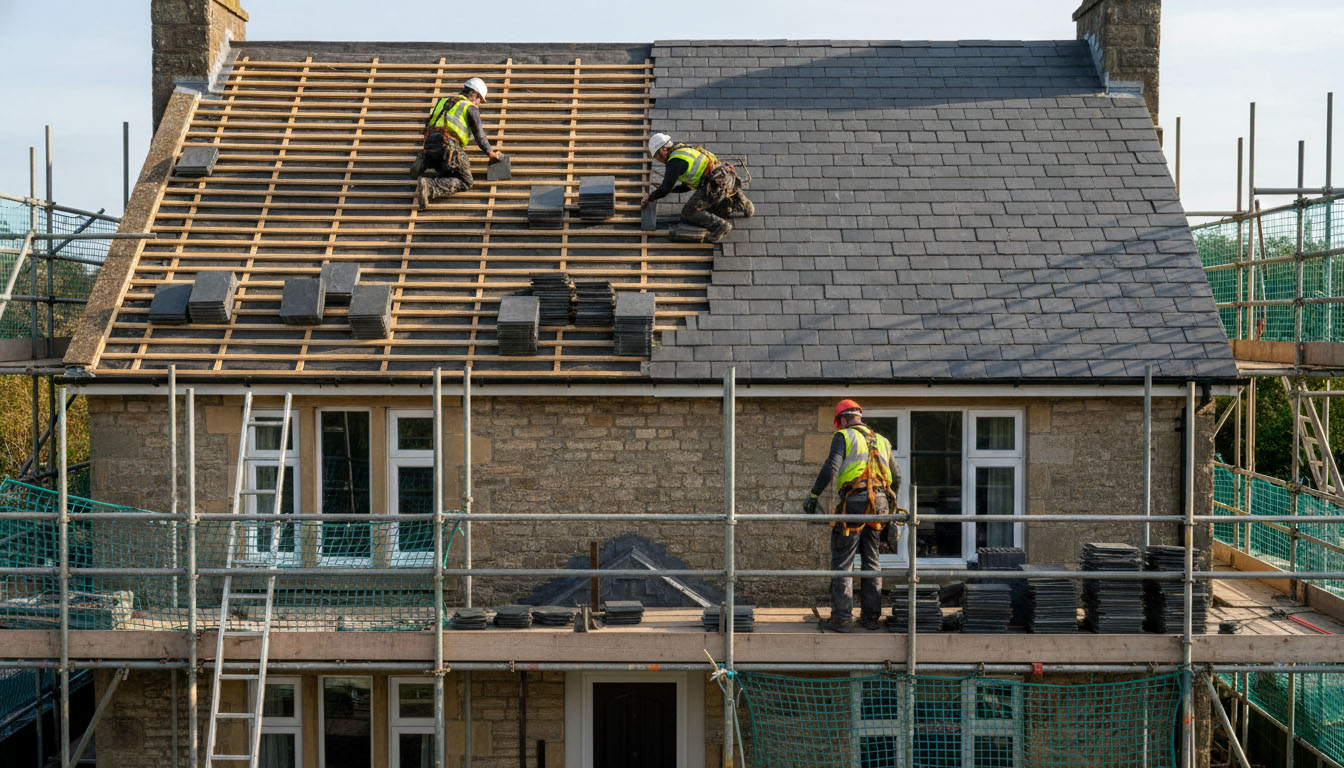
Where structural reinforcement or partial re-slating is required, professional pitched roof installation ensures compliance with current wind and load regulations.
Slate Roof Inspection UK: What Professionals Check
A professional slate roof inspection UK homeowners schedule goes beyond visual surface review. Experts assess structural integrity and long-term performance risks.
Inspection checklist typically includes:
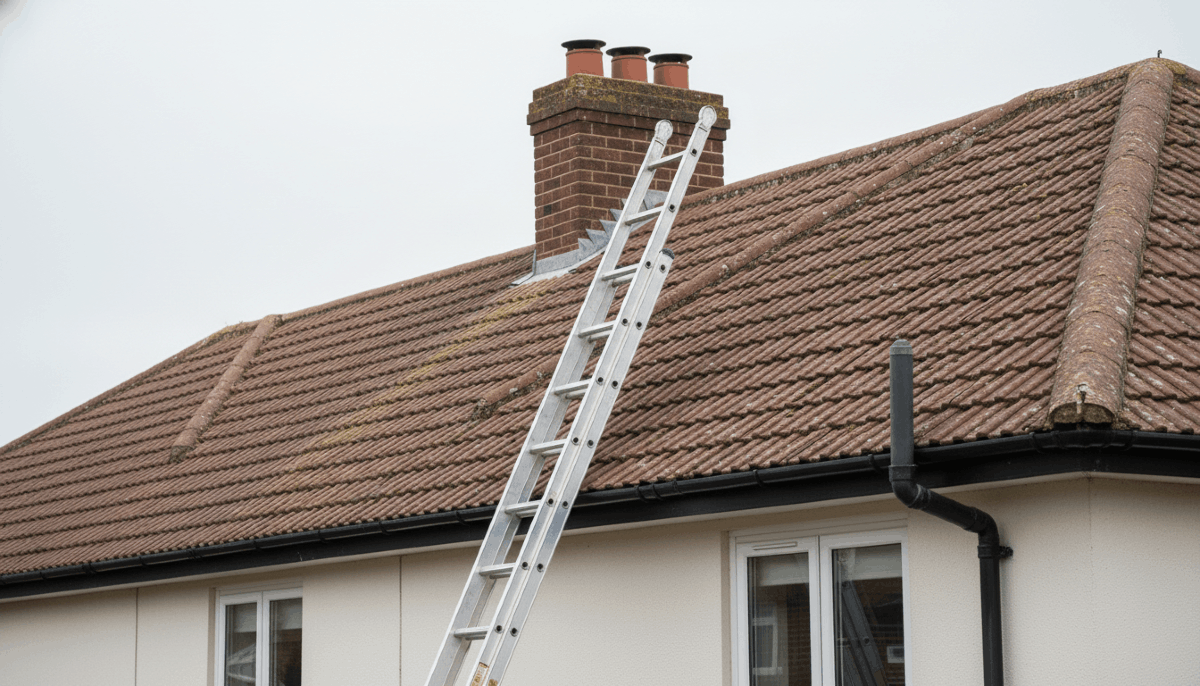
Identifying slipped or cracked slates
Checking for nail fatigue and corrosion
Examining battens for rot
Inspecting ridge and hip alignment
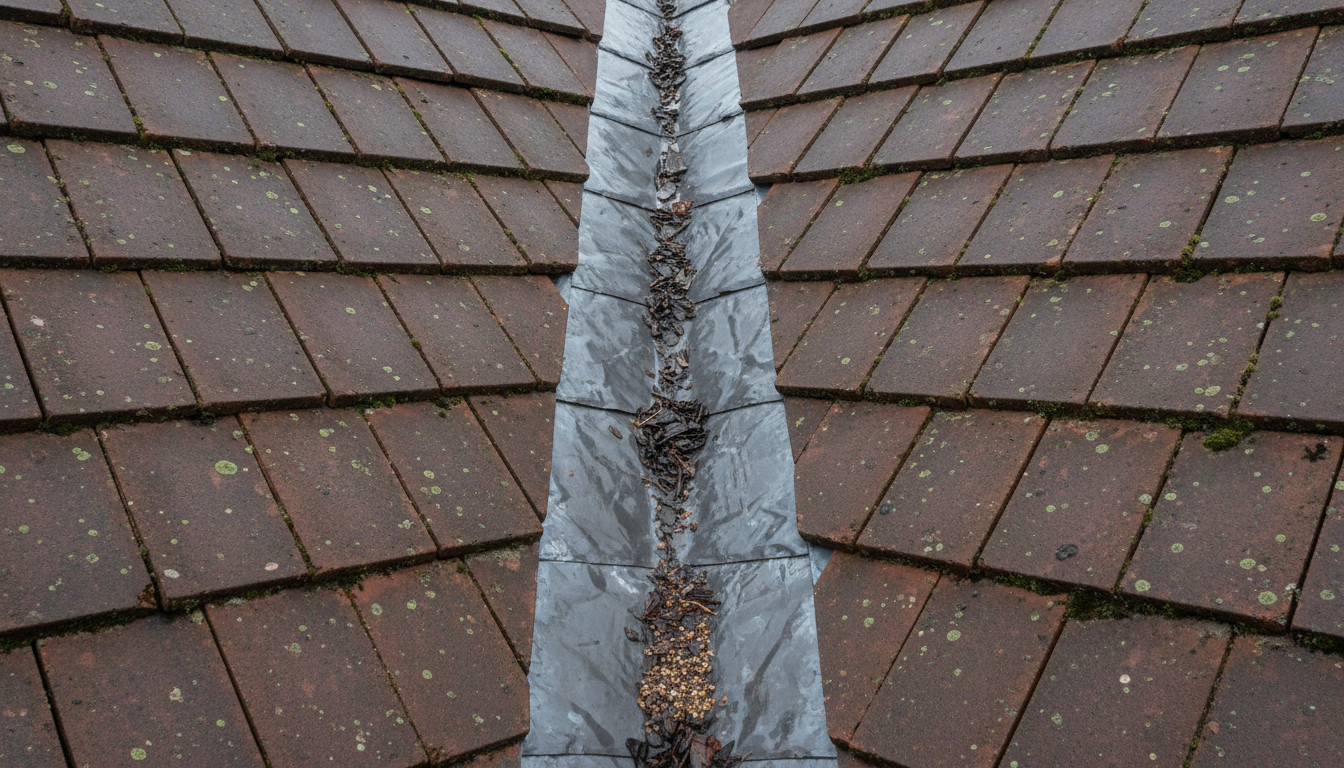
Assessing flashing around chimneys and valleys
Evaluating ventilation effectiveness
Small defects caught early can prevent widespread structural decay. Professional slate roofing services provide detailed evaluation rather than surface-only checks.
Storm Damage and Emergency Inspection Timing
The UK climate includes high winds and heavy rainfall events that can dislodge slates unexpectedly. Even newer roofs should be inspected after significant storms.
Post-storm inspection is recommended if you notice:
Debris in gutters
Slates visible on the ground
Sudden internal damp patches
Audible movement during high winds
Ignoring storm-related damage can allow water to penetrate beneath the slate layer.
Homeowners concerned about storm exposure may also review how to spot roof damage after a storm in the UK guidance for additional warning signs.
Consequences of Skipping Inspections
Skipping routine inspections increases risk of structural timber decay, insulation damage, and repeated slate slippage.
Potential consequences include:
Accelerated nail fatigue
Batten deterioration
Increased repair frequency
Reduced property resale value
Proactive inspection reduces long-term cost and preserves roof integrity.
Where ageing systems show broader wear, roof restoration services can reinforce structure and renew fixings before full replacement becomes necessary.
Balancing Cost and Prevention
Some homeowners hesitate to schedule inspections due to perceived cost, yet preventative assessment is significantly less expensive than reactive repairs.
Preventative benefits include:
Early detection of fixing issues
Extended roof lifespan
Improved property value retention
Regular inspections protect the long-term investment slate roofing represents.
Professional slate roofing maintenance planning ensures inspections align with roof age and exposure risk.
Frequently Asked Questions
How often should a slate roof be inspected in the UK
Most slate roofs should be professionally inspected every one to two years, with annual checks for older systems.
Do new slate roofs need inspection
Yes, even new roofs benefit from periodic inspection to confirm fixings and flashing remain secure.
Should I inspect my slate roof after a storm
Yes, strong winds can loosen slates even if no immediate leak is visible.
What happens if nail fatigue is ignored
Widespread nail corrosion can cause slates to slip across larger roof sections.
Is inspection cheaper than repair
Yes, preventative inspection typically costs far less than structural repair caused by delayed detection.