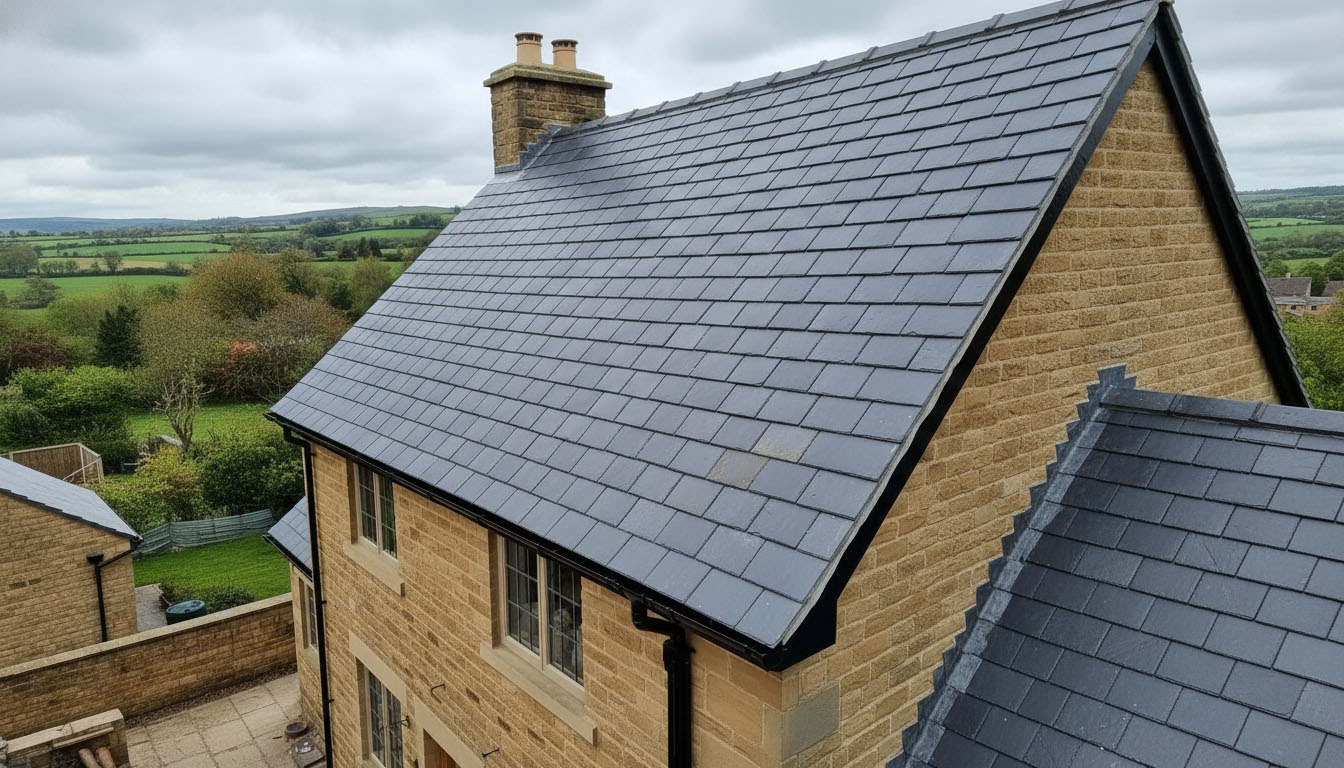
Roof Moss and Algae in the UK: Is It Just Cosmetic or a Real Problem?
admin2026-02-02T03:19:46+00:00BLOG
Roof Moss and Algae in the UK: Is It Just Cosmetic or a Real Problem?
Roof moss and algae are common across UK homes, especially on shaded or older properties. Many homeowners assume the green growth is purely cosmetic and harmless. That assumption often leads to moisture retention, tile deterioration, blocked drainage, and avoidable roof repairs.
In the UK’s damp climate, moss and algae actively interfere with how a roof sheds water. They trap moisture, accelerate freeze-thaw damage, and disrupt drainage paths. Knowing when growth is a visual nuisance and when it becomes a structural risk is essential to protecting your roof long term.
Roof moss removal UK: Why moss grows so easily
Roof moss removal UK is frequently required because the UK climate is ideal for moss development. Persistent rainfall, high humidity, and limited sunlight on north-facing slopes create the perfect environment for spores to establish and spread.
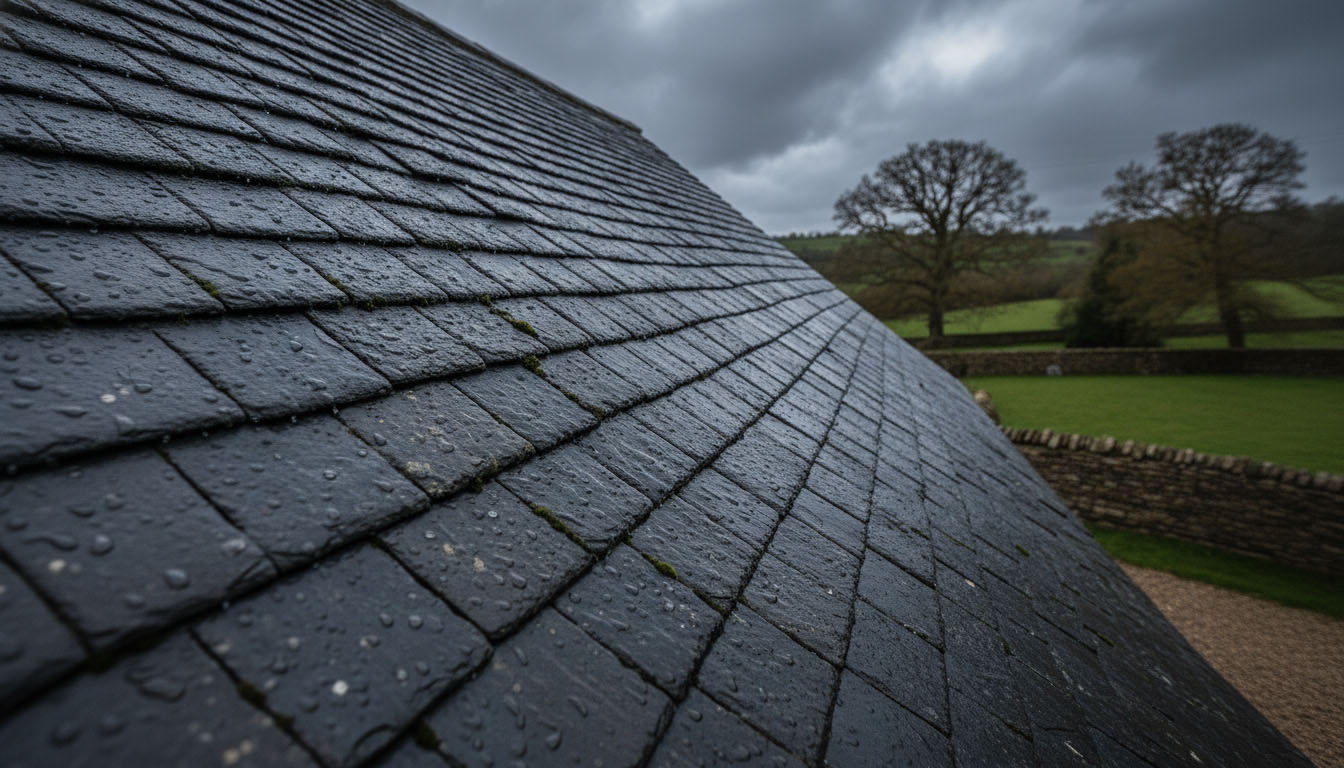
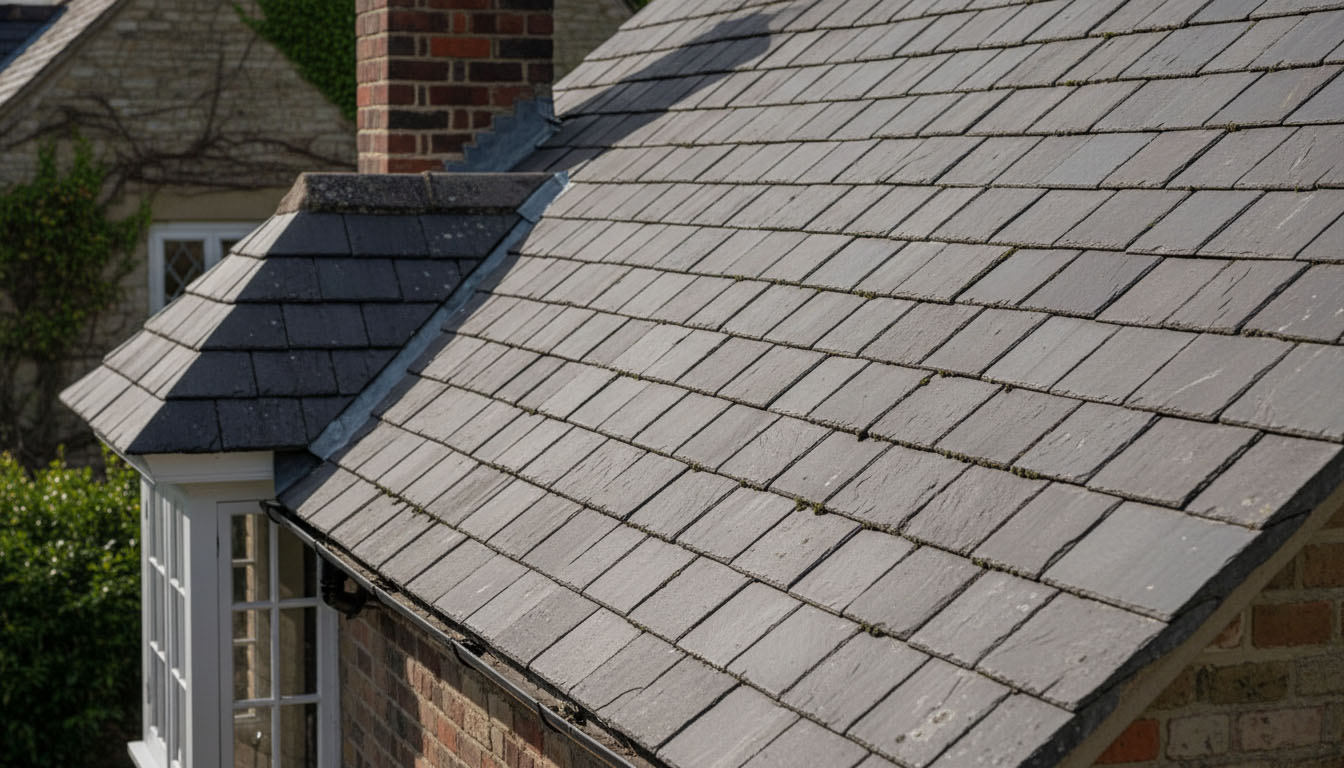
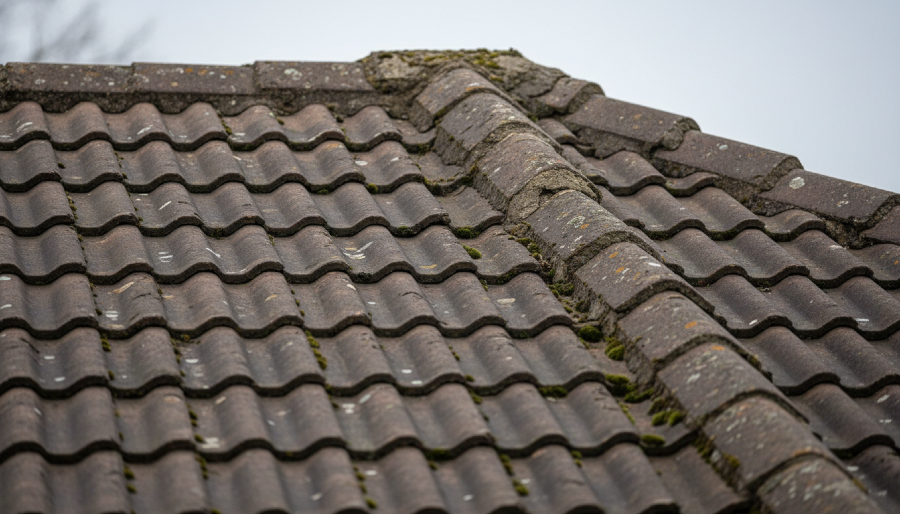
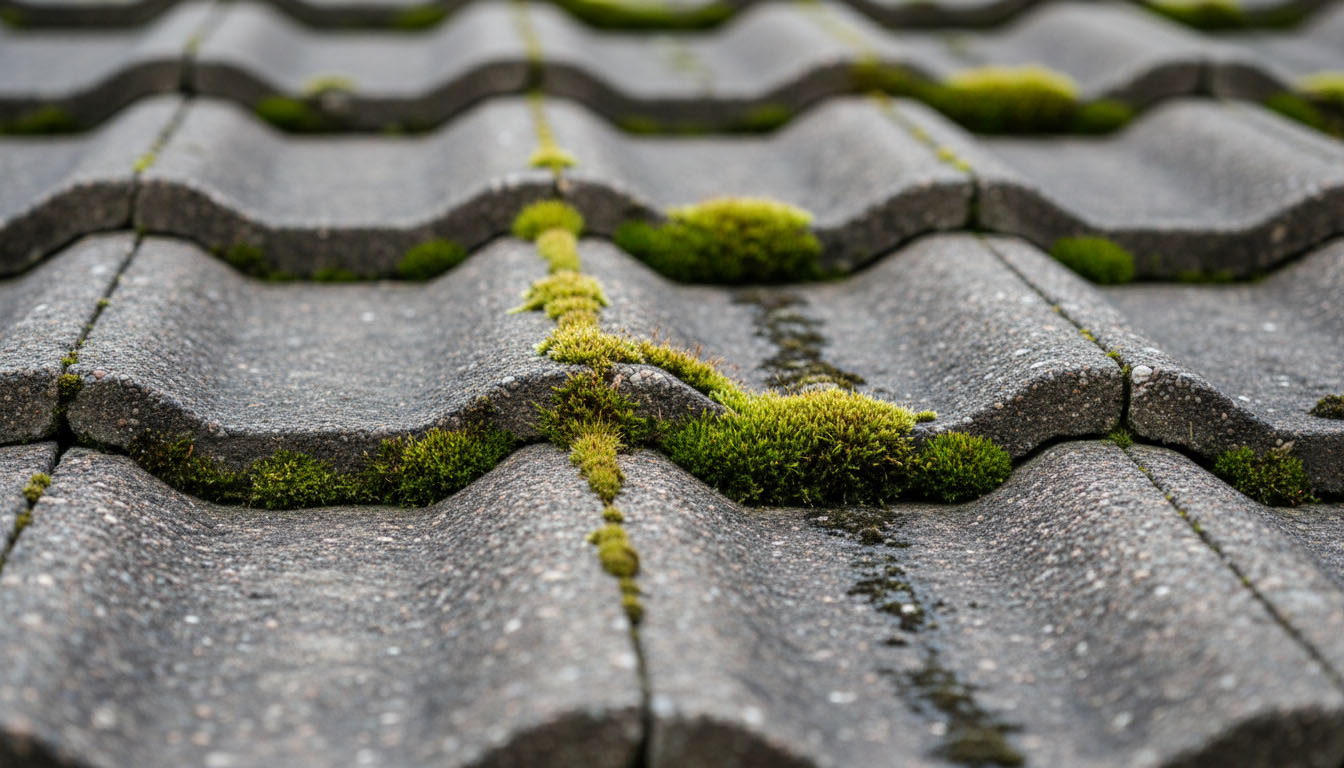
Moss anchors itself to porous surfaces such as clay, concrete, and slate tiles. Once rooted, it forms dense mats that retain moisture against the roof surface. This prevents tiles from drying out between rainfalls and accelerates surface wear.
Without intervention, moss growth compounds year after year and increases the likelihood of leaks.
Moss damage roof tiles: How moss causes real deterioration
Moss damage roof tiles through constant moisture retention. Tiles designed to shed water instead remain damp for extended periods, weakening their protective surfaces.
During winter, trapped moisture freezes and expands, creating micro-cracks in tiles. Over time, these cracks widen, leading to broken or slipped tiles. Moss can also lift tile edges slightly, allowing wind-driven rain to penetrate beneath the roof covering.
This process is gradual and often invisible from ground level, which is why damage is frequently discovered only after internal leaks appear.
Roof moss removal UK: Drainage and gutter blockages
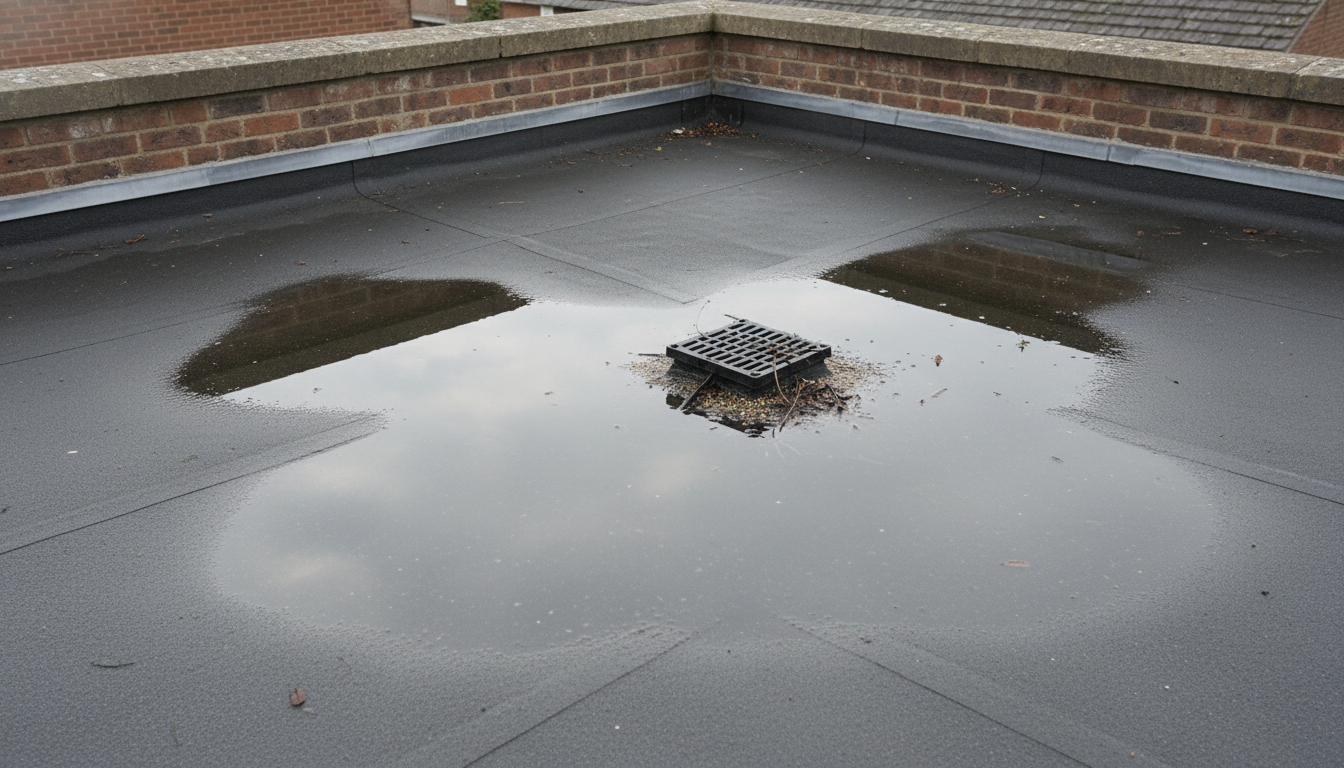
Roof moss removal UK becomes critical once moss interferes with drainage. As moss dries and breaks away, it washes into valleys and gutters, causing blockages that prevent water from draining properly.
Blocked drainage forces water to back up onto roof edges and valleys, increasing the risk of leaks and timber rot. Overflowing gutters often lead to damp walls and internal moisture problems that homeowners mistakenly blame on the roof itself.
Moss-related blockages are closely linked to issues explained in what causes roof moss and how to prevent it, where early intervention is shown to prevent secondary roof damage.
Prevent roof algae: Algae versus moss explained
Prevent roof algae strategies differ slightly from moss control. Algae usually appears as dark streaks or staining and is more common on newer roofs. While algae does not have roots, it still retains moisture and encourages surface deterioration.
Algae feeds on airborne pollutants and thrives in humid conditions. Over time, it reduces tile reflectivity and accelerates aging. Although algae causes less physical lifting than moss, it still contributes to long-term degradation if ignored.
Preventing algae early reduces the need for aggressive cleaning later.
Moss damage roof tiles: Why pressure washing makes it worse
Moss damage roof tiles is often worsened by incorrect cleaning methods. Pressure washing is frequently marketed as a fast solution, but it can strip protective tile surfaces and force water beneath the roof covering.
High-pressure cleaning can dislodge tiles, damage underlay, and accelerate erosion. While it may remove visible moss temporarily, it often shortens roof lifespan and increases leak risk.
Professional moss treatment focuses on controlled removal and prevention rather than force.
Roof moss removal UK: Safe and effective treatment methods
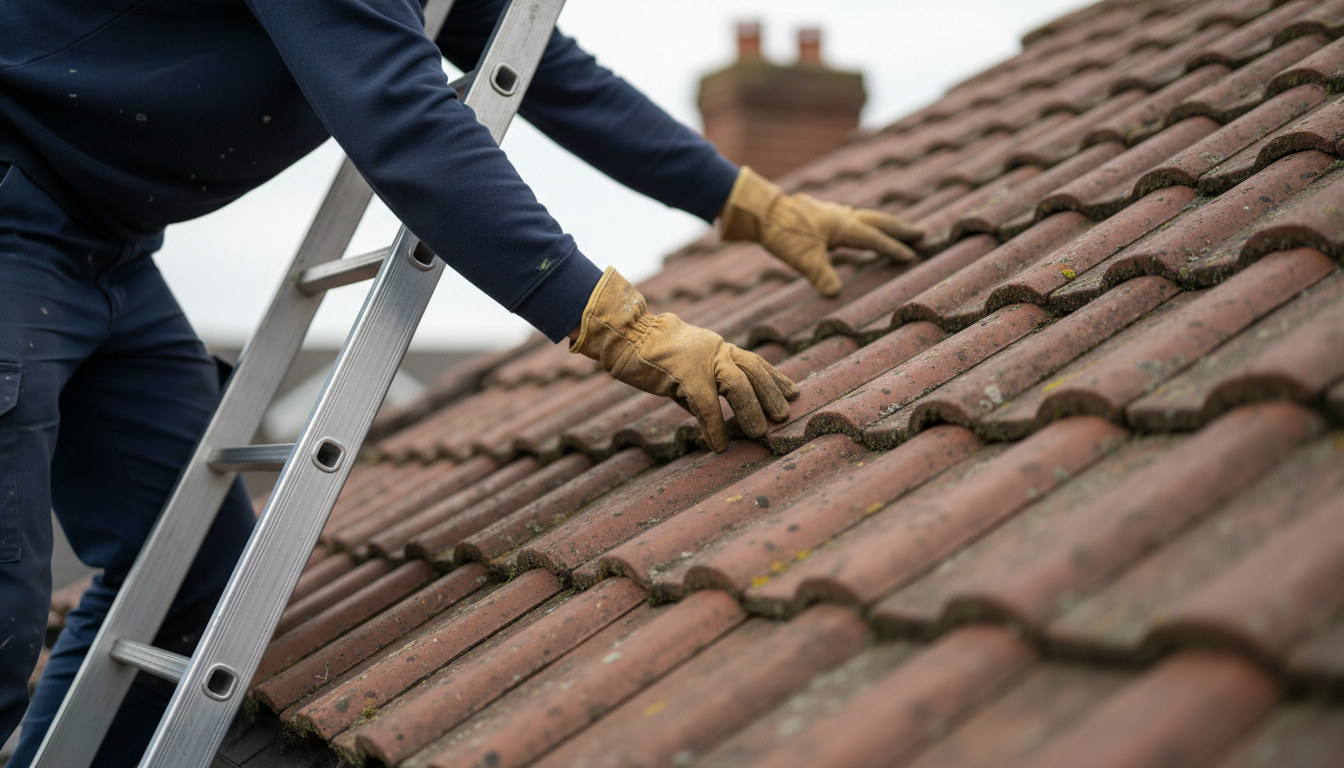
Roof moss removal UK professionals use methods designed to protect roof integrity. Manual removal combined with low-pressure treatments removes moss without damaging tiles.
Biocidal treatments are then applied to kill remaining spores and slow regrowth. These treatments continue working over time, reducing future moss and algae development.
Correct removal restores roof function while preserving waterproofing layers.
Prevent roof algae: Environmental and location factors
Prevent roof algae by addressing environmental contributors. Overhanging trees, nearby vegetation, and shaded roof slopes increase moisture retention and debris buildup.
North-facing roofs are particularly vulnerable due to limited sunlight. Poor ventilation and drainage further increase the risk of persistent growth.
Addressing these factors alongside cleaning delivers longer-lasting results.
Moss damage roof tiles: When moss becomes a serious issue
Moss damage roof tiles becomes critical when growth is thick and widespread. Warning signs include lifted tiles, visible cracks, blocked gutters filled with green debris, and damp patches inside the property.
At this stage, moss is no longer cosmetic. It actively compromises the roof’s ability to shed water. Ignoring these signs often leads to repairs covered in common roofing problems and how to fix them.
Early action prevents minor growth from escalating into structural damage.
Roof moss removal UK: Maintenance versus repair decisions
Roof moss removal UK should be part of a preventative maintenance strategy. Removing moss early extends roof lifespan and reduces the need for repairs.
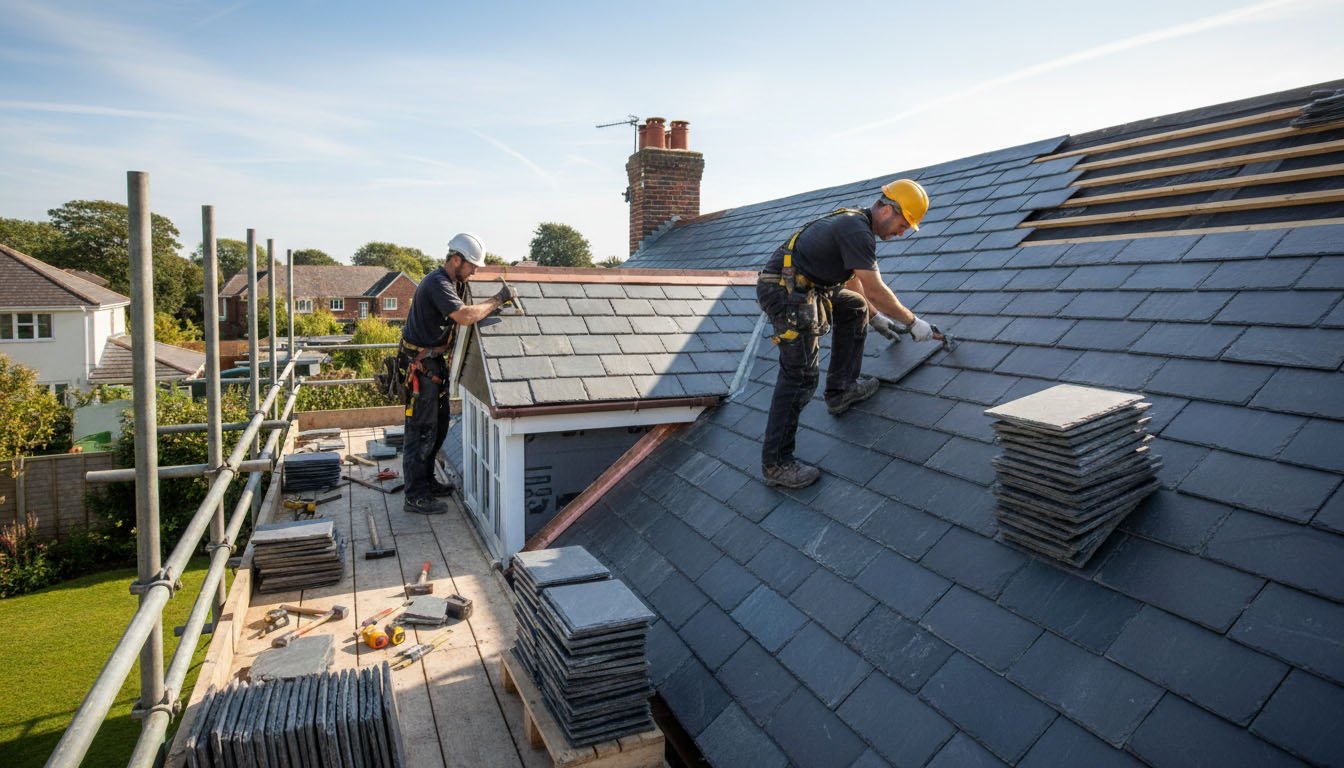
However, if moss growth has already caused tile cracking or underlay deterioration, cleaning alone may not be enough. In these cases, professional roof repair services may be required to restore roof integrity.
Assessment determines whether maintenance or repair is the correct next step.
Prevent roof algae: Long-term prevention strategies
Prevent roof algae with consistent inspection and gentle maintenance. Keeping gutters clear, trimming back vegetation, and ensuring good ventilation all reduce moisture retention.
Periodic treatments slow regrowth and preserve roof appearance and performance. Preventative care costs far less than repairing moss-related damage after it develops.
Roof moss removal UK: Final expert perspective
Roof moss removal UK homeowners delay is rarely just about appearance. Moss and algae directly contribute to moisture retention, tile damage, and drainage failure in the UK climate.
Treating growth early, using correct methods, and managing environmental factors protects roof lifespan and performance. When handled properly, moss and algae do not need to become costly roofing problems.
Frequently Asked Questions
Is roof moss really damaging or just cosmetic?
It causes damage over time by trapping moisture and accelerating tile deterioration.
Can moss cause roof leaks?
Yes, by lifting tiles and allowing water ingress.
Is pressure washing safe for roof moss removal?
No, it often damages tiles and underlay.
How often should moss be removed from a roof?
Every few years, depending on growth rate and location.
Can moss growth be prevented completely?
It can be reduced significantly but not eliminated entirely.