
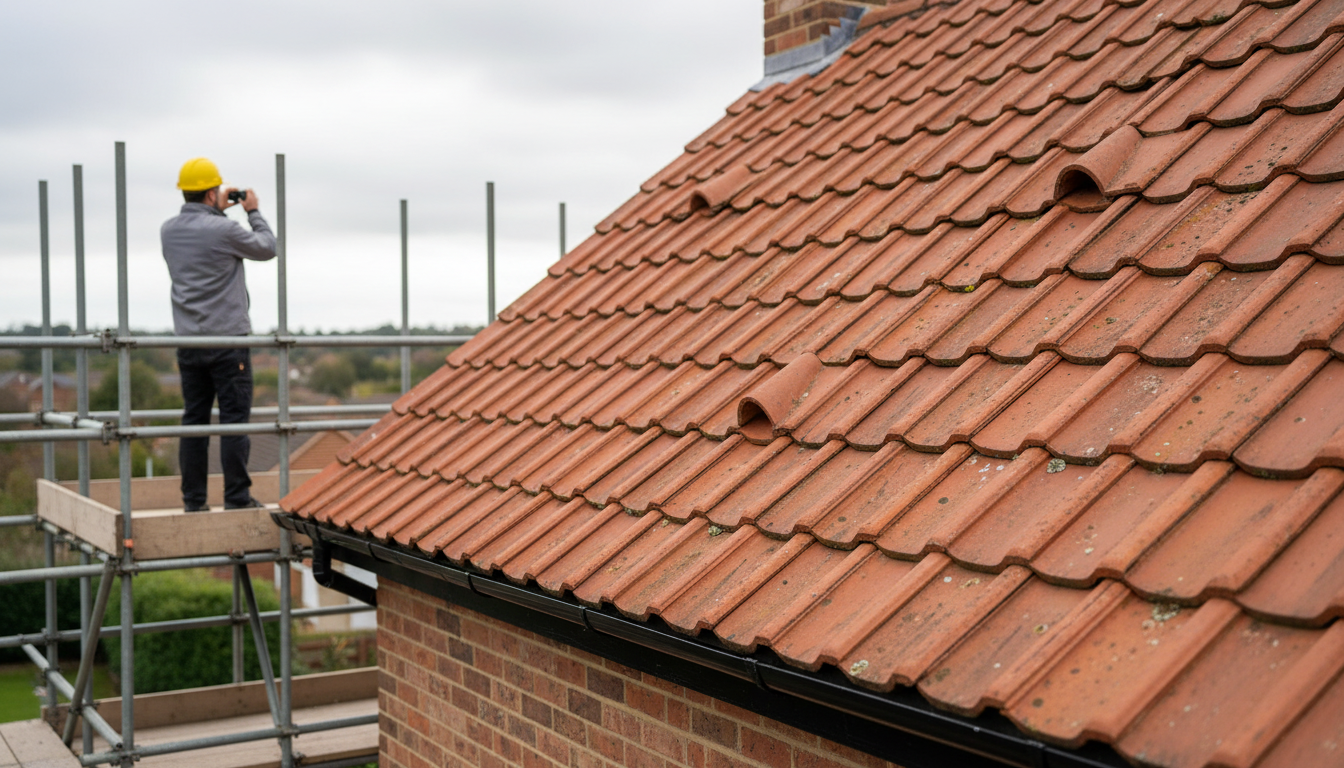
Tiled Roof Maintenance UK: Prevent Early Damage
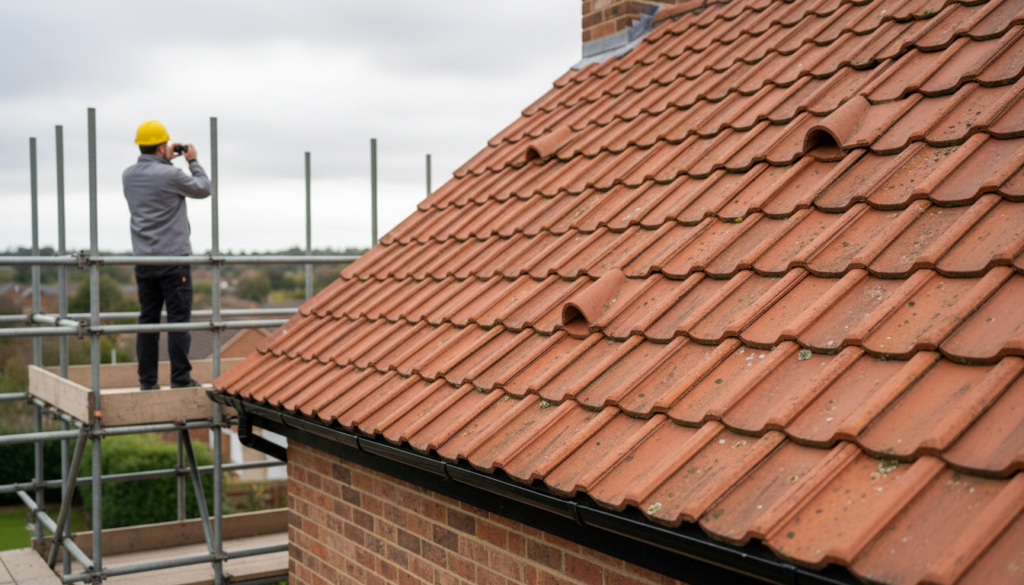
Tiled Roof Maintenance UK is about keeping the roof covering, drainage, ridges, valleys, gutters, flashings, and loft signs under regular review before a small defect becomes a leak. A tiled roof can look sound from the street while broken tiles, loose ridges, moss build-up, blocked gutters, or underlay damage are already developing. A & A Roofing London helps homeowners across London, Essex, and the Hertfordshire borders maintain tiled roofs by checking visible tile condition, water flow, storm movement, roof age, and internal damp evidence together.
Quick Check: If tiles are cracked, slipping, moss-covered, or shedding fragments into gutters, ask A & A Roofing London to organise annual roof maintenance in the UK before tile damage spreads into leaks, underlay wear, or roof-edge damp.
Tiled Roof Maintenance UK: What to Check First
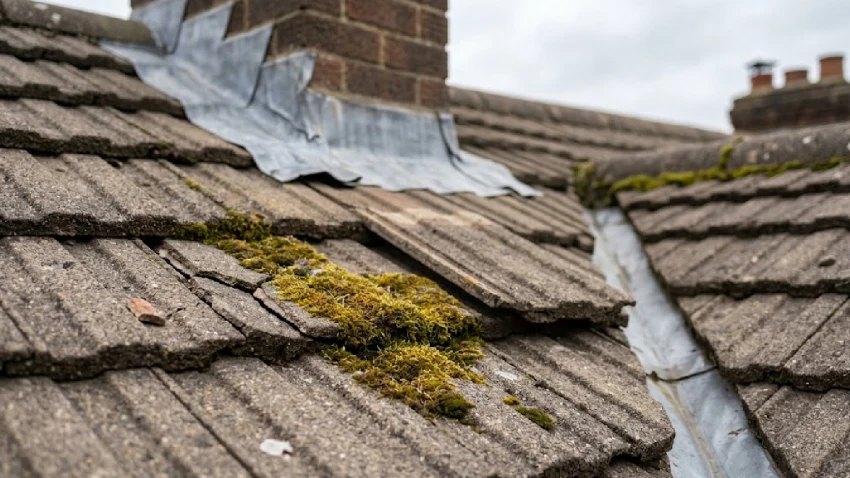
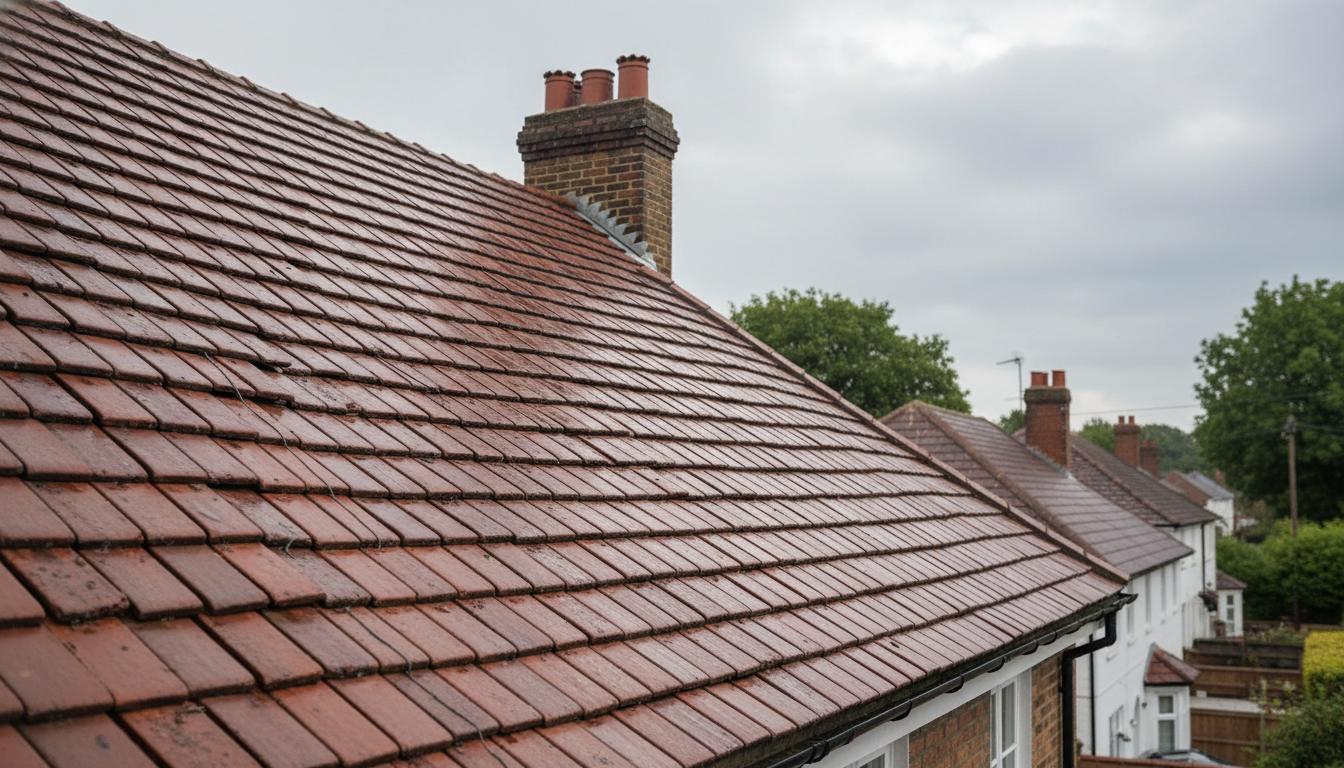
Tiled Roof Maintenance Uk should begin with safe inspection, not roof walking. The main checks are cracked tiles, slipped tiles, missing tiles, loose ridge sections, moss in gutters, blocked valleys, damaged flashing, gutter overflow, and damp signs inside the loft.
HSE says roof work is high risk and that all roofs should be treated as fragile until a competent person confirms otherwise. Its guidance covers roof repair, maintenance, cleaning, and demolition, so tiled roof maintenance should not be treated as casual ladder work.
| Maintenance point | What to look for | Why it matters | A & A Roofing London check |
| Roof tiles | Cracks, slips, missing tiles, uneven rows | Openings can let rain reach underlay | Tile condition and surrounding courses |
| Ridge tiles | Movement, gaps, cracked bedding, loose pieces | Exposed roof line can leak or shed materials | Ridge stability and wind exposure |
| Valleys | Moss, leaves, tile grit, broken fragments | Valleys carry concentrated water | Flow route, lining, cuts, discharge |
| Gutters | Overflow, sagging, debris, tile pieces | Water can back up at eaves | Gutter fall, outlet, downpipe |
| Flashings | Lifting, cracks, poor sealant patches | Junction leaks can travel indoors | Chimneys, walls, abutments |
| Loft signs | Damp, mould, daylight, water staining | Internal clues can reveal hidden defects | Leak route and underlay condition |
A & A Roofing London checks the tiled roof as a complete water-shedding system. A single cracked tile may be a local repair, but repeated tile movement, blocked drainage, or damp underlay may need wider maintenance or restoration.
Tile Roofing Maintenance Frequency
The question of how often should you inspect a tile roof in the UK depends on roof age, exposure, tile type, moss, nearby trees, previous repairs, and storm history. A tiled roof with clear gutters and no movement may need routine checks; a roof with recurring slips, blocked valleys, or moss movement should be reviewed sooner.
Planning Portal notes that the type of tile or slate used on a pitched roof is partly governed by how steep or shallow the roof is. That matters for maintenance because pitch affects how water drains, how tiles overlap, and where defects tend to show first.
A & A Roofing London checks tile courses, ridges, hips, valleys, gutters, flashings, chimney junctions, and internal signs. The maintenance goal is to catch small defects before weather drives water under the covering.
Tile Lifespan and Maintenance Planning
Tile lifespan is not only about the age of the material. It also depends on installation quality, roof pitch, ventilation, drainage, moss, weather exposure, and whether broken tiles are replaced before water reaches the underlay.
A & A Roofing London checks whether a tiled roof is ageing normally or showing maintenance warning signs. Cracks across several slopes, loose ridges, repeated slips, broken fragments in gutters, or recurring damp marks suggest the roof needs closer review.
For lifespan planning, tile roof ageing signals, concrete tile condition markers, and clay tile durability factors are useful supporting topics.
Broken Tile Repair During Maintenance
Broken roof tiles should be addressed early because they expose the roof to water entry, especially during heavy rain or wind-driven rain. A cracked tile may also indicate impact damage, frost-related weakness, or movement around nearby tiles.
A & A Roofing London checks the broken tile and the surrounding area. The inspection looks at tile overlap, battens, underlay, gutters below, nearby ridge sections, valleys, and whether broken pieces have moved into drainage routes.
For repair planning, tile repair method checks, cracked tile replacement factors, clay tile repair handling notes, and roof tile replacement process steps help explain why maintenance should look beyond the single broken tile.
Loose Tiles and Storm Movement
Loose tiles are one of the clearest signs that tiled roof maintenance should happen sooner. Wind can lift tiles, loosen fixings, move ridge-adjacent courses, and leave the roof vulnerable to the next rainfall.
The Met Office advises checking roofs for loose tiles, slates, and flashing before windy weather, and also warns that leaves in gutters and drainpipes can make water back up and leak into the roof and sides of the house.
A & A Roofing London checks whether loose tiles are isolated or part of a wider movement pattern. For movement-led maintenance, wind-shifted tile warning signs and ridge tile stability points are useful supporting topics.
Moss on Tiled Roofs
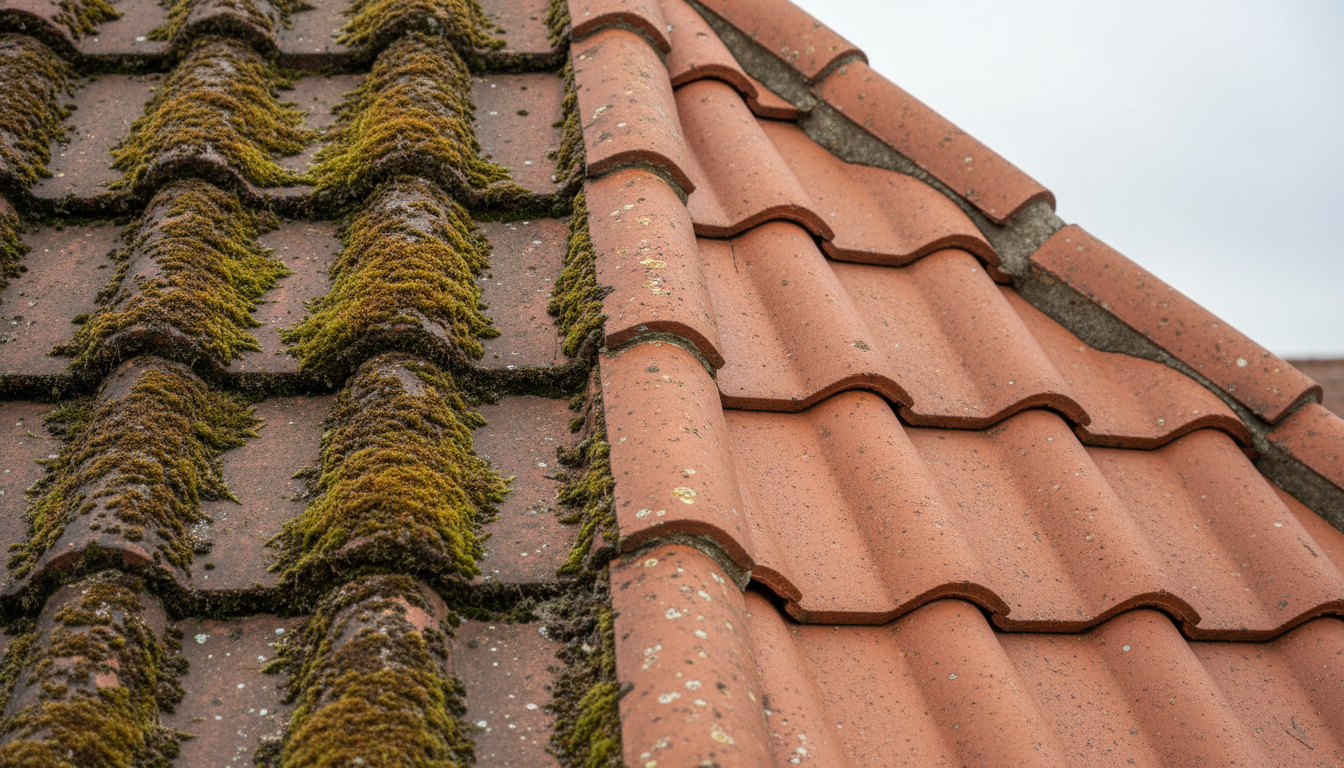
Moss is common on tiled roofs, but it does not always mean the roof is failing. The main concern is when moss blocks gutters, outlets, valleys, or drainage points, or when harsh removal methods damage the roof.
NFRC says moss on roof tiles is rarely a problem in most cases and usually only needs removing where it blocks gutters, outlets, or other drainage points. It also warns that many moss-removal methods, such as power washing, can damage roofs, especially where unnecessary foot traffic causes cracked or broken tiles.
A & A Roofing London checks whether moss is cosmetic, drainage-related, or hiding tile defects. For moss-specific maintenance, moss effect on roof tiles, roof moss removal safety points, and moss growth condition factors are relevant.
Gutters, Drainage, and Tiled Roof Edges
Tiled roof maintenance must include gutters and downpipes. A tiled roof can be in good condition, but blocked gutters can push water back into the eaves, fascia, walls, and lower roof details.
Planning Portal describes gutters and rainwater pipes as roof drainage. That means they are part of the roof system, not a separate afterthought.
A & A Roofing London checks gutters, outlets, downpipes, fascia staining, tile fragments, moss, valleys, and eaves damp. For water-flow issues, gutter debris overflow signs and roof drainage maintenance checks support the maintenance plan.
Valleys on Tiled Roofs
Valleys need special attention because they collect water from two slopes. Moss, leaves, broken tile pieces, mortar debris, and grit can slow water flow and push rain beneath tile edges.
A & A Roofing London checks valley lining, tile cuts, debris, lower gutter discharge, and internal damp signs. A tiled roof leak near a valley may not be caused by the nearest tile; it may be caused by blocked water flow higher up the channel.
Valleys should be included in every tiled roof maintenance visit, especially after autumn leaf fall, storms, or visible moss movement.
Slate Roofing and Mixed Roof Maintenance
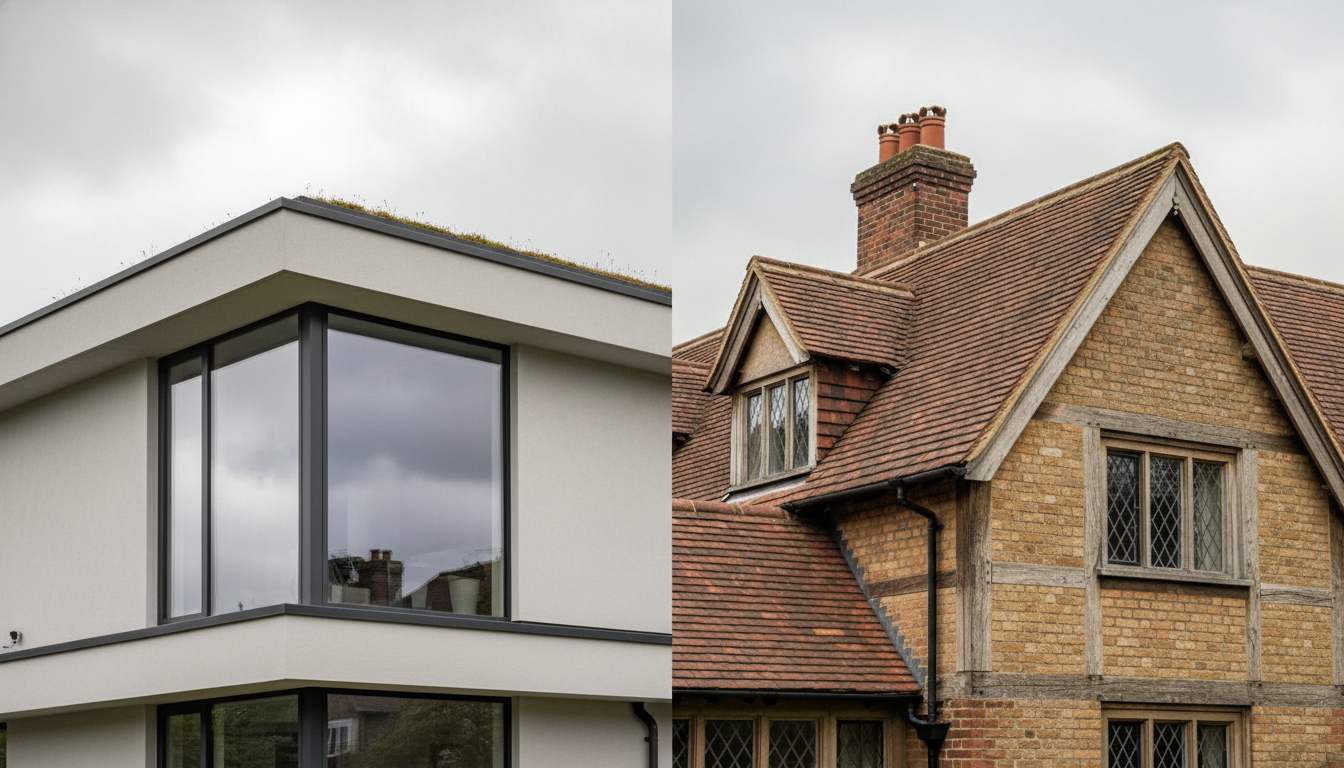
Some residential roofs have both tile and slate sections. In those cases, slate roof maintenance in the UK should be considered alongside tiled roof maintenance because water can move between roof sections.
A & A Roofing London checks where tiles, slates, leadwork, valleys, and gutters meet. A leak near the boundary may come from the slate section, the tiled section, or the junction between them.
This matters on older homes where roof coverings may have been repaired in stages. Mixed coverings need careful inspection because maintenance methods suitable for tiles may not suit slates.
Flat Roofs Below Tiled Roofs
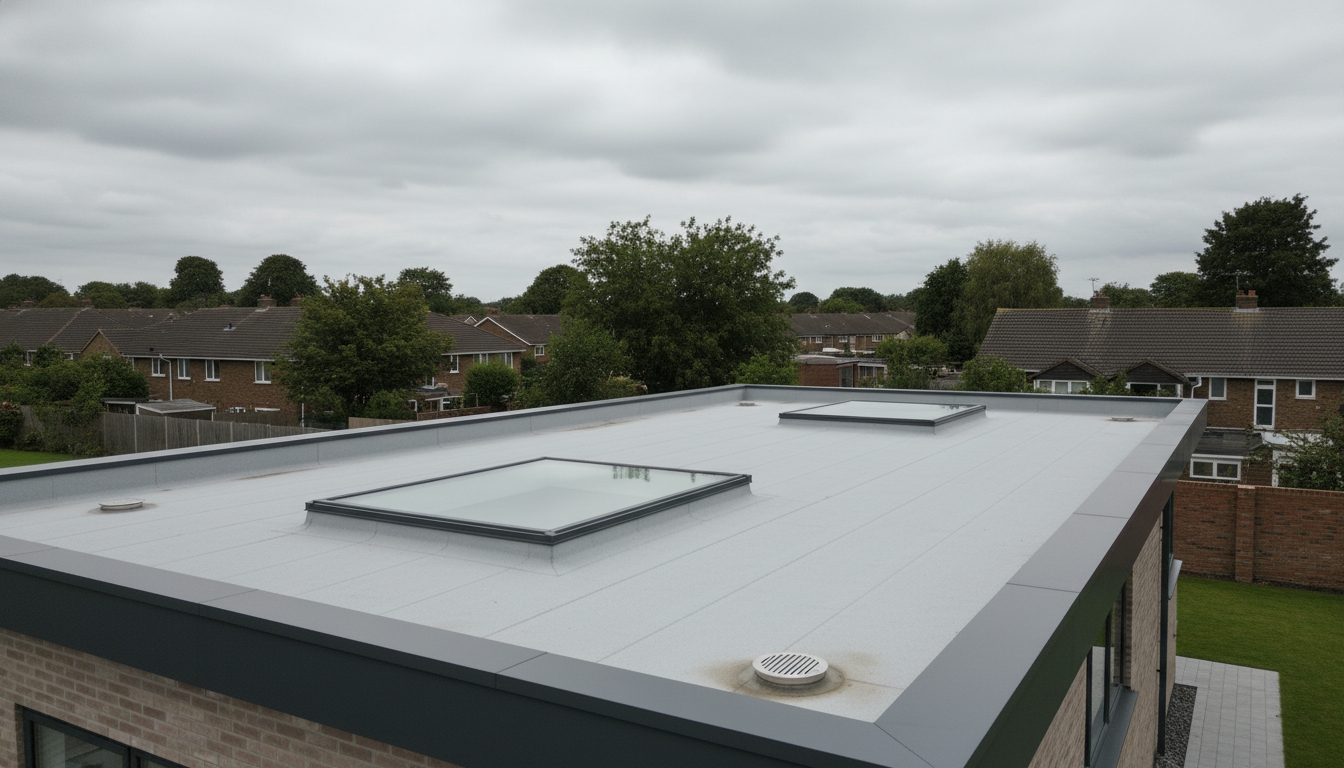
Many UK homes have tiled pitched roofs above lower flat roof extensions, porches, dormers, or garages. If tiles shed debris, moss, or broken fragments onto the flat roof below, outlets can block and the flat roof can age faster.
A & A Roofing London checks flat roof maintenance in London where lower roof sections receive water from tiled slopes. The inspection reviews outlets, upstands, trims, ponding, and debris washed down from the main roof.
This is especially important where downpipes or gutters discharge onto or near a flat roof surface. Tiled roof maintenance should protect the lower roof as well as the tile covering itself.
Pitched Roof Maintenance for Tiled Roofs
Most tiled roofs are pitched roofs. Pitched roof maintenance in the UK should check the roof slope, tile overlap, ridges, hips, verges, valleys, gutters, flashings, and internal damp evidence.
A & A Roofing London checks whether the tiled roof is shedding water cleanly. If water is backing up at valleys, overflowing at gutters, or entering near junctions, the problem may be drainage or flashing rather than the tile field itself.
A tiled pitched roof performs best when the covering, underlay, battens, water route, and roof junctions all work together.
Roof Restoration for Tiled Roofs
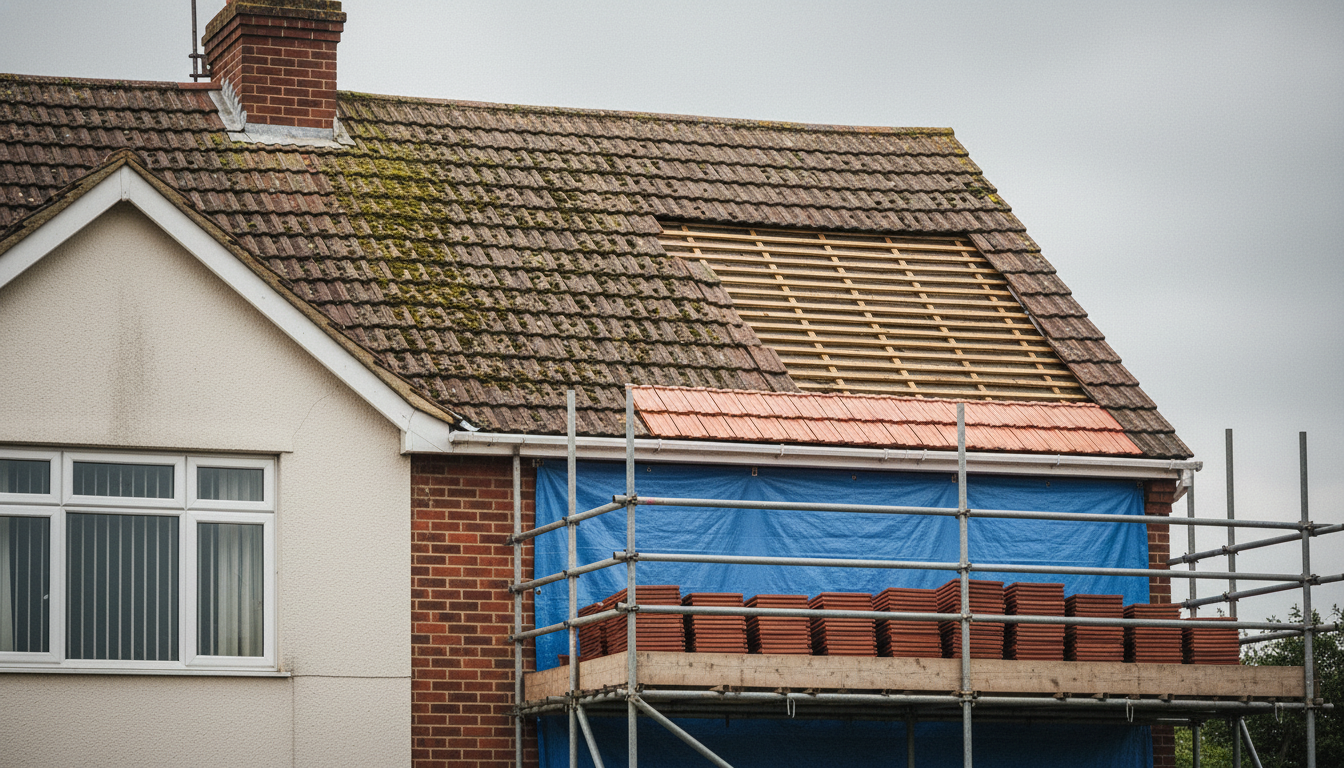
A tiled roof does not always need replacement when defects appear. Roof maintenance in the UK may involve replacing damaged tiles, correcting ridge details, clearing valleys, improving drainage, checking flashings, managing moss, and addressing local leaks.
A & A Roofing London assesses whether the tiled roof is suitable for restoration or whether defects are too widespread. Restoration should solve water movement and covering defects, not simply improve the roof’s appearance.
If tiles are failing across several slopes, underlay is damaged, or repairs keep returning, the maintenance plan may need to move toward replacement planning.
Roof Leaks and Tile Maintenance
Roof leaks are often the point where maintenance becomes urgent. A leak may come from a broken tile, slipped tile, ridge defect, valley blockage, flashing failure, gutter overflow, or water travelling from another roof section.
A & A Roofing London traces the water route before recommending repair. The visible stain indoors may not sit directly below the broken tile, especially where water travels along underlay or rafters.
For leak tracing, tile roof leak source clues are useful. They help explain why the maintenance visit should check both the tile covering and the wider roof water path.
Inspection Timing for Tiled Roofs
Tiled roof maintenance works best when inspection timing is planned. A roof should be checked after severe weather, when tiles move, when gutters overflow, when moss blocks drainage, or when damp marks appear indoors.
A & A Roofing London reviews inspection timing based on roof age, exposure, tile type, moss, nearby trees, previous repairs, and visible warning signs. HSE’s fragile-surface guidance says effective precautions are required for work on or near fragile surfaces, no matter how short the duration, including maintenance, repair, cleaning, and demolition.
For inspection planning, tile roof inspection timing cues and tiled roof survey item groups are relevant.
Maintenance Checklist for Tiled Roofs
A useful tiled roof maintenance checklist should cover the areas most likely to fail first. A & A Roofing London checks:
| Checklist item | Maintenance purpose |
| Tile surface | Find cracked, loose, slipped, or missing tiles |
| Ridge and hips | Check movement, weathering, and exposed high points |
| Gutters and downpipes | Confirm water can leave the roof |
| Valleys | Remove debris and inspect water channels |
| Flashings | Check junctions near chimneys, walls, and rooflights |
| Moss and debris | Decide whether growth affects drainage |
| Loft signs | Check damp, mould, stains, or daylight |
| Previous repairs | Confirm old work has not failed again |
For broader maintenance structure, roof care task sequence and early roof warning categories help homeowners understand how small defects are prioritised.
Weather and Tiled Roof Wear
Rain, wind, frost, and seasonal debris all affect tiled roofs. Rain tests laps, valleys, gutters, and flashings. Wind tests loose tiles, ridges, and edges. Frost can worsen existing cracks, damp mortar, and weak roof details.
A & A Roofing London checks whether weather has created new damage or exposed older weakness. A tile that moves after wind may have been loose already. A leak after heavy rain may come from a blocked gutter or valley rather than the tile itself.
For weather-related roof care, storm tile damage record points and weather stress on tiled roofs are useful supporting references.
Safety Limits for Homeowners
Homeowners can make safe observations from the ground or inside the loft where access is safe, but they should not walk on tiled roofs. Wet tiles, loose ridges, fragile areas, rooflights, moss, and steep pitches create serious fall risks.
HSE states that roof work is high risk and that all roofs should be treated as fragile until a competent person confirms otherwise. A & A Roofing London uses proper inspection methods instead of treating tiled roof maintenance as a DIY access task.
Safe homeowner observations include missing tiles seen from ground level, gutter overflow, broken tile pieces below the roof, damp ceiling marks, loft staining, moss movement, and visible ridge movement.
Re-Roofing and Replacement Signals
Tiled roof maintenance sometimes shows that local repair is no longer enough. Replacement planning becomes more likely when tiles are failing across several slopes, underlay has deteriorated, battens are damaged, leaks keep returning, or the roofline has changed.
Planning Portal states that if an existing roof covering is replaced with a different material, Building Regulations approval is likely to be needed to check structural stability, fire safety, and energy efficiency. It also notes that re-covering a roof should include improving thermal insulation because a roof is a thermal element.
A & A Roofing London checks whether the tiled roof can stay on a maintenance and repair plan or whether wider re-roofing should be considered.
Residential Tiled Roof Maintenance

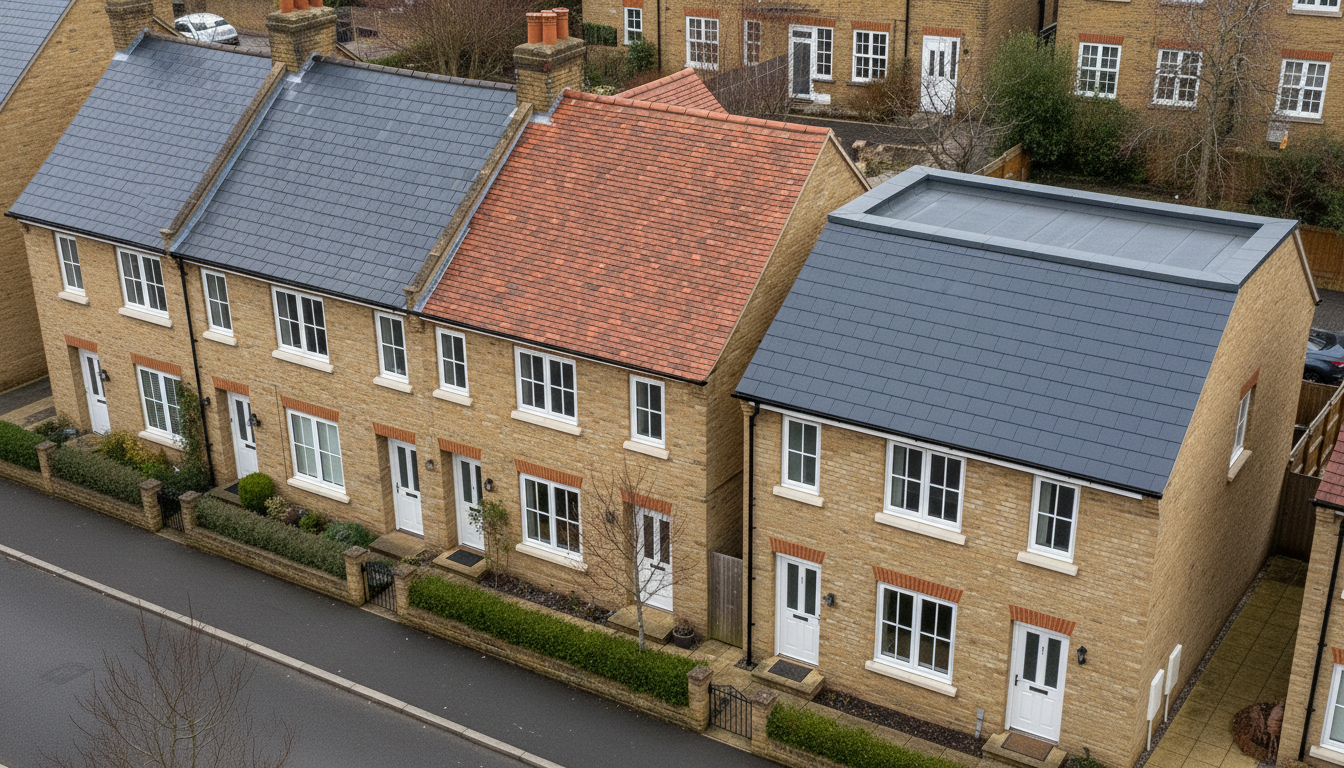
Residential tiled roofs often include several maintenance-sensitive details: chimneys, valleys, dormers, rooflights, gutters, ridges, flat roof extensions, and shared rooflines. These areas are usually more vulnerable than the middle of a simple roof slope.
A & A Roofing London inspects tiled roofs as property-specific systems. A terraced house with shared gutters and chimney stacks needs a different maintenance plan from a semi-detached home with valleys, trees, and a rear flat roof extension.
Tiled Roof Maintenance Uk Area Coverage
Local property age, roof pitch, tile type, moss, trees, drainage, access, chimneys, and weather exposure all affect tiled roof maintenance. A & A Roofing London covers North London, Essex, and the Hertfordshire borders, helping homeowners identify tiled roof defects before they become active leaks.
North London
In North London, Tiled Roof Maintenance Uk often applies to terraced houses, shared rooflines, chimneys, rear extensions, tiled slopes, gutters, and limited access around valleys. A & A Roofing London can check cracked tiles, ridge movement, moss, gutter overflow, chimney flashings, and damp signs before small defects spread.
Hertfordshire Borders
Across the Hertfordshire borders, Tiled Roof Maintenance Uk may involve tiled pitched roofs, nearby trees, moss, blocked gutters, storm exposure, older repairs, and valley debris. A & A Roofing London reviews tile condition, drainage, ridges, roof edges, internal damp evidence, and maintenance history before recommending the next step.
Essex
In Essex, Tiled Roof Maintenance Uk can become important after heavy rain, high winds, frost, moss build-up, roof-edge damp, or tile movement. A & A Roofing London can inspect tiles, gutters, valleys, ridge lines, flashings, lower flat roof sections, and internal stains so maintenance follows the real roof condition.
Final Roofing Decision
Tiled Roof Maintenance Uk should be planned around prevention: catch tile movement, moss, blocked drainage, ridge issues, flashing defects, and leaks before they damage underlay, battens, insulation, plaster, or roof edges.
A & A Roofing London can support annual roof maintenance in the UK by checking roof tiles, ridges, valleys, gutters, flashings, moss, chimneys, lower flat roof areas, internal damp, and previous repairs. The right outcome may be cleaning, minor tile replacement, gutter and valley clearance, roof repair, restoration, or wider re-roofing where the tiled roof is no longer performing reliably.
FAQs About Tiled Roof Maintenance Uk
What should Tiled Roof Maintenance Uk include?
Tiled roof maintenance should include checking cracked tiles, slipped tiles, missing tiles, ridges, hips, valleys, gutters, downpipes, flashings, chimneys, moss, roof edges, internal damp, and previous repair points. A & A Roofing London checks these together because the visible defect may not be the only cause of water entry.
How often should a tiled roof be inspected?
Inspection timing depends on roof age, exposure, tile condition, nearby trees, moss, drainage, and storm history. A roof should be checked sooner after high winds, heavy rain, gutter overflow, tile movement, or damp marks indoors. The Met Office recommends checking roofs for loose tiles, slates, and flashing before windy weather.
Is moss bad for tiled roofs?
Moss is not always a problem. NFRC says moss on roof tiles is rarely a problem in most cases and usually only needs removing where it blocks gutters, outlets, or other drainage points. It also warns that power washing and unnecessary foot traffic can damage roofs. A & A Roofing London checks whether moss is affecting drainage or hiding defects.
Can blocked gutters damage a tiled roof?
Yes. Planning Portal describes gutters and rainwater pipes as roof drainage, and the Met Office warns that leaves in gutters and drainpipes can cause water to back up and leak into the roof and sides of the house. A & A Roofing London checks gutters with valleys, eaves, roof edges, and internal damp signs.
Should broken roof tiles be replaced straight away?
Broken tiles should be inspected promptly because they can expose underlay and let rain reach hidden roof layers. A local replacement may be enough if the surrounding roof is sound. Wider repair may be needed if several tiles are cracked, slipping, or shedding fragments into gutters and valleys.
Can I walk on a tiled roof to clean or inspect it?
No. HSE says roof work is high risk and all roofs should be treated as fragile until a competent person confirms otherwise. Its fragile-surface guidance also says precautions are required for work on or near fragile surfaces, even for short maintenance or cleaning tasks. Homeowners should use safe ground-level observations and professional roof inspection.
When does tiled roof maintenance become replacement?
Maintenance may move toward replacement when tile failure is widespread, underlay or battens have deteriorated, leaks keep returning, the roofline has changed, or repeated local repairs no longer hold. Planning Portal notes that replacing roof covering with a different material may need Building Regulations approval to check structural stability, fire safety, and energy efficiency.
What should A & A Roofing London check during tiled roof maintenance?
A & A Roofing London should check tile courses, ridges, hips, valleys, gutters, downpipes, moss, flashings, chimneys, roof edges, loft damp, ceiling stains, lower flat roof areas, and previous repairs. The aim is to find early damage and choose the right maintenance, repair, restoration, or replacement route.



Comment (1)
[…] tile-specific maintenance planning, tile surface upkeep markers and tiled covering routine checks give useful supporting […]
Comments are closed.