Slate Roof vs Tile Roof in the UK: Which Is the Better Choice?
admin2026-09-10T05:54:14+00:00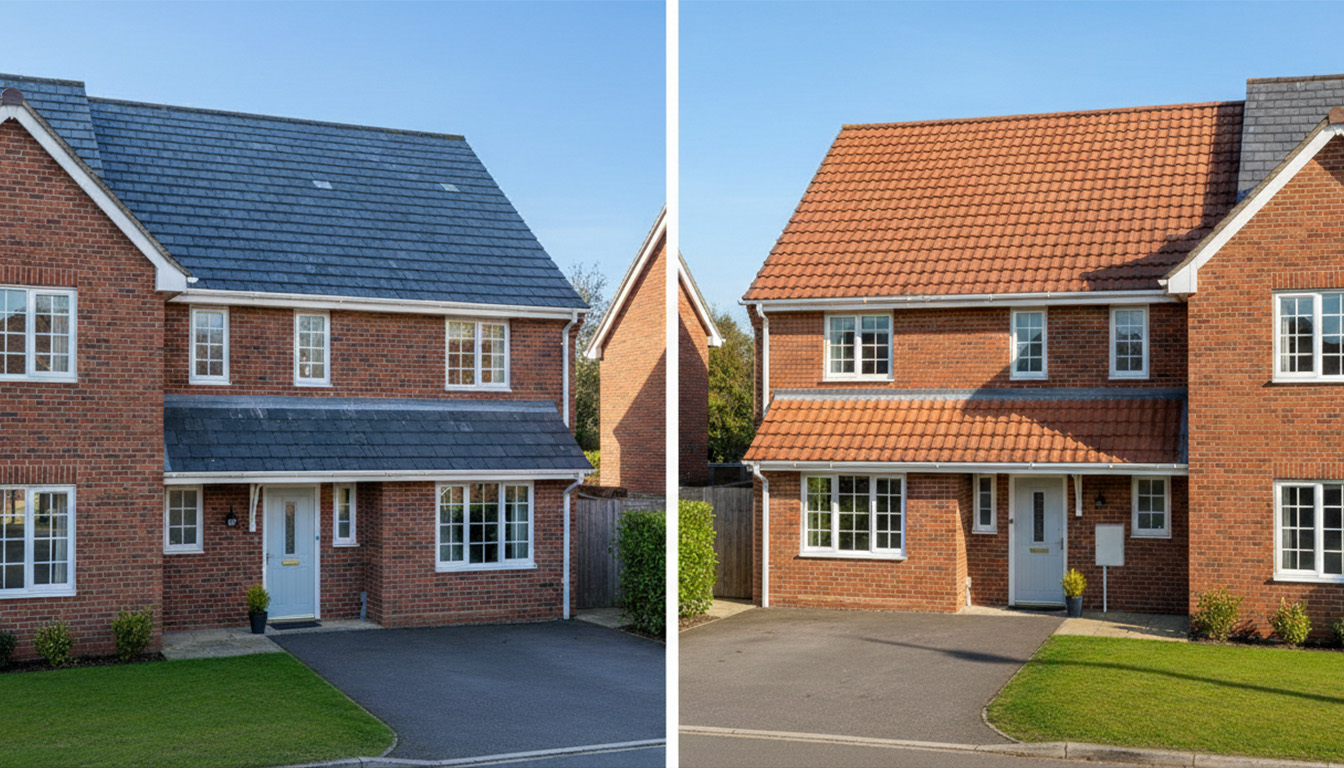
Slate Roof vs Tile Roof in the UK: Which Is the Better Choice?
Choosing between a slate roof and a tile roof in the UK is not just about appearance. The decision affects lifespan, maintenance costs, structural load, and long-term property value. Many homeowners focus on upfront cost alone, only to realise later that durability and replacement cycles significantly influence overall investment.
The UK climate adds another layer of complexity, with constant rainfall, frost exposure, and strong winds testing roofing materials over decades. Understanding the real differences between slate and tile helps homeowners select the option that aligns with budget, structure, and long-term plans.
Slate Roof vs Tile Roof UK: Core Performance Differences
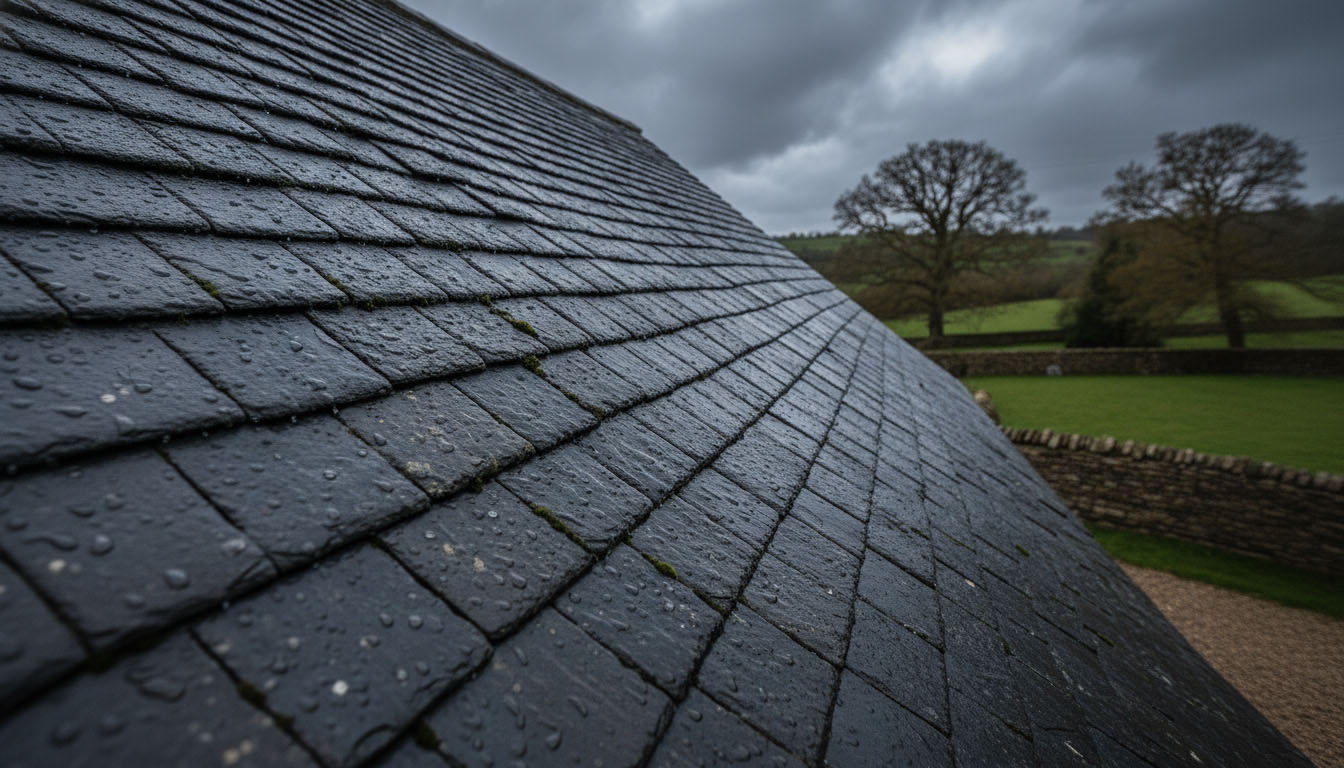
When comparing slate roof vs tile roof UK properties use, the biggest differences lie in lifespan, weight, and maintenance requirements. Slate is a natural stone product, while most roof tiles in the UK are clay or concrete-based.
Key distinctions include:
Slate offers a lifespan of 75 to 100+ years
Concrete tiles typically last 40 to 60 years
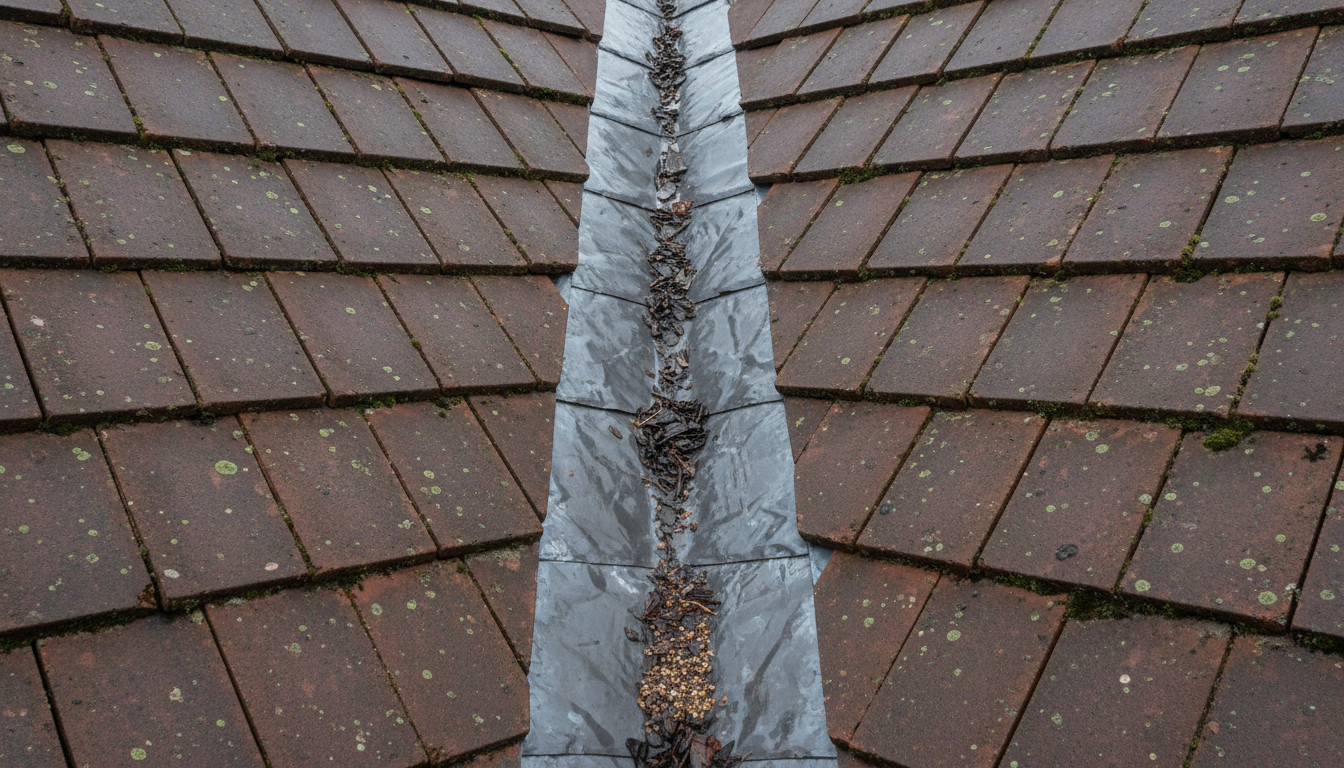
Clay tiles can reach 60+ years with proper maintenance
Slate generally requires fewer replacement cycles
Slate delivers premium longevity but carries higher upfront cost and structural weight. Professional slate roofing ensures installation quality matches slate’s durability potential.
Slate vs Concrete Roof Tiles UK: Cost Comparison
The slate vs concrete roof tiles UK comparison often begins with pricing. Concrete tiles are typically more affordable to purchase and install, making them attractive for short-term budgets.
Factor | Slate Roofing | Concrete Tiles |
|---|---|---|
Initial Installation Cost | Higher | Lower |
Average Lifespan | 75–100+ years | 40–60 years |
Maintenance Frequency | Low | Moderate |
Replacement Cycle | Rare | More frequent |
Property Value Impact | Premium | Good |
Although concrete tiles reduce upfront expense, replacing them twice over the lifespan of one slate roof may increase total lifetime cost.
Homeowners evaluating overall cost may also review roofing costs UK considerations for broader budgeting insights.
Slate Roofing Compared to Tiles UK: Structural Impact
Slate roofing compared to tiles UK homeowners install presents a significant structural difference. Natural slate is heavier than most concrete and some clay tiles, placing greater load on rafters and battens.
Structural factors to evaluate include:
Rafter span and timber strength
Batten grade and spacing
Existing roof load capacity
Wind exposure classification
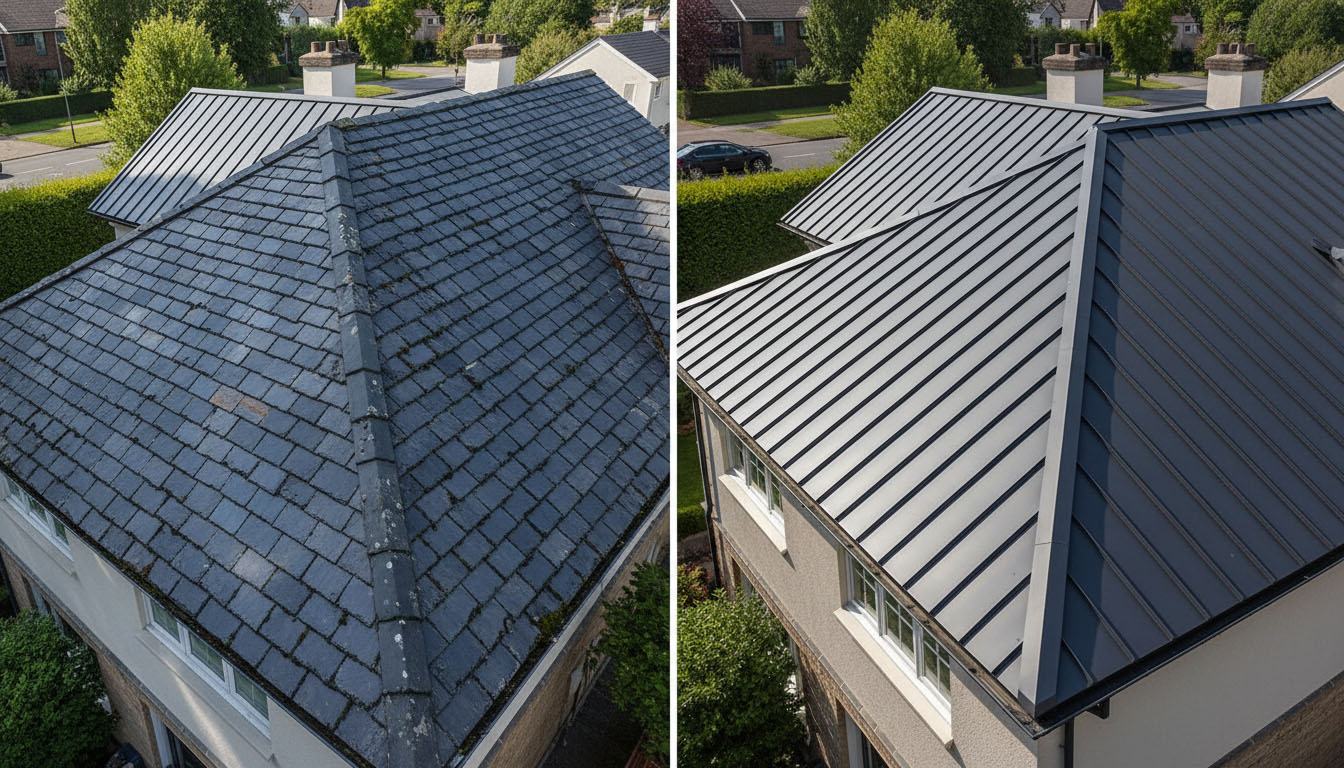
Switching from lightweight tiles to slate may require reinforcement. Where structural redesign or compliance upgrades are necessary, professional pitched roof installation ensures safe load management.
Weather Resistance and Durability in UK Conditions
The UK’s climate demands roofing materials capable of resisting moisture, frost cycles, and wind uplift. Both slate and high-quality tiles perform well when installed correctly.
Durability comparison:
Slate has extremely low water absorption
Clay tiles offer strong frost resistance
Concrete tiles may fade over time
Slate is naturally fire resistant
Wind uplift performance depends heavily on fixing density rather than material alone. Proper installation determines whether either system withstands severe storms.
Professional slate roofing installation ensures compliance with exposure zone requirements.
Maintenance Requirements Over Time
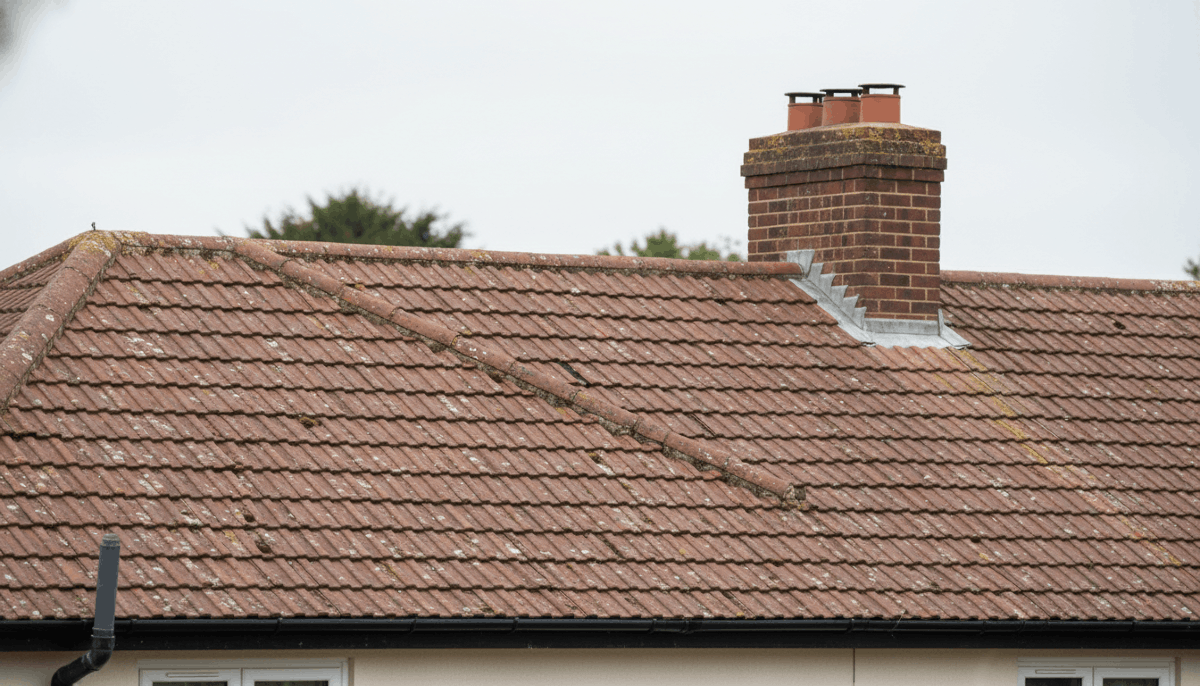
Maintenance expectations differ between materials. Slate typically requires minimal intervention, while concrete tiles may experience surface erosion or colour fading over decades.
Maintenance comparison:
Maintenance Factor | Slate | Concrete Tile |
|---|---|---|
Surface Fading | Minimal | Possible |
Moss Accumulation | Low | Moderate |
Individual Tile Replacement | Less frequent | More frequent |
Long-Term Inspection | Required | Required |
Both systems benefit from regular inspections. Where ageing roofs require strengthening or repair, roof restoration services can extend lifespan without full replacement.
Aesthetic and Property Value Considerations
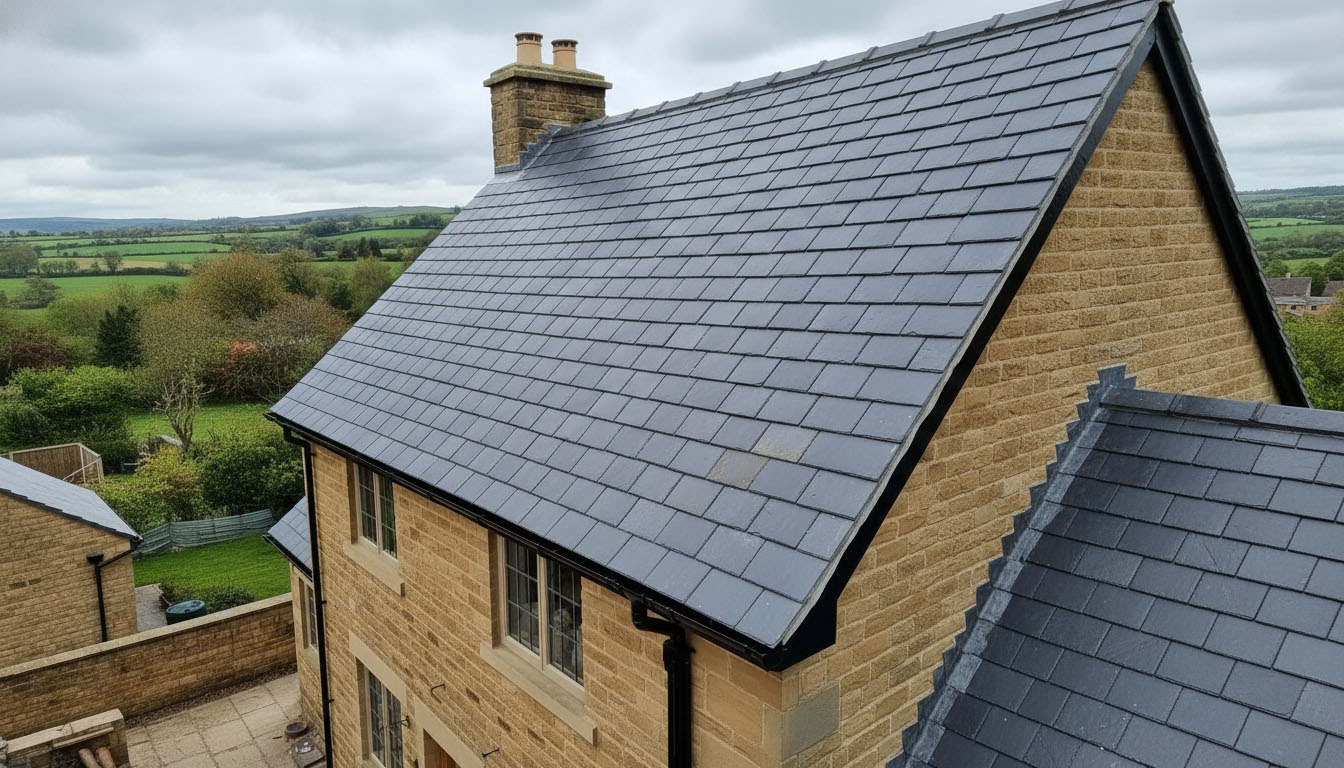
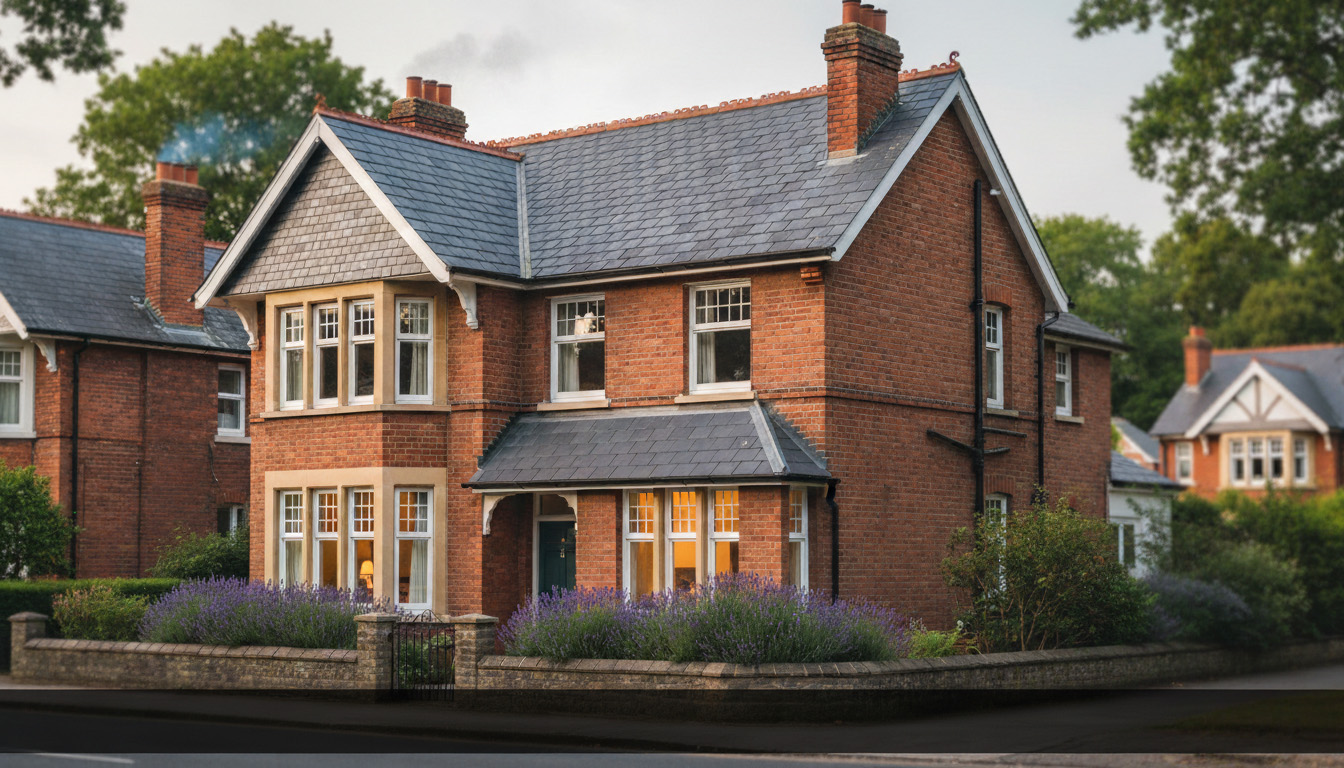
Slate offers a natural, textured appearance often associated with premium and heritage properties. Its subtle variation enhances kerb appeal and long-term resale value.
Concrete and clay tiles provide uniform appearance and wider colour options, making them suitable for modern developments.
Slate may be preferred for:
Period properties
Conservation areas
High-value homes
Long-term ownership plans
Tiles may be preferable for:
Budget-conscious projects
Modern estates
Short- to medium-term ownership
The choice should balance appearance, cost, and structural suitability.
Which Is the Better Choice for Your Home?
Determining the better option depends on long-term goals rather than immediate savings. Slate suits homeowners prioritising longevity and premium value, while tile roofing may suit projects focused on affordability and reduced structural load.
Decision checklist:
Assess structural capacity
Compare lifespan versus budget
Consider resale timeline
Review local planning requirements
Evaluate long-term maintenance expectations
Professional assessment ensures material selection aligns with both structural feasibility and financial planning.
Frequently Asked Questions
Is slate better than concrete roof tiles in the UK
Slate generally offers longer lifespan and premium appeal, but concrete tiles provide a more affordable upfront option.
Does a slate roof add more value than tiles
Yes, slate is often considered a premium feature that can enhance resale value.
Are slate roofs heavier than tile roofs
Yes, natural slate is typically heavier than concrete and some clay tiles.
Which lasts longer, slate or tile
Slate usually lasts significantly longer than concrete tiles and slightly longer than many clay tiles.
Is slate worth the extra cost in the UK
For long-term homeowners, slate often delivers better lifecycle value despite higher initial investment.