
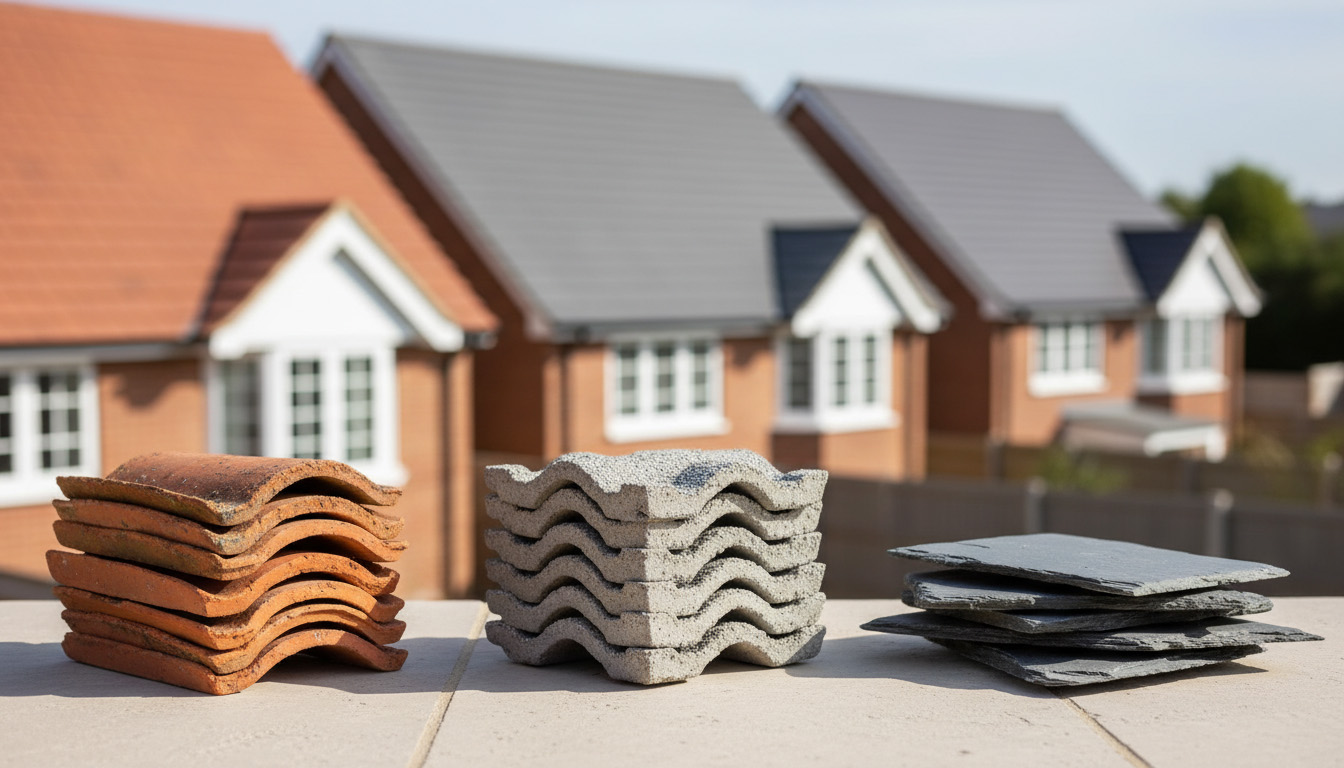
Types of Roof Tiles UK can vary by material, profile, weight, finish, roof pitch, property style, maintenance needs, and long-term repair practicality. The right tile is not only the one that looks correct; it must also suit the roof structure, drainage, exposure, fixing method, and surrounding roof details.
A&A Roofing London helps homeowners across London, Essex, and the Hertfordshire borders compare roof tile options before installation, repair, restoration, or replacement work begins. The aim is to choose a roof covering that fits the property technically and remains practical to maintain.
Quick Check: If you are comparing clay, concrete, slate-style, or replacement roof tiles, ask A&A Roofing London for a roof tile material review in London before choosing the final covering.
Types of Roof Tiles UK: Main Options
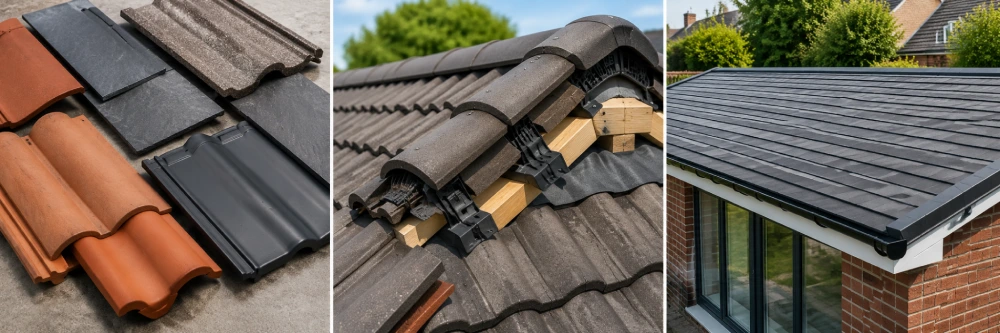
Types of Roof Tiles UK usually include clay tiles, concrete tiles, interlocking tiles, plain tiles, profile tiles, slate alternatives, and other pitched-roof coverings. Each option behaves differently on the roof, especially when pitch, exposure, fixings, battens, underlay, gutters, valleys, and maintenance are considered.
| Roof tile type | Where it can fit | What A&A Roofing London checks |
| Clay tiles | Traditional and character-focused roofs | Fragility, matching, pitch, fixing |
| Concrete tiles | Practical pitched roof replacements | Weight, surface wear, roof support |
| Plain tiles | Detailed pitched roofs and smaller roof planes | Lap, fixing, batten layout |
| Interlocking tiles | Faster coverage on suitable pitched roofs | Profile, pitch, fixing method |
| Profile tiles | Visible roof texture and water shedding | Shape, lap, alignment, drainage |
| Slate-style tiles | Slate appearance with material differences | Weight, fixing, planning fit |
| Natural slate | Premium pitched roof covering | Structure, specification, repair matching |
| Flat roof systems | Not roof tiles in the pitched sense | Drainage, insulation, junctions |
| Replacement tiles | Local repairs and roof restoration | Material match, profile, weathering |
| Mixed roof coverings | Homes with extensions or additions | Junctions, valleys, water flow |
A&A Roofing London checks the complete roof before recommending a tile type. A tile that works on one home may not suit another roof pitch, structure, or drainage layout.
What Is Tile Roofing?
Tile roofing is a pitched roof system made from individual tiles fixed over battens, underlay, rafters, ridges, valleys, gutters, and leadwork. The visible tile is only one part of the roof.
A&A Roofing London checks tile type, pitch, tile lap, underlay, battens, ventilation, gutters, and junctions before recommending installation or replacement.
For basic context, tile roof component outline is useful.
Clay Roof Tiles
Clay roof tiles are often chosen for appearance, character, and traditional rooflines. They can suit older properties, visible slopes, and homes where tile matching matters. They also need careful handling because older clay tiles can crack or chip during access and repair.
A&A Roofing London checks clay tile profile, roof pitch, colour match, support layers, and the condition of surrounding tiles before repair or replacement. Clay tiles should be selected for roof fit, not appearance alone.
For clay ageing context, clay roof tile condition pattern is useful.
Concrete Roof Tiles
Concrete roof tiles are widely used on pitched roofs and can be practical where the roof structure, pitch, battens, and fixings suit the material. Their condition should be checked for cracking, surface wear, movement, moss, gutter overflow, and ridge issues.
A&A Roofing London checks whether concrete tiles are still serviceable or whether local replacement, maintenance, or wider restoration is needed.
For concrete context, concrete roof tile service clues are useful.
Plain Tiles
Plain tiles are small-format tiles laid in overlapping courses. They can create a detailed, traditional roof appearance, but they depend on correct batten spacing, tile lap, pitch, and fixing.
A&A Roofing London checks whether plain tiles suit the roof slope and whether the roof structure can support the chosen covering. Repair matching is also important on visible roof planes.
Interlocking Tiles
Interlocking tiles are designed to connect along their edges, which can help cover suitable pitched roof areas efficiently. Their performance depends on pitch, fixing, tile profile, manufacturer guidance, and correct installation.
A&A Roofing London checks that interlocking tiles suit the roof design before installation. Poorly matched or wrongly fitted interlocking tiles can cause water-flow and wind-movement problems.
Profile Tiles
Profile tiles include shaped tiles that create a visible contour on the roof. The profile affects how water moves down the slope, how the tiles overlap, and how repairs should be matched.
A&A Roofing London checks profile depth, roof pitch, valleys, gutters, and nearby junctions before recommending a profile tile. The chosen shape should work with drainage, not fight against it.
Slate and Slate-Style Tiles
Slate and slate-style tiles should be reviewed separately from standard clay or concrete tiles. Natural slate, manufactured slate, and slate-style coverings can differ in weight, appearance, fixing method, repair matching, and roof pitch suitability.
A&A Roofing London checks whether slate, tile, or a slate-style covering is right for the property before work begins.
For material comparison, tile slate material distinctions and concrete slate roof contrast are useful.
How to Choose Between Roof Tiles
Choosing between roof tile types means checking the property, not just the product. Roof pitch, structure, appearance, planning context, weather exposure, gutters, valleys, chimneys, flat roof junctions, and long-term repair access all matter.
A&A Roofing London checks whether the tile type fits the roof technically before materials are ordered. The right choice should protect the home and remain practical to maintain.
For selection planning, roof tile suitability filter is useful.
Roof Tile Lifespan by Type
Different roof tiles age in different ways. Clay tiles, concrete tiles, and slate-style coverings can all remain practical where installation, pitch, maintenance, drainage, and repair matching are handled correctly.
A&A Roofing London checks roof lifespan by condition. Cracks, loose tiles, failed underlay, weak battens, ridge movement, moss, and drainage problems are more important than material name alone.
For lifespan context, roof tile ageing variables is useful.
Roof Tile Costs and Material Choice
Roof tile costs depend on tile type, access, scaffold, tile matching, roof size, batten and underlay condition, ridges, valleys, gutters, leadwork, waste removal, and whether hidden roof damage is found.
A&A Roofing London checks the roof before recommending a tile type or replacement scope. A cheaper tile choice can become poor value if it does not suit the roof or creates repair problems later.
For budgeting context, tile roof allowance inputs and roof tile supply variables guide are useful.
Pros and Cons of Roof Tile Types
Each tile type has trade-offs. Clay can suit traditional appearances but may need careful matching. Concrete can be practical but needs structural and surface-condition checks. Slate can offer a distinct finish but has different fitting and repair requirements.
A&A Roofing London compares tile types around roof fit, not generic popularity. The correct roof covering should match the building, slope, exposure, and maintenance plan.
For decision context, tile roof trade-off framework and tile roof value markers are useful.
Tile Roofing Trends in the UK
Tile roofing trends can include colour, profile, texture, and material changes, but trend-led choices should still be tested against roof pitch, structure, local character, drainage, and future repair matching.
A&A Roofing London checks whether a roof tile trend is practical for the property. A tile that looks modern may still be unsuitable if the roof build-up cannot support it properly.
For design context, roof tile style direction is useful.
Roof Tile Installation and Tile Type
Tile installation changes depending on the tile type. Plain tiles, interlocking tiles, concrete tiles, clay tiles, and slate-style tiles can need different laps, battens, fixings, ridge details, and valley treatment.
A&A Roofing London checks installation requirements before recommending a product. The material choice should work with the roof build-up and installer method.
For installation context, roof tile laying sequence and tile roof installation planning stages are useful.
Roof Tile Maintenance by Type
Maintenance needs vary by tile type, roof layout, pitch, exposure, moss, gutters, valleys, and surrounding trees. Clay tiles may need careful handling, concrete tiles may need surface and movement checks, and slate-style coverings need material-specific inspection.
A&A Roofing London checks maintenance requirements before repair problems grow. The goal is to keep water moving away from the roof and prevent small defects from spreading.
For maintenance context, tile covering care priorities and tiled covering inspection routine are useful.
Roof Tile Types and UK Weather
UK weather tests roof tile choices through rain, wind, frost, moss, and seasonal debris. The best tile for one property may be the wrong choice for another if exposure, pitch, fixing, drainage, and maintenance are different.
A&A Roofing London checks roof edges, ridges, valleys, gutters, chimneys, and flat roof connections before recommending a tile type for exposed or complex roofs.
For weather planning, roof material weather response is useful.
Tile, Slate, and Flat Roof Choices
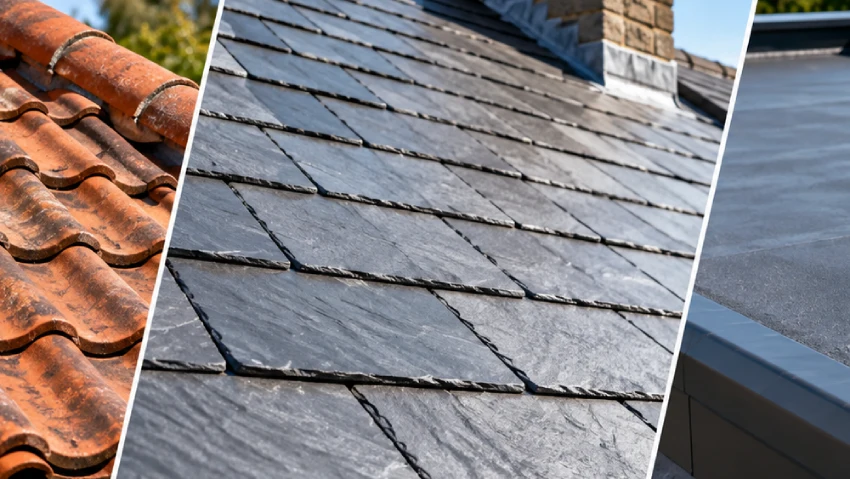
Tiles and slates are pitched roof coverings. Flat roofs need different materials, drainage design, waterproofing, insulation, and detailing. Many homes combine pitched tiled roofs with flat roof extensions, dormers, or rear additions.
A&A Roofing London checks each roof section separately. A leak at a flat roof junction should not be confused with a tile failure on the pitched roof.
For comparison context, tile slate flat roof differences is useful.
Best Roofing Materials and Tile Choices
The “best” roof tile type depends on the property. Roof pitch, structure, local appearance, access, weather exposure, maintenance, and repair matching should guide the choice.
A&A Roofing London reviews tile choices as part of the wider roof material decision. The right covering should suit the home now and remain maintainable later.
For wider material context, roof material selection matrix and roof material lifespan comparison factors are useful.
Tile Roofing in London
Tile roofing in London should be chosen around property age, roof pitch, existing covering, tile profile, drainage, chimneys, valleys, gutters, flat roof junctions, and access.
A&A Roofing London checks whether clay, concrete, plain, interlocking, profile, or slate-style tiles are suitable before repair, restoration, or replacement work starts.
Tile or Slate Roofing in the UK
Tile or slate roofing in the UK may be relevant where homeowners are comparing pitched roof coverings. Tiles and slate can both work well, but they differ in weight, appearance, fixing method, repair matching, and long-term maintenance.
A&A Roofing London checks roof structure, pitch, material fit, and future repair practicality before recommending either route.
Flat Roofs in London
Flat roofs in London should not be treated as tiled roofs. Flat roof sections need different waterproofing, fall, outlet, insulation, and junction detailing.
A&A Roofing London checks flat roof sections separately where they connect to tiled pitched roofs, especially around extensions, dormers, porches, and rear additions.
Pitched Roof Installation in the UK
Most roof tiles are designed for pitched roofs, so pitched roof installation in the UK should account for pitch, tile lap, battens, underlay, fixings, ridges, valleys, gutters, ventilation, and leadwork.
A&A Roofing London checks whether the selected roof tile type is suitable for the pitched roof before installation or replacement begins.
Roof Maintenance in the UK
Roof maintenance in the UK supports every tile type by keeping the roof dry, secure, and repairable. Maintenance may include replacing damaged tiles, clearing gutters, checking valleys, repairing ridges, managing moss, and tracing damp early.
A&A Roofing London checks whether maintenance is enough or whether the roof has moved into repair, restoration, or replacement territory.
| Tile choice question | Why it matters | Best next check |
| Clay or concrete? | Different appearance, handling, and ageing | Roof pitch, support, repair matching |
| Plain or interlocking? | Different lap and fixing requirements | Roof slope and batten layout |
| Tile or slate? | Different weight, finish, and repair method | Structure, appearance, maintenance |
| Pitched or flat section? | Different roof systems entirely | Junctions, drainage, waterproofing |
| Replace or maintain? | Avoid unnecessary replacement | Underlay, battens, leaks, ridges |
| Trend or practical fit? | Appearance must still protect the roof | Exposure, drainage, long-term repairs |
Types of Roof Tiles UK Area Coverage
Local property age, roof pitch, tile profile, access, weather exposure, chimneys, valleys, gutters, moss, flat roof connections, and previous repairs all affect Types of Roof Tiles UK. A&A Roofing London covers North London, Essex, and the Hertfordshire borders, helping homeowners compare roof tile types before installation, repair, restoration, replacement, or maintenance work begins.
North London
In North London, roof tile choices often involve terraced homes, shared rooflines, period properties, rear extensions, chimney stacks, and limited access. A&A Roofing London can check clay, concrete, plain, interlocking, slate-style, and replacement tile suitability alongside roof pitch, ridges, valleys, gutters, flat roof junctions, loft damp, and previous repair areas.
Hertfordshire Borders
Across the Hertfordshire borders, roof tile selection may be affected by larger pitched roof areas, tree debris, moss, older roof details, weather exposure, and mixed tile or slate coverings. A&A Roofing London reviews tile type, roof structure, battens, underlay, drainage, chimneys, valleys, ventilation, and maintenance needs before confirming which roof covering is most practical.
Essex
In Essex, roof tile choices can be affected by wind exposure, rain runoff, roof-edge detailing, gutter flow, chimney junctions, moss, and previous storm movement. A&A Roofing London can inspect tile suitability, slate alternatives, flat roof connections, pitched roof details, valleys, damp evidence, and repair history before work starts.
Final Roofing Decision
Types of Roof Tiles UK should be chosen by roof condition, pitch, structure, drainage, exposure, appearance, repair matching, and future maintenance. Clay tiles, concrete tiles, plain tiles, interlocking tiles, profile tiles, slate, and slate-style coverings can all work well where they fit the roof properly.
A&A Roofing London can support roofing materials in the UK by checking tile type, roof pitch, battens, underlay, ridges, valleys, gutters, leadwork, chimneys, flat roof connections, moss, loft damp, and previous repairs. That gives homeowners a practical route to tile selection, repair, restoration, maintenance, or replacement.
FAQs About Types of Roof Tiles UK
What Are the Main Types of Roof Tiles UK?
Common options include clay tiles, concrete tiles, plain tiles, interlocking tiles, profile tiles, slate, and slate-style roof coverings.
Which Roof Tile Type Is Right for My Home?
The right tile depends on roof pitch, structure, appearance, exposure, drainage, local context, repair matching, and maintenance needs.
Are Clay Roof Tiles Different From Concrete Tiles?
Yes. Clay and concrete tiles differ in appearance, handling, surface ageing, weight, repair matching, and suitability for different roof designs.
Are Roof Tiles Used on Flat Roofs?
No. Roof tiles are generally pitched roof coverings. Flat roofs need different waterproofing, fall, outlets, insulation, and junction detailing.
Does Roof Pitch Affect Tile Choice?
Yes. Roof pitch affects water shedding, tile lap, fixing, underlay choice, and whether a specific tile type is suitable.
How Do I Know Whether Tiles Need Replacing?
Tiles may need replacing when they are cracked, missing, loose, weathered, badly matched, or no longer protecting the roof below.
Does Moss Affect Roof Tile Choice?
Moss does not usually decide tile type on its own, but moss-prone roofs need good drainage, maintenance access, and careful inspection.
What Should A&A Roofing London Inspect First?
A&A Roofing London should inspect roof pitch, existing tile type, structure, battens, underlay, ridges, valleys, gutters, moss, leadwork, chimneys, flat roof junctions, loft damp, and repair history.