
BLOG
home
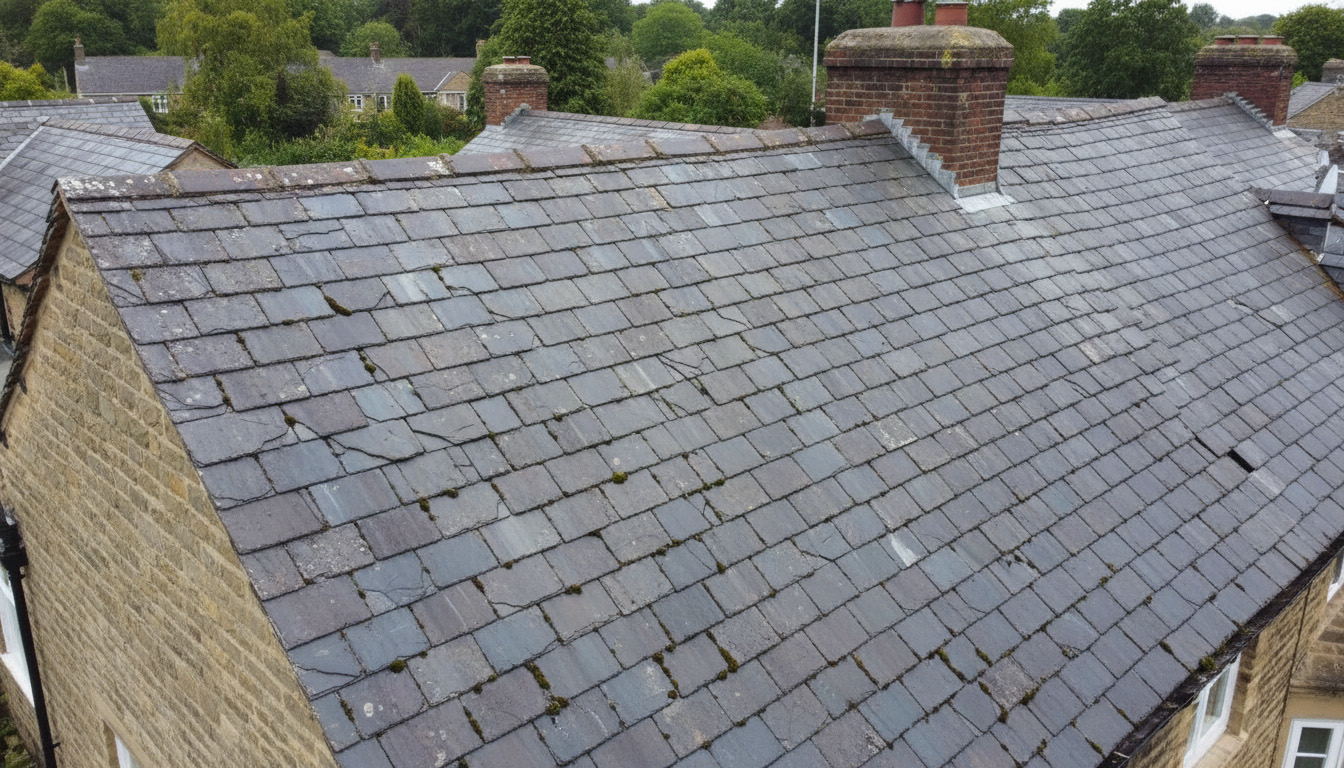
Signs You Need Slate Roof Replacement in the UK: What to Look For
Slate roofing is known for exceptional durability, but even the strongest slate roof will eventually require replacement. Many UK homeowners mistake isolated tile issues for minor wear, delaying action until structural damage develops beneath the surface. By the time leaks appear internally, repair costs often escalate significantly.
The UK’s constant moisture, frost cycles, and wind exposure place continuous pressure on fixings and timber supports. Recognising early replacement signs prevents internal damage and avoids repeated short-term repairs. This guide explains exactly what to look for and when full slate roof replacement becomes necessary.
Slate Roof Replacement Signs UK Homeowners Should Never Ignore
Slate roof replacement signs UK properties display often begin subtly before becoming obvious structural concerns. Slate rarely fails suddenly, but supporting components deteriorate gradually.
-
Frequent slate slippage across multiple roof sections
-
Repeated internal leaks despite prior repairs
-
Extensive nail fatigue causing tiles to detach
-
Cracked or delaminating slates across wide areas
When multiple symptoms appear simultaneously, replacement is often more cost-effective than continuous patch repairs. Professional slate roofing inspections assess whether deterioration is isolated or systemic.
When to Replace Slate Roof UK Structural Thresholds
Understanding when to replace slate roof UK homeowners face depends on structural integrity rather than isolated cosmetic damage. Slate itself can remain durable for decades, but nails and battens may fail earlier.
Replacement is typically recommended when:
-
More than 20 to 30 percent of slates show movement
-
Battens exhibit widespread rot or decay
-
Repeated repair costs exceed long-term value
-
Structural load issues compromise stability
In many older roofs, the stone remains intact while fixings corrode. Once nail fatigue becomes widespread, large-scale re-slating may be required.
Where structural reinforcement or redesign is necessary, professional pitched roof installation ensures safe load management and regulatory compliance.
Damaged Slate Roof Symptoms UK Weather Exposes
Damaged slate roof symptoms UK climate conditions accelerate often result from long-term exposure rather than sudden failure. Constant rainfall and freeze-thaw cycles weaken underlying components.
Common climate-related symptoms include:
-
Cracks caused by frost expansion
-
Wind uplift loosening multiple tiles
Surface moss alone does not require replacement, but widespread moisture retention can accelerate batten decay beneath the slate layer.
Homeowners comparing broader roof condition indicators may also review roof inspection checklist guidance before scheduling professional evaluation.
Repair vs Replacement: Making the Right Decision
Not all slate damage requires full replacement. Determining the right solution depends on the scale and cause of deterioration.
|
Condition |
Recommended Action |
|---|---|
|
Single cracked slate |
Individual tile replacement |
|
Localised slippage |
|
|
Widespread nail corrosion |
Full re-slating |
|
Structural sagging |
Complete replacement |
|
Extensive batten rot |
Structural rebuild before re-slating |
Continuing to repair a roof with systemic fixing failure often increases overall lifetime cost.
Professional slate roofing specialists evaluate whether targeted repairs or complete replacement provide better long-term value.
Financial Considerations of Delaying Replacement
Delaying necessary replacement often increases structural repair costs. Water ingress can damage insulation, rafters, ceilings, and internal finishes.
Potential consequences of postponement include:
-
Increased timber decay
-
Higher interior repair expenses
-
Insurance complications
-
Reduced property resale value
Addressing replacement proactively often costs less than managing long-term water damage.
Where broader reinforcement is required before new slate installation, roof restoration services can strengthen structure prior to re-slating.
How Long Should a Slate Roof Last Before Replacement?
High-quality natural slate can last 75 to 100 years under optimal conditions. However, replacement may occur earlier if installation quality or fixing materials were substandard.
Factors influencing lifespan include:
-
Nail material quality
-
Wind exposure classification
Understanding expected lifespan helps homeowners anticipate replacement timelines rather than reacting to emergency leaks.
Frequently Asked Questions
What are the first signs a slate roof needs replacing
Frequent tile slippage, widespread cracking, and visible sagging are early warning indicators.
Can a slate roof be repaired instead of replaced
Yes, if damage is isolated and structural components remain sound.
How do I know if nail fatigue is widespread
Professional inspection is required to assess fixing corrosion beneath the slate layer.
Does moss mean my slate roof needs replacing
Not necessarily, but excessive moss can trap moisture and accelerate structural decay.
How much does slate roof replacement cost in the UK
Costs vary by slate type and roof size, but full replacement is typically more cost-effective than repeated large-scale repairs.
Categories
Roof Installation
Leak Repair
Storm Damage Repair
Shingle Replacement
Flashing Repair
Roof Patching
Emergency Roof Repair