Loose Roof Tiles in the UK: Why They’re Dangerous and How to Fix Them
admin2026-02-01T10:40:27+00:00BLOG
Loose Roof Tiles in the UK: Why They’re Dangerous and How to Fix Them
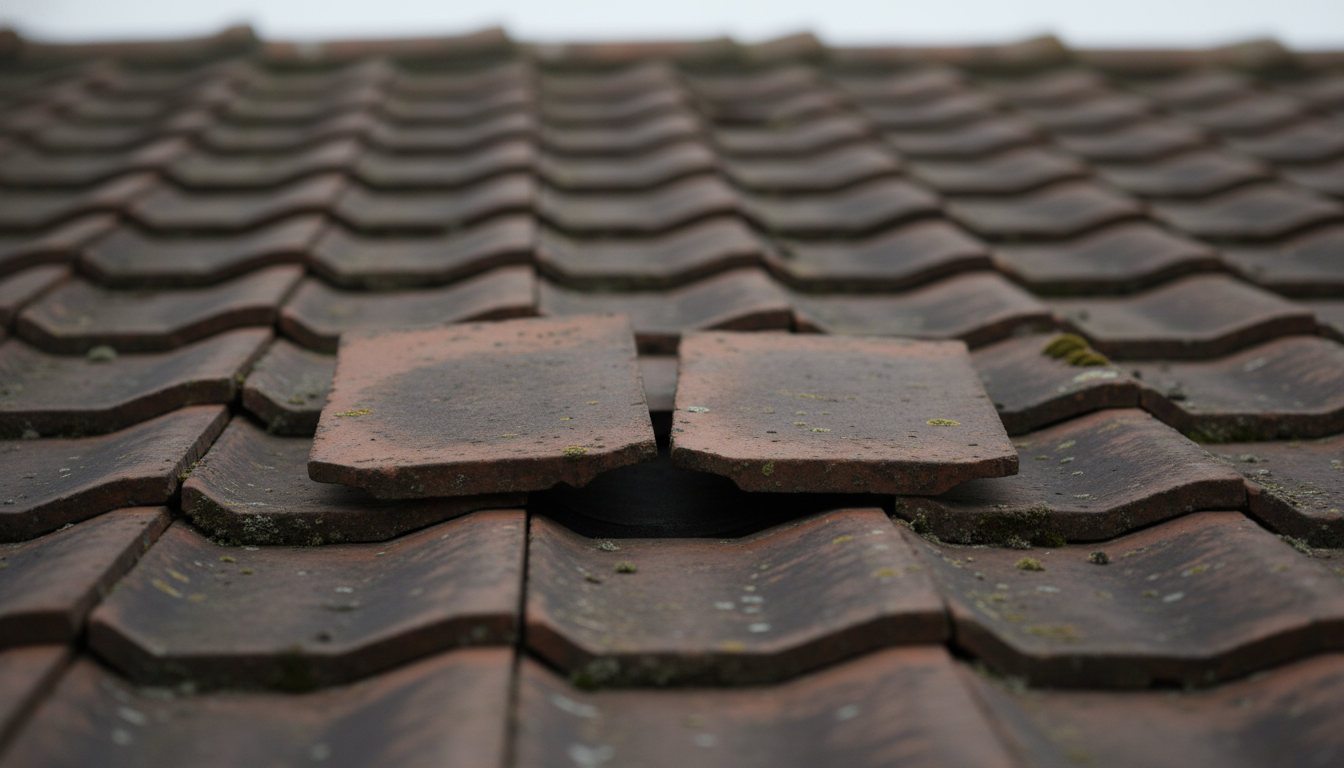
Loose roof tiles are one of the most common and underestimated roofing problems in the UK. What starts as a slightly shifted tile can quickly turn into leaks, structural damage, or even falling debris during storms. Many homeowners only notice loose tiles after severe weather, by which point damage has often already occurred.
In the UK’s windy and wet climate, loose tiles are not just a cosmetic issue. They pose safety risks, accelerate roof deterioration, and can lead to expensive repairs if ignored. Understanding why tiles become loose, how dangerous they are, and how they should be fixed is essential for protecting your home.
Loose roof tiles UK: Why tiles become loose in the first place
Loose roof tiles UK homes experience are usually caused by gradual fixing failure rather than sudden impact. Over time, nail fatigue, weather exposure, and natural roof movement weaken how tiles are secured.
High winds are a major contributor. Wind uplift gradually loosens tiles, especially at ridges, edges, and corners. Temperature changes also cause expansion and contraction, stressing fixings year after year. On older roofs, original fixings may simply have reached the end of their lifespan.
Poor installation, incompatible replacement tiles, or past patch repairs further increase the risk of tiles becoming loose.
Storm damaged roof tiles: Why storms make the problem worse
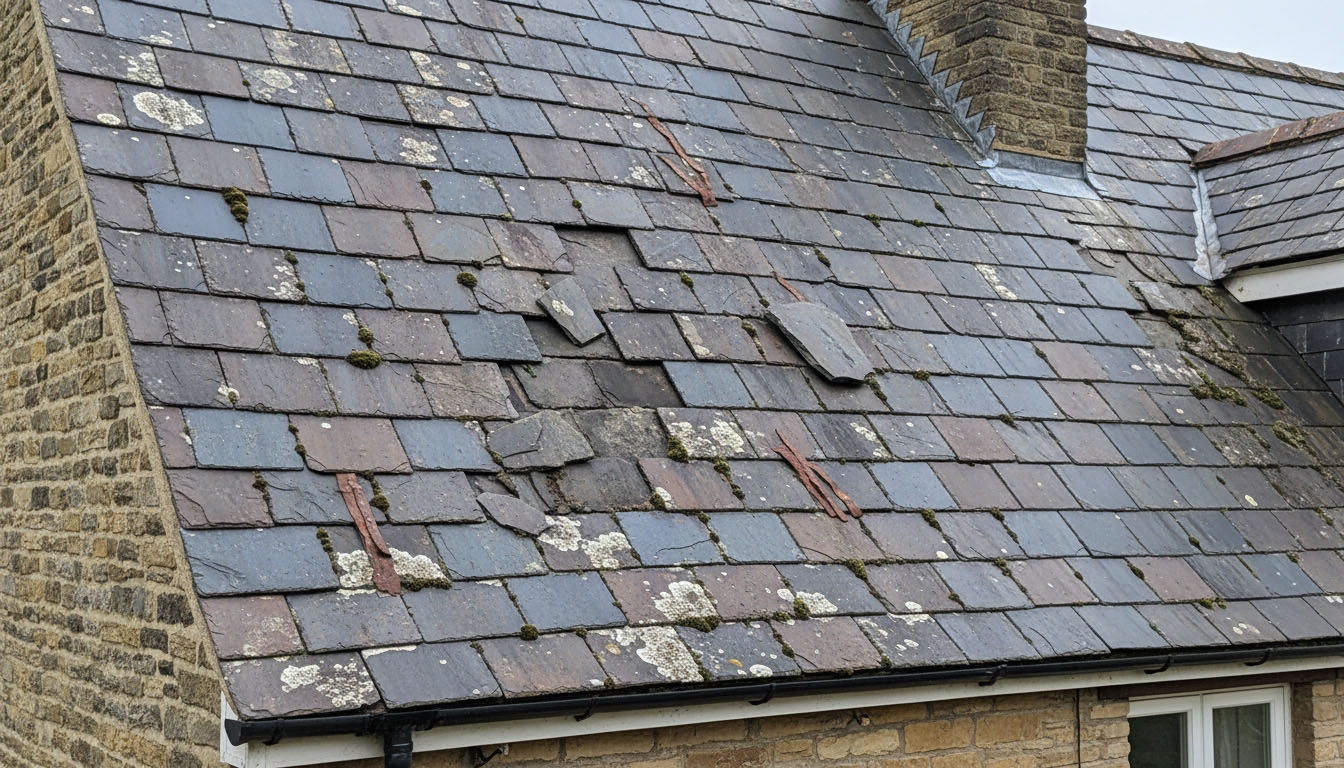
Storm damaged roof tiles are often the point at which homeowners first notice a problem. Storms rarely create new weaknesses from scratch. Instead, they exploit tiles that were already loose, cracked, or poorly fixed.
Strong winds lift tiles slightly, breaking fixings or dislodging them completely. Driving rain then forces water beneath the roof covering, leading to leaks. Flying debris can also crack or chip tiles, accelerating failure.
Guidance in how to spot roof damage after a storm in the UK explains why post-storm inspections are critical even if damage is not immediately obvious.
Roof tile repair: Why loose tiles are a serious safety risk
Roof tile repair is not just about preventing leaks. Loose tiles present a genuine safety hazard. Dislodged tiles can fall from height, posing a risk to people, vehicles, and neighbouring properties.
Even tiles that appear only slightly loose can shift further during high winds. Ridge tiles and tiles near roof edges are particularly dangerous when unsecured. In many cases, falling tiles are the reason emergency roof repairs are required after storms.
From a liability perspective, ignoring known loose tiles can expose homeowners to legal and insurance complications if damage or injury occurs.
Loose roof tiles UK: Hidden damage beneath the surface
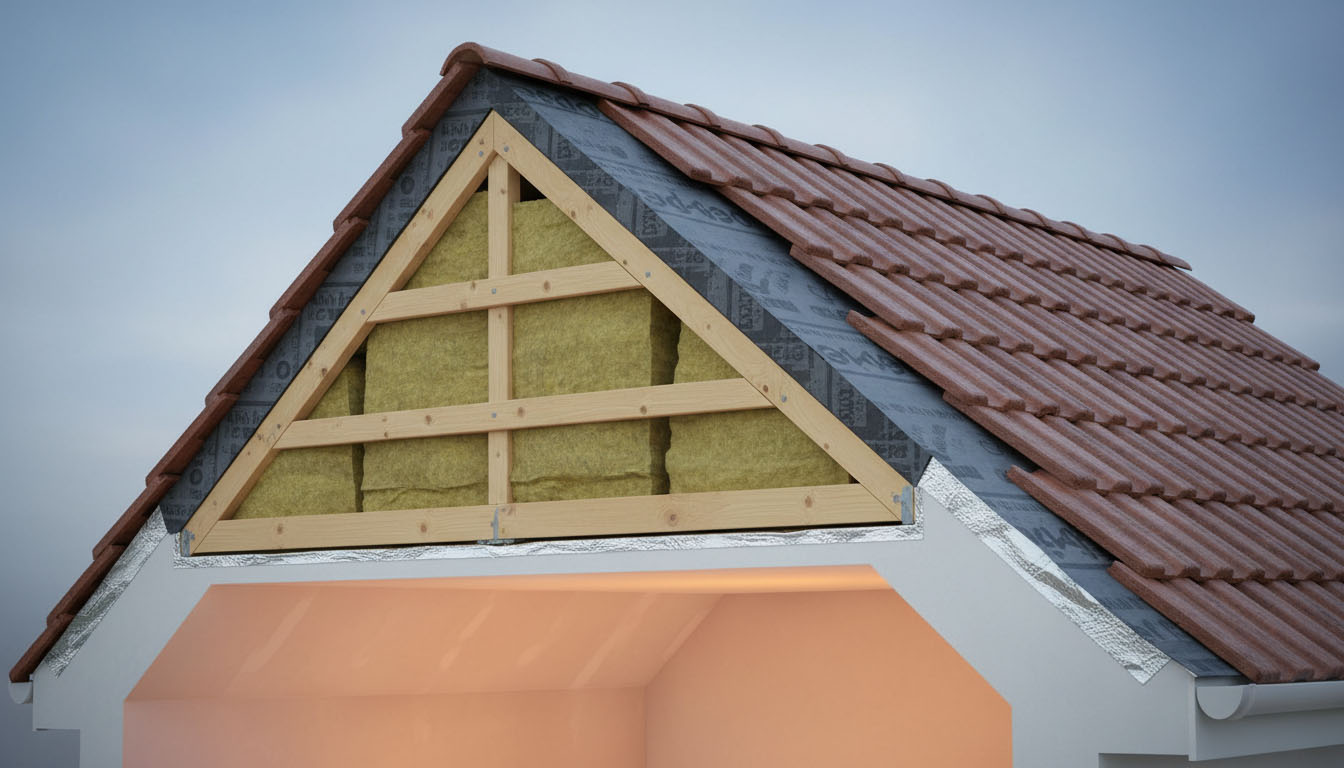
Loose roof tiles UK homeowners see from outside often indicate hidden damage underneath. When tiles move, water can penetrate the underlay, battens, and roof timbers.
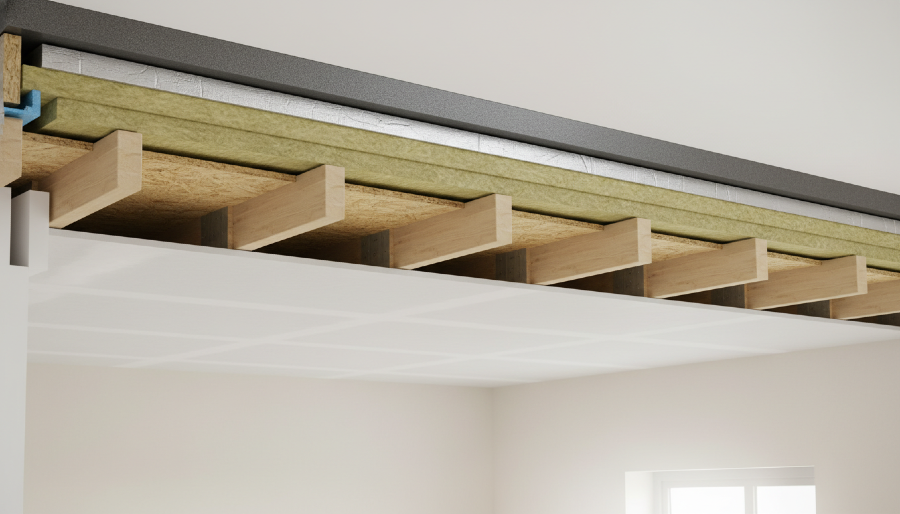
Repeated wetting leads to timber rot, mould growth, and insulation damage. Over time, this weakens the roof structure and increases the likelihood of further tile failure. By the time internal damp appears, damage has usually spread beyond the original loose tile.
Many early warning signs overlap with those explained in 10 signs your roof needs immediate repair, which highlights why early action matters.
Roof tile repair: Why DIY fixes often fail
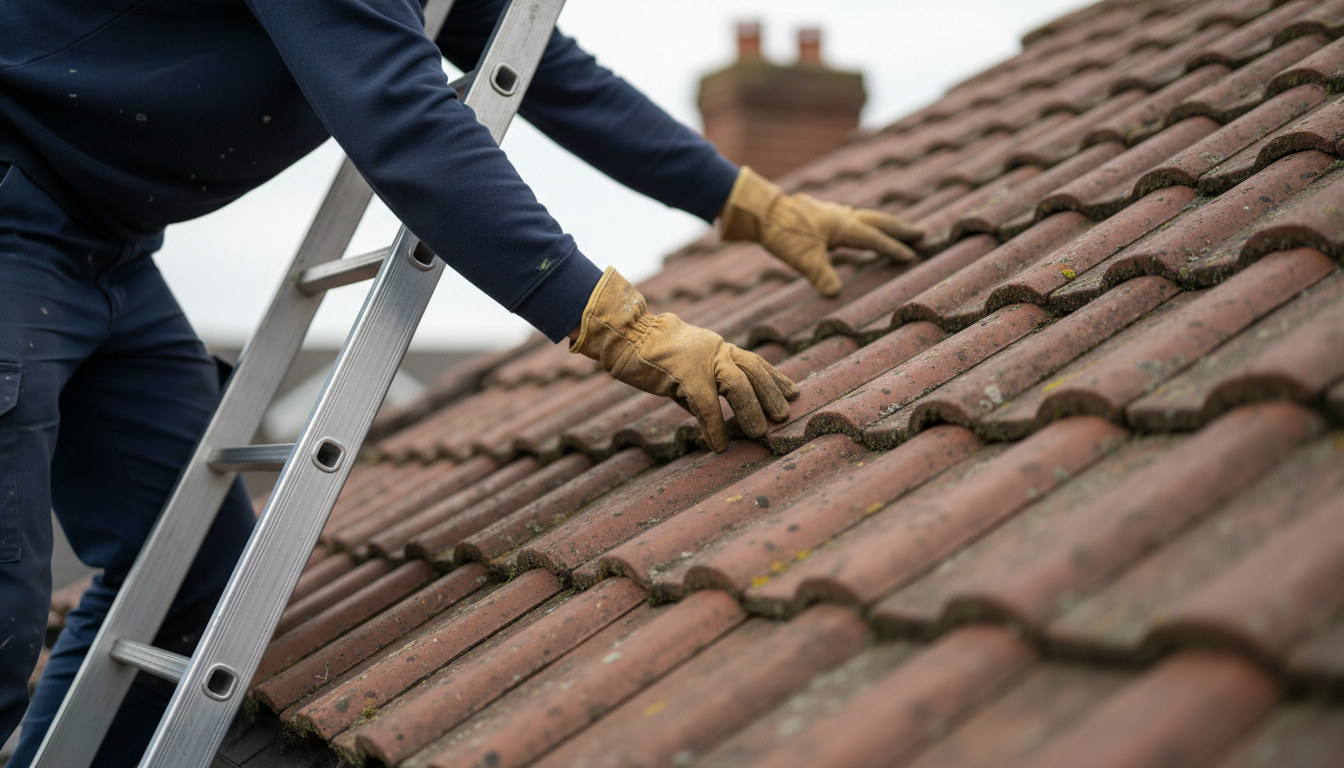
Roof tile repair is frequently underestimated by homeowners. Attempting to refix tiles without proper access equipment, fixings, or experience often makes the problem worse.
Improvised fixes such as adhesives, sealants, or mortar rarely provide long-term security. They can crack, wash away, or trap moisture, accelerating deterioration. Incorrect repairs may also void warranties or insurance coverage.
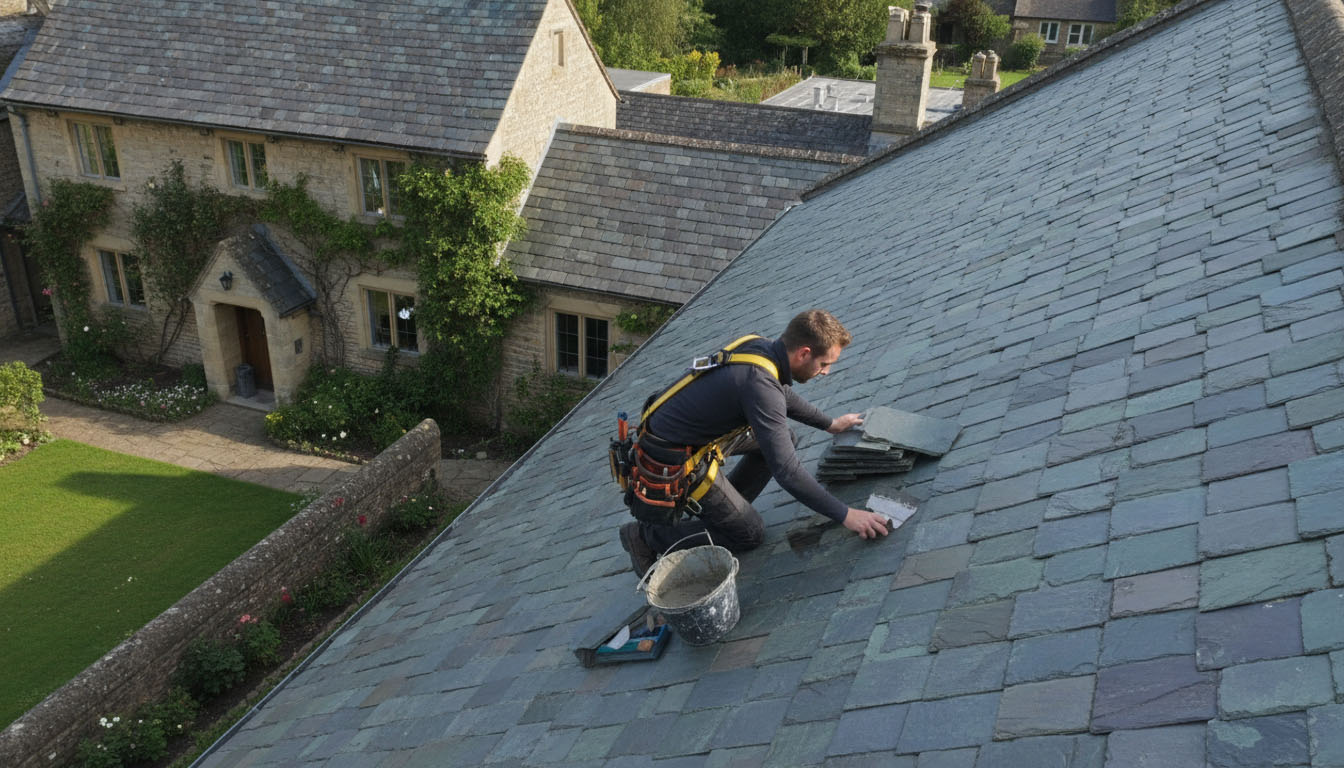
Professional repair ensures tiles are correctly fixed, aligned, and integrated with surrounding roof components.
Storm damaged roof tiles: Common patterns of failure
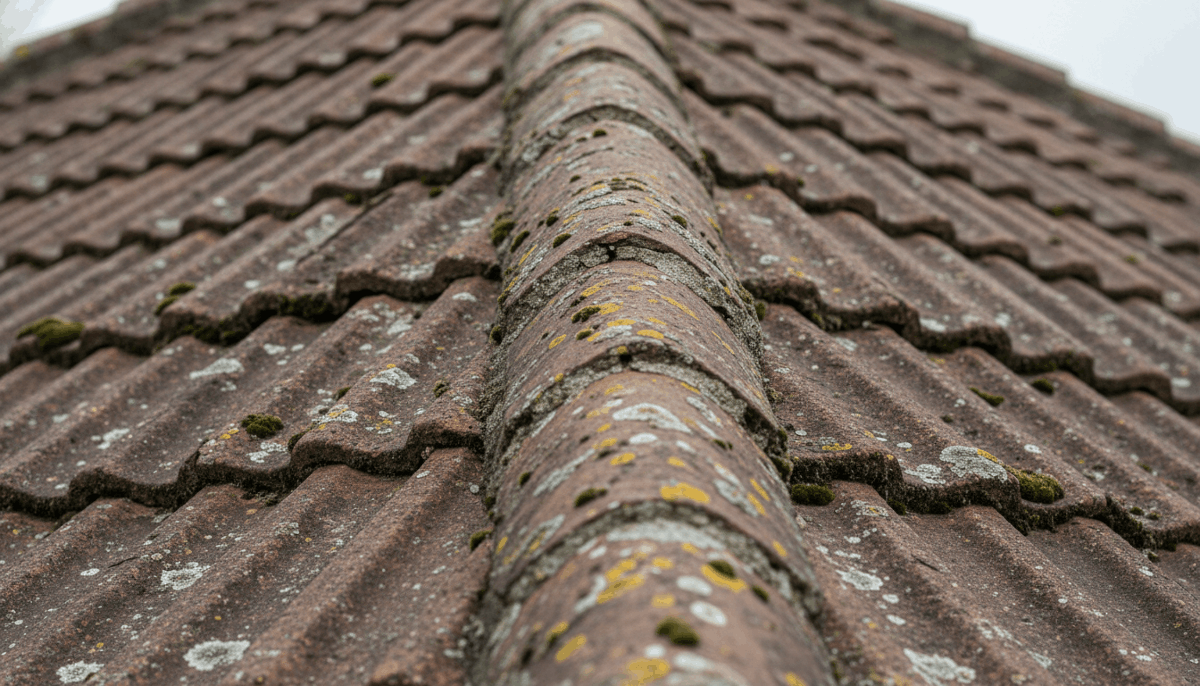
Storm damaged roof tiles usually fail in predictable areas. Ridge lines, hips, valleys, and roof edges experience the greatest wind uplift and are often the first to fail.
Older roofs with mortar-bedded ridges are particularly vulnerable, as mortar degrades over time. Once one tile fails, surrounding tiles are more likely to loosen due to redistributed loads and exposure.
Understanding these patterns helps explain why isolated repairs are sometimes not enough if multiple areas are compromised.
Loose roof tiles UK: When repair is enough and when it isn’t
Loose roof tiles UK issues can often be resolved with targeted repairs if caught early. Refixing or replacing individual tiles restores protection and prevents further damage.
However, widespread looseness, repeated tile movement, or failing battens may indicate deeper issues. In these cases, repairing single tiles becomes a temporary solution rather than a fix.
If tiles continue to loosen after repair, broader intervention may be required to address underlying roof condition.
Roof tile repair: Professional repair methods explained
Roof tile repair carried out professionally focuses on restoring the roof as a system. This includes checking fixings, replacing damaged battens, and ensuring tiles are correctly aligned and secured.
Damaged or incompatible tiles are replaced with matching materials to maintain weather resistance. Where necessary, ridge systems may be upgraded from mortar bedding to modern mechanical fixings for improved durability.
For ongoing or widespread issues, homeowners often require roof repair services rather than repeated spot fixes.
Loose roof tiles UK: The link to bigger roof problems
Loose roof tiles UK homeowners ignore often contribute to larger roof failures. Water ingress caused by loose tiles accelerates timber decay, insulation damage, and mould growth.
Over time, this can lead to sagging roof sections, internal ceiling damage, and increased energy loss. What began as a simple tile issue can evolve into a major structural problem if left unresolved.
Early repair prevents small issues from compounding into costly restoration work.
Storm damaged roof tiles: Prevention through inspection
Storm damaged roof tiles are far less likely when roofs are inspected and maintained regularly. Identifying and securing loose tiles before storm season significantly reduces emergency call-outs.
Annual inspections and post-storm checks help catch early movement, cracked tiles, and fixing deterioration. Preventative action costs far less than emergency repairs and internal damage restoration.
Routine roof inspections play a key role in preventing storm-related tile failure.
Loose roof tiles UK: Final expert guidance
Loose roof tiles UK homeowners notice should never be ignored. They are an early warning sign of roof vulnerability and a direct safety risk during high winds.
Understanding why tiles loosen, recognising storm-related risks, and acting promptly with professional repair protects both the roof and the people below it. Addressing loose tiles early prevents leaks, structural damage, and costly emergency repairs.
Frequently Asked Questions
Are loose roof tiles dangerous?
Yes, they can fall during storms and cause injury or damage.
Can one loose tile cause a leak?
Yes, even a single loose tile can allow water ingress.
Do storm damaged tiles always need replacing?
Not always, some can be refixed if undamaged.
Is it safe to fix loose roof tiles yourself?
No, roof access without proper equipment is dangerous.
How quickly should loose tiles be repaired?
As soon as possible, especially before storms.