
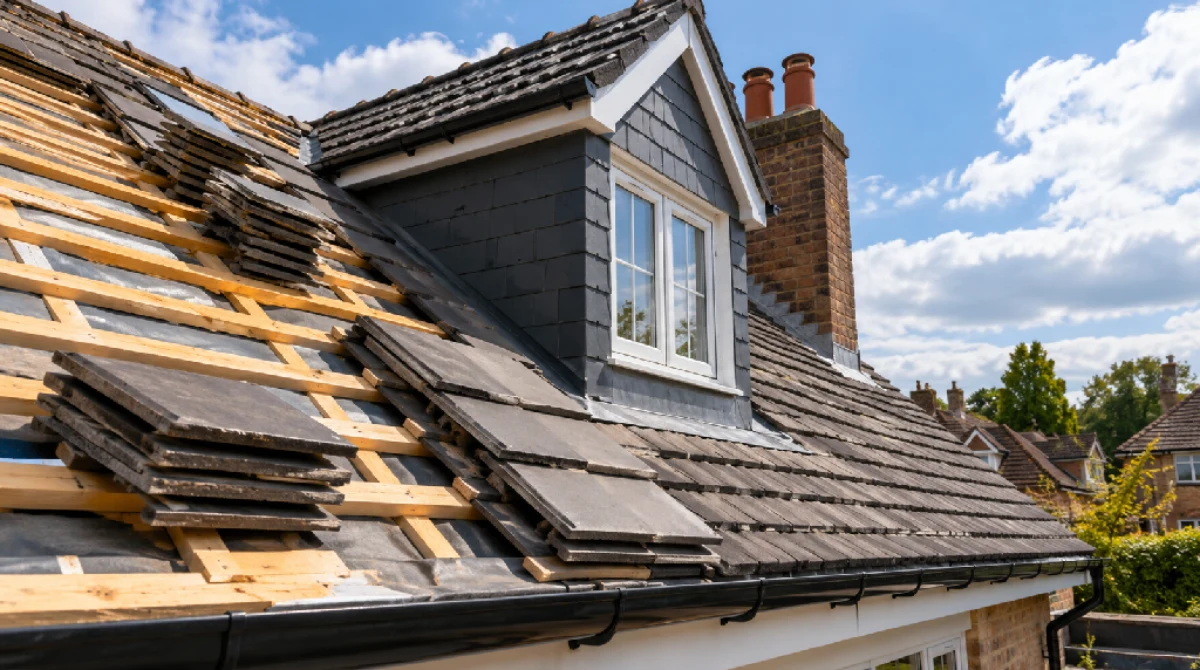
Cost Breakdowns & Scaffolding Avoidance is one of the first questions homeowners ask when roof work is needed. The concern is understandable: a small roof repair can become expensive when access, materials, labour, waste, and safety equipment are added. But avoiding scaffolding should never mean avoiding safe access. On pitched and high-level roofs, scaffolding may be necessary to protect workers, homeowners, neighbours, and the public.
A&A Roofing London helps homeowners across London, Essex, and Hertfordshire Borders understand what is driving the quote, when scaffold is genuinely required, and when careful inspection can prevent unnecessary access costs.
Quick Check: For a clear roof quote before repair or replacement decisions, A&A Roofing London can provide a tile roof value check in London that reviews access, materials, labour, and whether scaffolding is genuinely needed.
Cost Breakdowns & Scaffolding Avoidance Explained

Cost Breakdowns & Scaffolding Avoidance should start with the roof condition, not the scaffolding question. A safe roofing quote normally reflects access, roof height, slope, material type, repair area, weatherproofing details, labour time, waste removal, and whether the work can be completed safely without a full scaffold.
The HSE states that sloping roofs require scaffolding to prevent people or materials falling from the edge, while very short-duration roof work may sometimes use properly secured ladders and roof ladders where the task is suitable and precautions are in place. The Planning Portal also advises that scaffolding is usually required when working on a roof.
Roof cost and access breakdown
| Quote item | What it covers | Scaffold impact |
| Inspection | Defect tracing, roof access planning, material check | May prevent unnecessary full access |
| Labour | Roofer time, repair complexity, safe setup | Higher where access is difficult |
| Materials | Tiles, slate, felt, lead, battens, fixings | Depends on roof type and matching |
| Scaffolding or access | Edge protection, platforms, ladders, towers where suitable | Required where risk cannot be controlled otherwise |
| Waste and disposal | Old tiles, felt, lead offcuts, packaging | Larger jobs need more handling |
| Weatherproofing | Lead, flashings, valleys, chimneys, joints | Often increases time and access needs |
| Compliance | Building Regulations, documentation, safe working | More relevant for re-roofing or material changes |
A&A Roofing London uses this breakdown to show whether the main cost is access, materials, defect complexity, or the scale of roof work. Where the roof is tiled, the roof tile ultimate guide helps explain how roof material, tile profile, pitch, and repair size shape the final quote.
Cost clarity also depends on comparing the right repair type. A homeowner looking only at the lowest number may miss whether the quote includes safe access, matching materials, disposal, and leadwork. A roof repair pricing framework can help separate a genuine repair quote from a delayed replacement problem.
Tile Roofing Cost Drivers and Access Choices
Tile roofing is a major part of Cost Breakdowns & Scaffolding Avoidance because tile repairs can range from a small local replacement to a larger strip-and-reinstate job. The cost depends on tile type, access height, roof pitch, how many tiles are damaged, and whether the tiles around the repair can be lifted without breaking.
A&A Roofing London checks whether the repair is a single broken tile, several slipped units, storm damage, or evidence of poor previous work. This matters because a small repair on a low, accessible roof may need a different access setup from tile work near a ridge, valley, or chimney.
The material itself can also change the budget. A plain clay tile, concrete interlocking tile, or specialist profile can carry different replacement and labour demands. A roof tile material price guide helps homeowners understand why tile costs are only one part of the final roof quote.
Where tile replacement is localised, A&A Roofing London assesses whether safe short-duration access is suitable or whether scaffold is required. The goal is not to remove scaffold from every quote; it is to avoid paying for access that does not match the actual work.
Slate Roofing and Reclaimed Material Costs
Slate roofing changes Cost Breakdowns & Scaffolding Avoidance because slate repairs can be slower and more delicate than standard tile repairs. Natural slate can crack during removal, older fixings may fail, and matching existing slate may require more inspection before materials are ordered.
A&A Roofing London uses a reclaimed slate value and condition check where older slate may be reused or matched. This helps prevent waste, but reclaimed slate still has to be checked for thickness, nail holes, cracks, surface condition, and compatibility with the roof pitch.
Access planning is especially important on slate roofs because walking directly on slate can damage the covering and create new leaks. Scaffold, roof ladders, or other controlled access may be needed depending on the location and duration of work.
For homeowners trying to understand value, the key is whether the quote protects the remaining slate while completing the repair. A cheaper access method that breaks surrounding slate can create a higher final cost than a safer planned access route.
Flat Roofing Costs and Scaffold Avoidance Limits
Flat roofing affects Cost Breakdowns & Scaffolding Avoidance differently from pitched roofs. Some flat roofs are easier to access than steep tiled roofs, but access still depends on height, edge risk, roof fragility, surface condition, and whether materials need to be carried safely.
A&A Roofing London reviews replacement planning for flat roofs before recommending repair, overlay, or replacement. A small surface repair, outlet detail, or upstand repair may not need the same access as a full flat roof renewal.
However, “flat” does not automatically mean “safe.” Fragile roof surfaces require effective precautions for work on or near them, regardless of how short the task is. If the roof has weak decking, rooflights, poor edges, or unsafe access from inside the property, scaffold or another safe access system may be needed.
Where the roof form is mixed, the cost breakdown should separate pitched roof access from flat roof access. A leak may start at a flat roof outlet but appear near a tiled roof junction, so accurate inspection helps avoid paying for the wrong repair.
Pitched Roof Installation and Access Planning
Pitched roof installation is where Cost Breakdowns & Scaffolding Avoidance becomes more about planning than shortcutting. A full pitched roof installation usually needs stable working platforms, safe material handling, waste routes, and edge protection.
A&A Roofing London checks pitched roof installation details before pricing larger work. The quote should reflect roof pitch, property height, roof area, tile or slate type, underlay, battens, ventilation, ridge details, and whether the scaffold is serving one elevation or the full roof.
The Planning Portal notes that replacing an existing roof covering with a different material may require Building Regulations approval where structural stability, fire safety, or energy efficiency are affected, especially if the new material is significantly heavier or lighter. That means cost planning should include compliance where the roof covering changes, not only labour and materials.
For homeowners comparing quotes, the access plan should be visible in writing. A quote that excludes scaffold may appear cheaper, but it may later rise if safe access is added after the job starts.
Roof Restoration Cost Planning
Roof restoration is central to Cost Breakdowns & Scaffolding Avoidance because restoration often includes several connected tasks: tile repairs, moss removal, ridge work, lead checks, gutter review, underlay concerns, and weatherproofing. Doing these separately can mean paying for access more than once.
A&A Roofing London uses roof restoration planning to decide whether roof work should be bundled while safe access is already in place. If scaffold is required for ridge work, it may be sensible to inspect tiles, valleys, flashings, and chimney leadwork at the same time.
When grouped roof work can reduce repeat access
| Roof task | Why it is often grouped | Cost planning benefit |
| Ridge repairs | Usually high-level work | Reduces repeat access for apex defects |
| Tile replacement | Often found during inspection | Prevents separate call-outs for visible damage |
| Lead flashing repair | Needs controlled access near chimneys | Avoids reopening scaffold for weatherproofing |
| Gutter and fascia checks | Located at roof edge | Can be reviewed while edge access exists |
| Roof condition photos | Supports transparent quoting | Helps explain what is urgent and what can wait |
A roof restoration quote should not be a vague package. It should show what is being repaired, what is being left alone, and whether scaffold is required for safety or efficiency.
Where costs are the main concern, a roof restoration cost structure gives homeowners a practical way to compare labour, materials, access, and repair scope without treating every roof as the same.
Roof Repairs: When Scaffold Is Worth It
Roof repairs are the most common setting for Cost Breakdowns & Scaffolding Avoidance because homeowners often hope a quick fix can avoid scaffold. Sometimes that is realistic. A very small, low-risk task may be completed with suitable short-duration access, but higher, steeper, fragile, or multi-day repairs usually need more protection.
A&A Roofing London does not treat scaffold as an automatic extra or an optional luxury. It is assessed against height, roof slope, edge risk, fragility, weather, materials, and repair duration. HSE guidance makes clear that roof work remains one of the higher-risk construction activities, particularly on domestic dwellings.
Before access is priced, the repair itself should be diagnosed. A leak can be caused by broken tiles, loose ridge tiles, damaged flashing, underlay failure, valley defects, or poor workmanship. A roof fault recognition checklist helps homeowners describe the problem clearly before the quote is prepared.
Poor workmanship can also make a cheap job expensive later. A roofing workmanship warning list helps identify when a repair quote is missing access, preparation, fixing method, weatherproofing, or cleanup details.
Re-Roofing and Roof Replacement Cost Breakdowns
Re-roofing changes Cost Breakdowns & Scaffolding Avoidance because scaffold is normally part of safe and efficient roof replacement. The question is not usually whether scaffold can be avoided, but whether the scaffold plan matches the job and is clearly included in the quote.
The Planning Portal states that work to a roof that does not materially affect external appearance will usually not require planning permission, but the position can change where permitted development conditions are not met. GOV.UK also notes that replacement of roof coverings on pitched and flat roofs can fall within work needing approval or special rules, depending on the project.
A&A Roofing London separates roof replacement costs into access, strip-out, waste removal, underlay, battens, tiles or slate, ventilation, leadwork, ridge and verge details, labour, and compliance checks. That prevents scaffold from hiding the rest of the roof cost.
A roof replacement cost breakdown can help homeowners understand whether the roof has reached the point where continued repair is less economical than planned replacement.
Lead Work, Chimneys, and Cost Surprises
Lead work and chimneys often create unexpected costs in Cost Breakdowns & Scaffolding Avoidance because they sit in difficult roof positions. Chimney flashing, step flashing, soakers, back gutters, and lead valleys usually require careful access and skilled detailing.
A&A Roofing London checks roof leadwork repairs in the UK before assuming the visible roof covering is the main cost. A roof leak around a chimney may need lead repair rather than tile replacement, and safe access around a chimney can be more demanding than access to an open roof slope.
Leadwork also affects whether scaffold can be avoided. A small low-level flashing repair may be straightforward, while chimney leadwork high on a pitched roof may require scaffold to complete the work safely and properly.
Homeowners should ask whether leadwork is included, excluded, or provisional in the quote. If it is not inspected before pricing, the final cost may change once the roof is accessed.
Roof Inspections Before Cost Decisions
Roof inspections are the best way to make Cost Breakdowns & Scaffolding Avoidance accurate. Without inspection, quotes may rely on assumptions about tile condition, roof pitch, leak source, access needs, and repair size.
A&A Roofing London inspects visible damage, internal damp signs, roof covering, ridges, valleys, gutters, chimneys, leadwork, and safe access options. This helps decide whether the job is a minor repair, planned restoration, or replacement.
A roof inspection preparation checklist helps homeowners gather useful details before the visit, including photographs, damp locations, storm history, and visible broken materials.
Inspection timing also affects cost. Small defects are usually easier to plan than urgent storm repairs. A roof inspection interval guide can help homeowners schedule checks before damage reaches the point where scaffold, emergency access, and wider repairs become unavoidable.
Residential Roofing Cost Choices

Residential roofing brings Cost Breakdowns & Scaffolding Avoidance into everyday decisions for terraced houses, semi-detached homes, older properties, extensions, and mixed roof forms. The same repair can cost differently depending on access from the street, rear garden restrictions, roof height, roof pitch, and nearby public areas.
A&A Roofing London considers whether the home is in London, Essex, or the Hertfordshire Borders, whether access is from a road or private land, and whether materials can be moved safely. If scaffold affects a pavement or public highway, local permissions may be needed; GOV.UK notes that where scaffolding creates a risk to the public, work may need to be scheduled carefully or involve local council controls.
Homeowners can reduce avoidable costs by giving accurate information early: roof type, leak location, photographs, property height, access restrictions, and whether previous repairs have been completed. A roof maintenance prevention checklist can also reduce emergency spending by catching damage earlier.
For storm-related issues, access decisions may need to be made quickly but still safely. A storm repair response process helps homeowners understand what to do first without climbing onto the roof themselves.
Cost Breakdowns & Scaffolding Avoidance Area Coverage
Local access conditions matter because roof height, street layout, property age, rear access, and public-facing elevations can all affect the cost of safe roof work. A&A Roofing London supports homeowners across London, Essex, and the Hertfordshire Borders with roof assessments that explain whether scaffold is required, optional, or avoidable through better planning.
North London
North London properties can include terraces, conversions, older tiled roofs, slate roofs, chimneys, and limited rear access. For Cost Breakdowns & Scaffolding Avoidance, A&A Roofing London checks whether access is restricted by narrow streets, neighbouring properties, extensions, or high-level chimney positions. The aim is to provide a clear cost breakdown before work begins and avoid repeat scaffold where several roof tasks can be handled together.
Hertfordshire Borders
Homes around the Hertfordshire Borders often vary from older pitched roofs to more modern residential roofing. A&A Roofing London assesses Cost Breakdowns & Scaffolding Avoidance by looking at roof pitch, property height, tile or slate condition, and whether a safe short-duration repair is realistic. Where scaffold is required, the team explains why it is part of the safe working method rather than treating it as a vague add-on.
Essex
Across Essex service areas, A&A Roofing London reviews Cost Breakdowns & Scaffolding Avoidance with attention to roof access, storm exposure, flat roof additions, tiled roof repairs, and leadwork around chimneys. Where homeowners are comparing quotes, the team helps identify whether material costs, labour, access, or hidden roof defects are driving the final price.
Choosing A&A Roofing London for Clear Roof Costs
A roof quote should explain the work, not hide behind one total figure. A&A Roofing London checks the roof condition, repair scope, access method, material needs, leadwork, and timing before recommending the safest and most economical route. For homeowners comparing Cost Breakdowns & Scaffolding Avoidance, A&A Roofing London provides a tile roof value check in London that separates necessary access from avoidable repeat costs.
FAQs About Cost Breakdowns & Scaffolding Avoidance
What does Cost Breakdowns & Scaffolding Avoidance mean for roof work?
Cost Breakdowns & Scaffolding Avoidance means understanding every part of a roof quote before approving work. It separates labour, materials, access, scaffold, waste, leadwork, inspection, and compliance items. The goal is not to remove safe access from the job. It is to identify whether scaffold is genuinely required, whether it is being used efficiently, and whether several roof tasks can be planned together to avoid repeat access costs.
Can roof repairs be done without scaffolding?
Some roof repairs can be done without full scaffolding, but only where the task, height, roof pitch, duration, weather, and risk level allow safe access. In Cost Breakdowns & Scaffolding Avoidance, A&A Roofing London treats scaffold as a safety decision, not just a price item. Small short-duration repairs may have different access options, but steep roofs, high edges, fragile surfaces, chimney work, and multi-day repairs often require scaffold or other suitable protection.
Why does scaffolding add so much to a roof quote?
Scaffolding affects Cost Breakdowns & Scaffolding Avoidance because it involves design, labour, transport, erection, inspection, hire period, edge protection, and dismantling. The cost also changes with property height, roof elevation, access restrictions, public pavement issues, and how long the scaffold needs to remain in place. A clear quote should show whether scaffold is included, excluded, provisional, or only needed for certain sections of the roof.
How can I reduce roof repair costs safely?
The safest way to reduce costs in Cost Breakdowns & Scaffolding Avoidance is to diagnose the roof accurately and group sensible tasks while access is available. For example, if scaffold is needed for chimney flashing, it may be worth checking ridge tiles, broken tiles, gutters, and nearby leadwork at the same time. Homeowners should avoid climbing onto roofs themselves and should not accept unsafe access just to reduce the quote.
Should scaffolding always be included in a roof quote?
Scaffolding should be clearly included, excluded, or explained in the quote. For Cost Breakdowns & Scaffolding Avoidance, the problem is not whether scaffold appears in every quote, but whether the access method is suitable for the roof work. If one quote includes scaffold and another does not, homeowners should ask how the roofer will work safely, handle materials, protect the public, and inspect the defect properly.
When does roof replacement make more sense than repair?
Roof replacement may make more sense when repair costs keep repeating, when many tiles or slates have failed, when underlay and battens are deteriorating, or when scaffold would be needed several times for separate repairs. In Cost Breakdowns & Scaffolding Avoidance, replacement can sometimes be more economical than repeated patching if the roof has reached the end of its serviceable life. A proper inspection should confirm this before any decision is made.
What should I ask before approving a roofing quote?
Before approving a quote for Cost Breakdowns & Scaffolding Avoidance, ask what the price includes, whether scaffold is included, what materials are being used, how waste is handled, whether leadwork is included, and what happens if hidden damage is found. You should also ask how the roof will be accessed safely and whether photographs or inspection notes support the proposed repair.