
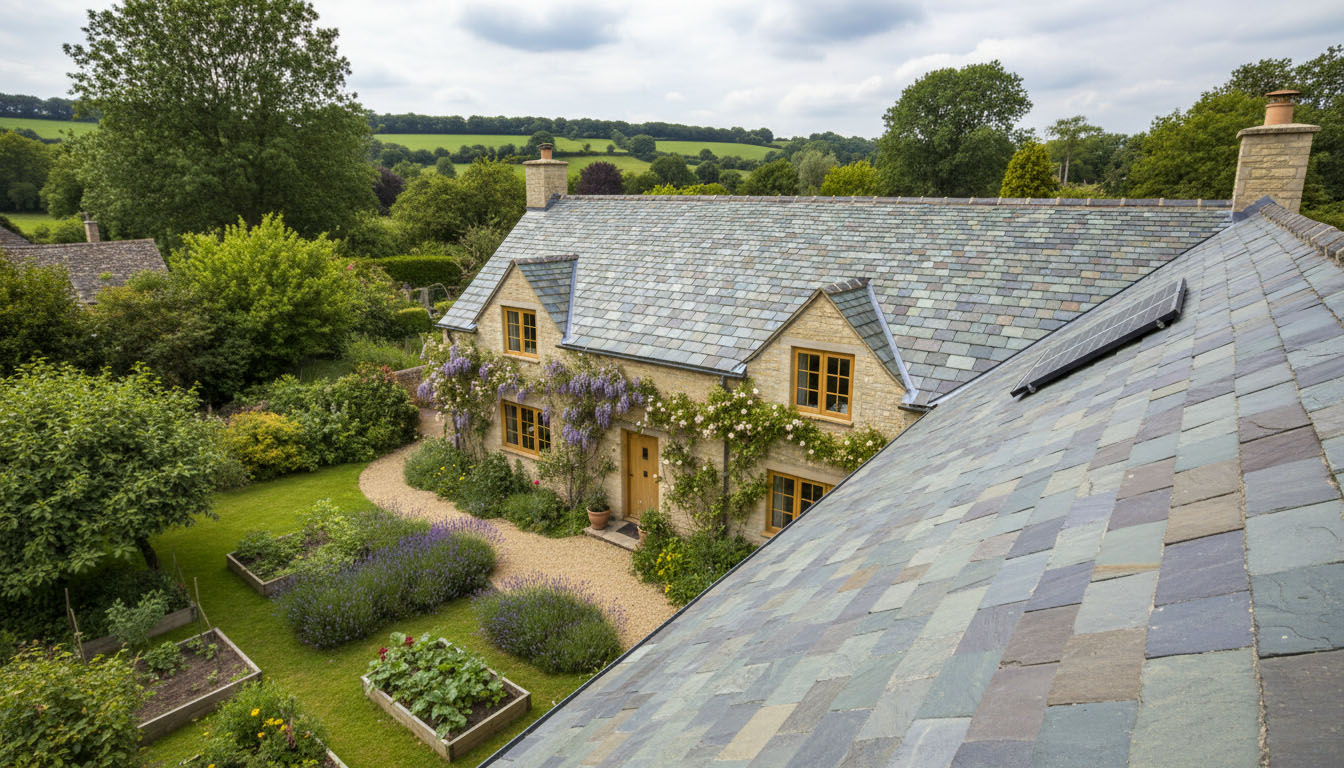
Environmentally Friendly Slate Roofing Uk depends on more than choosing a natural-looking roof covering. The environmental value of a slate roof is shaped by material lifespan, repairability, roof condition, insulation, ventilation, transport, installation quality, maintenance, weather resistance, and whether the existing roof can be restored instead of replaced too early.
A&A Roofing London helps homeowners across London, Essex, and the Hertfordshire borders assess slate roofing as part of the whole roof system. The goal is to choose materials carefully, keep the roof dry and ventilated, reduce avoidable waste, and decide whether maintenance, restoration, replacement, or new installation is the right route.
Quick Check: If you are comparing roof options for durability, repairability, energy performance, or replacement planning, ask A&A Roofing London to review roofing materials in the UK against your roof pitch, structure, exposure, insulation, ventilation, and long-term maintenance needs.
Environmentally Friendly Slate Roofing Uk: Main Factors
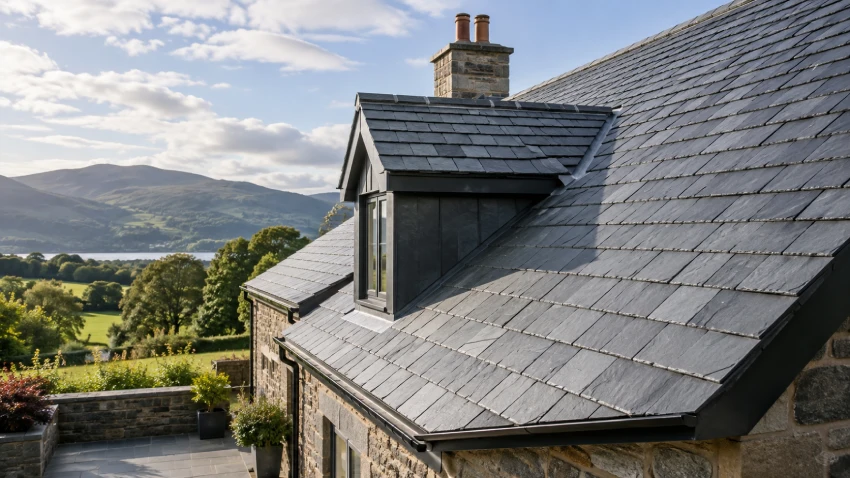
Environmentally Friendly Slate Roofing Uk should be judged across the full roof lifecycle. A slate roof may support long-term value when it is suitable for the property, installed correctly, maintained properly, and repaired where practical.
| Environmental factor | Why it matters | What A&A Roofing London checks |
| Material lifespan | Longer-lasting roofs can reduce replacement frequency | Slate type, pitch, exposure, installation quality |
| Repairability | Repairing damaged areas can reduce unnecessary waste | Matching slate, access, fixings, local defects |
| Existing roof condition | Restoration may be better than early replacement | Underlay, battens, leaks, leadwork, roofline |
| Insulation | Heat-loss control affects home performance | Loft insulation, gaps, damp areas, build-up |
| Ventilation | Moisture control protects roof layers | Eaves, ridge, roof void, condensation signs |
| Weather resistance | Rain, wind, frost, and moss affect durability | Valleys, gutters, ridges, chimneys, edges |
| Material choice | Natural, synthetic, and reclaimed options differ | Weight, appearance, source, matching, suitability |
| Installation quality | Poor fitting shortens roof life | Battens, laps, fixings, underlay, leadwork |
| Maintenance | Clear drainage keeps roof layers dry | Gutters, valleys, moss, leaks, flashing |
| Roof suitability | The material must fit the property | Structure, pitch, planning, period detail |
A&A Roofing London checks whether slate roofing is genuinely suitable before recommending it. A material is not environmentally sensible if it is wrong for the roof, poorly installed, or replaced before repair has been properly considered.
What Makes Slate Roofing Environmentally Friendly?
Slate roofing can be environmentally friendly when it is durable, repairable, suitable for the property, and maintained so it stays weatherproof for as long as practical. The roof should be assessed as a full system, not only as a material choice.
A&A Roofing London checks slate condition, roof pitch, support structure, underlay, battens, insulation, ventilation, leadwork, valleys, gutters, and maintenance needs. A slate roof performs better when the hidden layers stay dry and stable.
For roof structure context, slate roof build-up reference is useful.
Is Natural Slate More Eco-Friendly Than Synthetic Slate?
Natural slate and synthetic slate have different environmental considerations. Natural slate may appeal because it is a natural material with long service potential where correctly specified. Synthetic slate may suit some projects where weight, cost, product specification, or installation needs make it appropriate.
A&A Roofing London checks suitability before comparing environmental value. The better choice is the one that fits the roof, lasts well, can be maintained, and avoids early failure.
For material comparison, natural manufactured slate differences and slate material type guide are useful.
How Does Slate Lifespan Affect Sustainability?
Slate lifespan affects sustainability because a roof that lasts, can be repaired, and keeps the building dry may reduce the need for repeated replacement. Lifespan depends on slate quality, roof pitch, installation, fixings, battens, underlay, leadwork, weather exposure, and maintenance.
A&A Roofing London checks whether a slate roof is ageing normally or showing signs of hidden failure. A long-lasting roof still needs inspection and drainage care.
For lifespan planning, slate durability condition factors and slate roof service pattern notes are useful.
Can Repair Be More Sustainable Than Replacement?
Repair can be more sustainable than replacement when the roof is still structurally sound and the defects are local. Replacing slipped slates, repairing leadwork, clearing valleys, improving drainage, or correcting chimney details may preserve a serviceable roof.
A&A Roofing London checks whether repair will solve the cause of the problem. Repair is not the right route if underlay, battens, fixings, roofline, or repeated leaks show wider failure.
A good environmental decision avoids both premature replacement and repeated patching that does not fix the cause.
When Is Replacement the Better Environmental Choice?
Replacement may be the better environmental choice when the existing roof has widespread failure, repeated leaks, weak battens, failed underlay, poor ventilation, major damp, structural movement, or repairs that no longer hold.
A&A Roofing London checks whether restoration can preserve the roof before recommending replacement. If replacement is needed, the new slate roof should be planned for durability, repair access, drainage, insulation, ventilation, and long-term maintenance.
For replacement signals, slate replacement evidence points are useful.
Does Slate Roofing Improve Energy Efficiency?
Slate roofing can support energy performance by keeping the roof structure dry and protected, but the slate surface itself is not the main insulation layer. Energy efficiency depends on insulation, ventilation, moisture control, roof build-up, air leakage, and damp prevention.
A&A Roofing London checks whether the roof is dry, ventilated, and properly insulated before energy improvements are treated as complete. Damp insulation and poor airflow can reduce roof performance.
For energy context, slate roof heat-performance notes and roof insulation performance checks are useful.
Why Does Ventilation Matter for an Eco Roof?
Ventilation matters because moisture can shorten roof life and reduce insulation performance. Poor airflow can lead to condensation, damp insulation, mould, timber staining, and hidden roof damage.
A&A Roofing London checks eaves, ridge areas, roof voids, underlay type, insulation position, and damp evidence. A roof cannot be treated as environmentally sound if it traps moisture and damages its own structure.
For airflow planning, roof ventilation moisture checks are useful.
How Does UK Weather Affect Slate Sustainability?
UK weather affects slate sustainability because rain, wind, frost, moss, and storm exposure test the roof’s weak points. A durable material can still fail early if valleys block, gutters overflow, leadwork lifts, or fixings move.
A&A Roofing London checks weather-exposed roof areas before recommending slate work. The roof should be designed and maintained so water moves away from the property cleanly.
For weather planning, slate exposure suitability checks and weather-based roof material notes are useful.
How Should Homeowners Choose Eco Slate Roofing?
Homeowners should choose slate roofing by checking roof pitch, structure, slate type, property age, weather exposure, planning context, Building Regulations, insulation, ventilation, repair access, and long-term maintenance.
A&A Roofing London checks whether slate is suitable before recommending it. A roof covering should not be selected only because it sounds environmentally friendly; it must fit the roof and perform reliably.
For selection planning, slate selection decision notes are useful.
What Are the Pros and Cons of Slate Roofing?
Slate roofing can offer durability, traditional appearance, repairability, and strong roof character where it suits the property. The limitations can include material weight checks, detailed installation, matching requirements, access challenges, and higher care around leadwork, valleys, and roof edges.
A&A Roofing London explains these trade-offs before work begins. Environmental value comes from choosing the right material for the right roof, not from treating slate as automatically suitable.
For balanced context, slate advantage drawback notes are useful.
Are Slate Roofs Worth It for Long-Term Use?
Slate roofs may be worth considering for long-term use when the property style, roof pitch, structure, exposure, maintenance plan, and budget support the choice. A long-lasting roof can reduce disruption and replacement waste where it is properly maintained.
A&A Roofing London checks whether slate is the right long-term option for the building. In some cases, restoration may be better than replacement. In others, a new slate roof may be the more stable route.
For value context, slate long-term decision factors are useful.
Slate Roofing for Period Homes
Slate roofing can be environmentally sensible on period homes when it preserves roof character, avoids unnecessary material change, and allows repair or restoration where practical. The wrong material can affect appearance, repair matching, and planning context.
A&A Roofing London checks slate size, colour, thickness, roofline, chimneys, leadwork, neighbouring roofscape, and historic detail before recommending work.
For older properties, period slate material fit is useful.
Slate Roof Installation and Waste Reduction
Slate roof installation can reduce future waste when the roof is planned correctly from the start. Poor installation can lead to slipped slates, water entry, early repairs, damp insulation, and premature replacement.
A&A Roofing London checks roof pitch, underlay, battens, fixings, laps, leadwork, valleys, gutters, ventilation, and final inspection. Installing slate correctly helps protect the material and the roof layers below it.
For process planning, slate installation quality stages is useful.
Building Regulations and Eco Slate Roofing
Building Regulations can affect environmentally friendly slate roofing because re-roofing, material changes, insulation upgrades, ventilation, fire performance, structure, and drainage all influence roof performance.
A&A Roofing London checks compliance early so the roof can be planned properly. A roof that ignores structure, heat loss, moisture, or drainage may fail sooner and create avoidable waste.
For compliance context, slate building regulation checks and slate regulation planning points are useful.
Slate Roof Vs Tile Roof Sustainability
Slate and tile roofs should be compared by durability, repairability, roof suitability, material weight, installation quality, maintenance, weather resistance, and replacement timing. Neither material is automatically the best environmental choice for every home.
A&A Roofing London checks whether slate or tile fits the roof structure, pitch, drainage, property character, and long-term maintenance needs.
For comparison, slate tile lifecycle comparison and concrete tile slate lifecycle notes are useful.
Slate Roof Vs Metal Roof Sustainability
Slate and metal roofs have different environmental considerations. Slate may suit traditional pitched rooflines and repairable roof systems. Metal may suit some modern or specialist roof designs where the system is detailed correctly.
A&A Roofing London checks roof form, condensation control, drainage, repair access, and material suitability before recommending either route.
For comparison, slate metal lifecycle comparison is useful.
Roofing Materials and Environmental Decisions
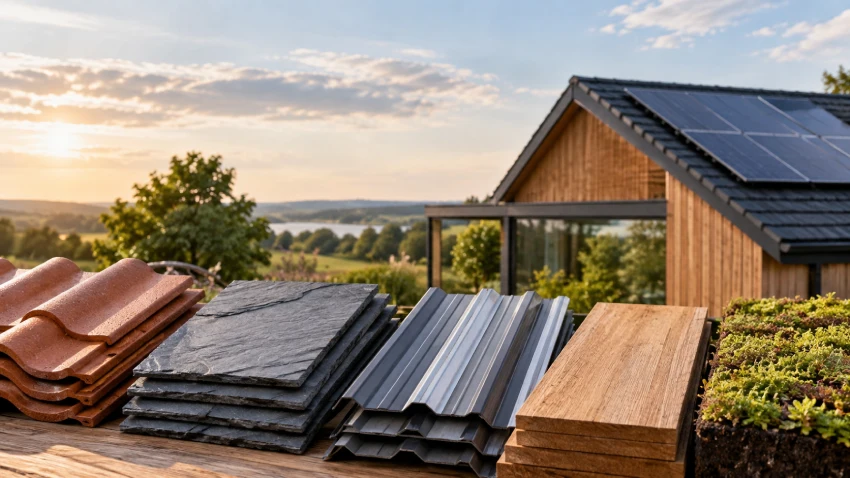
Environmental roof decisions should compare suitable materials for the actual property. Slate, tile, metal, flat roof systems, and pitched roof systems have different installation methods, maintenance needs, repair routes, and durability factors.
A&A Roofing London compares materials by practical fit, not a generic label. The most environmentally sensible option is usually the one that performs well, lasts properly, and can be maintained without repeated failure.
For broader material comparison, roof material lifespan framework is useful.
Natural Slate Roofing in the UK
Natural slate roofing in the UK may be suitable where the property, roof pitch, structure, and appearance support a natural roof covering. It can work especially well when the installation is planned for durability, repairability, and maintenance access.
A&A Roofing London checks natural slate suitability before recommending installation or replacement. The roof must support the material technically as well as visually.
Tile or Slate Roofing in the UK
Tile or slate roofing in the UK should be compared when the existing roof is being repaired, restored, or replaced. Tile and slate both need the right pitch, structure, drainage, underlay, battens, and maintenance plan.
A&A Roofing London checks whether keeping, restoring, or changing the roof material is the better long-term choice.
Flat Roofs and Environmental Roof Planning
Flat roofs in London should be considered separately from slate pitched roofs. Flat roofs rely on waterproofing systems, falls, outlets, upstands, trims, and edge details rather than slate laps.
Many homes have a slate main roof with flat roof extensions, dormers, porches, or garages. A&A Roofing London checks each roof section separately so drainage, insulation, ventilation, and maintenance are planned correctly.
Pitched Roof Installation and Slate Sustainability
Slate roofing depends on pitched roof installation in the UK. Pitch, laps, underlay, battens, fixings, leadwork, ridges, valleys, gutters, and ventilation all affect how long the roof performs.
A&A Roofing London checks the pitched roof build-up before installation begins. The roof should be designed to keep water moving and hidden layers dry.
Roof Maintenance and Environmental Value
Roof maintenance in the UK supports environmental value by helping a serviceable roof last longer. Maintenance may include replacing damaged slate, clearing gutters, checking valleys, repairing leadwork, reviewing ventilation, and tracing damp early.
A&A Roofing London checks whether maintenance can protect the existing roof or whether restoration or replacement is needed.
| Environmental priority | Roof decision | A&A Roofing London checks |
| Reduce premature waste | Repair or restore where practical | Slate condition, leadwork, valleys, gutters |
| Improve energy performance | Keep roof dry and insulated | Insulation, ventilation, damp evidence |
| Extend roof life | Choose suitable slate and details | Pitch, fixings, battens, underlay |
| Protect older homes | Match roof character carefully | Slate type, roofline, chimneys, planning |
| Reduce repeat repairs | Fix causes, not symptoms | Drainage, flashing, underlay, roof edges |
| Plan long-term maintenance | Keep access and matching practical | Slate source, roof access, future repair needs |
Environmentally Friendly Slate Roofing Uk Area Coverage
Local property age, slate type, roof pitch, weather exposure, insulation, ventilation, access, chimneys, valleys, gutters, flat roof connections, and existing roof condition all affect Environmentally Friendly Slate Roofing Uk. A&A Roofing London covers North London, Essex, and the Hertfordshire borders, helping homeowners assess slate roofing as a long-term roof system.
North London
In North London, Environmentally Friendly Slate Roofing Uk often matters for terraced homes, period properties, shared rooflines, rear extensions, chimney stacks, and visible roof slopes. A&A Roofing London can check slate suitability, repair potential, insulation, ventilation, leadwork, gutters, valleys, flat roof connections, and restoration options before work starts.
Hertfordshire Borders
Across the Hertfordshire borders, Environmentally Friendly Slate Roofing Uk may involve larger pitched roofs, older slate details, tree debris, weather exposure, and mixed roof materials. A&A Roofing London reviews roof structure, drainage, slate type, chimneys, valleys, ventilation, insulation, and maintenance history before confirming the right slate route.
Essex
In Essex, Environmentally Friendly Slate Roofing Uk can be affected by wind exposure, rain runoff, gutter flow, roof-edge detailing, chimney junctions, and existing roof condition. A&A Roofing London can inspect slate suitability, tile alternatives, flat roof sections, pitched roof details, leadwork, valleys, and damp evidence before repair, restoration, or replacement begins.
Final Roofing Decision
Environmentally Friendly Slate Roofing Uk should be judged by lifespan, repairability, roof suitability, insulation, ventilation, installation quality, maintenance, and whether the existing roof can be preserved. Slate can be a strong environmental choice where it suits the building and is maintained properly.
A&A Roofing London can compare roofing materials in the UK by checking slate suitability, tile alternatives, flat roof sections, pitched roof details, underlay, battens, chimneys, valleys, gutters, roof edges, insulation, ventilation, weather exposure, and hidden roof condition. That gives homeowners a practical route to responsible roof maintenance, restoration, replacement, or new slate installation.
FAQs About Environmentally Friendly Slate Roofing Uk
What Makes Slate Roofing Environmentally Friendly?
Slate roofing can be environmentally friendly when it is durable, repairable, suitable for the property, installed correctly, and maintained so it does not need early replacement.
Is Natural Slate More Sustainable Than Synthetic Slate?
It depends on the roof and project. Natural slate and synthetic slate differ in source, weight, appearance, lifespan expectations, repair matching, and suitability. The better choice is the one that fits the roof properly.
Is Repair Better Than Replacing a Slate Roof?
Repair can be better when the roof is structurally sound and defects are local. Replacement may be better when the roof has widespread failure, weak battens, failed underlay, repeated leaks, or structural movement.
Does Slate Roofing Improve Energy Efficiency?
Slate helps protect the roof from weather, but energy efficiency depends mainly on insulation, ventilation, moisture control, and the roof build-up below the covering.
Why Does Ventilation Matter for Eco Slate Roofing?
Ventilation helps control condensation and moisture. Poor airflow can damage insulation, timbers, and hidden roof layers, shortening the roof’s useful life.
Is Slate Suitable for Period Homes?
Slate can suit period homes where it matches the roofline, material character, neighbouring roofs, chimneys, and leadwork. The material should be chosen carefully.
How Does Maintenance Improve Sustainability?
Maintenance helps a serviceable roof last longer by keeping gutters clear, checking valleys, replacing damaged slate, repairing leadwork, and finding leaks early.
What Should A&A Roofing London Check First?
A&A Roofing London should check slate condition, roof pitch, structure, underlay, battens, insulation, ventilation, leadwork, chimneys, valleys, gutters, flat roof connections, weather exposure, repair access, and whether restoration is possible.