
Roof Moss Removal UK: Costs, Methods & Prevention Tips
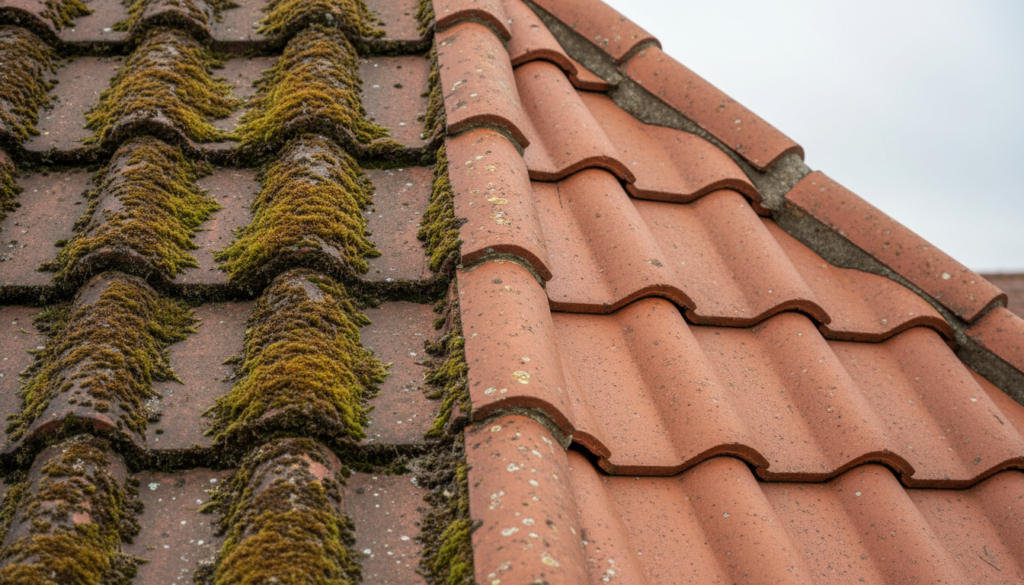
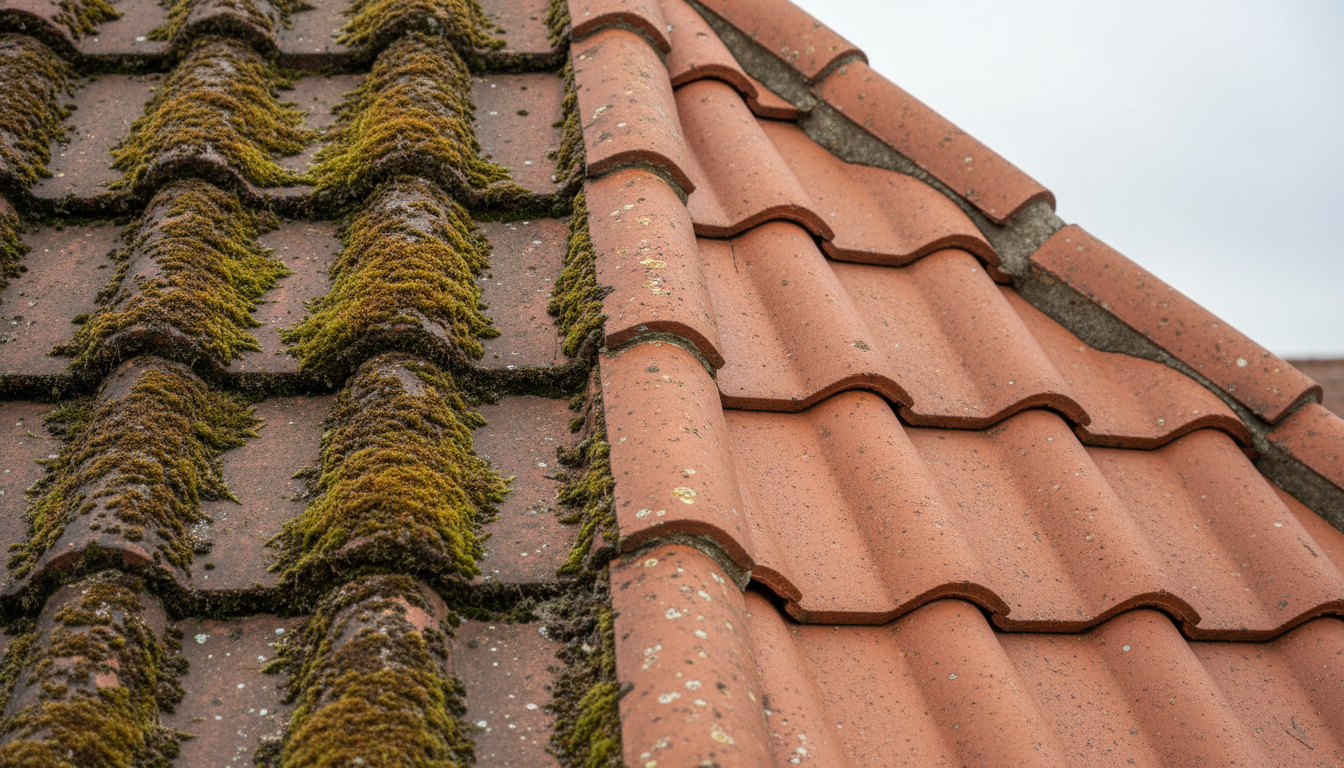
Roof Moss Removal UK should be handled as roof maintenance, not aggressive cleaning. Moss is common on UK roofs, especially where tiles, slates, valleys, gutters, shade, leaves, and rough roof surfaces give growth somewhere to hold. The problem is not always the moss itself; the real risk is when moss blocks gutters, outlets, valleys, or drainage points, keeps surfaces damp, hides defects, or leads to unsafe roof access.
A & A Roofing London helps homeowners across London, Essex, and the Hertfordshire borders inspect moss, drainage, roof coverings, and maintenance needs before deciding whether removal, prevention, repair, or restoration is the right route.
Quick Check: Before scraping, pressure washing, or treating roof moss, ask A & A Roofing London to review
roof maintenance in the UK
around tile condition, slate condition, drainage points, gutters, valleys, and safe access.
Roof Moss Removal Uk: When It Matters

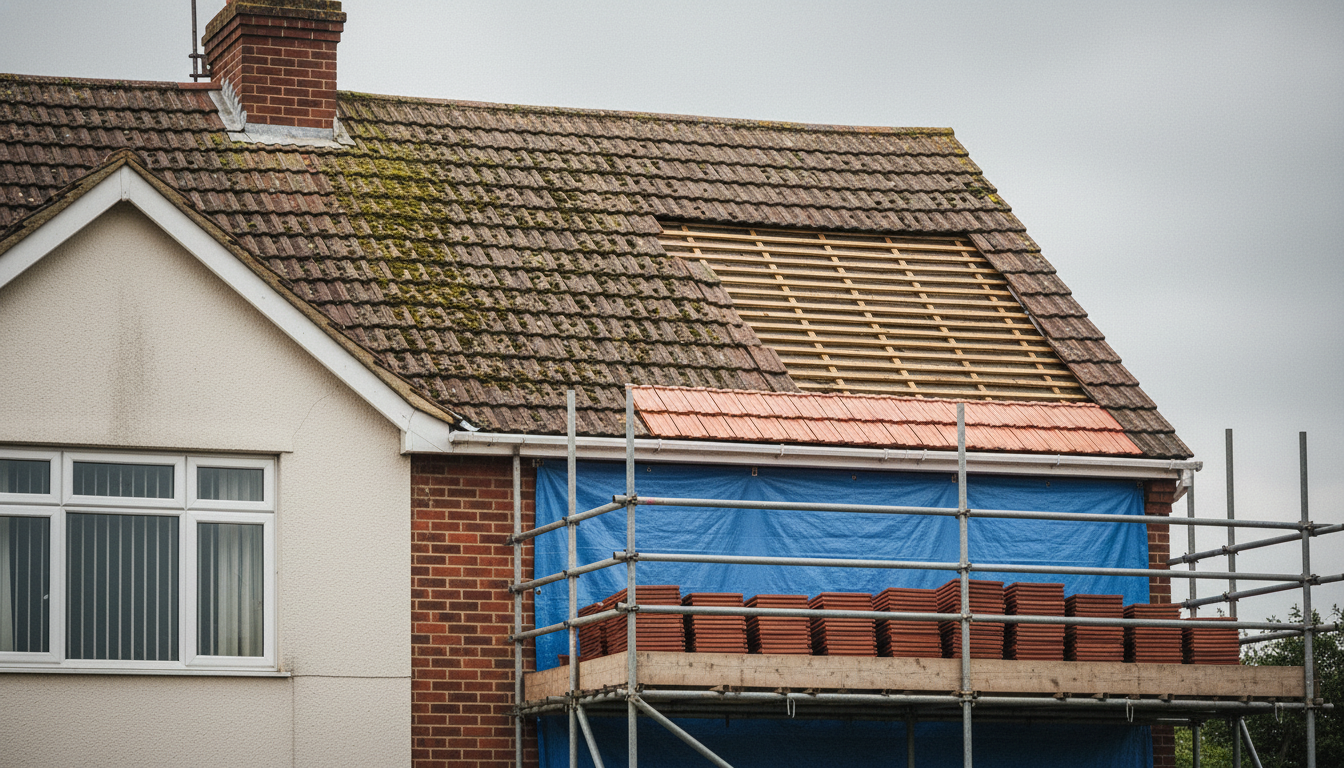
Roof Moss Removal Uk matters most when moss affects how the roof sheds water. NFRC says moss on roof tiles is rarely a problem in most cases and only needs removing where it blocks gutters, outlets, or other drainage points. NFRC also warns that power-washing and unnecessary foot traffic can damage roofs, including cracked or broken tiles.
| Moss situation | Why it matters | A & A Roofing London check |
| Moss sitting lightly on tiles | May be mostly cosmetic | Tile condition, roof age, drainage |
| Moss blocking gutters | Water can back up into roof edges | Gutters, outlets, fascia, eaves |
| Moss collecting in valleys | Water flow can slow or divert | Valley lining, debris, lower discharge |
| Moss on older slate roofs | Cleaning can damage fragile coverings | Slate condition, fixings, safe access |
| Moss on flat roof outlets | Ponding and overflow risk can increase | Outlets, membrane, trims, upstands |
| Moss hiding cracks or slips | Defects may be missed from ground level | Covering condition and leak signs |
A & A Roofing London treats moss as one part of a wider roof condition check. The aim is to decide whether moss is harmless surface growth, a drainage problem, a sign of poor drying, or a clue that the roof needs maintenance, repair, or restoration.
Tile Roofing and Moss Prevention
Tile roofing is often where homeowners first notice moss. Concrete and clay tiles can collect dirt, leaves, and airborne spores, especially on shaded or slower-drying slopes. NFRC explains that moss and lichen growth is linked to rough roof surfaces, dirt filtered from rainwater, decaying leaves, and spores or seeds blown onto the roof.
A & A Roofing London checks how to prevent moss on roof tiles in the UK by reviewing tile surface condition, gutters, valleys, nearby debris sources, roof pitch, broken tiles, and whether water is leaving the roof correctly. Prevention is usually about drainage, maintenance, and roof condition rather than harsh cleaning.
For tile-specific maintenance, tiled surface care intervals and roof tile maintenance routine help explain why moss should be checked alongside cracked tiles, gutter overflow, and valley debris.
Slate Roofing and Moss Removal Caution
Slate roofs need careful moss handling because slate can be damaged by foot traffic, harsh scraping, or inappropriate cleaning. Moss on slate should be assessed with the roof’s age, fixing condition, laps, underlay, and access risks.
A & A Roofing London checks natural slate roofing maintenance in the UK by reviewing moss growth, slipped slates, cracked edges, fixings, valleys, gutters, chimneys, and internal damp evidence. If a slate roof is already fragile, aggressive moss removal can turn a maintenance issue into repair work.
For slate-specific cleaning and care, slate roof cleaning cautions, natural slate care timing, and slate upkeep review sequence are useful supporting topics.
Flat Roof Moss and Outlet Problems
Flat roofs are different from pitched roofs because water moves more slowly across shallow falls. Moss, leaves, silt, and debris around outlets can contribute to ponding, overflow, and damp at upstands or edges.
A & A Roofing London checks flat roof maintenance in London by reviewing roof surface condition, outlets, ponding, upstands, trims, rooflights, gutter discharge, and water arriving from higher pitched roofs. Moss on a flat roof should be judged by whether it affects drainage or hides surface defects.
Planning Portal notes that roof drainage includes the above-ground system of gutters and rainwater pipes. That makes outlet and gutter checks part of moss-related roof maintenance, not a separate issue.
Pitched Roof Maintenance and Moss Control
Pitched roof moss control should focus on slopes, valleys, gutters, ridges, chimneys, and roof edges. Moss is more likely to cause concern where it breaks loose and collects lower down, especially in valleys and gutters.
A & A Roofing London checks pitched roof maintenance in the UK by reviewing roof pitch, tile or slate condition, ridges, valleys, gutters, moss movement, drainage, and internal damp signs.
The Met Office advises checking roofs for loose tiles, slates, and flashing before windy weather, and clearing guttering because leaves can build up and cause water to back up into the roof and sides of a house. Moss should be checked in the same practical way: does it affect the roof’s ability to move water away?
Roof Treatment to Prevent Moss
A roof treatment to prevent moss should not be chosen before the roof condition is understood. Coatings, biocides, scraping, and cleaning methods can be inappropriate if the roof covering is already cracked, loose, weathered, or poorly draining.
A & A Roofing London checks roof treatment to prevent moss in the UK by looking at the roof material, moss location, drainage route, surface condition, gutters, valleys, and whether any repair is needed first. Treatment should not hide broken tiles, slipped slates, failed flashings, blocked outlets, or underlying damp.
For prevention planning, organic roof growth causes is the most relevant supporting topic. It helps separate surface growth from the conditions that allow moss to return.
Roof Repairs Before Moss Removal
Moss removal should not start until obvious roof repairs are considered. If tiles are cracked, slates are slipping, flashings are lifting, gutters are overflowing, or valleys are blocked, cleaning the surface will not fix the roof.
A & A Roofing London checks whether moss is covering a defect or contributing to one. The inspection may include roof covering condition, drainage, gutters, valleys, leadwork, chimneys, flat roof outlets, and internal damp signs.
| Finding before moss removal | Why it changes the plan |
| Cracked roof tiles | Cleaning can worsen broken coverings |
| Slipped slates | Moss may hide a water-entry point |
| Blocked gutter outlets | Moss removal should include drainage correction |
| Valley debris | Water flow may already be restricted |
| Damp ceiling marks | Leak tracing should come before treatment |
| Loose ridge tiles | Safe access and movement checks are needed |
For visible warning signs, roof repair symptom sorting can help homeowners record what they have noticed before arranging inspection.
Gutters, Valleys, and Moss Debris
Gutters and valleys are where moss often becomes a real roof problem. Moss can break loose, roll down the roof, and collect in gutters, outlets, downpipes, and valley channels. Once water flow is restricted, damp can reach roof edges, walls, fascia boards, flat roof areas, or internal finishes.
Planning Portal defines gutters and rainwater pipes as roof drainage, while the Met Office warns that blocked gutters can cause water to back up into guttering and leak into the roof and sides of a house.
A & A Roofing London checks moss build-up in the full drainage route. For drainage-specific reading, gutter debris water-backup route, roof runoff obstruction points, and valley moss-and-leaf restriction are useful supporting topics.
Weather, Shade, and Moss Growth
Moss is encouraged by damp, shaded, debris-holding roof areas. Wet weather, nearby trees, slower-drying slopes, and rough roof surfaces can all contribute to growth. The concern is greater when moss stays wet, washes into drainage routes, or hides roof defects.
A & A Roofing London checks whether moss is concentrated in one roof area because of shade, poor drying, gutter overflow, blocked valleys, or surface deterioration. If moss appears with cracked tiles, damp loft areas, or recurring drainage issues, roof maintenance should move beyond cleaning.
For weather-related roof pressure, rain-and-frost roof wear clues is useful because wet-cold cycles, blocked gutters, and debris can make existing roof weaknesses more visible.
Tile and Slate Lifespan Checks
Moss should be assessed with roof age and material condition. Moss on a sound roof may only need monitoring and drainage maintenance. Moss on an ageing roof may hide cracks, slips, surface wear, or failing fixings.
A & A Roofing London checks whether tile or slate coverings are still serviceable before recommending moss removal or roof treatment. A roof close to repair or replacement stage may need a different approach from a roof that only has surface growth.
For material-age planning, tile covering longevity signs, slate moisture damage triggers, and slate roof fault categories are useful references.
Roof Inspections Before Moss Removal
A roof inspection should come before moss removal where there is heavy growth, visible damage, gutter overflow, damp staining, or uncertainty about roof condition. The inspection should decide whether moss is cosmetic, drainage-related, or hiding roof defects.
A & A Roofing London checks tiles, slates, ridges, valleys, gutters, downpipes, flat roof outlets, flashings, chimneys, roof edges, loft damp, and internal ceiling marks. This helps avoid damaging a roof that needed repair before cleaning.
HSE says roof work is high risk and that almost one in five construction deaths involve roof work; many are not specialist roofers but people repairing or cleaning roofs. HSE also says all roofs should be treated as fragile until a competent person confirms otherwise. For planning, roof review timing triggers and roof survey moss-and-drainage items are relevant.
Safe Moss Removal and Access
Roof Moss Removal Uk should never be treated as a casual ladder job. Moss removal can involve wet surfaces, loose tiles, fragile slates, roof edges, rooflights, gutters, and hidden weak points.
HSE’s fragile-surface guidance says effective precautions are required for all work on or near fragile surfaces, no matter how short the duration, including maintenance, repair, cleaning, and demolition. It also lists slates and tiles among surfaces that may be fragile.
A & A Roofing London considers safe access before any roof-level work. The practical aim is to reduce risk while protecting the roof covering from unnecessary foot traffic, harsh pressure, or poorly chosen cleaning methods.
Roof Maintenance After Moss Removal
Moss removal is not the finish line. The roof still needs a maintenance plan so growth, debris, and drainage problems do not return quickly.
A & A Roofing London may recommend gutter checks, valley clearance, outlet checks, minor tile or slate repairs, leadwork review, flat roof outlet inspection, and routine roof maintenance. Where moss has been blocking water flow, drainage should be monitored after heavy rain.
For planned roof care, preventive maintenance task order is useful. It helps connect moss removal with gutters, valleys, flashings, roof edges, and internal damp signs.
Roof Restoration and Moss Issues
Roof restoration may be appropriate where moss is part of a broader condition problem but the roof is still serviceable. Restoration should not mean simply cleaning or coating the surface. It should address why the roof is holding moss, whether water is draining correctly, and whether the covering needs repair.
A & A Roofing London checks whether roof restoration should include tile repairs, slate repairs, drainage correction, valley clearance, leadwork review, gutter improvement, or controlled moss treatment. If the roof has widespread failure, restoration may not be enough.
NFRC warns the public to view claims about roof tile painting and moss removal with caution unless products carry credible UK-based third-party accreditation. That is why A & A Roofing London bases recommendations on roof condition rather than sales claims.
Residential Roofing and Moss Control
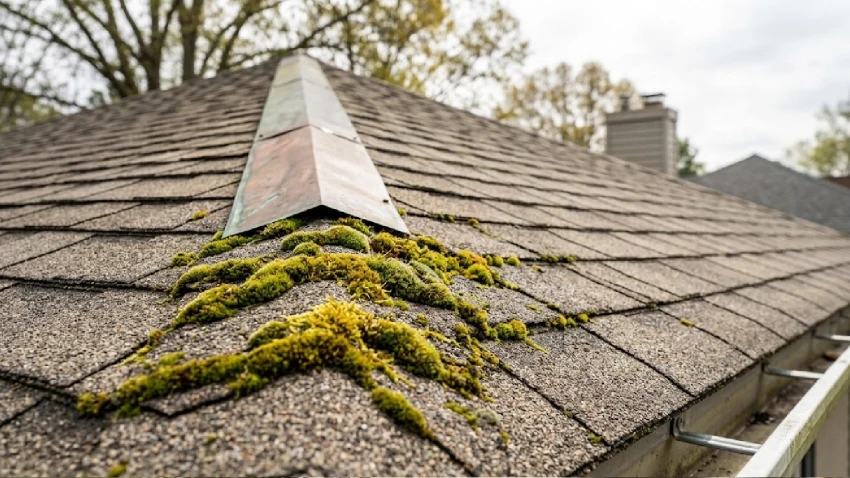
Residential roofs often contain several moss-sensitive areas: tiled slopes, slate sections, flat roof extensions, valleys, gutters, chimneys, dormers, shaded roof planes, and drainage outlets. Moss control needs to consider the whole roof layout.
A & A Roofing London checks where moss is growing, where it is travelling, and where it is collecting. A patch of moss on the roof slope may be less important than the pile of moss blocking the gutter below it.
Roof Moss Removal Uk Area Coverage
Local roof age, trees, shade, pitch, roof material, drainage layout, extensions, and access all affect moss removal and prevention. A & A Roofing London covers North London, Essex, and the Hertfordshire borders, helping homeowners inspect moss growth, roof condition, gutters, valleys, and maintenance needs safely.
North London
In North London, Roof Moss Removal Uk often applies to terraced homes, shared rooflines, slate and tiled roofs, rear extensions, shaded roof slopes, chimneys, and limited access around gutters and valleys. A & A Roofing London can check whether moss is cosmetic, blocking drainage, hiding roof defects, or contributing to damp around roof edges.
Hertfordshire Borders
Across the Hertfordshire borders, Roof Moss Removal Uk may involve tree debris, shaded roof slopes, tiled roofs, slate sections, moss-filled gutters, and valley build-up. A & A Roofing London checks tile condition, slate condition, drainage, flat roof outlets, and internal damp signs before recommending removal, prevention, repair, or restoration.
Essex
In Essex, Roof Moss Removal Uk can become important after wet weather, gutter overflow, moss movement into valleys, roof-edge damp, or repeated drainage problems. A & A Roofing London can inspect tiles, slates, flat roofs, pitched roof slopes, gutters, valleys, outlets, chimneys, and flashings so moss control follows the real roof condition.
Final Roofing Decision
Roof Moss Removal Uk should be based on roof condition, drainage risk, and safe access. Moss does not always need aggressive removal, but it should be addressed when it blocks gutters, outlets, valleys, or hides defects that could become leaks.
A & A Roofing London can review roof maintenance in the UK by checking tiles, slates, flat roof outlets, pitched roof slopes, gutters, valleys, moss build-up, drainage routes, leadwork, chimneys, internal damp signs, and access conditions. The right outcome may be monitoring, controlled moss removal, gutter and valley clearance, roof repair, roof treatment, restoration, or wider maintenance planning.
FAQs About Roof Moss Removal Uk
Is moss on a roof always a problem?
No. NFRC says moss on roof tiles is rarely a problem in most cases and normally only needs removal where it blocks gutters, outlets, or other roof drainage points. A & A Roofing London checks whether moss is cosmetic, drainage-related, or hiding defects before recommending removal.
When should roof moss be removed?
Roof moss should be considered for removal when it blocks gutters, valleys, downpipes, flat roof outlets, or other drainage points; when it hides cracked tiles or slipped slates; or when damp signs appear indoors. The decision should be based on inspection, not only appearance.
Can pressure washing damage roof tiles?
Yes, it can. NFRC warns that many moss-removal techniques use violent methods such as power-washing, which may damage roofs, especially with unnecessary foot traffic that can crack or break tiles. A & A Roofing London checks roof condition before deciding whether any removal method is suitable.
Does moss cause gutter problems?
Moss can contribute to gutter problems when it breaks away and collects in gutters, outlets, or downpipes. Planning Portal describes gutters and rainwater pipes as roof drainage, and the Met Office warns that blocked gutters can cause water to back up and leak into the roof and sides of a house.
Is roof moss removal safe to do yourself?
Roof moss removal should not be treated as a DIY roof-access job. HSE says roof work is high risk, and its fragile-surface guidance says effective precautions are required for work on or near fragile surfaces, including cleaning and maintenance. Homeowners can make ground-level observations and arrange professional inspection.
Should moss be removed from slate roofs?
Slate roofs need careful assessment before moss removal. Slates can be damaged by foot traffic, rough scraping, or unsuitable cleaning. A & A Roofing London checks slate condition, fixings, laps, valleys, gutters, and internal damp signs before deciding whether moss removal is safe or whether repair is needed first.
Can moss treatment prevent moss from coming back?
Treatment may help in some situations, but it should not be used to cover up defects or poor drainage. NFRC urges caution around claims that roof tile painting or treatments prolong roof life unless products have credible UK-based third-party accreditation. A & A Roofing London focuses first on drainage, roof condition, and safe maintenance.
What should A & A Roofing London check before moss removal?
A & A Roofing London should check roof material, tile or slate condition, gutters, valleys, downpipes, flat roof outlets, flashings, chimneys, moss location, drainage route, internal damp evidence, roof age, and safe access. The aim is to decide whether moss needs removal, monitoring, repair support, treatment, or wider roof maintenance.



Comment (1)
[…] drainage-related, or hiding tile defects. For moss-specific maintenance, moss effect on roof tiles, roof moss removal safety points, and moss growth condition factors are […]
Comments are closed.