
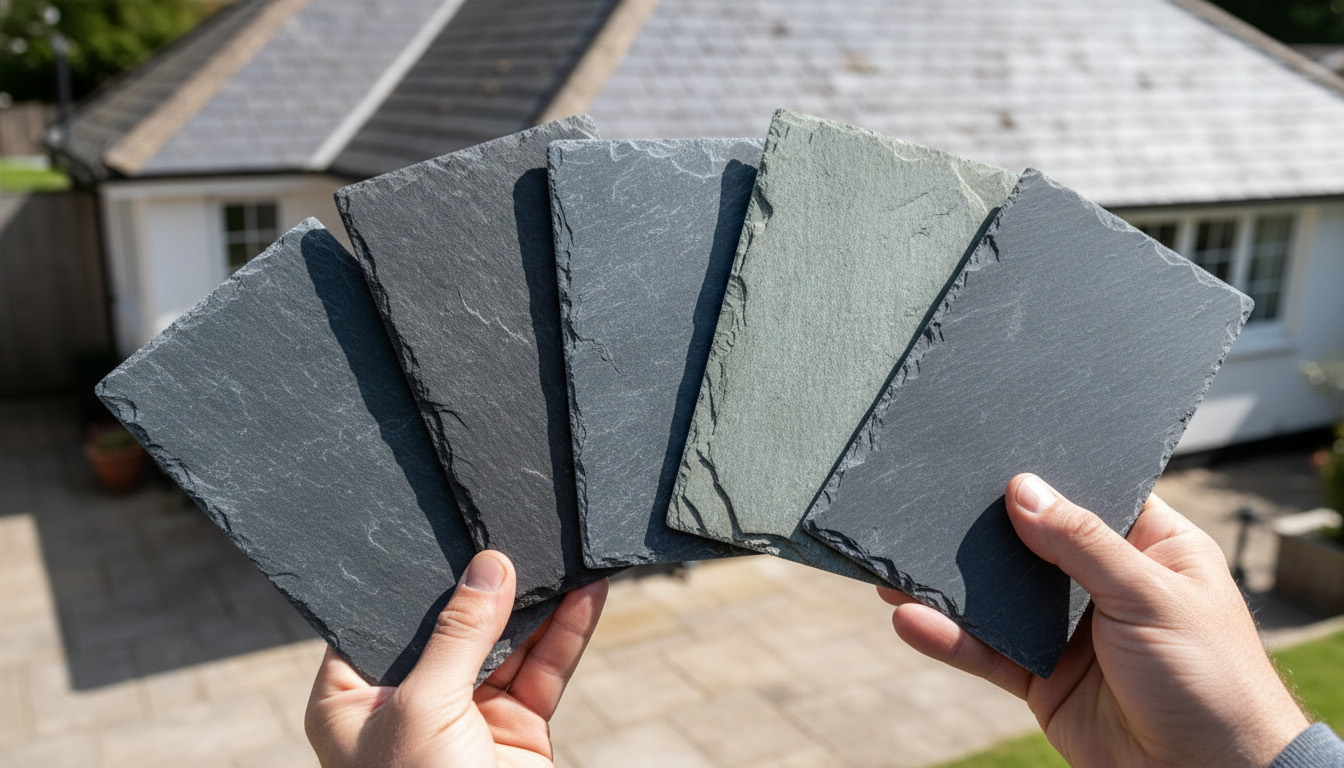
How To Choose Slate Roofing Uk? The right choice depends on roof pitch, property age, structure, slate type, weight, weather exposure, budget, planning limits, installation detail, insulation, ventilation, leadwork, gutters, valleys, chimneys, maintenance needs, and whether the roof is being repaired, restored, replaced, or newly installed.
A&A Roofing London helps homeowners across London, Essex, and the Hertfordshire borders choose slate roofing that fits the building, not just the preferred appearance. The goal is to match the roof covering to the property, protect the hidden roof layers, reduce leak risk, and plan the right route for installation, maintenance, restoration, or replacement.
Quick Check: If you are comparing slate, tile, flat, or pitched roof options, ask A&A Roofing London to review roofing materials in the UK against your roof pitch, structure, exposure, access, planning position, and long-term maintenance needs.
How To Choose Slate Roofing Uk? Main Checklist
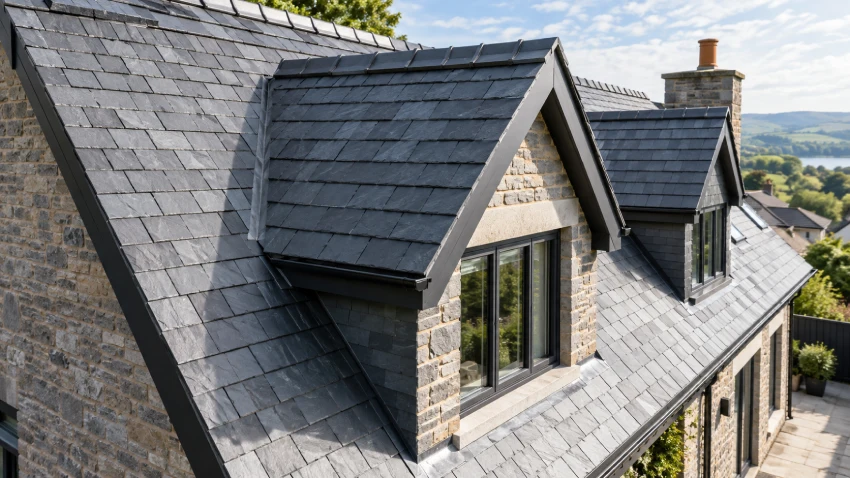
How To Choose Slate Roofing Uk? Start by checking whether the roof can support slate technically, visually, and practically. Slate can be a strong roof covering when it suits the building, but poor selection can create installation problems, matching issues, damp, leaks, or unnecessary replacement work later.
| Selection factor | Why it matters | What A&A Roofing London checks |
| Roof pitch | Slate needs the right slope and lap to shed water | Pitch, exposure, slate size, headlap |
| Roof structure | The roof must support the chosen covering | Rafters, battens, roofline, load path |
| Slate type | Natural, synthetic, and reclaimed slate differ | Weight, finish, thickness, repair matching |
| Property style | The roof should suit the building | Period detail, surrounding rooflines, colour |
| Weather exposure | Rain, wind, frost, and moss test weak details | Edges, valleys, ridges, gutters, leadwork |
| Installation quality | Slate performance depends on correct fitting | Underlay, battens, fixings, laps, alignment |
| Planning context | Some homes need material and appearance checks | Conservation, listed status, visible slopes |
| Building Regulations | Structure, fire, insulation, and ventilation may matter | Compliance route, roof build-up, approvals |
| Maintenance access | Future repairs should be practical | Roof access, slate matching, drainage |
| Existing roof condition | Hidden damage can change the right option | Damp, underlay, battens, chimneys, valleys |
A&A Roofing London checks these points before recommending slate roofing. The right slate is not only the one that looks good; it must suit the roof system below it.
What Is Slate Roofing?
Slate roofing is a pitched roof covering made from slate units laid in overlapping courses. The roof sheds water through pitch, lap, correct fixing, underlay, battens, leadwork, valleys, gutters, and edge details.
A&A Roofing London checks the full slate roof build-up before recommending material choice. A slate roof is only as reliable as the structure, fixing, weather detailing, and drainage beneath and around it.
For background, slate covering component notes are useful.
Which Type of Slate Should You Choose?
The type of slate should match the roof pitch, property style, structure, weather exposure, repair expectations, and budget. Natural slate, synthetic slate, reclaimed slate, and different slate sizes can all behave differently.
A&A Roofing London checks whether the slate type fits the building and the roof build-up. A product that suits a modern roof may not suit a period roof, and a product that looks similar may not perform the same once installed.
For material categories, slate format comparison points are useful.
Natural Slate or Synthetic Slate?
Natural slate and synthetic slate should be compared by appearance, weight, thickness, fixing method, lifespan expectations, repair matching, weather performance, and suitability for the property. Neither should be chosen on appearance alone.
A&A Roofing London checks whether the roof needs a traditional finish, a lighter or specific product type, or a material that matches the surrounding roofscape. The choice should fit both the building and the installation requirements.
For this comparison, natural and synthetic slate traits are relevant.
What Are the Pros and Cons of Slate Roofing?
Slate roofing can offer a refined appearance, strong weather performance, long service potential, and suitability for many traditional pitched roofs. The limitations can include higher installation detail, material matching, access challenges, weight checks, and the need for skilled fitting.
A&A Roofing London explains the trade-offs before work begins. Slate should be chosen where the roof can support it and where the installation detail will protect the property long term.
For a balanced view, slate strength limitation checklist is useful.
Are Slate Roofs Worth Considering?
Slate roofs are worth considering when the property style, roof pitch, structure, weather exposure, and long-term plan support the choice. They may be especially suitable where a traditional finish, repairable covering, and strong roof character matter.
A&A Roofing London checks whether slate is suitable before recommending it. A roof covering should be selected because it fits the building, not because it is treated as a premium material by default.
For decision support, long-term slate value signals are useful.
How Long Should Slate Roofing Last?
Slate roof lifespan depends on slate quality, installation, roof pitch, underlay, battens, fixings, leadwork, drainage, ventilation, weather exposure, and maintenance. A good slate product can still fail early if the roof details are weak.
A&A Roofing London checks lifespan factors before and after installation. The aim is to choose slate that can be maintained and repaired sensibly over time.
For lifespan context, slate service duration factors and slate roof ageing sequence are useful.
How Much Should Budget Influence Slate Choice?
Budget should influence slate choice, but it should not override roof suitability. The final project scope can include scaffold, strip-out, underlay, battens, leadwork, valleys, gutters, chimneys, insulation, ventilation, waste removal, and hidden roof defects.
A&A Roofing London checks the roof before confirming which slate route is practical. A cheaper-looking option may cost more later if it causes matching, repair, drainage, or installation problems.
For budgeting context, slate project budget drivers are useful.
Slate Roof Vs Tile Roof
Slate and tile roofs differ in appearance, weight, fixing method, profile, repair matching, and roof character. Slate often suits thinner traditional finishes, while tiles may suit many pitched roofs with different profiles and material options.
A&A Roofing London compares slate and tile against the roof structure, pitch, style, weather exposure, and maintenance plan. The better choice depends on the property.
For comparison, slate tile suitability markers are useful.
Slate Roof Vs Concrete Tile
Concrete tiles and slate can both work well when the roof is designed for the chosen material. Concrete tile may suit many residential roofs, while slate may be chosen for appearance, roofline, or property character.
A&A Roofing London checks weight, pitch, battens, underlay, ridges, gutters, leadwork, and future repair matching before recommending either route.
For this comparison, concrete tile material contrast is useful.
Slate Roof Vs Metal Roof
Slate and metal roofs use different systems. Slate relies on overlapping courses, pitch, laps, battens, fixings, valleys, and leadwork. Metal roofing relies on panels, seams, fixings, movement details, junctions, and condensation control.
A&A Roofing London checks whether slate or another roof system fits the building. The right choice depends on the roof form, design, weather exposure, insulation, and maintenance plan.
For comparison, metal roofing material contrast is useful.
How Does UK Weather Affect Slate Choice?
UK weather affects slate choice through rain, wind, frost, moss, storm exposure, roof pitch, roof edges, ridges, valleys, gutters, chimneys, and leadwork. Slate must be installed so water moves down the roof and away from the property cleanly.
A&A Roofing London checks exposure before recommending slate size, fixing method, laps, underlay, drainage, and edge details.
For weather suitability, weather exposure specification notes and roof material weather context are useful.
Does Energy Efficiency Affect Slate Choice?
Energy efficiency should be considered as part of the full roof build-up. Slate is the external covering, while insulation, ventilation, underlay, loft condition, damp control, and air movement affect energy performance.
A&A Roofing London checks whether the roof can stay dry and ventilated before energy upgrades are treated as complete. A slate roof should protect the insulation and roof structure below it.
For energy context, thermal performance roof factors are useful.
Is Slate an Environmentally Sensible Option?
Slate can be environmentally sensible where it is durable, repairable, suitable for the roof, and not replaced too early. Environmental value depends on material source, lifespan, repairability, waste, transport, and whether the existing roof can be restored.
A&A Roofing London checks whether repair, restoration, or replacement is the right route. Choosing slate should support long-term roof performance, not just appearance.
For lifecycle context, slate lifecycle material notes are useful.
Is Slate Suitable for Period Homes?
Slate can be suitable for period homes where it matches the roofline, surrounding properties, chimneys, leadwork, and original character. The wrong slate size, colour, texture, or finish can affect both appearance and future repair matching.
A&A Roofing London checks whether a period home needs natural slate, matching replacement, careful restoration, or a specific installation approach.
For older properties, period property slate considerations are useful.
What Installation Details Matter Most?
The most important installation details include roof pitch, underlay, battens, fixings, slate lap, alignment, ridges, verges, valleys, leadwork, gutters, ventilation, and final inspection. Poor installation can cause slipped slates, leaks, uneven courses, damp, and early repair needs.
A&A Roofing London checks the hidden layers as carefully as the visible slate surface. The installation must be planned as a complete roof system.
For installation planning, slate fitting sequence checks are useful.
Do Planning Permission Checks Matter?
Planning permission checks may matter when the property is listed, in a conservation area, subject to local restrictions, changing roof material, changing roof shape, or altering external appearance.
A&A Roofing London checks the roof and property context before work begins. Like-for-like repair can be simpler, while visible material changes need closer review.
For planning context, permission check route is useful.
Do Building Regulations Matter?
Building Regulations can matter for slate roofing where the work involves re-roofing, material change, structural review, insulation, ventilation, fire performance, drainage, or full replacement. They are separate from planning permission.
A&A Roofing London checks structure, roof weight, underlay, battens, insulation, ventilation, weatherproofing, and drainage before recommending the work route.
For technical compliance, building control review steps and slate compliance checkpoints are useful.
Roofing Materials and Slate Decisions
Slate should be compared against tile, concrete tile, metal, flat roof systems, and other roof options where relevant. The correct roof material depends on structure, pitch, appearance, weather exposure, drainage, maintenance, repair matching, and budget.
A&A Roofing London compares roof materials by fit for the property, not by a generic ranking. A material that suits one home may be unsuitable for another.
For broader comparison, material suitability comparison table is useful.
Tile or Slate Roofing in the UK
Tile or slate roofing in the UK may be relevant where a homeowner is replacing an existing roof or deciding between traditional coverings. Tile and slate each need the correct pitch, structure, underlay, battens, fixings, and weather detailing.
A&A Roofing London checks whether tile or slate is the better fit for the building before installation or replacement begins.
Slate Roofing Service in London
A slate roofing service in London should include material selection, roof inspection, pitch assessment, underlay review, batten planning, leadwork, valleys, gutters, chimneys, ventilation, insulation, and future maintenance planning.
A&A Roofing London helps homeowners choose slate roofing based on roof suitability, not only material preference.
Flat Roofs and Slate Roof Choices
Flat roofs in London should be reviewed separately from slate pitched roofs. Flat roofs rely on waterproofing layers, falls, outlets, upstands, trims, and edge details rather than slate laps.
Many homes have slate main roofs with flat roof extensions, dormers, garages, or porches. A&A Roofing London checks how these roof systems connect before recommending work.
Pitched Roof Installation and Slate
Slate roofing depends on pitched roof installation in the UK. The roof pitch, structure, underlay, battens, fixings, leadwork, valleys, gutters, and ridges must suit the slate.
A&A Roofing London checks whether the pitched roof build-up is ready for slate before installation starts.
Slate Roof Maintenance After Choosing
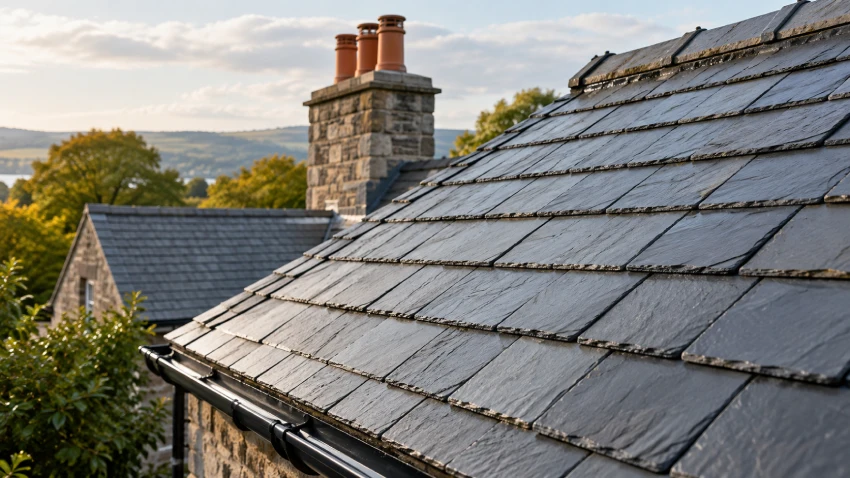
Slate roof maintenance in the UK should be considered before choosing the material. Maintenance affects how well the roof performs over time and how easily defects can be repaired.
A&A Roofing London checks access, future repair matching, gutters, valleys, moss, leadwork, chimneys, and inspection needs so the chosen slate roof remains practical after installation.
| Homeowner priority | Slate choice factor | A&A Roofing London checks |
| Traditional appearance | Natural slate or matching slate | Roofline, colour, texture, period detail |
| Lower maintenance pressure | Durable material and clear drainage | Gutters, valleys, leadwork, access |
| Weather resistance | Correct lap and fixing method | Pitch, exposure, ridges, edges |
| Energy performance | Dry, ventilated, insulated build-up | Loft, airflow, underlay, damp signs |
| Long-term repairability | Material availability and matching | Slate size, thickness, source |
| Replacement planning | Structure and approval route | Battens, rafters, regulations, access |
How To Choose Slate Roofing Uk? Area Coverage
Local property age, roof pitch, slate type, access, weather exposure, planning context, chimneys, valleys, gutters, flat roof connections, and existing roof condition all affect How To Choose Slate Roofing Uk? A&A Roofing London covers North London, Essex, and the Hertfordshire borders, helping homeowners choose slate roofing before repair, restoration, replacement, or installation begins.
North London
In North London, How To Choose Slate Roofing Uk? often matters for terraced homes, period properties, shared rooflines, rear extensions, chimney stacks, and visible roof slopes. A&A Roofing London can check slate matching, roof pitch, access, leadwork, gutters, valleys, flat roof connections, and planning risk before work starts.
Hertfordshire Borders
Across the Hertfordshire borders, How To Choose Slate Roofing Uk? may involve larger pitched roofs, older roof details, tree debris, weather exposure, and mixed roof materials. A&A Roofing London reviews roof structure, drainage, slate type, chimneys, valleys, insulation, ventilation, and maintenance history before confirming the right slate route.
Essex
In Essex, How To Choose Slate Roofing Uk? can be affected by wind exposure, rain runoff, gutter flow, roof-edge detailing, chimney junctions, and existing roof condition. A&A Roofing London can inspect slate suitability, tile alternatives, flat roof sections, pitched roof details, leadwork, valleys, and internal damp evidence before replacement or installation work begins.
Final Roofing Decision
How To Choose Slate Roofing Uk? Start with the roof, not the brochure. The right slate choice should fit the property style, roof pitch, structure, weather exposure, planning position, Building Regulations route, insulation, ventilation, leadwork, drainage, repair access, and long-term maintenance needs.
A&A Roofing London can compare roofing materials in the UK by checking slate suitability, tile alternatives, flat roof sections, pitched roof details, underlay, battens, chimneys, valleys, gutters, roof edges, weather exposure, and hidden roof condition. That gives homeowners a practical route to slate roof repair, restoration, replacement, or new installation.
FAQs About How To Choose Slate Roofing Uk?
How To Choose Slate Roofing Uk?
Choose slate roofing by checking roof pitch, structure, property style, slate type, weight, weather exposure, planning position, Building Regulations, installation detail, maintenance needs, and budget.
Is Natural Slate Better Than Synthetic Slate?
It depends on the roof and property. Natural slate may suit traditional homes and period rooflines, while synthetic slate may suit some projects where the product specification fits the roof.
What Slate Type Should I Choose?
The right slate type depends on roof pitch, structure, property style, appearance, weather exposure, repair matching, installation method, and long-term maintenance plan.
Does Roof Pitch Matter for Slate?
Yes. Slate needs the correct pitch, lap, fixing, underlay, and drainage route to shed water properly.
Should Planning Permission Be Checked?
Yes, especially for listed buildings, conservation areas, material changes, visible roof slopes, roof shape changes, or local restrictions.
Do Building Regulations Matter for Slate Roofing?
Yes. Building Regulations can affect structure, fire safety, insulation, ventilation, drainage, material weight, and re-roofing work.
Is Slate Better Than Tile?
It depends on the property. Slate may suit traditional appearance and certain rooflines. Tile may suit many pitched residential roofs. The structure, pitch, style, exposure, and maintenance plan should guide the decision.
What Should A&A Roofing London Check First?
A&A Roofing London should check roof pitch, structure, existing covering, slate type, underlay, battens, fixings, insulation, ventilation, leadwork, chimneys, valleys, gutters, planning context, Building Regulations, weather exposure, and repair history.