
Slate Roofing Regulations in the UK: Building Rules and Standards Explained
admin2026-09-10T06:41:05+00:00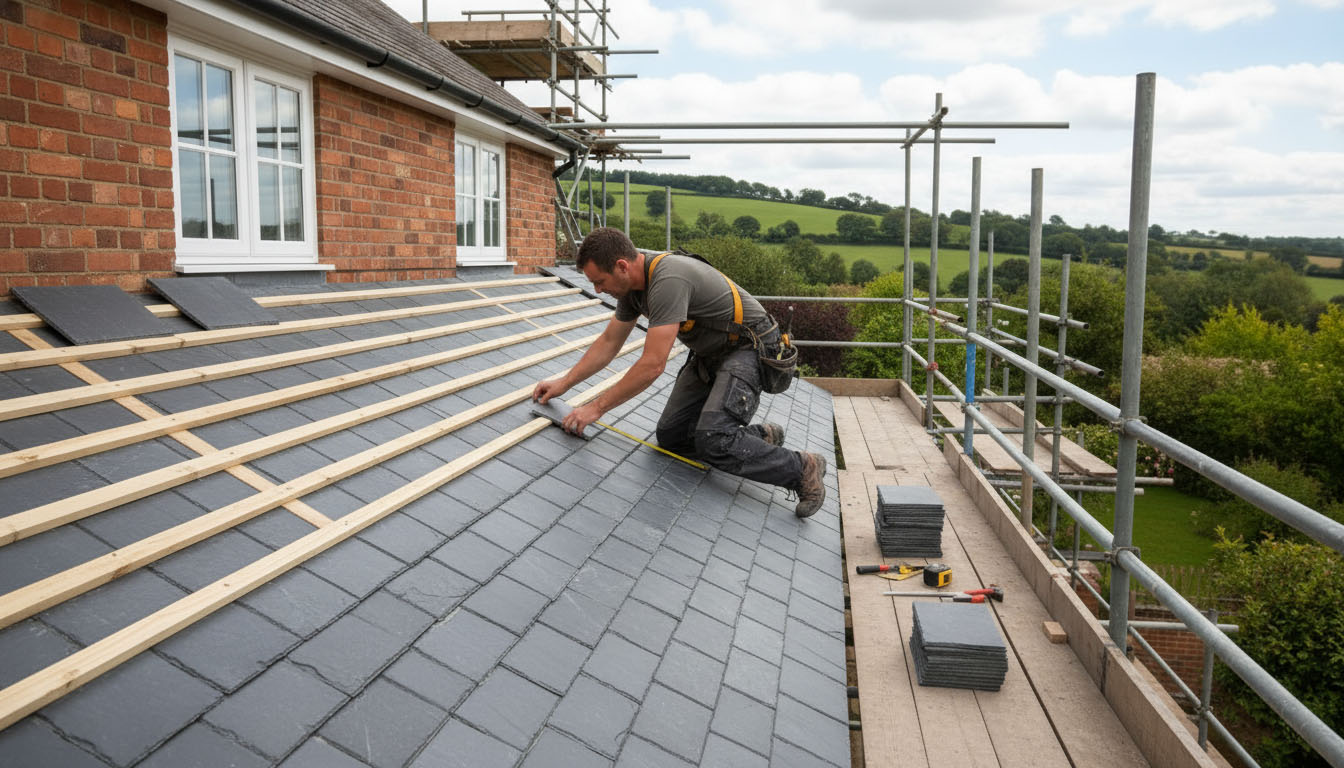
Slate Roofing Regulations in the UK: Building Rules and Standards Explained
Installing or replacing a slate roof in the UK is not simply a matter of selecting materials and beginning work. Failure to comply with building regulations can lead to enforcement notices, costly rework, and complications during property resale. Many homeowners assume roofing like-for-like replacement requires no oversight, only to face compliance issues later.
UK slate roof building regulations govern structural load, ventilation, insulation, and wind resistance. Understanding these rules before installation prevents delays and protects long-term property value. This guide explains the key slate roofing regulations in the UK and what homeowners must know before starting work.
Slate Roofing Regulations UK Homeowners Must Follow
Slate roofing regulations UK projects must comply with fall under the Building Regulations 2010, particularly Approved Document A for structure and Approved Document C for moisture resistance.
Key regulatory areas include:
Structural load-bearing capacity
Wind uplift resistance
Fire performance standards
Moisture and condensation control
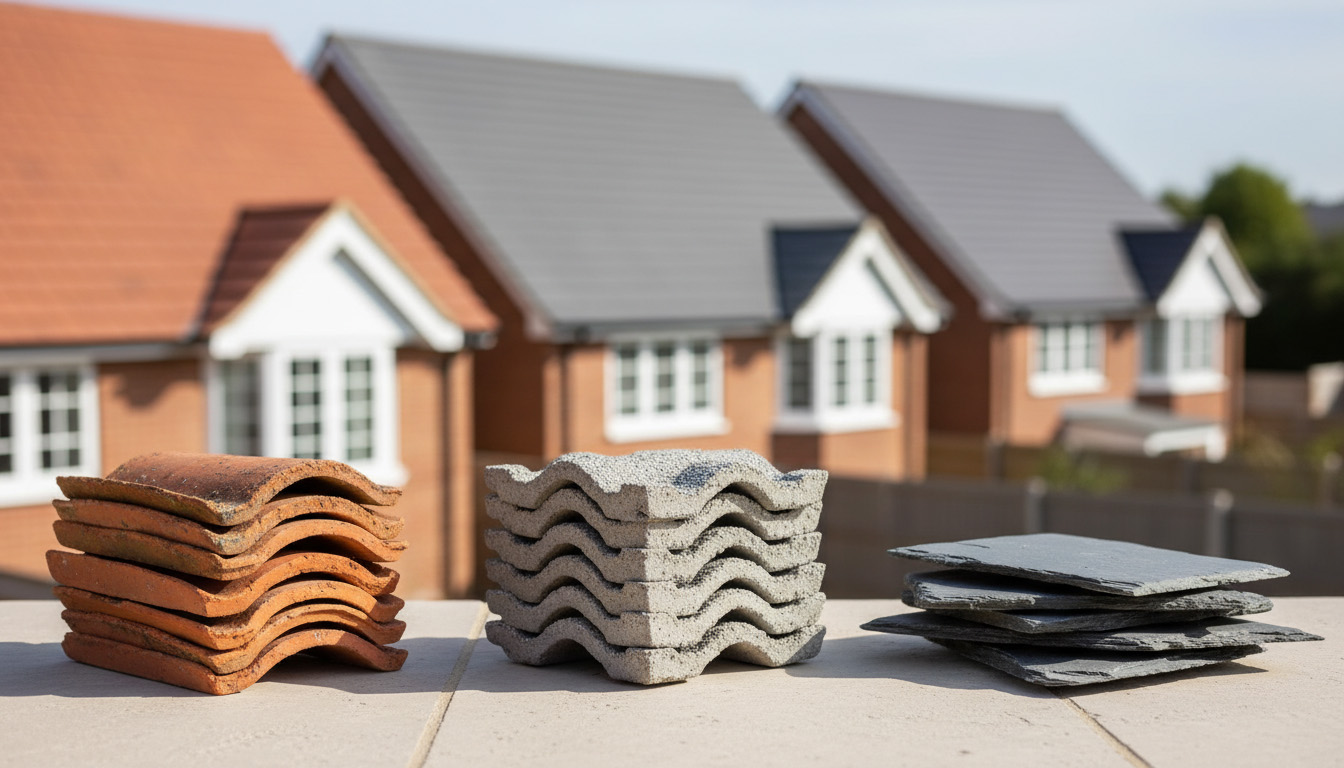
Switching from lightweight materials to natural slate often triggers structural assessment requirements due to increased load weight.
Professional slate roofing services ensure installations align with current regulatory frameworks and exposure classifications.
UK Slate Roof Building Regulations: Structural Requirements
UK slate roof building regulations place strong emphasis on structural safety. Natural slate is heavier than many modern roofing materials and requires adequate rafter strength.
Structural compliance includes:
Load calculation based on slate weight
Rafter span verification
Treated batten specification
Secure fixing density according to wind zone
Failure to assess structural capacity can result in sagging or long-term stress on timber components.
Where reinforcement or redesign is required, professional pitched roof installation ensures the framework meets structural compliance standards.
Roofing Standards for Slate UK: Installation Compliance
Roofing standards for slate UK projects follow British Standards such as BS 5534, which governs slating and tiling installation practices.
Installation compliance typically requires:
Correct head lap based on roof pitch
Appropriate batten grading
Increased fixing density in high-wind zones
Use of corrosion-resistant nails or hooks
Incorrect head lap or under-fixing can invalidate warranties and create non-compliance risks.
Professional slate roofing specialists ensure proper installation that satisfies both British Standards and local authority expectations.
Thermal and Ventilation Requirements
When more than 25 percent of a roof covering is replaced, Building Regulations require thermal performance upgrades where feasible.
Thermal compliance includes:
Minimum insulation thickness
Proper vapour control layers
Adequate roof ventilation
Prevention of condensation build-up
Upgrading insulation during slate replacement is often mandatory, not optional. Failing to meet these standards may delay project approval.
Homeowners planning full upgrades may also review roof insulation requirements UK guidance to understand current energy performance obligations.
Planning Permission and Conservation Areas
In most cases, replacing slate like-for-like does not require planning permission. However, exceptions apply.
Planning considerations include:
Listed buildings
Conservation areas
Changing material type
Altering roof profile or height
Switching from slate to a different material in a conservation area may require approval. Likewise, replacing synthetic slate with natural slate may trigger additional checks.
Where broader restoration is required in heritage properties, roof restoration services ensure compliance with conservation standards.
Compliance Overview Table
Regulation Area | Requirement | Applies When |
|---|---|---|
Structural Load | Rafter strength verification | Changing to heavier slate |
Thermal Upgrade | Insulation improvement | Replacing 25%+ of roof |
Wind Resistance | Fixing density per wind zone | All slate installations |
Fire Safety | Material classification compliance | New installations |
Planning Permission | Local authority approval | Listed or conservation properties |
Understanding these requirements before installation prevents delays and enforcement actions.
Professional slate roofing ensures documentation and compliance are handled correctly from project start to completion.
Consequences of Non-Compliance
Ignoring slate roofing regulations UK standards can result in serious financial and legal consequences.
Potential risks include:
Building control enforcement notices
Requirement to remove non-compliant work
Reduced property resale value
Insurance claim complications
Compliance is not simply administrative. It protects structural safety and long-term durability.
Frequently Asked Questions
Do I need building regulations approval to replace a slate roof in the UK
If more than 25 percent of the roof is replaced, thermal upgrade compliance is typically required.
Does switching to natural slate require structural checks
Yes, natural slate is heavier and often requires structural load assessment.
What British Standard applies to slate roofing
BS 5534 governs slating and tiling installation practices.
Do conservation areas require permission for slate replacement
Yes, material changes in conservation areas may require approval.
Are insulation upgrades mandatory during re-roofing
If significant roof area is replaced, insulation upgrades are usually required under Building Regulations.




Comments (3)
[…] type. For compliance research, slate roof planning checks, building control slate requirements, and slate regulation reference points are […]
[…] wider compliance reading, the slate roof rule overview is […]
[…] wider compliance context, a slate roofing compliance overview is […]
Comments are closed.