What Is a Slate Roof? A UK Homeowner’s Guide
admin2026-02-19T08:08:09+00:00BLOG
What Is a Slate Roof? A UK Homeowner’s Guide
Many UK homeowners hear that slate roofing is the “premium” option, yet few fully understand what makes it structurally different from other materials. Choosing slate without understanding weight, lifespan, and installation complexity can lead to unexpected costs or structural upgrades. While slate offers exceptional longevity, it demands precise installation and proper load assessment.
In the UK’s demanding climate, material performance directly affects long-term value and maintenance costs. This guide explains what a slate roof really is, how it performs under UK conditions, and whether it is the right investment for your property.
What Is a Slate Roof UK Homeowners Should Understand
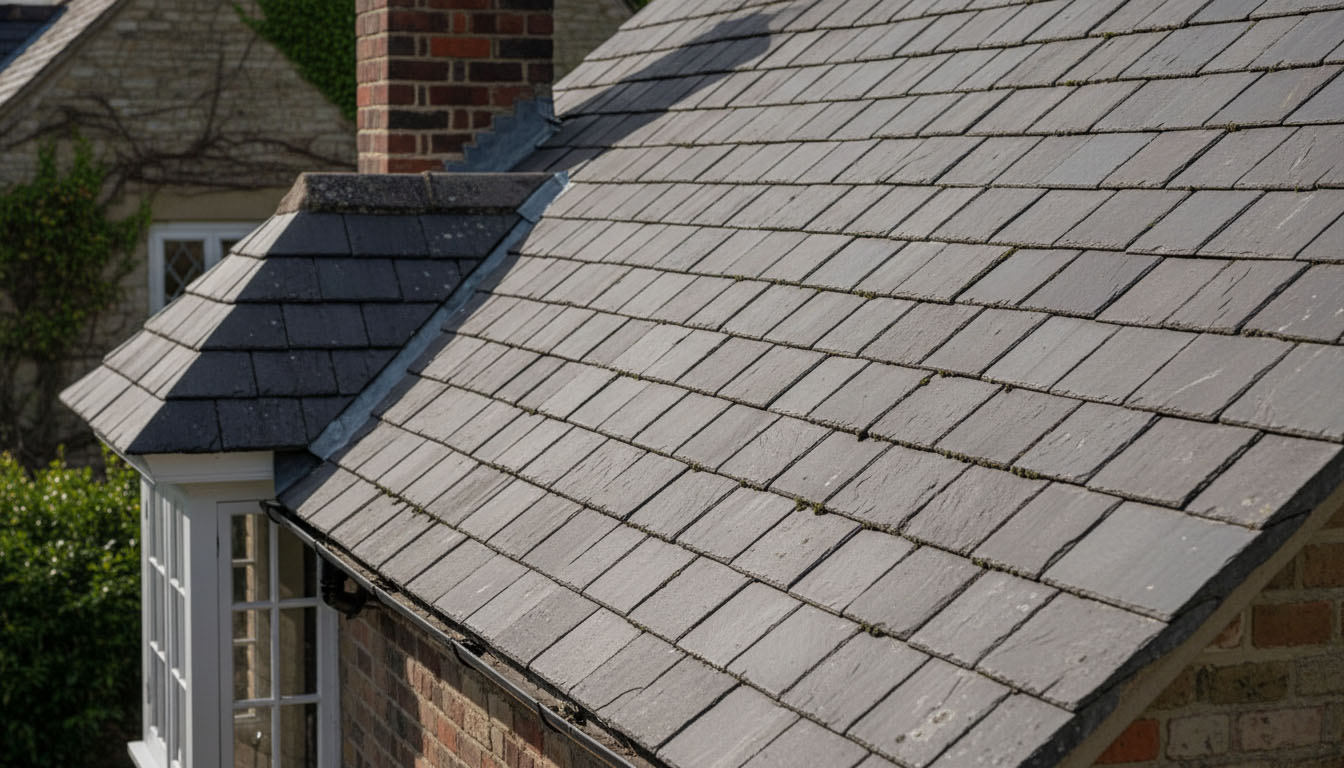
Understanding what is a slate roof UK properties use begins with the material itself. Slate is a natural stone split into thin sheets and cut into uniform tiles for roofing applications. Unlike manufactured tiles, slate is quarried and shaped rather than moulded.
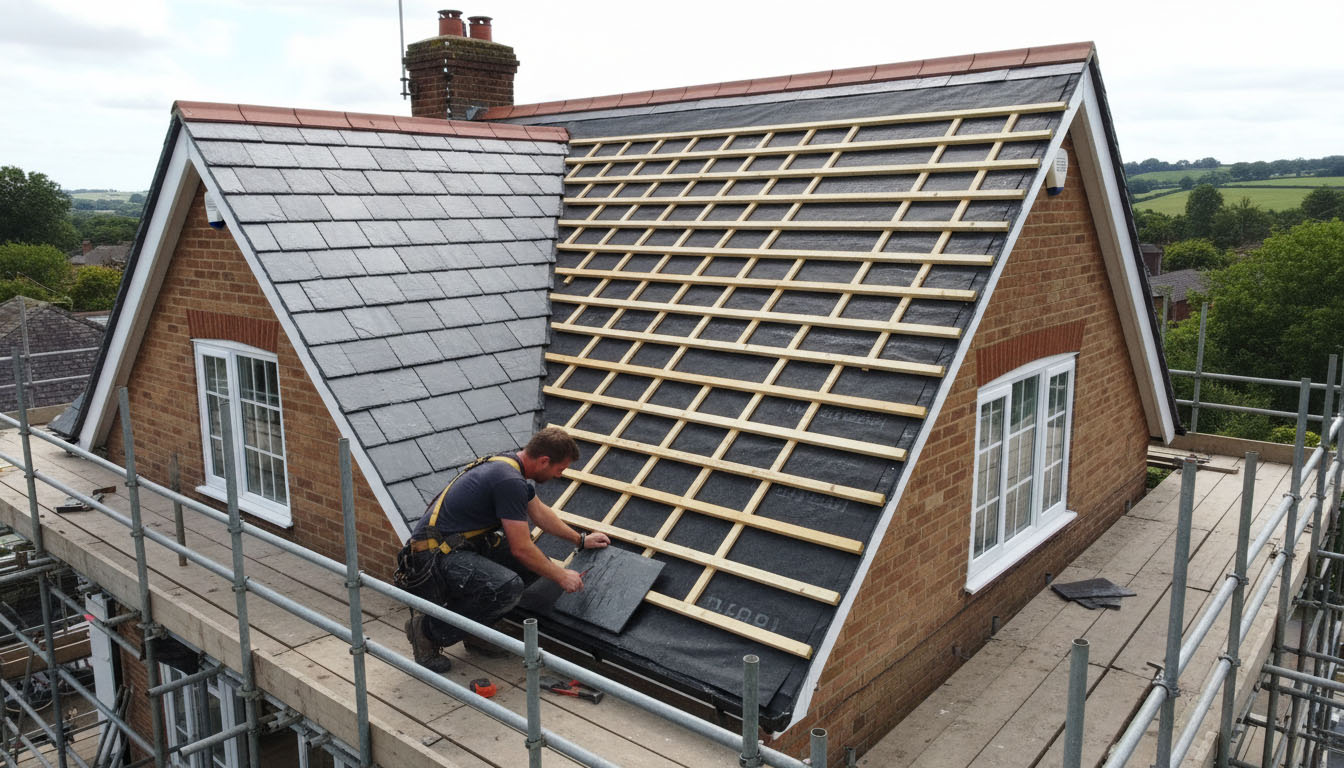
A slate roof consists of overlapping stone tiles fixed to timber battens using nails or hooks. The layered design creates a durable, water-shedding surface capable of lasting decades when installed correctly.
Key characteristics include:
Natural stone composition
High density and structural weight
Low water absorption
Strong resistance to frost and wind
Because slate is heavier than many alternatives, structural capacity must be assessed before installation. Professional slate roofing specialists evaluate rafter strength and fixing methods to ensure long-term stability.
Slate Roofing UK Guide to Types and Grades
A proper slate roofing UK guide must explain that not all slate is equal. Quality varies significantly depending on origin, density, and grading standards.
Common slate categories used in the UK include:
Welsh slate, known for premium longevity
Spanish slate, widely used and cost-effective
Brazilian slate, often mid-range in durability
Reclaimed slate for heritage properties
Grading affects lifespan and colour consistency. Higher-grade slate can last over 75 years, while lower-grade imports may deteriorate sooner.
When choosing slate, homeowners should verify:
Thickness consistency
Fixing method compatibility
Certification and frost resistance rating
Warranty terms
Working with experienced slate roofing professionals ensures material selection matches UK exposure conditions rather than relying solely on price.
Benefits of Slate Roofs UK Properties Gain
The benefits of slate roofs UK homeowners experience extend beyond appearance. Slate is one of the longest-lasting roofing materials available and offers significant structural and environmental advantages.
Primary benefits include:
Strong resistance to freeze-thaw cycles
Natural fire resistance
Low long-term maintenance
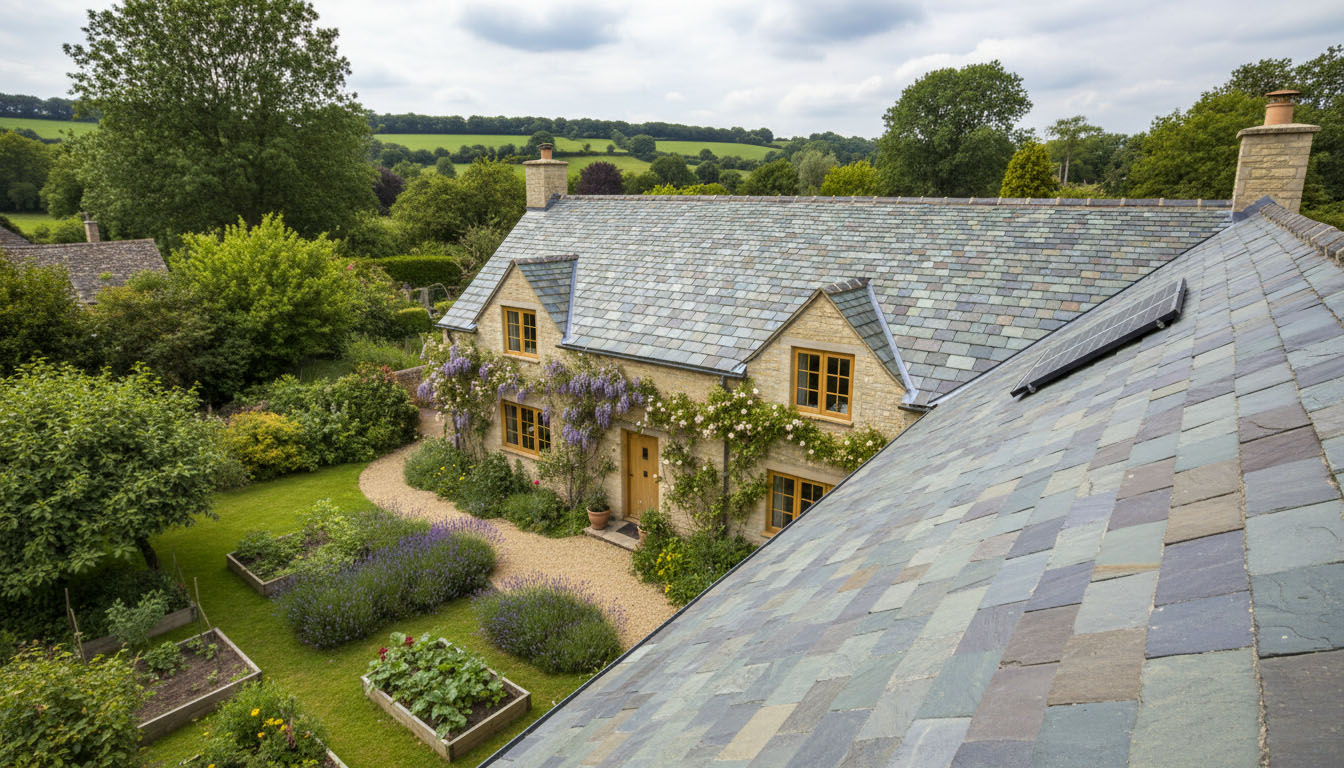
Slate also provides timeless kerb appeal, particularly for period and conservation properties. Its natural variation creates subtle texture without artificial finishes.
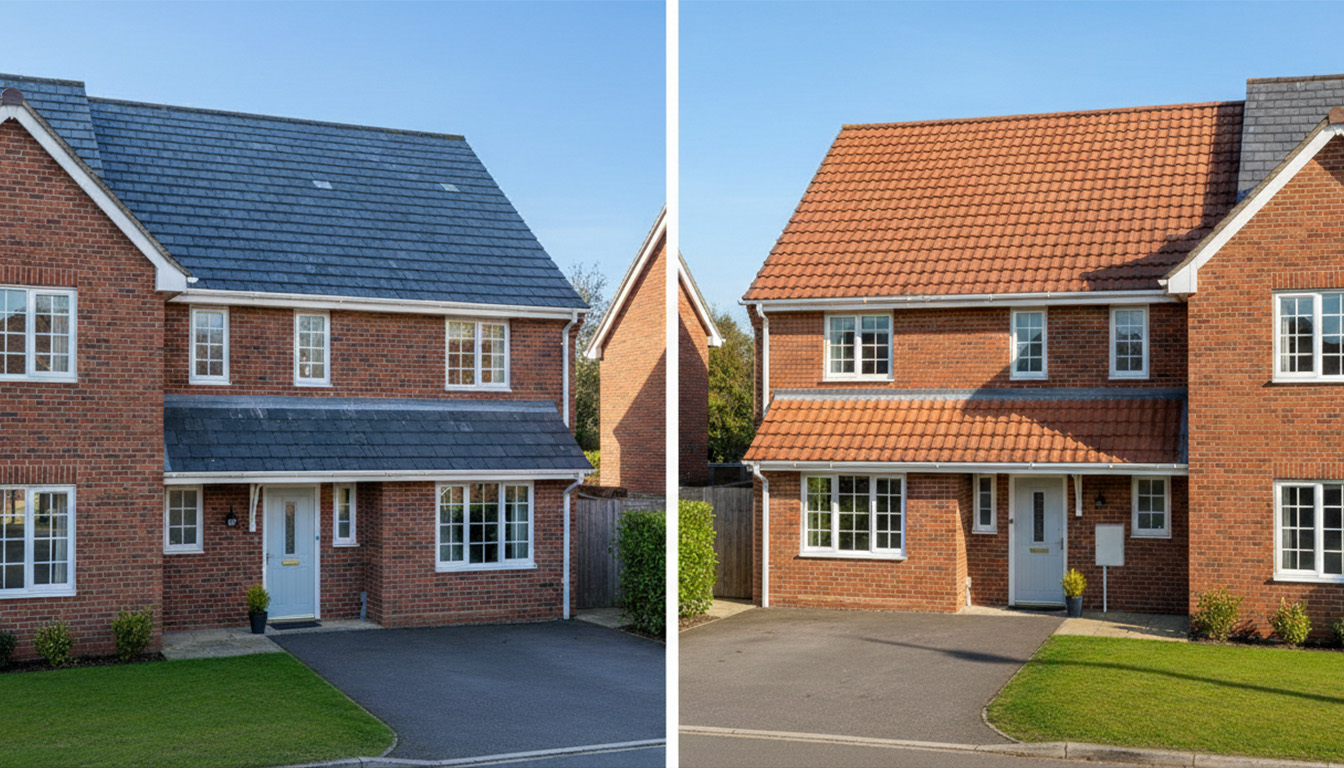
Comparison with other materials:
Material | Average Lifespan | Maintenance Level | Structural Weight |
|---|---|---|---|
Slate | 75+ years | Low | Heavy |
Clay Tile | 60+ years | Moderate | Heavy |
Concrete Tile | 40–60 years | Moderate | Medium-Heavy |
Although initial costs are higher, lifecycle value often exceeds many alternatives. Reviewing best roofing materials UK comparisons can help homeowners understand slate’s long-term positioning.
Structural Considerations Before Installing Slate
Slate’s weight is one of its defining characteristics. Natural stone tiles place substantial load on rafters and battens, making structural assessment essential before installation.
Important structural checks include:
Rafter span and timber condition
Batten grade suitability
Existing roof load calculations
Fixing method compliance
Switching from lightweight concrete or composite tiles to slate without evaluation can overstress older roof structures. Reinforcement may be required in some cases.
Professional pitched roof installation expertise ensures slate systems are installed within structural tolerances and regulatory requirements.
Maintenance and Longevity Expectations
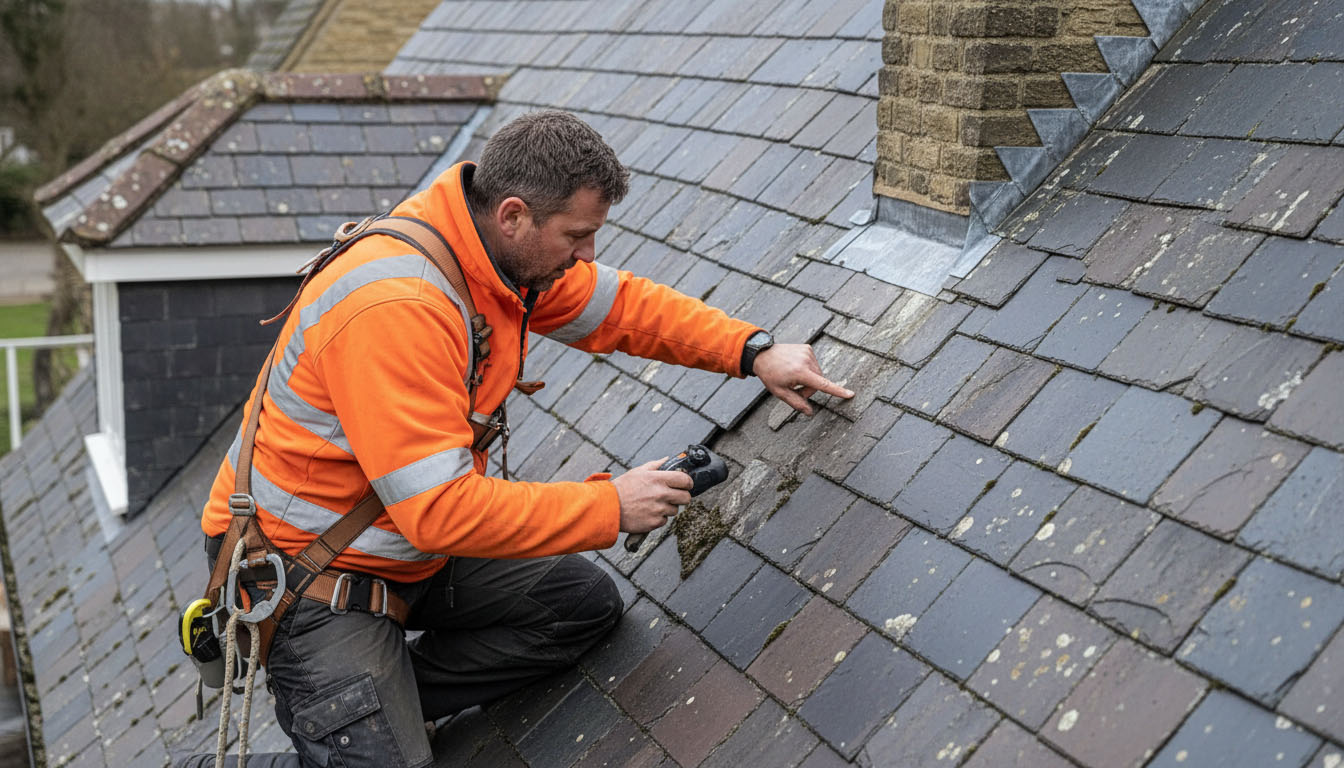
Slate roofs are often described as low maintenance, but that does not mean maintenance-free. Individual slates can crack due to impact damage or incorrect installation.
Recommended maintenance includes:
Gutter clearance to prevent overflow
When maintained properly, slate roofs often outlast the original fixing nails. In some cases, re-nailing may be required after several decades.
For ageing roofs, combining inspection with roof restoration services can extend service life without full replacement.
Is a Slate Roof Right for Your Property?
Choosing slate should balance budget, structural capacity, and long-term plans. While slate offers unmatched durability, it requires skilled installation and precise detailing.
Slate is ideal for:
Period or listed properties
Homeowners planning long-term occupancy
High-value homes seeking premium finish
Areas with severe weather exposure
It may not be suitable where:
Structural reinforcement is not feasible
Budget constraints limit installation quality
Lightweight alternatives are structurally required
Consulting experienced slate roofing professionals ensures the decision reflects both design preference and structural practicality.
Frequently Asked Questions
How long does a slate roof last in the UK
High-quality slate can last 75 to 100 years when installed and maintained correctly.
Is slate roofing more expensive than tiles
Yes, slate has a higher upfront cost but often delivers better long-term value due to lifespan.
Does a slate roof add value to a property
Yes, slate is considered a premium material and can increase kerb appeal and buyer confidence.
Can all houses support a slate roof
No, structural assessment is required because slate is heavier than many alternative materials.
Is slate better than clay tiles in the UK
Slate typically offers longer lifespan and lower water absorption, but both materials perform well when properly installed.