Best Roofing Materials in the UK Compared
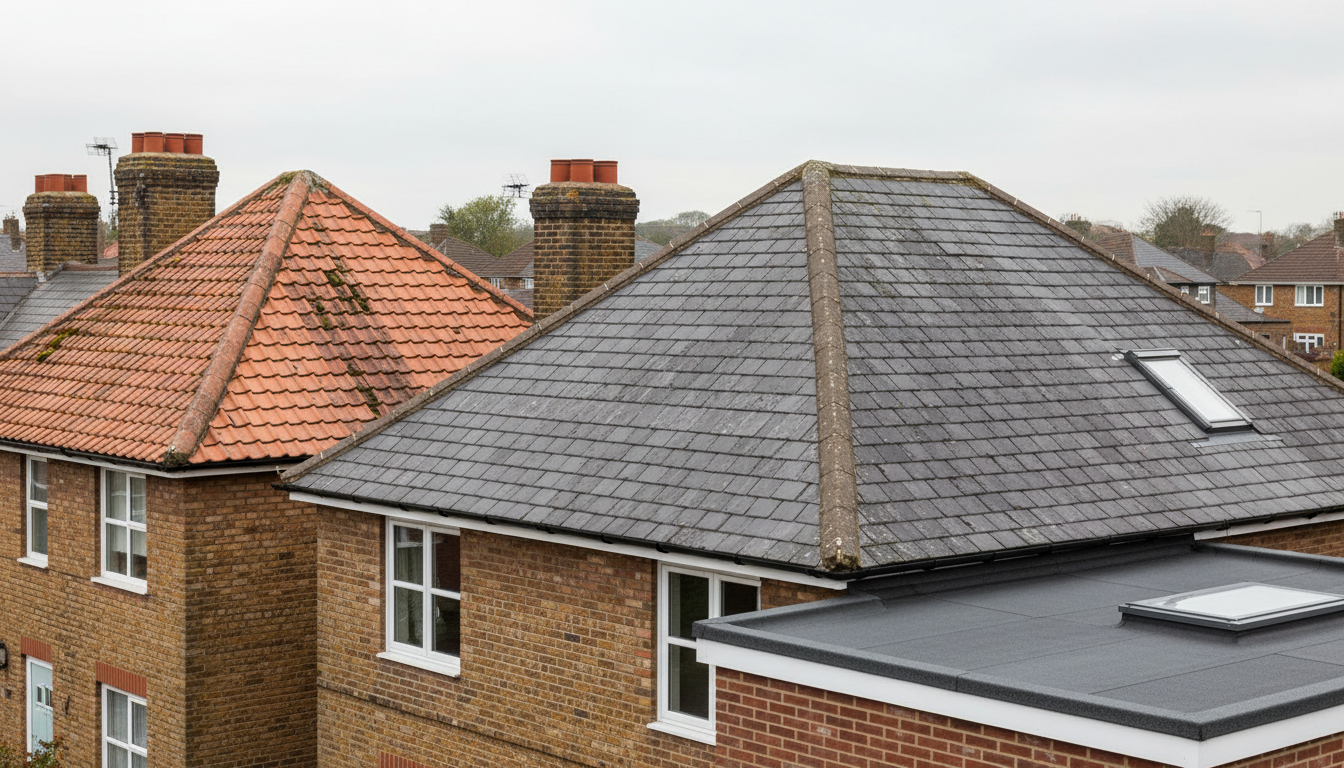

The best option is not simply the material with the longest published service life. It is the covering that works with the building’s geometry, supporting structure and surrounding environment. Every comparison should begin with pitched roofs, flat roofs, natural slate and clay tiles.
Roofing material | Suitable roof form | Structural demand | Key strength | Primary limitation |
Natural slate | Pitched | Medium to high | Long service potential | Specialist installation |
Clay tiles | Pitched | Medium to high | Stable traditional finish | Impact sensitivity |
Concrete tiles | Pitched | High | Broad availability | Weight and weathering |
Fibre-cement slates | Pitched | Low to medium | Consistent lightweight units | Not natural slate |
Standing-seam metal | Pitched or low-pitched | Low | Efficient water shedding | Complex detailing |
EPDM membrane | Flat or low-slope | Low | Flexible large-sheet coverage | Vulnerable details |
GRP fibreglass | Flat | Low | Rigid continuous finish | Movement sensitivity |
Single-ply membrane | Flat or low-slope | Low | Adaptable on large roofs | Weld and puncture control |
Modified bitumen | Flat or low-slope | Medium | Robust layered build-up | Hot-work considerations |
Mastic asphalt | Flat or detailed areas | High | Seamless application | Structural load |
A material should never be selected from this table alone. Exact limits come from the chosen system, including its headlap, fixings, underlay and exposure classification. A broader roof covering comparison for UK conditions can support the initial shortlist.
Highlighted Property-Fit Guide
- Traditional pitched property: Assess natural slate or clay tiles.
- Standard residential pitched roof: Compare concrete, clay and fibre cement.
- Structurally sensitive roof: Consider fibre cement or suitable metal systems.
- Contemporary low pitch: Assess tested metal, tile or membrane systems.
- Simple domestic flat roof: Compare EPDM, GRP and modified bitumen.
- Large flat roof: Examine single-ply or reinforced membrane systems.
- Historic property: Preserve the locally appropriate material where required.
- Exposed location: Prioritise fixing design and corrosion resistance.
Start With Pitch Before Comparing Roof Coverings
Roof pitch controls how quickly water leaves the surface and how much rain can reach joints. A covering that performs on a steep roof may leak when installed on a shallow extension. The exact tested minimum pitch must therefore guide the decision.
Traditional plain tiles often require a steeper pitch than proprietary interlocking products. Some specialist tiles work at lower angles, but only under stated limits for rafter length, headlap and exposure. Natural slate requirements also change according to slate dimensions, lap and location.
Flat roofs are not perfectly level surfaces. They require designed falls that carry water towards outlets without creating persistent ponding around joints or penetrations. Studying roof drainage failure risks helps explain why covering selection and drainage design cannot be separated.
Before approving a covering, record the roof angle and measure every relevant slope. Confirm the proposed product’s permitted pitch instead of relying on a general material range. Suitable pitched roof installation solutions UK should connect those measurements to the complete fixing specification.
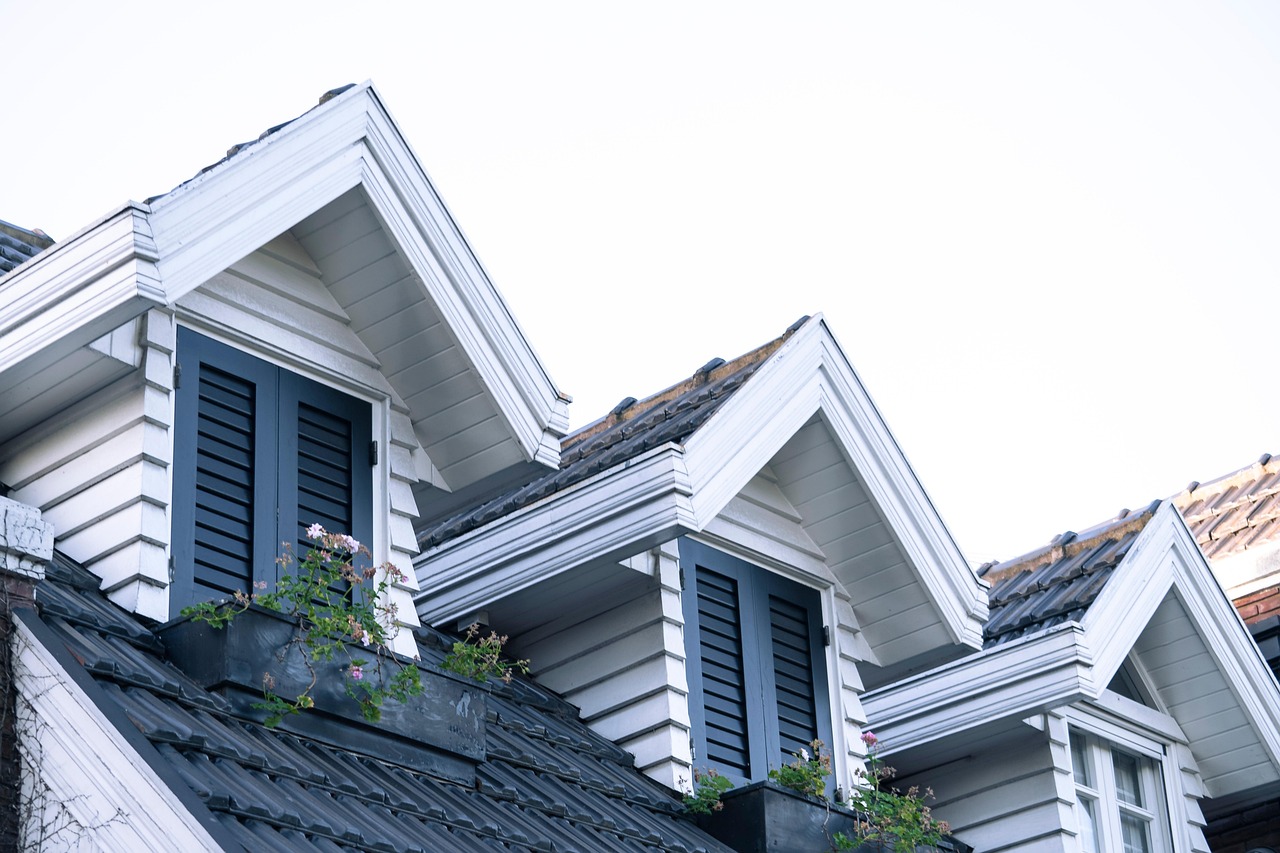
Pitched Roofs Need More Than Attractive Tiles
Pitched roofs shed water through overlapping units rather than one continuous waterproof surface. Their success depends on correctly aligned tiles or slates, suitable laps and securely treated edges. Appearance should remain secondary to pitch, exposure, loading and compatibility.
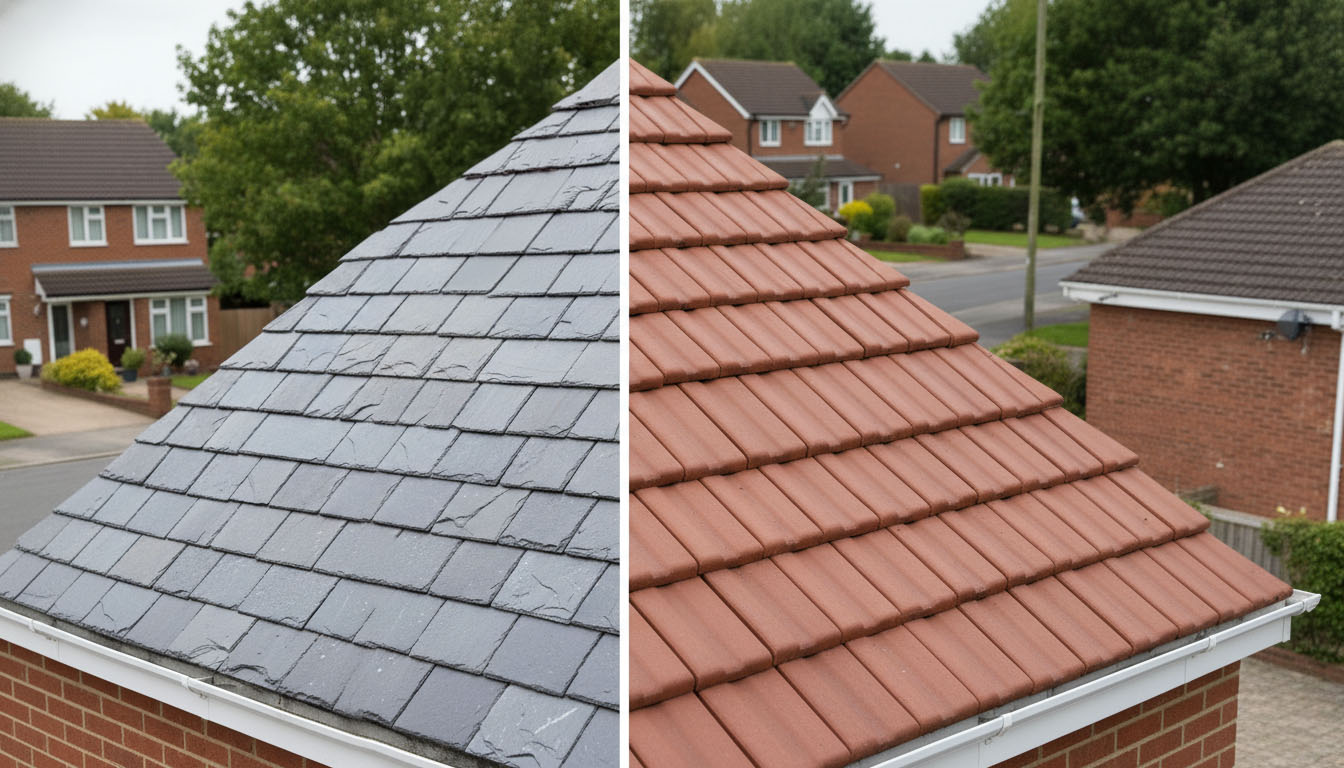
Natural slate offers individual character, while clay and concrete tiles provide different profiles. Fibre-cement slates create a more uniform finish with reduced structural demand. Each option changes batten spacing, cutting methods, fixing requirements and roof-loading calculations.
The installation sequence must protect eaves, valleys, ridges, hips and penetrations. Readers planning a complete covering can review the core tile roof assembly steps before comparing individual units. Proper tile roof installation in London should also address underlay, battens, ventilation and junction detailing.
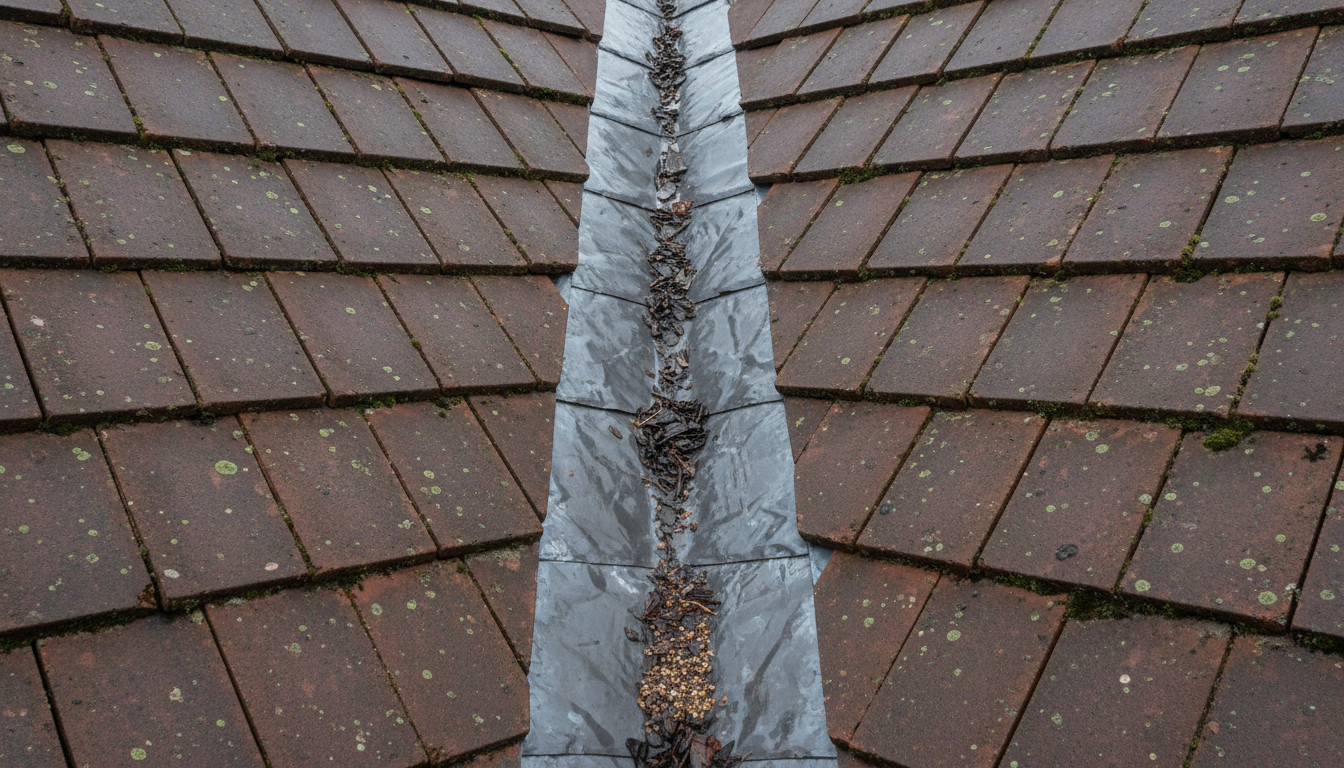
Roof valleys deserve particular attention because they collect water from two slopes. Debris can obstruct that concentrated flow and push moisture beneath adjacent coverings. Understanding roof valley debris buildup and the reasons roof valleys develop leaks prevents the material comparison from becoming too superficial.
Natural Slate and Clay Tiles Under Close Review
Natural slate and clay tiles are established choices for visible pitched roofs across Britain. Both can deliver strong weather performance when their dimensions, laps and fixings suit the site. Their similarities should not hide important differences in appearance, handling and structural demand.
Natural Slate Fits Character-Driven Pitched Roofs
Natural slate provides varied colour, texture and cleft because every unit comes from quarried stone. Correctly selected slate resists rain and frost while retaining a distinctly traditional appearance. Its real performance still depends on grading, fixing quality and roof exposure.
Slate is brittle and may chip or crack during careless transport, cutting or installation. Uneven natural units require sorting and experienced setting-out before they are fixed. A dedicated slate roofing service in London is most relevant when the roof requires accurate slate selection and detailed workmanship.
Natural slate is often suitable for period buildings, but it is not automatically correct for every old home. The original regional covering, planning requirements and existing structural condition must be checked first. Matching dimensions and colour becomes especially important during partial repairs.
Clay Tiles Balance Tradition With Varied Profiles
Clay tiles are available as plain tiles, pantiles and interlocking profiles. Their fired colour can support traditional architecture without depending entirely on a surface coating. Product selection must still follow the permitted pitch, headlap and mechanical-fixing instructions.
Clay units can withstand long-term weather exposure, yet individual tiles remain vulnerable to impact. Rough handling may create chipped corners or cracks before the units reach the roof. The Reddit discussion supplied for this project reinforces the practical need for controlled lifting and careful distribution.
Natural slate and clay tiles should therefore be assessed as complete systems. Neither should be chosen only because it appears traditional or is associated with a long lifespan. The final choice needs to match the roof’s form, structure and local architectural character.
Concrete and Fibre Cement Solve Different Needs

Concrete and fibre-cement products are sometimes treated as interchangeable alternatives to traditional coverings. In reality, they solve different structural and visual requirements. Their unit weight, profile, surface behaviour and installation method should be compared separately.
Concrete Tiles Suit Many Standard Pitched Homes
Concrete tiles are widely available in plain and interlocking profiles. Their consistent dimensions simplify setting-out and make them practical for many residential replacements. Certain proprietary profiles also accommodate lower pitches than traditional plain tiles.
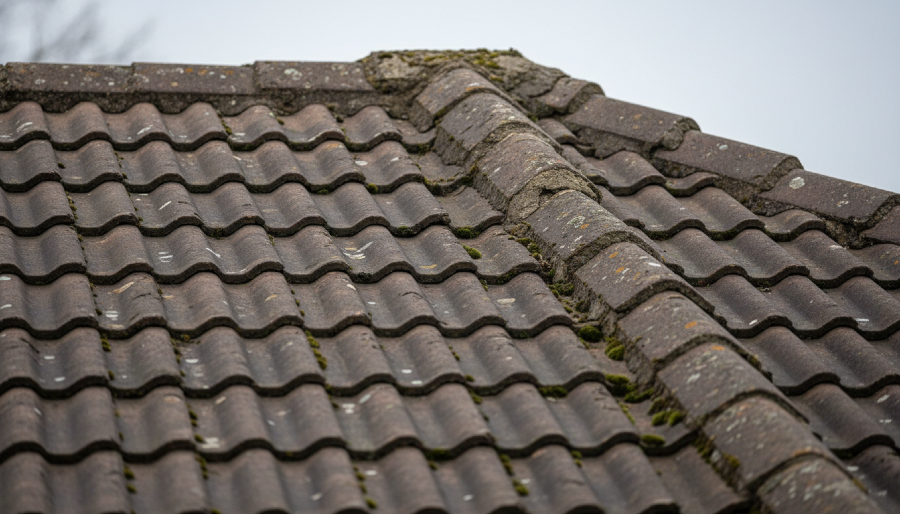
Weight is the central concern when concrete replaces a lighter covering. The supporting structure may require assessment before additional permanent load is introduced. Surface weathering and moss establishment can also become visible on shaded or slow-drying slopes.
Moss should not automatically be treated as proof that the covering has failed. Thick growth can retain moisture, obstruct water paths and conceal damaged units. The guide to roof tile damage from moss explains when growth becomes a practical concern.
Fibre Cement Reduces Load but Is Not Slate
Fibre-cement slates are manufactured to consistent shapes and dimensions. Their lower weight can help where the supporting roof has limited capacity. Uniform units also reduce the sorting associated with natural slate.
The material must always be described accurately rather than presented as genuine slate. It weathers differently and produces a more regular finished surface. Its fixing and pitch requirements remain product-specific despite its lighter construction.
Older cement-based roof sheets require additional caution because some may contain asbestos. They must not be cut, drilled or removed until the material has been properly assessed. This issue is separate from modern asbestos-free fibre-cement slate products.
Flat Roofs Depend on Drainage and Roof Geometry
Flat-roof selection should begin with roof size, deck condition, outlets and penetrations. The number of skylights, vents, parapets and changes in level can affect the material more than appearance. Reliable performance depends on a continuous system with controlled water flow.
Flat-roof system | Strong application | Important check |
EPDM | Simple domestic roofs | Edge and penetration detailing |
GRP | Small rigid roof areas | Deck stability and curing conditions |
Single-ply | Large or complex roofs | Weld quality and puncture protection |
Modified bitumen | Robust refurbishment | Safe installation method |
Mastic asphalt | Detailed or trafficked areas | Supporting capacity and build-up |
EPDM Works Best on Simple, Open Roof Areas
EPDM is a flexible synthetic rubber membrane. Large sheets can reduce the number of field seams across a simple extension or garage. Movement, outlets, rooflights and perimeter details must still be executed correctly.
It should not be assumed that a membrane compensates for poor falls. Standing water can increase stress around weak joints and expose drainage shortcomings. Deck preparation and compatible adhesives are equally important.
GRP Requires Stable Decking and Dry Conditions
GRP fibreglass cures into a hard, continuous surface. It can be effective on smaller roofs with stable decking and straightforward geometry. Accurate resin application and suitable weather conditions are essential during installation.
Movement between boards can place stress on a rigid finish. Expansion detailing therefore requires careful attention on larger surfaces. Complex roofs may demand more joints and trims than the initial appearance suggests.
Single-Ply and Bitumen Serve Broader Roof Types
Single-ply membranes use welded seams to cover larger or more complex roof areas. Modified-bitumen systems create robust reinforced layers suitable for many new and refurbished flat roofs. Both require trained installation around penetrations, edges and outlets.
Some bitumen systems involve flame-based application, while others use cold or self-adhered methods. The installation plan must suit the building and surrounding fire risk. For deteriorated coverings, a flat roof replacement London assessment should include the deck and insulation rather than only the visible membrane.
Commercial projects involve different spans, access requirements and loading conditions. Their maintenance plans may also include plant, walkways and frequent roof access. A large-building roofing durability comparison helps separate domestic assumptions from commercial decisions.
Metal Roofing Excels Under Specific Conditions
Metal can form an effective covering for modern homes, extensions and commercial structures. Its low covering weight and long sheet lengths support clean architectural lines. Specialist detailing is required to control thermal movement, condensation and material compatibility.
Standing-seam systems conceal much of the fixing arrangement beneath raised joints. This design can work at relatively low pitches when the selected system permits it. No universal minimum angle should be applied to every metal product.
Coastal exposure changes the material and fixing decision. Aluminium, coated steel, zinc and copper respond differently to salt, runoff and adjoining metals. Incompatible combinations can promote staining or accelerated corrosion.
Condensation control belongs within the complete roof build-up. Insulation, vapour control, ventilation and underlay must respond to the internal humidity and external temperature. Acoustic layers may also be appropriate where rain noise would affect occupied rooms.
Weight and Wind Can Overrule Material Preference
Homeowners may prefer a particular finish before the roof has been measured. Structural loading and local exposure can overturn that preference immediately. These two factors should be checked before detailed product selection begins.
Replacing a lightweight covering with a substantially heavier one may overload rafters or trusses. Warning signs can include existing sagging, spreading or previous structural alteration. A competent assessment must determine whether reinforcement or a lighter covering is appropriate.
Wind uplift is strongest around roof edges, corners, ridges and exposed zones. Tile weight alone does not prevent displacement because secure mechanical fixing remains essential. Clips, nails, battens, underlay and ridge systems must work together.
After severe weather, homeowners should avoid climbing onto the roof themselves. A ground-level storm damage roof checking process can reveal displaced units, debris and damaged edges. The related roof safety after severe storms guide explains how to protect the property without creating another hazard.
Historic Roofs Require Material-Led Decisions

Historic roofs often express the geology and building traditions of their region. Natural slate, clay, stone slate and thatch cannot always be replaced by visually similar modern products. Their texture, dimensions and laying patterns contribute to the building’s character.
Listed status or conservation controls may affect the replacement material. Permission may be required before changing the covering, profile or external appearance. Local requirements should be established before removal begins.
Repair can sometimes retain more original material than complete replacement. Reusable slates or tiles may be carefully sorted and returned to the most visible slopes. New units can then be matched for size, thickness, colour and texture.
Restoration should also examine flashings, valleys, fixings and roof timbers. The correct best roof restoration company UK anchor leads readers towards an assessment of the entire historic roof. The leadwork purpose in roofing guide further explains why traditional junction details matter.
Installation Details Decide Real Roof Performance
Published material durability cannot compensate for weak installation. Most roofs contain multiple edges, joints and penetrations where water can bypass the main covering. These areas require the same attention as the visible field material.
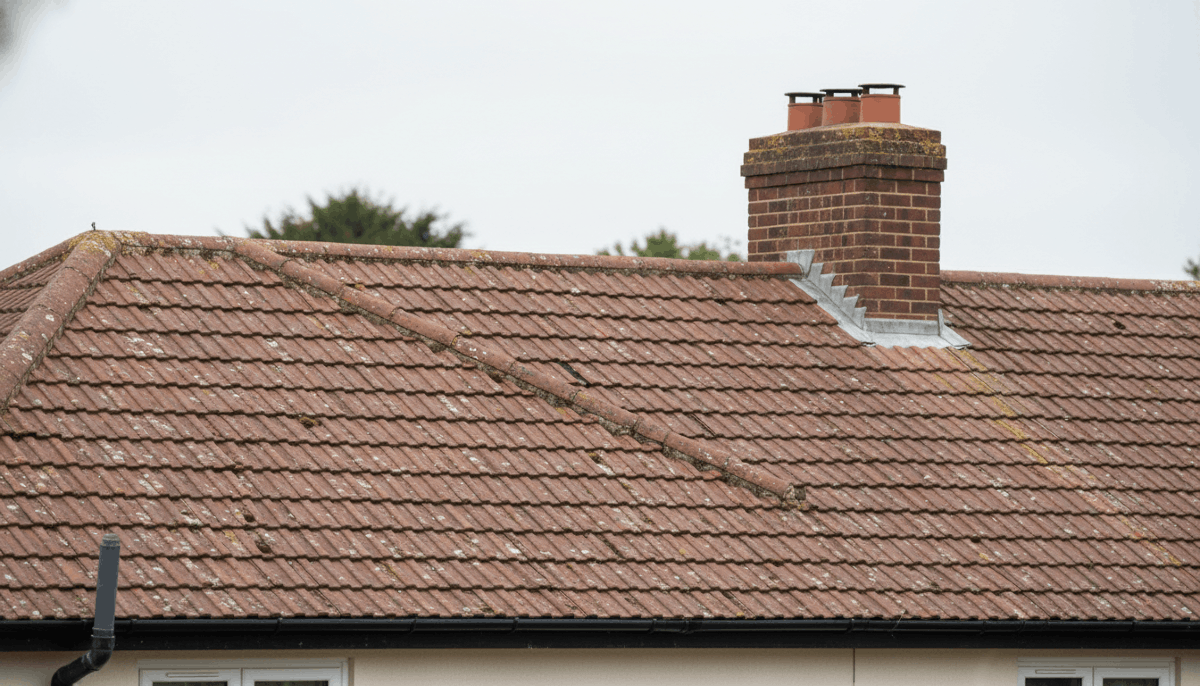
Flashings connect the covering to chimneys, walls and roof penetrations. Splits, displacement or poorly formed laps can admit water even when every tile remains intact. Readers can examine flashing damage and water entry before assuming the principal covering has failed.
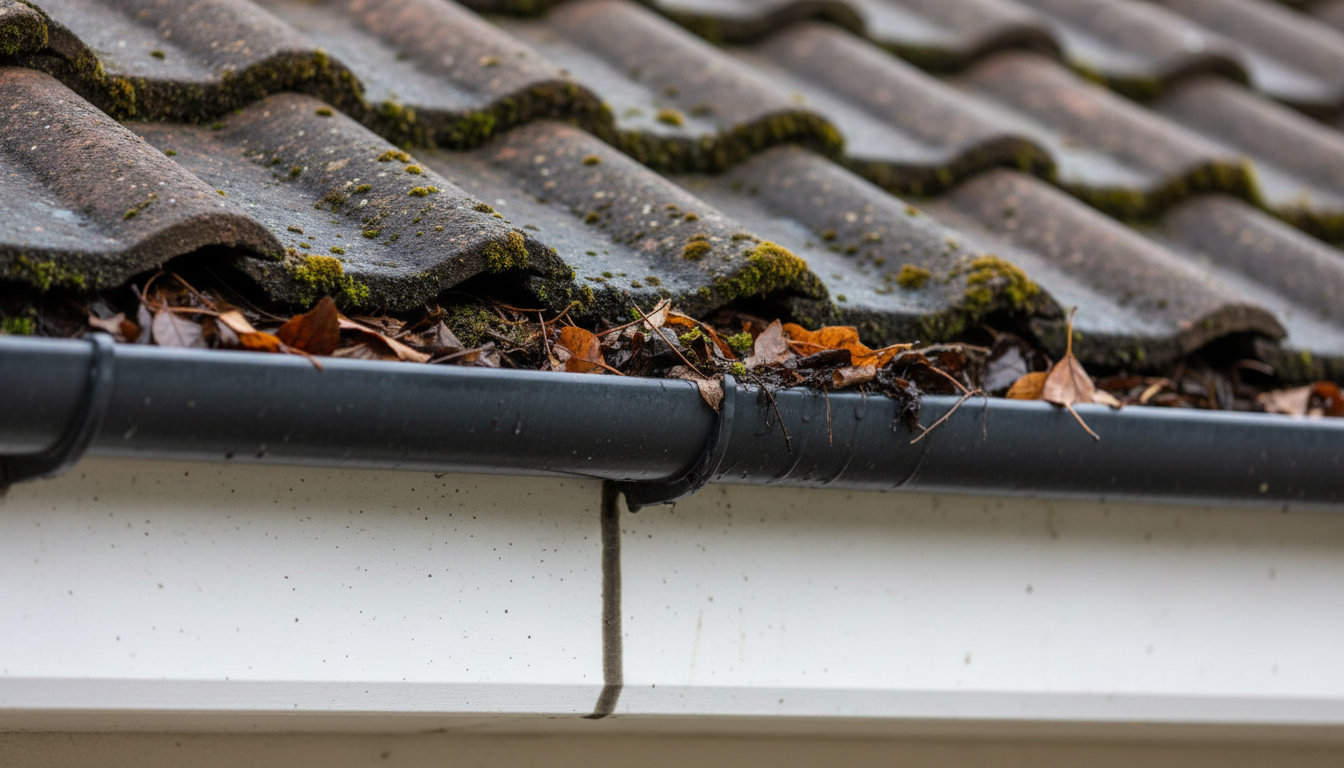
Blocked gutters can cause overflow at eaves and external walls. Debris may also prevent valleys and outlets from discharging during intense rain. The explanation of blocked gutter damage shows why drainage maintenance affects covering performance.
Insulation and moisture control must be reviewed when the roof build-up changes. Poor positioning can restrict ventilation or create cold surfaces where moisture condenses. Guidance on reducing heat loss through insulation helps connect thermal improvement with moisture management.
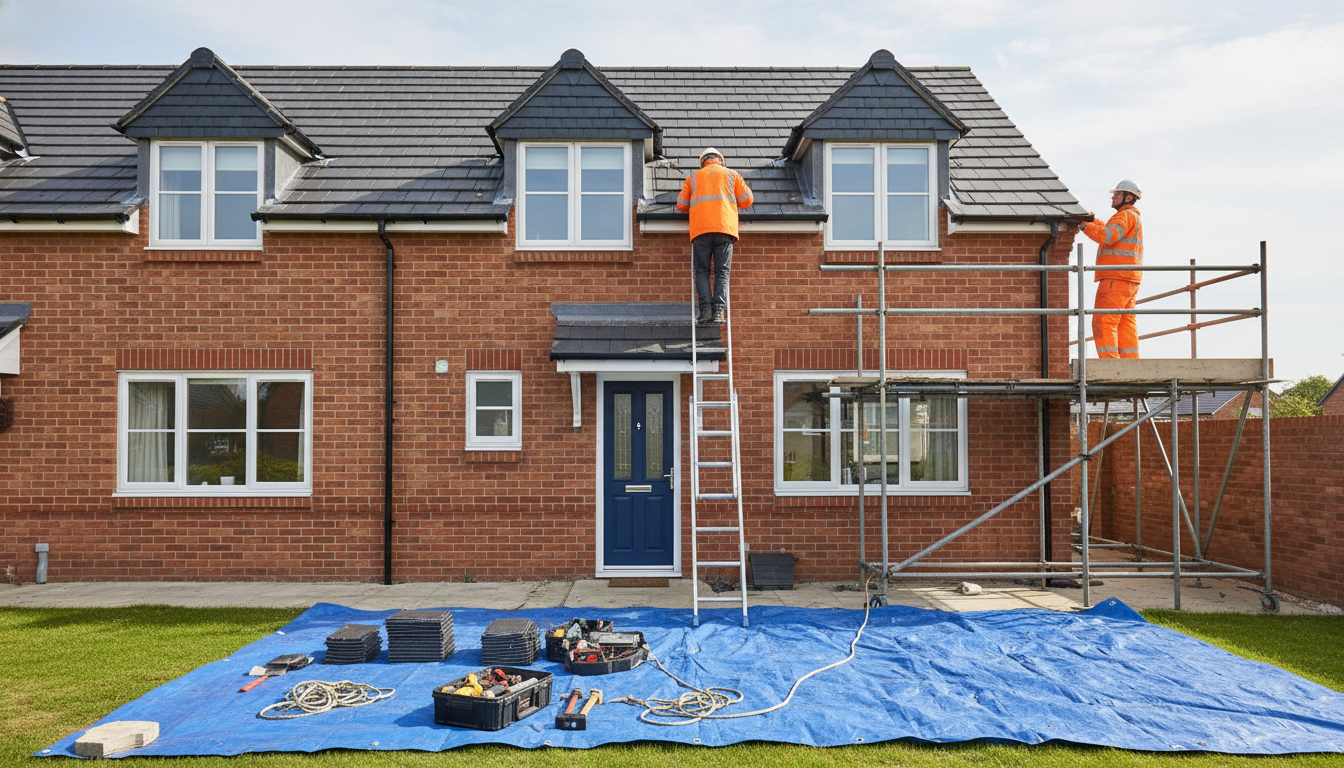
Material handling is another installation concern. Throwing brittle tiles between workers can cause strain, dropped objects and hidden damage. Planned scaffolding, loading zones and lifting assistance protect workers, property and the units being installed.
Cutting clay, concrete or fibre-cement products can release hazardous silica dust. Wet cutting or effective extraction should control dust at its source, supported by suitable protective equipment. Dry uncontrolled cutting should never be presented as an acceptable shortcut.
Final Material Selection Checklist
A final decision should follow measured evidence rather than a general ranking. The checklist below keeps the assessment focused on matters that can change performance. It also separates an attractive covering from a technically suitable roof system.
- Confirm whether the roof is pitched, low-pitched or flat.
- Measure the exact angle and drainage falls.
- Record slope lengths, valleys, dormers and penetrations.
- Check the supporting structure and existing covering weight.
- Review rainfall, wind, frost and coastal exposure.
- Confirm product-specific pitch and fixing limits.
- Design underlay, ventilation and vapour control together.
- Check metal, flashing and membrane compatibility.
- Verify planning or conservation restrictions.
- Plan controlled lifting, storage and roof distribution.
- Inspect the deck, battens, rafters and drainage.
- Select an installer experienced with the exact system.
An existing damaged roof may need repair rather than complete renewal. The guide to roof condition decision points helps distinguish isolated defects from system-wide deterioration. A clear roof repair process overview can then connect the diagnosis to appropriate work.
Inspections should reflect the roof’s age, exposure and previous defects. Review roof inspection frequency factors and the role of early detection through roof inspections when preparing a maintenance plan. Homeowners should also follow proper roof inspection safety precautions.
For a property-specific assessment, explore professional roofing solutions in London. The review should connect material choice to pitch, structure, weather exposure and installation details. That process provides a stronger answer than selecting a covering from lifespan figures alone.
Frequently Asked Questions About Roofing Materials
These questions address practical uncertainties that remain after the principal material comparison. They focus on replacement consequences, maintenance and unusual roof conditions. Each answer provides a direct route to a better-informed specification.
Can roof tiles be changed without replacing battens?
Existing battens should be exposed and inspected before reuse is considered. Spacing, dimensions, fixing condition and treatment must suit the new covering. A different tile profile may require completely different batten spacing.
Which roof material needs the least maintenance?
No roof covering is maintenance-free because outlets, flashings, joints and penetrations still require inspection. Natural slate and some metal systems may need limited surface maintenance when correctly installed. Roof complexity and nearby trees often affect maintenance more than the covering itself.
Is a darker roof material unsuitable for UK homes?
Colour alone does not determine whether a covering is suitable. Thermal behaviour depends on the complete construction, including ventilation, insulation and internal conditions. Planning requirements may have greater influence where the building is historic or locally prominent.
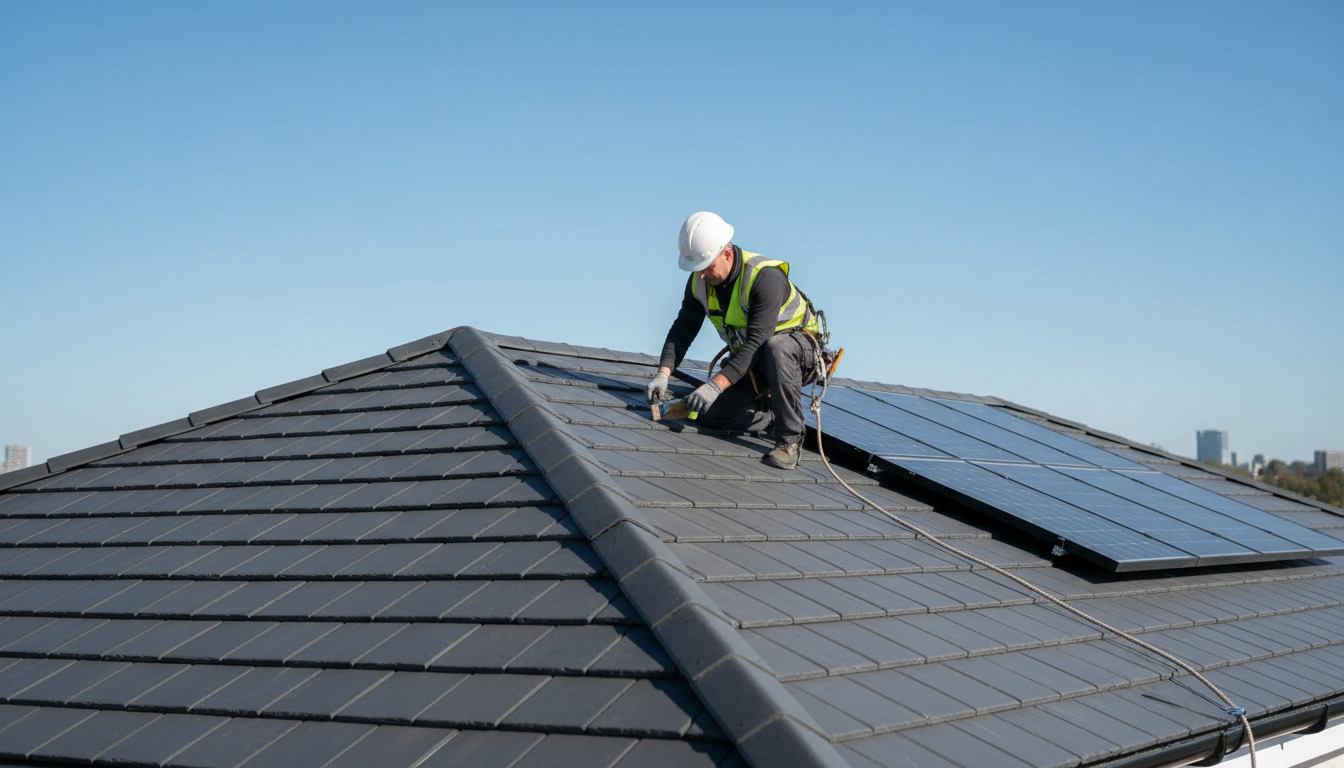
Can solar panels be installed on every roof material?
Many coverings can support solar installations when the structure and fixing method are suitable. Penetrations, mounting brackets and weathering details must be designed for the chosen covering. Fragile or deteriorated units may need replacement before installation begins.
What should happen if replacement tiles cannot match?
The first step is identifying the exact material, dimensions, profile and colour. Reclaimed units or carefully selected modern equivalents may provide a closer match. Historic properties may require approval before a visibly different replacement is accepted.