
BLOG
home Pros and Cons of Slate Roofing in the UK: A Balanced Guide
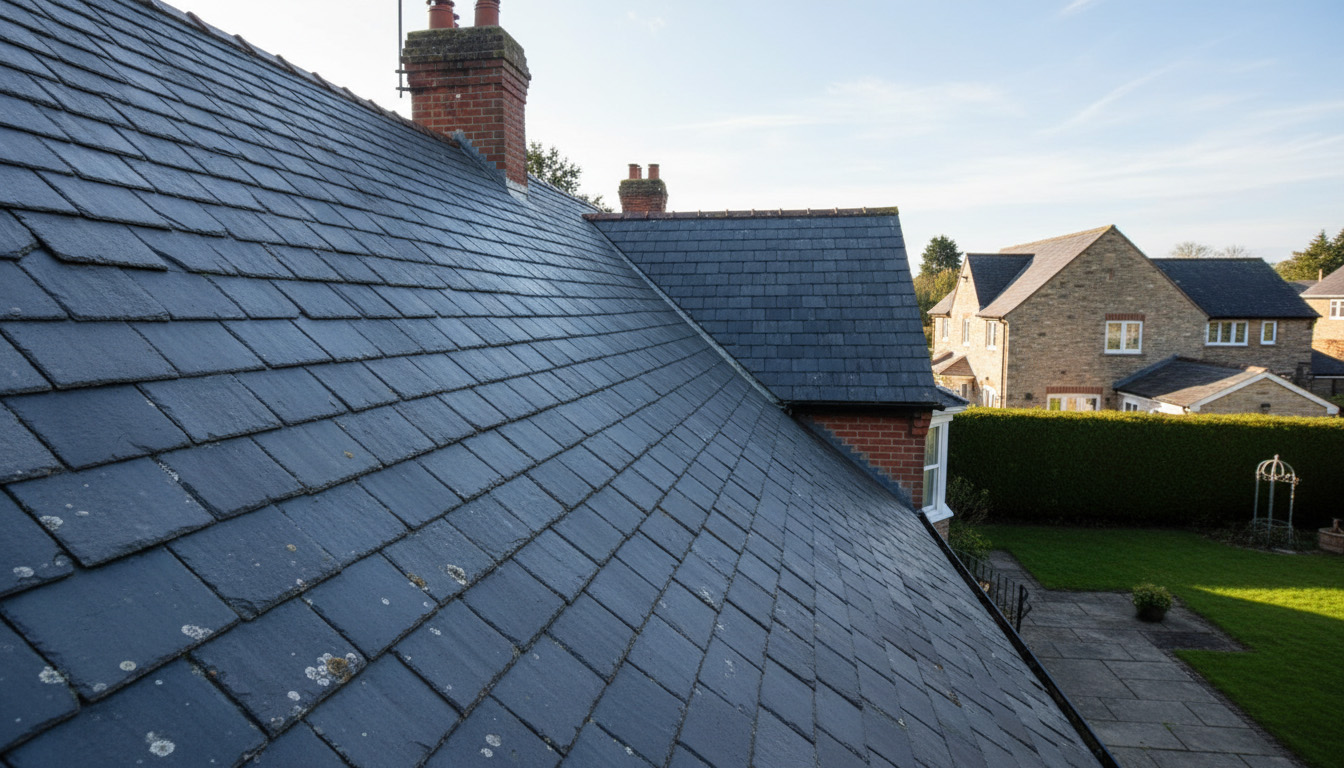
Pros and Cons of Slate Roofing in the UK: A Balanced Guide
Slate roofing is widely regarded as one of the most premium roofing materials available in the UK, yet it is not automatically the right choice for every property. While many homeowners are drawn to its longevity and appearance, others hesitate due to higher upfront costs and structural considerations.
Choosing slate without understanding both its strengths and limitations can lead to budget strain or structural complications. A balanced evaluation is essential before committing. This guide explains the real pros and cons of slate roofing in the UK so homeowners can make informed, long-term decisions.
Pros and Cons of Slate Roofing UK Homeowners Should Weigh Carefully
Understanding the pros and cons of slate roofing UK properties experience begins with recognising that slate is a natural stone material with unique performance characteristics. It delivers exceptional longevity but demands proper installation and structural capacity.
Key Advantages
Lifespan often exceeding 75 to 100 years
Excellent resistance to frost and moisture
Natural fire resistance
Strong kerb appeal and premium finish
Low long-term maintenance requirements
Key Disadvantages
Heavy structural load requiring assessment
Skilled installation required
Replacement tiles can vary in colour over time
Professional slate roofing ensures that advantages are maximised while structural and regulatory risks are properly managed.
Slate Roofing Advantages and Disadvantages UK Climate Context
Slate roofing advantages and disadvantages UK homeowners face are closely tied to climate conditions. The UK’s frequent rainfall and freeze-thaw cycles test roofing materials continuously.
Advantages in UK conditions include:
Low water absorption reducing frost cracking
Strong wind resistance when properly fixed
Natural durability against harsh seasonal changes
However, disadvantages emerge when installation standards are poor. Corroded nails or inadequate fixing density can cause slates to slip during storms.
Where roof redesign or reinforcement is required, professional pitched roof installation ensures compliance with wind uplift and load regulations.
Cost Comparison: Slate vs Alternative Materials
Cost is often the deciding factor for homeowners evaluating slate. While slate commands a premium price, its extended lifespan can make it financially competitive over several decades.
Material | Initial Cost | Average Lifespan | Long-Term Value |
|---|---|---|---|
Natural Slate | High | 75–100+ years | Excellent |
Clay Tiles | Mid-High | 60+ years | Very Good |
Concrete Tiles | Moderate | 40–60 years | Good |
Composite Tiles | Moderate | 30–50 years | Moderate |
Replacing cheaper materials twice over the same timeframe can exceed the cost of one slate installation. Homeowners comparing alternatives may benefit from reviewing tile vs slate vs flat roof considerations before making a final decision.
Experienced slate roofing specialists help evaluate lifecycle value rather than focusing solely on initial expense.
Structural Impact and Weight Considerations
One of the most significant disadvantages of slate is its weight. Natural slate is considerably heavier than many modern tile alternatives, which places increased load on rafters and battens.
Structural factors to assess include:
Rafter span and timber condition
Batten strength and spacing
Previous roof material load
Wind exposure classification
Switching from lightweight tiles to slate without assessment can cause long-term stress on structural components. Structural reinforcement may be required in older properties.
Maintenance Realities Over Time
Slate is often marketed as maintenance-free, but that description can be misleading. While slate itself is highly durable, fixings and battens can deteriorate over time.
Maintenance requirements typically include:
Nail fatigue assessment on ageing roofs
Gutter clearance
In many cases, slate outlasts the original nails used to fix it. When reinforcement or selective repairs are required, roof restoration services can extend roof life without full replacement.
Is Slate Roofing a Good Choice UK Homeowners Should Consider?
Determining whether slate roofing is a good choice UK homeowners should make depends on ownership plans, structural suitability, and long-term financial outlook.
Slate is particularly suitable for:
Heritage or conservation properties
Long-term homeowners
High-value residential homes
Areas with severe weather exposure
It may be less suitable where:
Structural reinforcement is not feasible
Budget constraints limit quality installation
Short-term property ownership is planned
Professional slate roofing consultation ensures the decision reflects structural capacity, climate exposure, and long-term value expectations.
Frequently Asked Questions
What are the main disadvantages of slate roofing in the UK
The primary disadvantages are higher upfront cost, heavier structural load, and the need for skilled installation.
Is slate roofing better than concrete tiles
Slate generally offers longer lifespan and better durability, though it requires higher initial investment.
How long does a slate roof last in the UK
High-quality natural slate can last between 75 and 100 years when properly installed and maintained.
Does slate roofing increase property value
Yes, slate is considered a premium roofing material and can enhance kerb appeal and resale confidence.
Is slate roofing suitable for modern homes
Yes, slate works well on both traditional and contemporary designs when structural capacity allows.