
BLOG
home Tile Roofing Trends in the UK: What Homeowners Should Know in 2026
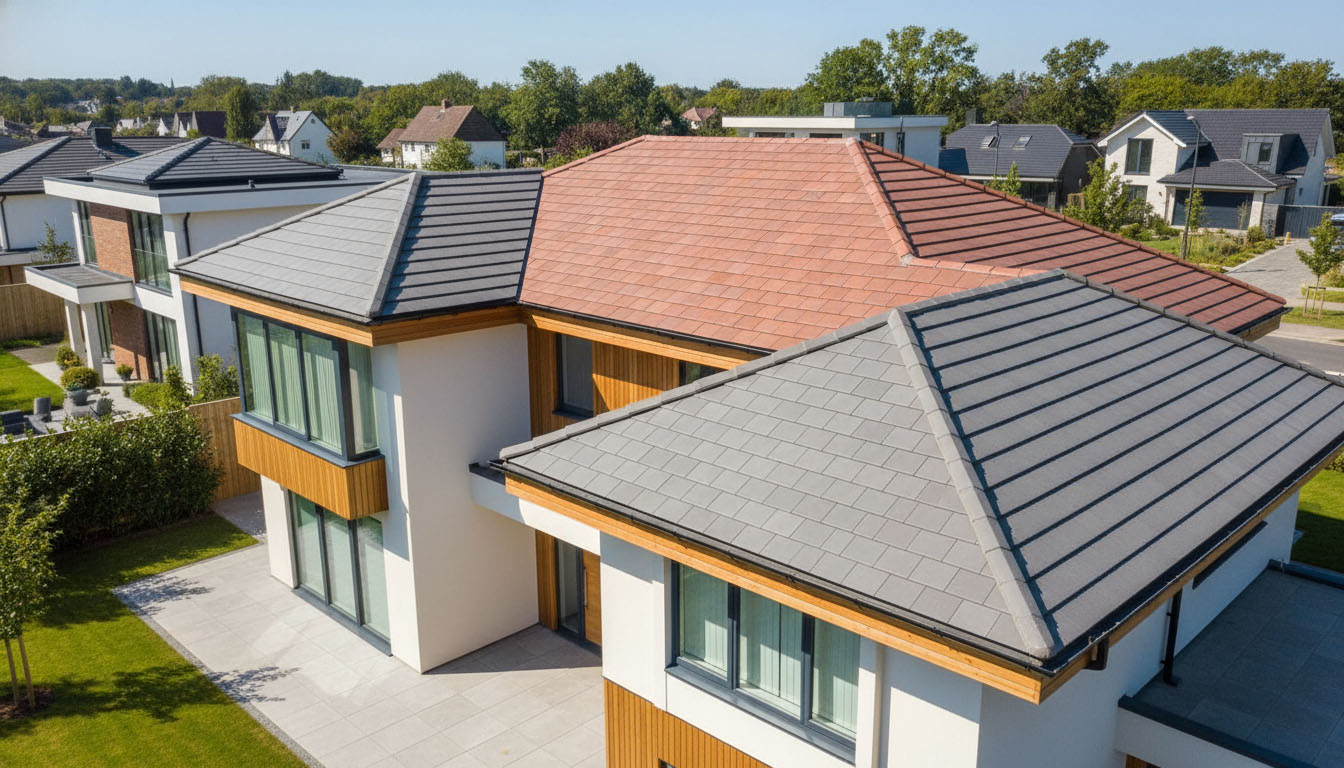
Tile Roofing Trends in the UK: What Homeowners Should Know in 2026
Roofing trends in the UK are shifting rapidly as homeowners demand stronger durability, better energy efficiency, and cleaner architectural finishes. Choosing outdated tile styles or materials can reduce kerb appeal and even affect long-term property value. In 2026, performance and design are no longer separate decisions.
Modern buyers expect roofs to combine aesthetics with structural integrity and regulatory compliance. The right tile system now influences resale potential, maintenance costs, and insulation performance. Understanding where tile roofing trends are heading helps homeowners invest wisely rather than react later.
Tile Roofing Trends UK Homeowners Are Following in 2026
Tile roofing trends UK homeowners are adopting in 2026 reflect a move toward durability, low maintenance, and sharper architectural lines. Traditional bulky profiles are being replaced with streamlined, engineered systems designed for performance and visual consistency.
Key national trends include:
Larger format interlocking tiles for cleaner roof lines
Mechanically fixed dry ridge systems replacing mortar
Increased use of composite and lightweight tiles
Stronger wind-resistant fixing specifications
Performance is now prioritised alongside aesthetics. Storm resilience and regulatory compliance are influencing purchasing decisions more than colour alone. Professional tile roofing services are increasingly consulted during early design stages to align structural capacity with modern tile systems.
Modern Roof Tile Designs UK Properties Are Adopting
Modern roof tile designs UK properties are adopting focus on minimalism and architectural symmetry. Flat-profile tiles and smooth finishes are replacing heavily textured traditional styles in many developments.
Popular design movements include:
Low-profile clay tiles for contemporary builds
Dark grey and anthracite colour palettes
Mixed-material façades paired with subtle roof tones
Hidden fixing systems for seamless finishes
These styles create sharper roof geometry and complement modern window frames and cladding systems. However, aesthetic upgrades must still align with structural load limits and wind exposure zones. Where structural adaptation is required, pitched roof installation expertise ensures compatibility between design ambition and engineering practicality.
UK Residential Roofing Trends Driven by Energy Efficiency
UK residential roofing trends are increasingly shaped by energy performance targets and insulation standards. Roofs are no longer just protective layers; they are critical thermal barriers.
Energy-driven trends include:
Integration of solar-compatible tile systems
Improved breathable underlays for condensation control
Warmer roof constructions to reduce heat loss
Lighter composite materials reducing structural strain
Homeowners upgrading to energy-efficient systems must ensure proper ventilation and load distribution. Combining modern tile upgrades with roof restoration services can improve thermal efficiency without full structural replacement.
Colour Trends Reshaping UK Roof Aesthetics
Colour selection has become more deliberate in 2026. Neutral palettes dominate, reflecting modern architectural preferences and resale appeal.
Current popular colours include:
Anthracite grey
Deep charcoal
Natural clay red for heritage homes
Matte black finishes
Darker tones provide strong contrast against brick and rendered façades, particularly in urban developments. However, heat absorption and fade resistance must be evaluated before final selection.
Homeowners comparing material behaviour across climates may benefit from reviewing the best roofing materials UK considerations before selecting colour alone.
Material Innovation and Performance Upgrades
Innovation in tile manufacturing is influencing modern roof tile designs UK builders recommend. Advances in composite technology and improved clay processing are extending lifespan while reducing weight.
Comparison of emerging material trends:
Trend Direction | Key Benefit | Risk Consideration | |
|---|---|---|---|
Traditional Clay | Stable demand | Longevity | Higher structural load |
Concrete | Improving finishes | Cost efficiency | Surface fading |
Composite | Growing rapidly | Lightweight & impact resistant | Shorter lifespan vs slate |
Premium niche | Exceptional durability | Installation cost |
Material innovation must still align with building regulations and wind zone classifications. Professional tile roofing services calculate fixing density and structural suitability before implementing newer systems.
Storm Resistance and Climate Adaptation Trends
Extreme weather events have significantly influenced tile roofing trends UK contractors now prioritise. Increased storm frequency has shifted focus toward mechanical fixing and wind uplift calculations.
Climate-adaptive upgrades include:
Higher fixing densities in exposed areas
Dry verge and dry ridge systems
Reinforced battens for heavy tile systems
Improved underlay anchoring
Many insurance claims now hinge on whether tiles were fixed according to exposure classification. Upgrading to modern systems during renovation prevents repeated storm damage costs.
Where metal interfaces are present, integration with lead work roofing systems must be carefully detailed to prevent long-term water ingress.
Balancing Trends with Long-Term Property Value
Following trends blindly can reduce long-term value if structural and planning constraints are ignored. The most successful 2026 upgrades combine modern aesthetics with proven durability.
Homeowners should evaluate:
Structural compatibility
Planning restrictions in conservation areas
Trend-driven decisions should always align with lifecycle planning rather than short-term style shifts. Professional tile roofing services ensure upgrades reflect both current design standards and future resale considerations.
Frequently Asked Questions
What roof tile colours are trending in the UK for 2026
Anthracite grey, matte black, and deep charcoal are dominating contemporary developments.
Are composite roof tiles becoming more popular in the UK
Yes, especially for lightweight structural applications and modern housing projects.
Do modern roof tiles require different installation methods
Many newer systems require mechanical fixings and dry ridge systems for compliance.
Are traditional clay tiles still popular in 2026
Yes, particularly in heritage and conservation areas where authenticity is required.
Do roofing trends affect property resale value
Yes, modern and well-installed roofing systems can significantly improve kerb appeal and buyer confidence.