
BLOG
home When a Roof Repair Is Enough vs When You Need a Full Replacement (UK Guide)
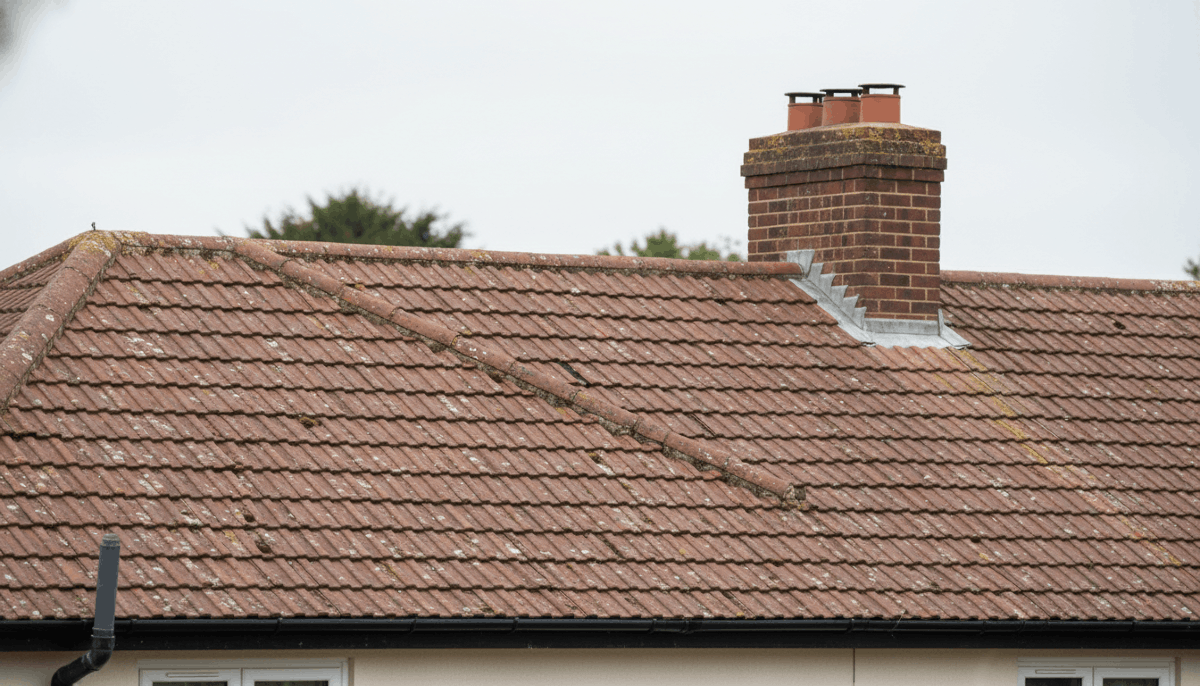
When a Roof Repair Is Enough vs When You Need a Full Replacement (UK Guide)
One of the most common questions UK homeowners ask is whether their roof needs a simple repair or a full replacement. Making the wrong decision can be costly in both directions. Repairing a roof that has reached the end of its lifespan often leads to repeated failures, while replacing a roof unnecessarily wastes money.
The difference between roof repair and replacement is not always obvious from the ground. Understanding the warning signs, structural condition, and long-term cost implications allows homeowners to choose the correct solution with confidence and avoid escalating problems.
Roof repair vs replacement: The core difference homeowners must understand
Roof repair vs replacement decisions come down to extent and cause of damage, not just visible symptoms. Repairs address localised problems where the underlying structure and materials remain sound. Replacement is required when the roofing system itself is failing.
A roof can look damaged but still be structurally healthy, making repair effective. Conversely, a roof can appear acceptable while hiding widespread deterioration beneath the surface. This is why surface appearance alone is a poor decision factor.
Professional assessment focuses on roof age, material condition, moisture penetration, and structural integrity rather than isolated defects.
Cost of roof repairs: When repairs make financial sense
The cost of roof repairs is justified when damage is limited and the rest of the roof is performing as intended. Replacing a few cracked tiles, repairing flashing, or fixing isolated leaks can extend roof lifespan by many years.
Repairs are usually appropriate when:
Damage is confined to a small area
Roof materials are within their expected lifespan
Underlay and battens remain intact
Structural timbers show no rot or deflection
In these cases, professional roof repair services restore roof performance without unnecessary disruption.
Roof replacement UK: When repairs become false economy
Roof replacement UK homeowners need is often delayed too long due to fear of cost. However, repeatedly repairing a failing roof almost always costs more over time than replacing it once.
Replacement becomes the correct option when:
Leaks recur in different areas
Repairs fail within short periods
Roof materials are at or beyond lifespan
Structural elements show decay or movement
In these cases, repairs only mask symptoms. Underlying failures continue to worsen, leading to internal damage and higher eventual costs.
Roof repair vs replacement: Age as a decision factor
Roof repair vs replacement decisions are heavily influenced by roof age. Most UK tiled roofs last between 40 and 70 years depending on materials and maintenance. Flat roofs generally have shorter lifespans.
If a roof is nearing the end of its expected lifespan, repairs often deliver diminishing returns. Spending on repairs for an aging roof may delay replacement briefly but rarely offers long-term value.
Roof age combined with condition is one of the strongest indicators used during professional inspections.
Cost of roof repairs: Hidden costs homeowners overlook
The cost of roof repairs is not limited to the repair itself. Hidden costs often arise from water damage caused by recurring leaks, including damaged insulation, ceilings, plasterwork, and electrics.
Moisture trapped beneath the roof covering accelerates timber rot and mould growth. These secondary repairs often exceed the cost of the original roof repair and are commonly discovered too late.
Early warning signs of escalating issues are detailed in 10 signs your roof needs immediate repair, which helps homeowners avoid repeated repair cycles.
Roof replacement UK: Structural warning signs that demand action
Roof replacement UK projects are unavoidable when structural issues develop. Structural problems indicate that the roof can no longer safely support its load.
Signs that replacement is likely required include:
Sagging ridge lines or roof slopes
Rotten rafters or battens
Widespread underlay failure
Persistent damp in loft spaces
Structural deterioration compromises safety and cannot be resolved with surface-level repairs.
Roof repair vs replacement: Storm damage considerations
Roof repair vs replacement decisions after storms depend on whether damage exposed existing weaknesses or created isolated defects. Storms often reveal problems that have been developing for years.
If storm damage is limited to displaced tiles or flashing on an otherwise healthy roof, repairs are usually sufficient. However, if storms cause repeated failures or expose widespread deterioration, replacement may be necessary.
Post-storm assessment guidance in how to spot roof damage after a storm in the UK explains how to distinguish repairable damage from systemic failure.
Cost of roof repairs: Flat roofs versus pitched roofs
The cost of roof repairs differs significantly between flat and pitched roofs. Flat roofs are more sensitive to drainage and membrane integrity, meaning small defects often escalate quickly.
Repeated blistering, cracking, or water pooling on flat roofs often signals membrane failure rather than isolated damage. In these cases, ongoing repairs usually indicate replacement is approaching.
Professionally designed flat roof solutions address drainage, insulation, and waterproofing together, reducing repeat failures.
Roof replacement UK: When upgrading delivers long-term value
Roof replacement UK homeowners choose is not always driven by failure alone. Replacement can also be strategic when upgrading materials, insulation, or ventilation.
Replacing an outdated roof can:
Increase property value
Reduce maintenance needs
When multiple systems are outdated, replacement often provides better long-term value than piecemeal repairs.
Roof repair vs replacement: Professional inspections make the difference
Roof repair vs replacement decisions should never be made without proper inspection. Many critical issues are invisible from ground level and require trained assessment.
Professional roof inspections evaluate structure, materials, moisture levels, and load distribution. This allows homeowners to make informed decisions based on evidence rather than guesswork.
Inspections often reveal whether repair will provide longevity or simply delay inevitable replacement.
Roof replacement UK: When restoration is a middle ground
Roof replacement UK decisions are not always binary. In some cases, roof restoration provides a middle ground between repair and full replacement.
Restoration addresses widespread deterioration while preserving usable structural elements. It is often suitable when materials are failing but the main structure remains sound.
Homeowners facing borderline decisions may benefit from roof restoration services as a cost-effective alternative.
Roof repair vs replacement: Final expert guidance
Roof repair vs replacement decisions should be based on long-term performance, not short-term savings. Repairs are effective when damage is limited and the roof system remains healthy. Replacement is necessary when materials or structure are failing.
Ignoring the distinction often leads to repeated repairs, escalating costs, and avoidable damage. Early professional assessment ensures the right solution is chosen at the right time, protecting both the property and the budget.
Frequently Asked Questions
How do I know if my roof needs repair or replacement?
A professional inspection assessing structure, age, and moisture is essential.
Is repairing an old roof worth it?
Usually not, as repeated repairs become a false economy.
What is the average cost of roof repairs in the UK?
Costs vary widely depending on damage extent and roof type.
Can storm damage mean full replacement?
Yes, if storms expose widespread or structural failure.
Is roof replacement always more expensive long term?
No, it often saves money compared to repeated repairs.