
BLOG
home Roof Inspection Checklist for UK Homeowners
Roof Inspection Checklist for UK Homeowners
Having a clear roof inspection checklist for UK homeowners is essential for protecting your property from avoidable damage and rising repair costs. UK roofs are exposed year-round to persistent rainfall, strong winds, frost, and sudden temperature changes. Over time, these conditions weaken roofing materials and fixings, often without obvious warning signs.
Many serious roofing issues begin as small defects that go unnoticed until water ingress, damp patches, or insulation damage appear inside the home. Regular inspections allow homeowners to identify early problems, plan maintenance properly, and extend the overall lifespan of their roof. Whether you own a Victorian terrace, a suburban semi, or a modern new build, understanding what to inspect puts you in control of your home’s long-term condition.
Why Roof Inspections Are Essential in the UK
The UK climate places constant pressure on roofing systems. Wind-driven rain can penetrate small gaps, while freeze–thaw cycles during winter cause cracks to widen and materials to loosen. Over time, this leads to issues commonly covered in guides about common roofing problems.
Regular roof inspections help homeowners spot defects early, before they develop into serious structural problems. Early detection reduces the risk of internal damp, mould growth, and insulation damage. Homes that are inspected routinely are far less likely to require urgent roof repair, especially after storms or prolonged bad weather.
Inspections also play an important role in maintaining property value, as a well-kept roof is one of the first things surveyors assess.
How Often Should UK Homeowners Inspect Their Roof?
As a general rule, homeowners should inspect their roof twice a year, ideally in spring and autumn. These checks help identify damage caused by winter weather and prepare the roof for harsher conditions ahead. Additional inspections should always be carried out after storms or periods of high winds.
Older roofs, flat roofs, and homes in exposed locations may need more frequent checks. Many professionals recommend combining homeowner inspections with periodic professional assessments, as explained in guidance on roof inspections UK homes.
External Roof Inspection Checklist
Roof Tiles and Slates
Begin your inspection by visually checking the roof from ground level. Homeowners should never climb onto the roof without proper safety equipment.
Look for cracked, chipped, missing, or slipped tiles. Uneven roof lines can indicate problems with battens or fixings, while patch repairs or mismatched tiles may suggest previous damage. Understanding expected material performance is helpful, and guidance on how long tile roofs last explains when deterioration is age-related versus damage-related.
Ridge Tiles and Hip Tiles
Ridge tiles run along the highest point of the roof and are especially vulnerable to wind exposure. During inspections, check whether ridge tiles appear loose or uneven and whether the mortar bedding is cracked or missing.
Failing ridge tiles are a frequent cause of leaks and are commonly referenced when homeowners search for signs that their roof needs repair.
Lead Flashing and Roof Junctions
Lead flashing protects vulnerable junctions around chimneys, valleys, and roof intersections. When flashing fails, water ingress is almost inevitable.
Inspect flashing for visible cracks, lifting sections, or poor fixing. Older properties are particularly prone to lead fatigue, and understanding correct care outlined in lead roof maintenance can help prevent long-term issues.
Chimneys and Roof Penetrations
Chimneys often deteriorate faster than the surrounding roof covering. Check mortar joints for crumbling, look for leaning stacks, and inspect the flashing around the chimney base.
Problems in these areas are frequently identified during a professional roof inspection and should be addressed promptly to prevent internal water damage.
Gutters, Fascias, and Soffits
A proper roof inspection should always include the roofline. Blocked or damaged gutters can cause water to overflow and soak into roof timbers and masonry.
Check that gutters are secure and free from debris. Fascias and soffits should show no signs of rot, staining, or peeling paint. Poor drainage is a major contributor to damp issues and is often highlighted in seasonal roof maintenance advice.
Flat Roof Inspection Checklist
Flat roofs require closer attention due to limited drainage. During inspections, look for standing water that does not drain after rainfall, as this accelerates surface deterioration. Cracks, blistering, or split seams are clear warning signs.
Moss or algae growth can indicate persistent moisture. Understanding construction methods and risks discussed in articles about flat roof benefits helps homeowners identify early signs of failure.
Internal Roof Inspection Checklist
Loft and Attic Inspection
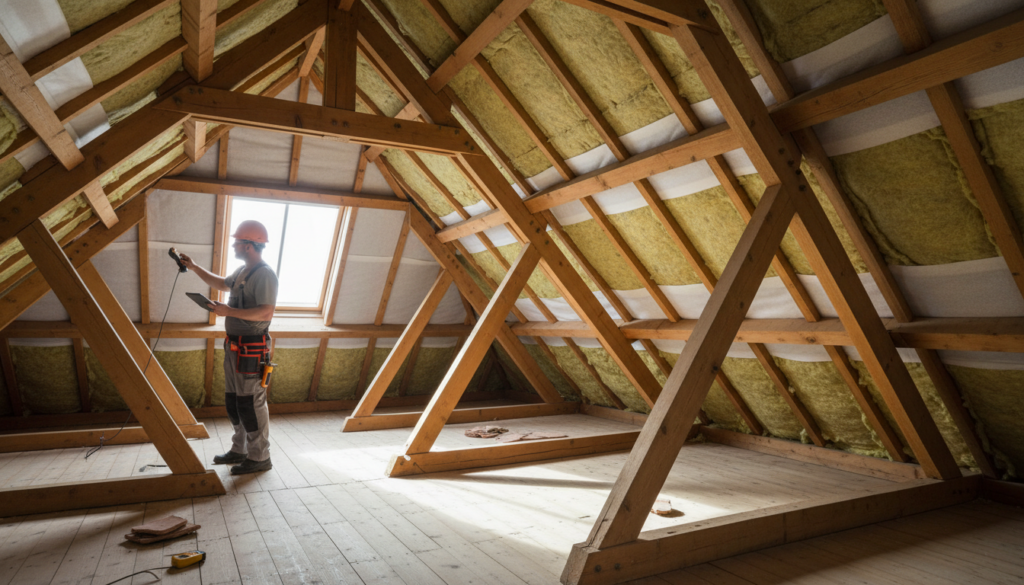
The loft often reveals roofing problems that are not visible externally. Check timbers for water staining and insulation for damp or compression. Daylight visible through the roof covering indicates missing tiles or gaps.
Musty smells or mould growth suggest ongoing moisture issues. These warning signs are commonly referenced in professional roof inspection checklist guidance.
Insulation and Structural Timbers
Wet insulation reduces energy efficiency and can lead to higher heating bills. Addressing leaks early supports a longer roof lifespan.
Structural timbers should be inspected for rot, warping, or signs of woodworm. Deterioration here may indicate the need for more extensive solutions such as roof restoration.
Practical Advice for Homeowners
Homeowners should never ignore water marks on ceilings, dripping during rainfall, unexplained increases in heating bills, or persistent damp smells. These issues frequently appear in advice about signs your roof needs immediate repair.
A common mistake is assuming small defects can wait. Others attempt unsafe DIY inspections. While basic visual checks are useful, understanding limits discussed in DIY roof maintenance guidance is essential.
Routine inspections also help with financial planning. Minor repairs identified early are far cheaper than major work, and budgeting is easier with insight into roofing costs UK.
When to Call a Professional Roofer
Professional help should be sought if the roof is steep, access is difficult, damage appears widespread, or structural issues are suspected. Professional roofers can inspect safely and identify issues that may not be obvious to homeowners.
If inspections reveal extensive ageing or deterioration, longer-term options such as roof replacement UK may need to be considered.
Conclusion
Following a structured roof inspection checklist for UK homeowners is one of the most effective ways to protect your property. Regular inspections help detect problems early, extend roof lifespan, and avoid unnecessary expense.
By combining routine homeowner checks with professional assessments when required, you can ensure your roof remains weatherproof, energy-efficient, and reliable in the UK’s demanding climate.