
BLOG
Exploring the Benefits of Flat Roofs in Modern Architecture
Modern architecture is all about clean lines, minimalist design, and practical solutions—and few roofing styles reflect these ideals better than the flat roof. Once associated mainly with commercial and industrial buildings, flat roofs are now a growing trend in contemporary residential homes across the UK. From London townhouses to rural new builds, architects and homeowners are discovering that flat roofs offer a range of practical and aesthetic advantages.
In this post, we’ll explore why flat roofs have surged in popularity, the specific benefits they bring to modern architecture, and what UK homeowners should consider before choosing this type of roof.
What Is a Flat Roof?
Contrary to what the name suggests, flat roofs are not completely flat. They are designed with a slight pitch—typically around 1 to 10 degrees—to allow rainwater to drain away effectively. Flat roofs typically consist of several layers of waterproofing materials, insulation, and sometimes a green or gravel top layer.
They’re often used in modern architecture to maintain geometric design aesthetics and provide additional usable space.
Aesthetic Appeal: Clean Lines and Minimalist Design
One of the most obvious benefits of a flat roof is its visual impact. Flat roofs are a staple of contemporary architecture thanks to their streamlined, minimalist look. They create a bold silhouette and allow for uninterrupted horizontal lines that contrast beautifully with natural surroundings or modern urban backdrops.
In addition, flat roofs blend seamlessly with large windows, boxy extensions, and glass balconies—making them a go-to design feature for architects working on modern projects.
More Usable Space
A major functional advantage of flat roofs is the additional usable space they provide. Unlike pitched roofs, which create awkwardly shaped lofts or attics, flat roofs open up opportunities for:
Rooftop gardens or terraces – Perfect for urban homes with limited garden space.
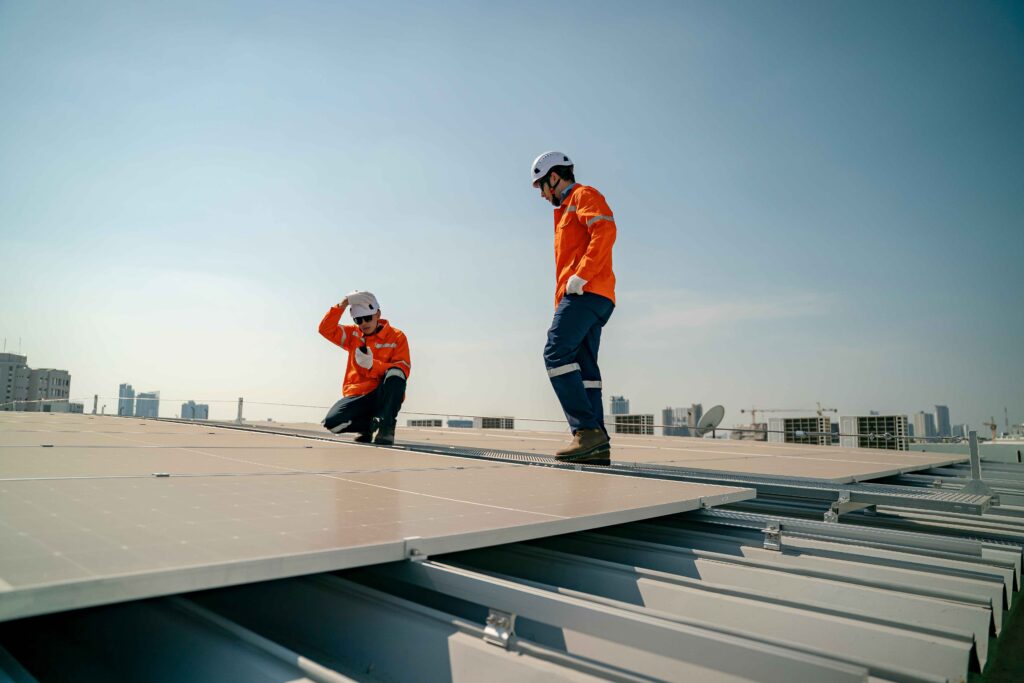
Solar panel installations – Easier to install and maintain, and can be angled for maximum sun exposure.
Air conditioning units or satellite dishes – Frees up yard space while keeping functional units out of view.
Loft conversions – A flat roof over a converted area can simplify ceiling construction and make the most of internal space.
In urban areas, where square footage is at a premium, the ability to use your roof as an extra living or functional area is incredibly valuable.
Cost-Effective Construction
From a practical standpoint, flat roofs are often cheaper and faster to build than pitched alternatives. This is due to:
Fewer materials – No need for trusses or rafters typically used in pitched roofs.
Simplified construction – A flat structure is easier and quicker for builders to install.
Lower labour costs – Less time on site and simpler scaffolding needs can reduce total project costs.
For homeowners on a budget or those looking to build an extension, a flat roof can be an excellent way to achieve a sleek look without breaking the bank.
Easier Maintenance and Access
Unlike steeply pitched roofs, flat roofs are generally easier and safer to access, which makes ongoing maintenance far less of a hassle. This accessibility makes it simpler to:
Clean gutters and outlets
Inspect for leaks or damage
Carry out repairs
Maintain rooftop installations (e.g. solar panels, skylights)
Although flat roofs may require more frequent inspections due to the risk of water pooling, the ease of access often offsets this.
Eco-Friendly Potential
As sustainable architecture becomes more important, flat roofs are being recognised for their green potential:
Green roofs – You can install a “living roof” with soil, vegetation, and drainage systems that reduce urban heat, improve insulation, and support biodiversity.
Rainwater harvesting – Flat roofs make it easier to channel rainwater into collection tanks for reuse in the home or garden.
Energy efficiency – With proper insulation, flat roofs can help reduce heating costs and carbon footprint.
These environmentally friendly options are increasingly attractive to homeowners looking to future-proof their property and reduce energy bills.
Ideal for Extensions and Modern Additions
If you’re adding an extension to a traditional home, a flat roof can help create a clear distinction between old and new. This contrast enhances the character of the property while introducing modern living spaces. Architects often use flat roofs to design:
Kitchen or lounge extensions
Garden rooms and studios
Garage conversions
Balconies and sun terraces above flat-roofed structures
This versatility makes flat roofs a go-to choice for homeowners updating older properties with a modern twist.
Considerations and Challenges
While flat roofs offer many advantages, they’re not without their considerations:
Drainage: Without a steep pitch, water drainage must be carefully managed with outlets and waterproofing membranes to avoid ponding or leaks.
Insulation: Flat roofs need to be well-insulated (typically with warm roof construction) to meet UK Building Regulations and avoid condensation issues.
Lifespan: Traditional felt roofs may require replacement after 15–20 years, although modern materials like EPDM rubber and GRP fibreglass can last 30+ years with proper care.
Planning permission: In some areas, especially conservation zones, flat roofs may require planning permission or may be restricted in visible areas.
Always consult a professional roofer or architect when designing a flat roof to ensure it’s correctly specified for your property and location.
Conclusion: Flat Roofs Are More Than Just a Trend
Flat roofs are a stylish, practical, and increasingly sustainable option for modern architecture. Whether you’re designing a new build, planning an extension, or converting a loft, a flat roof can offer better space usage, a striking aesthetic, and long-term value.
With professional installation and proper maintenance, a flat roof can be a durable, cost-effective choice that complements the needs of modern UK homeowners.