
How to Maintain a Slate Roof in the UK: Essential Care Guide
admin2026-09-10T06:09:22+00:00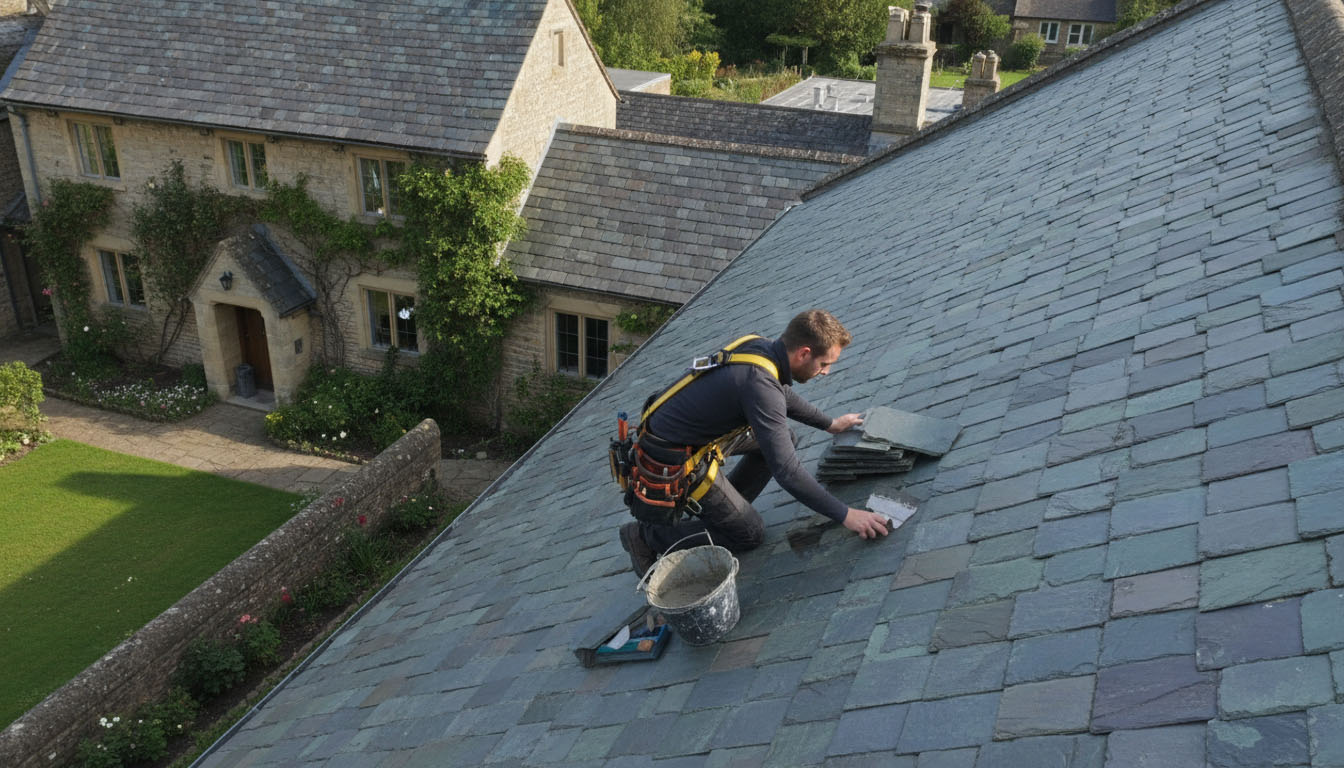
How to Maintain a Slate Roof in the UK: Essential Care Guide
Slate roofs are known for exceptional longevity, yet even the most durable materials require proper maintenance to reach their full lifespan. Many UK homeowners assume slate is maintenance-free, only addressing issues once tiles begin slipping or leaks appear. By that stage, small problems can escalate into costly repairs.
The UK climate exposes roofs to frequent rainfall, frost cycles, moss growth, and wind uplift pressure. Without routine inspection and preventative care, even premium slate can underperform. This guide explains how to maintain slate roofing properly and protect long-term structural integrity.
Slate Roof Maintenance UK Homeowners Should Prioritise
Slate roof maintenance UK properties require is preventative rather than reactive. Slate itself is highly durable, but fixings, battens, and flashing are more vulnerable to deterioration over time.
Essential maintenance priorities include:
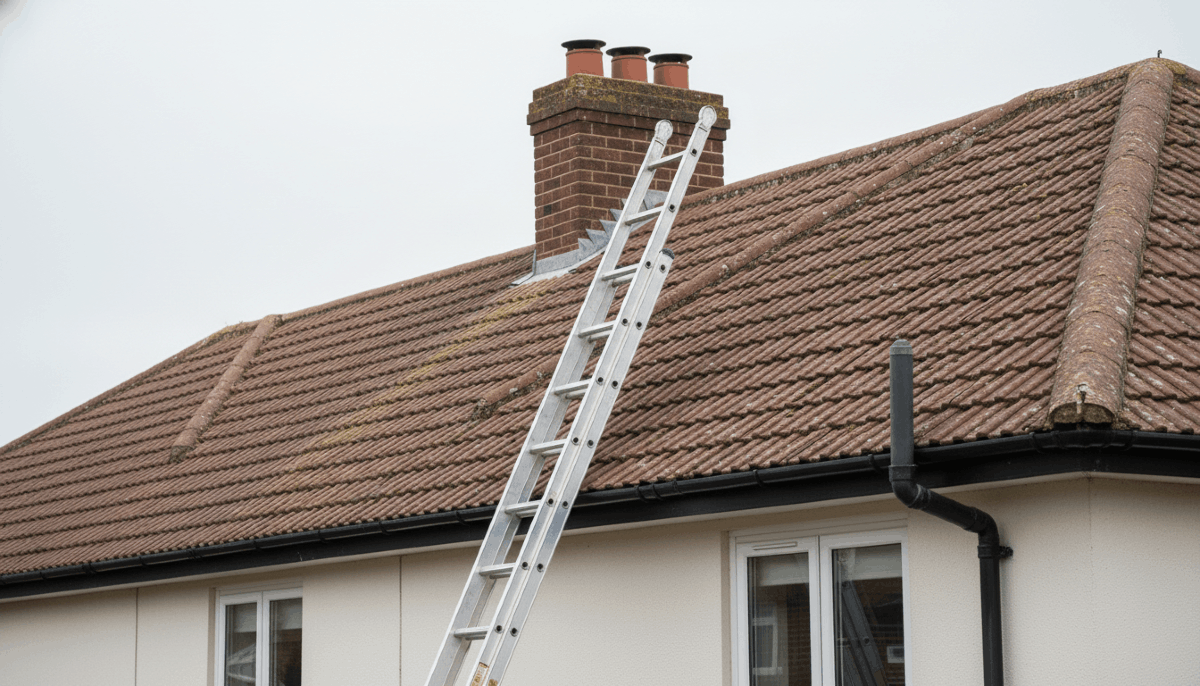
Annual visual inspections from ground level
Checking for slipped or cracked slates
Monitoring ridge and hip integrity
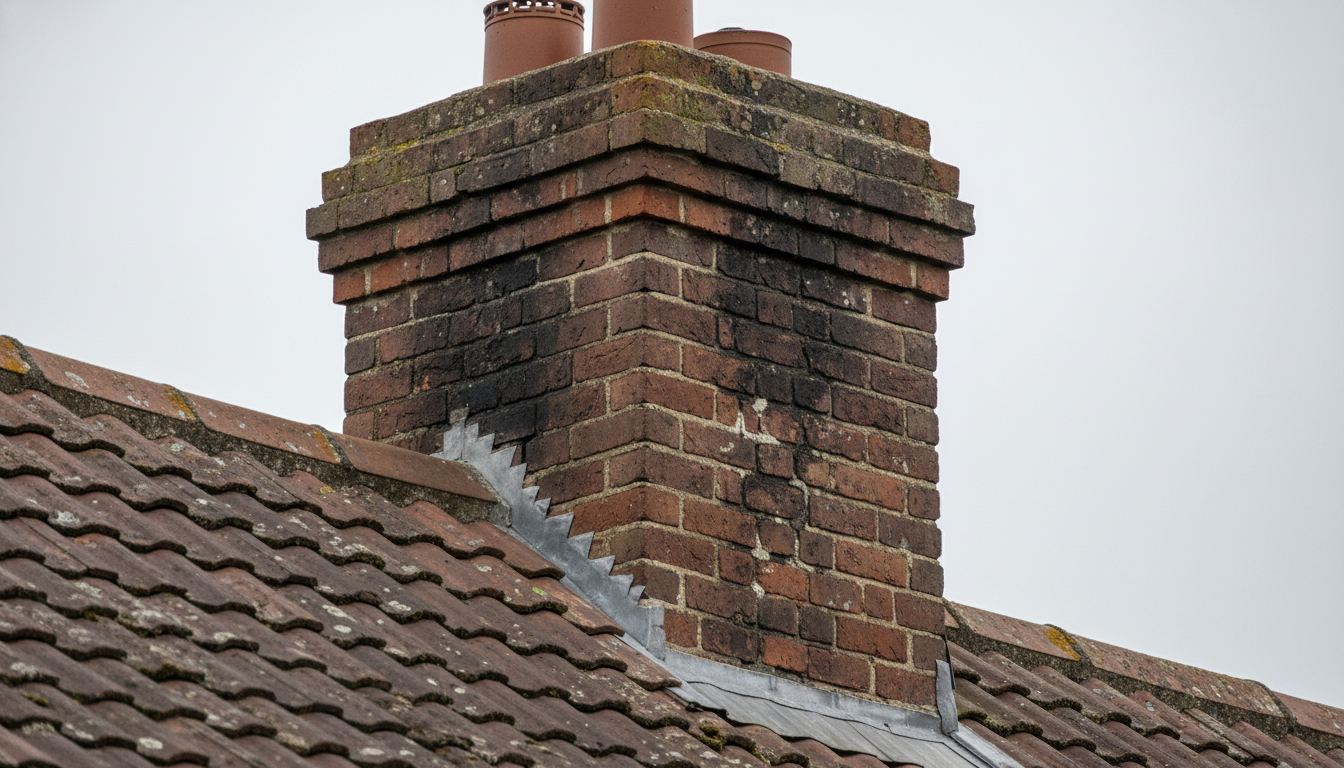
Inspecting lead flashing around chimneys
Ensuring gutters remain clear and functional
Ignoring small issues such as minor slippage can allow water ingress beneath the slate layer. Professional slate roofing inspections identify early warning signs before widespread damage develops.
How to Maintain Slate Roofing UK Climate Conditions Demand
Understanding how to maintain slate roofing UK weather conditions require involves addressing moisture and wind exposure proactively. Constant rainfall and freeze-thaw cycles place pressure on fixings and timber supports.
Key climate-focused maintenance steps include:
Replacing corroded or fatigued nails
Confirming adequate ventilation in roof voids
Checking underlay condition during any repair
Slate rarely deteriorates due to stone failure alone. In many older roofs, nail fatigue or batten decay causes slates to slip.
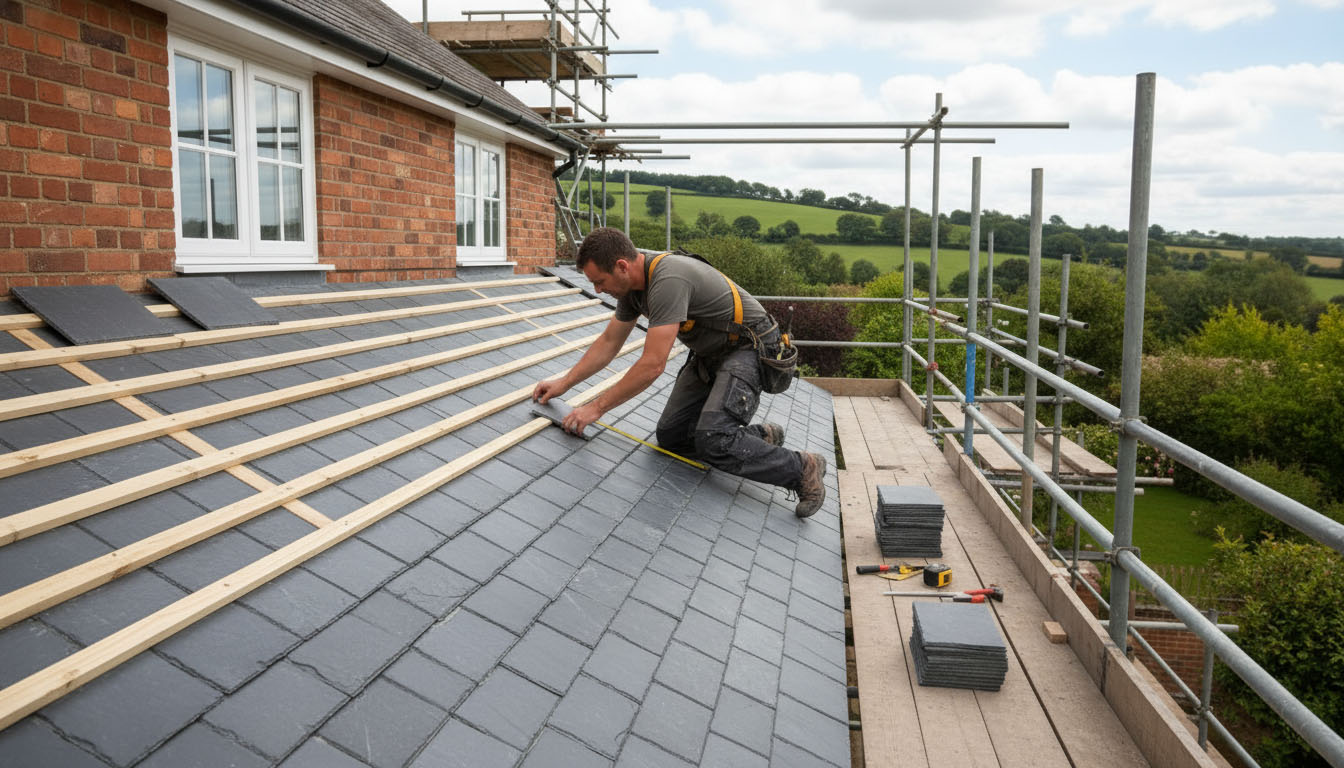
Where structural assessment or reinforcement is required, professional pitched roof installation expertise ensures compliance and long-term safety.
Slate Roof Care and Inspection UK Best Practices
Slate roof care and inspection UK homeowners schedule should follow a consistent routine rather than waiting for visible leaks. Early detection significantly reduces repair costs.
A recommended inspection checklist includes:
Looking for uneven slate lines indicating slippage
Checking for cracked or delaminating tiles
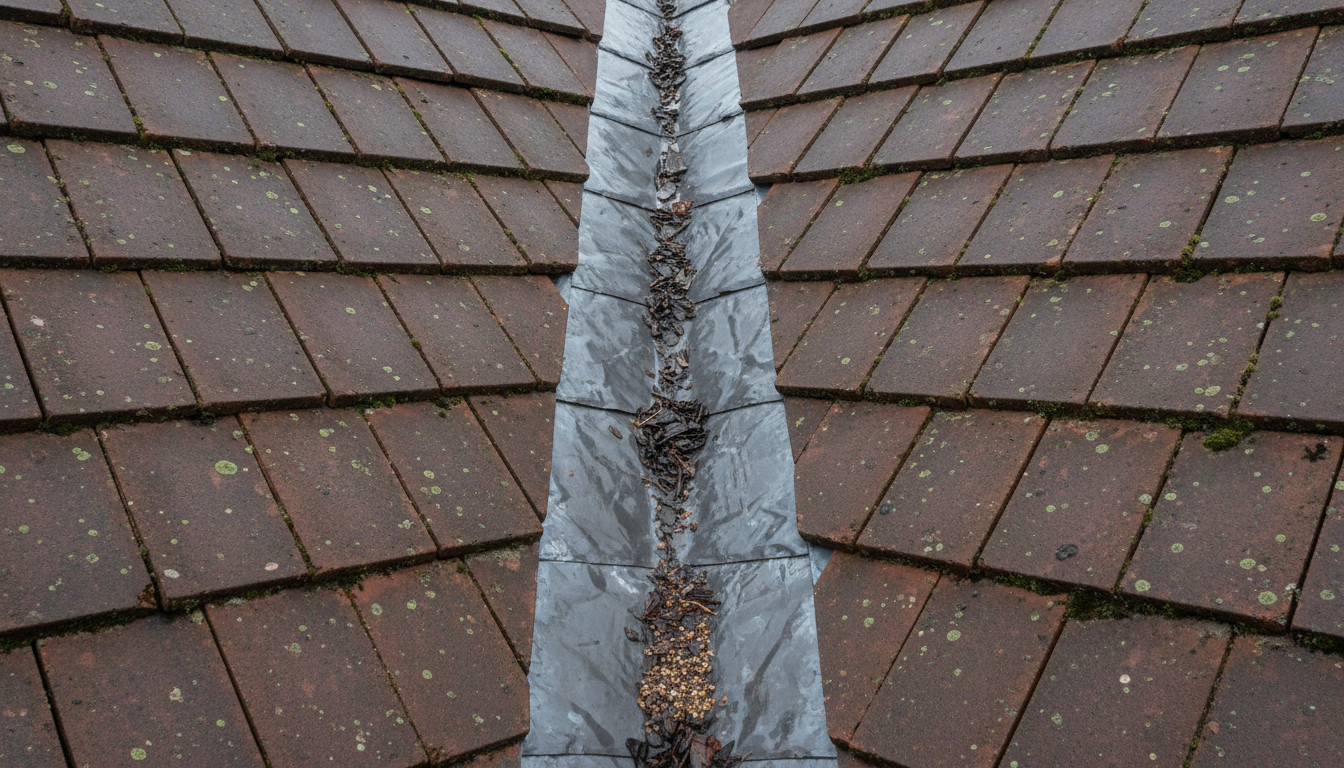
Examining flashing and valley details
Inspecting ridge systems for mortar deterioration
If multiple slates appear loose or misaligned, professional assessment is essential. Attempting DIY repairs without proper safety and knowledge can cause further damage.
Routine professional slate roofing inspections provide detailed evaluation of fixings, battens, and structural condition.
Moss, Debris, and Surface Cleaning Considerations
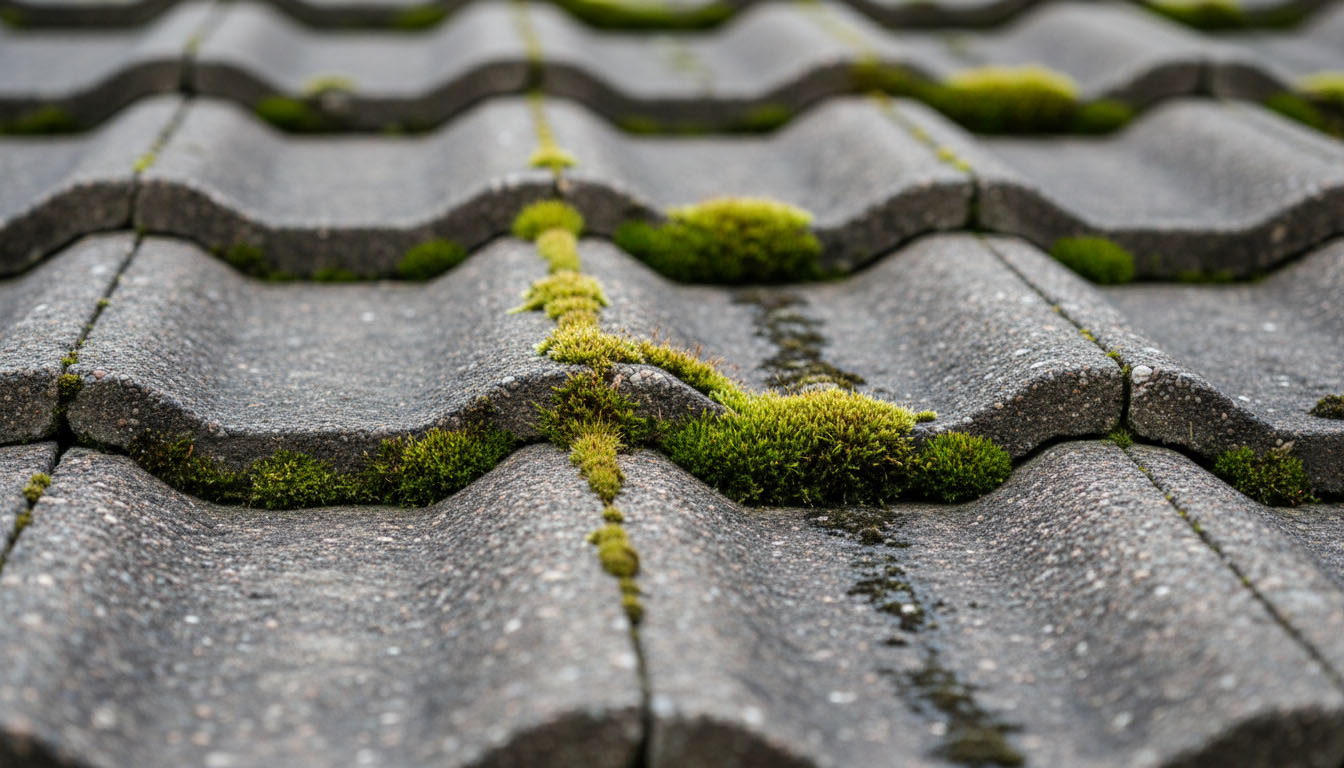
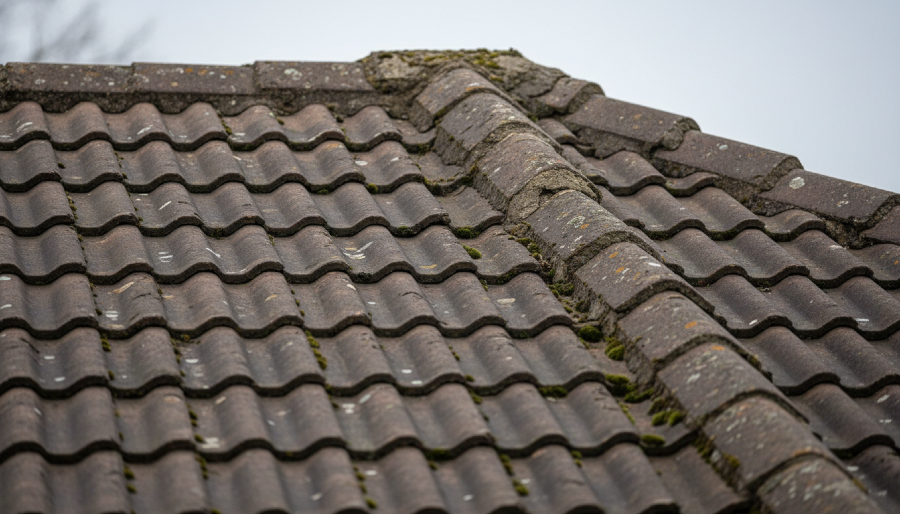
Moss and debris accumulation is common in the UK due to damp conditions. While slate itself is resistant to water absorption, moss can trap moisture and increase surface stress.
Safe care practices include:
Gentle debris removal
Avoiding high-pressure washing
Preventing chemical treatments that degrade slate
Maintaining clear gutters and downpipes
Pressure washing can dislodge slates or damage fixings. Professional cleaning methods preserve the natural integrity of the stone while preventing moisture retention.
Homeowners may also review roof maintenance tips for every season to understand broader seasonal care requirements.
Repair vs Restoration: When Maintenance Is Not Enough
Not all issues require full roof replacement. Targeted repairs can extend lifespan significantly when caught early.
Situations suitable for repair include:
Isolated cracked or slipped slates
Minor flashing deterioration
Limited nail fatigue
However, widespread slippage or batten decay may require broader intervention. In these cases, roof restoration services can strengthen structural components and renew fixings without complete slate replacement.
Early intervention often reduces long-term costs dramatically.
Long-Term Maintenance Planning for Maximum Lifespan
Slate roofing can exceed 75 to 100 years when maintained correctly. Achieving this lifespan requires a proactive maintenance schedule.
Long-term care planning should include:
Scheduled inspections every 1 to 2 years
Post-storm assessments
Timely minor repairs
Monitoring of ventilation and insulation
Neglecting routine checks increases the risk of structural timber decay beneath the slate layer.
Professional slate roofing maintenance ensures small issues are addressed before compromising roof performance.
Frequently Asked Questions
How often should a slate roof be inspected in the UK
A slate roof should be visually inspected annually and professionally assessed every one to two years.
Can moss damage slate roofing
Moss does not directly damage slate but can trap moisture and increase stress on fixings.
Is pressure washing safe for slate roofs
No, pressure washing can dislodge tiles and damage fixings.
What is the most common issue with older slate roofs
Nail fatigue and fixing corrosion are more common than slate stone failure.
Can maintenance extend slate roof lifespan
Yes, proactive inspection and timely repairs can significantly extend overall lifespan.


Comment (1)
[…] roofing requires periodic inspection to maintain value. Moss growth and cracked tiles are common maintenance issues in damp UK […]
Comments are closed.