
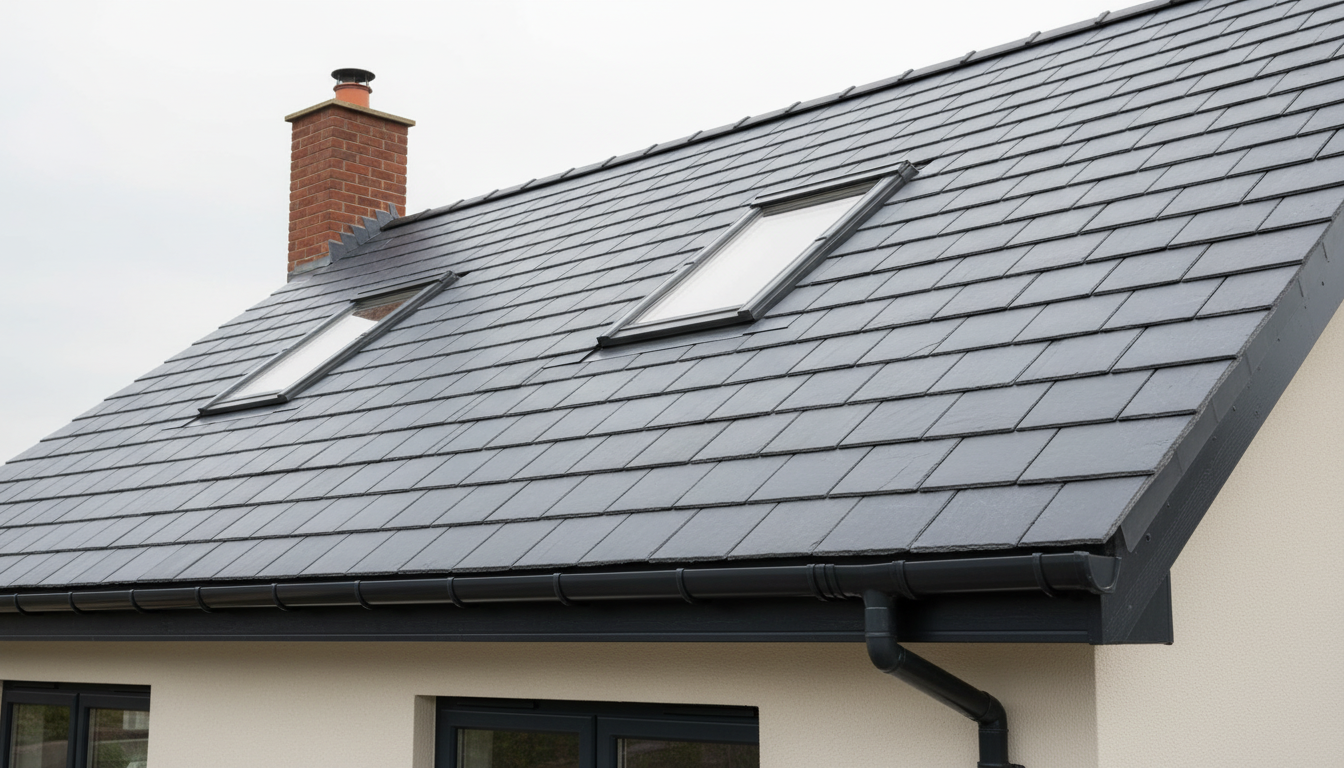
New Build Roofing Vs Older Homes: UK Guide
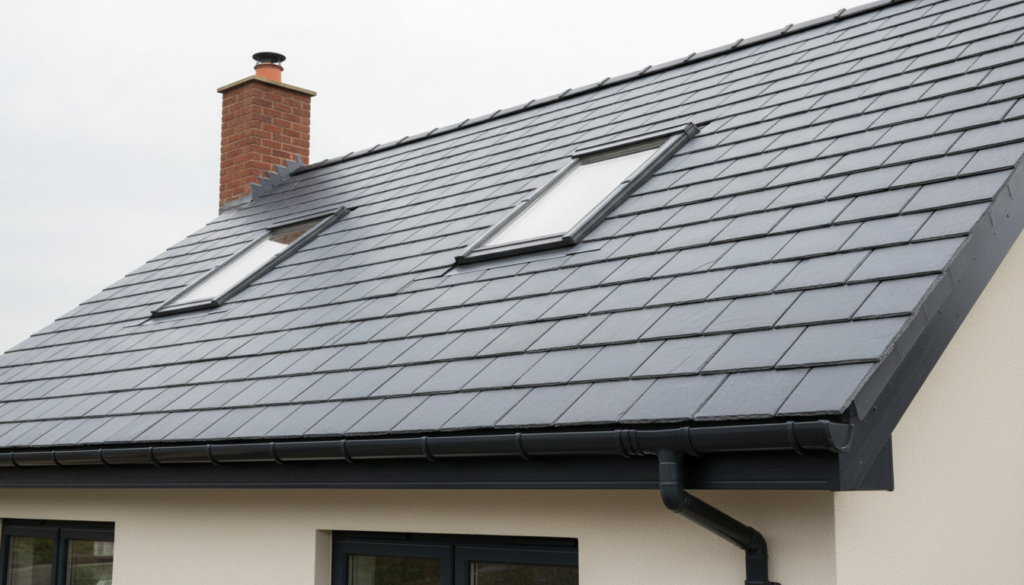
New Build Roofing Vs Older Homes is not just a comparison between “new” and “old.” It is about how roof structure, materials, ventilation, insulation, weather exposure, workmanship, and maintenance needs change between modern properties and existing homes. A new build roof may need careful installation detail, Building Regulations alignment, and material choice from day one. An older roof may need defect diagnosis, restoration, re-roofing, or sensitive repair around existing tiles, slates, chimneys, and insulation. A & A Roofing London helps homeowners across London, Essex, and the Hertfordshire borders choose practical roofing work based on the building, not assumptions.
Quick Check: If you are comparing a new roof specification with an older roof repair or restoration plan, ask A & A Roofing London to assess suitable roofing materials in the UK for the roof pitch, property age, ventilation route, and long-term maintenance needs.
New Build Roofing Vs Older Homes: Key Differences
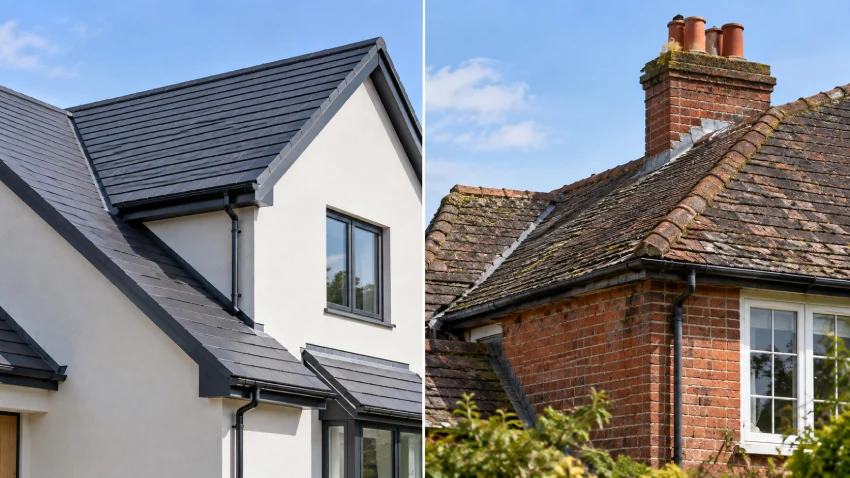
New Build Roofing Vs Older Homes starts with a simple point: new roofs are designed from a blanker specification, while older roofs must work with existing structure, previous repairs, material age, insulation levels, ventilation, and weathering.
Planning Portal states that full details are needed to demonstrate compliance for a new roof, including materials, dimensions, and performance properties. It also notes that, with pitched roofs, the chosen tile or slate is partly governed by the roof’s steepness or shallowness.
| Comparison point | New build roofing | Older home roofing | A & A Roofing London focus |
| Structure | Designed before covering is installed | Existing rafters, battens, deck, and loading must be checked | Suitability before material choice |
| Materials | Chosen for design, pitch, performance, and appearance | Must suit existing roof form and surrounding property | Tile, slate, flat roof, or restoration route |
| Insulation | Planned into the build-up from the start | Often upgraded during repair, conversion, or re-roofing | Heat loss, ventilation, and moisture control |
| Ventilation | Designed with the roof specification | May be blocked, missing, outdated, or changed by past work | Airflow and condensation risk |
| Maintenance | Starts with correct installation | Starts with condition assessment | Inspection, repair history, and roof age |
| Compliance | Built to current requirements | Work scope decides approval and upgrade needs | Building Regulations triggers |
A & A Roofing London approaches New Build Roofing Vs Older Homes by checking what the roof needs to do now. A new extension may need pitched roof installation or warm flat roof design. An older property may need tile repair, slate maintenance, leadwork, roof restoration, or replacement where the structure has reached its limit.
Tile Roofing in New and Older Properties
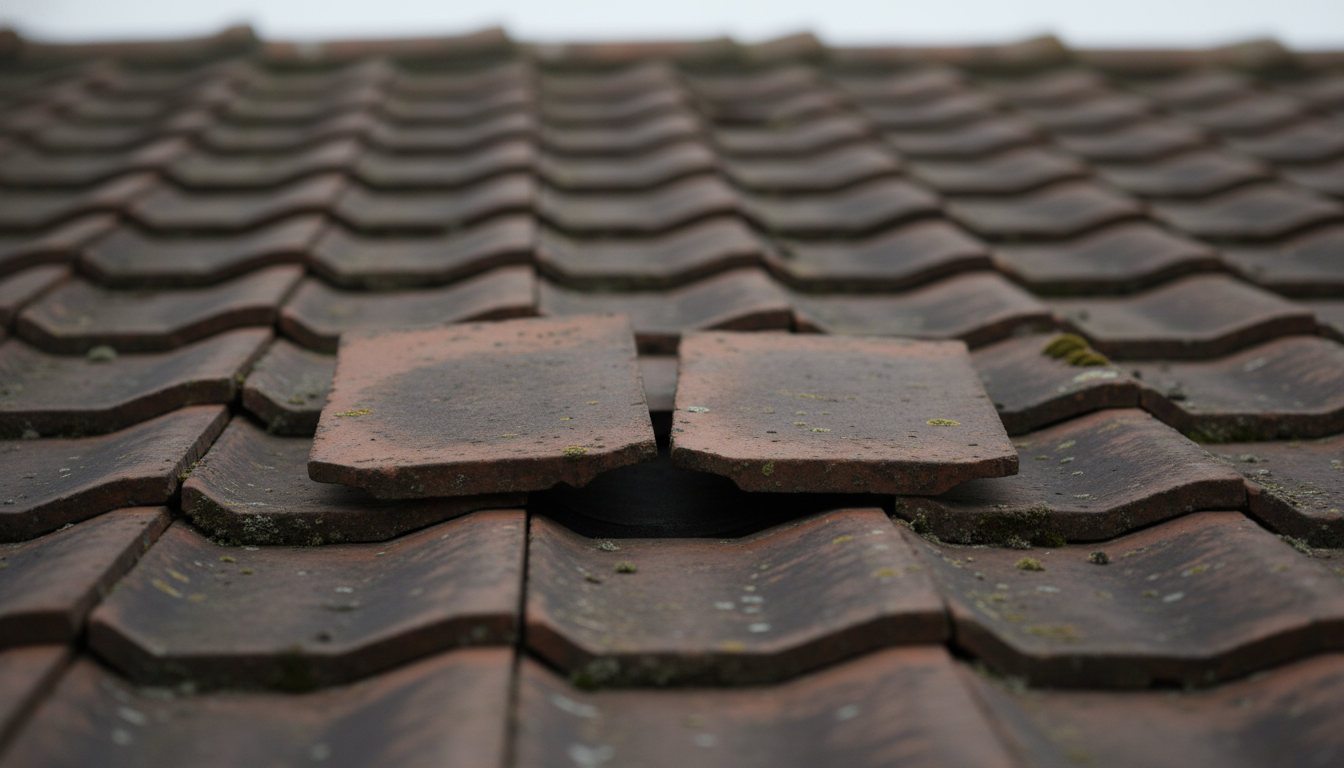
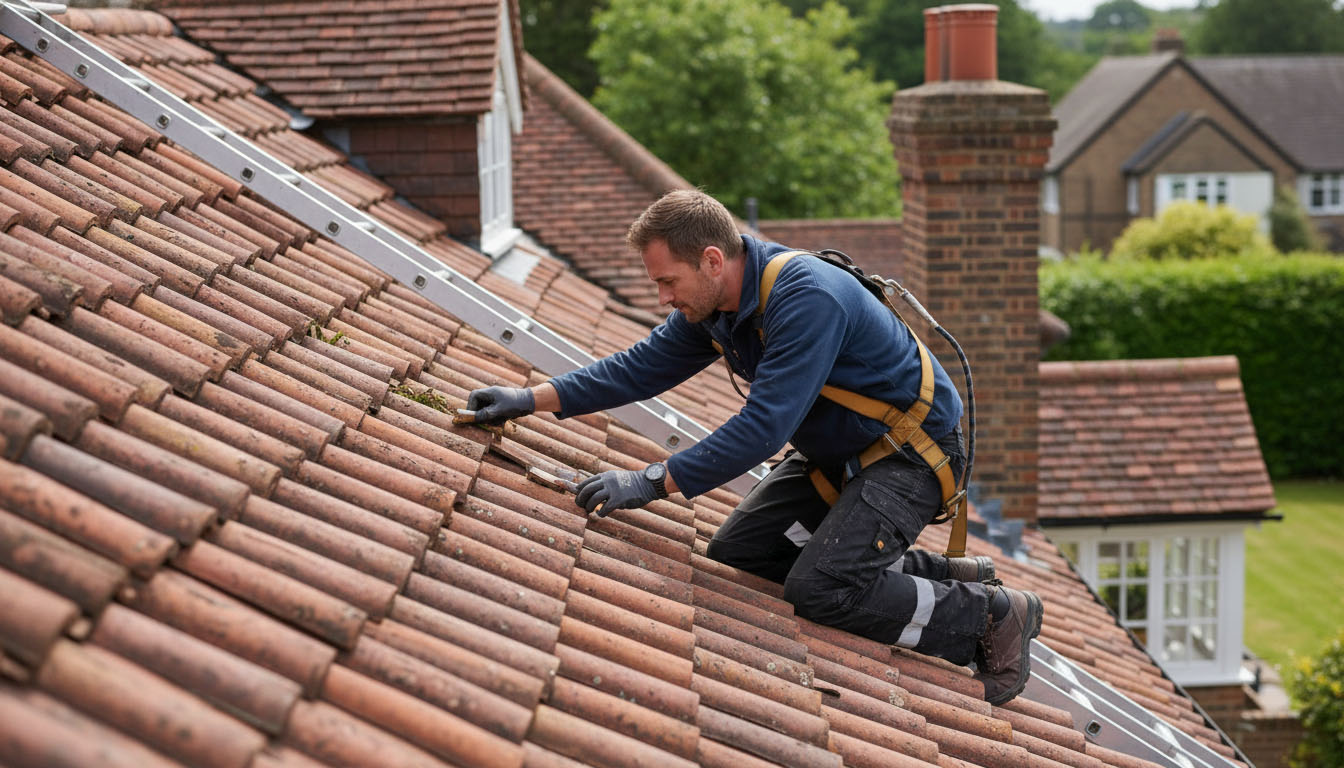
Tile roofing works differently on a new build compared with an older roof. In a new roof, tile choice should match roof pitch, structural loading, weather exposure, and the planned underlay and ventilation system. In an older home, the question is whether existing tiles, battens, underlay, and roof edges can still perform or whether repairs are only delaying wider failure.
A & A Roofing London reviews tile roofing in London by checking pitch, tile type, fixing, battens, underlay, ridges, valleys, gutters, and signs of water entry. This is important because a tile that suits one roof form may not suit another roof pitch or existing structure.
For material selection, weather-resistance material notes help explain why UK rain, wind, frost, and exposure should influence roof covering choice. Where a homeowner needs a broader material comparison, roof covering lifespan comparisons can support the discussion.
Slate Roofing for Modern and Period Homes
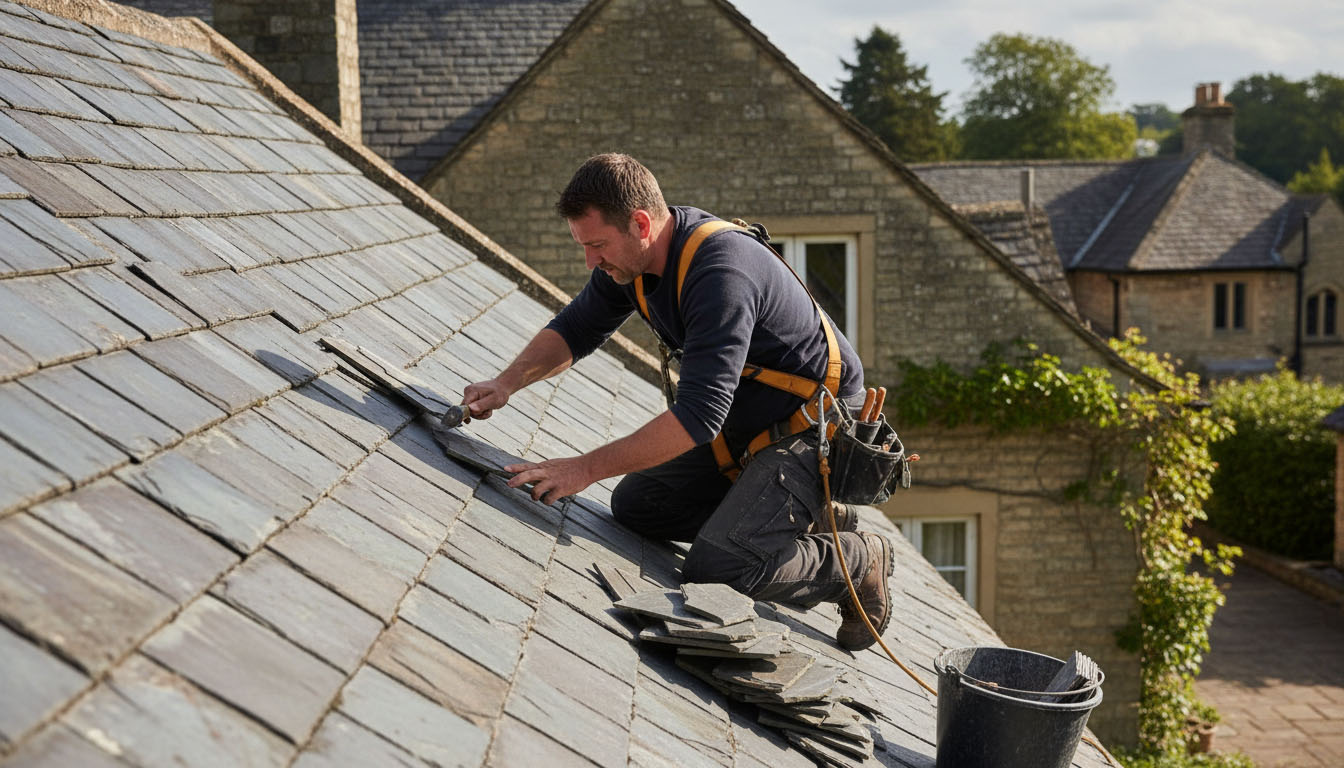
Slate roofing is often associated with older and period homes, but it can also be used in new work where the roof structure, pitch, appearance, and detailing suit it. The difference is that new slate work can be planned from the beginning, while older slate roofs need careful inspection before repair or replacement.
A & A Roofing London checks slate roofing in London by reviewing slate condition, laps, fixings, underlay, ventilation, battens, ridge details, valleys, and chimney junctions. Older slate roofs may also need sensitive decisions around matching materials and maintaining the property’s character.
For period properties, period-home slate roof features are a useful supporting topic. Where compliance and material choice matter, slate roof compliance considerations and slate roof energy behaviour help connect slate roofing with current performance expectations.
Flat Roofing and Warm Roof Design
Flat roofing shows one of the clearest differences in New Build Roofing Vs Older Homes. A new build or extension can be designed as a warm roof from the start, with insulation, vapour control, waterproofing, falls, outlets, and edge details planned together. Older flat roofs are often inspected because they are ponding, cracking, blistering, leaking, or poorly insulated.
Planning Portal explains that a warm flat roof places rigid insulation above the roof joists with a roof covering above, while a cold flat roof places insulation below the roof structure and needs ventilation. Energy Saving Trust also says flat roof insulation generally needs specialist techniques and that insulating from underneath can lead to condensation problems if not done correctly.
A & A Roofing London assesses warm roof installation in London by checking deck condition, insulation position, vapour control, drainage falls, outlets, upstands, edge trims, and waterproofing. For homeowners comparing roof forms, flat-versus-pitched roof structure basics is a useful reference.
Pitched Roof Installation and Existing Roof Limits
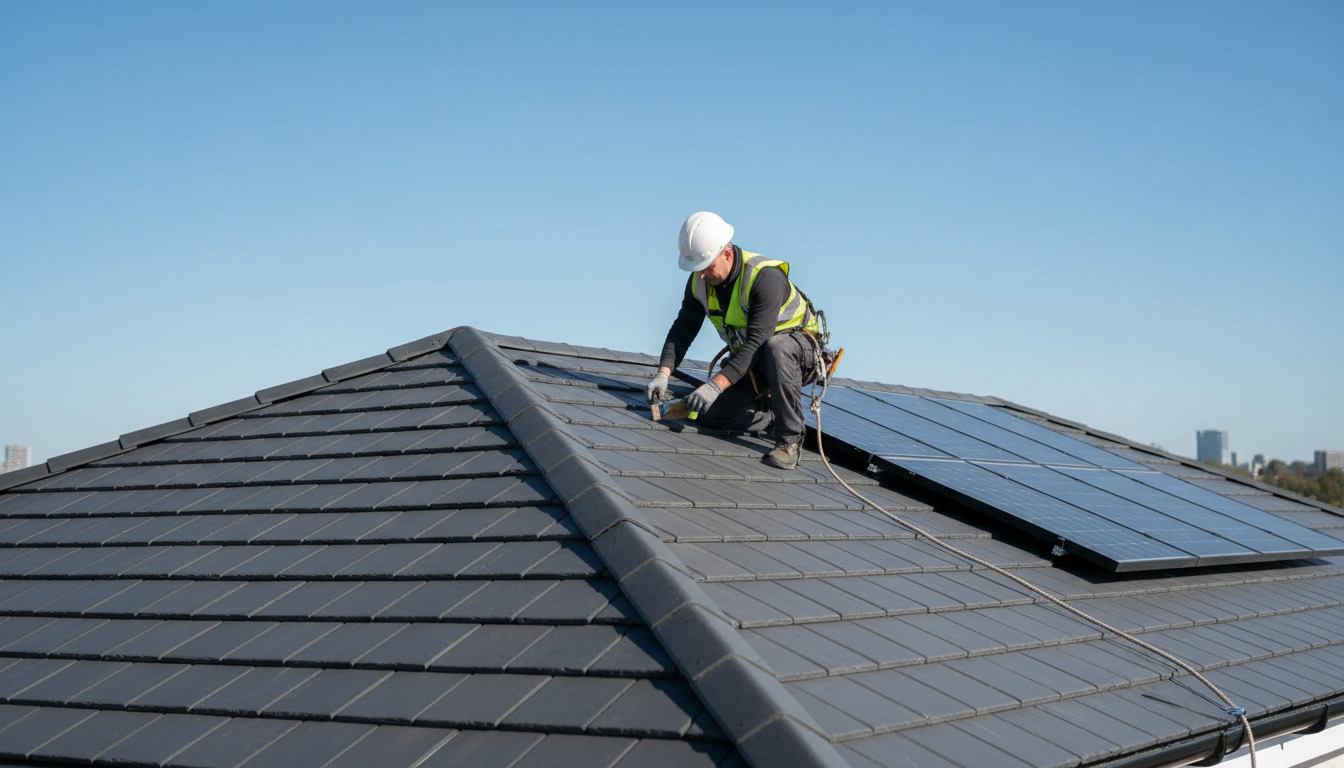
Pitched roof installation in a new build can be planned around span, roof pitch, roof covering weight, ventilation, insulation, and drainage. In an older home, the same decisions are constrained by existing rafters, roofline movement, historic alterations, previous workmanship, and hidden defects.
A & A Roofing London checks pitched roof installation in the UK by reviewing structural suitability, roof covering choice, pitch, underlay, ventilation, fixings, ridges, hips, valleys, and water run-off. This avoids treating a replacement roof as a simple material swap.
Planning Portal states that if an existing roof covering is replaced with a different material, Building Regulations approval is likely to be needed to check structural stability, fire safety, and energy efficiency. It also advises checking with a structural engineer or surveyor where the new covering is significantly heavier or lighter than the existing one.
Insulation and Ventilation Differences
New build roofs can include insulation and ventilation within the original design. Older homes often have insulation added later, sometimes without enough attention to airflow, condensation, underlay type, roof voids, or hidden damp.
Energy Saving Trust explains that loft, attic, or roof insulation reduces heat lost through the roof, helping homes stay warmer and reducing energy use. It also notes that flat roofs, damp issues, and lived-in lofts usually need professional advice.
A & A Roofing London checks insulation and ventilation alongside roof condition. For supporting detail, heat-loss roof insulation factors and condensation-control airflow requirements help explain why energy performance and moisture control must be planned together.
Roof Restoration for Older Homes
Roof restoration is mainly an older-home issue, though newer roofs can also need correction after poor workmanship or storm damage. In older homes, restoration may involve tile replacement, slate repairs, ridge work, valley cleaning, leadwork correction, gutter improvements, moss management, and inspection of underlay or battens.
A & A Roofing London provides roof restoration in the UK where the roof is still suitable for improvement rather than full replacement. The aim is to restore function, not just improve appearance.
Restoration is not always the correct route. If an older roof has failing structure, widespread leaks, badly deteriorated underlay, or repeated failed repairs, replacement may be more practical. For early planning, replacement-stage roof condition checks help homeowners understand when restoration may no longer be enough.
Roof Repairs: New Defects Vs Age-Related Wear
New build roofing can still need repair when installation details are wrong, materials are damaged, or weather exposes weak workmanship. Older homes need repair more often because materials have been through years of weather, thermal movement, moss, blocked drainage, and previous patching.
A & A Roofing London checks whether a defect is isolated or part of wider roof decline. Newer roof issues often point to detailing, workmanship, or warranty questions. Older roof issues may point to wear, hidden moisture, roofline movement, or replacement timing.
| Repair situation | More common in new roofs | More common in older roofs | What A & A Roofing London checks |
| Poor fixing | Possible if installation is weak | Possible after repeated repairs | Fixing pattern and workmanship |
| Weathered materials | Less likely early on | Common over time | Tile, slate, membrane, and leadwork condition |
| Condensation | Possible if ventilation is wrong | Common after insulation changes | Airflow, insulation, and roof voids |
| Leaks at junctions | Often detail-related | Often wear and detail-related | Flashings, valleys, chimneys, and gutters |
| Structural movement | Should be unusual | More likely in ageing roofs | Roofline, rafters, loading, and deflection |
For scope decisions, repair-versus-replacement assessment steps are useful. If the issue appears to come from poor installation, installation-quality defect patterns should be reviewed before approving another surface repair.
Re-Roofing and Building Regulations
Re-roofing older homes is different from specifying a roof for a new build because the work has to respect the existing structure while meeting current performance and compliance expectations where the scope requires it.
Planning Portal says most roof replacement work on existing buildings needs Building Regulations approval. It also states that re-covering should include improving thermal insulation because a roof is a thermal element. GOV.UK separately lists replacing roof coverings on pitched and flat roofs as work that generally requires Building Regulations approval.
A & A Roofing London checks whether an older roof can be repaired, restored, or should be re-covered with insulation, ventilation, fire safety, and structural loading considered. The key is to avoid replacing materials without checking whether the roof structure and current regulations support the specification.
Lead Work and Chimneys in Older Roofs
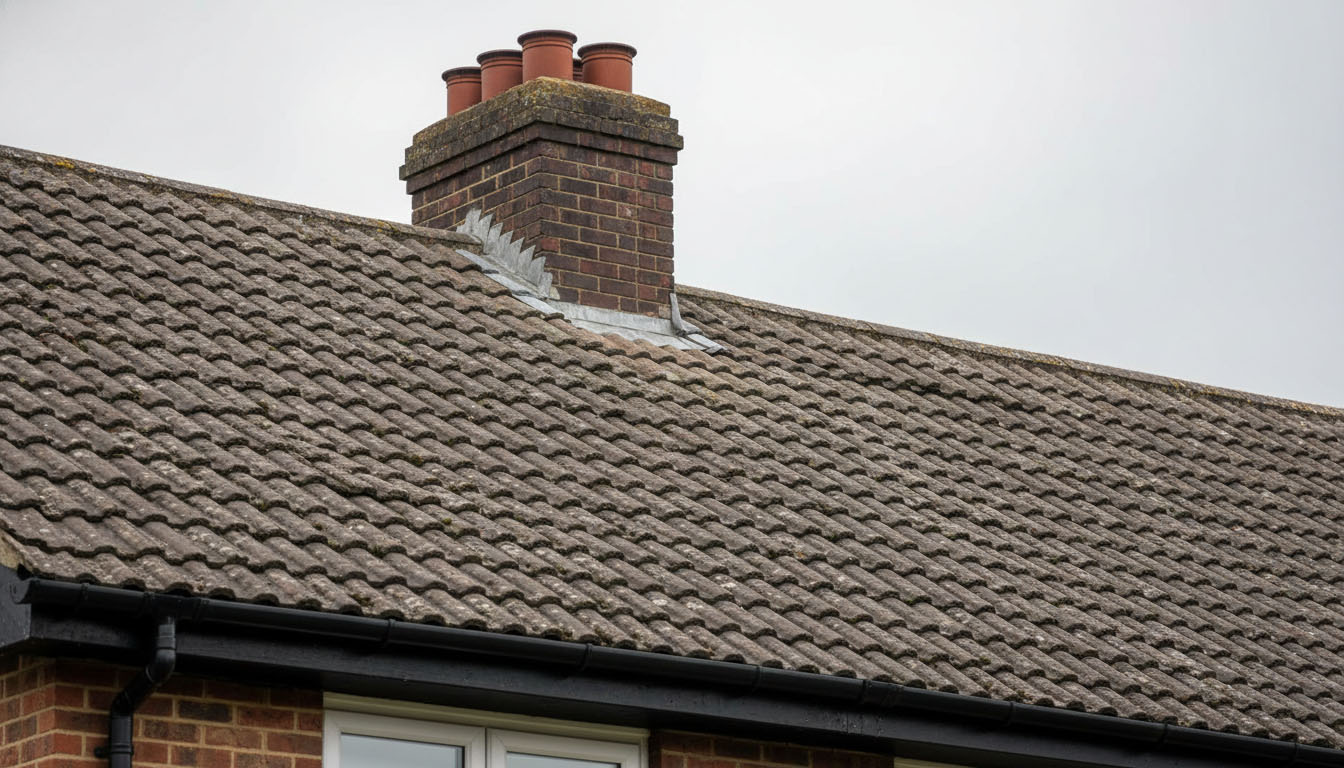
Leadwork and chimneys are more common problem areas in older homes because they involve multiple materials, weathered joints, masonry, previous repairs, and concentrated water movement. New builds may also have leadwork or alternative flashing details, but older stacks usually need more careful diagnosis.
A & A Roofing London checks lead flashing, soakers, valleys, chimney junctions, back gutters, pointing, ridge proximity, tile or slate cuts, and internal damp signs. This matters because leaks near chimneys are often blamed on the roof covering when the real issue is the junction.
For leak-prone junctions, flashing detail failure categories and leadwork detail fundamentals provide useful context. If damp appears near a stack, chimney-related leak tracing should also be considered.
Drainage, Valleys, and Roof Shape
Roof shape affects how water moves. New build roofs can be designed with planned falls, gutters, valleys, and discharge points. Older homes may have extensions, altered guttering, worn valleys, and flat roof additions that change the original water path.
A & A Roofing London checks drainage as part of the roof comparison. A roof that looks acceptable can still fail if valleys are blocked, gutters overflow, or water is being dumped onto a lower flat roof.
Planning Portal identifies gutters and rainwater pipes as part of roof drainage. That makes drainage checks relevant whether the home is new, extended, restored, or being re-roofed. Supporting references include roof drainage route analysis, valley water-channel restrictions, and roof valley leak behaviour.
Roofing Materials for Property Age
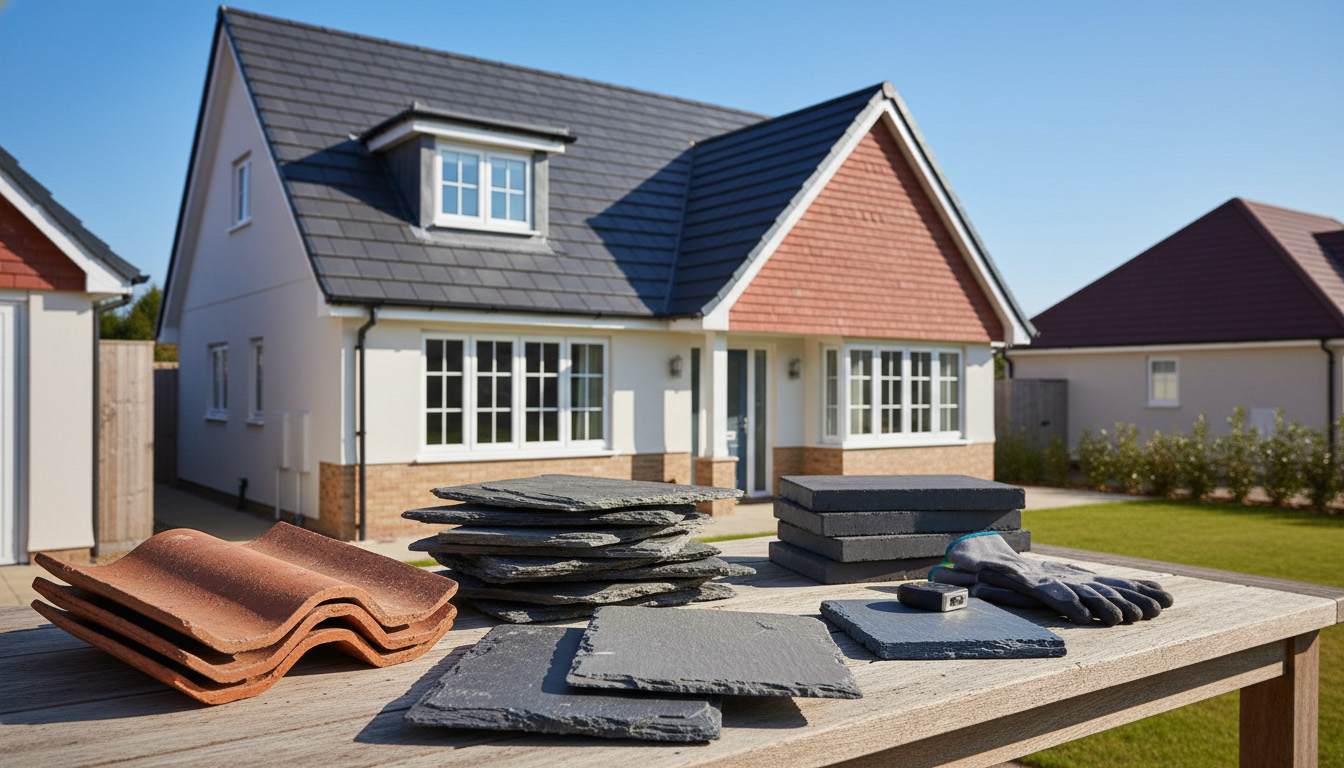
Roofing materials should be chosen for the roof, not just the homeowner’s preference. New builds may allow more freedom in choosing tile, slate, flat roof systems, insulation build-ups, and ventilation. Older homes may need compatibility with existing structure, neighbouring roofs, conservation expectations, roof pitch, and visual character.
A & A Roofing London helps compare materials based on pitch, loading, weather exposure, insulation, maintenance, and appearance. That is especially important where an older slate roof is being replaced with a different covering or where a flat roof extension is being upgraded to a warm roof system.
For broader material selection, UK roof material overview and 2025 roof covering categories can help organise the main options without assuming one material fits every property.
Roof Lifespan and Maintenance Planning
New Build Roofing Vs Older Homes also changes maintenance planning. A new roof should start with correct installation, documentation, drainage, ventilation, and periodic checks. An older roof needs a condition-based plan because material age, past repairs, moss, leaks, and structure can vary widely.
A & A Roofing London checks roof lifespan by material and condition rather than age alone. A well-installed older roof may still be serviceable. A poorly installed newer roof may need correction early.
For material-specific context, tile roof service-life factors, slate roof lifespan variables, and flat roof lifecycle checkpoints help homeowners understand why roof age should be judged with condition.
Roof Inspections and Maintenance
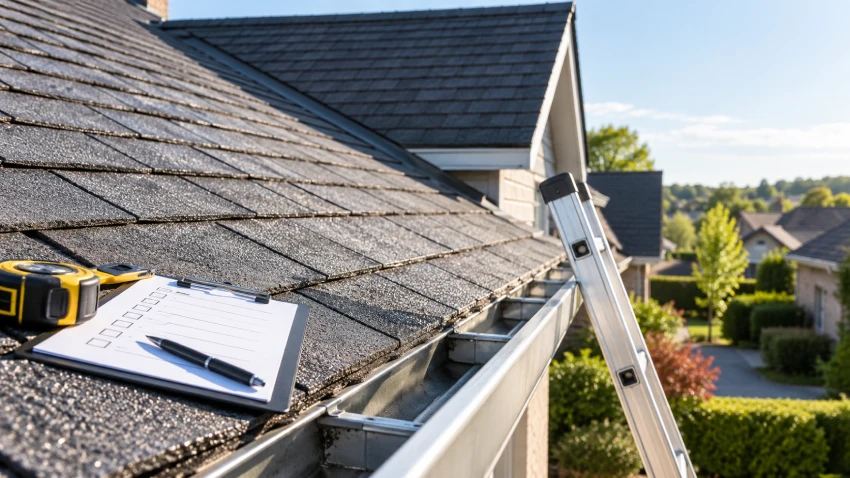
Inspection is the point where the new-build-versus-older-home comparison becomes practical. A new roof may need checks for workmanship, ventilation, drainage, and early settlement. An older roof may need a fuller condition review including underlay, battens, tiles, slates, leadwork, chimneys, gutters, and roofline movement.
HSE says roof work is high risk and that all roofs should be treated as fragile until a competent person confirms otherwise. It also notes that roof work includes maintenance, repair, cleaning, and demolition.
A & A Roofing London handles roof checks without treating the surface as a casual walking area. For homeowner planning, roof inspection cycle planning, roof survey checklist elements, and maintenance planning sequence are useful.
Residential Roofing Decisions
Residential roofing decisions should match the home’s actual construction. A new build roof may need specification support, installation detail, and material choice. An older home may need inspection, repair prioritisation, restoration, re-roofing, or sensitive slate and leadwork decisions.
A & A Roofing London works across tile roofing, slate roofing, flat roofing, pitched roof installation, roof restoration, roof repairs, inspections, and maintenance. That makes the New Build Roofing Vs Older Homes comparison practical: the right route depends on how the roof is built, how it has aged, and what work is being planned next.
New Build Roofing Vs Older Homes Area Coverage
Local property age, roof type, access, extensions, roof pitch, materials, and previous repairs all affect whether a new-build or older-home roofing approach is suitable. A & A Roofing London covers North London, Essex, and the Hertfordshire borders, helping homeowners compare roof specifications, restoration needs, repair priorities, and replacement decisions.
North London
In North London, New Build Roofing Vs Older Homes often involves terraced properties, older slate or tiled roofs, rear extensions, dormers, chimneys, and newer flat roof sections added over time. A & A Roofing London can assess whether the roof needs modern installation detailing, sensitive restoration, tile or slate repair, warm flat roof work, or re-roofing.
Hertfordshire Borders
Across the Hertfordshire borders, New Build Roofing Vs Older Homes may involve mixed property ages, tiled roofs, slate sections, extensions, changing insulation standards, and roofs that have been repaired at different times. A & A Roofing London checks structure, covering type, ventilation, drainage, and roof condition before recommending installation, maintenance, restoration, or replacement.
Essex
In Essex, New Build Roofing Vs Older Homes can include newer developments, older pitched roofs, flat roof extensions, weather-exposed roof slopes, and previous repairs that affect current performance. A & A Roofing London can compare roof materials, installation detail, insulation, ventilation, drainage, and maintenance needs so the chosen roofing route fits the property.
Final Roofing Decision
New Build Roofing Vs Older Homes comes down to specification versus condition. A new build roof needs the right materials, pitch, ventilation, insulation, drainage, and workmanship from the start. An older roof needs careful diagnosis before repair, restoration, re-roofing, or replacement.
A & A Roofing London can help choose roofing materials in the UK by checking tile, slate, flat roof, pitched roof, leadwork, chimney, insulation, ventilation, drainage, and maintenance requirements. That gives homeowners a practical route based on the building’s real roof system rather than a generic new-versus-old assumption.
FAQs About New Build Roofing Vs Older Homes
What is the main difference in New Build Roofing Vs Older Homes?
The main difference is that new build roofing can be designed from the start, while older home roofing must work with existing structure, materials, repairs, ventilation, insulation, and weathering. A new build roof focuses on correct specification and installation. An older roof focuses on condition, compatibility, repair history, and whether restoration or replacement is needed.
Do new roofs have different Building Regulations requirements?
New roofs must be designed so compliance can be demonstrated. Planning Portal says full details for a new roof are needed, including materials, dimensions, and performance properties. It also notes that roof pitch partly governs which tiles or slates can be used. A & A Roofing London checks material suitability, structure, pitch, ventilation, and insulation before roof work is planned.
Does replacing an older roof need Building Regulations approval?
Often, yes. Planning Portal states that most roof replacement work on existing buildings needs Building Regulations approval. It also explains that if roof covering material changes, approval is likely to be needed for structural stability, fire safety, and energy efficiency checks. GOV.UK also lists replacing roof coverings on pitched and flat roofs as work that generally needs Building Regulations approval.
Is slate better for older homes than new builds?
Slate can suit older homes because it often matches period character, but it can also suit new work where the roof pitch, structure, fixing, and appearance support it. The right choice depends on the roof, not the age of the home alone. A & A Roofing London checks slate condition, structural loading, roof pitch, underlay, ventilation, and surrounding materials before advising.
Are flat roofs different on new builds and older homes?
Yes. A new flat roof can be designed as a complete warm roof system with insulation, vapour control, waterproofing, falls, outlets, and edge details planned together. An older flat roof may need inspection for ponding, cracks, blisters, poor insulation, failed seams, or deck moisture. Planning Portal explains the difference between warm and cold flat roof arrangements, including the need for ventilation in cold roof designs.
Should insulation be checked when re-roofing an older home?
Yes. Planning Portal states that re-covering a roof should include improving thermal insulation because a roof is a thermal element. Energy Saving Trust also explains that roof and loft insulation reduces heat lost through the roof and helps reduce energy use. A & A Roofing London checks insulation with ventilation and roof condition so moisture problems are not built into the upgrade.
Can poor workmanship affect new build roofs?
Yes. New roofs can still fail early if workmanship, fixing, flashing, ventilation, drainage, or material choice is poor. New does not automatically mean problem-free. A & A Roofing London checks roof details, junctions, ventilation paths, gutters, ridges, valleys, and internal damp signs to separate material issues from installation faults.
How should homeowners decide between repair, restoration, and replacement?
The decision should be based on roof condition, not age alone. A roof may be repairable if defects are local and the structure is sound. Restoration may suit an older roof with serviceable materials and manageable defects. Replacement becomes more likely where underlay, battens, roof covering, structure, or repeated leaks show wider failure. A & A Roofing London checks the whole roof system before recommending the route.





Comments (2)
[…] roof restoration condition checks are useful. If the property has older and newer roof sections, property-age roof design contrasts helps explain why one roof type may need a different maintenance […]
[…] property-age planning, newer and older roof specification differences gives useful context. The right tile roof specification should match the building’s age, roof […]
Comments are closed.