
BLOG
home Roof Valleys Explained: Why They’re a Common Source of Leaks in UK Homes
Roof Valleys Explained: Why They’re a Common Source of Leaks in UK Homes
Roof valleys are one of the most critical yet misunderstood parts of a roof. They are designed to handle large volumes of rainwater, but when they fail, leaks often appear suddenly and spread quickly. Many UK homeowners do not realise their roof valley is the problem until water damage shows up inside the property.
Because valleys sit at the intersection of roof slopes, they experience more water flow, debris buildup, and weather stress than almost any other roofing component. Understanding how roof valleys work, why they fail, and how leaks develop is essential to preventing costly and recurring roof damage.
Roof valleys UK: What they are and why they matter
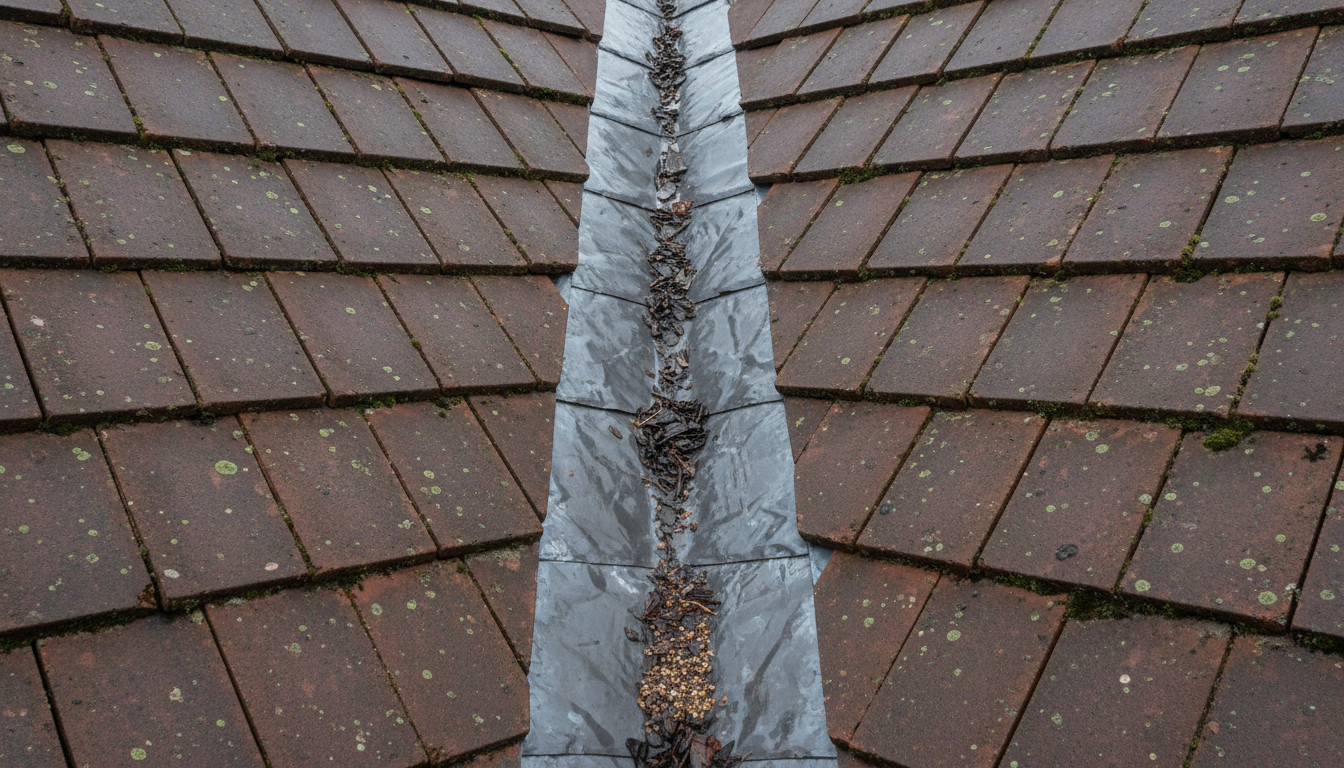
Roof valleys UK properties rely on are the internal angles where two roof slopes meet. These channels are designed to direct rainwater safely down the roof and into the guttering system. During heavy rainfall, roof valleys can carry several times more water than the surrounding roof areas.
Because of this concentrated water flow, valleys are lined with lead, metal, or specialised valley systems to ensure waterproofing. If this lining fails or becomes obstructed, water has a direct path into the roof structure. Even small defects in a valley can result in significant water ingress.
Correct installation and detailing are essential, which is why professional lead work roofing solutions are often used to protect roof valleys long term.
Roof valley leaks: Why valleys fail before other roof areas
Roof valley leaks are common because valleys are exposed to constant stress. They experience higher water volumes, more debris accumulation, and greater temperature movement than open roof slopes. Over time, this combination accelerates wear and tear.
Common causes of valley failure include cracked or split lead, corrosion in metal linings, poor original installation, and debris buildup that traps moisture. Tiles adjacent to valleys can also slip or crack, allowing water to bypass the lining entirely.
Unlike visible tile damage, valley deterioration is often hidden beneath debris, making leaks difficult to detect early without proper inspection.
Valley gutter repair: Debris buildup and water overflow
Valley gutter repair is frequently required due to debris accumulation. Leaves, moss, and dirt naturally collect in valleys because of their shape and water flow patterns. When debris builds up, it restricts drainage and causes water to back up under tiles.
Overflowing water then seeps beneath the roof covering, soaking battens, underlay, and insulation. In winter, trapped moisture freezes and expands, worsening cracks and joint failures. Over time, this leads to persistent leaks that are often mistaken for tile or flashing issues.
Regular clearance as part of routine maintenance significantly reduces the risk of valley gutter failure.
Roof valleys UK: Lead valleys versus alternative systems
Roof valleys UK homes typically use lead-lined valleys, especially on older or traditional properties. Lead is favoured because it is durable, flexible, and able to accommodate thermal movement without cracking. When installed correctly, lead valleys can last several decades.
Some modern roofs use alternative systems such as GRP or pre-formed metal valleys. While these can perform well, they are more sensitive to installation quality and may have shorter lifespans in high-exposure areas.
For long-term reliability, especially on complex or older roofs, lead-lined valleys remain the preferred solution.
Roof valley leaks: Internal warning signs homeowners miss
Roof valley leaks often present internally before external damage is obvious. Water entering at the valley can travel along underlay and timbers before appearing inside the property, making the source difficult to trace.
Common internal signs include damp patches on ceilings below roof intersections, staining along upstairs walls, and mould growth in loft spaces. These symptoms frequently worsen during prolonged rainfall rather than short showers.
Many of these indicators overlap with those described in 10 signs your roof needs immediate repair, which is why valleys should always be checked during roof assessments.
Valley gutter repair: Storm damage and sudden failures
Valley gutter repair is often required after storms. Heavy rain overwhelms partially blocked valleys, while strong winds force water into small gaps along valley edges. Storms rarely create new valley defects, but they expose weaknesses that already exist.
After severe weather, debris is often washed into valleys, increasing blockage risk. Even a small obstruction can cause water to back up rapidly during the next rainfall event, leading to sudden internal leaks.
Post-storm checks are essential, as outlined in how to spot roof damage after a storm in the UK.
Roof valleys UK: How valley leaks damage the wider roof
Roof valleys UK homeowners overlook can cause damage far beyond the valley itself. Persistent water ingress saturates insulation, rots battens, and weakens roof timbers. Over time, this compromises the structural integrity of the surrounding roof areas.
Moisture spreading from a leaking valley often affects multiple roof slopes, leading to widespread deterioration. Repairing tiles alone without addressing the valley usually results in recurring leaks and repeated repair costs.
Integrated repairs that restore the valley lining and surrounding roof components provide the most durable solution.
Roof valley leaks: Repair versus replacement decisions
Roof valley leaks can sometimes be resolved with localised repairs if damage is caught early. Small splits in lead, minor displacement, or limited corrosion can often be repaired without replacing the entire valley.
However, widespread cracking, thinning lead, or repeated failures usually require full valley replacement. Patch repairs in these cases are short-lived and often fail under continued water flow.
Professional assessment determines whether repair or replacement will provide lasting protection.
Valley gutter repair: Flat roofs and valley transitions
Valley gutter repair is also relevant where pitched roofs transition into flat roof sections. These junctions experience complex water movement and are particularly vulnerable to poor detailing.
If valley drainage directs water onto flat roof membranes, any blockage or failure can cause pooling and rapid deterioration. Correct detailing and maintenance are critical in these transition areas.
Modern flat roof solutions are designed to integrate safely with pitched roof drainage when installed correctly.
Roof valleys UK: Prevention through inspection and maintenance
Roof valleys UK homeowners want to protect should be inspected regularly. Annual inspections and post-storm checks help identify early signs of blockage, lining deterioration, or tile movement.
Routine roof inspections often include valley checks, allowing issues to be addressed before leaks develop. Preventative maintenance costs far less than repairing water-damaged interiors.
Roof valleys UK: Final expert guidance
Roof valleys UK properties depend on are designed to manage large volumes of water, but they are also one of the most vulnerable parts of the roof. When valleys fail, leaks spread quickly and cause disproportionate damage.
Understanding how valleys work, recognising early warning signs, and maintaining clear drainage paths are essential to preventing roof valley leaks. Timely repair or replacement protects the roof structure and avoids repeated, costly repairs.
Frequently Asked Questions
Why do roof valleys leak so often?
They carry high water volumes and collect debris, increasing failure risk.
Can roof valley leaks be repaired without replacement?
Yes, if damage is localised and caught early.
Is lead the best material for roof valleys?
In most UK applications, yes, due to its durability and flexibility.
How often should roof valleys be checked?
At least once a year and after severe storms.
Do valley leaks always cause visible roof damage?
No, leaks often appear internally before external signs are visible.