What a Professional Roofer Looks for During a Roof Inspection
admin2026-02-17T08:50:42+00:00BLOG
What a Professional Roofer Looks for During a Roof Inspection
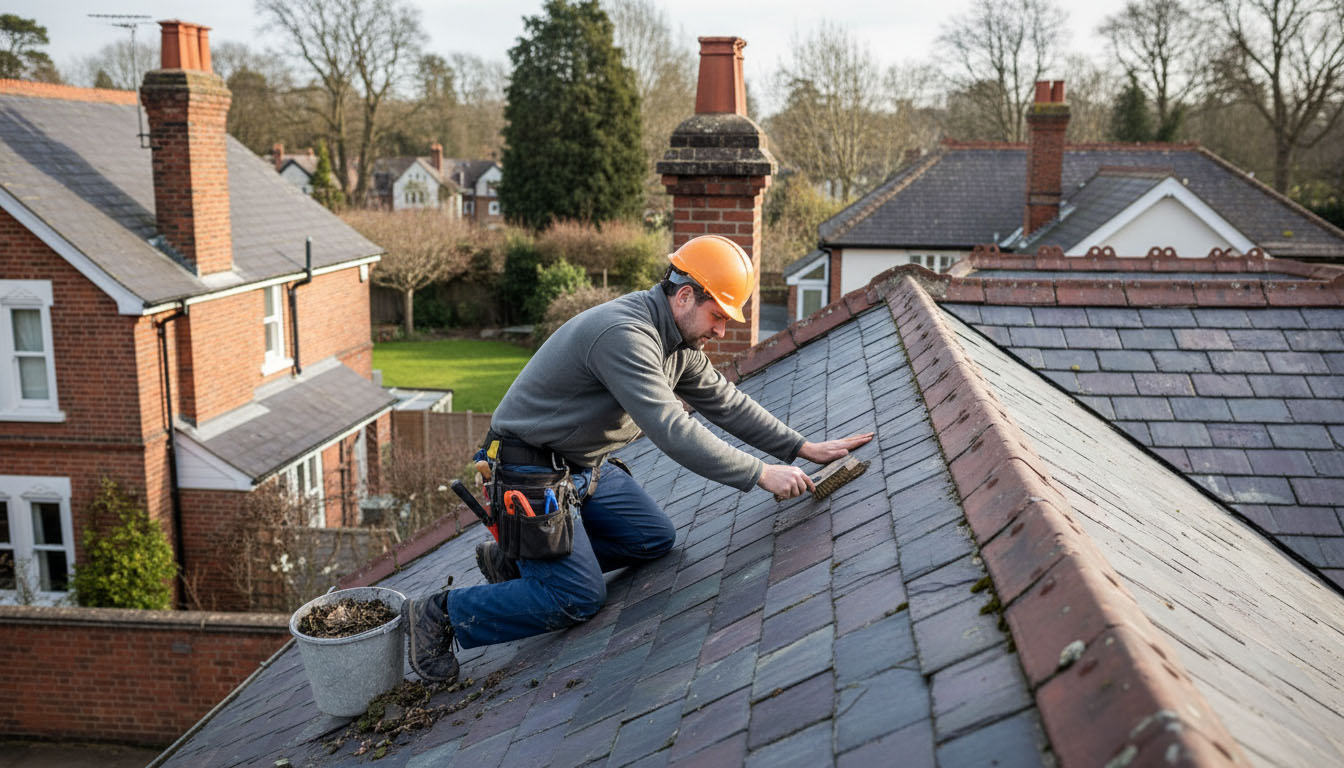
Many homeowners assume a roof inspection only happens when something goes wrong. In reality, professional roof inspections are about understanding the condition of a roof before issues appear, identifying weak points early, and ensuring every part of the roof system is doing its job properly.
When a professional roofer inspects a roof, they are not just looking for visible damage. They are assessing how different components work together, how the roof handles weather exposure, and whether small changes could lead to bigger concerns in the future.
In this article, we explain what a professional roofer looks for during a roof inspection, and why this process is essential for protecting your property long term.
Overall Roof Structure and Shape
One of the first things assessed during an inspection is the overall structure of the roof. From ground level and up close, a roofer looks at how the roof sits on the property.
Key observations include:
Whether the roofline appears straight and level
Any visible dips, waves, or uneven sections
How the roof connects to walls and neighbouring structures
These details help determine if the roof structure is performing as intended. Subtle changes in shape can indicate movement or stress that may not yet be visible inside the property.
Roof Covering Condition and Consistency
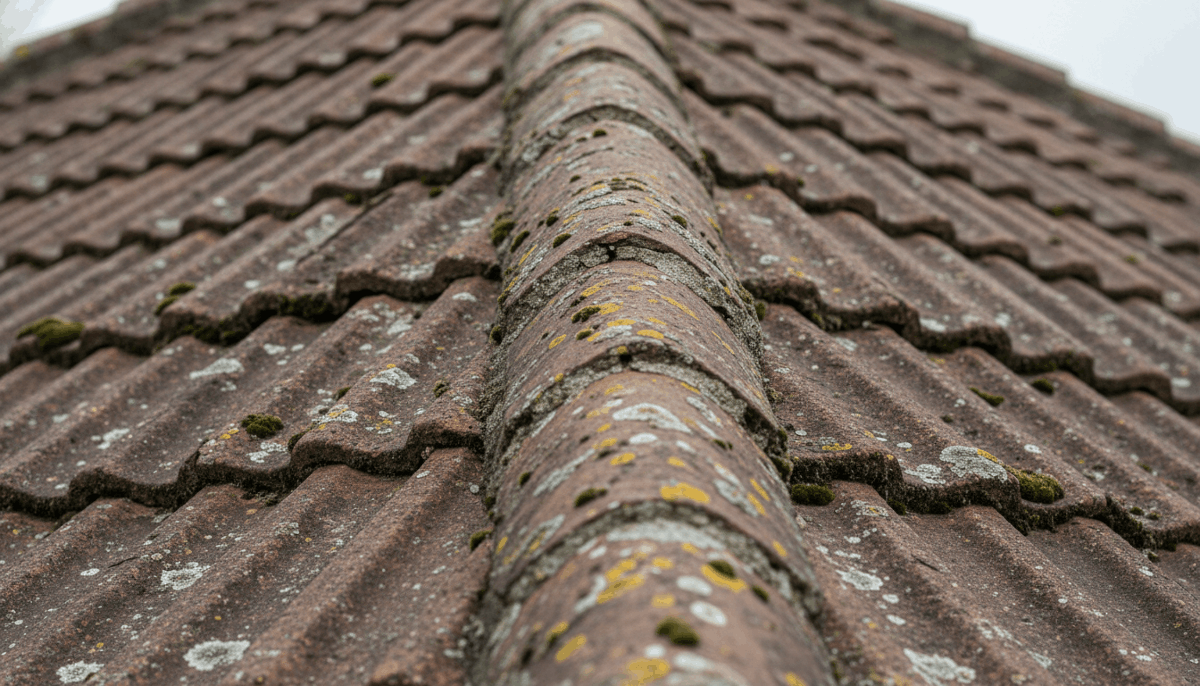
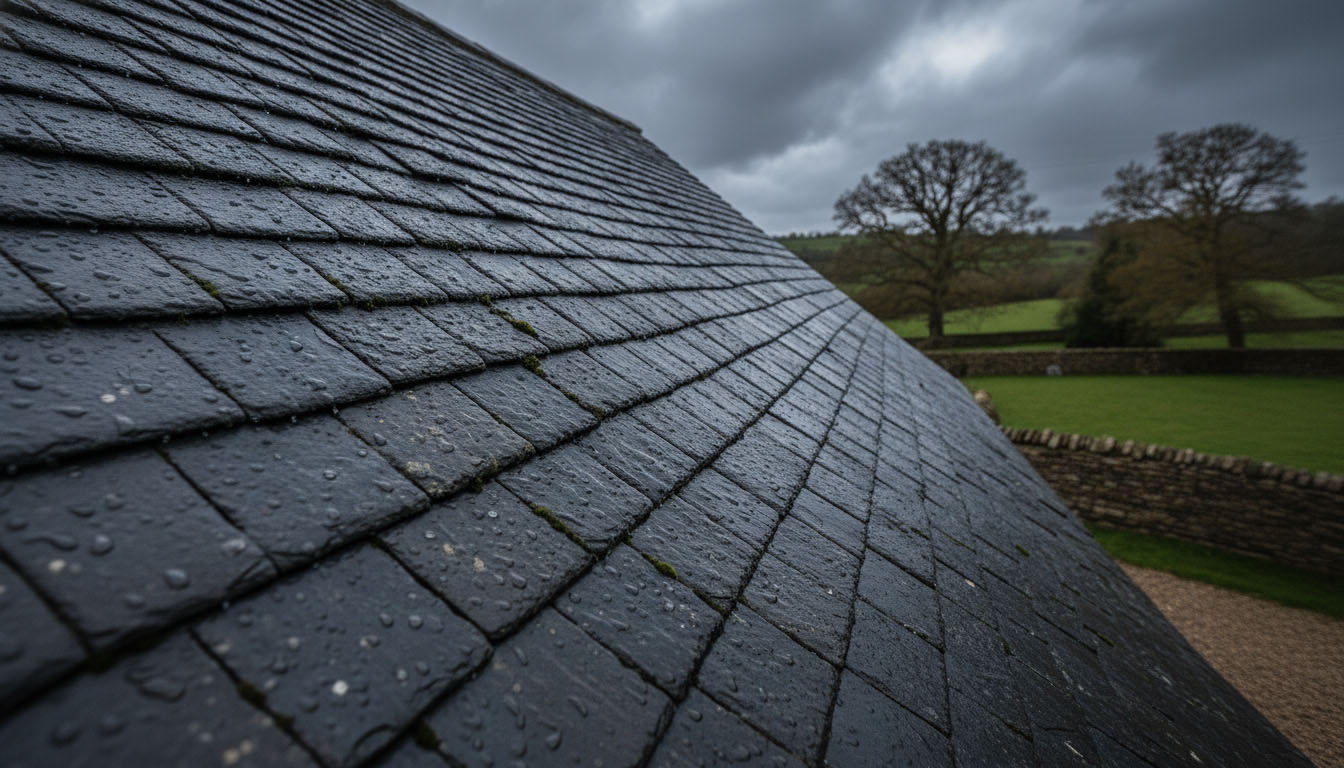
The roof covering — tiles, slates, or flat roofing materials — is carefully checked for uniformity and consistency, not just damage.
A professional roofer looks at:
Alignment and spacing of tiles
Consistency in colour and placement
Areas exposed to higher wind or water flow
Even when materials appear intact, inconsistent alignment or poor spacing can affect how the roof sheds water and handles strong winds.
Junctions, Edges, and Roof Transitions
Roof inspections focus heavily on transition points, where different materials meet. These areas are naturally more vulnerable because they rely on precise detailing rather than surface coverage.
Key areas include:
Roof-to-wall connections
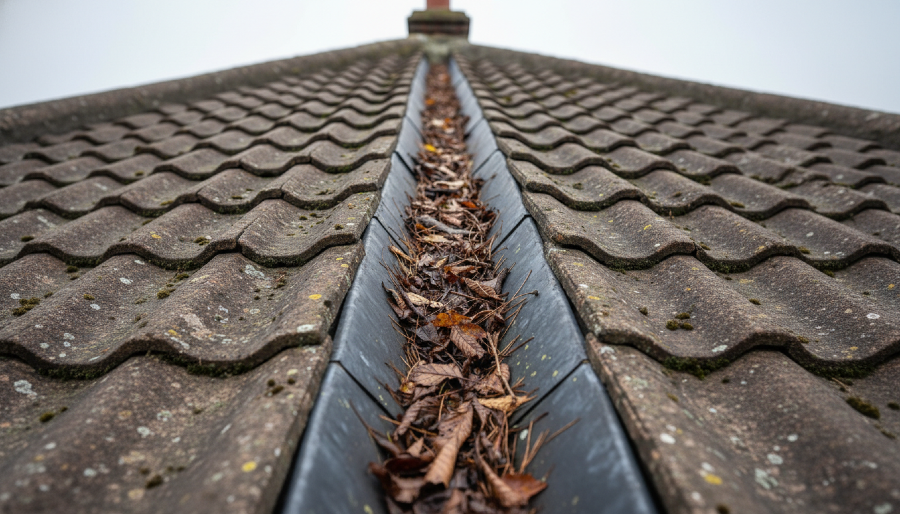
Valleys where two roof slopes meet
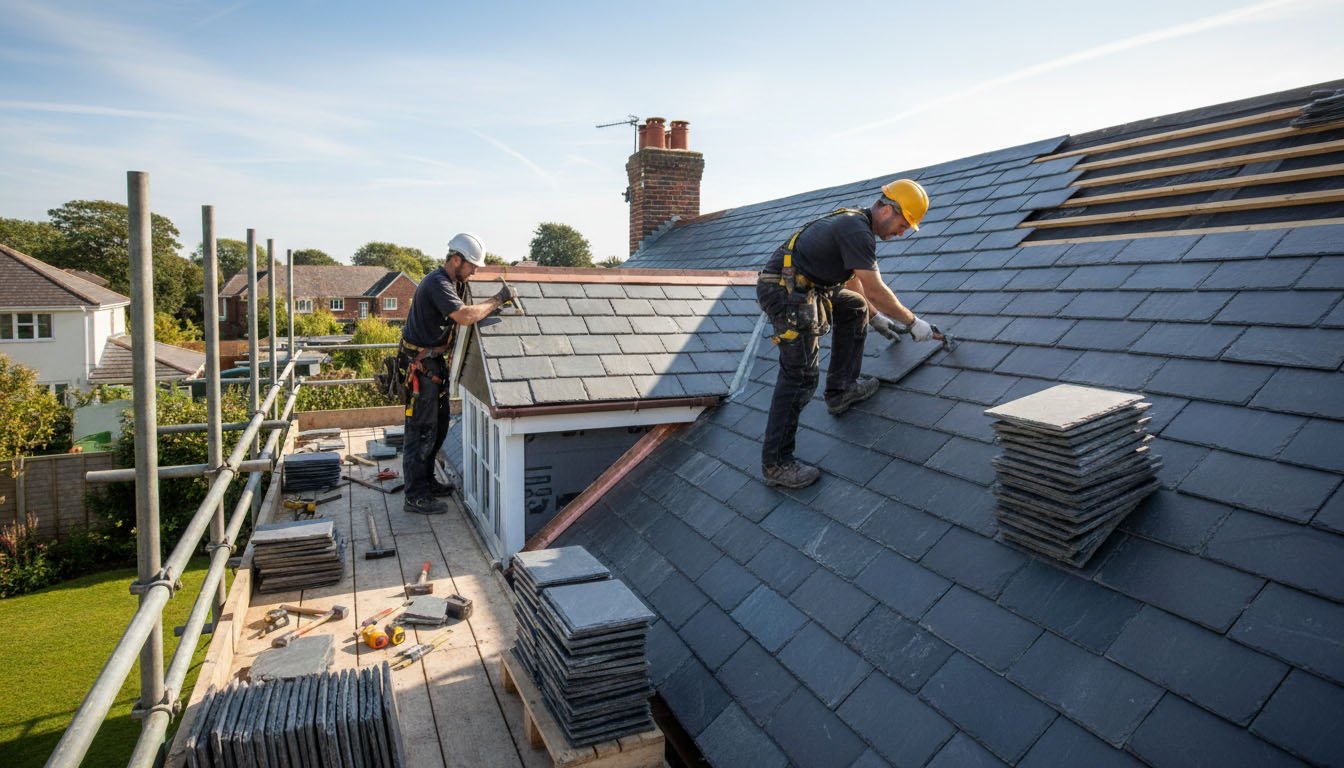
Edges around dormers or extensions
These points are assessed for tight sealing, correct installation, and long-term weather resistance.
Water Flow and Drainage Performance
A roof is designed to move water efficiently away from the property. During an inspection, a roofer evaluates how water travels across the roof.
This includes checking:
Roof pitch and water direction
Valleys and channels for clear flow
How water reaches gutters and outlets
Poor water flow can lead to pooling, overflow, or unnecessary strain on certain roof areas, even if no internal issues are visible yet.
Guttering and Roofline Integration
Rather than looking at gutters in isolation, professional inspections assess how gutters interact with the roof.
A roofer examines:
Alignment between roof edge and gutter
Signs of water overshooting the gutter
Areas where debris collects repeatedly
This helps identify whether the roofline supports effective drainage or if adjustments are needed to prevent future water exposure.
Ventilation and Air Circulation
Roof ventilation is often overlooked but plays a critical role in roof performance. During an inspection, airflow within the roof space is carefully considered.
Key factors include:
Presence of adequate ventilation points
Signs of trapped heat or moisture
Balance between intake and exhaust airflow
Poor ventilation can shorten the lifespan of roofing materials and reduce energy efficiency inside the property.
Insulation Interaction and Heat Retention
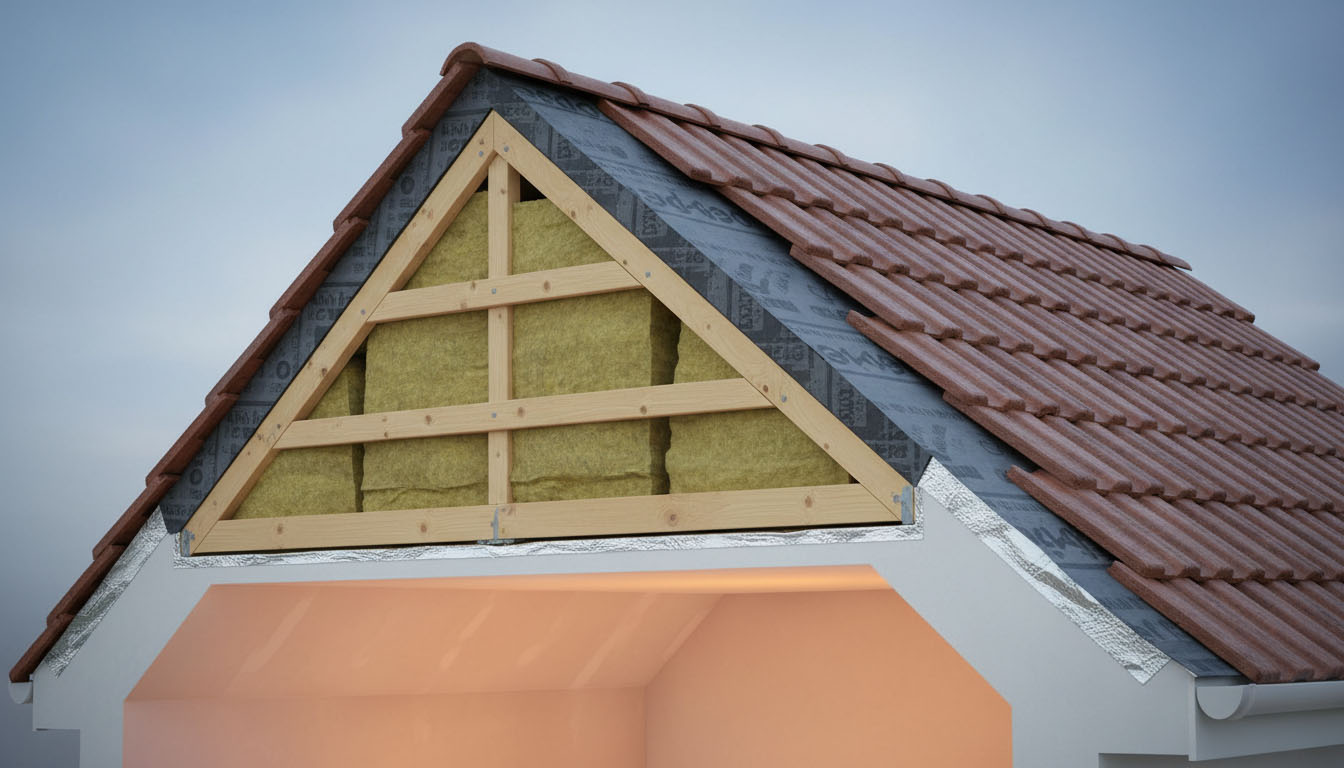
Although insulation is not always visible during a standard inspection, roofers assess how the roof structure supports insulation performance.
They look for:
Areas where heat may be escaping
Signs of condensation in roof spaces
Gaps that reduce thermal efficiency
This assessment helps homeowners understand how their roof contributes to comfort and energy usage.
Exposure to Weather and Environmental Factors
Every roof experiences weather differently depending on location, height, and surroundings. A professional roofer evaluates how the roof is exposed to:
Prevailing winds
Heavy rainfall patterns
Nearby trees or buildings
Sun exposure throughout the day
This helps predict which areas may require closer monitoring over time.
Why Professional Roof Inspections Matter
A professional inspection provides:
A clear understanding of roof condition
Early identification of vulnerable areas
Better planning for future maintenance
Peace of mind for homeowners
Rather than waiting for visible issues, inspections allow property owners to take a proactive approach to roof care.
When to Arrange a Roof Inspection
Homeowners often book inspections:
Before buying or selling a property
After severe weather
As part of routine property maintenance
When planning extensions or renovations
Regular inspections help extend the lifespan of a roof and reduce unexpected costs.
Book a Professional Roof Inspection
If you want a clear, professional assessment of your roof’s condition, a roof inspection is the best place to start. Understanding how your roof is performing today helps protect your property tomorrow.
Contact our roofing team to arrange a professional roof inspection and expert advice.
We serve homeowners across London and surrounding areas.