
BLOG
home Roof Leaks: Common Causes in UK Homes
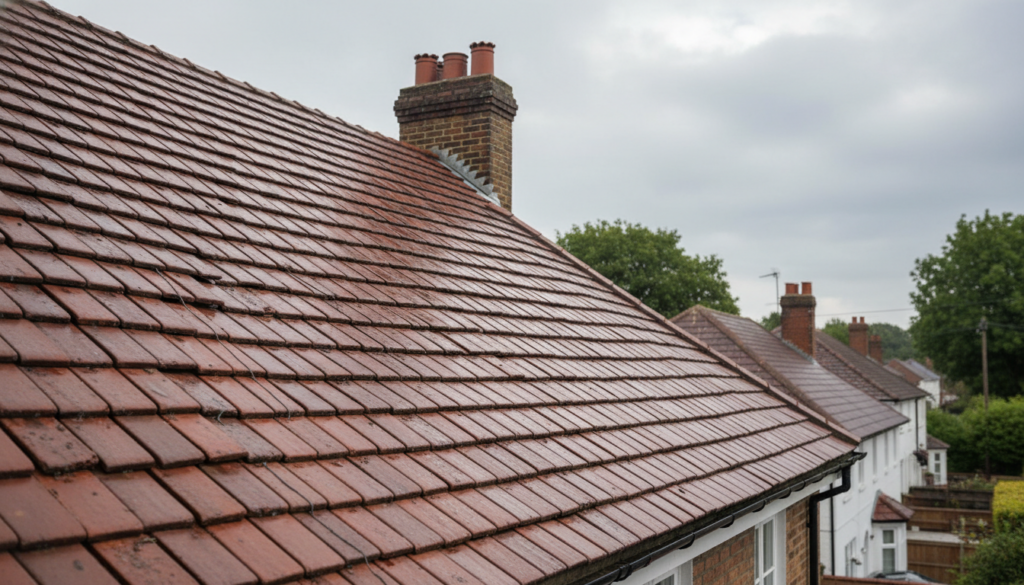
Roof Leaks: Common Causes in UK Homes
Roof leaks are one of the most common and frustrating issues faced by UK homeowners. Persistent rain, high winds, ageing materials, and poor maintenance all contribute to water finding its way into properties. Even a small leak can quickly lead to damp, mould, insulation damage, and costly repairs if left unresolved.
Understanding the common causes of roof leaks in UK homes is the first step in preventing serious damage. This guide explains where roof leaks usually originate, why they occur so frequently in British weather, how to spot early warning signs, and when professional intervention is essential.
Why Roof Leaks Are So Common in the UK
The UK’s climate is particularly demanding on roofs. Frequent rainfall, sudden downpours, strong winds, frost, and seasonal temperature changes all place stress on roofing materials. Over time, this constant exposure weakens tiles, flashing, and waterproof layers.
Many leaks develop gradually and go unnoticed until internal signs appear. These issues are often linked to common roofing problems that worsen when routine inspections and maintenance are delayed.
Broken, Cracked, or Missing Roof Tiles
How Tiles Cause Leaks
Damaged or displaced tiles are one of the leading causes of roof leaks in UK homes. High winds, falling debris, frost damage, and natural ageing can all cause tiles to crack or slip out of place.
Once tiles are compromised, rainwater can penetrate the roof’s underfelt and reach the timber structure beneath, leading to rot and damp.
Why This Happens
Ageing tile materials
Storm damage
Poor installation
Lack of regular inspections
Tile-related issues are especially common on older properties. Professional tile roofing services ensure damaged tiles are replaced correctly and matched to existing materials.
Faulty Flashing Around Chimneys and Roof Joints
What Is Flashing?
Flashing is typically made from lead or similar materials and is installed around chimneys, valleys, roof edges, and where roofs meet walls. Its purpose is to direct water away from vulnerable joints.
How Flashing Fails
Over time, flashing can crack, lift, or separate due to:
Thermal expansion and contraction
Storm movement
Poor workmanship
Age-related wear
When flashing fails, water can seep into the roof structure unnoticed. This is why quality lead work roofing is essential for long-term leak prevention.
Blocked Gutters and Poor Drainage
How Gutters Cause Roof Leaks
Gutters play a critical role in directing rainwater away from the roof. When they become blocked with leaves, moss, or debris, water can overflow and back up beneath roof tiles.
This trapped moisture often leads to leaks along roof edges and into wall cavities.
Common Causes of Blockages
Autumn leaf fall
Moss washed down from tiles
Birds’ nests and debris
Neglecting gutter maintenance is a frequent contributor to leaks, particularly during prolonged periods of rainfall.
Flat Roof Deterioration
Why Flat Roofs Are Vulnerable
Flat roofs are more prone to leaks than pitched roofs because water drains more slowly. Over time, small cracks, blisters, or weak seams can allow water to penetrate the roof covering.
Typical Flat Roof Leak Causes
Ageing felt or membrane materials
Poor installation
Ponding water
Damage from foot traffic
Modern systems are far more reliable, but regular inspections remain essential. Many issues associated with leaks are discussed in guides on flat roof benefits and maintenance.
Damaged Roof Valleys
What Are Roof Valleys?
Roof valleys are the internal angles where two roof slopes meet. They channel large volumes of rainwater into the guttering system.
Why Valleys Leak
Valleys are particularly vulnerable because:
They handle high water flow
Debris collects easily
Lead or lining materials deteriorate over time
If valley linings fail, leaks can develop quickly and spread across internal ceilings and walls.
Condensation Mistaken for Roof Leaks
Not All Water Is a Leak
In many UK homes, moisture problems are caused by condensation rather than a failing roof. Poor ventilation allows warm, moist air to build up in loft spaces, leading to water droplets forming on cold surfaces.
Common Signs of Condensation
Damp patches without external damage
Mould growth in lofts
Wet insulation
While not a leak, condensation still requires attention to prevent long-term damage. A professional assessment during a roof inspection can help identify the true cause.
Storm Damage and Extreme Weather
Increasing Weather Risks
Storms are a major cause of sudden roof leaks in the UK. High winds can lift tiles, dislodge ridge caps, and damage flashing, while heavy rain exploits existing weaknesses.
After severe weather, homeowners should always check for signs of damage, as outlined in how to spot roof damage after a storm.
Warning Signs of a Roof Leak
Early detection can prevent significant repair costs. Common warning signs include:
Water stains on ceilings or walls
Damp patches in loft spaces
Dripping sounds during rainfall
Peeling paint or bubbling plaster
If these signs appear, reviewing signs your roof needs immediate repair can help determine urgency.
Common Homeowner Mistakes That Worsen Leaks
Delaying Repairs
Small leaks often seem manageable, but water damage spreads quickly. Timber rot and insulation damage are expensive to fix once established.
Attempting Unsafe DIY Fixes
Temporary sealants or makeshift repairs rarely address the underlying cause and can worsen the problem. Understanding the limits of DIY roof maintenance vs professional repairs is essential for safety and effectiveness.
Costs and Long-Term Impact of Roof Leaks
Ignoring a roof leak can significantly increase repair costs. What starts as a minor tile replacement can escalate into structural timber repairs or even the need for a full roof replacement in the UK.
Homeowners can better plan for repairs by understanding what influences roofing prices in the UK and acting early.
When to Call a Professional Roofer
You should always seek professional help if:
The source of the leak is unclear
Multiple tiles or roof areas are affected
Leaks persist despite temporary fixes
The property is older or has complex roof features
A qualified roofer can safely access the roof, identify hidden issues, and provide lasting repairs. Arranging a thorough inspection using a roof inspection checklist ensures nothing is overlooked.
Conclusion
Roof leaks in UK homes are rarely caused by a single issue. More often, they result from a combination of ageing materials, weather exposure, and delayed maintenance. Broken tiles, failing flashing, blocked gutters, flat roof wear, and storm damage are among the most common causes.
By recognising early warning signs and addressing problems promptly, homeowners can prevent extensive damage and protect their property. Regular inspections and professional repairs remain the most reliable way to keep roofs watertight in the UK’s demanding climate.