
BLOG
home Roof Maintenance Checklist for UK Homeowners: Prevent Damage Before It Starts
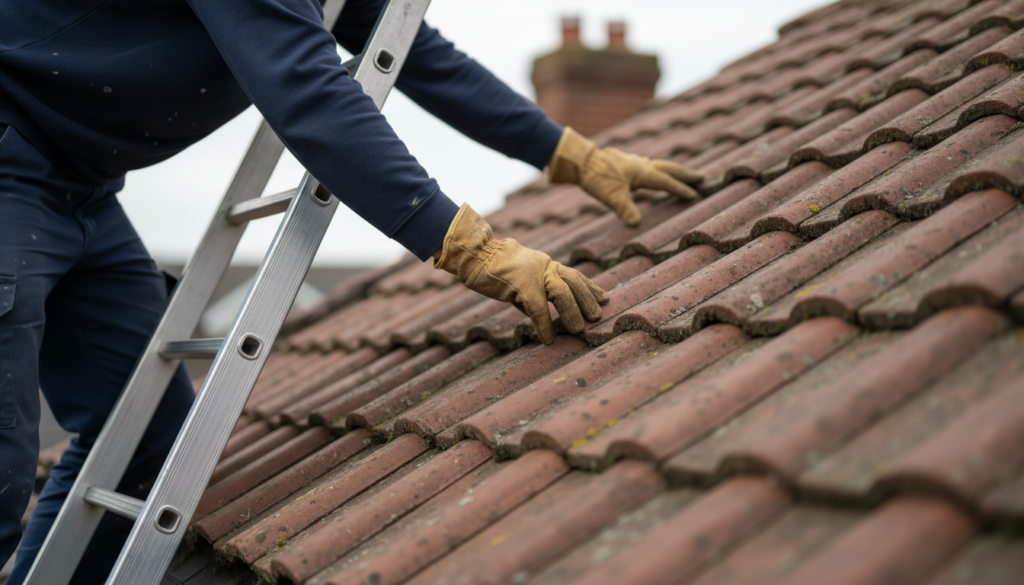
Roof Maintenance Checklist for UK Homeowners: Prevent Damage Before It Starts
Most serious roof damage in UK homes does not start with storms or sudden failure. It begins with small, ignored issues that quietly worsen over time. Cracked tiles, blocked gutters, or minor leaks often go unnoticed until they cause internal damage and expensive repairs.
A structured roof maintenance checklist allows homeowners to identify problems early and prevent roof damage before it becomes disruptive and costly. Knowing what to check, when to check it, and when to call a professional is the key to extending roof lifespan and avoiding unnecessary replacement.
Roof maintenance checklist UK: Why routine checks matter
A proper roof maintenance checklist UK homeowners follow is not about constant repairs but early detection. UK weather places continuous stress on roofing systems through rain, wind, frost, and seasonal temperature changes. Without regular checks, minor defects can escalate quickly.
Routine maintenance helps identify vulnerabilities before water reaches structural timbers or insulation. It also preserves warranties, improves energy efficiency, and reduces emergency repair risks. Homes that follow a consistent checklist typically experience fewer major roofing issues over time.
When issues are identified beyond basic maintenance, homeowners often escalate to professional roof maintenance services to address problems safely and correctly.
Roof inspection tips: What to check from ground level
Roof inspection tips always start with safe, ground-level checks. Many early warning signs are visible without climbing onto the roof, making this the safest first step for homeowners.
From ground level, inspections should focus on tile alignment, visible cracks, sagging roof lines, and debris buildup. Uneven ridges or displaced tiles often indicate underlying movement or fixings failure. Chimney flashings and roof junctions should also be visually checked for gaps or deterioration.
These visual cues are often early indicators highlighted in what does a full roof inspection involve and should never be ignored.
Prevent roof damage: Gutter and drainage checks
One of the most effective ways to prevent roof damage is maintaining clear gutters and downpipes. Blocked drainage causes water to back up onto roof edges, leading to rot, damp walls, and internal leaks.
Gutters should be cleared at least twice a year, especially after autumn leaf fall. Downpipes must drain freely away from the property. Overflowing gutters during rainfall are a clear sign of blockage and require immediate attention.
Neglected drainage is a leading cause of hidden roof damage, as explained in how to clean your gutters without damaging your roof, which outlines why careful cleaning matters.
Roof maintenance checklist UK: Tile and surface condition
Tile condition is a critical part of any roof maintenance checklist UK homeowners should follow. Individual cracked or slipped tiles may seem minor but allow water ingress beneath the roof covering.
Regular inspections should look for missing tiles, surface erosion, or moss buildup. Moss retains moisture and accelerates tile degradation, particularly on shaded roof slopes. Broken tiles should be replaced promptly to prevent underlay damage.
Where multiple tiles show wear, professional tile roofing installation specialists can assess whether repairs or broader intervention is required.
Roof inspection tips: Loft and internal checks
Roof inspection tips should always include internal checks within the loft space. Many roof problems become visible internally before external signs appear.
Homeowners should look for damp patches, water staining, mould growth, or daylight visible through the roof structure. Timbers should feel solid and dry, not soft or crumbly. Condensation buildup may indicate ventilation issues rather than leaks.
Internal warning signs often mirror those discussed in 10 signs your roof needs immediate repair and signal the need for professional assessment.
Prevent roof damage: Seasonal maintenance planning
Prevent roof damage by aligning maintenance checks with seasonal changes. UK roofs face different risks throughout the year, and timing inspections improves effectiveness.
Spring checks focus on storm damage from winter weather. Summer is ideal for repairs and material replacement. Autumn inspections prepare the roof for heavy rain and leaf fall. Winter monitoring ensures drainage remains functional during freezing conditions.
A seasonal approach spreads maintenance effort while reducing unexpected failures. For homeowners seeking structured support, professional roof inspections help maintain consistency.
Roof maintenance checklist UK: When maintenance is not enough
A roof maintenance checklist UK homeowners follow cannot fix structural failure or end-of-life materials. Repeated issues in the same areas often indicate deeper problems beyond routine maintenance.
If leaks persist, tiles continue to fail, or timbers show widespread decay, maintenance alone may no longer be effective. At this stage, delaying action often increases costs significantly.
In such cases, homeowners may need to consider roof restoration services or full roof replacement services depending on severity.
Roof inspection tips: When to call a professional
Roof inspection tips always include knowing personal limits. Climbing onto roofs without training or equipment is unsafe and often unnecessary.
Professionals use safety equipment and experience to inspect vulnerable areas such as valleys, flashings, and ridges. They also identify hidden issues homeowners may overlook. An expert inspection provides clarity on whether maintenance, repair, or replacement is required.
Calling a professional early often prevents small issues from becoming major expenses.
Roof maintenance checklist UK: Final homeowner checklist
A reliable roof maintenance checklist UK homeowners can follow includes consistent checks and prompt action. Preventative care always costs less than reactive repairs.
A complete checklist includes:
Visual roof inspection from ground level
Gutter and downpipe clearance
Tile and flashing condition checks
Loft inspection for damp or light
Seasonal review after extreme weather
Following this checklist protects the roof and the property beneath it. It also ensures small issues are resolved before structural damage occurs.
Frequently Asked Questions
How often should I inspect my roof in the UK?
At least twice a year and after major storms.
Can roof maintenance really prevent major damage?
Yes, early detection significantly reduces failure risk.
Is it safe to inspect my roof myself?
Ground-level and loft checks are safe, climbing is not recommended.
What is the most common cause of roof damage?
Blocked gutters and ignored minor tile damage.
When should I stop maintaining and replace the roof?
When repairs become frequent and structural issues appear.