
BLOG
home Flat Roof Lifespan: How Long Do They Last in the UK?
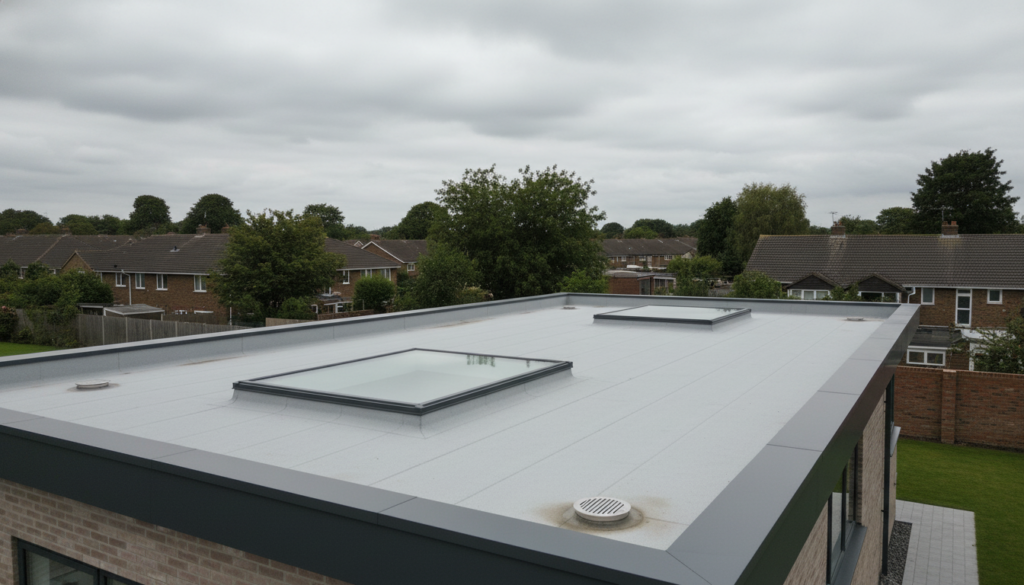
Flat Roof Lifespan: How Long Do They Last in the UK?
Understanding flat roof lifespan in the UK is essential for homeowners planning extensions, garages, or modern roof designs. Flat roofs are widely used across British properties, but their reputation for short lifespans often stems from outdated materials and poor installation rather than the systems used today.
Modern flat roofing has improved significantly, offering durability, weather resistance, and excellent value when properly installed and maintained. This guide explains how long flat roofs typically last in the UK, what affects their lifespan, how to extend it, and when replacement becomes the most cost-effective option.
Why Flat Roof Lifespan Varies in the UK
Flat roofs in the UK face specific challenges. Unlike pitched roofs, they drain water more slowly and are exposed to prolonged moisture after rainfall. Combined with temperature fluctuations, UV exposure, and debris build-up, this can accelerate wear if the roof is not designed or maintained correctly.
Many early failures are linked to common roofing problems such as poor drainage, damaged membranes, or blocked outlets. However, with modern materials and regular inspections, flat roofs can last far longer than many homeowners expect.
Average Lifespan of Flat Roofs in the UK
The lifespan of a flat roof depends largely on the material used. Below is a realistic overview of how long common flat roofing systems last in UK conditions.
Felt Flat Roofs
Traditional felt roofing is still used across the UK, particularly on garages and older extensions.
Average lifespan: 10–15 years
Pros: Affordable, widely available
Cons: Vulnerable to cracking, blistering, and UV damage
While felt remains a budget-friendly option, its shorter lifespan means maintenance and eventual replacement should be expected sooner than with modern alternatives.
GRP (Fibreglass) Flat Roofs
GRP roofing has become increasingly popular due to its seamless finish and strength.
Average lifespan: 20–30 years
Pros: Durable, waterproof, low maintenance
Cons: Requires specialist installation
When installed correctly, GRP performs well in British weather and is less prone to leaks caused by standing water. Many homeowners explore this option after learning about the benefits of flat roofs in modern architecture.
EPDM Rubber Flat Roofs
EPDM is one of the longest-lasting flat roofing systems currently used in the UK.
Average lifespan: 25–40 years
Pros: Highly flexible, UV resistant, excellent waterproofing
Cons: Higher initial cost
EPDM handles temperature changes exceptionally well, making it ideal for the UK’s variable climate.
What Affects Flat Roof Lifespan?
Quality of Installation
Even the best materials will fail prematurely if installed incorrectly. Poor detailing around edges, outlets, and joints is a leading cause of leaks. This is why using experienced flat roofing services is critical for long-term performance.
Drainage and Roof Design
Flat roofs are not completely flat; they rely on subtle gradients to direct water towards outlets. Inadequate drainage leads to ponding water, which significantly reduces lifespan.
Weather Exposure
Persistent rainfall, frost, and strong sunlight all impact flat roofing materials. Over time, exposure causes membranes to degrade, particularly on older systems.
Foot Traffic
Flat roofs often double as access points for maintenance or storage. Regular foot traffic without protective measures can weaken the surface and shorten its lifespan.
Signs a Flat Roof Is Nearing the End of Its Lifespan
Recognising early warning signs can help homeowners avoid sudden leaks and emergency repairs.
Common indicators include:
Cracks, blisters, or splits in the surface
Persistent ponding water
Leaks or damp patches inside the property
Loose or deteriorating edge details
If these issues appear, reviewing signs your roof needs immediate repair can help determine whether repair or replacement is necessary.
Extending the Lifespan of a Flat Roof
Regular Inspections
Flat roofs should be inspected at least once a year and after severe weather. A professional assessment using a roof inspection checklist helps identify small issues before they escalate.
Keeping Outlets Clear
Blocked outlets are a major cause of premature flat roof failure. Leaves, moss, and debris should be cleared regularly to ensure proper drainage.
Prompt Repairs
Small cracks or damaged seams can often be repaired quickly and affordably if caught early. Delaying repairs allows water to penetrate deeper layers, leading to structural damage.
Avoiding DIY Fixes
Temporary sealants rarely solve the underlying issue and may trap moisture. Understanding the risks outlined in DIY roof maintenance vs professional repairs can prevent costly mistakes.
Repair vs Replacement: What’s More Cost-Effective?
Minor damage does not always mean replacement is required. However, if a flat roof is nearing the end of its expected lifespan, repeated repairs may become uneconomical.
Factors to consider include:
Age of the existing roof
Frequency of repairs
Extent of water damage
Insulation performance
Homeowners weighing their options should consider guidance on roof replacement in the UK to understand long-term costs and benefits.
How Flat Roof Lifespan Affects Property Value
A well-maintained, modern flat roof can enhance property appeal, particularly on contemporary homes and extensions. Conversely, an ageing flat roof can deter buyers due to concerns about leaks and replacement costs.
Investing in durable materials and proper installation can positively influence resale value, as discussed in how a new roof increases property value in the UK.
When to Call a Professional Roofer
Professional advice should always be sought if:
Leaks persist or worsen
The roof shows widespread surface damage
Insulation or timber may be affected
The roof is over 20 years old
A qualified roofer can assess whether targeted repairs, refurbishment, or full replacement is the most cost-effective solution. Arranging a full roof inspection provides clarity and peace of mind.
Conclusion
So, how long do flat roofs last in the UK? The answer depends on materials, installation quality, and ongoing maintenance. While older felt roofs may last around 10–15 years, modern GRP and EPDM systems can provide reliable protection for 25–40 years or more.
With regular inspections, proper drainage, and timely repairs, flat roofs can be a durable and practical choice for UK homes. Understanding lifespan expectations allows homeowners to plan ahead, manage costs, and protect their property from unnecessary damage.