
Pitched vs. Flat Roofs: Which is Better for London Homes?
When it comes to roofing in the UK, especially in metropolitan areas like London, homeowners often face the classic dilemma: pitched vs. flat roofs. Both styles have unique advantages and drawbacks, and the ideal choice often depends on the property type, budget, long-term goals, and even the local planning regulations.
In this blog, we’ll explore the differences between pitched and flat roofs, comparing design, durability, maintenance, cost, and suitability for London homes.
What Is a Pitched Roof?
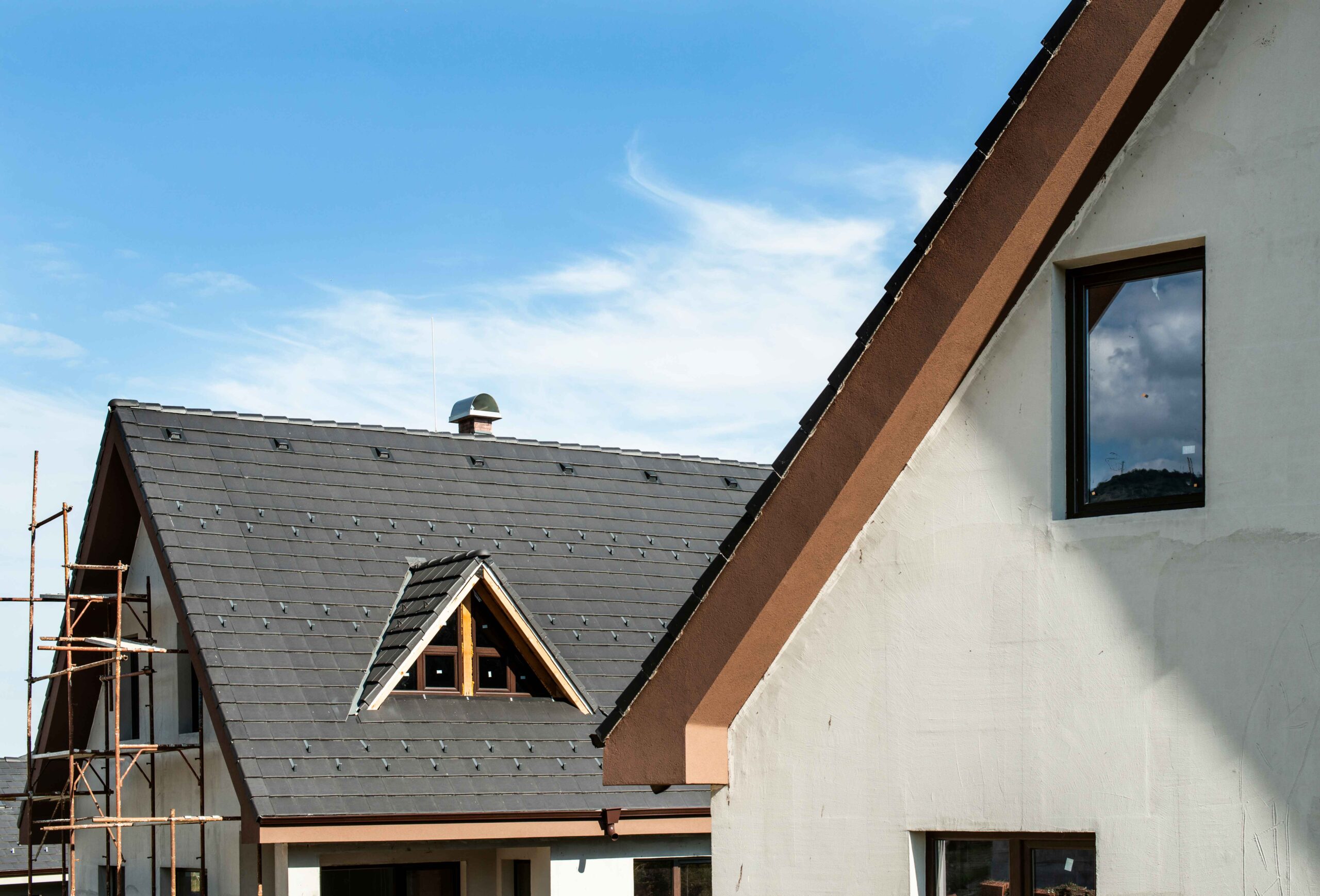
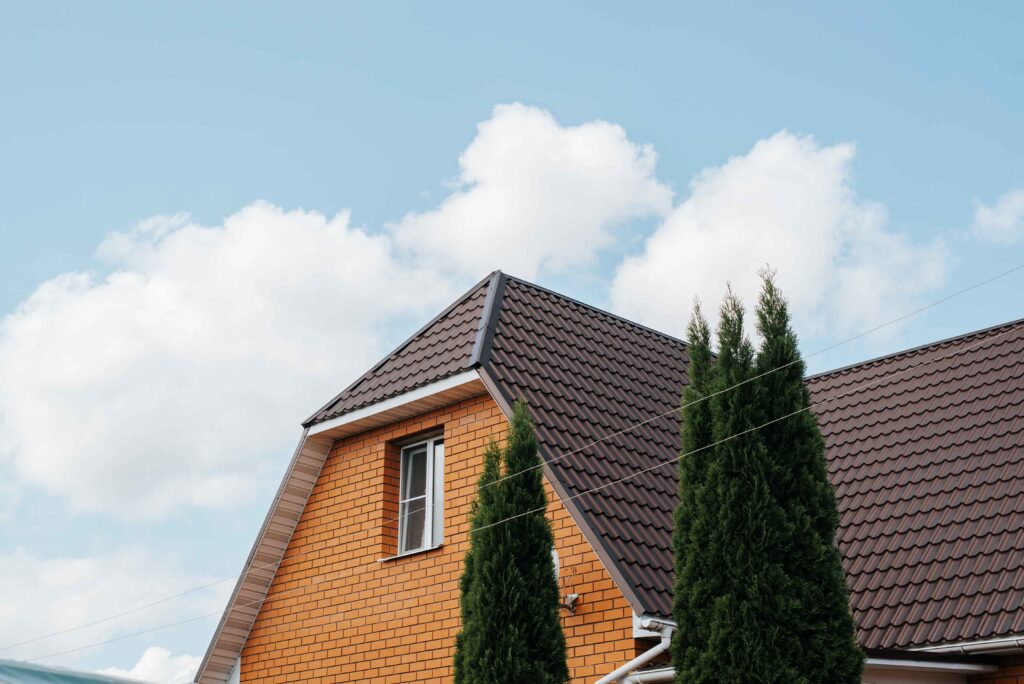
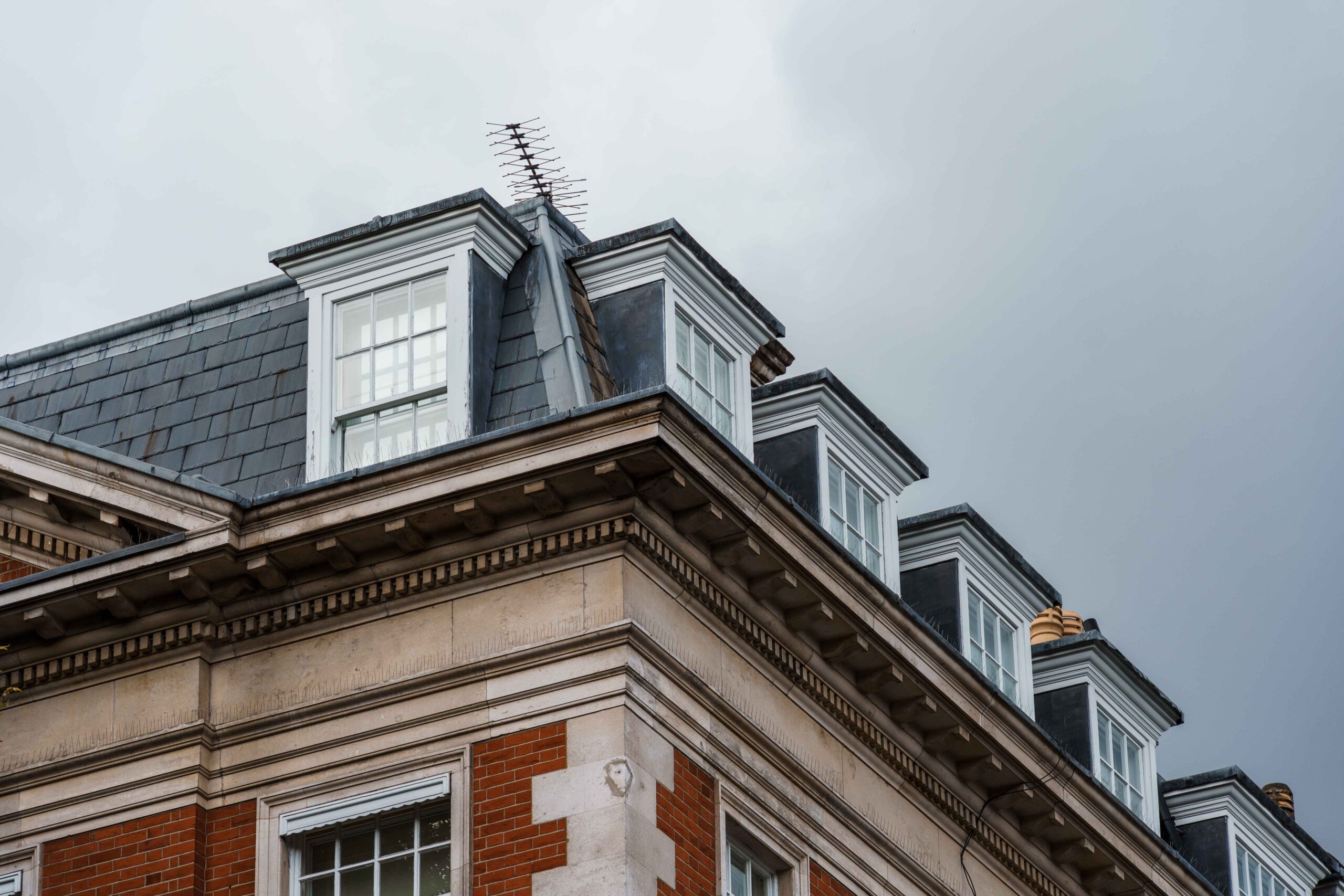
A pitched roof has a sloped design, often shaped like a triangle or gable. You’ll find these commonly in traditional British homes, as the angle helps shed rainwater and snow efficiently. Pitched roofs typically use tiles, slate, or shingles and allow for attic or loft space beneath.
What Is a Flat Roof?
Despite the name, a flat roof is not entirely flat. It usually has a slight gradient (1-10 degrees) to allow for water runoff. Flat roofs are popular in modern architecture and are common in commercial buildings and some contemporary London residential properties. Materials like EPDM rubber, GRP fibreglass, or bitumen are used to waterproof them.
Pros of Pitched Roofs
✅ Excellent Drainage
London experiences frequent rainfall, and pitched roofs handle it superbly. The steep angle prevents water pooling, reducing the risk of leaks and structural damage.
✅ Longevity and Durability
Pitched roofs, when properly installed, can last anywhere between 40 to 100 years depending on the materials used. Slate and clay tiles, in particular, are known for their longevity.
✅ Extra Space
Many homeowners love pitched roofs because they offer usable loft or attic space. This extra room can be turned into a bedroom, office, or storage area, adding value to your home.
✅ Traditional Aesthetic
Pitched roofs match the classic British architectural style, blending in well with the surrounding homes, especially in older London neighbourhoods like Hampstead or Highgate.
Cons of Pitched Roofs
❌ Higher Initial Cost
A pitched roof is more complex to build and requires more materials and labour, making it more expensive upfront compared to a flat roof.
❌ Limited for Modern Designs
If you’re aiming for a contemporary, minimalist aesthetic, a pitched roof might feel outdated or out of sync with your vision.
Pros of Flat Roofs
✅ Modern Aesthetic
Flat roofs are sleek and minimalist, ideal for modern London homes or extensions. They work well with open-plan designs and large windows.
✅ Easier and Cheaper to Install
Flat roofs are typically quicker and less expensive to install, thanks to their simpler structure and fewer materials.
✅ Versatile Use of Space
Many homeowners in London use their flat roofs for roof terraces, green roofs, or solar panel installations—a great bonus if you’re low on outdoor space.
✅ Accessibility for Maintenance
It’s easier (and safer) for roofers to access a flat roof for repairs, inspections, or gutter cleaning.
Cons of Flat Roofs
❌ Shorter Lifespan
Flat roofs generally last 15 to 30 years, depending on the material and maintenance. They’re more prone to leaks, especially if drainage is poor.
❌ Water Pooling Risk
Although flat roofs are slightly angled, water pooling is still a concern in heavy London rain. Over time, standing water can lead to leaks or structural issues.
❌ Limited Insulation
Flat roofs are harder to insulate effectively, which can lead to higher heating bills if not properly designed.
Suitability for London Homes
When deciding between pitched vs flat roofs in London, consider the style, age, and layout of your property:
- Victorian or Edwardian homes usually suit pitched roofs due to their historic architecture.
- Modern builds and extensions, especially in areas like East London or parts of Southwark, often opt for flat roofs.
- Terraced houses sometimes combine both: a pitched front and a flat rear extension roof.
Also, be mindful of local planning restrictions. Some boroughs may prefer roof styles that maintain the character of the neighbourhood.



Leave a Reply