
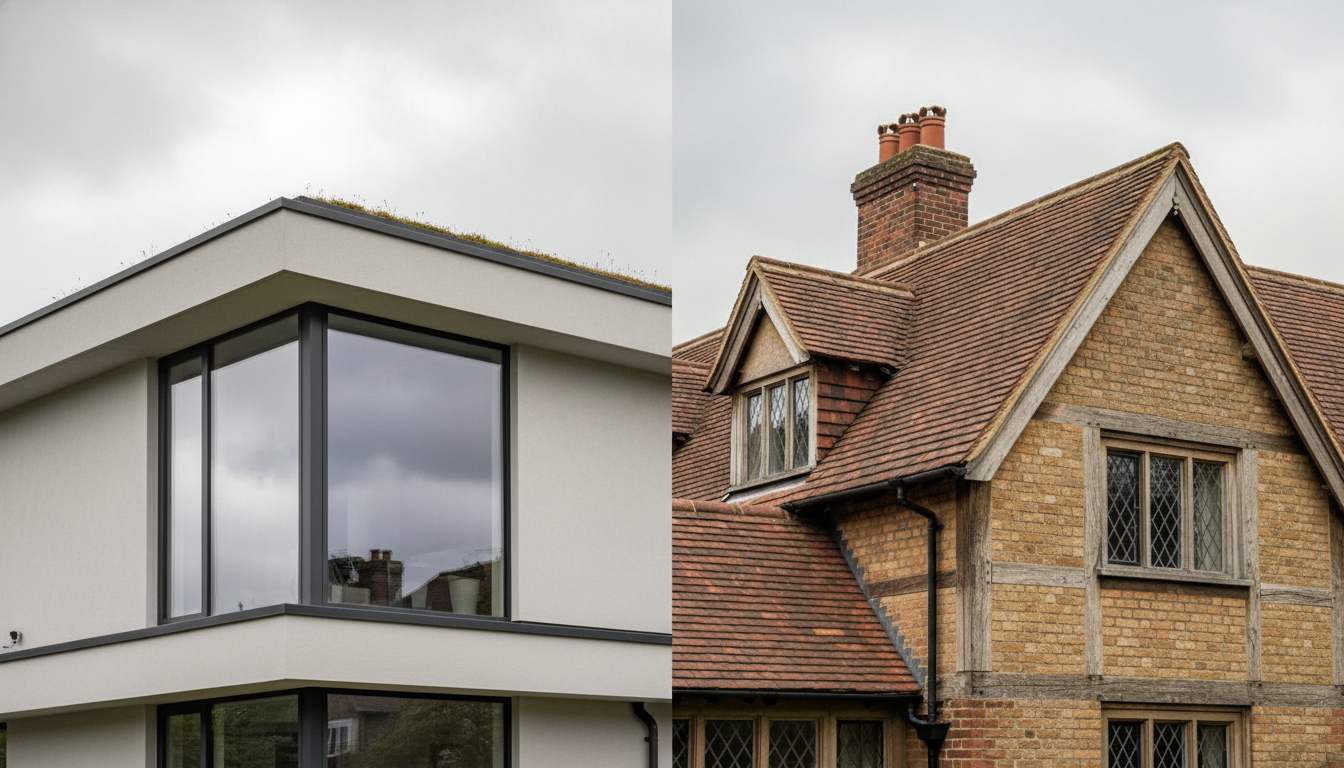
Flat Roof Vs Pitched Roof Which Is Better For UK Homes
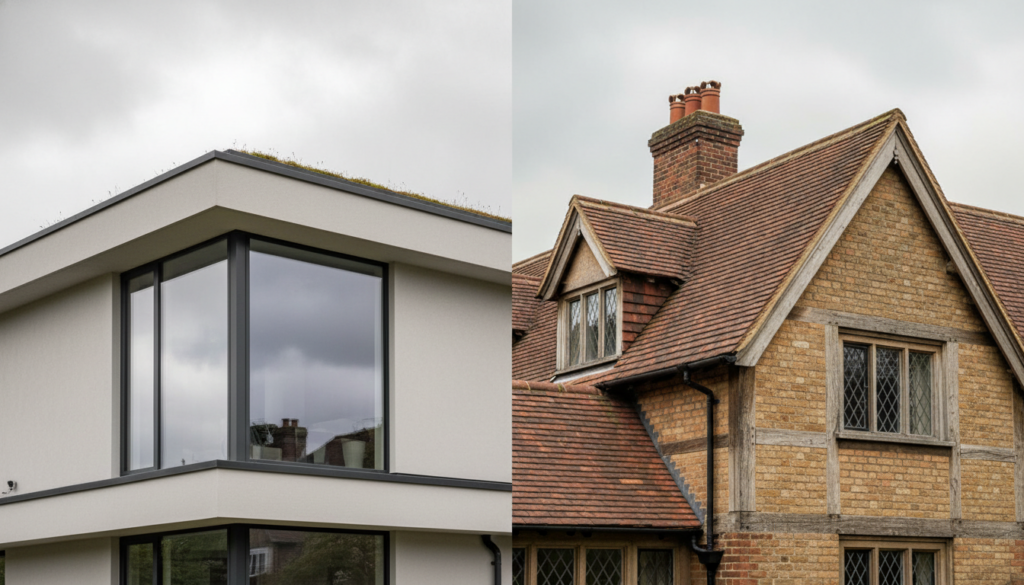
Flat Roof Vs Pitched Roof Which Is Better For UK Homes is a practical decision about property layout, drainage, insulation, maintenance, cost control, weather exposure, and long-term repair risk. A flat roof can suit extensions, garages, dormers, and modern designs, but it needs correct falls, waterproofing, outlets, and edge details.
A pitched roof sheds water more naturally, but it depends on tiles, slates, ridges, valleys, gutters, and flashings working together. A & A Roofing London helps homeowners across London, Essex, and the Hertfordshire borders compare both roof types against the real property, not a generic preference.
Quick Check: If you are choosing between a flat roof, pitched roof, or mixed roof design, ask A & A Roofing London to compare suitable roofing materials in the UK against the roof pitch, drainage route, insulation plan, and maintenance access before work begins.
Flat Roof Vs Pitched Roof Which Is Better For Uk Homes

Flat Roof Vs Pitched Roof Which Is Better For Uk Homes depends on what the roof has to do. A flat roof is not completely flat; it normally needs a slight fall so rainwater can drain away. Planning Portal notes that a flat roof usually has a slight fall for rainwater drainage, while the choice of tile or slate on a pitched roof is partly governed by how steep or shallow the slope is.
| Comparison point | Flat roof | Pitched roof | A & A Roofing London focus |
| Water movement | Relies on falls, outlets, edges, and membrane condition | Relies on slope, laps, valleys, gutters, and flashings | Drainage route and weak points |
| Common use | Extensions, garages, dormers, bays, modern additions | Main roof slopes, loft spaces, traditional homes | Roof form and property layout |
| Maintenance focus | Ponding, cracks, blisters, outlets, upstands | Tiles, slates, ridges, valleys, gutters, chimneys | Defects most likely to appear |
| Insulation approach | Warm or cold roof build-up must be correct | Loft or rafter insulation with airflow planning | Moisture and heat-loss control |
| Repair risk | Small membrane faults can spread beneath the surface | Local tile or slate defects may be easier to isolate | Source tracing before repair |
| Visual style | Lower profile, modern or extension-led | Traditional pitched appearance | Suitability for the home |
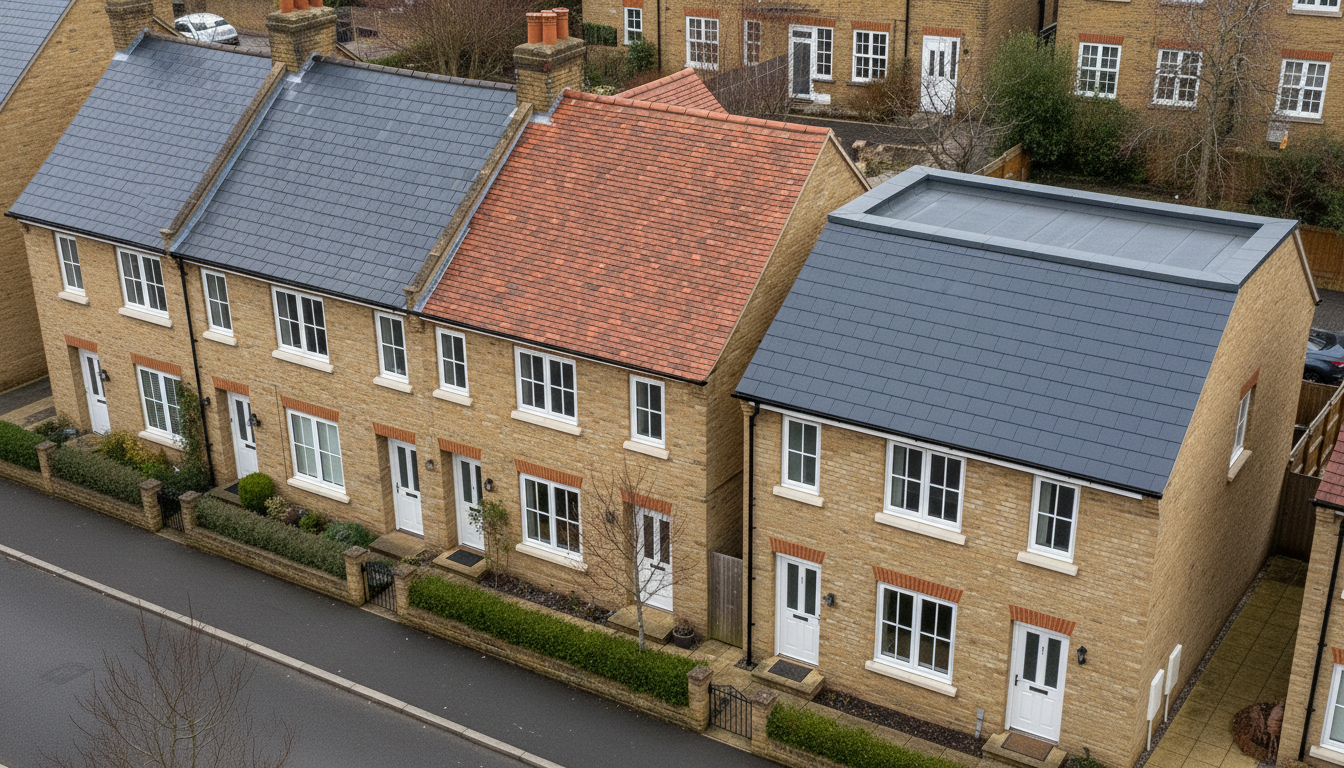
A & A Roofing London compares roof type, structure, materials, drainage, insulation, ventilation, and maintenance before recommending flat roof installation, pitched roof installation, roof restoration, roof repairs, or re-roofing. Many UK homes also have both: a pitched main roof with flat roof extensions, dormers, garages, or bays.
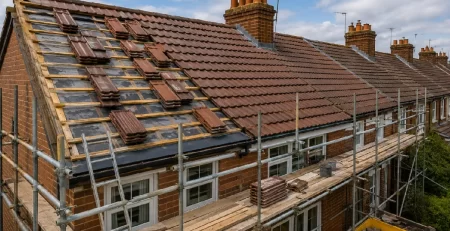
Tile Roofing on Pitched Roofs
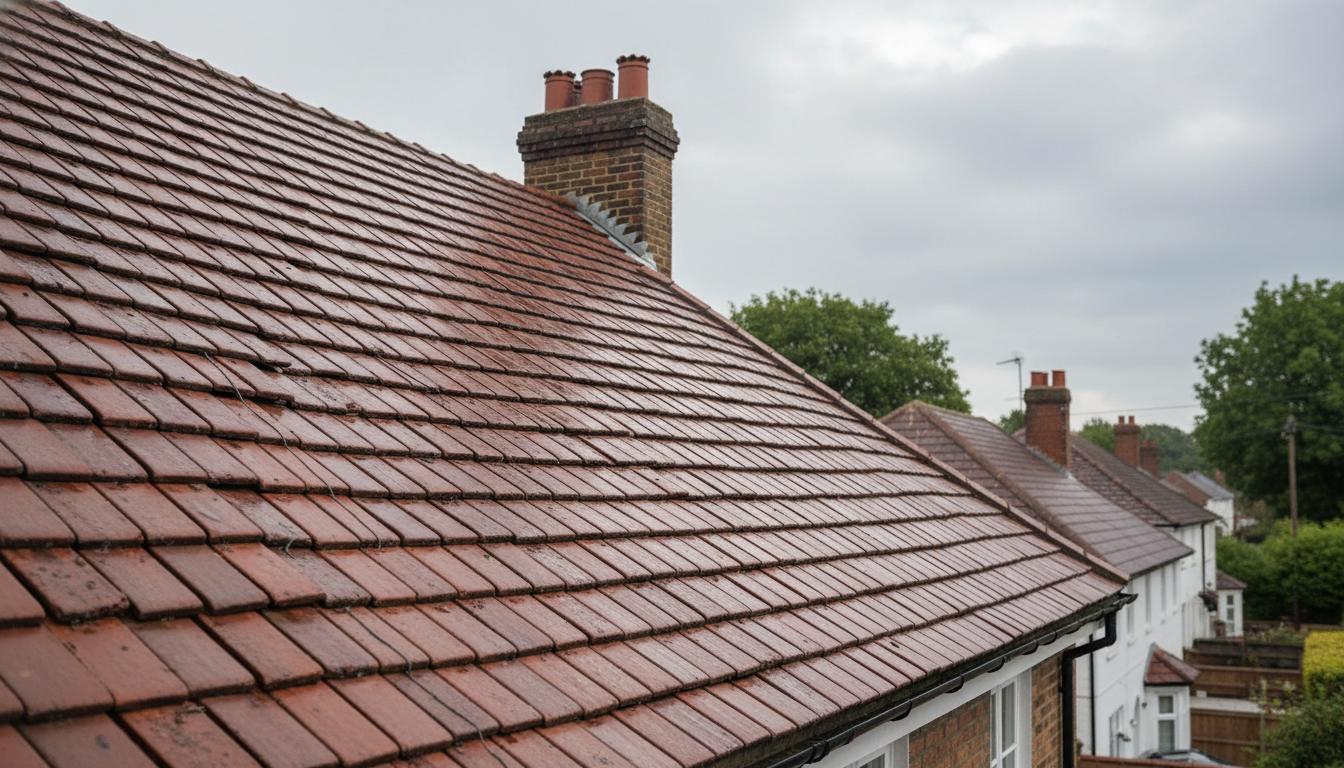
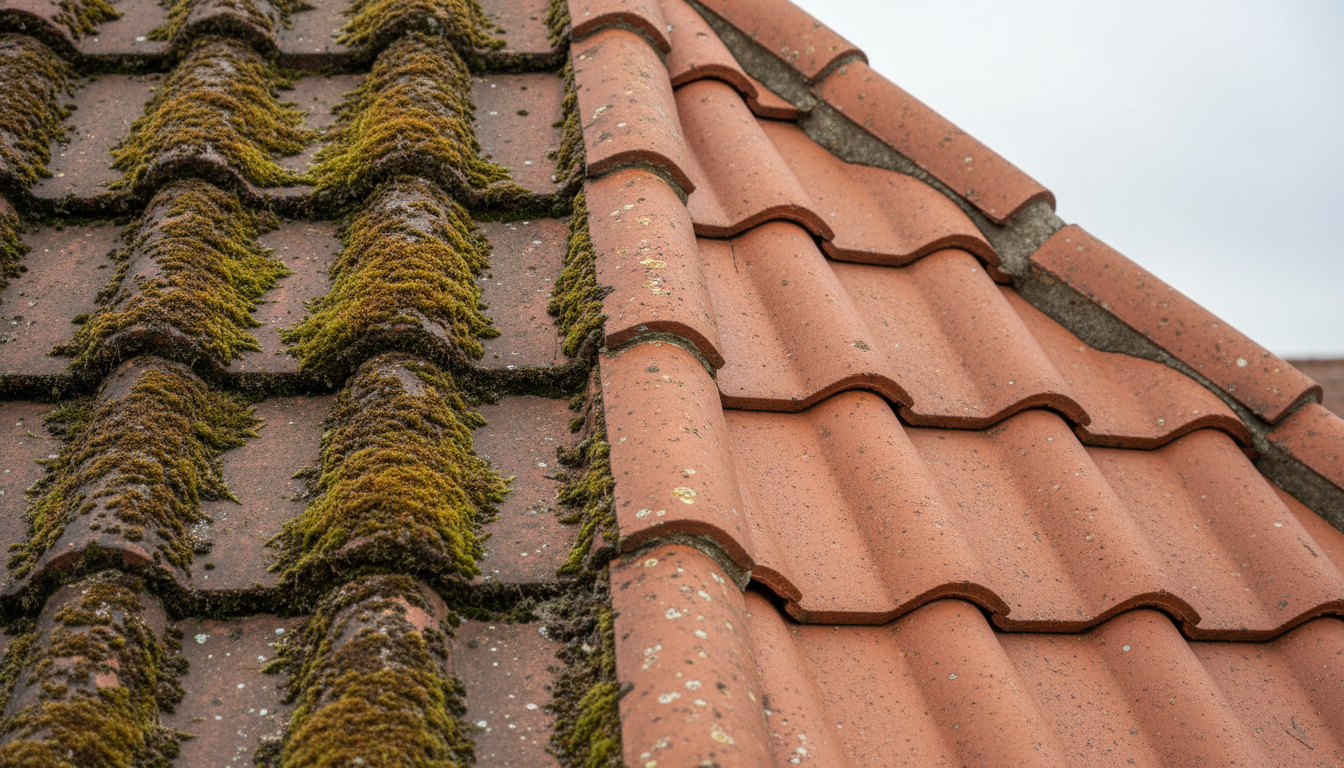
Tile roofing is usually linked with pitched roof construction because tiles rely on slope, overlap, fixings, underlay, battens, ridges, valleys, and gutters. The steeper or shallower the pitch, the more important it becomes to choose a tile and fixing method that suits the roof.
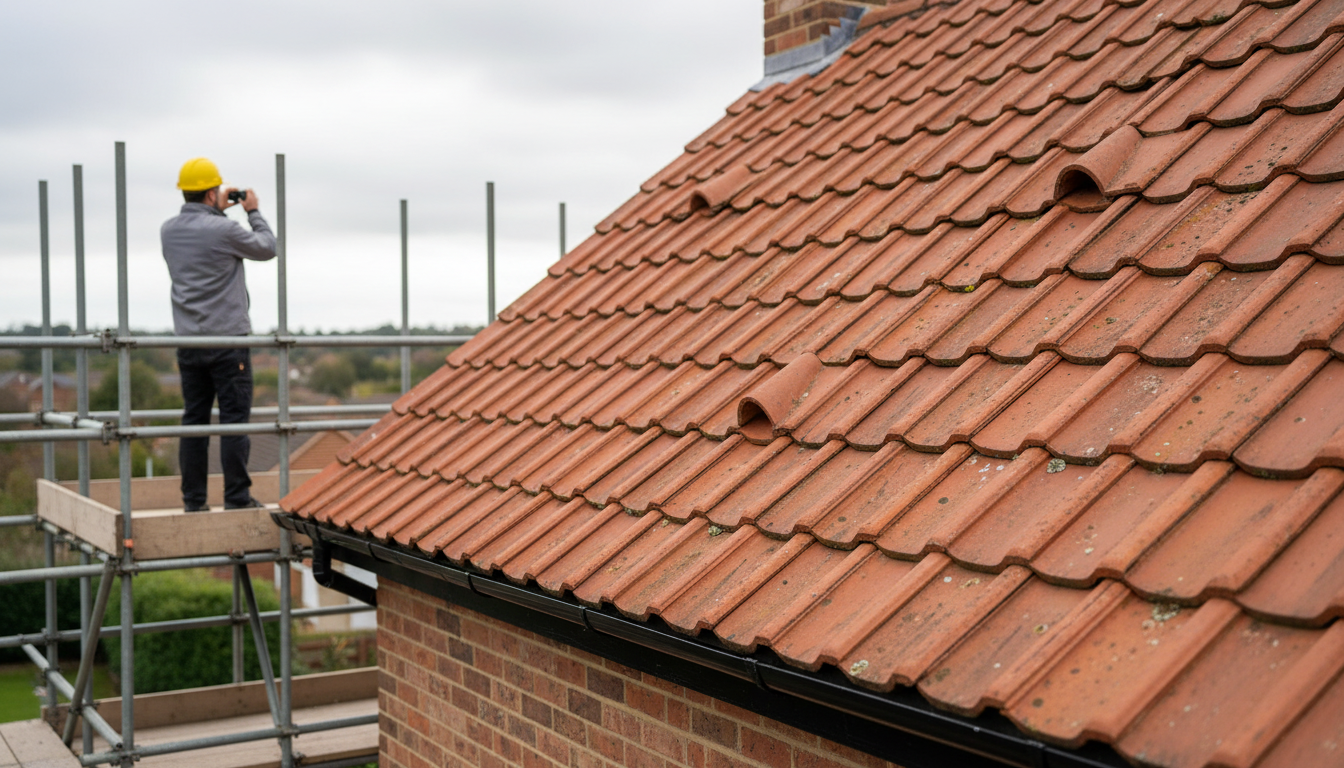
A & A Roofing London checks tile roofing in London by reviewing roof pitch, tile condition, drainage, ridge lines, hips, valleys, gutters, underlay, and previous repair points. A tiled pitched roof can be a practical long-term choice, but it still needs inspection around exposed edges and junctions.
For wider material comparison, tile, slate, and flat roof comparison factors can help homeowners understand how roof covering decisions affect maintenance and performance. If the property is exposed to frequent wet and windy weather, weather-based roof covering selection is also relevant.
Slate Roofing and Roof Pitch
Slate roofing is commonly used on pitched roofs and can suit older homes, period properties, and some modern designs where the structure, roof pitch, and appearance are appropriate. Slate performance depends on correct laps, fixing, underlay, ventilation, leadwork, and drainage.
A & A Roofing London checks slate roofing in London by reviewing slate condition, fixings, valleys, ridges, chimneys, leadwork, and internal damp evidence. Slate should not be chosen only for appearance; the roof pitch, loading, detailing, and maintenance needs all matter.
Where the choice is between slate and tile on a pitched roof, slate and tile roof differences gives useful supporting context. For homeowners considering slate performance, slate thermal performance notes can also support the insulation and energy discussion.
Flat Roofing for Extensions and Modern Additions
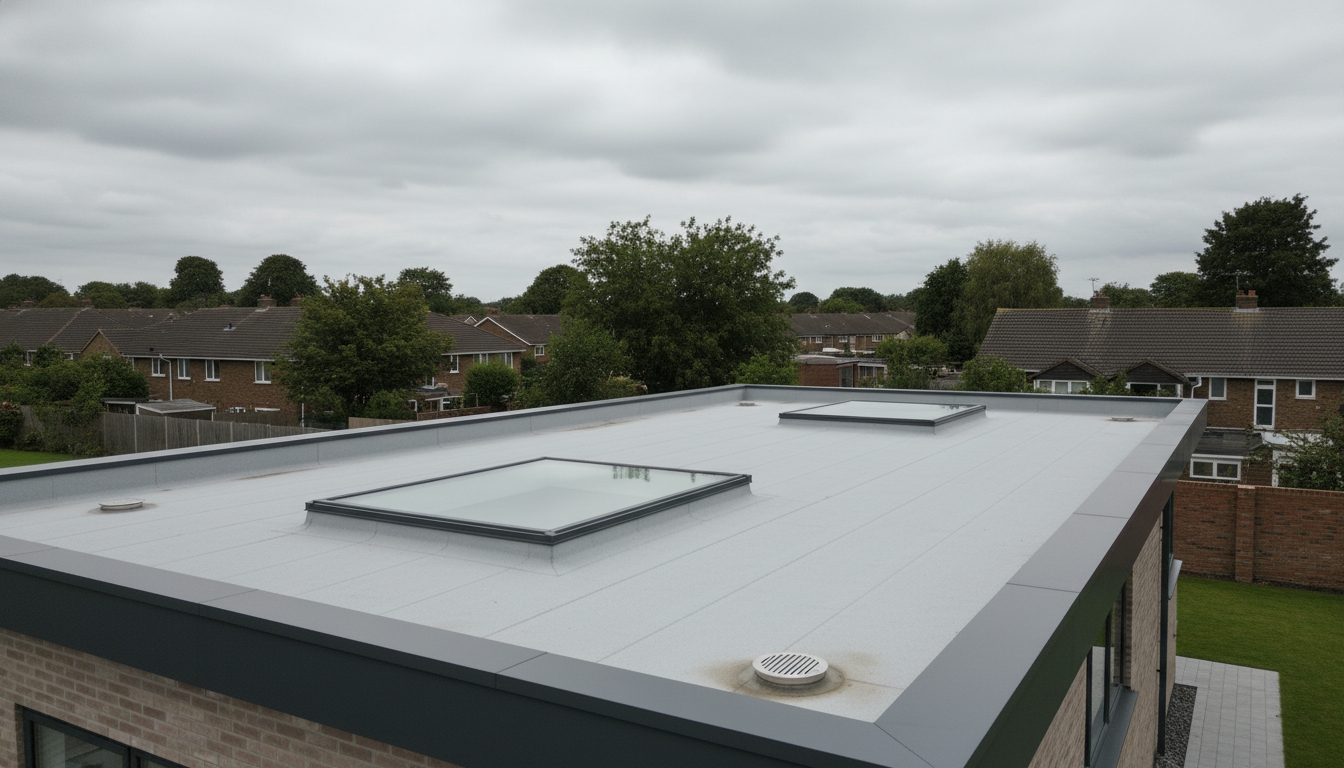
Flat roofs are common on extensions, dormers, garages, porches, bays, and modern additions. They can be practical where a pitched roof would be too high, visually intrusive, or difficult to join into the existing property. The trade-off is that flat roofs need excellent waterproofing, drainage, upstands, and edge detailing.
A & A Roofing London provides flat roof installation in London by checking the deck, falls, waterproofing system, outlets, upstands, rooflights, edge trims, insulation position, and water from higher roof sections. A flat roof should be judged by its build-up and drainage, not by the word “flat” alone.
Energy Saving Trust says flat roof insulation generally needs specialist techniques, and insulating from underneath can cause condensation problems if not completed correctly. For lifespan planning, flat roof durability variables and flat roof lifecycle assessment are useful supporting topics.
Pitched Roof Installation for Main Roofs
Pitched roof installation is often suitable for main residential roof slopes because it naturally sheds rain through slope, roof covering laps, valleys, gutters, and flashings. It can also provide loft space and traditional appearance, depending on the property.
A & A Roofing London checks pitched roof installation in the UK by reviewing structural suitability, roof pitch, covering choice, underlay, ventilation, insulation, ridges, hips, valleys, gutters, and leadwork. The roof should be designed as a system rather than a covering laid onto a slope.
Planning Portal explains that full details are needed to demonstrate Building Regulations compliance for a new roof, including materials, dimensions, and performance properties. This matters for both flat and pitched roof work because the covering, structure, insulation, and drainage details need to work together.
Warm Roof, Cold Roof, and Condensation Risk
One of the biggest differences in Flat Roof Vs Pitched Roof Which Is Better For Uk Homes is the insulation build-up. Flat roofs are often discussed as warm roof or cold roof designs. Pitched roofs may involve loft insulation at ceiling level, insulation at rafter level, or roof-space ventilation depending on the design.
Planning Portal describes a warm deck as insulation placed on top of rafters or joists with the roof covering above, while a cold deck places insulation between joists, rafters, or ceiling joists. Energy Saving Trust also warns that flat roofs and damp or condensation issues usually need professional advice before insulation work is carried out.
A & A Roofing London checks whether the roof type matches the insulation approach. For homeowners comparing build-ups, warm and cold roof layer differences and roof insulation planning checks are useful references.
Roof Ventilation in Flat and Pitched Roofs
Ventilation needs differ between flat and pitched roofs. A pitched roof with a cold loft may rely on airflow through eaves, ridge ventilation, or suitable ventilators. A flat roof needs moisture control through the correct warm or cold build-up, vapour control, and detailing.
A & A Roofing London checks ventilation before recommending roof work because condensation can look like a leak. Damp insulation, mould, staining, and wet underlay may come from poor airflow, roof leaks, blocked drainage, or insulation changes.
For moisture-control planning, roof-space airflow control points is the most relevant supporting topic. It helps separate ventilation problems from external roof defects.
Drainage: The Main Flat Roof Concern
Drainage is often the deciding factor in flat roof performance. Because a flat roof has a shallow fall, it depends heavily on outlets, trims, upstands, gutters, and surface condition. If water ponds, outlets block, or higher roofs discharge onto the flat roof, damage can develop quickly.
Planning Portal describes gutters and rainwater pipes as roof drainage. A & A Roofing London checks flat roof drainage with the wider property drainage route, especially where a pitched roof drains onto a lower flat roof.
For drainage-led problems, roof runoff failure routes helps explain how poor water flow damages roofs. Where the issue is at the gutter line, blocked gutter roof-edge effects is also relevant.
Valleys, Gutters, and Pitched Roof Weak Points
Pitched roofs shed water well when valleys, gutters, flashings, and roof coverings are clear and correctly detailed. Problems start where two slopes meet, where gutters overflow, or where debris blocks the route from roof to downpipe.
A & A Roofing London checks valleys, gutters, downpipes, tile cuts, slate edges, moss, debris, and internal damp signs. A pitched roof may look stronger than a flat roof, but blocked valleys or failed gutters can still cause serious water entry.
For pitched roof drainage detail, valley flow restriction signs and roof valley water-load factors are useful supporting links.
Roof Restoration for Flat and Pitched Roofs
Roof restoration can apply to both flat and pitched roofs, but the work is different. A flat roof restoration plan may focus on surface condition, outlets, seams, edge trims, ponding, and upstands. A pitched roof restoration plan may involve tiles, slates, ridges, valleys, gutters, leadwork, chimneys, and underlay checks.
A & A Roofing London handles roof maintenance in the UK by deciding whether the roof can be restored or whether replacement is more practical. Restoration should improve function, not just appearance.
For flat-roof-specific restoration planning, flat roof restoration condition checks are useful. If the property has older and newer roof sections, property-age roof design contrasts helps explain why one roof type may need a different maintenance route.
Roof Repairs: Flat Roof Vs Pitched Roof
Flat roof repairs often involve membranes, seams, outlets, trims, rooflights, upstands, and deck condition. Pitched roof repairs often involve tiles, slates, ridges, valleys, gutters, flashings, chimneys, and underlay. The right repair depends on where water is entering and how far it has travelled.
A & A Roofing London traces the leak path before recommending a repair. A stain below a flat roof may come from a failed outlet, but it may also come from a higher pitched roof discharging water onto it. A stain below a pitched roof may come from a tile gap, flashing defect, blocked valley, or gutter overflow.
| Repair question | Flat roof answer | Pitched roof answer |
| Is water ponding? | Check falls, outlet, membrane, deck | Check gutters, valleys, and discharge |
| Is the leak near a wall? | Check upstands and edge termination | Check flashing and tile or slate cuts |
| Is there storm movement? | Check lifted trims and membrane edges | Check tiles, slates, ridges, and verges |
| Is damage local? | Local patch may work if deck is sound | Local tile or slate repair may work |
| Is failure widespread? | Replacement may be more practical | Re-roofing may be more practical |
For wider decision-making, repair scope comparison steps help homeowners decide whether patching, restoration, or replacement should be considered.
Re-Roofing and Building Regulations
Re-roofing decisions differ between flat and pitched roofs, but both can involve Building Regulations. Changing the roof covering, altering weight, improving insulation, or carrying out wider replacement work can trigger compliance checks.
Planning Portal states that most roof replacement work on existing buildings needs Building Regulations approval. It also explains that if an existing covering is replaced with a different material, approval is likely to be needed to check structural stability, fire safety, and energy efficiency. GOV.UK also lists replacing roof coverings on pitched and flat roofs as work that generally needs Building Regulations approval.
A & A Roofing London checks whether a flat roof, pitched roof, or mixed roof replacement needs structural, insulation, fire, drainage, and material considerations before work begins.
Lead Work, Chimneys, and Roof Shape
Leadwork and chimneys affect both flat and pitched roof decisions. Pitched roofs often have chimney flashings, step flashings, soakers, valleys, and abutments. Flat roofs may have upstands, parapets, rooflights, and wall junctions. In both cases, weak detailing can cause leaks even when the main roof surface is sound.
A & A Roofing London checks flashing, leadwork, chimneys, parapets, rooflights, wall abutments, tile or slate cuts, and flat roof edges. The roof shape matters because it controls how water reaches each junction.
For junction diagnosis, flashing junction fault indicators and leadwork weathering roles are useful supporting topics.
Roof Materials for UK Homes
The “better” roof type depends partly on materials. A pitched roof may use tiles or slates. A flat roof may use a specialist waterproofing system. Each option has different performance requirements, maintenance needs, drainage details, and installation risks.
A & A Roofing London compares materials by roof pitch, loading, property style, drainage, insulation, weather exposure, and maintenance access. A material that works well on one property may be unsuitable for another roof shape.
For material planning, UK roof material lifespan factors supports the comparison. For tile-specific decisions, tile roof installation preparation is useful. For slate-specific planning, slate installation workflow stages gives a clearer view of how slate roofing is installed.
Inspection and Maintenance Needs
Flat roofs and pitched roofs both need inspection, but the checklist is different. Flat roofs need closer checks for ponding, outlets, seams, trims, rooflights, upstands, and deck softness. Pitched roofs need checks for tiles, slates, ridges, valleys, gutters, chimneys, flashings, and roofline movement.
HSE says roof work is high risk and that all roofs should be treated as fragile until a competent person confirms otherwise. Its fragile-surface guidance also says precautions are required for work on or near fragile surfaces, no matter how short the duration.
A & A Roofing London checks roof condition safely rather than treating either flat or pitched roofs as casual access areas. For planned maintenance, roof maintenance task structure is useful.
Which Roof Is Better for Residential Roofing?
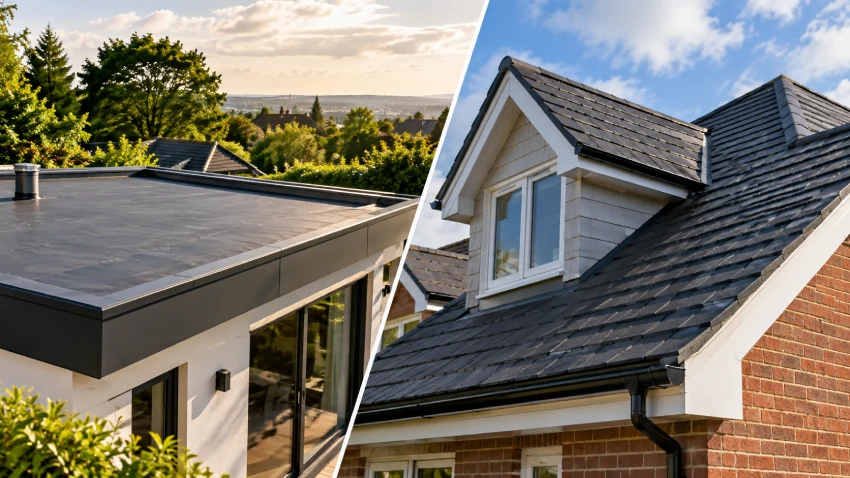
For residential roofing, the better option is the roof type that fits the building. A pitched roof is often suitable for main roof structures where drainage, loft space, and traditional appearance matter. A flat roof can be suitable for extensions, dormers, garages, and modern additions where height and layout are restricted.
A & A Roofing London helps homeowners compare:
| Home situation | Often suits flat roof | Often suits pitched roof |
| Rear extension with height limits | Yes | Sometimes, if pitch and height work |
| Main house roof | Less common | Usually more practical |
| Modern design feature | Often suitable | Possible, depending on style |
| Loft space and traditional roofline | Limited | Stronger fit |
| Simple drainage route | Needs careful design | Often easier through slope |
| Low-profile addition | Strong fit | May be too high or visually heavy |
| Long-term inspection access | Needs safe surface and edge planning | Needs safe pitched-roof access |
A & A Roofing London does not treat either option as automatically better. The right choice depends on structure, pitch, drainage, insulation, material, appearance, budget scope, and future maintenance.
Flat Roof Vs Pitched Roof: Which Is Better for UK Homes? Area Coverage
Local roof age, property type, extensions, access, roof pitch, drainage layout, weather exposure, and surrounding roof materials all affect whether a flat or pitched roof is the better fit. A & A Roofing London covers North London, Essex, and the Hertfordshire borders, helping homeowners compare roof types with the actual property layout.
North London
In North London, Flat Roof Vs Pitched Roof Which Is Better For Uk Homes often applies to terraced houses, rear extensions, dormers, flat roof additions, shared rooflines, chimneys, tiles, and slates. A & A Roofing London can compare whether a flat roof, pitched roof, or mixed roof approach suits the property’s access, drainage, insulation, and maintenance needs.
Hertfordshire Borders
Across the Hertfordshire borders, Flat Roof Vs Pitched Roof Which Is Better For Uk Homes may involve tiled pitched roofs, slate roof sections, garages, extensions, changing insulation standards, and roofs at different ages. A & A Roofing London checks structure, roof covering, water flow, ventilation, and long-term maintenance before recommending the roof type or repair route.
Essex
In Essex, Flat Roof Vs Pitched Roof Which Is Better For Uk Homes can involve main pitched roofs, flat roof extensions, weather-exposed edges, blocked drainage, and roof materials affected by rain and wind. A & A Roofing London can inspect tiles, slates, flat roof surfaces, gutters, valleys, and roof junctions so the chosen roof type fits the building.
Final Roofing Decision
Flat Roof Vs Pitched Roof Which Is Better For Uk Homes has no single answer for every property. A flat roof can be the right choice for extensions, dormers, garages, and low-profile additions when drainage, insulation, waterproofing, and upstands are detailed correctly. A pitched roof is often stronger for main roof structures where slope, tile or slate covering, loft space, and water shedding matter.
A & A Roofing London can compare roofing materials in the UK against the full roof system: pitch, structure, flat roof build-up, tiles, slates, insulation, ventilation, gutters, valleys, leadwork, chimneys, weather exposure, and maintenance access. That gives homeowners a practical route to flat roof installation, pitched roof installation, roof maintenance, repair, restoration, or replacement based on the actual home.
FAQs About Flat Roof Vs Pitched Roof Which Is Better For Uk Homes
Is a flat roof or pitched roof better for UK homes?
It depends on the property. A pitched roof is often better for main roof slopes where natural water shedding, loft space, and traditional roof shape matter. A flat roof can be better for extensions, garages, dormers, and low-profile additions. A & A Roofing London compares structure, drainage, insulation, material, and maintenance before recommending either option.
Do flat roofs drain properly?
Flat roofs can drain properly when they are designed with suitable falls, outlets, trims, and upstands. Planning Portal notes that a flat roof usually has a slight fall so rainwater can drain off. A & A Roofing London checks ponding, outlet position, membrane condition, and whether higher roofs discharge water onto the flat roof.
Are pitched roofs lower maintenance than flat roofs?
Pitched roofs often shed water more naturally, but they are not maintenance-free. Tiles, slates, ridges, valleys, gutters, leadwork, chimneys, and flashings still need inspection. Flat roofs need closer attention to ponding, outlets, seams, edges, and upstands. A & A Roofing London sets maintenance around roof type and condition rather than assuming one roof needs no care.
Is a warm flat roof better than a cold flat roof?
A warm flat roof can be a strong option when the insulation, vapour control, waterproofing, falls, and upstands are designed correctly. Planning Portal describes a warm deck as insulation placed above the roof structure with the covering over it, while a cold deck places insulation between joists or rafters. The right choice depends on the building and roof design.
Can a pitched roof be added to replace a flat roof?
Sometimes, but it depends on structure, height, planning context, drainage, appearance, and Building Regulations. GOV.UK notes that replacing roof coverings on pitched and flat roofs generally needs Building Regulations approval. A & A Roofing London checks whether the structure and property layout support the change before any replacement plan is agreed.
Which roof type is better for insulation?
Both can perform well if designed correctly. Pitched roofs often use loft or rafter-level insulation with ventilation planning. Flat roofs need the correct warm or cold roof build-up. Energy Saving Trust says flat roof insulation needs specialist techniques and that insulating from underneath can cause condensation problems if not done correctly. A & A Roofing London checks insulation with moisture control and roof condition.
When should a flat roof be repaired or replaced?
A flat roof should be inspected when it has ponding, cracks, blisters, open seams, blocked outlets, damp below, soft decking, failed upstands, or repeated leaks. Local repair may be enough if the deck and wider membrane are sound. Replacement becomes more likely when defects are widespread or water has reached hidden layers.
What should A & A Roofing London check before choosing roof type?
A & A Roofing London should check roof structure, pitch, drainage, insulation, ventilation, tiles, slates, flat roof build-up, gutters, valleys, leadwork, chimneys, roof edges, maintenance access, weather exposure, and any previous repair history. The aim is to choose the roof type that fits the home rather than forcing a flat or pitched design.


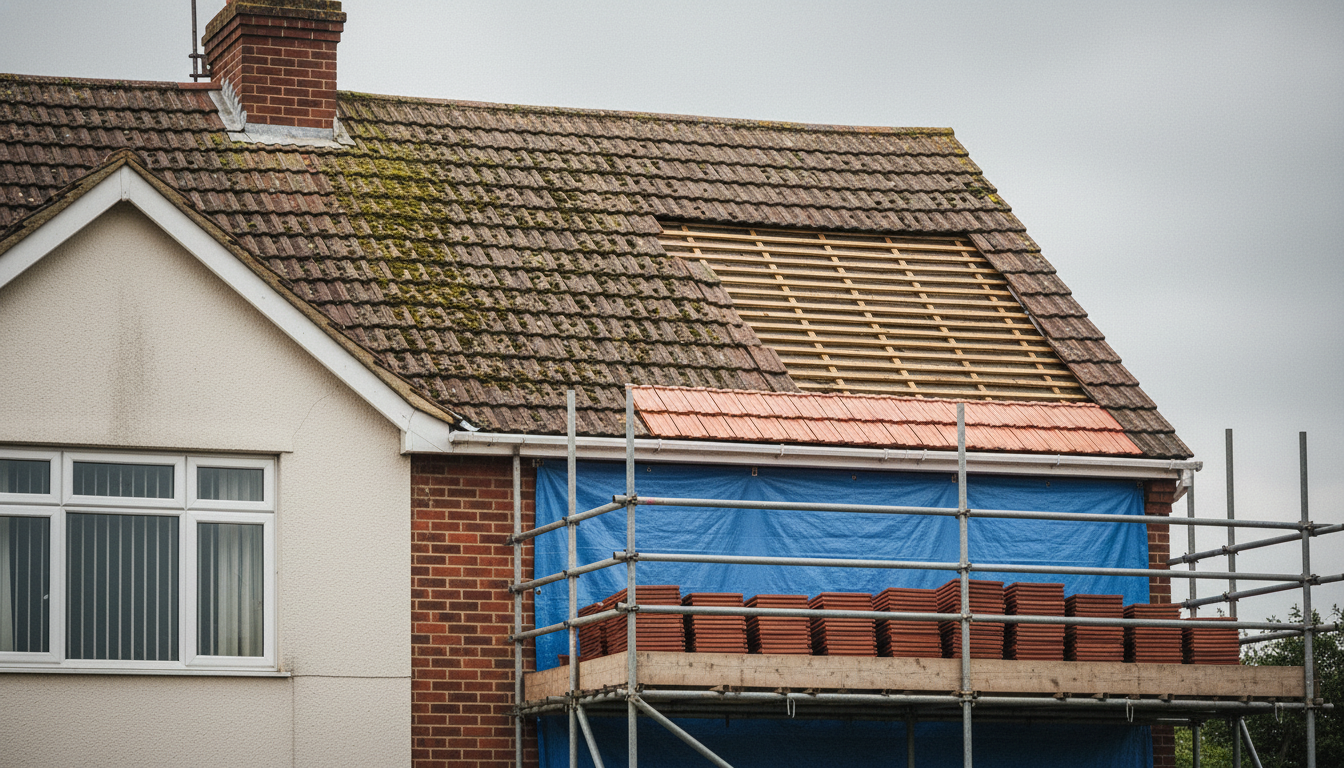
Comments (3)
[…] partly on keeping the pitched slate section weather-tight. For homeowners comparing roof shapes, flat-and-pitched roof trade-offs can help frame the practical […]
[…] mixed roof layouts, roof shape and efficiency comparison helps explain why one insulation method does not suit every roof. If the property has older and […]
[…] homeowners comparing roof forms, roof form moisture-control differences gives useful context. If the property has old and new roof sections, older-and-newer roof build-up […]
Comments are closed.