
BLOG
home What Is Tile Roofing in the UK? Types, Materials, and Uses Explained
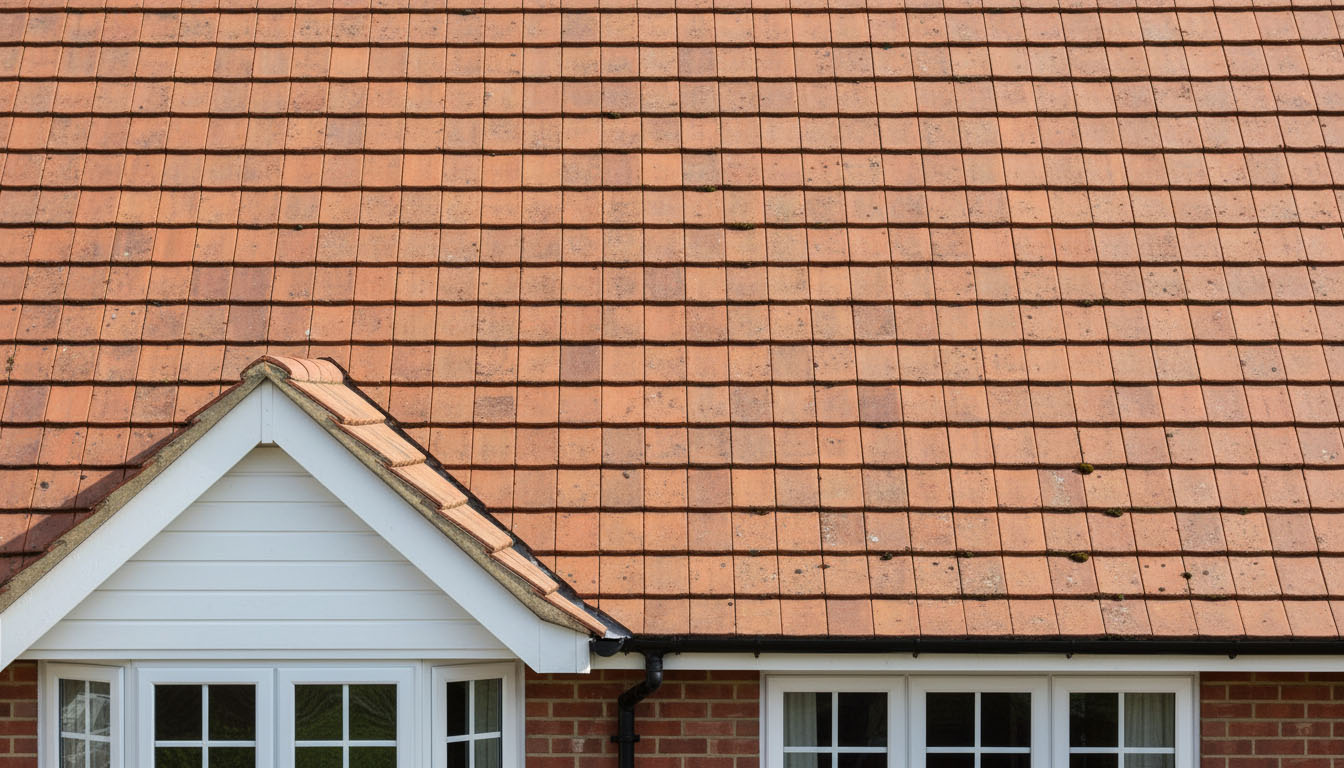
What Is Tile Roofing in the UK? Types, Materials, and Uses Explained
Tile roofing is one of the most common roofing systems across the UK, yet many homeowners do not fully understand the differences between tile types, materials, and performance standards. Choosing the wrong tile can result in reduced lifespan, higher maintenance, or structural strain.
The UK climate demands roofing materials that resist moisture, frost, and wind uplift. Understanding what tile roofing is in the UK and how different roof tile types perform ensures long-term durability and cost efficiency. This guide explains tile roofing systems, materials, and practical applications.
What Is Tile Roofing UK Homeowners Commonly Install
What is tile roofing UK properties typically use refers to overlapping individual roof tiles laid in courses to create a weather-resistant barrier. Tiles are fixed to battens using nails or clips and installed in a single or double-lap system depending on the type.
Tile roofing systems generally consist of:
Structural rafters
Breathable underlay membrane
Timber battens
Interlocking or plain roof tiles
Ridge and verge detailing
Tile roofing provides strong weather resistance while offering flexibility in colour and style. Professional slate roofing consultation can also help homeowners compare tile and slate systems when selecting the most suitable option.
Roof Tile Types UK: Understanding the Main Categories
Roof tile types UK homeowners encounter typically fall into three main categories: clay tiles, concrete tiles, and slate tiles. Each material differs in durability, weight, and cost.
Primary tile categories include:
Clay plain tiles
Clay interlocking tiles
Concrete interlocking tiles
Natural slate tiles
Synthetic composite tiles
Interlocking tiles are common on modern developments due to ease of installation. Plain tiles are often used on period properties for traditional appearance.
Homeowners comparing options may also review tile vs slate vs flat roof considerations before committing to a system.
UK Tile Roofing Guide: Material Comparison
The UK tile roofing guide below compares common materials based on lifespan, cost, and maintenance.
Tile Material | Average Lifespan | Weight | Cost Position | Maintenance |
|---|---|---|---|---|
Clay Tiles | 60+ years | Heavy | Mid to High | Moderate |
Concrete Tiles | 40–60 years | Heavy | Moderate | Moderate |
Natural Slate | 75–100+ years | Heavy | High | Low |
Synthetic Tiles | 30–50 years | Light | Moderate | Moderate |
Clay tiles offer classic appearance and strong frost resistance. Concrete tiles are more affordable but may fade over time. Natural slate delivers premium durability.
Professional slate roofing advice helps homeowners determine whether tile or slate better suits their long-term goals.
Structural and Installation Considerations
Tile roofing systems are generally heavy and require adequate structural support. Rafter strength and batten grade must comply with building standards.
Structural factors include:
Rafter span and load capacity
Roof pitch compatibility
Wind uplift classification
Fixing density requirements
Switching from lightweight materials to clay or concrete tiles may require structural assessment.
Where structural reinforcement or redesign is necessary, professional pitched roof installation ensures safe load distribution and regulatory compliance.
Common Uses of Tile Roofing in the UK
Tile roofing is widely used across residential properties in the UK due to versatility and cost balance.
Common applications include:
New-build housing developments
Semi-detached and detached homes
Renovation projects
Heritage-style builds using plain tiles
Clay plain tiles are frequently chosen for traditional aesthetics, while interlocking concrete tiles suit modern estates.
Maintenance and Lifespan Expectations
Tile roofing requires periodic inspection to maintain performance. Moss accumulation, cracked tiles, and flashing wear are common issues.
Typical maintenance tasks include:
Replacing cracked tiles
Checking ridge and hip systems
Clearing gutters
Inspecting flashing and valleys
In ageing properties where multiple components deteriorate simultaneously, roof restoration services can extend lifespan before full replacement becomes necessary.
Professional slate roofing services may also be considered when upgrading from tile to slate for enhanced durability.
Tile Roofing vs Slate: Key Differences
Although both systems use individual tiles, slate and tile differ significantly in lifespan and appearance.
Comparison highlights:
Slate typically lasts longer than clay or concrete
Tiles offer broader colour uniformity
Slate provides natural texture variation
Concrete tiles are generally more affordable
Choosing between them depends on budget, structural capacity, and long-term ownership plans.
Frequently Asked Questions
What is tile roofing in the UK
Tile roofing uses overlapping clay, concrete, or slate tiles fixed to battens to create a weather-resistant roof covering.
What are the main roof tile types in the UK
The main types are clay tiles, concrete tiles, natural slate, and synthetic composite tiles.
Which roof tile lasts the longest
Natural slate generally offers the longest lifespan, often exceeding 75 years.
Are concrete tiles cheaper than clay tiles
Yes, concrete tiles typically cost less upfront than clay options.
Do tile roofs require building regulations approval
If more than 25 percent of the roof is replaced, insulation and structural compliance may be required.