
BLOG
home Types of Roof Tiles in the UK: A Complete Guide to Materials and Styles
Types of Roof Tiles in the UK: A Complete Guide to Materials and Styles
Choosing the wrong roof tile type in the UK can shorten roof lifespan, increase maintenance costs, and create structural stress. Many homeowners focus only on colour or price without understanding how material choice affects durability, weight, and compliance with building standards.
The UK climate demands tiles that resist frost, moisture, and wind uplift. Understanding the different roof tiles available and how each material performs ensures long-term value and structural reliability. This guide explains the main types of roof tiles in the UK and how to choose the right option.
Types of Roof Tiles UK Homeowners Should Know
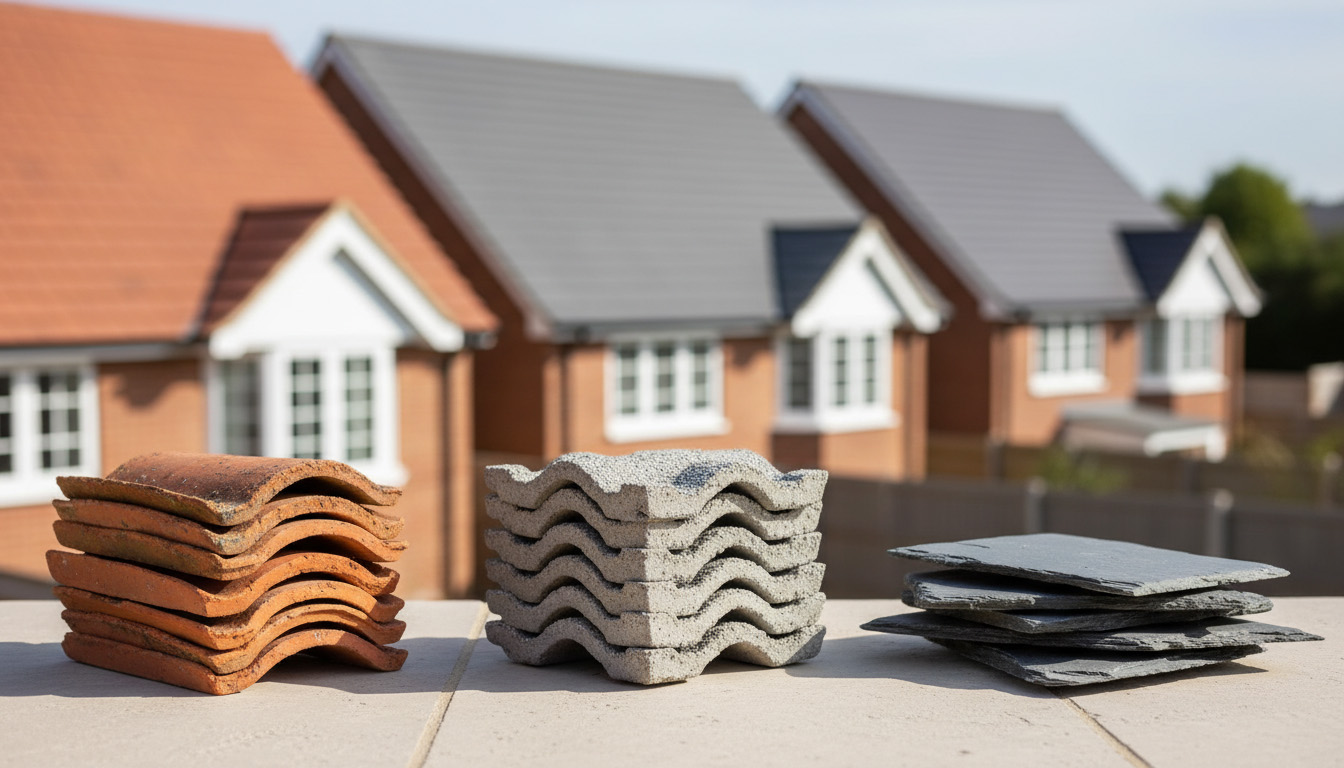
The types of roof tiles UK properties commonly use fall into three primary material categories: clay, concrete, and slate. Each offers different performance characteristics and aesthetic appeal.
Main tile categories include:
Clay plain tiles
Clay interlocking tiles
Concrete interlocking tiles
Natural slate tiles
Synthetic composite tiles
Each tile type uses overlapping courses fixed to battens over a breathable membrane. Selecting the correct system depends on roof pitch, exposure classification, and structural capacity.
Professional slate roofing consultation helps homeowners compare tile systems against natural slate alternatives when evaluating long-term value.
UK Roof Tile Materials: Performance Comparison
UK roof tile materials vary significantly in lifespan, weight, and maintenance requirements. Understanding material differences prevents premature replacement.
Material | Lifespan | Weight | Cost Position | Maintenance Level |
|---|---|---|---|---|
Clay Tiles | 60+ years | Heavy | Mid to High | Moderate |
Concrete Tiles | 40–60 years | Heavy | Moderate | Moderate |
Natural Slate | 75–100+ years | Heavy | High | Low |
Synthetic Tiles | 30–50 years | Light | Moderate | Moderate |
Clay tiles offer strong frost resistance and traditional aesthetics. Concrete tiles provide cost efficiency but may fade over time. Slate offers premium durability with minimal long-term maintenance.
Experienced slate roofing professionals advise homeowners seeking extended lifespan and enhanced property value.
Different Roof Tiles UK: Plain vs Interlocking
Different roof tiles UK homeowners consider often differ in installation method and appearance. Plain tiles create a more traditional look, while interlocking tiles allow faster installation.
Plain tile characteristics:
Double-lap installation
Higher material usage
Classic appearance
Suitable for period homes
Interlocking tile characteristics:
Single-lap installation
Faster fitting
Reduced labour cost
Common on modern builds
Installation method influences cost and wind performance. Homeowners comparing systems may also review slate roof vs tile roof UK considerations before making a final decision.
Structural Considerations and Roof Pitch
Tile selection must align with roof pitch and structural load capacity. Most clay and concrete tiles are heavy and require adequate rafter strength.
Structural factors include:
Rafter span compliance
Batten grade and spacing
Wind uplift zone classification
Minimum pitch requirements
Some interlocking tiles allow lower pitch installation, while plain tiles often require steeper slopes.
Where structural modification is required, professional pitched roof installation ensures compliance with UK building regulations.
Aesthetic Styles and Regional Trends
Different roof tiles UK regions prefer often reflect architectural heritage. Clay plain tiles are common in southern England, while concrete interlocking tiles dominate newer developments.
Style variations include:
Flat profile tiles for modern homes
Textured finishes for traditional aesthetics
Mixed colour blends for heritage character
Smooth uniform finishes for contemporary builds
Matching tile style to property type enhances kerb appeal and resale value.
Maintenance and Long-Term Performance
All tile types require periodic inspection to maintain durability. Moss growth, cracked tiles, and flashing wear are common maintenance concerns.
Maintenance considerations:
Replacing damaged tiles promptly
Checking ridge and hip systems
Monitoring ventilation
Clearing gutters regularly
Where ageing systems show widespread wear, roof restoration services can extend roof lifespan before full replacement becomes necessary.
Professional slate roofing services may also be considered when upgrading to longer-lasting materials.
Cost vs Long-Term Value
Upfront tile cost does not always reflect lifecycle value. Lower-cost concrete tiles may require earlier replacement compared to clay or slate.
Cost positioning overview:
Tile Type | Upfront Cost | Replacement Frequency | Long-Term Value |
|---|---|---|---|
Concrete | Lower | Moderate | Good |
Clay | Moderate | Low | Very Good |
Slate | Higher | Rare | Excellent |
Balancing budget and expected ownership duration ensures optimal material choice.
Frequently Asked Questions
What are the main types of roof tiles in the UK
The main types are clay tiles, concrete tiles, natural slate, and synthetic composite tiles.
Which roof tile material lasts the longest
Natural slate generally offers the longest lifespan, often exceeding 75 years.
Are concrete tiles cheaper than clay tiles
Yes, concrete tiles usually cost less upfront than clay alternatives.
Do roof tiles require structural assessment
Yes, heavy tile materials require adequate rafter strength and compliance with building standards.
Can I switch from tiles to slate
Yes, but structural assessment is necessary due to slate’s weight.